Does 60 Cotton 40 Polyester Shrink? A Complete Guide with Prevention Tips
Yes, 60% cotton 40% polyester fabric does shrink, but less than pure cotton garments. The polyester fibers help limit the amount of shrinkage, making these blends a more stable choice. Understanding how to care for 60/40 cotton-polyester clothing can help you maintain its shape and size after washing and drying.
This information is for people who own or plan to buy 60% cotton 40% polyester clothes and want to know their shrinkage risks. You will learn how fabric composition and laundry habits affect shrinkage and get practical prevention tips to keep your clothes looking their best.
Key Takeaways
- 60% cotton 40% polyester garments typically shrink about 5% after each wash and dry cycle with heat.
- Polyester reduces shrinkage by stabilizing cotton fibers, so blends shrink less than 100% cotton.
- Hot water washing and high heat tumble drying increase the likelihood and amount of shrinkage.
- Sanforized 60/40 fabrics shrink less because they’ve been pre-shrunk by the manufacturer.
- Using cold water washes and air drying drastically cuts down shrinkage risk.
- To intentionally shrink a 60/40 shirt, wash in warm water and tumble dry on medium heat cautiously.
Does 60% Cotton 40% Polyester Fabric Shrink and by How Much?

Yes, 60% cotton 40% polyester fabric does shrink, but the amount is generally modest compared to 100% cotton. Under typical home laundering conditions, such as washing in cold or warm water followed by tumble drying on a low or medium heat setting, you can expect about 3% to 5% shrinkage per wash and dry cycle. This happens because the cotton fibers contract when exposed to moisture and heat, while the polyester fibers resist shrinking, thereby limiting overall fabric shrinkage.
For example, 100% cotton t-shirts commonly shrink between 5% and 10% in length and 3% to 8% in width during similar laundering. The polyester component in 60/40 blends reduces these figures significantly, cutting shrinkage roughly in half or more. Shrinking around 5% per wash and dry cycle means your garment might become noticeably smaller over several washes, but it won’t typically experience drastic size changes like pure cotton would.
Following typical care instructions helps control shrinkage. Using cold water for washing and low heat or air drying minimizes fiber contraction. Hot water and high dryer temperatures can push shrinkage closer to that 5% mark each time because heat makes cotton fibers tighten more. Polyester fibers begin to shrink only at temperatures significantly above what home washers and dryers reach, so their presence stabilizes the overall fabric.
Understanding this shrinkage range matters when buying and caring for 60/40 cotton polyester clothing. To maintain fit over time, choosing garments a bit larger or washing them gently helps avoid unwanted size reduction. For instance, if you wash a 60/40 cotton-polyester shirt in hot water and dry it on high heat, plan for around 5% shrinkage after the first cycle. This shrinkage is moderate enough that it shouldn’t ruin the fit, but repeated exposure to heat can gradually reduce the size further.
The balance between cotton and polyester gives this fabric durability and wrinkle resistance while delivering only moderate shrinkage. While the cotton fibers absorb moisture and contract, the polyester fibers’ resistance to shrinking stabilizes the fabric dimensions. This blend also dries faster than all-cotton fabric, which can reduce exposure time to heat during drying, another factor limiting shrinkage.
60/40 cotton polyester shrinks, but less than 100% cotton. Typical home laundering results in about 3% to 5% shrinkage per wash and dry cycle, making this blend a practical choice if you want to reduce shrinking without sacrificing comfort. Managing wash water temperature and dryer heat level is the most effective way to keep shrinkage within this moderate range.
Why Polyester Fibers Reduce Shrinkage in 60/40 Blends
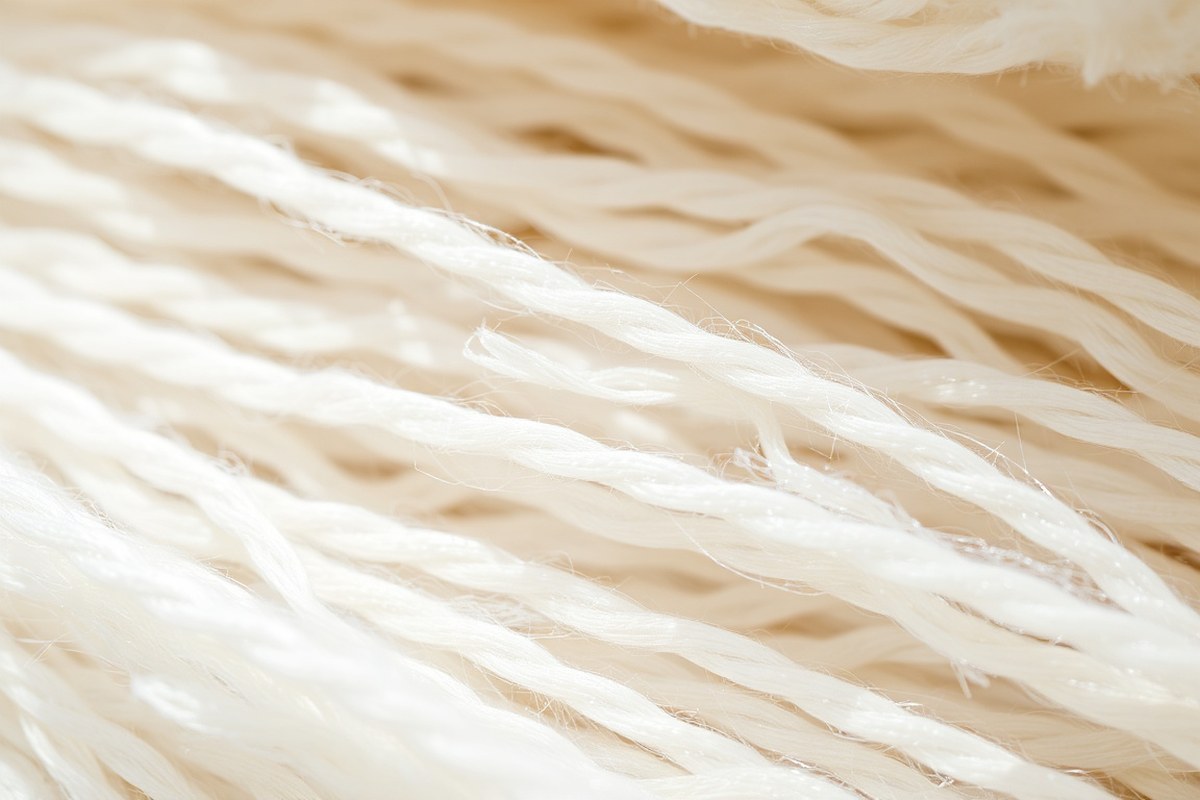
Polyester fibers play a key role in limiting shrinkage in 60% cotton 40% polyester blends by maintaining their structure under conditions that typically cause cotton to contract. Polyester is a synthetic fiber that remains rigid and glassy below about 70°C, a point known as its glass-transition temperature. This means polyester fibers do not soften or change shape at typical washing or drying temperatures below this threshold, providing a stable framework within the fabric.
Cotton fibers shrink mainly due to hygral contraction, which happens when they absorb water and then dry, causing the fibers to tighten. In a 60/40 blend, the polyester fibers physically restrain this tightening process. They form a kind of skeletal support that holds the fabric together, preventing the cotton from shrinking as much as it would on its own. This molecular interaction limits how much the garment shrinks overall, keeping the shrinkage moderate compared to pure cotton items.
The glass-transition temperature of polyester around 70°C is important because it defines when the polyester turns from a flexible to a rigid state. Since typical laundry cycles often stay below this temperature, the polyester stays “glassy” and provides resistance to the cotton’s natural tendency to contract when wet and drying. This contrasts with cotton, which can experience significant dimensional changes above certain temperatures due to fiber swelling and relaxation of tension put into fibers during manufacturing.
For you who own 60/40 cotton polyester clothing, this means avoiding wash or dry cycles that exceed about 70°C reduces the risk of polyester softening and losing its restraining effect. Keeping water temperature at or below this point and using low-heat drying cycles helps maintain the fabric’s shape and limits shrinkage to about 1-5%, instead of higher amounts seen in 100% cotton fabrics. This blend balances cotton’s comfort with polyester’s shrink control by using the synthetic polymer’s stable behavior under common laundering conditions.
Note also that because polyester fibers remain dimensionally stable, they also contribute to the garment’s resistance to wrinkles and maintain its general size and form even after repeated washings. This molecular compatibility affects not just shrinkage but also the useful lifespan and appearance of blended garments. However, if you expose the fabric to very high heat, such as ironing above 150°C or tumble drying at high settings, polyester softens and the support it provides weakens, potentially allowing more cotton shrinkage.
Always use cold or warm water washes and low heat settings in dryers to keep your 60/40 cotton polyester clothes from shrinking excessively.
How Washing and Drying Temperatures Affect 60/40 Cotton Polyester Shrinkage
Both washing and drying temperatures influence shrinkage in 60% cotton 40% polyester clothing, but dryer heat typically causes more shrinkage than washing water temperature. Cold or warm water washes minimize cotton fiber relaxation, reducing initial shrinkage. High heat from the dryer more rapidly locks in fabric contraction, leading to greater overall shrinkage in the blend.
Washing Temperature Effects
Washing 60/40 cotton polyester blends in cold water (around 80°F or 27°C) limits fiber relaxation, reducing shrinkage to about 0.5-1.5% after the first cycle. Cold water prevents the cotton fibers from swelling and loosening too much, and polyester remains stable since it resists water absorption. Washing in warm water (about 105°F or 41°C) increases shrinkage risks to 2-4%, as cotton fibers relax more and begin to contract during drying. Hot water above 120°F (49°C) causes the most cotton relaxation and thus the highest shrinkage.
Choosing the right wash temperature lets you control shrinkage by limiting how much the cotton fraction of the blend absorbs water and relaxes. Avoid hot water washes to keep shrinkage minimal.
Dryer Heat Impact
Dryer heat has a stronger effect on shrinkage than washing temperature because it removes moisture rapidly and causes thermal contraction. Polyester fibers shrink notably if exposed to dryer temperatures above 135°F (57°C), while cotton fibers contract as they dry in a shortened state. This combination can shrink your blend garment by 2-4% or more during the first drying cycle if the dryer is set too hot. Lower dryer heat settings (50-60°C surface temperature) cause less shrinkage, around 1-2%, by allowing cotton fibers to consolidate more slowly and reducing thermal shock to polyester.
Best Temperature Settings to Avoid Shrinkage
To keep shrinkage low for 60/40 cotton polyester blends, aim for these temperature guidelines:
- Wash in cold water (~27°C/80°F) to minimize cotton fiber relaxation
- Use gentle or warm water (up to 40°C/105°F) only if necessary, acknowledging some shrinkage risk
- Tumble dry on low heat (≤50°C/122°F surface temperature) to reduce thermal contraction
- Avoid tumble drying at high heat (≥57°C/135°F) to prevent polyester shrinkage
- Line dry or lay flat to air dry when possible for zero heat shrinkage
- Use gentle detergents and avoid overloading machines to reduce agitation effects
Following these temperature limits prevents and controls shrinkage while maintaining the fabric quality of your garments. Cold water washes combined with low-heat drying offer the safest approach for preserving fit and fabric integrity.
How Agitation in Washing Influences Shrinkage
Mechanical agitation during washing also contributes to shrinkage but less than temperature does. The rubbing and friction tighten the fabric weave partially, causing about low to moderate shrinkage depending on the cycle intensity. Aggressive agitation combined with hot water can increase shrinkage, while gentle cycles minimize fabric stress.
To reduce shrinkage risk, use the gentlest machine settings appropriate for 60/40 blends. Avoid heavy-duty or long cycles that can compact the fibers excessively and lead to distortion.
Sanforized vs Unsanforized 60/40 Fabrics: What Shrinkage to Expect
Sanforized 60/40 cotton-polyester fabrics have undergone a controlled pre-shrinking process designed to limit further size changes after purchase. This process compresses and stabilizes the cotton fibers in the fabric before it is cut and sewn, leaving only a small amount of residual shrinkage, typically less than 1% for woven cotton blends. The polyester portion resists shrinking and helps maintain garment dimensions, but the Sanforizing targets the cotton component to prevent major shrinkage in everyday wear and cleaning.
Even though Sanforized 60/40 garments are considered pre-shrunk, they can still experience minimal residual shrinkage under normal wash and dry routines. This is because no pre-shrinking method can completely eliminate natural fiber movement, and factors like washing with hot water or using high heat in dryers may cause that slight adjustment in fit. Typical shrinkage after purchase is usually very low, commonly below 1% for well-executed Sanforized fabrics, which translates to less than a quarter inch in a 20-inch garment dimension. Such little change generally won’t affect the way your clothing feels or fits.
Unsanforized 60/40 fabrics do not receive this pre-shrinking treatment, so they are more prone to measurable shrinkage with initial laundering. Without Sanforizing, cotton fibers relax and contract freely, which could result in a noticeable size reduction from 3% up to 5% or sometimes more, depending on the fabric weave and finishing. The variability in shrinkage for unsanforized blends often means garments may require extra care or intentional size allowances when purchasing.
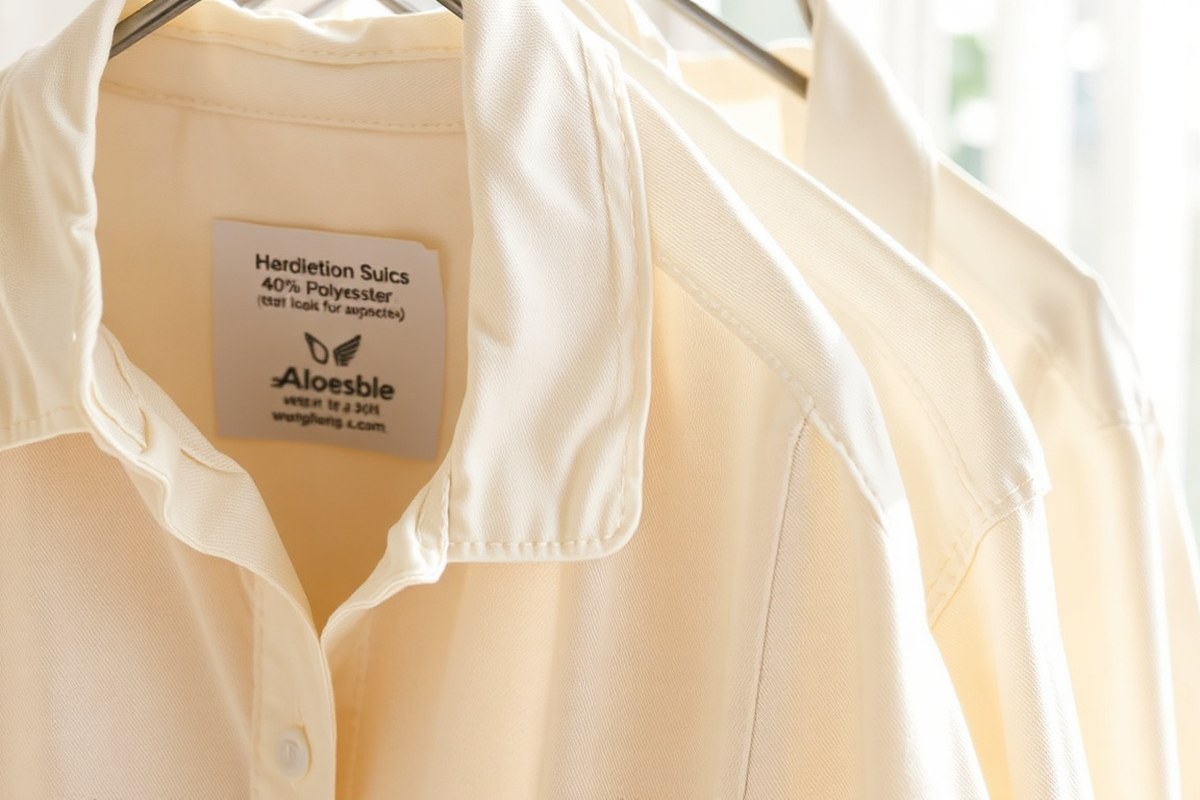
To ensure the best fit, examine product labels or ask sellers whether the fabric has undergone Sanforizing or a comparable pre-shrinking process. Some manufacturers include phrases like “Sanforized” or “pre-shrunk” on tags. Choosing these fabrics reduces the chance of unwanted changes after washing. If you already own unsanforized 60/40 garments, it’s wise to wash them carefully at cooler temperatures (below 140°F) and avoid high-heat drying cycles during the first few washes to reduce further shrinkage risk.
Sanforizing adds cost to fabric production because it requires special machinery and processing steps, but this cost is often justified for durable and dimensionally stable clothing. Garments made from Sanforized 60/40 blends hold their shape better, especially after repeated washes, making them suitable for uniforms, workwear, and everyday apparel where consistent sizing matters. Choosing such fabrics helps avoid surprises in fit alterations that can occur with untreated blends.
Preventing Shrinkage: 7 Essential Tips for 60/40 Cotton Polyester Garments
To keep your 60/40 cotton polyester clothes from shrinking, always wash them in cold water and dry them with low heat or by air drying. Use gentle wash cycles and avoid overloading the machine. Promptly removing garments prevents unnecessary wrinkles and shrinking risks.
Use Cold Water Washes
Always wash your 60% cotton 40% polyester garments in cold water to minimize shrinkage. Cold water prevents the cotton fibers from tightening up, which happens more readily in hot water. Since polyester is less prone to shrinkage, cold water also preserves its durability.
Cold water washes are also energy-efficient and gentler on fabric dyes, keeping your clothes looking newer longer. Use water temperatures below 80°F (27°C) for best results. Avoid warm or hot water, which increases the chances of shrinkage even in cotton-polyester blends.
Opt for Low Heat or Air Dry
Drying your 60/40 blend on low heat or air drying is key to preventing shrinkage after washing. High dryer heat causes cotton fibers to contract, shrinking your garment. Polyester can handle heat better but still suffers from heat damage to fabric structure.
Air drying your clothes by hanging or laying flat avoids heat exposure altogether. Use the lowest heat setting when you tumble dry, and take the clothes out while they are still a bit damp. This method limits shrinkage and maintains fabric shape.
- Air dry clothes on a flat surface or clothesline
- Use tumble dryer on the “low” or “air fluff” setting
- Remove garments from the dryer when slightly damp to finish drying naturally
- Avoid high or medium dryer heat settings
- Use drying racks indoors if outdoor air drying isn’t feasible
High heat during drying can cause irreversible shrinkage; sticking to low heat or air drying is safer for your blend garments.
Select Gentle Wash Cycles
Choose gentle or delicate cycles on your washing machine for 60/40 cotton polyester garments. These cycles use slower agitation and shorter wash times, reducing fiber stress that can lead to shrinkage and fabric wear. Fast, rough cycles increase friction and tension on fibers, promoting shrinkage.
Gentle cycles also preserve the garment’s original shape and help maintain the fabric’s softness. Use a mild detergent formulated for delicate fabrics to protect the fibers further.
Avoid Overloading the Machine
Do not overload your washing machine when washing cotton-polyester blends. Overloading prevents clothes from moving freely, reducing cleaning effectiveness and increasing fabric stress points. This added friction causes fibers to compress or stretch abnormally, which can lead to uneven shrinkage.
Leave enough space for garments to float freely during washing. When using a washer with a 10-pound capacity, washing 6-7 pounds of clothing allows enough space for movement. This balance prevents clothes from crowding and tangling.
Remove Clothes Promptly
Remove your 60/40 cotton polyester clothes promptly after the wash and drying cycles finish. Leaving wet clothes in the washer or dryer can cause wrinkles and fabric deformation. This encourages fiber compaction and potential shrinkage during the subsequent drying or ironing.
Prompt removal also reduces the risk of mildew and odor buildup. After removing them, reshape garments immediately by smoothing out wrinkles before air drying or ironing on low heat.
How to Intentionally Shrink a 60/40 Cotton Polyester Shirt Safely
You can intentionally shrink a 60/40 cotton polyester shirt, but expect modest results. Shrinkage typically ranges from 2% to 5% in length and 1% to 3% in width when using high heat during washing and drying. Polyester fibers resist shrinking, so the cotton portion provides most of the size reduction. Controlled heat application and gradual treatment help avoid damaging the fabric or causing uneven shrinkage.
Prepare Garment and Equipment
Start by checking the shirt’s care label to ensure it can tolerate hot water and medium to high drying temperatures. Have access to a washing machine with adjustable temperature settings and a dryer that offers medium to high heat cycles. Removing any delicate trims or accessories will prevent damage during the shrinkage process. It’s best to do this on a garment you own or one you don’t mind altering, since results vary.
Prepare the washing machine by setting it to the hottest water temperature available, up to 60°C if your machine supports it. Use detergent as usual. Avoid using bleach or fabric softeners, which can affect the cotton fibers unpredictably.
Use Hot Water Wash Cycle
Hot water is the primary factor driving cotton shrinkage in a 60/40 blend. Washing the shirt at or near 60°C can reduce the length by about 3% to 5% after a few cycles. Polyester fibers won’t shrink under these conditions but won’t protect cotton from contracting slightly.
- Load the shirt into the machine alone or with similar fabrics to avoid friction damage.
- Select a wash cycle with water temperature at 60°C (140°F) or the highest possible temperature your shirt can tolerate.
- Run the full wash cycle without interruption.
This hot wash will prompt the cotton fibers to relax and contract, beginning the shrinkage process. Avoid washing at cooler temperatures if your goal is controlled shrinking.
Tumble Dry on Medium Heat
Drying your 60/40 shirt on medium heat improve the shrinkage effect gained in the hot wash. Tumble drying applies heat evenly, further contracting cotton fibers. The combined hot wash and medium tumble heat can shrink the shirt by about 1% to 3%, depending on fabric treatment and garment construction.
- Immediately transfer the wet shirt to the dryer after washing.
- Set the dryer to medium heat rather than high to avoid damaging synthetic fibers.
- Run a complete drying cycle, ensuring the garment dries thoroughly.
Drying on high heat risks uneven shrinkage and potential heat damage to polyester fibers, so stay within medium temperature ranges.
Repeat If Needed but Avoid Overdoing
Additional hot wash and medium drying cycles can incrementally increase shrinkage up to a total of about 5% lengthwise and 3% widthwise. Gains diminish after multiple cycles as fibers stabilize. Overdoing heat treatment risks fabric weakening, color fading, or misshaping the shirt.
- Assess the fit after the first heat treatment cycle.
- Repeat washing at 60°C and drying on medium heat only if additional shrinkage is needed.
- Limit repeated treatments to no more than 3 cycles to avoid fabric damage.
Stop if the shirt shows signs of distortion or the fabric feels weakened. Remember, polyester limits overall shrinkage, so don’t expect the entire garment to shrink dramatically like pure cotton.
Use Steam Iron for Controlled Shrinkage
Using a steam iron can help achieve targeted shrinkage or shape adjustment after washing and drying. Steam heat relaxes cotton fibers locally, allowing you to shrink certain areas gently without risking the whole garment’s distortion.
- Set the iron to a cotton setting with steam enabled.
- Lay the shirt on an ironing board and apply steam while gently stretching or pressing the fabric.
- Focus on areas that feel too loose or oversized, using moderate pressure and steam bursts.
This technique lets you fine-tune fit without repeated hot wash cycles. Avoid high iron temperatures on polyester zones to prevent melting or shine marks.
Common Shrinkage Mistakes with 60/40 Blends and How to Fix Them
Many avoid shrinkage issues with 60% cotton 40% polyester garments by steering clear of common mistakes during washing and drying. Using hot water or high heat in the dryer is the most frequent error because cotton fibers can tighten and contract at improve temperatures. Even though polyester resists shrinking more than cotton, subjecting the blend to water over 120°F or dryer settings above medium heat often causes the cotton portion to shrink noticeably, sometimes by up to 5% in length or width. Skipping care label instructions or washing similar colors together also leads to unnecessary wear and distortion, impacting size and shape over time.
When shrinkage does occur, you can try to restore the garment’s size by soaking it in lukewarm water mixed with a gentle hair conditioner or baby shampoo. This softens the cotton fibers, allowing you to stretch the fabric carefully back toward its original dimensions. Start by filling a basin or sink with about 3 gallons of water at roughly 90°F. Add 1 tablespoon of conditioner and submerge the garment fully for 15 to 30 minutes. After soaking, gently remove excess water without wringing, then lay the piece flat on a clean towel. Stretch the fabric slowly, focusing on areas where shrinkage is most visible. You may use garment clips to hold the stretched shape while it dries, but avoid direct sunlight which can degrade polyester fibers.
Steam ironing provides additional shape recovery but requires caution. Set your iron to the polyester or synthetic setting, typically around 275°F. Use steam to relax the cotton fibers while smoothing the fabric gently. Keep the iron moving to prevent scorching or melting the polyester content. Placing a thin cotton cloth between the iron and the garment helps protect the blend. Press in the direction you want the fabric to stretch and reshape, and avoid heavy pressure which can compress fibers unevenly. Steam ironing can reduce wrinkles and encourage better recovery of shrinkage when combined with the soaking and stretching process, but it won’t restore extreme shrinkage.
For garments with mixed shrinkage, areas tighter than others, work section by section, soaking and stretching small portions in turn. Thicker fabrics may take longer to soften and require repeated soak-and-stretch cycles over several days. Delicate or embellished 60/40 items benefit from air drying flat without a dryer to prevent further shrinkage or distortion. Avoid machine washing after performing manual reshaping as it may undo your efforts.
Addressing shrinkage mistakes early saves time and energy. Investing roughly 5 to 10 minutes per garment in proper soaking, stretching, and steaming often restores fit enough to extend the lifespan and comfort of your 60/40 cotton-polyester blends without expensive replacements.
Shrinkage Variation by Garment Type in 60/40 Cotton Polyester Blends
Garment type influences how much a 60/40 cotton polyester blend will shrink because of differences in fabric weight, weave, and construction. Shirts, hoodies, and sheets made from this blend show varying shrinkage rates and concerns based on their typical fabric thickness and finishing processes.
Most commercial 60/40 fabrics come sanforized or compactor-finished, reducing shrinkage during manufacturing. This pre-shrinking mainly affects the cotton fibers, which absorb most of the relaxation shrinkage. The polyester portion provides dimensional stability, but the garment’s thickness and stitching also impact final shrinkage after washing.
| Garment Type | Typical Shrinkage Range (%) | Fabric Weight and Construction | Main Shrinkage Concerns |
|---|---|---|---|
| 60/40 Shirts | 2% to 4% | Light to medium weight, woven fabric with seams and collars | Sleeve length and collar fit; slight overall size change |
| 60/40 Hoodies | 3% to 6% | Heavier knit fabric often with fleece lining and bulky seams | Length and width shrinkage; bulkier seams can distort shape |
| 60/40 Sheets | 1% to 3% | Lightweight woven fabric, large flat panels with minimal seams | Lengthwise shrinkage affects sizing; less distortion overall |
Sheets usually shrink less than shirts or hoodies because they are lighter weight and have fewer seams. The flat panel construction reduces tension points where shrinkage might pull fabric unevenly. Shrinkage on sheets mainly impacts length and width, which matters when fitting fitted sheets to mattresses.
Shrinkage tends to be more noticeable in hoodies compared to shirts due to the heavier fleece material and larger surface area, combined with bulkier seams. These factors cause greater dimensional changes and potential distortion in shape. Shirts, with lighter fabric and detailed constructions like collars and cuffs, exhibit more subtle yet important shrinkage that affects fit.
Garment construction affects shrinkage by differences in fabric tension during sewing, seam placement, and types of stitches used. Bulkier seams in hoodies can create uneven shrinkage and shape distortion. Shirts have multiple panels and finishing details, so even moderate shrinkage affects key fit areas like sleeves and collars. Sheets with minimal seams usually shrink evenly without warping.
To reduce shrinkage variations in 60/40 cotton-polyester clothing, choose cold water for washing and use a low-heat setting when tumble drying, particularly for hoodies and shirts with multiple fabric layers.
Step-by-Step Action Plan to Manage Shrinkage in 60/40 Cotton Polyester Clothes
Start with this straightforward routine to protect your 60% cotton, 40% polyester garments from unwanted shrinkage or to control it carefully.
- Before washing: Check the care label and sort your clothes by fabric blend to avoid high heat.
- Day 1: Use cold water for the first wash to test fabric response and prevent early shrinkage. Confirm success if the garment size remains the same.
- Week 1: If you need to dry the garment, use a low-heat or air-dry setting. Avoid the dryer if you see any signs of shrinkage.
- After 2 washes: Inspect your clothing for any changes. If shrinkage is present, switch to hand washing for better control.
- Month 1: If you want to shrink the garment intentionally, use warm water wash followed by low heat drying and check dimension changes after each cycle.
- Ongoing: Store your 60/40 clothes correctly and follow care directions to maintain size and fabric quality.
Frequently Asked Questions
Can 60% Cotton 40% Polyester Shrink After the First Wash?
Yes, it can shrink slightly, typically around 5%, especially if washed in hot water or dried on high heat. Using cooler wash and dry settings helps reduce this shrinkage.
Does the Blend Ratio Affect How Much 60/40 Cotton Polyester Shrinks?
Yes, higher cotton content increases shrinkage risk, while polyester lowers it. A 60/40 blend shrinks less than pure cotton but more than blends with more polyester.
Can Ironing Cause a 60/40 Cotton Polyester Shirt to Shrink?
Ironing alone won’t cause significant shrinkage, but using high heat with steam might. Use a medium setting to avoid shrinking or damaging the fabric.
How Does Fabric Finishing Impact the Shrinkage of 60/40 Cotton Polyester?
Finishing processes like sanforization reduce shrinkage by pre-shrinking the fabric. Unsanforized blends may shrink more when washed or dried.
Is Shrinkage Uniform Across Different Types of 60/40 Cotton Polyester Clothing?
No, thicker or tightly woven garments usually shrink less, while lighter or loosely woven fabrics may shrink more. The garment type influences shrinkage patterns.
Will Repeated Washings Cause Continuous Shrinkage in 60/40 Polyester Cotton?
Shrinkage mostly happens during the first few washes, then stabilizes. Proper care prevents ongoing size reduction over time.
The Bottom Line
60% cotton, 40% polyester fabrics do shrink, but much less than 100% cotton thanks to polyester’s resistance. You can avoid unexpected shrinking by washing cold and drying low or air-drying. When you want slight shrinkage, careful warm washing combined with gentle drying usually works. Start by always reviewing your garment’s care label and adjusting your laundry routine from there.