

How to Machine Wash Sneakers Safely: Complete Steps and Tips That Work
Machine washing sneakers can be safe and effective when done correctly. Use a cold, gentle cycle with old towels for cushioning, remove insoles before washing, and air dry your shoes to avoid damage. This method works well for many athletic and casual sneakers built for durability.
This advice suits sneaker owners who want to refresh their shoes without causing wear or machine damage. You’ll learn which sneakers are safe for machine washing, how to prepare them properly, and the best washing settings to preserve their look and function.
Key Takeaways
- Remove insoles before washing to prevent them from becoming waterlogged for days.
- Tie laces together and wash inside a pillowcase with shoes to protect both the sneakers and your machine.
- Use old towels inside the machine to cushion sneakers and reduce banging during the wash.
- Choose a cold or maximum 30-degree Delicate cycle lasting about 45-60 minutes for cleaning.
- Air dry sneakers stuffed with white paper towels for at least 8 hours to maintain shape and avoid damage.
- Wash sneakers every 1-2 months or when noticeably dirty to keep them fresh without over-washing.
How to Machine Wash Sneakers Step by Step
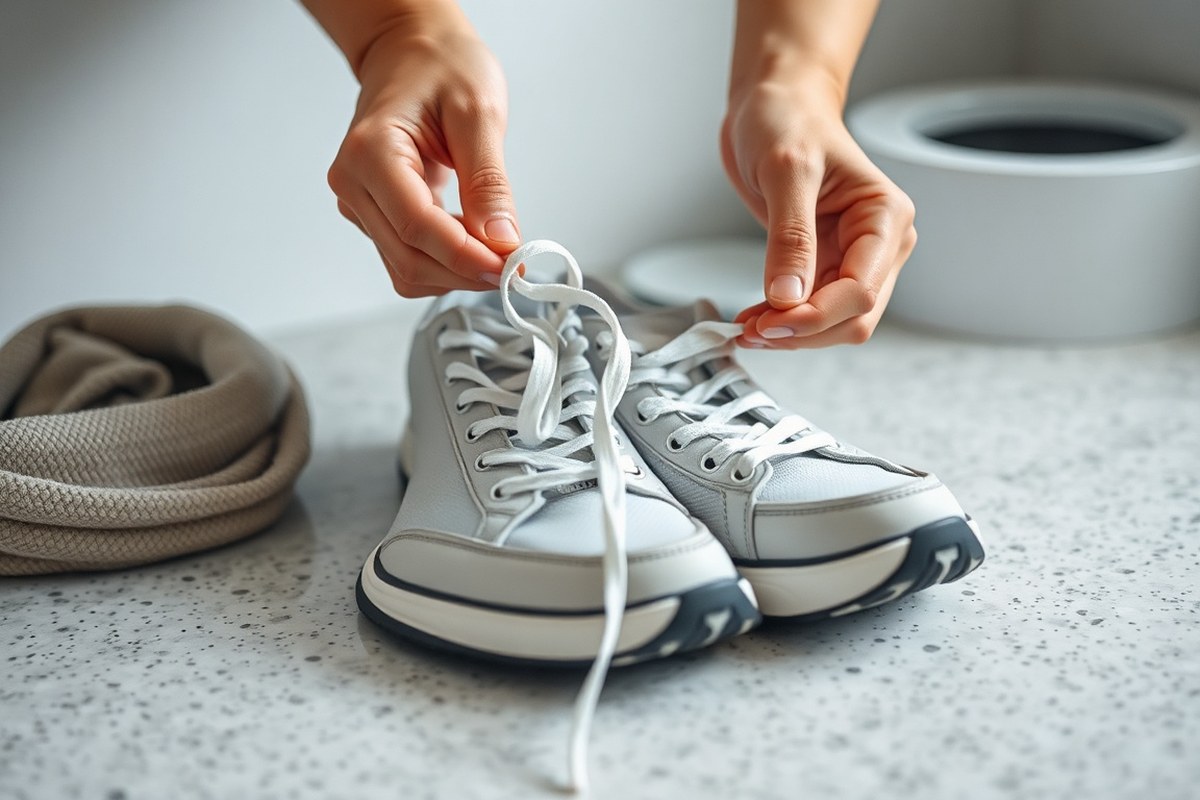
Machine washing sneakers requires a careful approach to protect both your shoes and the washing machine. Removing removable parts and protecting the shoes during the cycle are key steps. Use specific settings and load your machine properly to avoid damage, and finish by air drying to maintain their shape and material quality. Follow these steps to machine wash your sneakers safely and effectively:
- Remove dirt, laces, and insoles. Brush off loose mud and dirt outside or over a trash can. Take out the laces and insoles; wash laces separately inside a mesh laundry bag or a pillowcase. Avoid machine washing insoles as they can become waterlogged and take days to dry.
- Place your sneakers inside a mesh laundry bag or a pillowcase. This reduces the impact of tumbling and prevents your sneakers from banging directly against the washing machine drum. It also helps protect the shoes from scuffing and your machine from damage.
- Load the washing machine with your sneakers and a few old towels. The towels balance the load and cushion the sneakers from harsh movement. Limit washing to one pair of sneakers per load to prevent overcrowding and uneven cleaning.
- Choose a cold, gentle, or delicate wash cycle. Set your machine to cold water to avoid shrinking or warping shoe materials. Use the shortest gentle cycle available, as this reduces the wear on your sneakers.
- Add a mild, liquid detergent designed for sensitive fabrics. Avoid bleach or harsh chemicals that can damage colors and materials. Use about half the recommended detergent amount to prevent excess residue build-up inside the shoes.
- Run the washing machine and monitor the cycle. Check after the spin cycle if the sneakers are clean enough; if not, consider a light hand spot cleaning afterward.
- Remove the sneakers immediately after washing. Remove them from the mesh bag or pillowcase to prevent moisture build-up inside the enclosed space.
- Air dry the sneakers at room temperature away from direct sunlight and heat. Place them in a well-ventilated area. Insert crumpled paper towels or shoe trees to help maintain the shape and absorb moisture. Do not use a dryer or direct heat sources to avoid warping or material damage.
Which Sneakers Can Be Washed in a Machine? Material and Brand Guide

Not all sneakers handle the washing machine equally well. The key factor is the material and specific brand care recommendations. Generally, durable materials like canvas, nylon, cotton, and polyester can be machine washed safely if the shoe’s care label confirms it. These fabrics resist damage from detergent and water. Other materials, especially leather and suede, do not tolerate machine washing and require gentler, specialized cleaning. Here is a quick reference table to help you decide whether your sneakers are safe for the washing machine or if you need an alternative method:
| Shoe or Material | Washing Machine? | Why |
|---|---|---|
| Canvas, nylon, cotton, polyester sneakers | Usually yes, if the label allows | Durable fabrics that detergent won’t harm |
| Leather | No | Leather shoes require a softer cleaning method, typically involving a cleaner and conditioner made specifically for leather. |
| Suede | No | Water causes marks and stains; brush dry instead |
| Rubber, vinyl, or rubber/metal cleats | No | Should be hand cleaned to avoid machine and shoe damage |
| Silk, beads, embroidery, sequins | No | Requires specialist shoe repair and cleaning services |
| Crocs clogs and slides made only of rubber | Usually yes | Durable rubber that can withstand machine washing |
Some popular sneaker brands have specific advice about machine washing. Converse, for example, recommends against machine washing or drying any of their shoes, including both canvas and leather models. They suggest using mild dish soap, lukewarm water, and a soft brush instead. Checking the brand’s care label or website ensures you don’t accidentally void a warranty or damage your shoes.
When considering machine washing for your sneakers, use this decision rule: Only place shoes in the washing machine if they are made mostly of canvas, nylon, cotton, polyester, or sturdy rubber and the manufacturer’s label confirms it. Avoid putting any leather, suede, delicate embellishments, or mixed materials into the machine. For those items, opt for hand cleaning or professional services to preserve the shoe’s look and structure.
Always check your sneaker’s care label before washing; ignoring manufacturer instructions can permanently damage your shoes and your washing machine.
Preparing Sneakers Before Washing for Best Results
Preparing sneakers properly before placing them in the washing machine helps achieve the best clean while protecting your shoes and machine. Start by removing dirt and debris, pre-treating stains, and controlling odors to avoid damage and unpleasant smells.
Brushing Off Mud and Dirt
Removing loose dirt and mud is a necessary first step so that the washing machine doesn’t get clogged or damaged. Use a soft-bristle brush or an old toothbrush to clean off dirt, especially around the soles, seams, and eyelets where grime tends to accumulate.
Brushing reduces excess grime that washing alone might not handle well. Avoid wetting the shoes excessively during this step, as soaking before machine washing can sometimes cause colors to fade or materials to weaken.
- Use a firm brush for thick soles and a soft brush for delicate uppers
- Remove loose shoelaces and insoles, which should be washed separately
- Clean around the tongue and eyelets carefully
- Brush out any dirt inside the shoe opening
- Discard large clumps of mud to prevent washing machine buildup
Ensuring shoes are as clean as possible before washing saves wear and tear on the washing machine and improves the sneaker’s final look.
Pre-Treating Stains with Baking Soda or Detergent
Applying a pre-treatment to stains before the wash increases the chance they come out fully clean. For muddy or greasy spots, make a mild paste using a tablespoon of baking soda mixed with ½ cup of water. Dab this paste onto stained areas and leave it for 15 to 20 minutes.
Alternatively, apply a small amount of liquid laundry detergent directly to tough stains. Using a liquid detergent allows you to measure carefully and avoid overloading the machine or leaving residue.
Avoid bleach on most sneakers, even white ones, unless the manufacturer’s instructions specifically permit it. Bleach can weaken fabric and cause yellowing or damage on synthetic materials, so it is safer to stick to baking soda and gentle detergents.
Deodorizing Sneakers Effectively
Controlling odors before washing prepares your shoes for a fresher outcome. Sprinkle baking soda inside each sneaker and leave it to absorb odors for at least 24 hours. Afterward, brush or shake out the powder. This method is inexpensive and effective at neutralizing unpleasant smells without harsh chemicals.
For a quick deodorizing spray after each wear, mix equal parts white vinegar and water in a spray bottle and lightly mist the interior. Let your shoes air dry completely before using or washing. This technique helps prevent bacteria buildup that causes odors.
- Sprinkle baking soda inside sneakers and leave overnight
- Shake out or brush off baking soda before washing
- Use a 1:1 white vinegar and water spray for regular odor control
- Air dry after deodorizing to prevent mildew
- Remove and clean insoles separately if odors persist
Deodorizing before washing helps keep sneakers smelling fresh and reduces the risk of trapped moisture or bacteria molding inside.
Washing Machine Settings and Detergents for Sneakers
Select the delicate or hand wash cycle on your machine for washing sneakers. This cycle uses slower agitation and spin speeds, reducing the friction and tumbling your shoes undergo. Cold water is essential because hot water can shrink or warp certain shoe materials. Select cold water along with the gentle cycle on your washing machine when it lets you set these options separately.
Set the spin speed to low or turn it off completely to protect both your sneakers and your washing machine. Sneakers spinning too fast may hit the drum hard, potentially damaging your washing machine or warping the shoes. Slow spinning minimizes this risk by reducing forceful impacts.
Using a small quantity of gentle liquid detergent or one pod formulated for delicate fabrics is ideal. Powder detergents might not dissolve completely, which can cause leftover residue inside your shoes. Steer clear of bleach and fabric softeners because bleach can damage glues and fabrics, and harsh chemicals risk fading colors and weakening shoe materials.
To protect both your sneakers and washing machine during the cycle, place your shoes inside a mesh laundry bag. Adding a couple of old towels around the bag cushes the load and prevents shoes from banging against the drum’s interior. New towels should be avoided as they may shed lint or color that could stain your sneakers.
Washing sneakers in the machine rarely damages the washer itself when done correctly. However, washing overly bulky or large shoes without protection or overloading the drum can strain the machine’s motor. Keeping the load balanced and using cushioning items like towels helps avoid this.
Machine washing will not usually cause sneakers to shrink if cold water and gentle cycles are used. Sneakers made from synthetic fabrics or breathable mesh handle this well. Leather or stiff materials may be more prone to deformation, so consider hand washing those. To maintain shape, avoid high heat or spin speeds that squash or warp the shoe.
Drying Sneakers Safely: Air Drying and Avoiding the Dryer
Air drying is the safest and most effective way to dry your sneakers after machine washing. Avoid putting sneakers in the dryer because heat can shrink materials and warp soles. Air drying can take anywhere from 24 to 48 hours, depending on humidity and ventilation. Taking steps to maintain the shoe’s shape while drying helps keep your sneakers looking good and lasting longer.
Removing Excess Water Without Damage
Removing as much water as possible right after washing speeds up drying and reduces the risk of material damage or warping. Avoid twisting or wringing your sneakers since that can deform them. Instead, use gentle pressing methods to soak up water while preserving shape.
- Take the sneakers out of the washing machine immediately after the cycle ends.
- Press each shoe gently with clean, dry towels to absorb excess water on the surface.
- Remove the insoles and laces to dry separately, insoles especially can hold moisture and take much longer to dry if left inside.
- Do not twist or squeeze the shoes; just lightly press and blot as needed.
Pressing water out gently keeps the sneaker structure intact and helps them dry faster without damage.
Stuffing and Air Drying Techniques
Stuffing the sneakers with paper towels or newspapers helps absorb moisture from inside and supports the shoe’s shape as it dries. Replace the stuffing every few hours to keep drying efficient. Set the shoes in a well-ventilated area, avoiding cramped spaces that trap moisture.
- Crumple clean paper towels or newspapers and loosely fill each sneaker to prevent collapsing.
- Place the shoes on a flat surface lined with a dry towel or rack to allow air circulation underneath.
- Replace the stuffing every 2 to 3 hours during the first day of drying to speed up moisture absorption.
- Leave the shoes to air dry for 24 to 48 hours, depending on room humidity and ventilation.
Stuffing the sneakers maintains shape and draws out moisture, cutting drying time significantly.
Avoiding Heat and Using Fan or Sunlight Safely
Heat from dryers or direct sunlight can shrink fabrics and warp soles, damaging both the fit and appearance of your sneakers. Instead, air dry them in a shaded, well-ventilated spot. Using a fan can help circulate air, reducing drying time without heat damage.
- Do not put sneakers in a dryer or place them near heaters or radiators.
- Set them in a shaded area that is out of direct sunlight to avoid fading and material shrinking.
- Use a fan to circulate air around the shoes for faster drying, ensure the fan is cool and not blowing heated air.
- Allow sneakers to dry fully over 24 to 48 hours before wearing or storing.
Skip the dryer to prevent sole warping and fabric damage, and use shade and fans to keep drying safe and effective.
Common Mistakes to Avoid When Machine Washing Sneakers
Washing sneakers in a machine without proper precautions can damage both your shoes and the washing machine itself. One common mistake is putting incompatible shoes, like leather or suede, into the washer. These materials can shrink, warp, or degrade because of water and agitation, so always check the care label before washing. Shoes with glued parts often come apart in the machine. Using the wrong washer settings, such as a hot water cycle or heavy agitation, can cause deformation or shrinkage. Weakening adhesives or shrinking occurs if you use high temperatures or long cycles.
Skipping protective steps also leads to damage. Sneakers should be cleaned of mud and debris first, and laces and insoles removed. Washing sneakers alone can cause banging noises and strain your machine, especially if they hit the drum hard. Loading your machine with a few towels will cushion your shoes, stabilizing them and protecting the washer’s internal parts. Choose a gentle cycle with cold or lukewarm water to keep shapes intact and avoid shrinking. Here is a checklist to avoid common mistakes when machine washing sneakers:
- Always read and follow the sneaker label for washing advice.
- Remove laces and insoles before washing for thorough cleaning.
- Pre-clean shoes to remove excess dirt and debris.
- Place sneakers inside a laundry bag or pillowcase to reduce impact.
- Add towels to the load for cushioning and balance during the spin cycle.
- Use a gentle, cold water cycle with mild detergent only.
- Never use bleach or fabric softener, which can damage materials.
Washing sneakers can put strain on your washing machine, but following these precautions minimizes risks. The cushioning items and laundry bag absorb shocks, preventing banging against the drum or other internal parts. Still, avoid washing very heavy boots or shoes with large metal details that can damage your machine.
Regarding shrinking or deformation, sneakers should not shrink if washed on proper settings with cold water. However, shoes made from natural materials like leather or those with specific coatings often shrink or change shape due to water and heat exposure. Letting sneakers air dry away from direct sunlight preserves their shape better than using a dryer or heated spots.
How Often Should You Machine Wash Your Sneakers?
Machine washing sneakers every few months is generally enough for regular wear. The timing depends on how often you use them and how dirty or smelly they get. You should wash your sneakers about once every 3 to 4 months if you wear them mostly indoors or for light activities. For daily wear, especially in outdoor or sporty conditions, aim for washing them every 4 to 6 weeks to prevent buildup of dirt and odor.
Odor is a clear sign your sneakers need cleaning. When your sneakers start to smell noticeably even after airing out, it’s time for a wash. Visible stains or mud also indicate the need for cleaning sooner. Washing too often, though, can break down the materials faster, especially for sneakers made with delicate fabrics or expensive designs. For those, hand washing or using a professional cleaner might be a better option to preserve their look and structure.
Between machine washes, keep your shoes fresh by wiping off dirt with a damp cloth and using sneaker-specific deodorizers or baking soda powders to absorb moisture and odor. Removing insoles and letting both the insoles and shoes air dry thoroughly overnight helps reduce bacteria growth. This maintenance prolongs the time between machine washes.
Expensive or delicate sneakers, like those with suede, leather, or limited-edition prints, typically don’t benefit from frequent machine washing. Experts recommend hand washing these with gentle brushes and mild soap or consulting a professional sneaker cleaner to avoid damage. The American Footwear Association’s 2022 study noted many athletic sneakers are designed for machine washing, but this doesn’t apply to every type. Protecting sneakers during the wash by adding towels or sweatshirts to the machine can reduce impact and wear during the cycle.
When to Choose Hand Washing or Professional Cleaning Instead
Machine washing sneakers works well for many casual and athletic shoes, but some types and conditions call for hand washing or professional cleaning instead. Generally, expensive sneakers, those made with delicate or special materials, or shoes with heavy damage should not go in a washing machine. Choosing alternative methods helps preserve your shoes and avoid costly mistakes.
Recognizing Shoes Unsuitable for Machine Washing
Shoes with leather, suede, or other natural materials should not be put in a washing machine because water and agitation can cause permanent damage like cracking, warping, or color loss. High-end sneakers with intricate designs, glued parts, or delicate textiles are also risky to machine wash, as these features may loosen or peel under harsh conditions.
Shoes with heavy dirt, stains, or structural damage demand gentler care. If soles are detaching, seams are breaking, or materials are brittle, toss them in the washing machine and you may worsen the problem. It’s safer to clean these shoes by hand or have experts treat them.
Check for warnings on the shoe label or manufacturer’s website before deciding to machine wash, especially for expensive or limited-edition sneakers.
Hand Washing Tips for Delicate Materials
Hand washing protects fragile materials while still refreshing your sneakers. Use a soft brush or cloth and mild soap mixed in cool water to gently clean small sections at a time. Avoid soaking the shoes completely, especially if leather or suede is involved, because water exposure can weaken these materials.
Focus on spots and dirty soles without scrubbing too hard. After washing, pat the shoes dry with a towel and air dry them away from direct sunlight or heat. Hand washing may take 10 to 20 minutes per pair depending on the level of dirt, but the careful process reduces risks of damage.
Finding a Professional Shoe Cleaner
Professional cleaning services offer specialized treatments for sneakers with delicate fabrics, expensive components, or years of built-up grime. These cleaners use custom chemicals, low-moisture methods, and expert repair techniques that go beyond surface washing.
Costs vary widely, typically starting around $25 to $50 per pair, with more complex restorations or luxury brands costing more. Expect turnaround times of 3 to 7 days, as professionals may disassemble parts, deep clean, and carefully dry shoes to protect their shape and finish.
Use a professional for prized limited editions or vintage sneakers where a cleaning mishap could significantly reduce value. Research reviews and certifications to find trustworthy shops that specialize in sneakers.
Step-by-Step Action Plan for Machine Washing Your Sneakers
Follow these steps to clean your sneakers safely and effectively using your washing machine.
- Before you start: Remove laces and insoles from your sneakers and brush off loose dirt. This prevents tangling and ensures a thorough clean.
- Load up: Place sneakers in a mesh laundry bag or pillowcase to protect them, and add a few towels to balance the load and reduce impact noise.
- Select settings: Choose a gentle cycle with cold water and use a small amount of mild detergent. Check that your machine’s spin speed is low to avoid damage.
- Start washing: Run the cycle and monitor for unusual noises or vibration. A quiet, balanced machine means your sneakers are protected.
- After washing: Remove sneakers promptly and reshape them by stuffing with paper towels to absorb moisture and maintain form.
- Drying phase: Let the sneakers air dry in a well-ventilated area away from direct sunlight or heat sources. Confirm they are completely dry before use.
- Reassemble: Once dry, put back the insoles and laces. Check your sneakers for any residual dirt and repeat washing only if necessary.
- Routine check: Plan to machine wash sneakers only when visibly soiled or every few months depending on use, to avoid wear from frequent washing.
Frequently Asked Questions
Can I Wash Leather Sneakers in a Washing Machine?
Leather sneakers generally shouldn’t be machine washed because water can damage the material and cause it to warp or crack. It’s safer to clean leather sneakers by hand using a damp cloth and leather cleaner.
Should I Remove the Insoles Before Washing Sneakers in the Machine?
Yes, always remove insoles before machine washing sneakers to prevent them from getting soaked and taking too long to dry. Wash insoles separately by hand to keep them in good shape.
How Can I Prevent My Sneakers from Damaging the Washing Machine?
Place your sneakers in a mesh laundry bag or pillowcase and wash them with old towels to cushion the impact. This reduces noise and protects both shoes and your washing machine from damage.
Can I Wash Colored Sneakers Without Fading the Color?
Use cold water and a gentle cycle to help preserve colors on your sneakers. Avoid harsh detergents or bleach, which can cause colors to fade or run.
Is It Safe to Wash Sneaker Laces in the Washing Machine?
Yes, you can wash sneaker laces in the machine if you tie them together and place them inside a pillowcase with your shoes. This prevents the laces from tangling or damaging your machine.
How Do I Avoid My Sneakers Smelling After Machine Washing?
Dry sneakers completely in a well-ventilated area to prevent odor-causing bacteria. Removing insoles and drying them separately also reduces lingering smells by speeding up the drying process.
The Bottom Line
Machine washing your sneakers can restore their look without causing damage if done carefully. Protecting your shoes before washing, choosing the right cycle, and drying properly are key steps. Try cleaning one pair following this plan to see the results for yourself and keep your sneakers fresh longer.


