Can You Wash Mould Out of Clothes? Effective Methods and Safety Tips
You can remove mold from clothes by washing them in hot water combined with effective detergents and specialized pre-soak treatments that kill and eliminate mold spores. Proper cleaning involves soaking garments at high temperatures for 10 to 30 minutes and using the right products. This guide offers useful steps and safety advice for dealing with moldy laundry caused by storage or moisture issues at home.
Homeowners and renters will learn how to tackle mold stains, prevent regrowth, and keep their clothes safe during the cleaning process. The focus is on realistic, safe approaches to mold removal from fabrics and avoiding common mistakes that can make the problem worse.
Key Takeaways
- Wash moldy clothes in hot water at 60°C (140°F) for 10 to 30 minutes to deactivate mold spores effectively.
- Pre-soak clothes in a bleach solution for 10 to 30 minutes or use white vinegar for an hour to remove mold and odors.
- Use a 3% hydrogen peroxide spray directly on mold stains before washing for improve mold removal.
- Dry clothes thoroughly in direct sunlight or a hot dryer setting to prevent mold regrowth and kill remaining spores.
- Keep indoor humidity below 60% to reduce mold growth in laundry areas and on stored clothes.
- Always wear gloves and a mask when handling moldy clothes to avoid inhaling spores and skin irritation.
Can You Completely Wash Mold Out of Clothes?
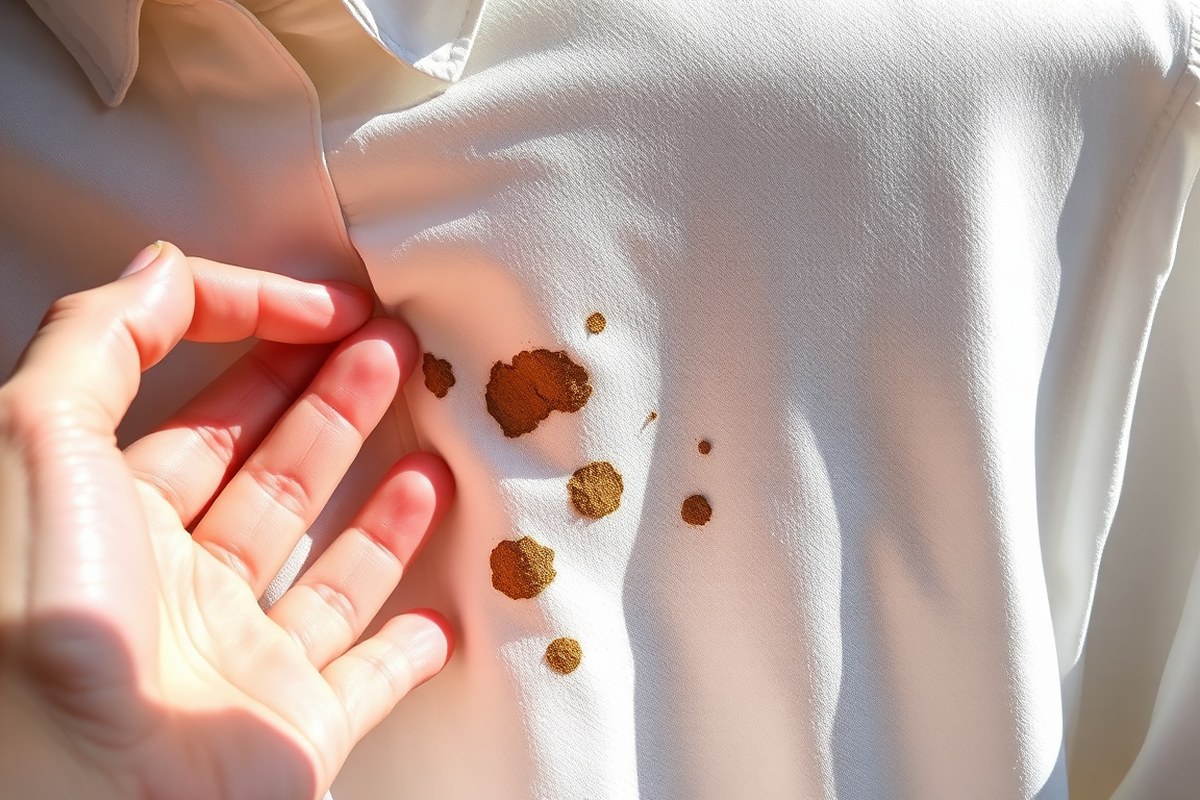
Mold can often be washed out of clothes, but complete removal depends on the severity of the infestation and the fabric type. Mold grows deep into fabric fibers, and while a hot wash can kill mold spores, it may not fully remove all stains or prevent mold from returning. Washing clothes at the hottest temperature safe for the fabric, typically around 130°F (54°C) to 160°F (71°C), helps eliminate mold and bacteria. Using additives like EC3 Laundry Additive during the rinse cycle can further reduce mold spores and musty odors.
Not all fabrics can handle high temperatures or harsh treatments. Delicate fabrics such as silk, wool, or some synthetics may require cooler water and gentler products, which can limit the mold removal effectiveness. In these cases, steam treatments can help if the fabric tolerates it, as steam kills mold spores without harsh chemicals or hot water. However, mold deeply embedded in fibers might still leave stains or odors despite these efforts.
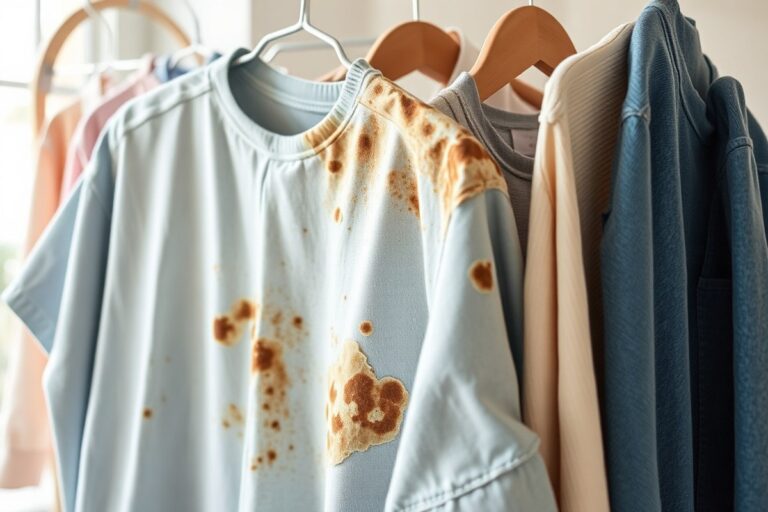
Signs that mold has permanently damaged clothes include fabric deterioration such as thinning, holes, or a strong, persistent musty odor that doesn’t go away after several washes. Visible mold stains that remain after pre-soaking in bleach or detergent treatments are another clue. Mold can eat away fabric fibers over time, especially on clothes left damp or stored improperly. Once damage reaches this point, restoration might not be possible, and discarding the item could be safer to avoid health risks.
To improve outcomes, treat moldy clothes promptly before the mold sets in. Pre-soaking in a bleach solution for 30 minutes to an hour can help remove stubborn mold stains on colorfast whites and some durable fabrics. Follow with a hot water wash and a full rinse cycle with a mold-killing additive. Multiple wash cycles may be necessary, especially if odors or stains persist. Always check fabric care labels to avoid damage, and consider professional cleaning for valuable or delicate garments heavily infested with mold.
Costs for treating moldy clothes can vary based on the products used. Laundry additives like EC3 cost around $20 to $30 for a bottle, which can last many washes. Bleach and detergent are more economical but must be used carefully on certain fabrics. Time invested includes pre-soaking and repeat washing cycles, making treatment a bit labor-intensive. Despite this, timely and careful washing can save many items from permanent mold damage.
How Hot Water and Detergents Kill Mold on Fabric
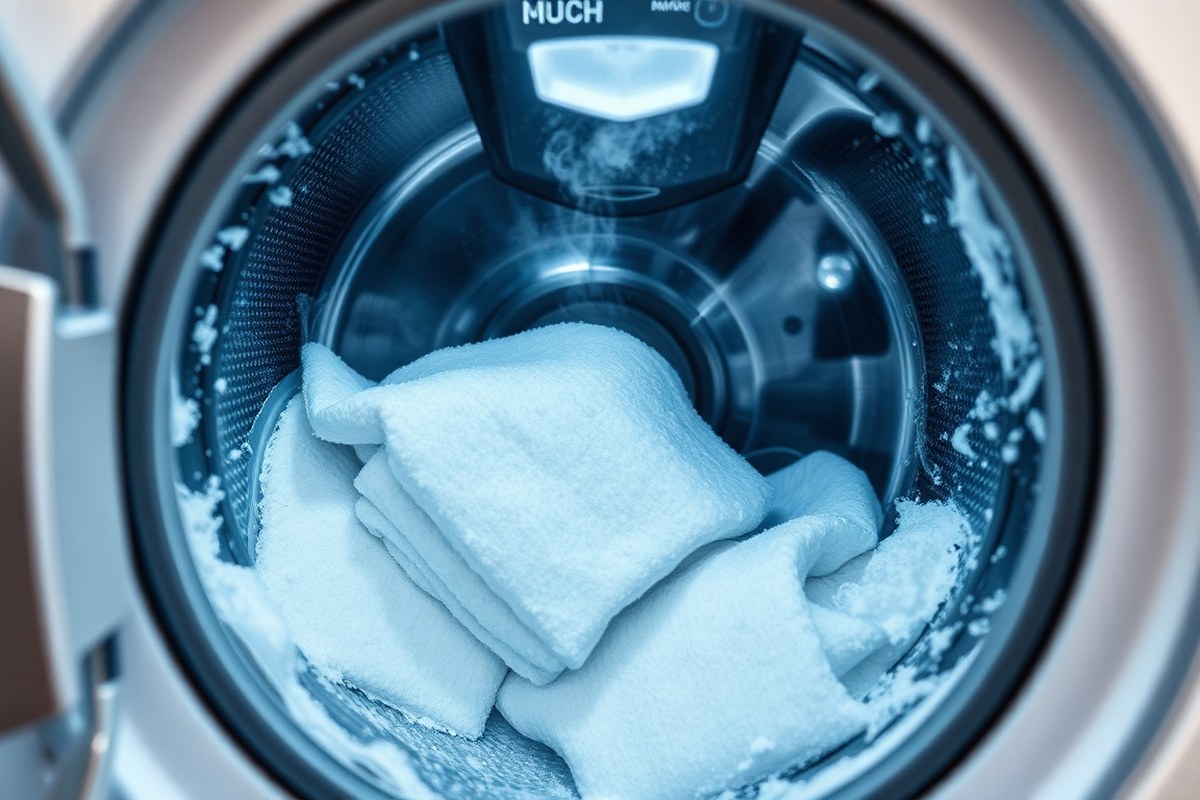
Washing mold out of clothes requires using the hottest water the fabric care label permits, combined with effective detergents or mold-fighting additives. Hot water kills mold spores more reliably, while certain detergents help break down and remove fungal residues. Enzyme-based detergents can improve cleaning by targeting organic matter that mold thrives on.
Ideal Washing Temperatures for Different Fabrics
Hot water, typically between 130°F and 140°F (54°C to 60°C), is best for killing mold spores on fabrics that can tolerate it. Cotton, linen, and durable synthetics usually handle these temperatures well. For delicate fabrics like wool or silk, use the warmest water allowed on the care label, often around 90°F (32°C) to 110°F (43°C), as higher temperatures can cause shrinkage or damage.
Cold water washing does not effectively kill mold spores, so adjust your machine settings to use hot or warm water whenever possible. Running a hot water cycle for at least 20 minutes maximizes mold spore kill rates. When uncertain about a garment’s heat tolerance, test a small hidden area first or use warm water with strong detergents.
Effective Detergents and Additives Against Mold
Using a quality detergent designed for heavy-duty cleaning helps detach mold cells and residues from fabric. Standard detergents formulated to cut through dirt and oils also reduce mold buildup. Adding white vinegar, about 1 to 2 cups per load, during the wash cycle boosts mold-killing power without harsh chemicals.
Specialized laundry additives like EC3 Laundry Additive are designed to rinse away bacteria and mold spores during washing. These products typically cost between $10 and $20 for a bottle, with a few capfuls added per wash. Vinegar and EC3 are safe to combine with your regular detergent for added mold control.
Avoid relying solely on detergents; pre-treating moldy areas with vinegar or stain removers before washing improves results dramatically. Skip fabric softeners, which can leave residues that mold spores cling to.
How Enzyme-Based Detergents Work on Mold
Enzyme detergents contain proteins that break down organic materials like proteins, fats, and carbohydrates, which mold feeds on. This action helps weaken mold colonies and lifts them from fabric fibers, making them easier to rinse away. Using enzyme detergents is especially helpful on old or stubborn mold stains embedded in natural fibers.
Many common enzyme detergents are designed for cold or warm water but perform best at 104°F (40°C) or higher. Pairing enzymes with hot water cycles, when fabric allows, improves their effectiveness. For synthetic fabrics that don’t tolerate hot water, enzyme detergents help compensate for lower temperatures. Enzyme detergents are widely available at prices similar to regular detergents and often labeled “bio” or “enzyme-based.” Avoid combining these detergents with bleach, which can deactivate the enzymes. Follow these steps to wash moldy clothes efficiently:
- Isolate moldy garments from other laundry to prevent cross-contamination.
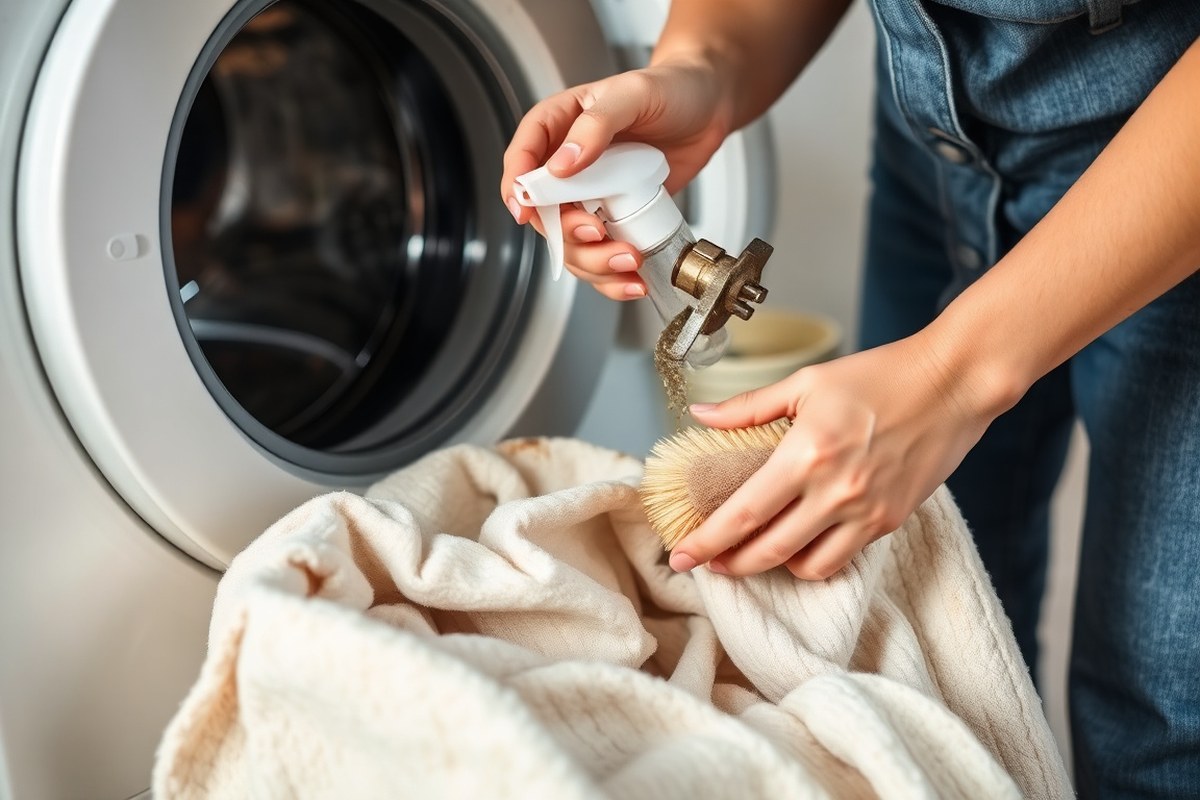
- Inspect garments and pre-treat visible mold stains with white vinegar or a mold stain remover.
- Select the hottest water temperature safe for the fabric according to the care label.
- Add your regular detergent along with an enzyme-based detergent or mold-specific additive like EC3.
- When using vinegar, pour 1 to 2 cups directly into the washer drum while filling.
- Run a complete wash cycle ensuring the clothes are fully submerged and agitated.
- After washing, dry clothes thoroughly in direct sunlight or a high heat dryer cycle to prevent mold regrowth.
Use the highest water temperature your fabric care label allows since effective heat kills most mold spores and prevents them from spreading to other clothes.
Pre-Soaking Solutions to Remove Mold and Musty Smells
You can remove mold stains and musty odors from clothes effectively by pre-soaking them in specific solutions before washing. The choice among vinegar, baking soda, hydrogen peroxide, and borax depends on your fabric type, odor intensity, and stain depth. Pre-soaking loosens mold, kills spores, and neutralizes smells, making subsequent washes more successful.
White vinegar and baking soda are among the best options for light mold stains and persistent odors. Vinegar can kill about 82% of mold species, while baking soda is excellent for odor removal. For soaking, use a mixture of 1 cup of white vinegar per gallon of water and soak clothes for one hour. With baking soda, dissolving about ½ cup in a basin of warm water and soaking for 20 minutes helps neutralize smells. Hydrogen peroxide (around 3% solution) can work as a spot treatment or a soak for 20 minutes, especially on white or colorfast fabrics. Borax is a stronger option that can be dissolved at a ratio of ½ cup per gallon of warm water for a 20- to 30-minute soak, ideal for tougher stains or deeply penetrated mold.
Soaking times are important: typically, 20 to 60 minutes depending on the solution used. Vinegar requires about 60 minutes to denature mold spores effectively, while hydrogen peroxide and borax may work within 20 to 30 minutes. Avoid soaking moldy clothes longer than recommended to protect fabric integrity. For fragile fabrics, shorter soaks or milder solutions like vinegar or diluted hydrogen peroxide are safer than borax.
| Soaking Solution | Concentration and Mix | Recommended Soak Time | Best For |
|---|---|---|---|
| White Vinegar | 1 cup per gallon water | 60 minutes | Light mold stains, odor neutralizing |
| Baking Soda | ½ cup dissolved in warm water | 20 minutes | Odor removal, mild stains |
| Hydrogen Peroxide (3%) | Use full-strength or diluted; spray or soak | 20 minutes | Spot treatment, colorfast fabrics |
| Borax | ½ cup per gallon warm water | 20-30 minutes | Tough mold stains, durable fabrics |
For a combined effect, mixing baking soda and vinegar can improve mold removal and odor elimination, but it’s best to soak separately because the mixture foams and weakens soaking effectiveness. After soaking, wash the clothes in the hottest safe water with detergent. Pay attention to your washing machine’s cleanliness since built-up mold inside can cause clothes to retain the odor even after washing.
Pre-soaking with these solutions usually requires no special equipment beyond a basin or bucket. Each method involves using household cleaning agents that cost only a few dollars for ample quantities, making these treatments affordable. Visible results include reduced stains and eliminated musty smells. If mold remains after one soak and wash cycle, repeat the process or try a different soaking solution. Avoid using bleach on colored or delicate fabrics, as it can damage fibers.
Drying Techniques That Prevent Mold Regrowth on Clothes
Drying clothes properly after washing is essential to prevent mold regrowth. Mold spores thrive in damp, warm environments, so leaving clothes wet or damp for too long creates ideal conditions for mold to return. Clothes should be dried as quickly as possible, ideally within a few hours of washing. In humid climates, such as Singapore’s, mold can begin developing in just a few hours on damp fabric, especially if air circulation is poor.
Sunlight is an effective natural method to kill mold spores on clothes. The ultraviolet (UV) rays in sunlight damage the genetic material of mold spores, reducing their ability to grow. Placing clothes outside in direct sunlight for 30 to 60 minutes activates the sun’s natural mold-killing properties. For stronger results, letting clothes dry in full sun for one to two days can eliminate most mold spores. Sunlight also helps reduce musty odors that mold causes. However, sunlight won’t remove existing mold stains, so ensure those are washed out before drying.
Machine drying is another reliable option, especially when outdoor drying isn’t feasible. Using a dryer on a hot setting (above 140°F) for 30 to 60 minutes will kill most mold spores by heat. It’s important to check clothes for mold stains and odors before drying and rewash if necessary. Avoid overloading the dryer so that heat circulates evenly.
Air drying indoors can be acceptable if done correctly, but moisture and poor ventilation increase mold risk. Keep indoor humidity below 60% to minimize mold growth on drying clothes. Use fans or dehumidifiers to improve air flow and lower moisture. Clothes should not be piled up or left damp in enclosed spaces like closets. Promptly removing clothes from washers and drying them immediately will prevent mold formation.
- Remove clothes from the washer immediately after the cycle ends to avoid mold starting in the damp drum.
- Dry clothes outdoors in direct sunlight for 30 to 60 minutes or up to two days in strong sun for best mold spore kill.
- Use a clothes dryer on high heat settings (above 140°F) for at least 30 minutes to kill mold spores by heat.
- Keep indoor humidity below 60% when air drying clothes indoors to reduce mold growth risk.
- Avoid leaving damp clothes bundled or stored tightly where air cannot circulate.
- Check clothes for lingering mold stains or odors before drying; repeat washing if needed.
Following these drying techniques kills remaining mold spores and prevents mold from returning, protecting your clothes and reducing musty smells. Proper drying also helps keep your laundry area free from the moisture that mold thrives on.
Safety Precautions When Handling and Washing Moldy Clothes
Handling moldy clothes requires care to protect yourself and avoid spreading mold spores. Using the right protective gear, ensuring proper ventilation, and cleaning your washing machine before and after washing moldy garments are key steps you should follow.
Recommended Protective Gear for Mold Handling
Direct contact with mold and inhaling spores can trigger allergic reactions or respiratory issues. Wearing gloves, a mask, and eye protection helps keep you safe when dealing with moldy clothes.
Use disposable or rubber gloves to avoid skin irritation. A mask rated N95 or higher will filter out mold spores effectively. Wearing goggles is a good idea when mold growth is significant or if you have sensitivities, as they stop spores from entering your eyes.
Handle moldy garments outside when possible to reduce spore spread indoors. Protect your mouth, nose, and hands at all times while sorting and transporting moldy clothes to the washer.
Steps to Safely Wash Moldy Clothes
Wash moldy clothes in your machine using the hottest water safe for the fabric to kill mold spores. Check garment care labels first, since bleach is safe only for white or colourfast cottons, linens, or synthetic fabrics. Avoid bleach on wool, silk, or delicate items; alternative products like white vinegar and baking soda work better in these cases. Before washing, take these precautions:
- Sort moldy clothes and isolate heavily affected items.
- Pre-soak in a solution of one cup white vinegar and water for an hour if mold smell is strong.
- Wear protective gloves and a mask to avoid spore exposure.
- Load the washer without overpacking and add detergent along with half a cup of baking soda if needed.
- Select a water temperature that matches your fabric’s needs, aiming to use hot water cycles only when the clothing can handle higher heat.
- Run the wash cycle thoroughly; repeat if mold smell or stains persist.
- Dry clothes completely in direct sunlight or a dryer at a high heat setting to prevent regrowth.
Signs mold has permanently damaged clothes include visible stains that don’t fade after washing, fabric thinning, or a persistent musty odor despite repeated cleaning. Such items might need disposal.
Never leave wet moldy clothes sitting in your washing machine or laundry basket for more than a few hours, as this encourages mold growth and airborne spores.
Cleaning Your Washing Machine to Prevent Mold Spread
Mold can develop inside your washing machine drum, rubber seals, detergent compartments, and filters. Run a monthly cleaning cycle with white vinegar or a commercial washing machine cleaner on the hottest setting to kill mold residues and prevent buildup.
After the cycle, wipe rubber gaskets and detergent trays with a cloth soaked in vinegar or bleach diluted according to label instructions (for hard surfaces only, not fabric). Leave the machine door open after each wash to let it dry completely and reduce moisture that encourages mold.
Regularly inspect reachable parts of your washer for any visible mold or musty odors and act swiftly to clean up. This keeps your machine hygienic and prevents mold spores from contaminating your clean clothes.
When to Use Professional Mold Removal for Clothes
Professional mold removal is recommended when dealing with delicate, expensive, or non-washable fabrics such as wool, silk, or clothing with intricate detailing. These materials can be damaged by home treatments involving hot water or harsh chemicals. Dry cleaning services that specialize in mold removal use solvents designed to kill mold and remove the musty smell without harming the fabric’s texture or color. This option is often the safest and most effective for preserving the garment’s quality while thoroughly addressing mold contamination.
For thick or heavily contaminated items like winter jackets or blankets, professional cleaning is often necessary because mold spores can penetrate deep into the fibers where standard home washing fails to reach. The experts use industrial equipment and antimicrobial agents that can fully remove mold and inhibit regrowth. These treatments are more intensive than regular laundry cycles and can cost from $20 to over $100 per item, depending on the fabric and level of mold infestation.
When mold is widespread throughout your home or has caused a persistent odor that simple washing cannot remove, it’s advisable to engage professional mold remediation specialists. These professionals assess the environment to locate hidden sources of moisture driving mold growth and apply complete treatments that include surface cleaning, removal of contaminated materials, and drying. This approach not only handles mold on clothing but also prevents its return, ensuring a healthier living space.
In the case of odor removal, commercial dry cleaning can effectively eliminate the moldy smell often trapped in fabrics. The solvents used during dry cleaning dissolve mold residues that washing alone might miss. Also, dry cleaning is more suitable for garments that cannot tolerate hot water or bleach, both common home remedies that risk damaging delicate fibers.
Before deciding on professional services, always check the care label on your garments. If the label forbids machine washing or high temperatures, contacting a cleaner who offers mold-specific treatments is the best path. For instance, in regions like NSW, Victoria, and Queensland, specialist mold cleaning companies provide tailored services to address these needs safely.
Using home remedies such as soaking in vinegar or washing at the hottest safe temperature can work well for many items. However, the moment mold persists despite multiple cleanings, or your clothes have sentimental or monetary value that you don’t want to risk, professional intervention is warranted. This ensures mold and spores are fully eradicated and reduces health risks associated with mold exposure.
Common Mistakes in Washing Moldy Clothes and How to Fix Them
Using incorrect water temperature is a common mistake when washing moldy clothes. Hot water works best for killing mold spores on fabric, typically between 120°F and 140°F, but some fabrics require cold water to avoid damage. When uncertain, pre-soak clothes in a 1:1 mixture of cold water and white vinegar for 30 minutes to help loosen mold and get fabric ready for washing without causing shrinkage or fading.
Overusing bleach can also cause problems. Many people assume more bleach means better mold removal, but it can weaken fabric fibers, especially on colored or delicate clothes. Instead, dilute oxygen-based bleach at one part bleach to three parts water, and only spot-treat mold stains with this solution before washing.
Another frequent error is inadequate drying. Mold thrives in damp environments, so drying clothes thoroughly right after washing is essential. Use a dryer on the highest safe heat setting for your clothing type or hang items in direct sunlight, which naturally inhibits mold growth. Check clothes before drying to make sure mold is gone; dryer heat can set mold stains if they’re still present, making them harder to remove later. Here are key steps to fix these mistakes and improve mold removal results:
- Pre-soak moldy items in a cold water and white vinegar solution for 30 minutes.
- Use warm to hot water during the wash cycle according to fabric care labels.
- Apply diluted oxygen bleach selectively on visible mold stains.
- Repeat washing if any mold smell or stains persist before drying.
- Dry clothes completely using a dryer or sunlight post-wash.
- Clean your washing machine’s drum, seals, and detergent drawer to prevent lingering odors or mold.
- Use alternative mold-fighting soaks, such as tea tree oil mixed with water, for extra stubborn odors.
Mold stains or odors that persist after washing and drying can often be eliminated by repeating the pre-soak and wash process. For persistent stains, sponging affected areas with a wet spotter made from glycerin, dish detergent, and water can help break down mold residue. Also, regular washing and drying of clothes exposed to moisture reduces mold chances over time.
Long-Term Prevention of Mold on Clothes and in Laundry Areas
Preventing mold from returning after washing involves controlling moisture and air flow around your clothes, keeping your laundry area clean, and storing items correctly. Mold thrives in damp, humid spaces with little ventilation, so making changes in your laundry routine and storage habits cuts off its growth.
Humidity Control and Laundry Room Maintenance
Humidity directly impacts mold growth on clothes by providing the moisture mold spores need to thrive. Ideal indoor humidity should be kept below 60% to limit mold development. You can measure humidity with an inexpensive hygrometer sold at hardware stores. To reduce humidity in your laundry room:
- Use an exhaust fan or open windows during and after washing cycles.
- Run a dehumidifier if the space stays damp or humid above 60% consistently.
- Fix leaks in pipes, faucets, or the washing machine promptly.
- Avoid leaving wet clothes or towels sitting in the laundry basket for long.
- Keep laundry baskets ventilated rather than sealed to allow airflow.
- Wipe down wet surfaces regularly with a cloth to prevent residual moisture.
Ventilation also prevents stale air that encourages mildew on walls or clothes left in the laundry area. Keeping your laundry room dry and aired out creates an environment hostile to mold growth.
Proper Storage and Drying of Clothes
Drying clothes thoroughly before storing is the most critical step to avoid mold returning. Even a little dampness in fabric creates a perfect breeding ground for mold. Use a high-heat setting on your clothes dryer or hang clothes in direct sunlight and breezy conditions for several hours.
Once dry, store clothes in a cool, dry, well-ventilated area. Avoid airtight boxes for long-term clothing storage, as trapped moisture encourages mold. For seasonal clothing, use cotton garment bags or breathable fabric containers rather than plastic.
- Remove clothes from washers and dryers immediately after the cycle ends.
- Do not pack clothes tightly in drawers or closets; leave space for air circulation.
- Store damp garments separately until fully dry.
- Keep closets and storage areas clean, and consider moisture absorbers like silica gel packs or charcoal bags.
High humidity around clothes during storage amplifies mold growth risk. Prevent buildup by checking your storage areas regularly and airing them out or using moisture control products as needed.
Recommended Washing Machine Cleaning Routine
Dirt, detergent residue, and standing water inside washing machines can harbour mold spores, causing spread onto clothes. Running monthly cleaning cycles keeps machines fresh and minimizes cross-contamination. To clean your washing machine:
- Run a hot water cycle (above 140°F) with no clothes and add 1 cup of white vinegar or a washing machine cleaner.
- After cycled completion, clean rubber seals, detergent dispensers, and the door with a bleach solution or mildew cleaner.
- Leave the washer door open for a few hours after use to air dry the interior.
- Wipe down the drum and gaskets regularly to remove moisture and residue.
Cleaning your washing machine prevents mold spores from settling on clothes and keeps your laundry smelling fresh. Neglecting this can lead to persistent mold odors even after washing.
Safe Use of Household Disinfectants for Prevention
Household disinfectants like Lysol wipes can kill mold spores on hard surfaces but are not designed for fabrics. Applying these directly to clothes might not remove mold effectively and could damage some materials.
For clothes, use proven laundry ingredients like white vinegar, baking soda, or commercial mold removers safe for fabric. These penetrate fibers better and break down mold colonies.
Never apply surface disinfectant wipes directly to clothes to kill mold; stick to validated fabric-safe solutions during washing.
Disinfectants help prevent mold when applied to laundry room surfaces, door handles, and laundry baskets where spores can linger. Wiping these areas regularly stops spores from reaching your clothes.
Step-by-Step Action Plan for Removing Mold from Clothes
Follow this plan to safely and effectively remove mold from your clothes while preventing it from returning.
- Before washing: Wear gloves and a mask to handle moldy clothes safely. Inspect garments for extensive damage that may require professional cleaning.
- Pre-soak (Day 1): Soak clothes in a solution of oxygen bleach and water for at least an hour to break down mold spores and reduce musty odors.
- Wash cycle (Day 1): Use the hottest water safe for the fabric and a strong detergent to kill mold and remove stains. Add white vinegar during the rinse cycle for extra odor control.
- Dry immediately (Day 1): Dry clothes in direct sunlight or use a high heat dryer setting to inhibit mold regrowth.
- Check for residual mold (Day 2): Smell and inspect clothes for any remaining mold scent or spots. Repeat the soak and wash steps when mold is still present.
- Long-term care (Ongoing): Store clothes in a dry, well-ventilated area, and keep laundry room humidity under 60% to prevent mold return.
- Stubborn mold persists (Any time): Consider professional mold remediation services, especially for delicate fabrics or heavy mold infestation.
Frequently Asked Questions
How Can I Remove Mildew Smell from My Clothes?
You can remove mildew smell by washing clothes in hot water with a strong detergent and adding EC3 Laundry Additive to the rinse cycle, which helps eliminate mold spores and odors effectively. Always dry clothes completely to prevent the smell from returning.
What Temperature Kills Mold?
Washing clothes at the highest temperature safe for the fabric kills most mold spores, usually around 140°F (60°C). Hot water kills mold better than cold or warm water, but check the care label to avoid damaging your clothes.
Do Lysol Wipes Kill Mold Spores?
Lysol wipes can kill mold spores on hard surfaces but are not suitable for fabrics. For clothes, it’s better to use laundry additives and proper washing techniques to remove mold safely.
Is It Safe to Put Moldy Clothes in the Washing Machine?
Yes, but wash them immediately on the hottest setting safe for the fabric with a mold-killing additive to avoid spreading spores inside your machine. Clean your washing machine regularly to prevent mold transfer.
Can Mold on Clothes Cause Health Problems?
Yes, mold on clothes can cause allergic reactions or respiratory issues, especially for sensitive individuals, so it’s essential to remove mold promptly and handle clothes carefully.
Will Vinegar Remove Mold from Clothes?
Vinegar can help reduce mold smell but may not kill all mold spores or remove stains. Use it as a pre-soak, then wash clothes in hot water with detergent and a mold-specific additive for better results.
Key Points to Remember
You can remove mold from clothes effectively if you act quickly and follow safe washing methods. High temperatures, appropriate detergents, and thorough drying are essential to prevent mold from coming back. Start with the proper pre-soaking and washing steps on your affected garments to take control of mold today.