Can You Wash Shoes with Clothes: A Complete Guide for Safe Laundry
You can wash shoes with clothes safely, but it depends on the shoe type, washing settings, and proper preparation. Avoid mixing delicate items with heavy or dirty shoes to prevent damage. This advice suits anyone wanting to clean shoes and laundry together without ruining either.
This guide covers which shoes are safe to wash with clothes, how to prepare them, the best machine settings, balancing loads, drying tips, and when hand washing is better. Follow these steps to keep both your shoes and clothes in good condition throughout the laundry process.
Key Takeaways
- Wash only durable shoes like canvas or synthetic sneakers with clothes; avoid leather or suede shoes in the machine.
- Pretreat stains on shoes before washing to improve cleaning results and protect fabrics.
- Use a mesh laundry bag to protect shoes and prevent damage to clothes during the wash cycle.
- Select a cold water wash cycle below 86°F with a gentle spin to reduce wear on shoes and clothes.
- Balance the washing machine by adding enough clothing to offset the weight of the shoes for smooth operation.
- Allow shoes to air dry for 24 to 48 hours, supporting proper shape and preventing mildew.
Can You Safely Wash Shoes with Clothes Together?
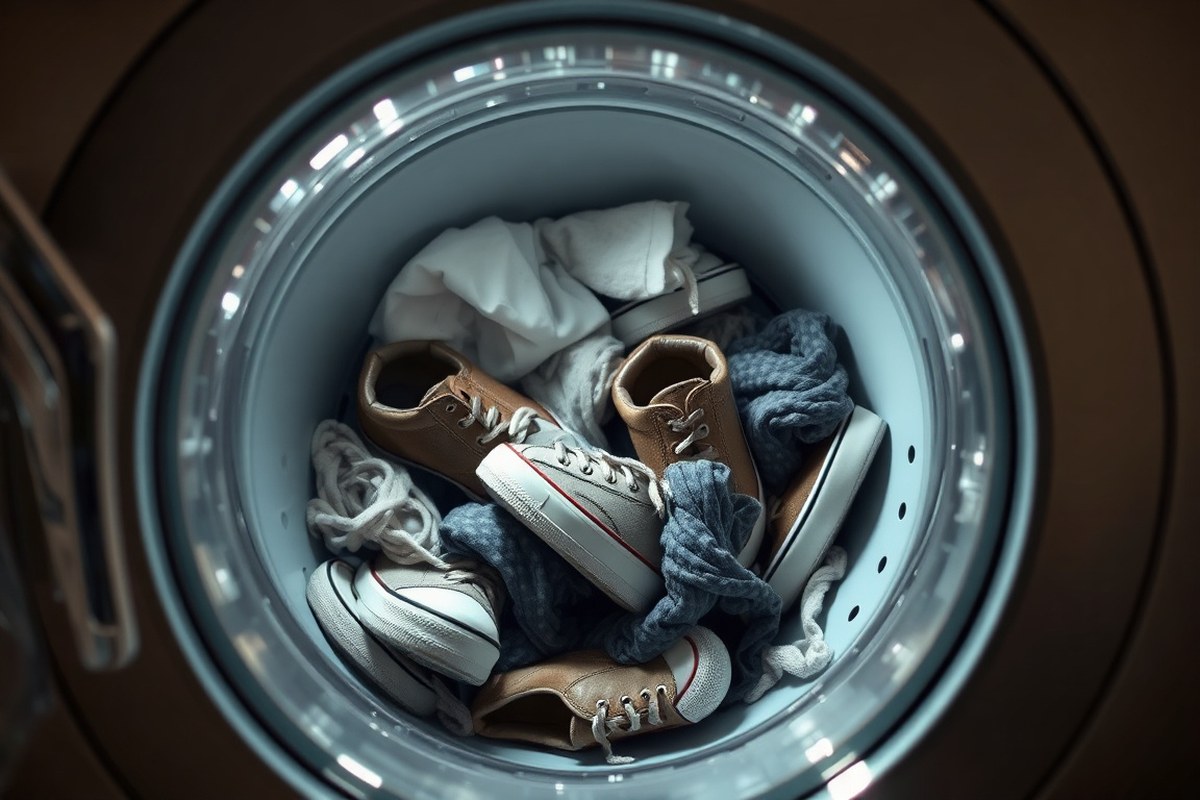
Washing shoes together with clothes in the same load is generally not recommended, but it can be safe under some specific conditions. The main issue lies in the fact that shoes and clothes usually require different washing cycles, temperatures, and handling to avoid damage. Shoes, especially those made from tougher materials like canvas or certain athletic shoes, might withstand a gentle machine wash when combined with clothes, but other shoe types such as leather or suede should never be washed alongside garments in a machine.
The primary risks of washing shoes with clothes include damage to the shoes themselves and potential harm to the clothing. Shoes have hard or rigid parts that can scrape or tear delicate fabrics during the wash cycle. Dirt and debris from shoes might also transfer to clothes, leaving stains or causing damage. Also, shoes often need gentler or specialized cycles to maintain their shape and cushioning, which may not be compatible with the requirements of typical clothing items. For instance, washing leather shoes in the machine can ruin the material, while suede can be permanently damaged by water and agitation.
You can safely wash shoes with clothes together only if you carefully select shoes that are made of materials durable enough for machine washing and if you follow precautions to protect both items. Canvas sneakers and some athletic shoes with simple designs can be washed with clothes if the load includes items made of similar colors and fabric types. It helps to use a mesh laundry bag for the shoes to prevent direct contact with fabrics and reduce noise and abrasion. Removing shoe laces and insoles beforehand also prevents tangling or damage.
In practice, washing shoes with clothes should be limited to gentler cycles using cold or lukewarm water, around 30 to 40 degrees Celsius (86 to 104 degrees Fahrenheit), and a short spin cycle. This reduces wear and tear on both the shoes and clothing. It is important to check the care labels on both shoes and clothes, as well as the washing machine’s manual, to avoid voiding warranties or causing damage. Machine wash-safe shoes typically state this right on the label or packaging.
Choosing not to wash shoes and clothes together is the safest option when dealing with delicate fabrics or specialized shoe materials. Hand washing or spot cleaning is preferable for leather, suede, and dress shoes. Washing shoes by hand prevents the risk of abrasion, deformation, and water damage that a machine cycle can cause. If you decide to machine wash shoes with clothes, ensure the load is small, balanced, and uses only items that can tolerate the same wash settings without harm.
Which Shoe Types and Materials Can Be Washed with Clothes?

The type and material of your shoes play a key role in deciding whether it’s safe to wash them with clothes in a machine. Shoes made from durable, washable fabrics like canvas, nylon, cotton, or polyester usually handle cold, gentle machine cycles well. These materials tolerate water and mild detergent without warping or damage, which allows you to clean shoes and clothes together when properly prepared.
Avoid washing shoes made from delicate or natural materials such as leather, suede, nubuck, or wool with clothes. These materials can become stained, misshapen, or ruined by machine agitation and water exposure. Shoes with delicate decorations like sequins, embroidery, or beads should also never go in the washer with clothes. Such shoes require spot cleaning or specialized care methods to maintain their look and longevity.
| Shoe Type or Material | Machine Wash? | Best Cleaning Method |
|---|---|---|
| Canvas sneakers | Usually yes | Use a mesh laundry bag and select a gentle, cold water cycle for washing, then let your shoes dry naturally by air. |
| Mesh running shoes | Usually yes | Remove insoles and laces, wash gently, air-dry |
| Nylon or fabric trainers | Usually yes | Machine wash on cold if care label allows |
| Leather shoes | No | Gently clean the leather by wiping it with a moist cloth; apply a leather conditioner once the cleaning is done. |
| Suede or nubuck shoes | No | Use a suede brush and cleaner |
| Wool shoes | Usually no | Spot clean only |
Machine washing synthetic or fabric shoes with clothes is most successful when water temperature stays cold and a gentle cycle is used to reduce wear. You should place shoes in a protective mesh bag to prevent excessive agitation. Air drying is necessary to avoid heat damage. Removing insoles and laces beforehand helps the shoes and clothes get cleaner and stops twisting inside the machine.
Never machine wash leather or suede shoes with clothes, as they can become permanently damaged by water and agitation.
Children’s shoes made from washable synthetic materials often tolerate machine washing with clothes, which can save time and effort in keeping them clean. Still, checking the manufacturer’s care label is a safe practice. Shoes with rigid soles or delicate embellishments should only be cleaned by hand to avoid costly damage. Taking time to sort shoes by material before washing prevents ruined laundry and extends the life of both shoes and clothes.
How to Prepare Shoes and Clothes Before Washing Together
Preparing shoes and clothes properly before washing them together is important to avoid damage, improve cleaning results, and protect both your items and washing machine. This includes removing accessories like laces and insoles, pretreating stains, and using protective laundry bags. These steps reduce tangling, prevent staining, and keep your shoes and clothes in good shape.
Removing and Preparing Shoe Accessories
Remove all removable parts such as laces and insoles before putting shoes in the washing machine. Laces can tangle or damage other clothes, and insoles can trap moisture, leading to unpleasant odors or incomplete cleaning. Letting shoes air dry after washing also helps preserve their shape and prevents mildew.
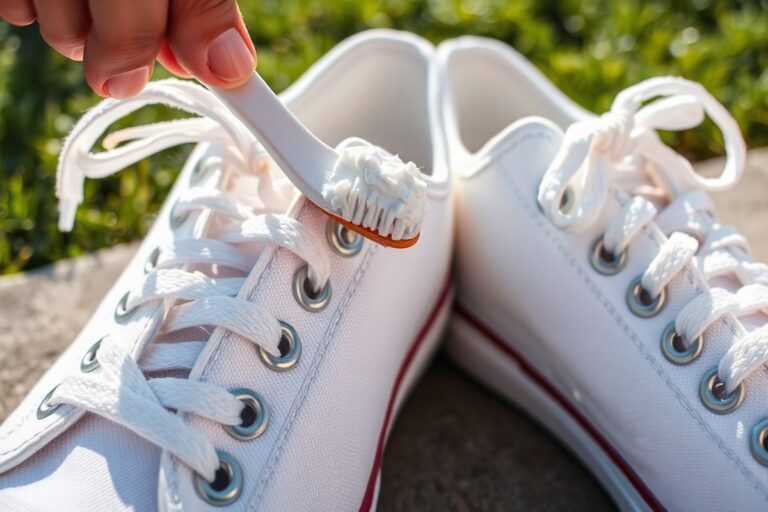
Detach any other accessories like clips, shoe pads, or charms to avoid damage during the wash cycle. For gentle treatment, first brush away loose dirt from shoes to prevent mud or grit from staining clothes or harming the machine.
Pretreating Stains and Odors on Shoes and Clothes
Pretreat stains on shoes and clothes before washing to improve cleaning effectiveness. Use a mild detergent or stain remover on visible spots, paying special attention to sweaty areas or mud stains on shoes. Let the treatment sit for about 10 to 15 minutes before washing to allow the product to break down grime and odors.
For shoe odors, sprinkle baking soda inside and leave it overnight, then shake it out before placing the shoes in the wash. Remember not to saturate shoes with water before the wash, especially for materials like leather or suede.
Using Mesh Bags and Protective Laundry Items
Place shoes and their laces inside mesh laundry bags or a sturdy old pillowcase to protect them and your clothes during the washing cycle. Mesh bags prevent shoes from banging against the machine or clothes, reducing the risk of damage or noise. Towels can be added to the load to balance the weight and cushion impacts.
Choose mesh bags designed for shoes or a laundry bag with a secure zipper to keep everything contained. This simple protection costs around $5 to $15 for reusable bags and helps extend the life of your shoes and washer.
- Brush off loose dirt from shoes using a soft brush or cloth.
- Remove laces, insoles, and any other detachable accessories from shoes.
- Pretreat stains on shoes and clothes with a stain remover and let it sit for 10-15 minutes.
- Place shoes and laces inside a mesh laundry bag or a pillowcase, securing it tightly.
- Put clothes and shoes (in bags) into the washing machine, adding towels if needed to balance the load.
- Select the recommended gentle cycle with cold water for washing.
- After washing, air dry shoes and insoles completely before use to avoid odors and damage.
What Washing Machine Settings Are Best for Shoes with Clothes?
To wash shoes with clothes safely, set your washing machine to a gentle cycle, options like delicate, hand wash, or gentle care work best. These cycles use slower agitation and shorter spins, reducing the chance of damage to both shoes and clothes. Running a harsh cycle risks scuffing shoes or stretching clothes, so avoid normal or heavy-duty cycles.
Use cold water for the wash. Shoes generally require cold water to prevent shrinking, warping, or glue deterioration, while cold water also protects your clothes’ fibers and colors. Washing with hot or warm water may weaken shoe adhesives and fade clothing, so keep the temperature at 60°F (16°C) or below.
Choose a mild liquid detergent designed for delicate fabrics without bleach or brighteners. Powder detergents can leave residue on shoes and clothes, causing stains or stiffness. Liquid detergents dissolve better in cold water and rinse more thoroughly. Use the recommended amount for a regular load; too much detergent increases residue, while too little leads to poor cleaning.
When washing shoes and clothes together, add a few old white towels to balance the load and cushion the shoes during tumbling. Place the shoes inside a mesh laundry bag to protect them from banging against the drum or snagging clothes. This step minimizes wear and prevents shoes from catching on fabrics.
For different situations, adjust the settings accordingly. When washing mainly shoes with a few clothes, use the gentle cycle with minimal spin to avoid tangling. When clothes outnumber shoes, keep the cycle gentle and add extra rinse cycles to remove detergent residue. Avoid mixing light and dark colors to prevent dye transfer.
Watch out for risks like detergent residue trapped inside shoes that could transfer to clothes during drying. Remove shoes from the mesh bag promptly after the wash to air them out separately. Both shoes and clothes should air dry rather than use a dryer to avoid warping and shrinkage.
Washing shoes and clothes together saves time but requires careful machine settings and preparation to protect both. Expect the wash to take 30 to 45 minutes depending on your washer’s gentle cycle. Avoid frequent machine washing for new shoes to preserve their lifespan. Following these steps helps maintain the condition of shoes and clothes while preventing damage and keeping the washer balanced and efficient.
How to Balance the Washing Machine with Shoes and Clothes
Washing shoes and clothes together can cause an unbalanced load if not arranged properly. Balancing the washer means distributing weight evenly to prevent shaking and protect your machine. Using towels and limiting the number of shoes will help keep everything steady during the cycle.
Signs of Washer Imbalance to Watch For
An unbalanced washer often shakes loudly or moves around during spinning. You may hear knocking sounds or feel vibrations strong enough to shake the entire unit. The washer might also stop mid-cycle or display an error code indicating imbalance.
These signs mean the machine is struggling to distribute weight evenly. Continuing to run it this way risks damaging the drum or motor, so it’s best to stop the cycle immediately and rearrange the load.
Using Towels and Other Items for Load Balance
Adding old towels is the safest way to balance shoes in the washer. Towels help cushion the impact and distribute weight more evenly. Sturdy cleaning rags can also work, but avoid mixing delicate clothes which might tear or stretch. Here is a simple step-by-step approach to balancing your load:
- Remove any large debris or stones from your shoes.
- Place shoes inside a laundry bag to protect both the shoes and washer drum.
- Add 2 to 3 old towels around the laundry bag, spreading them evenly in the drum.
- Include a small number of heavy clothes if needed, but avoid mixing lightweight or delicate fabrics.
- Distribute the towels and shoes so that heavier items are opposite each other around the drum.
- Choose a low spin speed to reduce movement and wear.
- Start the cycle and monitor the machine for signs of imbalance.
- Pause and rearrange if you notice excessive noise or shaking.
Washing shoes with towels instead of delicate clothes prevents damage to both your garments and the washing machine.
Recommended Maximum Load Size with Shoes
Limit the number of shoes to one or two pairs per wash to avoid overloading and imbalance. Too many shoes concentrate weight unevenly and cause shaking. Preferably, wash small loads with towels or cleaning cloths rather than everyday clothes.
For example, washing one pair of sneakers with two bath towels generally produces a balanced load. Larger shoes or boots may require fewer towels or smaller load sizes. Adjust based on the shoe type, washer size, and drum capacity for best results.
Common Mistakes and How to Avoid Damage Washing Shoes with Clothes
Many people make avoidable mistakes when washing shoes with clothes that lead to damage. One common error is washing shoes with light-colored or delicate garments. Shoes, especially those with dark or bright colors, can bleed dye onto lighter clothes, causing permanent stains. Selecting only sturdy, dark clothing reduces this risk.
Using hot water during the wash cycle is another frequent cause of harm. Hot water can weaken shoe adhesives, warp shoe shapes, and fade colors on both shoes and clothes. Cold water at or below 30°C (86°F) is safer, preventing shrinkage and bleeding. Avoid bleach and fabric softeners, as these chemicals can break down shoe materials and leave residues on clothes.
Physical damage often happens from sharp metal eyelets or hooks on shoes catching on fabric, causing tears or snags. Rubber soles can also leave marks on lighter-colored fabrics. To prevent this, place shoes in a mesh laundry bag or inside a pillowcase, which cushions contact between shoes and clothes. Removing loose dirt and mud before washing cuts down on dirt spreading to clothes during the cycle.
- Do not wash shoes with delicate fabrics like silk, wool, or underwear to avoid tearing or deformation.
- Pre-treat stubborn stains on clothes separately rather than relying on the shoe wash cycle.
- Use a gentle cycle with low spin speed to limit shoe movement and reduce noise or impact on clothes.
- Wash shoes only if labeled machine-washable, otherwise opt for hand washing.
- Balance the load by adding towels or sturdy clothes so shoes don’t bang around excessively.
- Check shoes and clothes immediately after washing to catch any color transfer or damage early.
Washing shoes and clothes together without proper preparation can cause fabric tears, color runs, and weakened construction on shoes. Taking simple precautions like choosing cold water, avoiding delicate or light fabrics, using protective bags, and selecting appropriate cycles can save you from costly garment damage and ruined shoes. Following these steps means your shoes and clothes come out fresh without harm.
How to Dry Shoes and Clothes After Washing Together
Drying shoes and clothes safely after washing together requires patience and care. Avoid putting shoes in the dryer since high heat can warp their shape, weaken adhesives, and cause permanent damage. Clothes dryers typically reach temperatures above 120°F (49°C), which is too intense for most shoes. Instead, air drying is the best option to protect both shoes and fabric items.
The drying time for shoes depends on the material and environment but generally ranges from 12 to 24 hours. Sneakers made of breathable mesh or canvas might dry closer to 12 hours, especially in a warm, well-ventilated space. Leather and thicker materials usually take longer due to their density and moisture retention. Clothes typically dry faster than shoes; a standard cotton shirt could be dry within 4 to 6 hours indoors with good airflow.
To speed up drying without causing damage, start by removing excess water. After washing, gently pat shoes and clothes with a dry towel to soak up moisture. Avoid wringing shoes, as this can deform them. For shoes, remove insoles and loosen laces to improve air circulation inside. Place shoes and clothes in a well-ventilated area at room temperature, away from direct sunlight or heaters that may dry out or crack materials.
If you want to help your shoes dry faster, try stuffing them with crumpled newspaper or paper towels. This absorbs moisture inside the shoe and can be replaced every few hours until the shoe feels dry. For delicate shoes like leather, avoid stuffing aggressively and alternate with dried cloths to prevent pressure marks. Position shoes upright or on their sides on a rack or mesh surface instead of laying them flat to encourage airflow around all surfaces.
When drying clothes that were washed with shoes, hang or lay them flat depending on the fabric type. Heavy items like towels and jeans benefit from hanging, while delicate fabrics should be laid flat to avoid stretching. Make sure clothes do not block airflow around the shoes. Separating drying areas for shoes and clothes can help each dry fully and prevent cross-contamination of dirt or odors.
One simple trick when drying shoes and clothes together is to rotate and reposition shoes every few hours. Moving them exposes damp areas to fresh air and prevents uneven drying that could lead to mildew or odor. Avoid placing shoes close to heat sources like radiators or space heaters to reduce the risk of shrinking or cracking leather, foam midsoles, or glued parts.
Ensuring shoes and clothes dry thoroughly helps maintain their shape, structural integrity, and overall longevity. Taking a little extra time indoors to air dry keeps materials safe and avoids costly damage that high heat can cause in a dryer. This approach also minimizes the risk of colors bleeding or clothes shrinking, which sometimes happens when washing shoes and fabrics together and rushing the drying process.
When to Choose Hand Washing over Machine Washing Shoes with Clothes
Hand washing shoes is often the better choice for delicate materials like leather or for shoes with glued parts and complex designs. This method lets you clean gently without risking damage to the fabric or altering the shoe’s shape. It also works well when the shoes have insoles that may hold water and lose form in a machine wash.
Identifying Shoes Unsuitable for Machine Washing
Shoes made from delicate materials such as leather, suede, or certain fabrics should generally not be washed with clothes in a machine. These materials can crack, fade, or warp when exposed to water and strong agitation. Shoes with glued components, like dress shoes or fashion sneakers, may come apart during machine cycles. Insoles that retain a lot of water or lose their structure are also risky to put in a washing machine.
Look for any special care instructions on the shoe label or manufacturer’s website. Shoes with detailed stitching, decorations, or fragile colors are better cleaned by hand to avoid damage. Also, for shoes with persistent stains or odors, hand washing allows more targeted treatment without exposing your clothes to the same level of dirtiness.
Hand Washing Technique for Shoes
Hand washing offers control over the cleaning intensity and helps preserve the shoe’s integrity. Follow these steps for effective and safe cleaning:
- Remove the laces and insoles from the shoes to clean separately.
- Brush off loose dirt and debris with a soft brush or cloth.
- Fill a basin or sink with lukewarm water (around 90°F to 100°F) and add a small amount of mild detergent or shoe cleaner.
- Gently scrub the shoes with a soft brush or cloth, focusing on stains and dirty areas without saturating the fabric.
- Clean insoles and laces separately by soaking and gently scrubbing them.
- Rinse the shoes thoroughly with clean, cool water to remove soap residue without soaking them for too long.
- Pat the shoes and insoles dry with towels to remove excess water and reshape them carefully.
- Let the shoes and their parts dry naturally in a spot with good airflow, keeping them out of direct sunlight and away from heaters.
Do not wring or twist the shoes as this can distort their shape; gentle pressure and careful reshaping are key.
When Not to Wash Shoes with Clothes
Washing shoes with clothes is not advisable when the shoes are particularly dirty, muddy, or contain substances that could stain or damage clothing. This includes shoes used in outdoor sports with heavy soil or chemicals. Also avoid washing shoes with delicate or special-care clothes, like silk or lace, because even gentle machine settings might cause problems.
For shoes with persistent odors or bacteria buildup, hand washing allows you to apply targeted treatments such as disinfectants or odor removers without risking contamination of your laundry. When shoes have leather or suede components, it’s best to avoid machine washing them with any clothing because water and agitation can cause irreversible damage.
Step-by-Step Action Plan for Washing Shoes with Clothes
Follow these steps to wash your shoes and clothes together safely and effectively. Each step helps you avoid damage and ensure clean results.
- Before you start: Check the shoe material labels and clothing care tags. Only proceed if both are machine washable and compatible, such as canvas shoes with cotton clothes.
- Preparation phase: Remove loose dirt from shoes and empty pockets of clothes. Lace shoes loosely or use a shoe bag to protect both footwear and fabrics.
- Loading the washer: Add shoes and clothes together with a balanced load of towels or other sturdy items to prevent banging. Confirm the load is balanced to avoid machine damage.
- Machine settings: Choose a gentle wash cycle using cold water and a mild detergent. Skip bleach and fabric softeners to keep the shoe adhesives and materials intact.
- After the wash: Immediately remove shoes and clothes. Check for any visible wear or damage and smell test for cleanliness.
- Drying phase: Air dry shoes and clothes separately. Stuff shoes with paper towels to maintain shape and place clothes flat or hang to dry according to fabric type.
- Post-dry check: Inspect shoes and clothes again for dryness and condition before wearing or storing to ensure no residual dampness or damage.
Frequently Asked Questions
Can Washing Shoes with Clothes Cause Damage to My Shoes or Clothes?
Yes, washing shoes with clothes can cause damage to both. Shoes might scratch or tear clothing, and the wash cycle suitable for shoes might harm delicate fabrics in your clothes. It’s safer to wash shoes with old towels instead of your regular clothes.
Are There Specific Clothing Types I Should Avoid Washing with Shoes?
Avoid washing delicate or easily damaged clothing with shoes. Lightweight fabrics or items with decorations can tear or snag when washed with shoes, which have hard surfaces and rigid soles. Stick to washing shoes with sturdy fabrics like towels.
Can Washing Shoes with Clothes Affect the Washing Machine Itself?
Yes, washing shoes with clothes can impact your washing machine. Shoes may create imbalance and cause excessive vibration, risking damage to the drum or suspension parts if not properly balanced during the wash cycle.
Is It Okay to Wash Shoes and Clothes Together If Using Cold Water?
Cold water helps reduce damage risks when washing shoes and clothes together but does not eliminate them. The mechanical action and abrasion during the cycle can still harm fabrics or shoes, so cold water is a precaution, not a guarantee.
Can I Mix Different Shoe Materials in the Same Wash with Clothes?
Mixing various shoe materials with clothes is not recommended. Different materials require different care and wash settings, increasing the chance of damage to both shoes and clothing. Separate washes by material type for better protection.
Should I Use a Mesh Laundry Bag When Washing Shoes with Clothes?
Using a mesh laundry bag can protect clothes from shoe abrasion but does not completely prevent damage. Shoes inside the bag can still hit the machine drum harshly, possibly causing wear. It’s better to wash shoes separately or with towels.
The Bottom Line
You can safely wash certain shoes with clothes when you follow careful preparation and machine settings. Choosing the right timing and drying methods protects both your shoes and laundry from damage. Start with a small test load next time you wash to get comfortable with this approach. That simple step will help you clean your shoes and clothes together confidently and efficiently.