How to Get Rid of Mold Smell: 8 Steps for Lasting Odor Removal
To get rid of mold smell permanently, you must eliminate both the mold and the moisture source causing it. Clean affected areas promptly, use effective mold-killing solutions, and control humidity below 60%. These steps prevent mold growth and stop musty odors from returning.
This advice suits homeowners and renters dealing with persistent mold smells indoors. You’ll learn practical ways to detect mold sources, clean safely, manage moisture, and maintain fresh indoor air free from mold odors.
Key Takeaways
- Clean and dry spills within 24 to 48 hours to prevent mold growth and musty smells.
- Keep indoor humidity under 60% to slow mold and mildew development.
- Use a 3% hydrogen peroxide solution to disinfect moldy surfaces without harsh fumes.
- Scrub mold with dish soap and warm water, then dry thoroughly to remove odors.
- A dehumidifier reducing humidity below 50% helps prevent mold in damp areas like basements.
- For mold covering more than 10 square feet, hire a professional remediation service.
1. How to Get Rid of Mold Smell Permanently
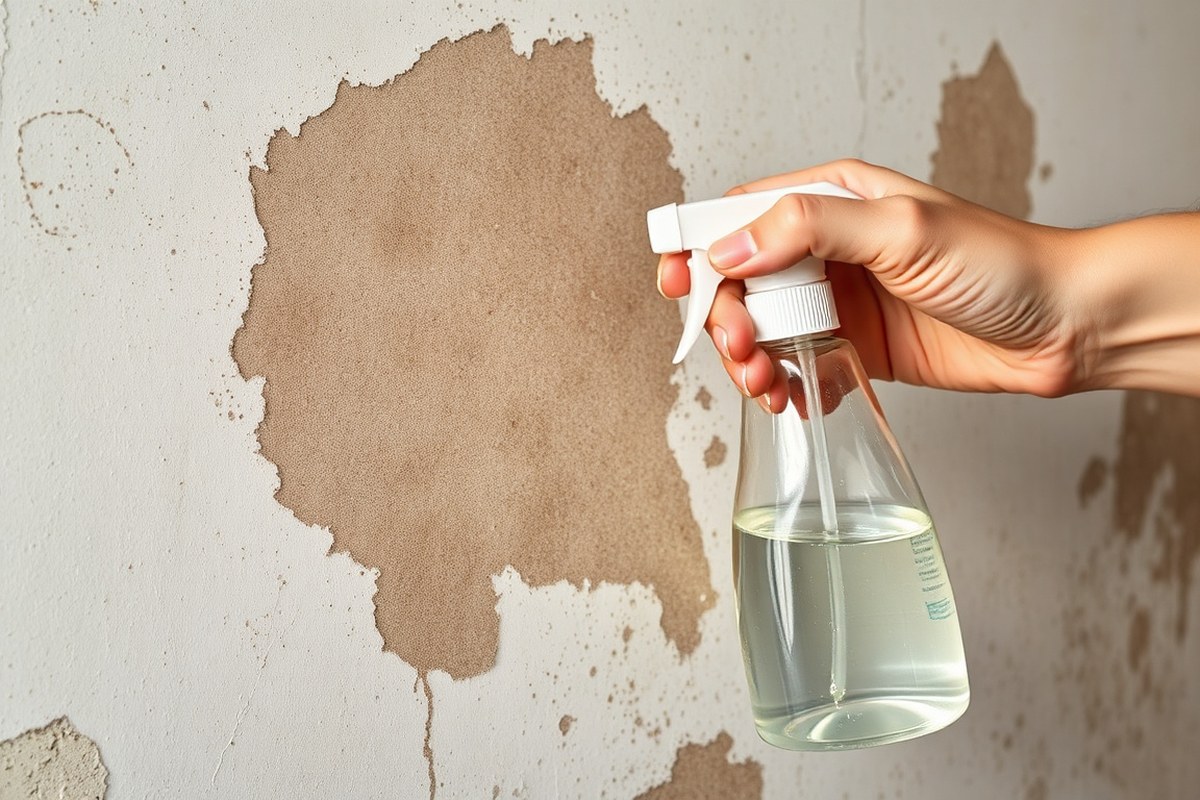
Getting rid of mold smell permanently requires tackling both the odor and the mold growth causing it. The musty scent comes from gases called microbial volatile organic compounds (MVOCs) that mold releases as it grows. These gases keep emanating as long as mold colonies have moisture and organic material to feed on. Simply masking the odor with air fresheners or sprays only covers the symptom temporarily, while the source continues to release spores and smells. To fully eliminate the mold smell, it’s essential to remove the mold and address the moisture that supports its growth.
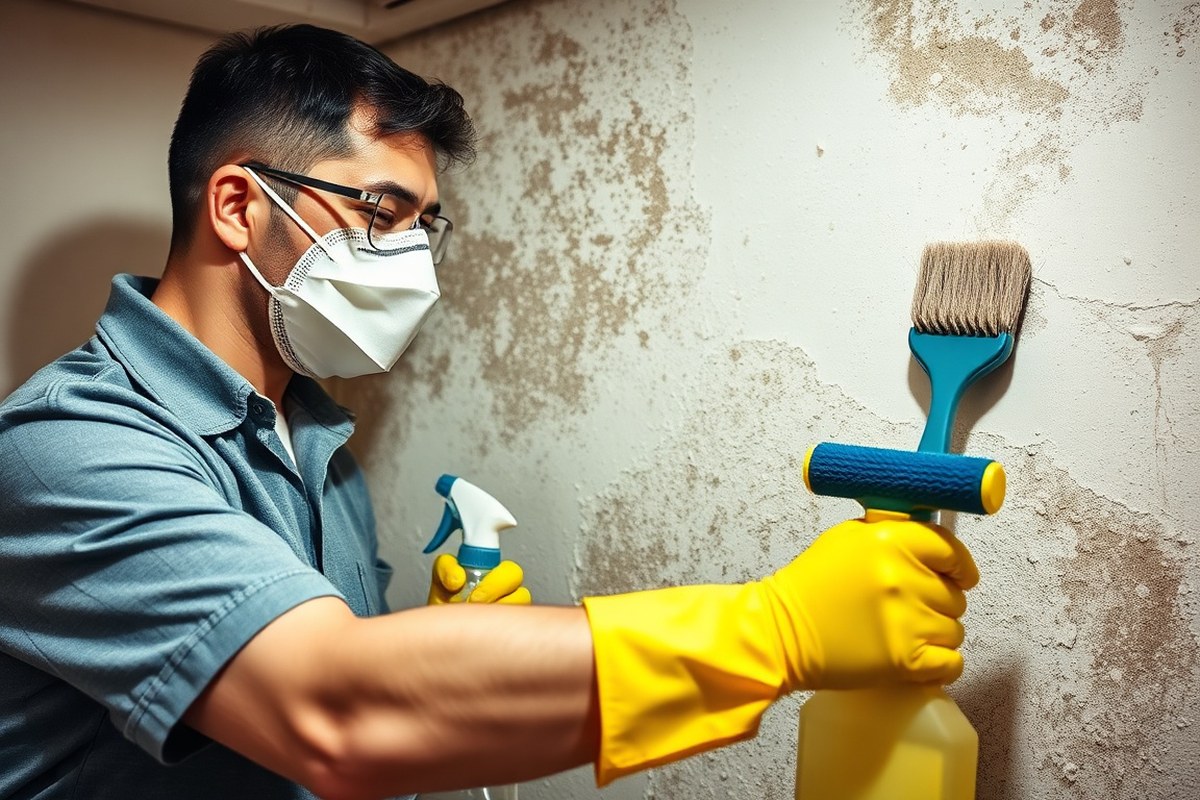
Start by locating and cleaning the visible mold using protective gear like an N-95 mask, gloves, and goggles to avoid inhaling or spreading spores. Use a mixture of white vinegar and water (typically 50:50) to kill roughly 82% of mold species or use commercial mold removers formulated for household use. Bleach can also be used on non-porous surfaces but avoid mixing it with other cleaners. In cases such as contaminated caulking, removing and replacing the caulk can eliminate entrenched mold. After cleaning, allow the area to dry thoroughly within 24 to 48 hours to prevent new mold growth, as mold and mildew usually need moisture longer than two days to thrive.
Mold growth out of sight, such as behind walls, beneath floors, or inside HVAC ducts, often causes persistent musty odors. Persistent smells after cleaning call for a mold remediation expert, especially when mold covers over 10 square feet or if the scent travels through the air system. Experts use tools designed to locate mold hidden within structures and remove it safely. Masking the odor without removing hidden mold results in ongoing smells and long-term health dangers.
Effective moisture control is critical for stopping mold growth and its odors from returning. This can mean repairing leaks, improving ventilation, or using a dehumidifier to keep indoor humidity levels below 60 percent. Since mold needs moisture to produce MVOCs, controlling humidity prevents the mold colony from releasing new odors. Attempting odor control by simply spraying air fresheners or using ozone generators is ineffective; the EPA warns ozone is a lung irritant and not safe or reliable for indoor mold issues.
Costs vary by situation. Basic cleaning supplies like vinegar and gloves might cost under $20, but professional remediation can range from hundreds to thousands of dollars depending on mold extent and location. Good results involve no recurring musty smell, clean surfaces free of visible mold, and a dry environment that halts mold’s food source. Mold problems left unaddressed can worsen, causing more damage and persistent odor, so prompt complete action is key for permanent mold smell removal.
2. What Causes the Mold Smell and Why It Lingers
The musty odor of mold comes from microbial volatile organic compounds (MVOCs). These are gases released when mold grows on materials like wood, drywall, or dust and uses them for food. MVOCs travel through the air inside your home, spreading the smell. The scent stays around because mold often hides in tough-to-reach spots like inside walls, beneath floors, or behind insulation.
The reason mold odors persist after cleaning visible mold is often due to hidden colonies still active somewhere nearby. Removing mold from visible surfaces and drying the area typically causes the smell to fade within one to two days. Moisture remaining trapped somewhere else in your home can keep mold growing and produce more MVOCs. Moisture plays a key role because mold needs it to survive and reproduce. Dampness as little as 24 to 48 hours on surfaces can encourage mold to start growing again. This is why just wiping away mold without addressing moisture often fails to get rid of the smell for good.
Moisture also contributes to the smell lingering by keeping mold active in hidden spots where typical cleaning doesn’t reach. Areas like crawl spaces or HVAC ductwork can harbor trapped moisture. Over time, dirt and debris mixed with moisture in your air system’s filter can become a breeding ground for mold and cause persistent odors.
Once you clean visible mold, it’s important to dry the entire area thoroughly. Use methods such as fans, dehumidifiers, or increased ventilation to lower indoor humidity below 60%, which usually prevents mold from growing. This pulls out the moisture mold needs and stops new MVOCs from being produced. A home kept dry consistently rarely develops that musty smell since mold remains inactive or absent.
Dry sealed areas thoroughly after cleaning to prevent mold regrowth and persistent odors.
Strong mold odors without any visible signs nearly always point to hidden growth. In such cases, a professional inspection using infrared cameras or moisture meters can find the moisture source behind walls or under floors. Addressing the hidden dampness and removing mold-contaminated materials are the only ways to stop the smell completely. After proper removal and drying, MVOCs dissipate over a few days as fresh air circulates.
Mold odors result from MVOCs emitted by actively growing mold colonies. These smells tend to persist because the colonies often remain hidden in moist, concealed areas, evading early cleaning efforts. Controlling moisture and fully eliminating mold with thorough drying and ventilation are key to removing the smell permanently.
3. How to Find the Source of a Musty Mold Smell
Locating the source of a musty mold smell involves a careful search of common trouble spots and attention to signs of moisture. Mold often hides behind walls, under floors, or inside HVAC systems, especially when the smell is strong, but no visible mold is present. Identifying and addressing the source directly can stop the odor and prevent mold from returning.
Inspect Common Moisture-Prone Areas
Start your search in places where moisture naturally collects or where leaks are likely. Bathrooms, kitchens, basements, and attics are typical mold hotspots because of their higher humidity and water usage. Checking these areas first often reveals the source of the smell or at least narrows down your search.
Look under sinks for leaks or water pooling, behind appliances that use water, around windows with condensation issues, and near pipes. Basements and crawl spaces can have improve humidity or hidden leaks. Attics sometimes collect moisture due to roof leaks or poor ventilation.
Look for Visible Mold and Water Damage Signs
Visible mold shows up as discolored spots, black or green patches, or fuzzy growth on walls, ceilings, floors, and even on furniture or carpets. Water damage signs include peeling paint, bubbling wallpaper, warped wood, and musty stains.
Cleaning away mold without fixing water issues only masks the problem. For mold growth larger than 10 by 10 inches, consider calling a professional for safe removal. Promptly fixing leaks or moisture intrusion is key to eliminating the source of mold odors.
Use Tools to Detect Hidden Mold
Smelling mold without finding it visually suggests hidden growth inside walls, under floors, or inside HVAC ducts. Professionals use moisture meters, infrared cameras, and air quality testers to locate damp areas and mold behind surfaces. While these tools aren’t usually available for casual homeowners, a moisture meter can be purchased online or at hardware stores for about $20 to $100.
Routine use of a dehumidifier can also reveal ongoing moisture problems if it frequently fills up quickly or struggles to reduce humidity below the recommended 30 to 50 percent range. Persistent musty smells despite cleaning efforts often indicate mold hidden from plain sight, signaling the need for professional inspection.
- Check the areas that commonly develop moisture, such as behind toilets, under sinks, basement walls, and attic vents.
- Inspect plumbing lines and appliances like dishwashers and water heaters for leaks or buildup.
- Look for visible mold patches, stains, or signs of water damage around your home.
- Use a moisture meter or touch surfaces to identify damp spots hidden behind walls or under flooring.
- Run your HVAC system; if the musty odor intensifies when it runs, check ductwork and filters for mold growth.
- Remove and inspect carpets or upholstery that have been wet or stored in damp areas.
- Address any leaks or sources of moisture immediately with repairs or sealants.
- If you cannot locate the source or the affected area is larger than 10 by 10 inches, schedule a professional mold inspection.
4. Safe and Effective Cleaning Methods for Mold and Odor
Choosing the right cleaning agent matters for removing mold and its smell effectively and safely. Some substances kill mold without harmful fumes, while others require ventilation and protective gear. Porous and non-porous surfaces call for different methods, and natural remedies can work well on certain materials.
Hydrogen Peroxide, Vinegar, and Bleach Comparison
Hydrogen peroxide at a 3% concentration is an excellent mold killer without producing harmful fumes, making it safe for indoor use. It bubbles when applied, lifting mold from surfaces. White vinegar also kills most mold spores naturally but needs longer contact, generally 30 to 60 minutes, to be effective. Bleach works on surface mold of non-porous materials but can release strong fumes and does not penetrate porous surfaces like wood.
Never mix these cleaners, especially hydrogen peroxide with vinegar, as that can create toxic gases. For ventilation and safety, use bleach only in well-ventilated rooms and consider wearing an N-95 mask.
| Cleaner | Effective On | Contact Time | Fumes | Use Precautions |
|---|---|---|---|---|
| Hydrogen Peroxide (3%) | Most surfaces, porous and non-porous | 10-15 minutes | Minimal | Do not mix with vinegar |
| White Vinegar | Most surfaces, porous and non-porous | 30-60 minutes | Minimal | Do not mix with hydrogen peroxide |
| Bleach | Non-porous surfaces only | Several minutes | Strong fumes | Ventilate area, wear mask |
Using the right cleaner based on surface and ventilation will lead to safer, more effective mold removal and odor reduction.
Commercial Mold Removers Overview
Store-bought mold cleaners, including botanical options like Benefect Botanical Decon 30, offer ready-made solutions combining fungicidal ingredients. These cleaners often come with instructions tailored to various surfaces. They usually cost $10 to $30 per bottle and provide a convenient alternative to homemade solutions. Their formulas might balance effectiveness and safety but verify if ingredients produce fumes or irritants. Always follow label directions and use protective gear as recommended.
Commercial removers can be especially useful on challenging materials or larger mold patches where consistent dosing and extended action are needed. Using them alongside natural remedies like vinegar, baking soda, or hydrogen peroxide can also improve results.
Cleaning Techniques by Surface Type
The best cleaning method varies by surface because mold grows differently on porous and non-porous materials. Porous items include wood, drywall, and fabric. Non-porous items include glass, tile, metal, and sealed countertops.
- Porous surfaces: Avoid bleach since it won’t penetrate deeply to kill mold roots. Use a 3% hydrogen peroxide spray or undiluted white vinegar. Let it sit for 10-60 minutes depending on material, then scrub gently with a brush. After the mold is lifted, apply baking soda mixed with hydrogen peroxide to remove stains and neutralize odors. Rinse with cold water and air dry fully to prevent regrowth.
- Non-porous surfaces: Spray hydrogen peroxide and let it bubble for 10-15 minutes or apply vinegar for 30-60 minutes. Rinse with water and dry. Bleach is a good option for hard surfaces like bathtubs or ceramic tiles but should be used only with proper ventilation and protective gear. Rubbing alcohol (70%) is also effective on items like shoes where mold grows on surface layers. Avoid mixing cleaners and never use bleach on wood.
For all surfaces, wear gloves and ensure good ventilation. Test a small hidden area first to check for discoloration or damage. Getting rid of the odor requires fully killing mold spores and removing any dampness, so cleaning alone without drying leaves odors behind.
5. Controlling Moisture and Humidity to Prevent Mold Odors
Keeping indoor humidity between 30% and 50% is key to preventing mold growth and stopping mold odors from returning. Mold thrives in moist environments, especially when humidity rises above 60%. Using a dehumidifier correctly helps dry out damp spaces like basements or bathrooms, reducing conditions that allow mold to produce its musty smell.
Choose a dehumidifier sized for the room where you need it. For example, a 30-pint unit can handle a 500 to 1,500 square-foot area. Place it away from walls and furniture to let air circulate freely. Run the dehumidifier continuously until the humidity drops below 50%, then adjust settings to maintain that level. Empty the water reservoir regularly or connect a hose to drain automatically.
Improving airflow and ventilation complements dehumidification. Open windows when weather allows and use exhaust fans in kitchens and bathrooms during and after moisture-producing activities such as cooking and showering. Sleeping with bedroom doors open can also help moisture disperse overnight.
Never just paint over mold; fix moisture problems first, or the smell and mold will come back.
- Keep humidity between 30% and 50% with a dehumidifier or air conditioning
- Run exhaust fans during showers and cooking to reduce moisture buildup
- Place dehumidifiers in damp areas like basements and laundry rooms
- Empty or drain dehumidifier water regularly to prevent overflow
- Fix leaks in roofs, plumbing, or walls promptly to stop water intrusion
- Ensure furniture and belongings don’t block airflow near walls
- Use vented dryer hoses to the outside, not indoors
Repair any home issues that cause persistent moisture. Leaky pipes, cracked foundations, clogged gutters, and poor roof drainage increase humidity and mold risk. Basement walls should remain clear of stored items to promote airflow. Gaps between furniture and walls prevent trapped dampness. Venting clothes dryers and kitchen appliances outside also reduces indoor humidity.
Monitoring indoor humidity with a hygrometer lets you check if your efforts are effective. A reading above 60% means more moisture control is needed. Lower humidity and proper ventilation dry surfaces fully and slow mold growth, reducing or eliminating odors over time. Regular maintenance and moisture management stop mold smells from coming back, keeping your home fresh and healthy.
6. Treating Mold Smell in Carpets, Clothes, and HVAC Systems
Removing mold smells from textiles and air systems requires targeted cleaning and deodorizing steps. Clothes, carpets, and upholstery need thorough washing or deep cleaning to remove odor trapped in fibers. HVAC systems require duct cleaning and filter replacement to stop mold smell from circulating in your home.
Cleaning Moldy Clothes and Fabrics
Mold smell in clothes or fabrics usually comes from moisture trapped in fibers. Washing in hot water with detergent can often remove the odor, but severe cases might need extra treatment. Avoid soaking or drenching memory foam items, as moisture can worsen mold growth. Follow these steps for the best results:
- Sort clothes by fabric type and wash instructions to avoid damage.
- Machine wash items in the hottest water safe for the fabric. Use a heavy-duty detergent designed for odor removal.
- Add one cup of white vinegar or half a cup of baking soda to the wash cycle to help neutralize odors.
- For persistent smells, soak washable fabrics overnight in a mixture of water and white vinegar (1:4 ratio) before washing again.
- Dry clothes thoroughly in direct sunlight if possible, as UV rays help kill mold spores and freshen fabrics.
- For non-washable items, use a fabric refresher spray containing antimicrobial agents or consider professional cleaning.
Proper laundering stops mold odor at its source and protects your clothing and upholstery from damage caused by mold growth.
Removing Odor from Carpets and Upholstery
Carpets and upholstery absorb moisture and mold odors deep in their fibers, making odors harder to remove. DIY cleaning or renting a steam cleaner can help, but severe cases might require professional treatment or even replacement. Steps to treat carpets and upholstery:
- Vacuum the carpet or upholstery thoroughly to remove surface dust and mold spores.
- Spot-clean any visible mold stains with a mixture of water and mild detergent, scrubbing gently.
- Rent or purchase a steam cleaner designed for carpets and upholstery. Follow the instructions carefully to avoid saturating materials.
- Use a cleaning solution that targets mold odors, making sure it’s safe for your fabric.
- Allow deep cleaning solution to sit for 15 to 20 minutes to break down mold and odor particles.
- Rinse with clear water using the steam cleaner and extract as much moisture as possible.
- Ensure carpets and upholstery dry completely within 24 to 48 hours to prevent new mold growth.
Replacing carpets or upholstery may be necessary if mold odors persist after cleaning, especially if moisture has penetrated padding or stuffing.
Deodorizing and Maintaining HVAC Systems
Mold in HVAC ducts or equipment spreads odor throughout your home. Regular maintenance, filter replacement, and duct cleaning keep your system running clean and fresh. Mold visible inside ducts or the air handler requires hiring a professional to prevent spores from spreading. Use these recommendations to keep your HVAC system mold-free:
- Replace air filters according to the manufacturer’s instructions, typically every 1 to 3 months.
- Schedule professional duct cleaning every 2 to 3 years to remove accumulated dust, mold, and contaminants.
- Inspect and clean the drip pan and condensate lines regularly to prevent mold-friendly moisture buildup.
- Use an air purifier with a HEPA filter to reduce airborne mold spores and odors inside your home.
- Mold growth inside the ventilation system calls for a licensed HVAC specialist to safely treat or replace affected parts.
Maintaining an HVAC system prevents mold smells from spreading and improves indoor air quality year-round.
7. When to Call a Professional Mold Remediation Service
You should contact a professional mold remediation service when the affected mold area exceeds 10 square feet or involves porous materials such as drywall, ceiling tiles, or carpet. This threshold, recommended by the EPA, helps prevent spreading mold spores and ensures thorough removal. Large infestations in walls or flooring, or mold that is widespread throughout your home, require professional expertise because DIY methods often cannot reach hidden mold or safely handle extensive contamination.
Health risks are an important factor in deciding whether to call a professional. Symptoms like headaches, runny nose, nausea, or allergy flare-ups after exposure to mold can indicate significant contamination or a sensitive individual in the home. More serious issues such as dizziness or difficulty breathing upon entering the affected area demand immediate evacuation and professional intervention. Professionals use containment and specialized equipment to reduce exposure during removal, which is critical for protecting your health.
When choosing a qualified mold professional, look for certifications from recognized organizations such as the IICRC (Institute of Inspection, Cleaning and Restoration Certification) or licensing specific to your state. Ask for an inspection report detailing the size and location of mold growth and if air quality testing or moisture assessments were conducted. A reliable contractor will provide a clear remediation plan, including containment, removal methods, and prevention tactics to avoid future mold problems. Request proof of insurance and references from past work to confirm their credibility.
Before any cleaning, evaluate the situation using a simple checklist: Is the mold covering more than 10 square feet? Is it on porous surfaces like drywall or carpet? Do you or household members experience adverse health effects near the mold? Is there extensive water damage or musty odors persisting despite initial cleaning? Answering yes to any of these indicates professional involvement is advisable. Also, persistent odors linked to mold in HVAC ducts require a licensed HVAC professional trained in mold remediation to inspect and clean safely.
Professional mold removal typically includes containment of the affected area to prevent spores from spreading, the use of HEPA vacuums and industrial cleaners, and restoration of damaged materials when necessary. Costs for professional remediation vary widely depending on mold extent, location, and labor intensity but often range from several hundred to several thousand dollars. Good results show the elimination of visible mold and odors, improved air quality, and no recurrence of dampness or health symptoms. Poor outcomes usually result from incomplete removal or failure to address moisture sources.
8. Preventing Mold Smell from Returning After Cleaning
Preventing mold smell from returning means keeping your home dry, well-ventilated, and free of excess moisture. Mold thrives in damp environments, so controlling humidity and airflow is essential. Aim for indoor humidity levels below 60%, ideally between 30-50%, using a hygrometer to monitor. Open windows regularly and use exhaust fans in bathrooms and kitchens to remove moisture quickly.
Daily habits can make a big difference in stopping mold growth. Dry wet areas right away, especially after spills or cleaning carpets and upholstery. Thoroughly dry carpet and padding within 24 to 48 hours after cleaning to prevent mold spores from settling. Avoid leaving damp clothes or towels in piles; hang them to dry in a well-ventilated space or use a dryer. Keeping indoor plants in check also helps, as overwatering can raise humidity and promote mold.
- Use a dehumidifier in damp areas like basements or laundry rooms to maintain humidity below 50%.
- Keep air circulating by using fans and opening doors between rooms.
- Place a bowl of salt on windowsills to absorb moisture and reduce condensation.
- Use air purifiers with HEPA filters to remove mold spores and improve air quality.
- Fix leaks and water damage promptly to prevent ongoing moisture problems.
- Consider low-water plants like snake plants or aloe vera, which can help improve air quality without adding humidity.
- Regularly clean and change HVAC filters to prevent mold buildup in vents.
Investing in a dehumidifier usually costs between $200 and $300 and can run about $30 to $50 per month in electricity, depending on size and usage. Air purifiers cost around $50 to $100 per year to operate and maintain. Monitoring tools like hygrometers are affordable, usually under $20. Following these steps helps ensure your home environment becomes less welcoming to mold, preventing musty odors from returning.
Always dry cleaned areas completely within two days to prevent mold spores from reestablishing themselves.
Implementing these practical maintenance routines reduces moisture buildup and improves air circulation, making your home more comfortable and healthier over time. Keeping moisture in check helps stop mold growth before it starts, which is the key to staying odor-free. Regular care of textiles, plants, and ventilation systems maintains a dry environment that discourages mold development, even in spaces like laundry rooms, which naturally attract humidity.
Step-by-Step Action Plan to Eliminate Mold Smell
Follow this plan to remove mold odors effectively and keep your home fresh and safe.
- Day 1: Locate all mold sources using your senses and a moisture meter. Confirm sources are found when moldy spots or damp areas are visible or detected.
- Day 2: Clean affected surfaces with a mold-killing cleaner or a vinegar solution. Verify success by absence of visible mold and reduced musty smell.
- Week 1: Improve ventilation and dehumidify rooms to keep relative humidity below 50%. Check with a hygrometer to see if humidity stays low after treatments.
- Week 2: Treat carpets, upholstery, and HVAC filters with appropriate cleaning or replacement. Confirm the smell diminishes when fabrics dry and HVAC air feels fresher.
- Week 3: Apply mold-resistant paint or sealants on walls if mold regrows. Success means no new mold spots or odors after 7 days.
- Ongoing: Inspect your home monthly for leaks or dampness and address issues immediately. Keep humidity controlled with a dehumidifier or air conditioner as needed.
- As needed: Hire a professional mold remediation service if mold is extensive or returns despite cleaning. Ensure the smell disappears and does not return within a few weeks.
Frequently Asked Questions
Can Mold Smell Disappear on Its Own Without Treatment?
Mold smell rarely disappears on its own because it signals active mold growth. Removing the source and controlling moisture are essential to eliminate the odor permanently.
Does Baking Soda Remove Mold Smell Effectively?
Baking soda can absorb some odors temporarily but won’t remove mold smell permanently. It’s better used after proper mold cleaning and drying to help freshen the area.
Can Mold Smell Cause Health Problems?
Yes, mold smell indicates mold growth, which can trigger allergies or respiratory issues in sensitive people. Reducing mold exposure is key to preventing health effects.
Is Mold Smell Stronger in Colder or Warmer Weather?
Mold smell can be stronger in warm, humid weather since moisture fuels mold growth. Keeping indoor humidity below 60% helps reduce odor year-round.
Why Does Mold Smell Sometimes Return After Cleaning?
Mold smell returns when moisture and mold sources aren’t fully removed. Persistent humidity or hidden mold ensures the odor will reappear.
Can Air Purifiers Eliminate Mold Smell?
Air purifiers with HEPA filters reduce spores but won’t remove mold smell from active growth. Addressing moisture and mold sources remains necessary.
Key Points to Remember
Eliminating mold smell depends on thorough cleaning, moisture control, and regular inspection. By tackling the sources directly and maintaining dry conditions, you can enjoy a fresher, healthier home. Start today by checking the most common damp areas and taking steps to dry them out.