What Does Perm Press Mean on Washer? A Complete Guide for Best Laundry Results
The permanent press cycle on a washer is designed to wash clothes treated to resist wrinkles, using warm water and a slower spin cycle. This wash setting uses mild agitation to clean gently while reducing wrinkles and minimizing drying time. Understanding what does perm press mean on washer helps you choose the right cycle for your everyday laundry.
This is an important setting for anyone who wants to keep their clothes looking smooth without heavy ironing. Whether you have mixed fabric loads or permanent press fabrics, this cycle optimizes washing and drying to maintain garment shape and texture.
Key Takeaways
- The permanent press cycle uses warm water with gentle agitation to protect wrinkle-resistant fabrics.
- The slower spin cycle in permanent press reduces wrinkles and shortens drying time.
- Permanent press is ideal for mixed fabric loads that include cotton, rayon, or clothes with a wrinkle-free finish.
- This cycle lasts about 30 minutes, balancing effective cleaning and fabric care.
- Choose permanent press over delicate cycle for linens and garments meant to look smooth and crisp.
- Using permanent press minimizes the need for ironing, saving time after laundry.
What Does Permanent Press Mean on a Washer?
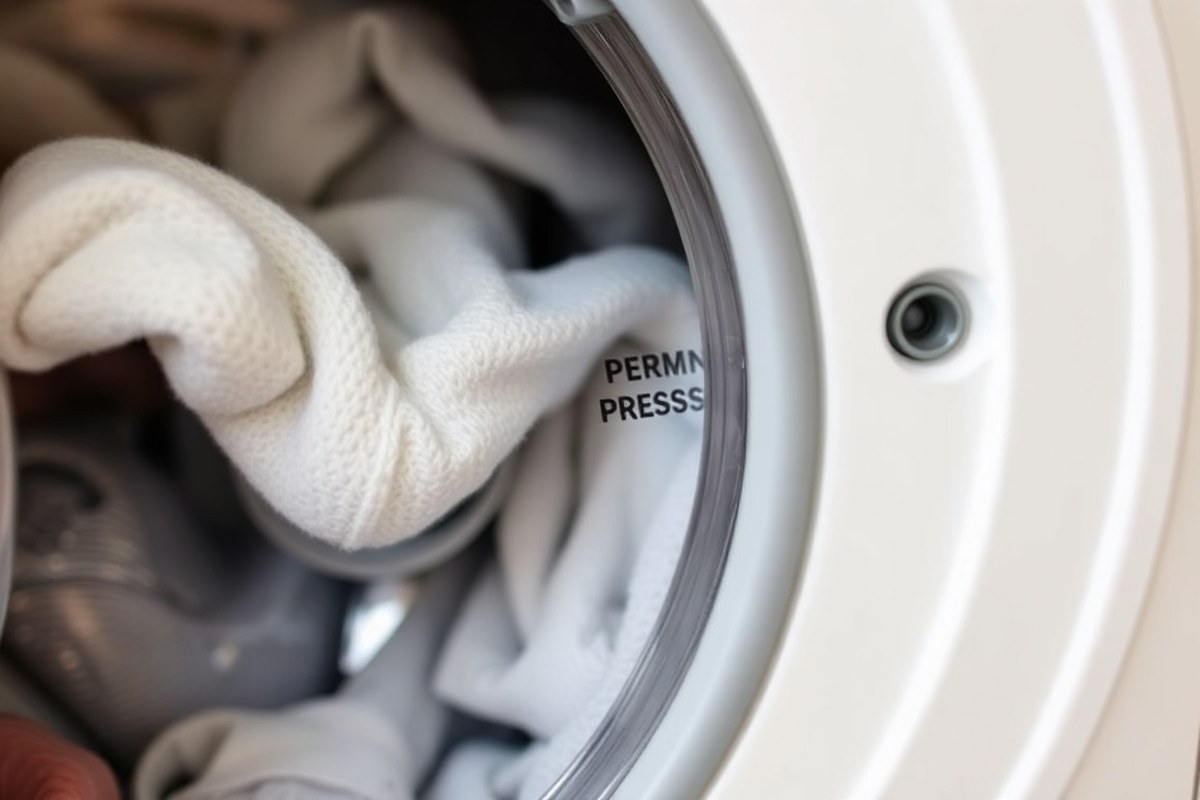
The permanent press cycle on a washer is a setting designed specifically for clothing made from wrinkle-resistant or synthetic blend fabrics. These clothes often come with a “permanent press” label, indicating they are treated chemically or woven to resist wrinkles and maintain their shape after washing. Typically, the fabrics suited for this cycle include polyester, rayon, and other synthetic fibers, as well as blends of natural and synthetic materials like cotton mixed with rayon. The cycle’s purpose is to clean these items gently while minimizing the wrinkles that normally form during washing and drying.
This cycle is called permanent press because it’s intended for fabrics that have a permanent press finish. This finish uses a chemical treatment to set the fabric’s fibers in a certain way, helping the material hold its smooth texture and avoid extensive wrinkling even after repeated washes. The cycle supports the fabric’s design by applying a milder wash action and using lukewarm water instead of hot, which lessens stress on the clothes. The washer also often includes a pre-soak period to prepare the garments and reduce the chance of wrinkles early on.
Using the permanent press cycle means your washer agitates the clothes gently to protect the fabric structure and then spins at a speed that avoids pressing wrinkles into the clothes. It cleans effectively but at a lower temperature, usually around 85°F to 105°F (30°C to 40°C), which also helps save energy and reduce wear. This is important because harsh washing and high heat can break down synthetic fibers or cause permanent press finishes to wear off faster. The gentler agitation and spin limit fabric stretching and pulling, leading to clothes that require less ironing afterward.
This cycle works well for mixed loads that include various fabric types needing gentle care without sacrificing cleanliness. It suits not only dress shirts and blouses but also easier-care work shirts, casual wear, and some linens. If you choose this cycle, expect cleaner clothes with fewer wrinkles, longer-lasting fabric integrity, and maintained color and sheen. While the washing time may be slightly longer than a regular cycle due to pre-soak and slower agitation, the tradeoff is worthwhile for preserving the quality and appearance of your clothes.
Choosing the permanent press cycle can help reduce your ironing time and keep your garments looking better longer. The key to doing it right is to load the washer without overcrowding, use a detergent compatible with synthetic fabrics, and avoid very hot water or extra-heavy agitation. This approach maintains the fabric’s wrinkle-resistant finish and preserves the “permanent” effect, meaning you get smoother clothes that keep their shape and texture wash after wash.
How the Permanent Press Cycle Works on Washing Machines
The permanent press cycle combines a specific temperature, agitation style, and spin speed to reduce wrinkles while protecting fabrics. It typically uses warm water, gentle agitation, and a slower spin to prevent creasing and minimize wear. This cycle usually lasts about 30 minutes and balances cleaning efficiency with fabric care.
Water Temperature and Its Role
Permanent press cycles generally use warm water, around 80°F to 105°F (27°C to 40°C), which is lower than hot water cycles but warmer than delicate or cold water cycles. This temperature helps relax fabric fibers to reduce wrinkles without causing excessive shrinkage or color fading. Washing in warm water also helps with stain removal more effectively than cold water, while being gentler than hot water on synthetic and blended fibers often found in permanent press clothing.
Some washers may also allow cool water settings for permanent press, which conserves energy and further protects colors but may require more detergent or longer wash time for tough stains. Using warm water is optimal for typical household laundry, balancing fabric care and cleaning power.
Agitation and Spin Speed Differences
The agitation in the permanent press cycle is slower and gentler compared to regular or heavy-duty cycles. Instead of the vigorous movement of a normal wash, the cycle uses a moderate, steady agitation that prevents excessive wrinkling and fabric stress. This slower action helps maintain the shape and smoothness of synthetic fibers and wrinkle-resistant finishes by avoiding harsh rubbing.
The spin speed is also reduced, typically running slower than the higher spins used in standard or heavy cycles. A slower spin speed extracts water without creating deep creases or excessively twisting the clothes. This slow spin is what differentiates permanent press from delicate cycles, which use the slowest spin and gentlest agitation to protect very fragile fabrics like lace or silk.
Use the slow spin setting in the permanent press cycle to reduce wrinkling, faster spins might save drying time but can crease clothes more.
Typical Cycle Duration and Phases
Permanent press cycles usually last around 30 minutes, slightly longer than delicate cycles but shorter than some heavy-duty or sanitary cycles. This time frame includes a few distinct phases: a gentle washing phase using warm water and slow agitation, a brief rinse with cooler water, and a reduced-speed spin that slowly removes moisture. The cycle’s pacing avoids sudden movements that cause wrinkling or wear.
The longer spin phase compared to delicate helps remove more water, shortening drying time while still caring for fabrics. Some machines may extend the rinse or agitation depending on soil level, but the core idea remains to blend fabric protection with efficiency. Using permanent press can save you time and energy by lowering the need for ironing and re-washing due to wrinkles or shrinkage.
Which Clothes Should You Wash in Permanent Press?
Permanent press is best for fabrics that resist wrinkles and have finishes designed to stay smooth. You should choose permanent press for synthetic blends and casual dress clothes but avoid delicate or heavily textured fabrics. Sorting your laundry carefully and consulting care labels helps get the best results.
Preferred Fabrics for Permanent Press
Permanent press suits fabrics treated to reduce wrinkling, such as polyester blends, rayon, and some cotton blends with wrinkle-resistant finishes. These fabrics hold their shape during the wash and dry cycle, minimizing the need for ironing.
This setting works well for everyday items like dress shirts made from polyester blends or wrinkle-free cotton. It keeps these garments looking fresh without the harsh agitation or high heat found in other cycles.
- Polyester and polyester blends
- Rayon
- Wrinkle-resistant cotton or cotton blends
- Permanent press or tumble dry labeled clothes
- Casual dress shirts and slacks
Using the permanent press cycle on these fabrics helps reduce wrinkles and extends the garment’s life by minimizing mechanical stress.
Garments to Avoid Using Permanent Press
Permanent press is not suitable for delicate fabrics like silk, wool, or lace, which require gentle cycles or hand washing. High heat or rapid spinning can damage these materials, causing shrinkage or distortion. Also, heavy fabrics such as denim or thick towels should be washed on stronger, more suitable cycles since permanent press uses moderate agitation and lower spin speeds that may not clean heavier items properly. Items with embellishments, sequins, or loose threads can be harmed during the permanent press cycle because the machine’s motion might snag or pull on these details.
Tips for Mixing Fabrics in One Load
Sorting clothes by fabric type and care labels prepares you to decide when mixing fabrics in a permanent press load is safe. Aim to group similar textures and washing requirements together to avoid damage and ensure even cleaning.
When you mix fabrics, always choose the lowest recommended temperature and gentlest spin speed among all items to protect delicate pieces. You might reduce detergent to prevent excess sudsing, which can increase friction and pilling.
- Sort by fabric type, color, and care instructions
- Check for ‘permanent press’ or ‘tumble dry’ on garment tags
- Use detergent suited for mixed or synthetic fabrics
- Choose moderate wash temperature (usually 30-40 °C or 85-105 °F)
- Keep spin speed medium to prevent wrinkling and damage
A typical permanent press cycle lasts 15 to 30 minutes, spinning faster than gentle cycles but using moderate heat to reduce drying time and wrinkles. Following these rules helps you keep a mix of fabrics clean and wrinkle-free without harming them.
Permanent Press vs. Other Wash Cycles: Key Differences
The permanent press cycle is designed to wash and dry clothes in a way that reduces wrinkles, using medium agitation and a cool-down period. It differs from delicate, normal, and heavy-duty cycles mainly in wash temperature, spin speed, and wash time. Permanent press uses warm water, slower spin speeds, and a cool-down rinse to preserve the fabric and minimize wrinkles, making it ideal for synthetic blends and dress shirts.
Delicate cycles use the gentlest agitation and cold water to protect fragile items like silk or lace. Normal cycles have faster agitation and a regular spin speed suitable for everyday cottons and mixed fabrics. Heavy-duty cycles use hot water and aggressive agitation to clean heavily soiled work clothes or durable items but can cause more wear and wrinkles.
Which cycle reduces wrinkles best? Permanent press typically offers the best wrinkle reduction because of its lower spin speed and cool-down phase, which helps prevent set-in creases during washing. Delicate cycles are gentle but may not reduce wrinkles as effectively, while normal and heavy-duty cycles can cause more wrinkles due to faster spins and heat. The table below compares these key features across cycles, helping you choose the best setting for your laundry needs.
| Cycle | Water Temperature | Agitation Level | Spin Speed | Best For | Wrinkle Reduction |
|---|---|---|---|---|---|
| Permanent Press | Warm (95°F to 110°F) | Medium | Slow to Medium | Synthetic blends, dress shirts, wrinkle-prone fabrics | High (due to cool-down rinse and slower spin) |
| Delicate | Cold (60°F to 80°F) | Gentle | Slow | Silk, lace, fine knits | Moderate (less agitation but no cool-down) |
| Normal | Warm to Hot (100°F to 130°F) | Medium to Fast | Medium to Fast | Everyday cottons, mixed fabrics | Low (faster spins set wrinkles) |
| Heavy Duty | Hot (130°F+) | Strong | Fast | Heavily soiled clothes, durable fabrics | Low (high agitation and heat cause wrinkles) |
Choosing the right cycle depends on your fabric type and wrinkle concerns. Use permanent press if your goal is to keep clothes looking smooth with minimal ironing. For delicate items, the gentle wash prevents damage but doesn’t focus on wrinkle removal. Normal and heavy-duty cycles clean well but can increase wrinkling and wear.
Be mindful that permanent press cycles usually take longer than normal due to the cool-down rinse, which extends wash time by 10 to 20 minutes. This trade-off helps maintain fabric appearance but requires more of your time. Heavy-duty cycles use the most water and energy, suitable when cleaning strength outweighs fabric care.
Benefits of Using the Permanent Press Cycle
The permanent press cycle cuts down wrinkles by using a gentler spin speed and adding a cool-down phase during the wash. Clothes experience less twisting and creasing because of the slower spin. During the cool-down stage, fabrics loosen up so sharp wrinkles don’t form. This process leaves your laundry smoother, reducing how much ironing or steaming you’ll need.
This cycle also plays a key role in protecting colors and fabric longevity. Harsh washing with high-speed spins or hot water can cause fading and fabric damage. Since permanent press uses moderate water temperatures and gentle tumbling, it helps maintain the vibrancy of your clothes over time. Choosing the permanent press cycle for suitable items reduces strain on fibers, which lowers the chance of shrinkage and fabric weakening, especially for synthetic blends and treated cottons.
Time and energy savings are additional benefits available when using the permanent press cycle correctly. Because the clothes come out with fewer wrinkles, you spend less time ironing, which saves both effort and electricity costs if you use an electric iron. Also, the moderate spin speed consumes less energy compared to high-speed cycles, and cooler water settings further reduce electricity use. By choosing the permanent press cycle instead of heavy-duty options, you can cut down utility bills, particularly if you wash frequently.
For best results, load your washer with clothes that typically wrinkle easily, like dress shirts, slacks, or synthetic blends labeled “permanent press.” Use the recommended water temperature on garment labels, usually warm or cold, to match the cycle’s settings. Avoid overloading the machine since crowded clothing won’t tumble freely, reducing wrinkle prevention. After the wash, transfer clothes promptly to the dryer or hang them to prevent wrinkles from settling. When drying, use a permanent press setting or low heat to complement the washer cycle and protect fabric further.
Promptly remove clothes from the washer after the cycle ends to prevent new wrinkles from forming and get the full benefit of the permanent press cycle.
Common Mistakes with the Permanent Press Cycle and How to Avoid Them
Using the permanent press cycle incorrectly can reduce its benefits and lead to wrinkled clothes or damaged fabrics. One common mistake is washing items in water that’s too hot. Permanent press cycles typically use warm or lukewarm water, around 85°F to 105°F, to protect fabrics and prevent color fading. Using hot water instead can cause wrinkles to set in, shrink clothes, or fade colors.
Another frequent error comes from detergent choice and quantity. Powders or heavy detergents may not dissolve well in warm water, leaving residue that stiffens fabrics or creates extra wrinkles. Overloading the washer or using too much detergent can also make it hard for clothes to move freely, defeating the purpose of the gentle agitation in the permanent press cycle.
Getting the load size right is important. Too large a load packs clothes tightly, reducing tumbling motion needed to minimize wrinkles. Too small a load wastes water and energy, and may cause uneven agitation. For most washers, aim for about 75% of the drum capacity for permanent press loads. This allows garments to move but still receive gentle care.
- Use warm water (85°F, 105°F) for permanent press to avoid shrinkage and fading
- Choose liquid detergent for better dissolution and less residue
- Measure detergent according to load size and soil level
- Fill the washer drum to about 75% capacity for best agitation
- Avoid overloading or underloading to prevent wrinkles or waste
- Check garment labels to confirm perm press is appropriate
To avoid damage or extra wrinkles, separate permanent press loads from heavily soiled or bulky items. Removing clothes promptly at the end of the cycle also helps. Leaving damp clothes sitting can cause wrinkles to set and create odors. Hanging or folding garments soon after washing preserves the smooth finish permanent press aims to deliver.
How to Maximize Wrinkle Reduction with Permanent Press
To get the most wrinkle reduction from your permanent press cycle, pair it with the right dryer settings and handle clothes carefully after washing. Promptly moving clothes to the dryer and adjusting the load size also play important roles in minimizing wrinkles and preserving fabric quality.
Best Dryer Cycles to Use with Permanent Press
Choose a dryer cycle designed for wrinkle-sensitive fabrics to complement permanent press washing. Many dryers offer a WRINKLE FREE or PRESS GUARD option, often available as an add-on feature to regular cycles like COTTONS. These settings use moderate heat and controlled tumbling to prevent wrinkles from setting. Avoid high heat, as it can cause fabric damage and increase wrinkles if clothes sit too long.
Using the permanent press dryer cycle right after washing ensures warm, steady air flows through your clothes without overheating. This reduces fabric friction, which otherwise leads to creases. Dryer cycles that combine cool-down periods or gentle tumbling also help relax fibers, making ironing or folding easier later.
Ideal Handling Tips Post-Wash
Moving clothes to the dryer as soon as the permanent press cycle finishes is essential. Leaving wet items sitting can cause new wrinkles to form and set. Set a timer if you tend to forget, especially if you won’t be home the moment your wash cycle ends. For situations when prompt drying isn’t possible, the PRESS GUARD function is helpful. It gently tumbles clothes with no heat to keep them from wrinkling until you’re ready.
When transferring clothes, shake each item out briefly before placing it in the dryer. This loosens fibers and reduces bunching. For delicate permanent press fabrics, avoid over-stuffing the dryer to promote free movement and consistent drying.
- Remove clothes promptly from washer to dryer
- Shake out garments before drying
- Use timer or reminder to avoid delays
- Engage PRESS GUARD if available during waiting periods
- Do not leave wet clothes sitting in a pile
Load Size and Fabric Movement Tips
Loading the washer and dryer with the right amount of clothes is important for wrinkle control in permanent press cycles. Avoid overfilling because heavy or tightly packed loads restrict fabric movement. This increases friction, causing creases and wear. Clothes should tumble freely to let water and air reach all fibers evenly.
Smaller loads tend to dry more evenly and reduce wrinkles, especially for synthetic blends or mixes often washed with permanent press settings. For larger families or heavy bedding, consider splitting the load to keep washing and drying gentle during each cycle. This approach helps maintain the fabric’s shape and smoothness.
When Should You Avoid Using the Permanent Press Cycle?
The permanent press cycle is designed for synthetic fabrics and blends that wrinkle easily but can withstand moderate agitation and spin speeds. However, using this cycle on delicate fabrics like silk, rayon, or certain synthetics can cause damage. These materials are more prone to shrinking, stretching, or losing their shape under the heat and mechanical action of the perm press cycle. The temperature setting is usually warm, around 90°F to 110°F (32°C to 43°C), which may be too harsh for fragile items.
You should opt for the gentle or delicate cycle when washing items that require special care. This cycle uses slower agitation and a slower spin speed to reduce stress on fibers. Fabrics typical for this setting include cashmere sweaters, lingerie, athletic wear made from technical fabrics, and hand-wash-only garments. The water temperature on delicate cycles tends to be cold or cool, around 60°F to 80°F (16°C to 27°C), further protecting these items from damage. Choosing the gentle cycle helps avoid stretching, shrinking, or other wear that can occur with a more aggressive wash like permanent press.
Using the permanent press cycle with delicate clothing risks not only fabric damage but also color fading and distorted shapes. For crocheted items and some blankets or bedding, the continuous agitation and heat can weaken the fibers or cause pilling and fraying. These items benefit from a gentler wash approach. When unsure about a garment’s care label, using the recommended cycle and water temperature helps lower the chance of permanent damage.
To protect delicate garments, always check the care label before washing. Garments labeled “hand wash only” or warning against high temperatures should never go through the permanent press cycle. Instead, select the gentle or delicate cycle, or hand wash the item to extend its life. This is especially important for expensive or sentimental pieces. Using the appropriate cycle can save you time and money on repairs or replacements.
Always follow your garment’s care label, and if it calls for hand washing or delicate handling, avoid the permanent press cycle to prevent fabric damage.
Step-by-Step Action Plan for Using the Permanent Press Cycle
Follow these steps to use the permanent press cycle effectively and keep your clothes looking their best.
- Before you start: Sort your laundry to separate synthetic and blended fabrics from delicate or heavy items. This helps ensure the cycle fits the fabric type.
- Loading clothes: Load your washer loosely to allow movement. Overloading can reduce the cycle’s ability to reduce wrinkles and clean evenly.
- Selecting the cycle: Choose the permanent press cycle on your washer. It uses medium-speed washing and a slower spin to protect clothing fibers.
- Using the right temperature: Set the water temperature to warm or cold as indicated on your clothing care labels. This prevents shrinking and color fading.
- Adding detergent: Use the recommended amount of a gentle detergent formulated for synthetic fabrics or blends. Too much detergent can leave residues.
- After washing: Promptly remove clothes from the washer to prevent wrinkles setting in. Hang or lay flat to dry, or use a low-heat dryer setting.
- During drying: Consider adding dryer sheets or fabric softeners to reduce static and wrinkles further.
- After drying: Check for any remaining wrinkles and smooth them out by hand or with a low-heat iron if needed.
Frequently Asked Questions
How Often Do Japanese Do Laundry?
Japanese households typically do laundry every few days, balancing cultural habits and convenience. Smaller loads and efficient machines often mean more frequent, lighter washes.
Is Perm Press Good for Dress Shirts?
Yes, perm press is suitable for dress shirts, reducing wrinkles and gentle washing. Use it on synthetic blends or wrinkle-resistant cotton to keep shirts looking crisp.
What Is Equivalent to Permanent Press Cycle?
A gentler or delicate wash cycle with warm water is usually equivalent to permanent press. It balances fabric care with cleaning without harsh agitation.
How Long Is a Perm Press Cycle?
The perm press cycle typically lasts about 40 to 60 minutes. This allows for soaking, agitation, and slower spin to reduce wrinkles.
Can I Use Permanent Press Cycle for Towels?
Permanent press is not ideal for towels because it’s gentler and might not clean heavy, absorbent fabrics thoroughly.
Does Permanent Press Use Hot or Warm Water?
Permanent press cycles typically use warm water to clean effectively while protecting fabrics from heat damage.
The Bottom Line
The permanent press cycle helps you care for synthetic and blended fabrics by balancing effective cleaning with wrinkle reduction. Applying the cycle correctly protects your clothes from damage and makes ironing easier. Start by sorting your laundry based on fabric type and try the cycle with a small load to see the effect on your clothes before expanding its use.