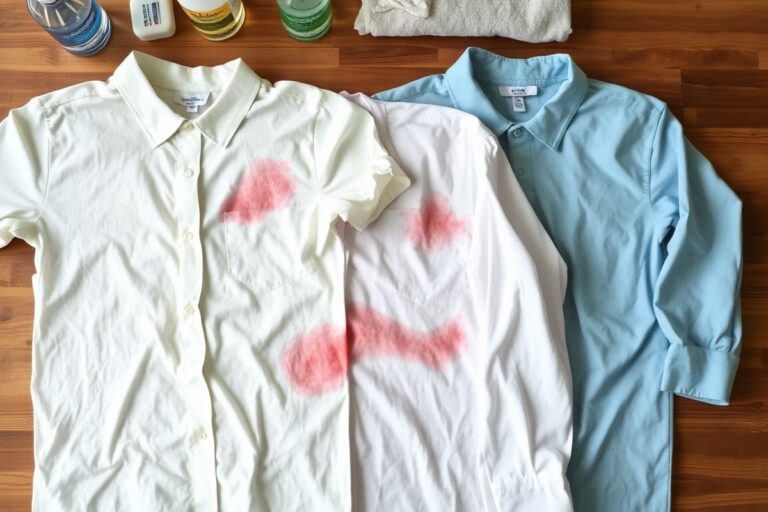
How to Remove Stains from White Clothes: 8 Proven Methods That Work Fast
Removing stains from white clothes quickly and effectively starts with treating the stain as soon as possible using appropriate methods. Cold water soaks, targeted cleaning agents like hydrogen peroxide, and washing with hot water for certain fabrics give good results. You should match the stain type and fabric to the right treatment for the best outcome.
This advice benefits anyone who wants to keep their white clothes bright and fresh. You’ll find clear steps and simple household options to remove common and stubborn stains, protect your fabrics, and restore whiteness without damage.
Key Takeaways
- Soak stained white clothes in cold water for 15 to 30 minutes to loosen fresh stains before treating.
- Apply liquid dish soap directly to grass or grease stains and scrub gently to break down oils and dirt.
- Use a 50/50 mix of 3% hydrogen peroxide and water to treat grass stains and deodorant marks on whites.
- Make a paste of baking soda and hydrogen peroxide for tough yellow stains, letting it sit up to 60 minutes before washing.
- Wash white cotton and polyester items at 120°F or higher to improve stain removal and whiteness restoration.
- For blood stains, soak the fabric in cool water for about an hour before washing to prevent setting the stain.
1. Effective Step-by-Step Ways to Remove Stains from White Clothes

Removing stains from white clothes effectively requires quick action and careful treatment using household methods that preserve fabric quality. Cold water rinses prevent setting stains, while soaking with the right stain removers breaks down residues without damaging fabric fibers. Allowing the treatment to work for the right amount of time is key, especially with older or set-in marks, which often need longer soaks or repeated cycles. A step-by-step approach helps restore whiteness and freshness without risking color loss or fabric wear.
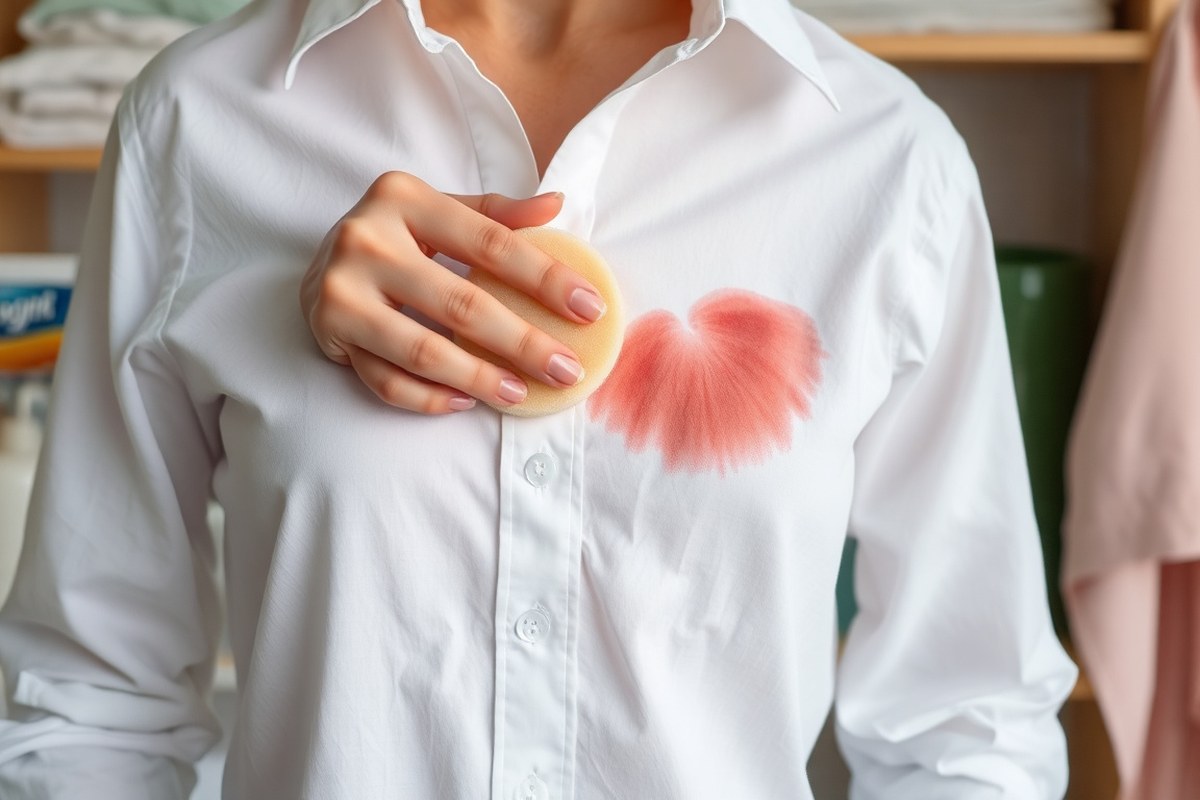
- Act quickly to treat the stain. Gently press a clean cloth on the affected spot to absorb the stain without rubbing, which might spread it or make it worse.
- Rinse with cold water. Hold the stained area under cold running water to flush out as much of the stain as possible. Cold water is important because hot water can set certain stains, especially proteins like blood.
- Apply a stain remover or homemade treatment. For general stains, sprinkle salt or baking soda directly on the stain, or use a 50/50 mixture of hydrogen peroxide and water for underarm and yellow stains. Let it sit for about 30 minutes. For grease stains, work a small amount of dish soap into the affected area and let it sit for 15 to 20 minutes. This helps break down oils effectively.
- Soak in an oxygen bleach solution if needed. For older or stubborn stains on sturdy white fabrics like cotton, soak the item in an oxygen bleach solution following package instructions. Oxygen bleach brightens fabric safely without the fiber damage chlorine bleach can cause. Soak times vary but generally range from 30 minutes to several hours depending on stain toughness.
- Wash in the hottest water safe for the fabric. Check the care label before selecting the temperature. Grease stains respond well to hot water, while protein stains like blood prefer cooler water. Add your usual detergent and, optionally, a commercial stain remover for extra cleaning power.
- Check the stain before drying. Avoid using a dryer until the stain is completely gone. Heat sets stains, making them much harder to remove. Should the stain persist, repeat the pretreatment and washing process until it fades.
- Air dry when possible. Drying in fresh air helps prevent stains from setting and maintains fabric brightness.
2. Which Household Ingredients Work Best for White Clothes Stains?
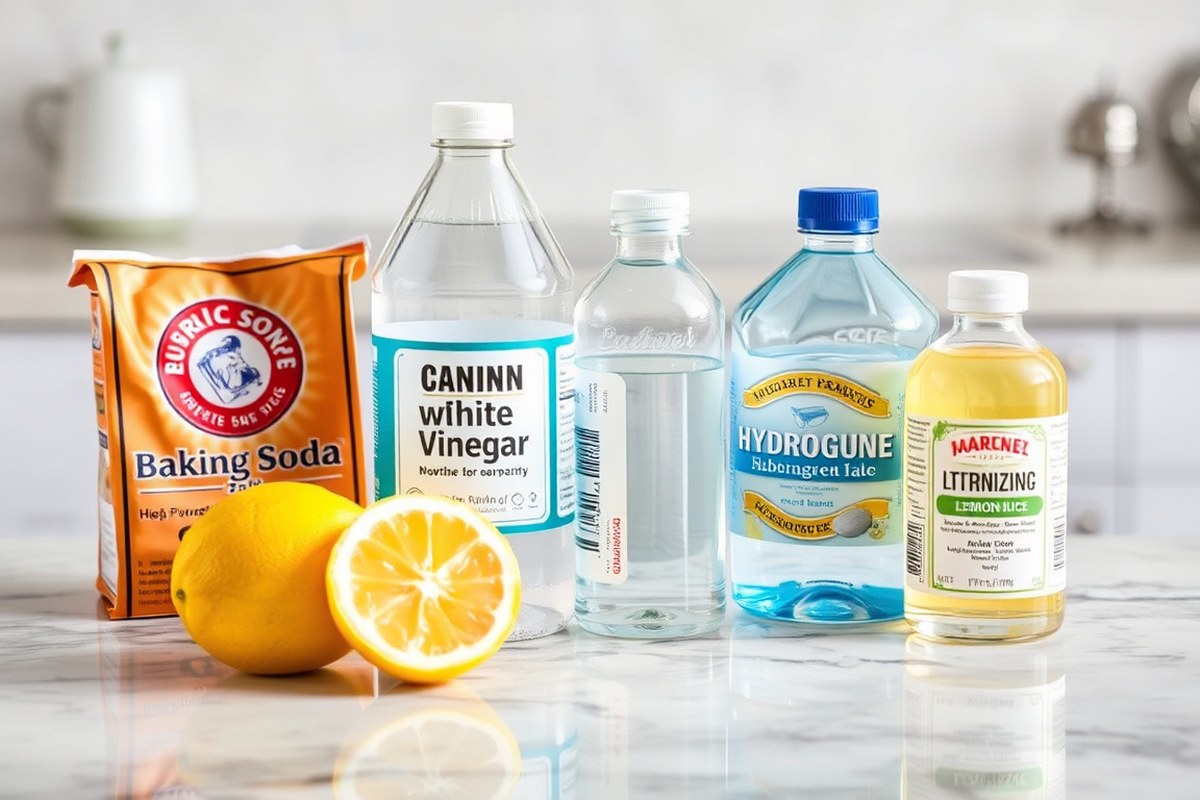
Household ingredients like baking soda, hydrogen peroxide, white vinegar, lemon juice, and mild dish soap effectively remove stains from white clothes without heavy chemicals. Baking soda mixed with 3% hydrogen peroxide creates a paste that lifts yellow pit stains and brightens fabric. Let the paste sit on the stain for 30 to 60 minutes before washing with warm or hot water. This method is safe for most white fabrics if you spot test it first to avoid damage.
White vinegar and lemon juice work because of their acidity, helping to break down stains and brighten whites naturally. Vinegar is especially useful as a rinse additive or directly applied to deodorize and remove mild stains. Lemon juice rubbed over a stain helps fade organic spots but should be used cautiously under sun exposure to avoid fabric weakening.
These natural stain removers are generally safer and less harsh than chlorine bleach, which can weaken fabric fibers over time and cause yellowing if misused. Adding baking soda or vinegar to your usual detergent wash helps boost whitening and odor removal while protecting fabric integrity. Dish soap combined with baking soda and hydrogen peroxide targets grease and oil stains gently.
| Household Stain Remover | How It Works | Usage Tips |
|---|---|---|
| Baking Soda + Hydrogen Peroxide | Breaks down yellow pit stains and brightens fabric | Mix into paste, apply for 30-60 min, rinse; test first |
| White Vinegar | Acidic, removes deodorant, light stains, and odors | Add 1 cup to rinse cycle or dab on stain, rinse well |
| Lemon Juice | Natural bleaching and stain fading agent | Rub lemon slice on stain, avoid long sun exposure |
| Dawn Dish Soap + Baking Soda | Targets grease and oil stains | Mix equal parts with hydrogen peroxide for paste |
| Hydrogen Peroxide (3%) | Mild whitening agent, breaks down organic stains | Apply directly or combined; test fabric first |
Use warm or hot water for the wash cycle if the fabric label allows. Avoid fabric softeners, which can leave residues that dull whiter fabrics. Repeated treatments with these mild ingredients often lighten older stains without harsh effects on fabric strength or colour. Always spot test before treating an entire garment to confirm fabric tolerance.
Test any homemade stain remover on a hidden fabric area for 5 minutes before full use to prevent damage or discoloration.
3. How to Remove Stubborn Stains Like Blood, Sweat, and Grease
Removing stubborn stains like blood, sweat, and grease from white clothes requires specific approaches to avoid damage while effectively lifting the stain. Each type of stain needs a tailored method involving the right temperature, cleaning agent, and timing for the best results.
Blood Stain Removal Methods
Blood is a protein-based stain, so treating it with cold water is important to prevent setting the stain. Hot water can cook the protein, making the stain permanent. Prompt treatment improves your chances of full removal.
- Rinse the stain under cold running water as soon as possible to flush out as much blood as you can.
- Apply a small amount of liquid laundry detergent or dish soap directly to the stain and gently rub it in.
- Soak the garment in cold water for 30 minutes to loosen the stain.
- Check the stain and repeat the detergent application if needed before washing.
- Wash the clothing on a cold water cycle using your regular detergent.
- Air dry the item, avoiding the dryer, which can set any remaining stain.
For older blood stains, soak the item overnight in cold water mixed with a small amount of oxygen-based bleach (check the label for fabric safety). Avoid chlorine bleach since it can weaken fibers.
Sweat and Deodorant Stain Solutions
Yellow sweat stains on white shirts usually result from sweat, deodorant residue, and body oils that oxidize, especially around underarms. These stains need thorough pre-treatment before washing to avoid dullness.
- Mix equal parts white vinegar and cold water and soak the stained area for 30 minutes to break down residue.
- Apply liquid laundry detergent or a dish soap with grease-cutting ingredients to the stain and gently rub it in.
- Let the detergent sit for 15 to 30 minutes to penetrate the fibers.
- Rinse the garment with cold water to remove vinegar and loosened debris.
- Wash the clothing in cold or warm water according to care instructions, using a detergent designed for whites.
- Check the stain before drying; repeat treatment if staining persists, as heat sets it in.
For tough yellow stains and dullness, try mixing half a cup of baking soda into your wash to break down oils and brighten your clothes safely.
Grease and Oil Stain Treatment
Grease stains come from oils that sit on fabric, requiring a solvent or detergent that can dissolve oils effectively. Using common solvent-based options safely at home can restore brightness.
- Apply a small amount of dish soap directly to the grease stain, as it contains surfactants that cut through oil.
- Allow the soap to soak in for 5 to 10 minutes to penetrate the fabric fibers.
- For tougher stains, dab a cotton ball with acetone (nail polish remover) onto the stain, testing first on a hidden part to ensure fabric compatibility.
- Rinse the affected area with warm water to remove soap or acetone residues.
- Wash the garment on the warmest water setting safe for the fabric, using a regular detergent.
- Air dry the item; avoid machine drying until the stain is completely gone to prevent it from setting.
Acetone is effective on grease but can damage some synthetic or delicate fabrics, so testing is essential. Dish soap alone often suffices for most home grease stains and costs just a few cents per treatment.
4. Treating Dye and Tough Organic Stains: Grass, Coffee, Chocolate, Ink
Colored organic stains like grass, coffee, chocolate, and ink can be challenging to remove from white clothes because they often contain pigments or dyes that set quickly. Using targeted treatments promptly increases your chances of success. Special stain removers with enzymes are helpful for tougher spots but home remedies can also work well if you act fast.
Grass Stain Removal Techniques
Grass stains come from chlorophyll and plant proteins, which bind strongly to fabric fibers. Treating the stain shortly after it happens prevents the color from setting. Enzyme-based stain removers break down the organic material effectively. Avoid hot water at first, as it can set the stain. Follow these steps to remove grass stains:
- Blot excess dirt or debris gently with a clean cloth.
- Apply a liquid enzyme-based stain remover directly on the stain.
- Let the remover sit for 15 to 30 minutes, but do not let it dry out.
- Rinse the stained area with cold water.
- Wash the garment in cold water with detergent designed for whites.
- Check if the stain is gone before drying; repeat treatment if needed.
Coffee and Chocolate Stain Removal
Coffee and chocolate stains contain strong pigments and fats that require quick action to avoid permanent marks. Chocolate fats make removal tougher after the stain dries. Pretreating the stain before washing improves results significantly. Use this process to tackle coffee or chocolate stains:
- Remove any solid chocolate residue carefully without rubbing.
- Flush the stain with cold water from the back of the fabric.
- Apply liquid laundry detergent or a homemade paste glaze of baking soda and water on the spot.
- Let it sit for at least 10 to 15 minutes.
- Wash in the warmest water safe for the fabric according to care labels.
- Inspect the area before drying; repeat as needed since heat can set the stain.
Ink Stain Treatment Options
Ink stains, especially on white clothes, require swift and specific attention because many inks are oil-based or contain dyes that resist water and detergents. Isopropyl alcohol is effective for breaking down different types of ink pigments. Try these steps for ink stains:
- Place a paper towel beneath the stain to avoid spreading.
- Dab isopropyl alcohol on the ink spot using a cotton ball or cloth.
- Gently blot the stain, do not rub, to lift ink away.
- Rinse with cold water once the ink fades.
- Apply liquid detergent and let it sit 5 to 10 minutes.
- Wash the item according to fabric care instructions in cold or warm water.
Special enzyme-based stain removers or spot cleaners can speed up the process for tough or older ink stains. Avoid drying the fabric until the stain is fully removed.
5. When and How to Use Bleach, and Safe Alternatives for Whites
Bleach can be an effective tool to whiten white clothes, but using it safely requires understanding when and how to apply it without damaging your fabric. Oxygen bleach is generally safer than chlorine bleach and works well on many white fabrics. Using bleach improperly may worsen stains or weaken fibers, so careful application and knowing fabric types are key.
Choosing Between Chlorine and Oxygen Bleach
Chlorine bleach is a strong, fast-acting whitener ideal for sturdy white cottons, but it can damage fabrics like wool, silk, spandex, or certain synthetics. It may also make yellow stains worse, so avoid it if your whites show yellowing. Oxygen bleach, a chlorine-free option, gently brightens and removes old stains without harsh effects on most fabrics, including delicate ones. Always check the care label before using any bleach type to ensure fabric safety.
Steps for Spot Cleaning White Clothes with Bleach
Spot cleaning with bleach helps target small stains without soaking the entire garment. Begin by diluting chlorine bleach with water, using one part bleach to five parts water. Test on an inconspicuous area for 5 minutes to check for colourfastness or fabric damage. Apply the diluted bleach with a cotton swab or clean cloth directly to the stain, letting it sit no longer than 5 minutes. Rinse immediately with cool water to stop bleaching action. Avoid scrubbing as this can spread the stain or harm fibers.
When to Avoid Using Bleach on Whites
Avoid chlorine bleach on fabrics labeled “non-chlorine bleach only” or delicate fibers like wool or silk. Also, steer clear if white clothing has yellow stains since bleach can intensify them. For clothes with prints or trims, bleach may cause colour loss or damage. Oxygen bleach might be a better alternative in these cases. When you suspect fabric sensitivity, wash without bleach or try testing a hidden area first.
Safe Chlorine-Free Alternatives to Bleach
Oxygen bleach is a safe and effective alternative that brightens whites and breaks down stains without harsh chemicals. It works well in cold or warm water and is compatible with most fabrics. Another option is soaking whites in a mix of warm water and a small amount of dish soap, which can help lift greasy, oily stains often trapped beneath the surface. Sunlight exposure also naturally whitens fabrics and helps reduce mild discoloration when drying whites outside.
Recognizing Good Results and Risks
Successful bleach use leaves whites brighter and clear of stains without weakening fabric or causing yellowing. Fabric fibers feeling brittle or worsening stain color changes usually signal that bleach concentration or exposure time was too high. Oxygen bleach rarely causes this damage but might require longer soaking or repeated treatment to see noticeable improvement. When in doubt, less frequent use and spot testing protect the life of your clothes.
Spot test all bleach treatments on a hidden seam or inside hem for at least 5 minutes before full application to prevent irreversible fabric damage.
6. How Fabric Type and Water Temperature Affect Stain Removal Success
The success of stain removal from white clothes depends heavily on fabric type and water temperature. Cotton and polyester handle cleaning differently and react to heat in unique ways. Using the right water temperature helps lift stains without damaging your fabric.
Cotton withstands higher temperatures well, so washing cotton whites at about 120°F or higher is safe and effective for removing most stains. Polyester, a synthetic fiber, also tolerates heat but is best washed at or just above 120°F to prevent damage like shrinking or melting. Cold water works well for certain delicate stains on whites, such as wine, which can set with heat.
Hard water, which contains minerals like calcium and magnesium, can reduce the effectiveness of detergents and stain removers. It may leave whites looking dull or cause mineral buildup that traps stains. Using water softeners or adding white vinegar can help counteract hard water’s effects and improve cleaning results. Below is a simple reference on fabric type, water temperature, and stain removal considerations to help you choose the best approach:
| Fabric Type | Recommended Water Temp | Benefits | Risks or Notes |
|---|---|---|---|
| Cotton | 120°F or higher | Effective stain removal and whitening | Can shrink if exposed to temperatures above 140°F |
| Polyester | 120°F or slightly above | Removes dirt and stains without damage | Avoid very hot water to prevent fiber damage |
| White clothes with some color | Test with hot water individually | Preserves color and prevents bleeding | Colors may bleed if not tested |
| Wine stains (on white fabrics) | Cold water | Prevents stain from setting | Hot water causes stains to set permanently |
To prevent damage and boost stain removal, soak whites made of cotton or polyester in a solution of one cup white vinegar per gallon of hot water for about an hour before washing. This approach helps brighten whites and soften fabrics at a low cost. Oxygen-based cleaners also work well for tougher stains like deodorant; soak overnight following the product directions, then wash.
Each stain and fabric demands slightly different treatment. For white clothes with mixed fibers, test hot water on a hidden area first. If hard water affects your laundry often, consider adding water softeners or vinegar each wash to protect your fabrics and improve results. Applying the right water temperature and knowing your fabric will save your white clothes from stains and unnecessary wear.
7. Common Mistakes When Removing Stains from White Clothes and How to Fix Them
One common mistake is using hot water on protein-based stains like blood or sweat. Hot water can set these stains permanently into white fabric. Instead, start with cold water to rinse or soak the stained area for 15 to 30 minutes before applying any remover. This approach helps prevent the stain from bonding deeply with the fibers.
A second frequent error is allowing stains to dry before treating them. Dried stains often require more effort and stronger chemicals, which might damage delicate white fabrics or cause yellowing. For fresh stains, always act quickly by blotting excess liquid gently with a clean cloth and treating the spot while it is still damp. You missed this window, apply a stain remover with oxygen-based bleach and soak for several hours before washing.
Many also apply bleach incorrectly, using too much or the wrong type. Chlorine bleach can cause yellowing or weaken fabric if used in excess or combined with other chemicals. Choose oxygen bleach for routine stain removal and limit chlorine bleach to occasional use, following the instructions on the label carefully. Use the recommended dosage, which often is about ¾ cup per load for a standard washing machine, and don’t leave fabrics soaking in bleach beyond 5 to 10 minutes.
Washing stained whites inside a full load instead of alone can also reduce stain removal effectiveness. The stain may not get enough agitation or cleaner exposure to fully lift. Washing stained white clothes separately or with similarly stained whites improves cleaning power. Here are key actions to avoid damaging white fabrics when removing stains:
- Using hot water on protein or tannin stains
- Rubbing stained spots harshly, which spreads the stain and damages fibers
- Applying bleach on delicate fabrics or colored trims without testing
- Ignoring care labels and washing whites at inappropriate temperatures
- Drying stained clothes before treatment
- Mixing chlorine bleach with ammonia or acidic cleaners, causing harmful fumes and fabric damage
- Waiting too long to treat a stain, allowing it to set permanently
When homemade or standard remedies don’t remove a stubborn stain, consider professional cleaning. Dry cleaners can apply specialized solvents or techniques not suitable for home use without risking damage. For delicate fabrics or valuable clothing, consulting a licensed dry cleaner can prevent accidental harm and improve the chance to save the item.
Keep in mind that removing a stain successfully depends on how quickly and carefully you act. Repeated attempts with harsh treatments may thin or discolor fabric over time. Testing any product or process on an inconspicuous area first, following product instructions exactly, and treating white clothes gently help maintain their brightness and integrity.
8. Best Practices to Protect and Restore White Clothes’ Brightness
To keep your white clothes bright over time, start by preventing stains and discoloration before they form. Avoid letting white garments sit dirty in the laundry basket for more than a day since stains can set quickly, making removal tougher. Treat spots promptly by rinsing the area with cold water within 30 minutes of the stain appearing. Doing this prevents stains from bonding to the fabric fibers, which keeps whites looking clean and fresh.
Using a salt soak can restore dingy or yellowed whites effectively. Dissolve half a cup of table salt in a gallon of warm water and soak white clothes for at least an hour before washing. Salt helps break down and lift discoloration, especially yellowing caused by body oils or sweat. This method costs just pennies and requires only common household ingredients, making it an easy addition to your laundry routine.
Washing white clothes with the right detergents and water temperature also protects brightness. Choose detergents formulated specifically for whites or those with optical brighteners. Wash in hot water when the fabric care label permits, typically around 130°F (54°C), to dissolve body oils and residues that dull whites. However, use warm or cold water for delicate fabrics to avoid damage. Avoid overloading your washing machine, as overcrowding reduces agitation and rinsing effectiveness, leaving soils on clothes.
Drying white clothes can also influence how long they stay bright. Sunlight naturally whitens fabrics through ultraviolet rays, so drying whites outside on a sunny day for 1-2 hours can help maintain brightness. When using a dryer, select a lower heat setting to prevent yellowing caused by heat damage. Always double-check clothes before drying; stains that weren’t fully removed can set permanently in the heat.
Maintaining whites includes occasional restorative washes using a non-chlorine bleach alternative or oxygen-based bleach. These products work within 15 to 30 minutes of soaking to lift residual stains and refresh fabric brightness without the harshness of chlorine bleach. Use them monthly or when whites appear dull to keep them looking newer for longer. Avoid frequent use of chlorine bleach, which can weaken fabric fibers and lead to yellowing over time.
Additional simple habits can prolong white garments’ life. Wear an undershirt to reduce sweat and deodorant stains and remove white clothes promptly after washing to prevent mildew or grayness. Avoid contact with colored fabrics during washing to reduce dye transfer. Finally, store white clothes in a clean, dry environment away from direct sunlight when not in use to prevent yellowing caused by heat and light exposure.
Rinse fresh stains with cold water within 30 minutes to stop them from setting and keep whites looking brighter.
Step-by-Step Action Plan for Removing Stains from White Clothes
Follow this simple plan to tackle stains on your white clothes effectively and keep them looking fresh.
- Before you start: Identify the stain type and fabric to choose the safest cleaning method.
- Immediately after staining: Blot (don’t rub) the area with cold water to prevent the stain from setting.
- Within an hour: Apply a stain remover suitable for the stain; for example, use a mild detergent for grease or hydrogen peroxide for blood.
- After treatment: Let the fabric sit for 15 to 30 minutes, then rinse with water to check if the stain fades.
- Before washing: Use the hottest water safe for the fabric, as noted on the care label, to maximize stain removal.
- Wash cycle: Add bleach or a bleach alternative if the fabric allows, particularly for stubborn stains or to brighten whites.
- After washing: Inspect the stain before drying; repeat treatment if the stain remains, drying can set stains permanently.
- Regular maintenance: Use a whitening booster or oxygen-based bleach during routine washes to protect and restore brightness.
Frequently Asked Questions
How Do I Remove Stains from Clothes Effectively?
Treat the stain quickly by blotting and then pretreat with a detergent or household booster before washing. Using warm water with a quality detergent helps lift stains without damaging the fabric.
How Do You Remove Chocolate Stains from White Clothes?
Scrape off excess chocolate, then soak the stain in cold water before applying a stain remover or detergent. Wash in warm water to prevent setting the stain.
How to Spot Clean with Bleach Safely on White Clothes?
Dilute chlorine bleach properly and test on a hidden area first. Avoid using bleach on delicate fabrics and limit contact time to prevent weakening fibers or yellowing.
Can Baking Soda Remove Stains from White Clothes?
Baking soda can lift stains and whiten fabrics when used as a paste or added to wash cycles. It’s a gentle, non-toxic booster for many common stains on whites.
Why Does Yellowing Happen on White Clothes, and How Can I Prevent It?
Yellowing occurs from sweat, oils, and improper washing. Using oxygen bleach instead of chlorine bleach and washing whites separately in hot water can help keep them bright.
Does Soaking White Clothes Before Washing Improve Stain Removal?
Soaking can loosen tough stains like sweat or coffee before washing. Use oxygen bleach or warm water to boost stain-lifting without damaging fabric fibers.
Key Points to Remember
Stain removal from white clothes works best with quick, targeted action suited to the stain and fabric. Your next step is to gather basic stain removal supplies like a mild detergent, stain remover, and oxygen bleach to be ready for any mishaps. This preparation makes it easier to keep your whites bright and fresh every day.