Can Wash Shoes in Washing Machine: Complete Guide for Safe Cleaning
You can wash shoes in a washing machine if you follow the right steps to protect both your footwear and washer. Using a cold, gentle cycle with mild detergent is safe for many shoe types like canvas and running shoes. Avoid hot water and harsh settings to prevent shrinking or damage.
This information is for anyone wanting to clean their shoes easily at home without ruining them. You’ll learn which shoes are suitable for machine washing, how to prepare and dry them, and common mistakes to avoid for the best results.
Key Takeaways
- Wash shoes on a cold or 30°C delicate cycle to prevent shrinking and fabric damage.
- Remove laces and insoles to clean them separately and improve washing results.
- Use mild liquid detergent to protect your shoes and avoid residue buildup.
- Wash one or two pairs at a time to avoid overloading the machine and ensure thorough cleaning.
- Treat stains on canvas or mesh shoes before machine washing for better results.
- Dry shoes naturally for 12 to 24 hours, avoiding direct heat sources that can cause damage.
Is It Safe to Wash Shoes in a Washing Machine?

Washing shoes in a washing machine can be safe if you follow key precautions. Shoes made from canvas, nylon, cotton, and polyester typically tolerate machine washing well, as long as the care label permits it. Choosing the right cycle, securing the shoes inside a mesh laundry bag, and washing only a few pairs at a time reduces the risk of damage to your shoes and the machine. Using a gentle cycle with cold or lukewarm water further protects both materials and your appliance.
It’s usually not safe to wash leather, suede, rubber, or vinyl shoes in a washing machine because water, detergent, and mechanical agitation can ruin their finish and cause lasting damage. Such shoes should be cleaned by hand instead. Before washing any pair in the machine, inspect them for loose seams, glued parts, or trims that might come off. Notice any damage and repair it before washing to prevent further problems. Washing damaged shoes can lead to worsening the condition of the shoes and potential harm to the washer drum.
Many washing machines tolerate a small load of shoes, but overloading increases the risk of banging and damage. Limit to one or two pairs per load, placing them in a laundry bag to cushion them and balance the load inside the drum. Washing shoes together with delicate clothes is not usually recommended because of risk to both. Washing shoes with clothing requires selecting strong, equally tough fabrics and using gentle cycles, but separating them is safer to protect both.
Some running shoes and athletic sneakers featuring synthetic mesh and fabric uppers respond well to machine washing. Pre-treat stains before washing to achieve better results. Using a mild detergent and avoiding bleach helps preserve the shoe materials and colors. Cold water wash cycles around 30-40°F (15-20°C) protect shoe construction and prevent shrinking or warping. Dry the shoes thoroughly after washing but avoid heat sources that can distort or shrink sensitive materials.
Following the manufacturer’s washing instructions is essential for safety. Check for any specific warnings or recommendations regarding machine washing for your shoe model. Check the label or manufacturer’s website for machine washing instructions and follow their recommendations exactly. When no clear care instructions exist, avoid machine washing to prevent irreversible damage. Investing a few extra minutes in preparation and proper settings ensures you clean your shoes without harming them or your washing machine.
Which Types of Shoes Are Suitable for Machine Washing?
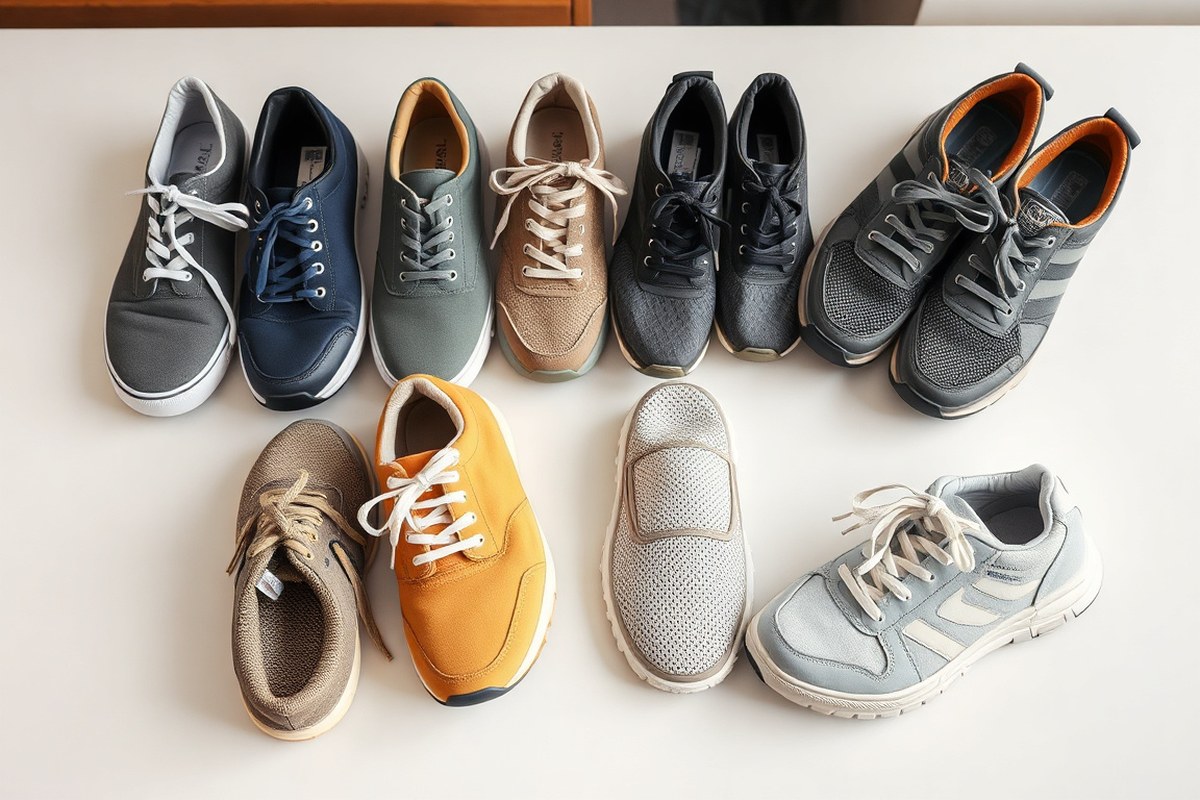
Not all shoes can go safely into a washing machine. Shoes made from canvas, mesh, and synthetic fabrics often handle machine washing well because these materials are sturdy and dry quickly. Sneakers, running shoes, and tennis shoes usually fall into this category. Their construction generally tolerates the gentle tumbling and water exposure of a washing cycle.
On the other hand, leather and suede shoes should never be machine washed. These materials absorb water easily, which can lead to stiffness, cracking, and permanent damage. Decorative footwear, shoes with delicate stitching, glue, or special coatings are also best kept out of the washer. Washing machines can weaken these features or cause parts of the shoe to separate. Even if you place such shoes in a protective bag, the washing process may still harm them.
Knowing which shoes can safely go in the washer helps prevent costly damage. The key is to check the shoe material, construction, and any care labels. Here’s a quick look at common shoe materials and their suitability for machine washing:
| Material | Machine Wash Safe | Why |
|---|---|---|
| Canvas | Yes | Durable and water-tolerant fabric that cleans well in cold water |
| Mesh & Synthetic fabrics | Yes | Allows water through but dries quickly; withstands gentle agitation |
| Rubber | Varies | Solids like soles are fine; full rubber boots might lose shape or crack |
| Leather | No | Water causes stiffness, cracking, and material damage |
| Suede and Nubuck | No | Water stains and texture loss common; requires spot cleaning only |
| Decorative or glued shoes | No | Machine washing may loosen glue or damage decorations |
Always check the care label on your shoes before machine washing; if the label says “Dry clean only” or warns against water, avoid the washer entirely.
For leather and suede shoes needing a cleaning, use a soft brush or cloth with special cleaners designed for those materials. Spot cleaning targets dirt and stains without soaking the whole shoe. This method limits risk and helps maintain the material’s integrity.
Machine washing works best when the shoes have minimal decorative elements and comprise mostly fabric textiles. You can extend shoe life by selecting the right wash cycle and temperature, but avoiding fragile materials in the washer is the first critical step.
How to Prepare Shoes Before Putting Them in the Washer
Preparing your shoes correctly before putting them in the washing machine helps protect both your shoes and the machine. It involves removing laces and insoles, brushing off loose dirt, and using a mesh laundry bag to minimize damage. Following these steps reduces wear and keeps the washing machine cleaner.
Removing Laces and Insoles
Take out the laces and insoles before washing your shoes. Laces can tangle or get damaged and may need different care based on their fabric. Insoles absorb sweat and dirt but washing them in the machine can cause them to lose shape or degrade, depending on the material.
Laces often wash well inside a small mesh bag separate from the shoes. For insoles, a quick hand wash with mild soap is usually safer and more effective. Let insoles air dry fully before placing them back in your shoes.
Brushing Off Dirt and Debris
Before the wash, remove excess dirt, mud, and debris from your shoes. This prevents clogging the washing machine and stops dirt from spreading during the cycle. Use a brush with firm bristles or an old toothbrush to reach into grooves and seams.
Focus on the soles and any heavily soiled areas. Removing loose dirt also improves washing results by giving detergent better contact with the shoe fabric. A damp cloth can help wipe away remaining surface grime after brushing.
Using a Mesh Laundry Bag for Protection
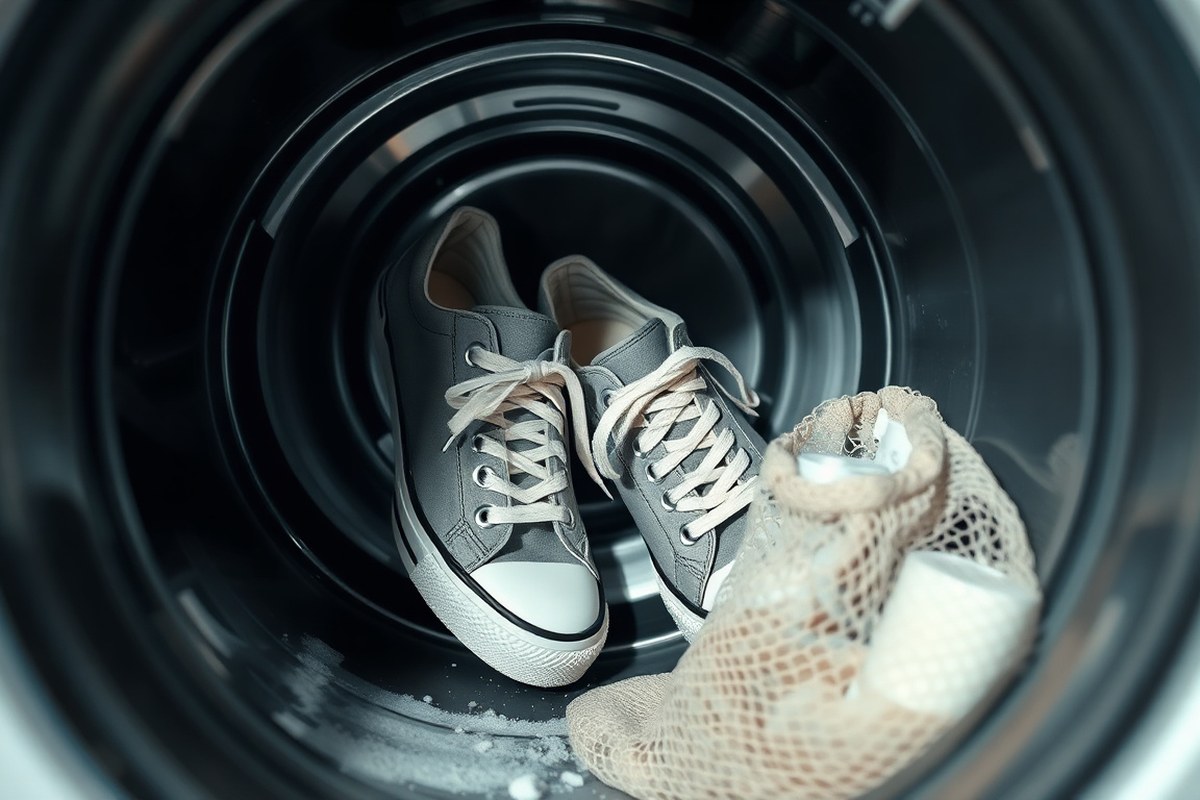
Place your shoes inside a mesh laundry bag or a securely tied pillowcase before starting the wash cycle. The bag cushions your shoes from banging against the washing machine drum, which protects both the shoes and the machine’s interior.
Using a tightly closed pillowcase can work as a substitute for a mesh laundry bag. Keeping your shoes contained helps limit damage and stops other laundry from snagging on them. It’s also a good idea to wash laces inside a small mesh bag along with the shoes when using the washing machine.
- Remove the laces and insoles from your shoes.
- Brush off loose dirt and mud from the soles and fabric using a stiff brush or toothbrush.
- Wiping the shoes with a damp cloth helps clear away leftover dust and dirt before washing.
- Hand wash insoles separately with mild soap and water, then air dry them completely.
- Place shoes in a mesh laundry bag or a securely tied pillowcase to protect them during the wash.
- Put the laces inside a small mesh bag if washing them with your shoes is appropriate.
- Check that the washing machine’s drum is clear of items that might damage your shoes before starting the cycle.
Choosing the Right Washing Machine Settings for Shoes
Set your washing machine to a cold, gentle cycle with a low spin speed to clean shoes safely. Use mild detergent and do not overload the washer to avoid damage. Cold water and delicate cycles reduce wear on shoes and protect the machine.
Ideal Cycle and Temperature Settings
The best setting for washing shoes is a delicate or gentle cycle with cold water or a temperature no higher than 30°C (86°F). This prevents glue deterioration, material shrinkage, or fading. Avoid hot water, which can weaken shoe glue and warp materials.
Slow or no-spin options reduce the mechanical stress on shoes and help keep their shape intact. Fast spin cycles may cause shoes to bang against the drum, risking damage to both shoes and the machine.
Always check your machine’s manual for cycle names like “delicate,” “hand wash,” or “gym shoes” if available. Select cold water to minimize color bleeding and fabric breakdown.
Detergent Recommendations
Use a gentle, shoe-specific detergent or a mild laundry detergent to avoid harsh chemicals that could degrade materials. Tru Earth’s detergent strips represent a good option for cleaning shoes effectively while protecting the materials.
Stick to the recommended detergent amount on the package to avoid residue build-up. Typically, this means using about half the dose you would for a normal load, since shoes generally aren’t heavily soiled with dirt that requires strong detergents. Do not add bleach or fabric softeners, as these can break down shoe fibers or cause discoloration.
Load Size and Mixing with Clothes
Wash shoes with a small load or by themselves padded with towels to cushion them. Too large a load can prevent thorough cleaning and pose a risk to shoes and the washer.
Mixing shoes directly with clothes is generally not recommended. The shoes’ hard surfaces can damage delicate fabrics, and clothes could get caught in the shoe’s eyelets or soles. If you must combine loads, keep the wash cycle very gentle and use protective laundry bags for both shoes and clothes. Check that your washing machine permits shoe washing and load capacity; overloading causes inefficient cleaning and unnecessary wear.
| Setting | Recommended Option | Why It Matters |
|---|---|---|
| Cycle | Delicate / Gentle / Hand Wash | Protects shoe materials and stitching from agitation damage |
| Water Temperature | Cold or up to 30°C (86°F) | Prevents glue breakdown and color fading |
| Spin Speed | Slow or no-spin | Minimizes mechanical stress and prevents shoe deformation |
| Detergent | Gentle or shoe-specific (e.g., Tru Earth strips) | Removes dirt while protecting shoe materials |
| Load Size | Small, shoes alone or with towels | Avoids damage and ensures effective cleaning |
| Mixing with Clothes | Avoid or use laundry bags if necessary | Prevents garment damage and entanglement |
Following these settings helps avoid common issues like color bleeding, material breakdown, and damaged machine parts. It also often produces cleaner shoes with less wear and tear compared to harsher washing options.
How Long Does Washing Shoes in a Machine Take?
Most washing machines offer a quick wash cycle that typically lasts between 15 to 30 minutes, and this is usually the best choice for cleaning shoes. A shorter cycle is usually enough to remove dirt and stains while reducing the risk of wear or damage to your shoes. Since shoes are more rigid and less delicate than clothing, they generally need less agitation and time to get clean.
The length of the washing cycle matters because longer cycles expose your shoes to more water, detergent, and mechanical action, which can weaken glue, fade colors, or damage certain materials. For example, some canvas or synthetic shoes might hold up well even under longer washes, but leather or shoes with glued soles may start to deteriorate after extended cycles. Keeping the wash to 15-30 minutes balances cleaning power and shoe preservation.
When you prepare your shoes correctly, removing laces and insoles and placing them inside a mesh laundry bag or pillowcase, you enable the washing machine to clean them more effectively during a short cycle. Use cold or lukewarm water, as hot water can warp some shoe materials. A short, cold wash prevents heat damage and minimizes color fading, which can happen in long, hot cycles.
Some machines offer special “sportswear” or “delicate” cycles, which also tend to be shorter and involve gentler agitation. These cycles work well for shoes that are sturdy but still require caution. Avoid regular or heavy-duty cycles, as these typically last 45 minutes or longer and include strong agitation that may harm your shoes.
Keep in mind that a shorter cycle means less exposure to water and detergent, which can leave some stubborn dirt behind. In those cases, pre-treat tough stains with a brush and mild detergent before washing. Avoid repeating long cycles frequently to protect the shoe structure and colors over time.
Choose a quick or short wash cycle under 30 minutes and use cold water to clean your shoes effectively without causing damage.
How to Dry Shoes After Machine Washing Without Causing Damage
Drying your shoes properly after machine washing prevents damage such as shrinking, warping, or material breakdown. Avoid using a tumble dryer if possible and focus on air drying in a well-ventilated, warm, and low-humidity area. This method protects the shoe’s shape and fabric, extending its lifespan.
Air Drying Techniques
Air drying is the safest and most effective way to dry shoes after washing. Place your shoes in a warm, shaded area with good airflow to speed the drying without exposing them to direct sunlight or moisture. Removing insoles and laces before drying helps the shoes dry faster and more evenly.
Supporting your shoes to maintain their shape during drying is important. Stuff them loosely with crumpled paper towels or white paper to absorb excess moisture and prevent the shoes from collapsing. Replace the paper every few hours if it becomes soaked.
Avoiding Heat Damage and Shrinkage
High temperatures from a dryer or radiator can shrink or warp shoes, causing irreversible damage. Some materials can tolerate washing but not the heat of a tumble dryer or hot air device. It’s best to avoid any heat sources and stick to air drying.
When using a tumble dryer becomes necessary, choose the lowest heat setting and operate it for a short period, like 10 to 15 minutes, to minimize risk. Always check the shoe manufacturer’s recommendations for drying conditions before applying heat.
Tips to Speed Up Drying
Speeding up drying without harming your shoes involves improving airflow and moisture absorption around them. Use a fan placed near the shoes to circulate air, or set the shoes near an open window on a dry, warm day.
Avoid placing shoes in plastic bags or sealed containers during drying, as trapped moisture slows the process and encourages mold. Smaller shoes will naturally dry faster than larger or densely padded shoes, so adjust your timeline accordingly.
- Remove shoelaces and insoles to separate parts for quicker drying.
- Stuff shoes with dry, crumpled paper towels to absorb moisture and keep shape.
- Place shoes in a warm, low-humidity area away from direct sunlight and heat sources.
- Set a fan nearby to improve air circulation gently around the shoes.
- Check and replace stuffing every 3 to 4 hours if it becomes wet.
- Allow shoes to air dry for 24 to 48 hours until completely dry to the touch.
- Using a tumble dryer should be limited to 15 minutes at the lowest heat setting, and only when it is absolutely necessary.
- Reinsert insoles and laces once shoes are dry before wearing.
Common Mistakes When Machine Washing Shoes and How to Avoid Them
One common mistake when washing shoes in a machine is skipping the manufacturer’s care instructions. These guidelines are essential because different materials and constructions react differently to water and agitation. Ignoring them can lead to warped soles, color fading, or fabric tearing. Always look inside the shoe or the original box for washing symbols or specific notes before starting your load.
Another frequent error is washing shoes without any protection or padding. Shoes banging around in the washer can damage both the shoes and the washing machine drum. To prevent this, place shoes inside a mesh laundry bag or tie them loosely in an old pillowcase. Adding a few old towels to the wash helps balance the load and reduces impact.
Overusing detergent or selecting the wrong detergent can also harm your shoes. Strong detergents with bleach or harsh chemicals might weaken adhesives and colors. Use a mild, liquid detergent designed for delicate fabrics, and avoid fabric softeners. Typically, using half the usual amount recommended for a regular wash is enough since shoes don’t absorb detergent like clothes do.
Not removing inserts, laces, or excess debris before washing is another common oversight. Dirt and grit trapped inside can scratch the shoe or get pushed deeper into the seams during the cycle. Before washing, remove insoles and laces and brush off dirt. Wash laces separately in a mesh bag to prevent tangling.
- Check the shoe manufacturer’s care label for machine washing recommendations.
- Use a mesh laundry bag or pillowcase to protect shoes during the wash.
- Add towels to the machine to cushion shoes and balance the load.
- Choose a gentle cycle with cold water to minimize damage.
- Use a mild liquid detergent and reduce the amount to half or less.
- Remove insoles and laces before washing; wash laces separately.
- Brush off excess dirt before putting shoes in the machine.
If your shoes come out damaged despite precautions, assess if the material may not be suitable for machine washing. Sometimes adhesives weaken or shoe structure changes irreversibly. Minor issues like fabric discoloration or slight sole warping might improve after thorough air drying away from direct heat. Avoid putting them back in the washer as the damage could worsen. Frequent damage calls for switching to hand washing or spot cleaning with suitable products to preserve your shoes and avoid costly replacements.
When to Choose Hand Washing over Machine Washing for Shoes
Shoes made from delicate materials like leather, suede, or those with glued components typically require hand washing. These materials often cannot withstand the agitation, water temperature, or spinning of a washing machine without suffering damage such as warping, discoloration, or separation of parts. When the care label on your shoes explicitly advises against machine washing, hand washing is the safer choice to avoid permanent damage.
Hand washing preserves the shoe’s structure and finish by allowing you to control the cleaning process in a gentle way. Begin by removing any loose dirt with a soft brush or cloth. Fill a basin with lukewarm water around 80°F (27°C), which is warm enough to clean but not so hot it harms adhesives or materials. Add a mild detergent formulated for delicate fabrics, avoid harsh household cleaners or bleach, as they can cause discoloration and material breakdown.
Submerge parts of the shoe carefully without soaking them fully if they contain leather or suede. Use a soft brush or cloth to gently scrub areas that need cleaning, focusing on soiled spots. Avoid vigorous scrubbing that could roughen the surface. For suede, a specialized suede brush after cleaning helps restore the nap. Let the shoes air dry at room temperature away from direct sunlight or heat sources to prevent shape distortion and cracking. This drying step may take 24 to 48 hours depending on conditions.
For some shoes, spot cleaning without full submersion works best. Use a damp cloth with a small amount of mild detergent to treat dirty areas, then wipe with a clean damp cloth to remove any soap residue. This method uses less water and reduces the risk of damage. In cases with stubborn stains, a gentle vinegar and water solution applied sparingly can be effective but test it on a hidden area first to check for color fastness.
Never soak leather or suede shoes fully in water; excess moisture can cause permanent damage and deform the shoe structure.
Hand washing generally takes about 15 to 30 minutes of active cleaning time, plus drying time. While it requires more care and patience than machine washing, it offers a safer alternative for shoes that can’t handle the machine’s mechanical action. Using the right cleaning agents and careful technique helps maintain your shoes’ appearance and longevity.
Step-by-Step Action Plan for Machine Washing Your Shoes
Follow these steps to safely clean your shoes in the washing machine and keep them in good shape.
- Before you start: Check the shoe label and material to confirm they are machine washable, such as canvas or some synthetic fabrics, and remove any large debris or loose dirt.
- Prep time: Remove laces and insoles to wash them separately; place shoes inside a laundry bag or pillowcase to protect both the shoes and the washer drum.
- Setting up the washer: Choose a gentle cycle with cold or warm water and add a small amount of mild detergent designed for delicate items.
- Load balancing: Add a few towels along with the shoes to help balance the washer and reduce impact during the spin cycle.
- Run the cycle: Let the machine complete the gentle wash and rinse cycles, which typically take 30 to 45 minutes depending on your washer model.
- Post-wash care: Remove shoes promptly after the cycle ends to prevent wrinkles and odors.
- Drying: Air dry shoes by stuffing them with crumpled paper towels or newspaper to keep their shape; avoid direct sunlight or heat sources to prevent damage.
- Final check: After shoes are completely dry, reinsert insoles and laces, and inspect for any signs of wear or damage before wearing.
Frequently Asked Questions
Is It Okay to Wash Sneakers with Dish Soap Like Dawn?
Using Dawn dish soap can help remove grease stains on sneakers, but it’s best for spot cleaning rather than full washing. For deep cleaning in a washing machine, stick to detergents designed for laundry to protect the shoe materials.
What Is the Purpose of the 3 Shoe Rule When Washing Shoes?
The 3 shoe rule suggests washing no more than three pairs of shoes at once to avoid overloading the machine. This prevents damage to both the shoes and the washer while ensuring enough space for proper cleaning.
Can You Wash Running Shoes with Mesh Uppers in the Washing Machine?
Yes, mesh running shoes can often go in the washing machine if the care label permits it. Use gentle settings and put them in a laundry bag to protect the delicate fibers and flexible structure.
How Can I Protect My Washing Machine When Washing Shoes?
Place shoes inside a mesh laundry bag and add towels to balance the load and reduce banging. This protects your washer’s drum and prevents shoes from causing internal damage during the spin cycle.
Is It Better to Remove Insoles and Laces Before Washing Shoes?
Removing insoles and laces helps the shoes clean more thoroughly and prevents tangling inside the machine. Wash laces separately in a mesh bag and hand wash insoles if needed to maintain their shape.
What Drying Methods Are Safest After Machine Washing Shoes?
Air drying shoes at room temperature is safest to avoid shrinking or warping. Avoid direct sunlight or dryers, which can damage adhesives and materials, especially with canvas or synthetic uppers.
Before You Go
Machine washing shoes works well for certain types like canvas and some synthetics, but only with proper preparation and care to avoid damage. You can keep your shoes clean without risking your machine or shoes if you follow the right steps. Try washing your shoes using the gentle setting today, and watch for how they hold up after drying to decide if this method suits your footwear best.