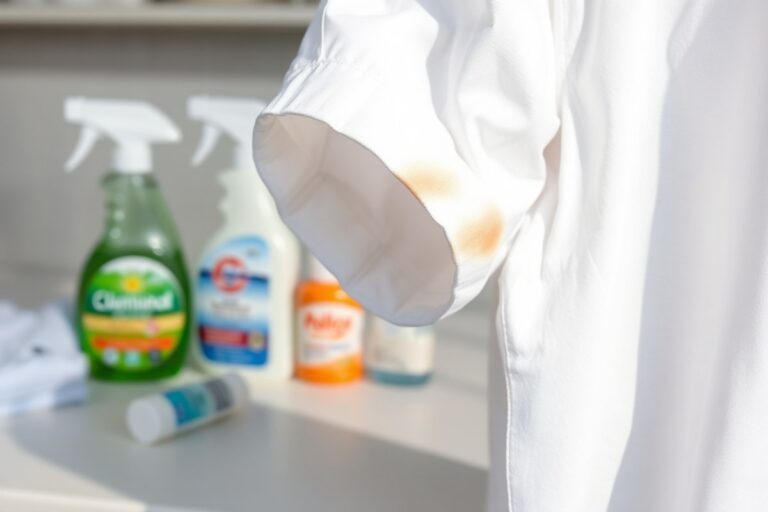
How to Wash White Clothes in Washer: 8 Steps for Brilliant Results
Washing white clothes in your washer correctly means choosing the right water temperature, using appropriate detergents, and treating stains before washing. Wash whites in cool to lukewarm water between 50 and 90 degrees Fahrenheit to keep fabrics bright without damage. Pre-treat stains and use safe bleaching methods when necessary to maintain their brightness over time.
This advice fits homeowners and renters who want brilliant white laundry without damage or fading. You will learn essential steps like selecting water temperature, handling stains, using bleach safely, and drying properly to keep your whites looking fresh and clean.
Key Takeaways
- Wash most white clothes in cool or lukewarm water (50, 90°F) to protect fabric integrity and colors.
- Increase water temperature to 120°F when using bleach for more effective whitening without damage.
- Pre-treat stains with enzyme detergent or vinegar soak before washing to remove tough marks.
- Use liquid bluing in wash water to brighten dingy white fabrics and prevent yellowing.
- Sort whites from colored items to avoid color transfer and maintain brightness.
- Choose detergents formulated for white fabrics to improve stain removal and fabric care.
1. How to Wash White Clothes Properly in a Washing Machine

Washing white clothes in a washing machine takes a simple but deliberate approach to keep them bright and fresh. Start by sorting whites away from colored or heavily soiled fabrics to avoid color transfer or dulling. Use a detergent formulated for whites or a gentle quality universal detergent if you also wash light neutrals. Select an appropriate water temperature and cycle based on fabric type. Avoid overloading the machine so detergent and water can circulate fully. Follow these practical steps to wash white clothes properly:
- Sort your laundry. Gather only white garments and linens. Check care labels for machine washability and recommended water temperature to avoid damage.
- Pre-treat stains if any. Address spots or discoloration before washing. You can soak whites in a mix of hot water and white vinegar for 1 hour to overnight to help lift grime.
- Load the washer without overfilling. Leave enough space for clothes to move freely, preventing uneven washing and detergent residue buildup.
- Add detergent designed for whites. Use the recommended amount on the detergent label, typically about 2 tablespoons for a medium load. For high-efficiency washers, use less detergent as indicated.
- Set the water temperature. Choose cool to lukewarm water between 50 and 90°F for most whites. This temperature range cleans well while minimizing fabric shrinkage and wear.
- Select a gentle or normal cycle. Use a cycle suited for the fabric; normal for everyday cottons and gentle for delicate whites. Avoid harsh cycles that can weaken fibers.
- Add optional rinse additives. You may add 1 cup of white vinegar during the rinse to reduce detergent residue and brighten fabrics without harsh chemicals.
- Dry whites properly. Air drying in the sun helps naturally whiten and freshen whites. For machine drying, use a low heat setting to avoid shrinking or yellowing.
Proper sorting prevents dye transfer, which dulls whites. Using cooler water protects fabric integrity yet removes most dirt effectively. Not overstuffing the washer improves cleaning by allowing thorough agitation and rinse. Adding vinegar in the rinse breaks down leftover soap that can create dinginess. Finally, drying in sunlight or on a low machine setting preserves brightness and fabric quality longer. Each step works together to keep your white clothes looking clean and new over time.
2. Choosing the Right Water Temperature for White Clothes

Hot water, typically around 120 degrees Fahrenheit, works best for washing sturdy white fabrics like cotton and linens. The high temperature helps dissolve dirt and oils effectively and can kill bacteria, leaving your whites cleaner and fresher. Use this temperature when washing everyday cotton shirts, towels, or bed linens that have visible stains or need a thorough cleaning.
Warm water, usually between 85 and 110 degrees Fahrenheit, offers a good balance for most white clothes made from less durable materials or mixed fibers. It aids detergent action better than cold water and reduces the risk of shrinking or damaging the fabric. Warm water is ideal for white clothes that are slightly soiled or for fabrics that tolerate some heat but are not very hardy. When using bleach, warm water is also recommended because it activates the bleach without causing excessive wear or color loss.
Cold water, below 80 degrees Fahrenheit, is safest for delicate whites such as lace, silk, or garments with special finishes. It helps maintain the garment’s shape and prevents shrinkage or weakening of fibers. Cold water also reduces the risk of staining from color transfer, as hot water can set unwanted dyes into white fabrics. Washing delicate whites on a gentle cycle in cold water is key to preserving their look and feel over time.
Choosing the right water temperature depends on the fabric type, the garment care label, and the nature of the stains. If your white clothes are mainly cotton or linen and heavily soiled, opt for hot water. For mixed fabrics or lightly soiled whites, select warm water to balance cleaning power and fabric care. For delicate items or those prone to damage, cold water with a gentle detergent keeps the fabric safe.
A decision rule to follow is: sort whites by fabric type and soil level, then choose hot water for durable, stained cottons; warm water for moderately soiled mixed fabrics; and cold water for delicate whites or lightly soiled garments. Using bleach requires extra caution, never use hot water on fabrics that might shrink, and prefer warm water to safely activate bleach without harming fibers. Oxygen-based bleach works well with warm water and is gentler than chlorine bleach, especially on whites with color transfer issues.
Always check the care label before setting your washer’s temperature, and use cold water for anything delicate to avoid shrinkage and fabric damage.
3. Pre-Treating Stains and Color Transfer on Whites
Pre-treating stains and color transfers before washing white clothes helps prevent permanent marks and dullness. Removing stains promptly boosts the chances of restoring bright whiteness. Focus on identifying stain types and choosing appropriate pre-treatment methods like natural solutions or commercial products for best results.
Common Stains on White Clothes
White clothes often get stained by food, dirt, sweat, ink, and makeup. Color transfer can occur from washing bright or dark clothes with whites, causing dull patches or blotches. Oil-based stains like salad dressing or grease require different treatments than protein stains such as blood or sweat. Acting quickly is key, especially with color transfer, since older stains become harder to remove.
Look closely for discolorations that appear yellowish, gray, or brown. Fresh stains look wet or sticky, while older ones may feel stiff or ingrained. Spotting blue, red, or green tints on white fabric usually indicates dye bleeding from other items. Addressing these cases early avoids setting-in damage and prevents spreading during the wash cycle.
Natural Pre-Treatment Options
Natural ingredients like distilled white vinegar, baking soda, and lemon juice offer gentle but effective stain removal without harsh chemicals. They work well on mild stains and are eco-friendly alternatives to bleach. Using them correctly requires specific soaking times and mixing ratios for satisfactory results.
For color transfer, soak affected whites in a mixture of one part distilled white vinegar to four parts water for 30 minutes up to several hours. This helps loosen transferred dye particles. An alternative approach involves boiling water mixed with baking soda (one cup per gallon) to lift dingy stains. Let whites soak until you see visible improvement, but avoid exceeding two hours to prevent fabric damage.
Another method is mixing baking soda with water to create a paste applied directly on stains. Let sit for 15 to 30 minutes before laundering. Adding half a cup of white vinegar during the rinse cycle also brightens whites and removes detergent residue that can cause graying. Keep in mind that these natural treatments may require repeated applications for tough stains.
Commercial Stain Removers Explained
Enzyme-based detergents and commercial stain removers create strong options for tackling protein, grease, and pigment stains. Enzymes break down organic compounds, making stains easier to wash away. Many removers combine enzymes with oxygen bleach for extra whitening power.
When using commercial removers, apply directly to the stain and let it sit for 5 to 15 minutes before washing. Always follow the product instructions carefully to avoid fabric discoloration or damage. Avoid mixing stain-treated whites with colored items in the same wash to prevent new color transfers. These products may cost several dollars per use but usually reduce the need for harsh bleaching.
Hydrogen peroxide and borax are also commonly found in commercial formulas and home recipes. Hydrogen peroxide is a mild bleach alternative suitable for many whites but test fabric first to ensure colorfastness. Borax boosts detergent performance, softens water, and restores brightness. Combining commercial removers with oxygen bleach can further improve stain removal success.
- Identify the stain and check fabric care labels for restrictions.
- Choose a pre-treatment method: natural soak, baking soda paste, or commercial remover.
- For color transfer, soak whites in one-part vinegar to four-parts water solution for 30 minutes to a few hours.
- If using baking soda soak, add one cup baking soda to one gallon boiling water, then cool before soaking.
- Apply commercial stain remover directly on stubborn spots and let it work 5-15 minutes.
- After soaking or treating, launder whites separately on a whites cycle with detergent and optional oxygen bleach booster.
- Add ½ cup distilled white vinegar to the rinse cycle to brighten and rinse residues.
- Inspect clothes before drying; repeat pre-treatment on any remaining stains to avoid setting.
4. Bleaching White Clothes: When and How to Use It Safely
You can bleach many white clothes safely if you match the bleach type to the fabric and follow proper dilution and timing. Chlorine bleach works best on durable whites like cotton, while oxygen bleach suits a wider range of fabrics including synthetics. Avoid bleach on delicate or printed whites unless the product explicitly says so. Natural whiteners and sunlight offer safer options for sensitive fabrics or ongoing maintenance.
Chlorine vs Oxygen Bleach
Chlorine bleach contains sodium hypochlorite and produces quick, powerful whitening effects by breaking down stains and disinfecting. It works best on white cotton, linen, or durable synthetics but can weaken fabric fibers and cause yellowing if overused. For example, using more than ½ cup per load or soaking whites too long with chlorine bleach risks damage. It is not safe for wool, silk, or other delicate fabrics.
Oxygen bleach, also known as non-chlorine bleach, releases oxygen to gently lift stains and brighten whites without harsh chemicals. Common forms include hydrogen peroxide and sodium percarbonate. This bleach type is safe for most washable fabrics including polyester and blends, and it won’t cause yellowing like chlorine bleach sometimes does. It works slower and is ideal for regular whitening or delicate items but is less effective on heavy stains compared to chlorine bleach.
Fabric Types and Bleach Safety
Chlorine bleach is generally safe for white cotton, linen, and other sturdy natural fibers without colored trims or prints. Avoid it on delicate fabrics like silk, wool, spandex, or on clothes with decorative elements, as it can cause fading or fiber damage. Oxygen bleach is safe on a broader range, including synthetic fabrics like polyester and printed whites, although prints may still fade over time if exposure is frequent.
Natural whiteners like sunlight provide a chemical-free option to brighten white clothes. Sunlight’s mild bleaching effect and disinfecting power are especially useful for cotton socks, sheets, and towels. White garments that yellow with fabric softener are best treated with oxygen bleach or sunlight rather than chlorine bleach. Brightening repeated use should lean on oxygen bleach or sun exposure to avoid fabric weakening and yellowing risks.
Dilution and Usage Guidelines
Chlorine bleach requires careful dilution to prevent damage. For typical washing machines, add ½ cup (4 ounces) of liquid chlorine bleach to the dispenser or directly to water before introducing the clothes. Avoid pouring bleach directly on fabric. Use cold to warm water (approximately 40, 60°C or 104, 140°F) during the bleach cycle, and limit soaking or exposure time to no more than 5 minutes to reduce risks. Do not mix chlorine bleach with other cleaning agents or vinegar, as this creates hazardous fumes.
Oxygen bleach powder or liquid is used according to package instructions, generally dissolving about 1 to 4 tablespoons in a full load. It requires warm water (around 104, 140°F) and a longer wash cycle, usually 30 minutes or more, to activate fully. You can repeat this process if desired whitening is not achieved the first time. Hydrogen peroxide is a milder oxygen bleach alternative and can be safely added to the wash cycle in amounts of ½ cup.
5. Best Detergents and Additives for Keeping Whites Bright
Choosing the right detergent and additives keeps white clothes bright without leaving dull residue. Opt for enzyme-enriched liquid detergents or concentrated pods designed for whites. Using vinegar or baking soda in the wash helps remove buildup and boost cleaning power, while fabric softeners should be avoided to prevent yellowing and dullness.
Types of Detergents for Whites
Detergents specifically formulated for white clothes contain enzymes and whitening agents to target stains and maintain brightness. Liquid detergents tend to dissolve quickly, working well in various water temperatures, and are effective at breaking down oils and proteins that cause dinginess. Pods provide a convenient, pre-measured dose with 4 times more cleaning power than traditional liquids, plus bio-enzymes targeting stubborn stains and dingy fabrics. Powder detergents can be effective but may leave residue if not fully dissolved, particularly in hard water.
Concentrated liquid detergents or pods are generally better choices for white laundry because they reduce the risk of residue buildup while delivering strong cleaning action. Prices vary, with liquid detergents around $0.15 to $0.30 per load and pods typically costing $0.30 to $0.50 per load, but the improved results on whites might justify the extra cost.
Role of Vinegar and Baking Soda
Adding distilled white vinegar during the rinse cycle helps remove detergent residue and mineral deposits that cause yellowing. Vinegar’s acetic acid gently breaks down leftover soap and lifts dulling buildup, leaving fabric brighter. Use about half a cup of vinegar per load in place of fabric softener for best results.
Baking soda, or sodium bicarbonate, acts as a mild alkali that improve detergent performance by balancing pH and softening water. Adding half a cup of baking soda with your detergent helps remove soil that leaves whites looking yellow or dingy. This combination improves cleaning without harsh chemicals or bleaching agents.
Avoiding Residue and Yellowing
Fabric softeners and dryer sheets often coat fibers with oils or silicone, which can dull white fabrics and cause yellowing over time. Avoid these products when washing white clothes to keep them bright. Also, washing whites in hard or iron-rich water reduces detergent effectiveness and can leave minerals that stain or discolor fabric. Using a water softener or detergent formulated for your water type improves results.
Pre-treating stains with liquid enzyme detergent, especially in sweat-prone areas like underarms, improves stain removal and prevents yellowing. Rub a small amount of concentrated detergent onto the stain, wait 15 minutes before washing, and use a whitening detergent formula for the wash cycle. Dry white clothes in the sun and turn them periodically to prevent uneven yellowing from sun exposure.
Skip fabric softeners on white laundry to avoid buildup that dulls brightness and causes yellowing.
6. Washing Delicate White Fabrics Without Damage
Delicate white fabrics like silk, lace, and certain synthetics require extra caution to avoid damage during washing. These fabrics often come with specific care labels telling you how to proceed. Following those instructions is key. Generally, use cool or lukewarm water, anywhere between 60°F and 80°F, to protect the fabric’s fibers from heat damage and shrinkage. Avoid hot water since it can weaken delicate threads or cause shrinking.
Select a gentle or delicate cycle on your washing machine. These cycles use slower agitation and shorter spin times, reducing wear on fragile materials. Always wash delicate whites separately from colorful items to prevent dye transfer. Using a mesh laundry bag can provide extra protection by minimizing friction inside the machine.
Avoid chlorine bleach on delicate fabrics, as it can cause discoloration and weaken fibers. Oxygen-based bleach alternatives designed for whites are generally safer but test on a hidden area first. Natural whitening agents like lemon juice or baking soda can brighten whites without harsh chemicals. Add about half a cup of baking soda or a quarter cup of lemon juice during the wash cycle to help maintain brightness while being gentle on fabric.
Use a mild, detergent formulated for delicate fabrics. These detergents preserve fabric integrity and clean effectively without aggressive chemicals. Use only the recommended amount to avoid residue buildup. Overuse of detergent can make delicate fabrics stiff or dull over time.
After washing, air drying is the best way to protect delicate whites. Lay flat on a clean towel or hang in the shade to avoid direct sun damage, which can weaken fibers and cause yellowing. Avoid using the dryer since the tumbling and heat can cause shrinkage, loss of shape, and fiber weakening.
Taking these steps can extend the life of delicate white garments and keep them looking fresh and bright without damage. When uncertain about a fabric’s durability, err on the side of gentler treatment and cool water. The effort you invest in proper washing preserves your delicate whites and avoids costly replacements later.
7. Preventing Common Problems That Make Whites Dingy or Yellow
White clothes usually turn yellow or gray because of residue buildup, color transfer from other garments, and repeated exposure to heat. Over time, sweat, body oils, and detergent remnants can settle into the fabric fibers, causing a dull or yellowish tint. When you put whites in the dryer on high heat, it can “bake” these residues into the fabric, making them harder to remove and changing the color permanently. Avoid using high heat when drying whites; instead, opt for air drying or the lowest heat setting on your dryer to keep whites bright.
Color transfer often happens when whites are washed with colored clothes, especially items with dark or vibrant hues. The powerful dyes from these garments can bleed onto white fabrics, leaving them dingy or discolored. Always wash white laundry separately to prevent this. If you accidentally mix whites with colors, re-wash the affected items immediately in cold water with a detergent formulated to remove color bleeding.
Fabric softeners might contribute to yellowing. They leave a waxy coating on fabric that builds up with time, trapping dirt and preventing detergents from cleaning effectively. To prevent this, use fabric softeners sparingly, and consider substituting them with white vinegar during the rinse cycle. Vinegar helps break down residue without harming the fibers or reducing brightness.
The frequency of washing white clothes matters, too. Leaving whites worn but unworn, or wearing them multiple times without washing, allows oils and sweat to set in, leading to yellowing. Ideally, wash white garments after each use, especially if they come into contact with sweat or lotions. This consistent care stops buildup before it causes discoloration.
Preventing residue buildup also means choosing the right amount of detergent. Using too much detergent creates excess suds that don’t rinse out completely, leaving a grayish film. Measure detergent according to the load size and soil level stated on the packaging. For lightly soiled loads, use half the recommended amount if your machine is efficient and you wash regularly.
Maintaining circulation in your washing machine helps as well. Clean your washer monthly to remove detergent and mineral deposits, which can transfer back onto clothes. Run an empty hot water cycle with washing machine cleaner or vinegar to clear buildup. This step ensures your whites come out cleaner and brighter every wash.
Drying method affects whiteness beyond just heat damage. Leaving white clothes damp for too long before drying can cause mildew stains, which look like yellow or gray splotches. After washing, dry whites promptly. For delicate whites, lay flat or hang to air dry in a shaded, well-ventilated area to avoid sun damage that can weaken fabrics or cause yellowing from UV rays. Adjust drying based on fabric type and outdoor conditions to keep whites fresh.
8. Drying and Storing White Clothes to Maintain Brightness
Drying white clothes carefully plays a key role in keeping them bright and free from mildew or stains. Sunlight can naturally brighten white fabrics, so drying white bed sheets or towels outside in direct sunlight is beneficial. However, avoid prolonged sun exposure for all white garments, as it can eventually cause yellowing or weaken fibers.
Tumble drying is generally safe for many white fabrics if you use the proper heat setting. Choose a low or medium heat setting to avoid fabric damage and prevent whites from dulling. High heat can cause shrinkage, weaken fibers, and lead to a loss of brightness over time. For delicate whites, air drying is the safest option to preserve fabric integrity and colour.
Storing white clothes correctly helps keep them bright. Keep them in a dry, cool area where sunlight can’t reach to avoid yellow stains and mold. Keep whites separate from colored items to prevent dye from bleeding onto them. Use storage options that allow air flow, such as cotton bags or linen drawers, to limit moisture and mildew risks.
- Dry white towels and sheets outside in direct sunlight but limit sun exposure time for other white garments.
- Use low to medium heat settings when tumble drying white clothes to preserve fabric fibers and whiteness.
- For delicate or frequently worn whites, air dry flat or hang indoors away from bright light to prevent yellowing and fabric wear.
- Store white clothes in a cool, dry, and dark area to minimize yellowing caused by sunlight or humidity.
- Separate white garments from colored items during storage to avoid accidental stains or color transfer.
- Use breathable storage options like cotton bags or open shelves rather than plastic bins that trap moisture.
- Avoid applying deodorants, perfumes, or hair products directly to white clothing to prevent stains.
Using these methods helps maintain the fabric’s appearance and prevents common problems like dullness or mildew. Proper drying combined with careful storing ensures white clothes stay fresh and bright much longer.
Do not overdry white clothes in a dryer; removing them while slightly damp reduces wear and helps prevent yellowing or stiffness.
Step-by-Step Action Plan for Washing White Clothes
Follow this plan to keep your white clothes bright and clean using your washing machine.
- Before washing: Separate white clothes from colors and check labels for fabric care instructions. This prevents color transfer and fabric damage.
- Pre-treat stains: Apply a stain remover or a small amount of detergent to spots on whites before washing. Let it sit 5 to 10 minutes to improve stain removal.
- Choose water temperature: Use hot water for sturdy whites like cotton and warm or cold for delicate fabrics to avoid shrinkage or damage. Check that stains start fading after the wash.
- Add detergent and boosters: Use a detergent designed for whites and add non-chlorine bleach or whitening agents for brightness. Look for clear suds and no leftover powder for a good wash cycle.
- Wash cycle selection: Select a normal or gentle cycle based on fabric type. Clothes should feel clean but not rough or stretched after washing.
- Dry properly: Air dry delicates and machine dry sturdier whites on low heat to prevent yellowing. Whites should smell fresh and look bright dry.
- Store whites properly: Place your dry white clothes in a spot that is cool and dry, avoiding any direct sun exposure to prevent yellowing and weakening of the fabric.
Frequently Asked Questions
What’s the Best Way to Wash White Clothes?
The best way is to wash white clothes regularly in cool or lukewarm water, around 50 to 90 degrees Fahrenheit. Use a detergent designed for whites and treat stains promptly to maintain brightness and prevent yellowing over time.
How to Get Color Transfer Out of Clothes?
Treat color transfer quickly using oxygen bleach or a mix of white vinegar and baking soda for gentler stain removal. Soak the stained whites for at least 30 minutes before washing to improve results.
Why Do My White Shirts Get Stains After Washing?
White shirts stain after washing due to dirt, sweat buildup, or color transfer from other clothes. Washing whites right after use and avoiding mixing with colored items helps minimize these stains.
Should I Wash Whites on 40 Or 60?
Washing white clothes at 40 degrees Fahrenheit with a detergent for whites is usually ideal to protect fabric strength and avoid shrinking. Higher temperatures may be used for heavily soiled items but risk damage.
Can I Wash White Clothes with Bleach Every Time?
It’s better to use bleach sparingly as frequent use can weaken fabric fibers. Opt for oxygen bleach for gentler whitening when needed and follow label instructions carefully.
Does Fabric Softener Affect White Clothes?
Fabric softener can leave residues that dull whites over time. Use it occasionally, if at all, and consider alternatives like white vinegar to maintain brightness and softness.
The Bottom Line
Keeping white clothes bright in the washing machine comes down to proper sorting, stain treatment, correct temperature, and careful drying. Start applying these steps to your next wash to see your whites stay brighter longer. Check your clothes after each wash and adjust detergent amounts or water temperature as needed for the best results.