How to Take Sweat Stains Out of Shirts: 8 Proven Methods for Fast Results
The fastest way to take sweat stains out of shirts is to soak the garment for at least 20 minutes in a cleaning solution before washing. Using household items like baking soda, vinegar, and hydrogen peroxide can effectively break down stains and odor. After soaking, gently scrub the area to lift the stain, then launder as usual to restore your shirt’s look.
This information is designed for anyone dealing with sweat stains on everyday shirts and looking for practical cleaning methods. You’ll find clear steps and tips for treating different stain ages, colors, and fabric types with common ingredients you likely already have at home.
Key Takeaways
- Soak sweat-stained shirts for 20 minutes or more before washing to loosen stains effectively.
- Use a paste of baking soda, salt, and hydrogen peroxide to treat tough sweat stains before laundering.
- Cold water soaked with equal parts vinegar and baking soda helps remove both stains and sweat odors.
- Apply paste with a toothbrush to scrub stains gently without damaging fabric fibers.
- Fresh sweat stains require shorter soaking times, about 10 to 15 minutes, for easier removal.
- White or cream-colored shirts may tolerate bleach treatments to remove stubborn sweat stains safely.
1. Effective Methods to Remove Sweat Stains from Shirts

Sweat stains on shirts respond best to methods that combine soaking, gentle scrubbing, and the right stain-fighting agents. White vinegar, baking soda, oxygen bleach, and hydrogen peroxide stand out as effective household solutions. Choosing the right method depends on the fabric type and how set-in the stain is, with soaking times around 20 to 60 minutes being common for meaningful stain removal.
Pre-Treat with Baking Soda Paste
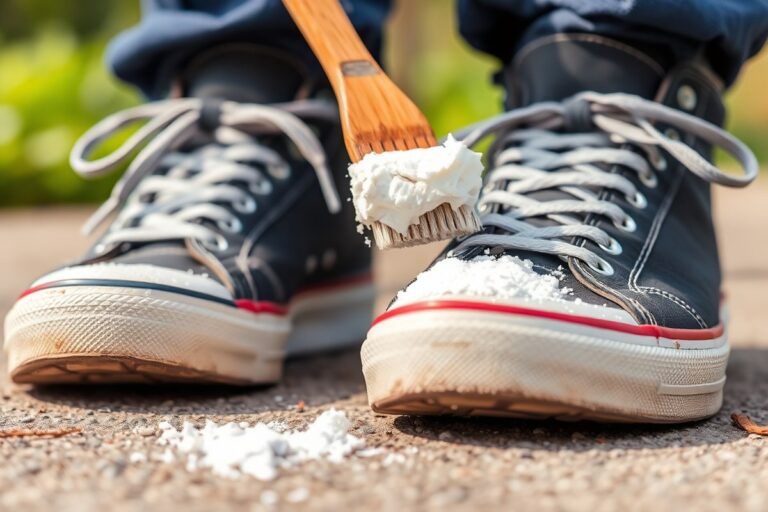
Baking soda works well to absorb oils and lift sweat stains, especially those caused by natural deodorants. Creating a paste with baking soda helps concentrate its cleaning power directly onto the stain before washing. Mixing baking soda with a small amount of hydrogen peroxide and salt can boost stain removal on white shirts, but avoid this mixture on colored fabrics where it might cause discoloration. To pre-treat, gently rub the paste into the stained area to allow it to penetrate the fabric fibers and start breaking down the residue.
- Mix 1/2 cup baking soda, 1 tablespoon salt, and 1 tablespoon hydrogen peroxide until it forms a paste.
- Apply the paste evenly onto the sweat stains, focusing on the armpit areas.
- Allow the paste to set on the stain for about 20 minutes.
- Use a soft brush or your fingers to gently rub the paste into the fabric.
- Rinse the treated area with cold water before laundering.
Soaking in Vinegar Solution
White vinegar is a natural deodorizer and stain remover used effectively to dissolve sweat residues and neutralize odors. Soaking shirts in a solution of equal parts cold water and white vinegar helps to loosen sweat stains and freshen fabric. This method suits most fabrics but is especially useful for delicate or colored shirts because vinegar won’t bleach or damage the fibers.
Soaking time is important for effective stain removal. Letting your shirt soak for about 30 minutes allows the vinegar solution to break down the stain without risking fabric damage.
- Fill a basin or bucket with cold water and add equal parts white vinegar (for example, 2 cups water and 2 cups vinegar).
- Submerge the sweat-stained shirt fully in the solution.
- Let the shirt soak for 30 minutes at room temperature.
- After soaking, gently agitate the fabric to loosen the stain further.
- Rinse thoroughly with cold water before washing as usual.
Using Oxygen Bleach Safely
Oxygen-based bleach offers a powerful way to remove stubborn sweat stains, being less harsh than chlorine bleach. It works by releasing oxygen that breaks down stain particles without severely damaging fabric. This method is ideal for white shirts and most colored cottons, but always check the care label before use and avoid applying directly on delicate fabrics like silk or wool.
Use oxygen bleach in warm water to boost its stain-fighting action. Avoid chlorine bleach since it can weaken fibres and cause colors to dull or yellow, worsening stains instead of removing them.
- Fill a basin with warm water according to the product instructions (usually about 1 gallon).
- Add oxygen bleach powder or liquid, typically 1 scoop or the recommended measuring cap.
- Stir until fully dissolved.
- Soak the stained shirt for 30 to 60 minutes, depending on stain severity.
- Check periodically and avoid soaking longer than recommended to protect fabric integrity.
- Wash the shirt immediately after soaking in the warmest water safe for the fabric.
When to Use Hydrogen Peroxide Mixes
Hydrogen peroxide serves as a natural whitening agent that can help lighten sweat stains on white or light-colored shirts. It’s most effective when combined with baking soda and salt to boost stain breakdown and lifting. Since hydrogen peroxide can cause discoloration, avoid using it on dark or brightly colored fabrics unless you perform a patch test first.
Apply hydrogen peroxide mixtures as a targeted pre-treatment, allowing enough time for the solution to act before washing. Skipping this step or using too much can harm the fabric or fade colors.
- Mix 1 tablespoon hydrogen peroxide, 1/2 cup baking soda, and 1 tablespoon salt to form a thick paste.
- Apply the paste directly to the sweat stains using a spoon or brush.
- Let the mixture sit on the fabric for 20 minutes without drying out.
- Rinse the area with cold water to remove residue.
- Proceed with regular machine washing on the warmest setting safe for the fabric.
2. Why Sweat Stains Appear and What Causes Them
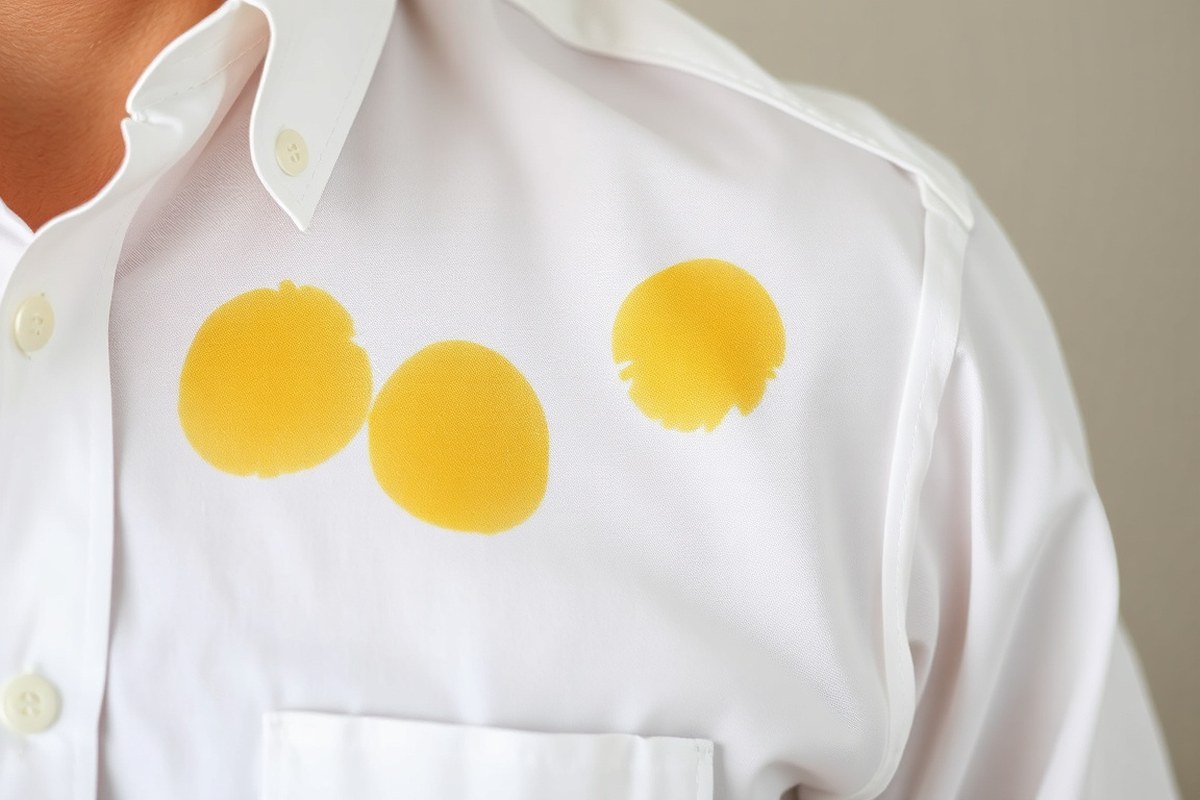
Sweat stains on shirts develop when your sweat mixes with body oils, deodorant chemicals, and fibers in the fabric. Sweat is primarily water but also includes salts, proteins, and oils. These ingredients rarely cause visible stains by themselves. Yellow marks tend to form when sweat interacts with aluminum compounds in antiperspirants, leading to a chemical change that often appears on the underarm section of light or white shirts.
Deodorants and antiperspirants play a significant role in sweat stain formation. Aluminum compounds are the common active ingredients in most antiperspirants, designed to block sweat glands temporarily. However, when these aluminum salts mix with sweat, particularly the proteins in your perspiration, the fabric undergoes a chemical change that results in yellow or off-white stains. Dark shirts often get white or grayish marks because deodorant residue doesn’t react the same way with the color but still shows as a buildup on the fabric. Wearing tight-fitting shirts increases sweat and deodorant accumulation since the fabric is in close contact with your skin, worsening stains.
Body oils add to the problem by causing the underarm fabric to become stiff and soiled over time. These natural oils don’t wash out as easily as water and salt, allowing dirt and residues to build up along with deodorant and sweat salts. This buildup changes the texture of your shirt, often making it harder to remove the stains with a standard wash. Fabrics also influence the visibility of sweat stains. White and light-colored fabrics show yellow stains most clearly because the discoloration contrasts with the background. On dark or colored fabrics, deodorant residue appears as white marks due to the product settling on the surface without the deeper color change that happens with white shirts.
Using less deodorant or switching to a product without aluminum can reduce the yellowing and buildup that lead to sweat stains.
Understanding these causes helps you address sweat stains more effectively. Since the yellowing comes from a chemical reaction with aluminum and sweat proteins, using non-aluminum deodorants cuts down on stain formation. Choosing breathable, loose-fitting shirts reduces sweat accumulation and lets the fabric stay drier, minimizing sweat stain buildup. When sweat, deodorant, and body oils are allowed to accumulate, the resulting stains become more prominent and harder to remove. Clearing them requires breaking down these chemical and physical residues, which can involve special enzymatic stain removers or targeted pretreatments before normal washing.
3. How to Identify and Treat Fresh vs. Set-In Sweat Stains
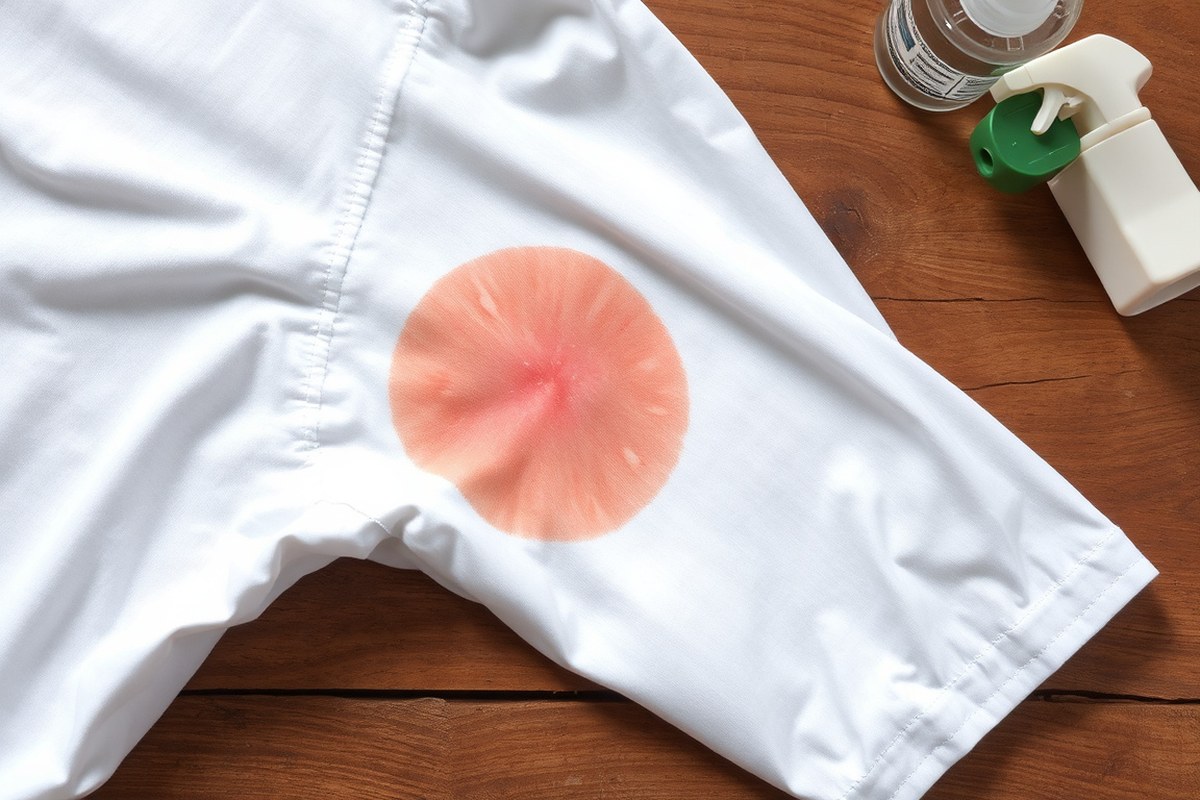
Fresh sweat stains often look wet or damp and appear just after perspiration. Set-in stains, by contrast, are dry, yellowish, or discolored patches caused by chemical reactions between sweat, fabric, and deodorant. Treating fresh and set-in stains requires different timings and steps to ensure effective removal.
Signs of Fresh Sweat Stains
Fresh sweat stains usually show as damp or moist patches on your shirt, often clear or slightly darker than the fabric. These stains appear immediately after sweating and haven’t yet bonded firmly to the fabric fibers.
The area around fresh stains tends to feel wet or sticky, and the fabric may smell slightly of sweat. Because the stain is new, it’s easier to remove with a quick and targeted approach that focuses on breaking down the sweat before it dries in.
Recognizing Set-In Stains
Set-in sweat stains look different from fresh ones. They appear as yellow or brownish discolourations, especially in the underarm or collar areas, and are completely dry to the touch. These stains result from the interaction of sweat proteins, oils, and deodorant ingredients, which cause buildup over time.
The longer the stains have settled, the more they bond with fabric fibers, making removal more challenging. Set-in stains may also have a faint lingering odor and a waxy residue. Because of their stubborn nature, they need soaking or stronger treatment before laundering.
Treatment Duration Recommendations
Effective stain removal depends on how long you let your treatment sit on the fabric. For fresh sweat stains, short treatment times help prevent the stain from setting, speeding removal without damaging the shirt.
Set-in stains require longer soaking periods in a stain remover solution to loosen the buildup before washing. Extending soak time up to overnight can significantly improve results on older stains. Follow these steps to treat fresh or set-in sweat stains properly:
- Blot or rinse fresh stains promptly with cold water to remove excess sweat without spreading it.
- Apply an enzymatic stain remover or a homemade paste directly onto the fresh stain.
- Let fresh stain treatment sit for 10 to 15 minutes before washing as usual, using the warmest water safe for your shirt’s fabric.
- For set-in stains, prepare a soaking solution with a commercial stain remover or a mix of water and natural ingredients.
- Submerge the stained area and soak the shirt for at least one hour; for tough stains, soak overnight.
- Apply additional paste or stain remover directly to set-in stains and scrub gently with a soft brush if needed.
- Wash the shirt following care label instructions using warm water appropriate for the fabric’s type.
- Check that stains are gone before drying; repeat treatment if discoloration remains, as heat from drying can set the stain permanently.
4. Removing Sweat Stains from White Versus Colored Shirts
Sweat stains can often be removed from both white and colored shirts, but the approach depends on the fabric color to avoid damage. White shirts usually tolerate stronger treatments like bleach, which helps break down yellow sweat stains effectively. Colored shirts require gentler methods, focusing on natural remedies or oxygen-based bleaches, as harsh chemicals or lemon juice straight from the fruit can risk fading or discoloration.
Using lemon juice on white or cream-colored shirts brightens the fabric while targeting sweat stains. It’s common to soak the stain in a 1:1 mix of lemon juice and water for about 30 minutes, or apply lemon juice and let the shirt sit in a sunny spot to improve the stain removal. However, on colored shirts, dilute lemon juice with water, rinse well, and test on a hidden area first. Salt added to lemon juice can further brighten whites but risks fading color.
Bleach is suitable mainly for whites and creams due to its powerful stain removal, but it can permanently damage colored fabrics. Oxygen bleaches are a safer alternative for colors because they remove stains without harsh chemicals. White vinegar is another natural option effective on both whites and colors, especially when used undiluted as a sponge treatment before washing with enzyme detergents.
| Fabric Color | Recommended Stain Remover | How to Apply | Key Precaution |
|---|---|---|---|
| White or Cream | Bleach or Lemon Juice | Soak with bleach solution or apply lemon juice, leave in sun for hours | Avoid prolonged bleach exposure to prevent fabric damage |
| Colored | Oxygen Bleach or Diluted Lemon Juice | Pre-treat with oxygen bleach or soak in lemon juice diluted 1:1 with water for 30 minutes | Test on hidden area to avoid color fading |
| Both White & Colored | Undiluted White Vinegar | Sponge directly onto fresh stains, then wash with enzyme detergent | Rinse thoroughly to remove vinegar smell |
Testing a stain remover on a small, hidden spot first is essential for colored garments to ensure no unwanted color loss. Always rinse fabrics well after treatment to prevent residue build-up and potential fabric weakening. Oxygen bleach and vinegar treatments typically preserve garment integrity better than chlorine bleach for colors. After any treatment, check for stain removal before drying, as heat can set sweat stains permanently.
5. Household Ingredients and How to Use Them Safely
Enzymatic stain removers can be effective on sweat stains because they break down protein-based residues that cause discoloration. Look for a product advertised as suitable for protein stains, and always test on a hidden area first. Use according to the label directions, typically applying the remover directly to the stain and letting it sit for 15 to 30 minutes before washing.
Hydrogen peroxide and salt are powerful when combined with baking soda, especially on white shirts. Mixing 1 tablespoon of hydrogen peroxide with 1 tablespoon of salt and enough baking soda (around ½ cup) to form a paste creates a strong stain-fighting agent. Apply this paste to the stain and allow it to sit for up to 30 minutes before rinsing and laundering. Avoid using this mixture on colored fabrics, as hydrogen peroxide can cause fading.
Both vinegar and baking soda are affordable and readily available natural stain removers. For colored shirts, dilute white vinegar with water (typically 1 part vinegar to 2 parts water) before applying, as undiluted vinegar may affect fabric colors. Baking soda alone can be sprinkled on damp stains or mixed with water for a gentle scrubbing paste. Lemon juice is another option but use it sparingly on light fabrics, since its mild acidity can brighten whites but might alter colors or weaken fabric if overused.
Applying these household ingredients correctly is critical to avoid permanent damage or setting the stain. For example, after using baking soda and hydrogen peroxide, wash the clothing promptly. Leaving the paste on the fabric too long without rinsing risks making the stains permanent.
- Test all mixtures on a small, hidden fabric area before full application.
- Use hydrogen peroxide and baking soda paste mainly on white or colorfast shirts.
- Dilute vinegar with water before use on colored fabrics to prevent fading.
- Apply enzymatic removers following the product’s instructions, typically letting sit for 15-30 minutes.
- Rinse or wash garments soon after applying paste mixtures to avoid setting stains.
- Lemon juice works as a natural bleaching agent on whites but should be avoided on delicate or dark-colored fabrics.
Do not leave a baking soda and hydrogen peroxide paste on your shirt longer than 30 minutes before washing, or you may cause permanent staining.
For situations with fresh sweat stains, a quick application of diluted vinegar or enzymatic remover can prevent fabric damage and ease stain removal. Set-in stains benefit more from the baking soda and hydrogen peroxide paste, but only if the fabric is white or colorfast. Salt strengthens the cleaning power by breaking down residue, with a tablespoon combined in the paste for best results. Always follow up treatments with a proper wash using detergent suited to your shirt’s fabric type and color.
6. Step-by-Step Guide to Removing Sweat Stains at Home
Removing sweat stains from shirts requires several clear steps: gathering the right materials, pre-treating the stained area, soaking and scrubbing the fabric carefully, then washing and drying it properly. Following a consistent routine helps prevent damage and improves results.
Gathering Materials Before Starting
Prepare everything you need before tackling sweat stains to work efficiently. Essential items include an enzymatic stain remover or natural alternatives like baking soda, a soft-bristled brush or old toothbrush, mild detergent, a basin or sink, and clean water. Optional but helpful tools are gloves and stain remover spray bottles.
Having these on hand means you won’t have to stop midway and risk letting the stain set further. Most basics cost under $10 or may already be in your home.
Pre-Treating the Sweat Stain
The key to removing sweat stains lies in effective pre-treatment, especially when stains are fresh or moderately set. Enzymatic stain removers break down proteins in sweat and oils, lifting stains for washing. For a natural option, make a paste of 4 tablespoons baking soda mixed with a quarter cup of water.
Apply the chosen pre-treatment directly on the stain, covering the entire affected area generously. Let it sit for 15 to 30 minutes at room temperature to allow the active ingredients to work deeply without drying out.
Proper Soaking and Scrubbing
Soaking stained shirts improves stain removal by loosening dirt and residue. Use lukewarm water, around 90°F (32°C), as hot water could set stains, especially on delicate fabrics. Fill a basin large enough for the shirt, add detergent, and submerge the garment for 30 minutes to an hour depending on stain severity.
After soaking, gently scrub the stained areas using a soft-bristled brush or toothbrush. Use circular motions to lift the stain without damaging the fabric fibers. Avoid vigorous scrubbing that may wear out the cloth or create holes. Rinse the shirt under clean, cool water to remove loosened stain particles and residue.
Washing and Drying Advice
Wash the pre-treated shirt on a cold or warm setting, matching the fabric care label instructions. Cold water settings reduce the risk of resetting stains. Add a mild detergent suitable for the fabric type. Avoid using bleach on colored shirts because it can cause discoloration and damage.
Air drying is the best option after washing. Direct heat from dryers can set any residual stain permanently and cause shrinkage or fabric damage. Hang your shirt in a well-ventilated area, avoiding direct sunlight that can fade colors. Check the stain after drying; if any remains, repeat the process before machine drying.
- Gather materials: enzymatic stain remover or baking soda, brush, detergent, basin, water.
- Apply pre-treatment: spread enzymatic remover or baking soda paste over sweat stains, wait 15-30 minutes.
- Soak the shirt in lukewarm water with detergent for 30-60 minutes.
- Gently scrub stained areas using a soft brush in circular motions.
- Rinse thoroughly with cool water.
- Machine wash on a cold or warm setting with mild detergent, following fabric care instructions.
- Air dry the shirt in a shaded, ventilated area.
- Repeat if stains persist before using heat in a dryer.
7. Mistakes to Avoid When Treating Sweat Stains
One of the biggest mistakes when treating sweat stains is drying the shirt before the stain is fully removed. Heat from a dryer can set the stain permanently, making future removal much harder. Instead, after washing, air dry the shirt until you confirm the stain is gone. This may take extra time but prevents the stain from embedding deeper into the fabric.
If stains remain after washing, avoid the temptation to dry the shirt. Reapply a stain remover or a homemade solution like a mix of one part vinegar to four parts water. Pour about 1/3 cup (79 mL) over the stain and let it sit for a few minutes before rewashing. This incremental approach loosens the stain fibers without damaging the shirt.
Common errors also include using too much detergent or harsh chemicals that can weaken fabric fibers, or scrubbing too aggressively and causing wear or distortion of the shirt. Using a gentle stain removal paste and mild washing cycles keeps the shirt in good condition while tackling the stain.
- Never dry shirts with stains before confirming removal
- Use mild stain removers or a vinegar-water mix for treatment
- Apply about 1/3 cup (79 mL) of cleaning solution directly on stains
- Let the treatment sit a few minutes before washing again
- Gently scrub stains to avoid damaging fabric
- Keep a stain remover spray handy for quick pre-treatment
- Air dry shirts for best results after washing
Regularly applying these tips prevents worsening the problem and reduces the need for repeated heavy treatments. Keeping stain remover near your laundry hamper encourages prompt action on fresh stains, avoiding long set-in marks. Adjusting your approach based on whether the sweat stain is fresh or set-in helps optimize removal success without risking shirt damage.
8. Prevention Strategies to Keep Shirts Sweat Stain-Free
Preventing sweat stains on your shirts starts with your fabric choice. Natural fibers like cotton and linen allow your skin to breathe, reducing sweat buildup and making stains less likely. Avoid tight clothes that trap heat and moisture, as these encourage stains and odor. Choose loose-fitting options when possible, especially in hot weather or during physical activity.
Switching your deodorant can also make a big difference. Many conventional deodorants contain aluminum compounds that react with sweat to cause yellow or white stains. Opt for all-natural deodorants without aluminum, which minimize chemical buildup and prevent fabric discoloration. Test new deodorants on a small fabric swatch before regular use to check for staining.
Proper laundry habits help keep sweat stains from settling into fabric. Washing shirts promptly after wearing removes sweat and deodorant residues before they set. Use enzyme-based detergents, which break down protein and chemical stains effectively. Wash clothes according to fabric care labels, usually in cold to warm water, to protect fabric while removing sweat and bacteria.
- Wear breathable fabrics like cotton or linen daily.
- Avoid tight-fitting shirts especially during exercise or warm days.
- Choose aluminum-free, natural deodorants to reduce stain-causing chemicals.
- Wash sweat-prone shirts soon after wearing, ideally within 24 hours.
- Use enzyme-based detergents for effective stain and odor removal.
- Wash in cold to warm water, matching the fabric’s care instructions.
- Avoid fabric softeners that can trap odors and residues.
Always read deodorant labels to ensure they’re free of aluminum and other stain-causing compounds before switching products.
Air-drying shirts before storing helps prevent bacteria growth that can worsen stains and odors. For heavy sweaters or intense workouts, consider wearing an undershirt to provide a barrier between your skin and the fabric, limiting sweat absorption. If you notice stiffness or discoloration developing over time, increase your laundry frequency or look into specialized stain pre-treatment sprays. Though prevention reduces the effort needed later, regular care remains key to keeping shirts stain-free and fresh.
Step-by-Step Action Plan to Remove Sweat Stains from Shirts
Follow this simple plan to tackle sweat stains effectively and keep your shirts looking fresh.
- Before washing: Treat the stain quickly using a mixture of water and mild detergent or a paste made from baking soda and water. You’ll know it worked if the stain starts to lift before washing.
- Day of washing: Soak the shirt in cold water with a little vinegar for about 30 minutes to break down the stain without damaging fabric colors.
- During washing: Use a laundry detergent designed for stain removal, applying extra detergent directly to the stain. Check the stain after washing before drying.
- After washing: If the stain remains, apply a stain remover or a diluted hydrogen peroxide solution to white shirts only, then air dry to avoid setting the stain with heat.
- Drying time: Air dry shirts rather than using the dryer. Confirm the stain is gone after drying; if not, repeat treatment before the next wash.
- Weekly: Regularly use a gentle pretreatment on areas prone to sweat stains to prevent buildup over time.
Frequently Asked Questions
Can I Put a Shirt with Sweat Stains Directly into the Dryer?
Avoid the dryer until sweat stains are fully removed because heat can set them permanently, making them harder to get out later. Air-dry your shirt after treating the stains to preserve fabric and ease stain removal.
Are Sweat Stains on Synthetic Fabrics Harder to Remove Than on Cotton?
Sweat stains on synthetic fabrics can be trickier because these materials hold oils and deodorant residues more stubbornly. Using enzymatic stain removers designed for sportswear works better on synthetics.
Does Using Bleach Always Help Remove Sweat Stains from White Shirts?
Bleach is effective on many white shirts but can weaken or damage some fabrics. Use oxygen-based bleach cautiously and follow fabric care labels to avoid harming shirts.
Why Do Some Shirts Develop a Yellow Sweat Stain Even After Washing?
The yellow stain can result from a buildup of sweat mixed with deodorant and bacteria that washing alone may not fully remove. Pretreating these areas before washing is essential to avoid this issue.
Is Cold Water or Warm Water Better for Removing Sweat Stains?
Warm water typically works better because it helps break down oils and protein-based stains but must be checked against fabric care instructions to prevent damage.
Can Deodorant Cause Sweat Stains or Just Sweat?
Deodorant contributes to sweat stains by combining with sweat and fabrics, creating yellow and waxy stains, especially in underarm areas. Choosing clear or natural deodorants may reduce staining.
Wrapping Up
Removing sweat stains from your shirts doesn’t have to be a struggle when you use safe, effective treatments based on your shirt’s fabric and stain type. Start by treating stains promptly and avoid drying stained shirts to reduce permanent marks. Taking this next step will make your laundry routine cleaner and keep your shirts looking their best longer.