How to Remove Tough Stains Fast: 8 Proven Methods That Work for Every Fabric
You can remove tough stains quickly by pretreating with the right ingredients like baking soda, oxidizing agents, or vinegar, then washing promptly. Different fabrics and stain types require specific methods to avoid damage while achieving the best results. Knowing what to use and when helps you restore clothes and upholstery effectively without unnecessary effort or expense.
This information is designed for homeowners and renters looking to get rid of stubborn stains on fabrics around the house. You’ll learn practical, easy-to-follow steps for common tough stains and what tools to keep handy for fast stain removal.
Key Takeaways
- Sprinkle baking soda on sweat stains, let them sit for 30 minutes, then vacuum to lift odors and discoloration.
- Use oxidizing agents like OxiClean on ink or grease stains for deeper cleaning on durable fabrics.
- For fresh stains, spray a cleaning solution and let it sit 10 to 15 minutes before washing to improve removal.
- Absorb grease by applying cornstarch or baking soda for 10 to 15 minutes before treating the stain further.
- Always test stain removers on a hidden fabric area to prevent damage or color loss.
- Cold water rinsing after treatment helps prevent stains from setting permanently in most fabrics.
1. The Most Effective Way to Remove Tough Stains

Tackling a tough stain effectively begins with quick, careful action that prevents it from setting permanently. The best approach involves removing as much of the stain substance as possible without spreading it further. Using cold water first is key because hot water can cause many stains, especially protein- or tannin-based, to set deeper into the fabric. Understanding the stain type guides you toward the right treatment, so you apply the most effective solution instead of wasting time or damaging the fabric.
Preventing a stain from setting hinges on immediate care: avoid rubbing, which can embed the stain fibers deeper, and steer clear of heat until the stain is fully treated and removed. The first few minutes after a spill are important for better results. Follow these steps to start removing tough fabric stains safely and efficiently at home:
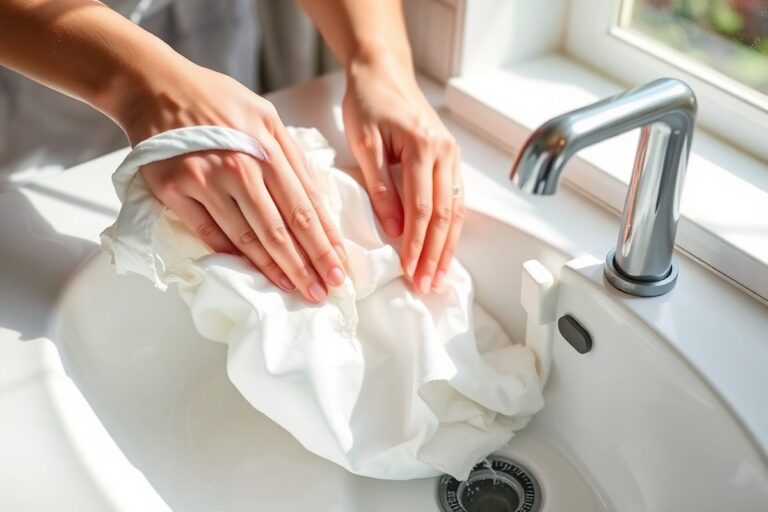
- Blot the stain gently using a clean, white cloth or paper towel to absorb any excess liquid or material without rubbing it deeper into the fabric.
- Remove any solid residues with a spoon or dull knife to avoid pushing the stain further into the fibres.
- Rinse the stained area under cold running water for at least 30 seconds to flush out as much of the stain dye or particles as possible without using hot water.
- Test a small amount of your chosen stain removal solution on an inconspicuous spot on the fabric to check for colourfastness or damage.
- Apply the appropriate stain remover depending on the type: for example, dab a paste of baking soda and water for oil-based stains, an equal parts white vinegar and water solution for tannin stains, or hydrogen peroxide for food-related stains.
- Let the solution sit on the stain for 5 to 10 minutes without drying, allowing it to break down the stain particles.
- Blot the stain again to lift the treatment and loosened stain from the fabric’s surface; avoid scrubbing to prevent fabric damage.
- Launder the item according to the fabric care label instructions, ideally using the warmest water safe for the fabric to complete the stain removal process.
Using this method promptly can save both new and older stains from becoming permanent. Keep in mind that delicate fabrics or certain stain types will need more specific care or professional help. Avoid using heat in drying until the stain is fully gone, as heat can fix the stain irreversibly. This approach works well on many common tough stains and sets a solid foundation before considering more specialized treatments.
2. Tools and Ingredients You Need for Stain Removal

To tackle tough stains effectively, having the right household ingredients and tools is key. Common items like baking soda, vinegar, and dish soap can remove many stains gently yet thoroughly, while tools such as soft brushes and stain remover applicators help target spots precisely. These inexpensive basics prepare you well for most stain challenges.
Essential Household Ingredients for Stain Removal
Baking soda is a versatile stain remover that lifts and absorbs spills like grease and sweat. Mix 4 tablespoons of baking soda with a quarter cup of water to form a paste, then apply it to the stain and let it sit for 15 to 30 minutes before laundering. White vinegar works by breaking down stain molecules, especially from coffee, wine, and deodorant. Dilute vinegar with an equal part of water and dab it on the stain with a clean cloth.
Dish soap is another must-have; its grease-cutting formula is effective on oily stains like food or cosmetics. Use a few drops mixed with water to treat stains before washing. Lemon juice acts as a natural bleach, useful for lightening discolorations, but should be tested on a small area to prevent fading.
Helpful Tools to Boost Stain Removal
Tools can make removal easier by reaching deep into fabric fibers or scrubbing delicately without damage. A soft-bristle toothbrush gently agitates the stain without harming most fabrics. A spray bottle filled with pre-mixed cleaning solutions allows precise application directly onto spots. Clean white cloths or paper towels are critical for blotting stains and removing excess moisture without spreading it further.
Stain removal sticks or gel applicators offer controlled delivery of stain removers to set-in blemishes, reducing waste and mess. Also consider a small basin or bucket for pre-soaking garments in stain-fighting solutions when needed.
Inexpensive Must-Have Stain Removal Products
Oxygen-based bleach powders like OxiClean cost around $10 to $15 for a large container and work well on stubborn stains like ink, blood, or dirt. They brighten fabrics without the harshness of chlorine bleach. Enzymatic cleaners specifically target protein-based stains from food, sweat, or grass and usually run $7 to $12 per bottle. Choosing these targeted products depends on the stain’s source but they are generally affordable and effective.
Solvent-based spot removers for grease and oil stains are also handy, but should be used sparingly and always tested first. These commercial products often last through multiple uses and cost $5 to $10.
Checklist of Tools and Ingredients to Have Ready
- Baking soda (4 tablespoons for paste mixing)
- White vinegar (diluted 1:1 with water)
- Liquid dish soap (a few drops for pre-treatment)
- Lemon juice (for natural bleaching, spot test first)
- Soft-bristle toothbrush or small scrubbing brush
- Clean white cloths or paper towels for blotting
- Spray bottle for solution application
- Oxygen-based bleach powder for tough stains
- Enzymatic cleaner for protein stains (optional)
Having these supplies ready makes it quicker and simpler to respond to both fresh and older, set-in stains without risking fabric damage.
Always test stain removers on a hidden fabric area before applying broadly to prevent colour loss or fabric weakening.
3. How to Remove Common Tough Stain Types
Tough stains require different approaches based on their source and how they interact with the fabric. Red wine and berry stains benefit from immediate cold water rinsing and enzyme treatments. Grease and oil stains need degreasing agents like dish soap or isopropyl alcohol. Ink and blood stains respond best to alcohol-based removers and cold water pretreatment. Tomato sauce and mustard require a combination of scraping, soaking, and careful detergent use to avoid setting the stain.
Removing Red Wine and Berry Stains
Red wine and berry stains are acidic and pigment-rich, making them stubborn if not treated quickly. The key is to dilute and lift the stain before it sets. Cold water and enzyme cleaners break down the pigments effectively. Club soda is a popular home remedy because its carbonation helps lift the stain while the water dilutes it. Follow these steps for best results:
- Blot the stain gently with a clean cloth to remove excess liquid without rubbing it deeper into the fabric.
- Pour cold water or club soda over the stain to dilute it and flush out as much pigment as possible.
- Apply an enzyme-based stain remover designed for red wine or berry stains evenly over the area.
- Let the product sit for 5 to 10 minutes to break down the stain molecules.
- Wash the fabric in cold water with a quality laundry detergent as soon as possible.
- Check the stain before drying; repeat treatment if any discoloration remains, as heat from drying will set it permanently.
Treating Grease, Oil, and Food Stains
Grease and oil come from food and body oils, making them hydrophobic. This means water alone won’t remove these stains effectively. Dish soap works well because it contains surfactants designed to cut through oil. For stubborn stains, isopropyl alcohol can help dissolve the oils but test it first on a hidden fabric area. Apply this method:
- Blot excess grease gently with a paper towel; avoid rubbing to reduce spread.
- Sprinkle baking soda or cornstarch to absorb oil; leave for 10 to 15 minutes and brush off.
- Apply a few drops of dish soap directly on the stain and work it in gently.
- Let it sit for 5 minutes to break down the grease.
- Rinse with warm water, then launder with the warmest water safe for the fabric.
- If the stain persists, dab with isopropyl alcohol on a cloth and blot the area, then wash again.
Removing Ink, Blood, and Protein-Based Stains
Ink and blood are very different but share a tendency to set quickly if exposed to heat or improper cleaning. Blood is protein-based and must be treated with cold water and enzyme cleaners to avoid setting. Ink is often oil-based and responds best to alcohol-based removers or specialized products. Use these steps carefully:
- For blood, rinse the stain immediately with cold water; avoid hot water or heat.
- Apply an enzyme-based stain remover or soak in cold water with a bit of detergent for 30 minutes.
- For ink, place a paper towel under the fabric, then dab the stain with isopropyl alcohol on a cotton ball.
- Blot gently to lift the ink onto the paper towel below.
- Rinse thoroughly and launder in cold water with enzyme detergent.
- Repeat the process for persistent stains before drying. Do not use heat until the stain is gone.
Other Stubborn Stains: Tomato Sauce, Mustard, and Sweat
These stains combine pigments, oils, and proteins. The approach combines scraping, soaking, and targeted cleaners. Mustard contains turmeric, which can be hard to remove, and sweat stains can yellow fabrics over time if not treated early. Try this method:
- Scrape off any solid residue gently without smearing it further.
- Soak the stained area in cold water for at least 30 minutes to loosen the stain.
- Apply a laundry detergent or stain remover directly onto the spot; enzymes help break down the proteins.
- Let the product pretreat for 10 minutes before washing with the warmest water safe for the fabric.
- For mustard, omit hot water and use oxygen-based bleach if the item is color-safe to avoid setting the stain.
- Air dry and check if the stain persists, as drying heat can make removal impossible thereafter.
4. Choosing Natural and DIY Solutions That Really Work
Natural stain removers like white vinegar, baking soda, and lemon juice can effectively tackle many household stains with minimal cost and no harsh chemicals. Vinegar’s acidity breaks down grime and dissolves mineral deposits, making it great for rust and deodorizing. Baking soda’s mild abrasiveness lifts stains and neutralizes odors, especially from grease or sweat. Lemon juice adds natural bleaching power and works well on rust and light discolorations.
To use these remedies safely, always test on a hidden fabric spot first. Avoid applying acidic solutions like vinegar or lemon juice to delicate or dry-clean-only fabrics as they may cause damage. Use cold water for protein-based stains (such as blood) and warm water for grease and oil to optimize cleaning. Here’s how to prepare and apply some proven DIY stain removers:
- Simple Vinegar Stain Spray: Mix 1 cup white vinegar with 10 drops of lemon essential oil in a spray bottle. Spray on the stain, let sit 10-15 minutes, then blot with a clean cloth and rinse.
- Baking Soda Paste: Combine 3 parts baking soda with 1 part water to form a thick paste. Apply directly to grease, sweat, or oil stains, let dry for at least 30 minutes, then brush off and wash normally.
- Vinegar and Baking Soda Combo: Sprinkle baking soda over the stain, then pour vinegar on top sparingly to cause fizzing. Let bubble for a few minutes before scrubbing gently and rinsing.
- Lemon Juice Treatment: Apply lemon juice on rust stains or light discolorations, leave in sunlight for 15-20 minutes, then rinse well. Avoid this method on colored fabrics sensitive to bleaching.
- Grease and Oil Absorber: Cover the stain with cornstarch or baking soda to soak up the extra oil. Let it rest for 10-15 minutes, then remove the powder by vacuuming or brushing before you wash the fabric.
Natural methods often work best on grease, sweat, rust, food stains, and light discolorations. Their effectiveness depends on prompt application, correct preparation, and the type of stain and fabric. These DIY solutions cost just a few cents per treatment, require only common household items, and avoid exposing fabrics to solvents or artificial dyes found in commercial cleaners. However, tougher or set-in stains may need additional treatments or commercial products designed specifically for those stains.
5. When to Use Chemical and Professional-Grade Treatments
Removing tough stains like rust or certain food dyes often calls for stronger cleaning products. Oxygen-based bleaches including 3% hydrogen peroxide or sodium percarbonate serve as gentler options compared to chlorine bleach and can handle many stains without harming most fabrics. For instance, blood stains require quick action: squirt hydrogen peroxide on the area and leave it for at least 10 minutes before blotting with a clean cloth. Avoid vigorous rubbing since this can push the stain deeper into the fibers. Targeting the stain’s origin directly with the right agent reduces the risk of worsening the damage.
Handling these oxidizing agents safely is important. Hydrogen peroxide should be tested on a hidden fabric area first to check for any color fading. Use it in a well-ventilated space and avoid mixing with other household cleaners, which can produce harmful gases. Apply only the amount needed to cover the stained area. For concentrated products like sodium percarbonate, follow the package directions carefully and wear gloves if you have sensitive skin. Rinsing thoroughly after treatment prevents residual chemicals from weakening fabric over time.
Strong commercial stain removers are typically found in the laundry or cleaning aisles and vary in price from about $5 to $20 depending on size and concentration. These products might combine surfactants with enzymes or bleach alternatives to tackle protein-based stains, oils, or even some ink. Stains that have dried or embedded deeply into upholstery or carpet may resist complete removal, even with strong cleaning agents. Old stains on clothing, especially those dried after washing, are often too tough for at-home treatment and may require professional dry-cleaning services. Specialty fabric types or delicate materials also risk damage if harsh chemicals are used incorrectly.
Turning to a professional service makes sense when stains resist all home treatments or the fabric’s care guidelines warn against using strong chemicals. Professionals have specialized equipment and industrial-grade products that reach deep into fibers without harm. They can also treat large-scale stains on carpets or upholstery, which are challenging to manage with household cleaners. For instance, companies like Centennial Home Cleaning provide deep cleaning solutions designed to break down persistent spots while protecting your flooring or furniture. Keep in mind professional cleaning costs can range from $100 to several hundred dollars depending on the area and stain severity.
Always test chemical stain removers on a small, inconspicuous fabric area before full application to avoid permanent damage or discoloration.
6. How Fabric Type Affects Stain Removal Methods
The type of fabric you’re dealing with has a big impact on how you should approach stain removal to avoid damage while getting the best results. Some fabrics, like cotton, can handle cold water washing and low heat drying, whereas delicate materials such as wool and silk require much gentler care. Using hot water or harsh chemicals on sensitive fabrics may shrink, distort, or even ruin them, so always check the care label before starting.
| Fabric Type | Care Label Instructions | Maintenance Tips |
|---|---|---|
| Cotton | Wash in cold water, dry on low heat | Iron while still slightly damp to remove wrinkles |
| Wool | Hand wash in cold water, dry flat | Keep your fabrics safe from moth damage by storing them in a spot that stays cool and dry. |
| Silk | Hand wash in cold water with mild detergent | Do not wring or tumble dry; air dry flat or hang |
Cotton is generally sturdy enough to use cold water for stain removal, and it’s safe to use mild bleach or heat on this fabric following the label’s guidance. Cold water washes prevent many stains from setting, especially if you act quickly. For example, rinse mustard stains under cold water immediately to avoid setting. Wool and silk fabrics, however, need cold water only. These fibers shrink or get damaged easily from heat or strong chemicals. Instead, gently press a mild detergent diluted in cold water onto the stain without rubbing, then rinse cold water to lift the stain. Never put wool or silk in the dryer.
Delicate fabrics require patience and careful handling. Avoid scrubbing or rubbing since that can cause pilling or distortion. Instead, blot spills straight away with a clean cloth or paper towel. Soak wool and silk in a mixture of cold water and a gentle detergent for about 30 minutes to loosen stains. Avoid bleach or harsh stain removers on these materials. For tougher stains on cotton, you can make a homemade paste of lemon juice and salt, apply it, leave the garment in sunlight for around 10 minutes, then wash with cold water.
Always read and follow the care label instructions before attempting stain removal. Using cold water is usually safer when in doubt because hot water may set some stains permanently. Treat spots promptly to increase your chance of success without risking your fabric’s quality. When in doubt about a fabric’s reaction to a cleaning method, test on an inconspicuous spot first to check for colorfastness or texture changes.
7. Common Mistakes in Removing Stains and How to Fix Them
Many homeowners set stains permanently by using hot water on protein-based spots like blood, sweat, or egg. Heat causes these stains to coagulate and bind more tightly to fabric fibers. Instead, use cold water rinse first to prevent the stain from embedding. This approach stops proteins from cooking into the fabric and helps lift the stain gently.
Rubbing stains too hard is another frequent mistake. Excessive scrubbing can damage delicate fibers and spread the stain wider, making removal harder. Instead, blot the stain with a clean white cloth or sponge to lift away as much as possible before applying any cleaning solution. Gentle pressure prevents fabric wear and dye transfer.
If a stain has already been set by heat or aggressive treatment, recovering the fabric requires a targeted approach. For protein stains wrongly treated with hot water, soak the fabric in an enzyme-based detergent mixed with cold water for 30 minutes. Enzymes break down protein molecules, loosening the stain. For oil stains where scrubbing spread the grease, apply a paste made from borax and water directly to the spot, let it sit for 20 minutes, then launder as usual. Testing fabric colorfastness first is key to avoid further damage.
- Avoid using hot water on protein-based stains; use cold water instead
- Do not rub protein or oil stains aggressively; blot gently
- Soak set protein stains in enzyme detergent and cold water for 30 minutes
- Use a borax-water paste on oil or grease stains to absorb excess oils
- Test stain removal methods on inconspicuous fabric areas
- Rinse thoroughly after treatment to remove all residue
- Address stains promptly to avoid setting
Protein stains require cold water and enzyme treatments, while oil stains benefit from absorbent pastes before washing. Avoid heat and harsh scrubbing to prevent setting and fabric damage. For best results, treat stains as soon as possible and rinse out solutions thoroughly after treatment. This care preserves fabric integrity and helps restore your home’s textiles.
8. Step-by-Step Pretreatment and Washing for Tough Stains
Effectively removing tough stains requires a clear timeline and method for pretreatment, soaking, and washing. Fresh stains often need a quicker pretreatment with shorter soaking times, while set-in stains call for longer soaking and more intensive pretreatment. Following precise rinse and wash steps, including water temperature recommendations, improves your chances of complete stain removal.
Pretreatment Preparation and Application
Pretreatment loosens stain particles and prepares fabric fibers for better cleaning. For fresh stains, spray or apply a stain remover or a mixture of vinegar and dish soap directly to the affected area and let it sit 10 to 15 minutes. For more stubborn, set-in stains, create a baking soda paste (mix baking soda and water) and apply it to the stain, letting it sit for 30 minutes to break down the stain.
Use gentle rubbing during pretreatment with your fingers or a soft cloth to help the cleaner penetrate the fabric without causing damage. For ink or dye stains, applying commercial ink remover or an alcohol-based product like hairspray before washing helps dissolve the ink. Always treat the stain on the back side of a fabric if possible to push the stain out rather than further in.
Soaking and Sit Times by Stain Type
Soaking times vary depending on stain type and severity. Fresh stains usually require shorter soaking, about 10 to 15 minutes. For example, soaking a fresh stain in a vinegar and dish soap solution for 15 minutes helps lift food and drink stains. Set-in or tougher stains like blood, grass, or grease need longer treatment: soaking overnight in cold water with a cup of baking soda or an enzyme-based cleaner like OxiClean Baby Stain Remover can make a significant difference.
Grease stains demand special care because they are not water-soluble. Blot the excess grease first, then soak briefly in warm water with dish soap before washing. Avoid hot water for protein-based stains such as blood, as heat can set them permanently. Cold water rinsing after pretreatment helps stop the stain from setting further.
Washing Machine Settings and Rinsing Guidance
Rinsing immediately after pretreatment is important to remove loosened stain material. Use cold water for rinsing since hot or warm water risks setting stains, especially protein-based ones. After rinsing, wash garments in a washing machine on the appropriate cycle setting: cold water cycles are safe for most stains and fabrics, while warm water can help remove oily stains.
Choose the wash cycle based on the fabric care label and stain type. Use advanced wash settings and detergent designed for tough stains to boost effectiveness. Repeat treatment and washing for persistent stains but avoid drying until stains are fully removed, as heat can make them permanent.
- Blot or scrape off any excess stain material gently without spreading.
- Apply a pretreatment solution: for fresh stains, spray a vinegar and dish soap mix or commercial remover; for set-in stains, apply a baking soda paste or ink remover.
- Let the pretreatment sit for 10 to 15 minutes (fresh stains) or up to 30 minutes (set-in stains) before rinsing.
- Rinse the treated area under cold water to flush out loosened stain particles.
- Soak the garment if necessary: 15 minutes for fresh stains or overnight for tougher stains, using appropriate solutions like cold water with baking soda or an enzyme cleaner.
- Use the washing machine to clean most stains with a cold water cycle, switching to warm water for grease stains, provided the fabric can handle the temperature.
- Check the garment before drying; if any stain remains, repeat pretreatment and washing.
Tip: Avoid using hot water or drying stained clothing before the stain is completely gone, as heat can permanently set the stain.
Step-by-Step Action Plan for Tackling Tough Stains
Follow these clear steps to handle tough stains effectively using safe, targeted methods. Check the fabric and stain after each phase to confirm progress.
- Before You Start: Identify the fabric type and stain to select the appropriate treatment. Verify the care label for washing instructions.
- Immediate Action: Blot up any excess liquid with a clean cloth without rubbing. Confirm stain saturation has reduced.
- Within 30 Minutes: Apply a pre-treatment solution suitable for the stain (natural or chemical depending on fabric). Wait 10 minutes and check if the stain lightens.
- Before Washing: Use the correct water temperature according to fabric care guidelines and wash using a strong detergent. Inspect the stain after the wash cycle.
- After Washing: Air dry the stained area or the whole item rather than using heat to avoid setting the stain. Re-examine the stain to see if it remains.
- When the Stain Persists: Repeat the pre-treatment and wash again, or carefully use a professional-grade stain remover. Watch for any fabric damage or discoloration.
- When the Stain Is Still Visible: Think about bringing the item to a professional cleaner, especially for delicate or dry-clean-only fabrics. Confirm the stain removal after professional care.
Frequently Asked Questions
What Is the Best Way to Treat Old Tough Stains?
Old stains are harder to remove, especially after drying. Pretreat with an oxidizing agent like OxiClean and soak before washing to improve results.
Can Boiling Water Help Remove Tough Stains Safely?
Boiling water can set some stains permanently. Use hot water based on fabric care instructions, but avoid boiling unless you know the fabric can handle it.
Does Salt Work on Blood Stains?
Salt can help lift fresh blood stains by absorbing moisture. Rinse with cold water first, then apply salt before washing.
Can You Remove Tough Stains Without Scrubbing?
Avoid harsh scrubbing to prevent fabric damage. Instead, soak and apply stain removers gently to let them break down stains.
Is It Safe to Mix Vinegar and Hydrogen Peroxide for Stains?
Mixing vinegar and hydrogen peroxide can create harmful fumes. Use them separately and rinse in between for safety.
How Effective Is Steam Cleaning on Upholstery Stains?
Steam cleaning loosens stains and dirt, making chemical treatments more effective. Combine methods for best upholstery stain removal.
Final Thoughts
Removing tough stains requires tailored care that respects both the stain type and fabric. Taking action quickly and choosing the right method boosts your chances of success. Start by spotting the fabric type and applying an appropriate pre-treatment today for your stubborn stains.