

How to Get Perspiration Stains Out: 8 Effective Methods That Really Work
To get perspiration stains out quickly and safely, soak stained clothes in cold water with detergent for 30 to 60 minutes, then scrub gently with baking soda paste if needed. Use bleach only on white or cream fabrics and avoid harsh chemicals on delicate materials for best results. This straightforward approach helps prevent damage and effectively lifts stubborn yellow or white sweat marks from your garments.
This advice applies to homeowners and renters dealing with sweat stains on clothing or fabrics. You’ll find clear, practical steps tailored to fabric types and stain severity, plus tips to handle stains on upholstery and hats, avoid common cleaning mistakes, and know when professional help is necessary.
Key Takeaways
- Soak sweat-stained clothing in cold water with detergent for 30 to 60 minutes before washing.
- Apply a baking soda paste to stains and let it sit at least 5 minutes for effective stain removal.
- Use a toothbrush or scrub brush to work cleaning solutions gently into stubborn perspiration stains.
- Only use bleach on white or cream fabrics to avoid discoloration or damage.
- Let cleaning solutions sit on stains for 20 to 30 minutes to maximize their effectiveness.
- Prevent sweat stains by washing clothes regularly and using antiperspirants properly.
1. How to Get Perspiration Stains Out Quickly and Safely
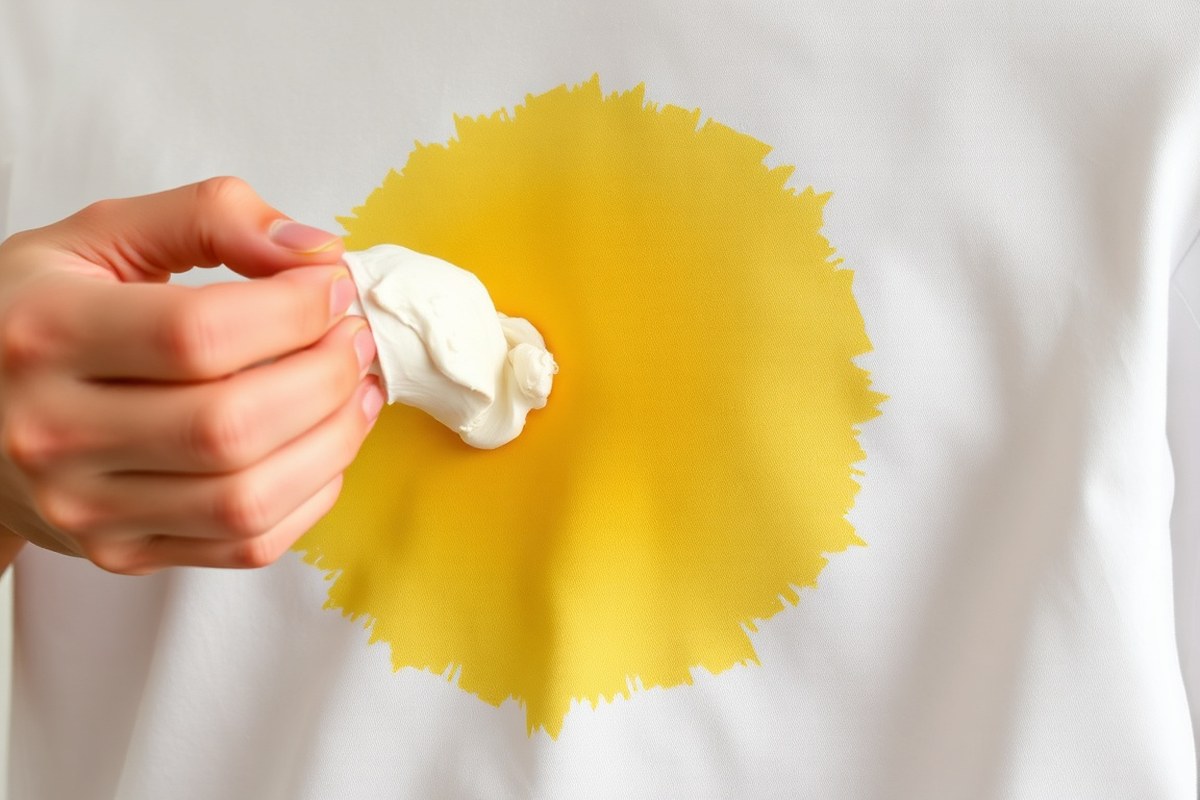
Removing perspiration stains quickly improves the chances they’ll come out completely, especially on common fabrics like cotton or polyester blends. Fresh sweat stains require less treatment time, while older, set-in stains need a stronger or longer approach. Avoid bleach, as it can worsen yellowing by reacting with sweat proteins.
Among household ingredients, baking soda and distilled white vinegar are effective and safe. Baking soda creates a gentle abrasive paste that lifts stains without damaging the fabric. Vinegar breaks down sweat residues and odors but should be diluted. Enzyme-based liquid laundry detergents also help when applied to stain areas before washing. For all methods, use the hottest water safe for the fabric, checking care labels carefully. Follow these steps to treat perspiration stains quickly and safely:
- Pre-treat the stain: Make a thick paste by mixing 4 tablespoons of baking soda with about 1/4 cup of water. Apply the paste generously to the stained areas, especially underarm sections of shirts.
- Let the paste sit: Allow the baking soda paste to soak into the fabric for at least 5 to 15 minutes. For fresh stains, 15 minutes is usually enough. Older stains may require up to 30 minutes.
- Gently scrub the area: Use a soft toothbrush or scrub brush to work the paste into the fabric fibers. Light circular motions help break down the sweat residue without harming the cloth.
- Rinse thoroughly: Wash away the baking soda paste under warm running water. Residual paste can trap dirt if not fully rinsed.
- Apply liquid detergent: Rub a small amount of enzyme-based liquid laundry detergent directly onto the stained fabric to further break down oils and proteins left from sweat.
- Wash on hot setting: Launder the garment in the hottest water temperature the fabric can handle, according to the care label. This improves stain removal and sanitizes the clothing.
- Check before drying: Inspect the stained area after washing. Heat from the dryer can set stains permanently, so repeat treatment or pretreatment if stains remain visible.
If you prefer vinegar, dilute 1 part distilled white vinegar with 2 parts water and soak the stained fabric for 15 to 30 minutes before scrubbing and washing. Vinegar is especially effective on white or light fabrics. Both methods typically require under $1 in household supplies and less than an hour, including soaking and scrubbing time, making them practical for routine stain care.
2. What Causes Sweat Stains and Why They Are Hard to Remove

Sweat stains form when your body’s perspiration interacts with the fabric of your clothing. Sweat itself is mostly water but also contains salts, proteins, and oils. When sweat dries, these substances remain trapped in the fabric fibers, leading to discoloration and a rough texture. Cotton and other natural fibers tend to absorb sweat more readily, which can make the stain more noticeable and stubborn. Synthetic fabrics like polyester might not absorb sweat as deeply, but they can trap odor and create surface stains.
One main reason sweat stains are hard to remove comes from the chemicals found in many deodorants and antiperspirants. Most antiperspirants use aluminum-based compounds to block sweat glands, stopping perspiration temporarily. The aluminum reacts chemically with the salts in your sweat and the fabric dye, causing the yellow or white discolorations often seen around the underarms of shirts. This chemical reaction not only changes the fabric color but also embeds the stain deeper into the fibers, making simple washing less effective.
Deodorants without aluminum tend to cause fewer discoloration problems, but they still leave behind oils and residues that mix with sweat to form stains. Since these residues are protein and oil-based, stains can become greasy or develop a buildup that regular detergent might not break down easily.
The difficulty in removing sweat stains largely depends on how long the stain has been set and the fabric type. Older stains tend to embed themselves into the fabric fibers over time, especially if garments were dried in a hot dryer or not treated soon after the stain appeared. High heat can cause the proteins and oils in sweat and deodorant residues to bond permanently to fibers, requiring stronger or repeated treatments to remove.
Different fabrics complicate stain removal because they react differently to cleaning agents. For example, cotton can withstand stronger bleaches or soaking solutions, while delicate fabrics like silk or wool need gentler methods to avoid damage. Synthetic blends may require specific detergents designed to target oil-based residues. Using hot water can help break down sweat proteins and oils faster, but warm or cold water is better for delicate fabrics to prevent shrinkage or other damage.
Act quickly after sweat stains form; treat the affected clothing before drying to prevent the proteins and aluminum compounds from setting permanently in the fabric.
3. How to Remove Sweat Stains Depending on Fabric Type
Different fabrics need different approaches to effectively remove sweat stains without damaging the material. Machine-washable fabrics like cotton and synthetics tolerate stronger treatments, while delicate fibers such as silk and wool require gentler care. Also, the fabric’s color affects the stain removal method, as bleach options vary by color safety.
Cotton and Synthetic Fabrics
Cotton, polyester, spandex, and similar synthetics are common in everyday clothing and tend to trap sweat and odors differently. Synthetic fibers often hold onto odors more than natural cotton. These fabrics can usually withstand machine washing and pre-soaking treatments.
To remove sweat stains, start with a pre-soak in a solution of one part white vinegar to two parts cold water for 30 minutes. White vinegar’s acid helps break down sweat deposits. Then, wash the garment in the warmest water safe for the fabric (check care labels) with a heavy-duty detergent designed for sweat and odor removal. For stubborn stains, rewash with chlorine bleach for whites or color-safe bleach for colored synthetics, ensuring water temperature and bleach type match fabric instructions.
Delicate Fabrics: Silk, Wool, Linen
Fabrics such as silk, wool, rayon, and linen need more care due to their sensitivity to heat, water, and harsh chemicals. Wool, often found in hats or specialized clothing, requires hand washing rather than machine washing to avoid shrinking or felting. Use warm water, a gentle detergent formulated for delicates, and avoid bleach completely.
For sweat stains on delicate fabrics, soak the item in warm water mixed with a few drops of mild detergent or a gentle cleaner like white vinegar for 15 to 20 minutes. Gently rub stained areas with your fingers, rinse thoroughly, and press excess water out using a clean towel. Do not wring or twist to avoid stretching. Air dry flat away from direct sunlight to prevent color fading and fabric damage.
Colored Versus White Fabrics
Color changes the options available for stain treatment. White and cream-colored items can handle chlorine bleach, which effectively breaks down yellow perspiration stains. For example, after pre-soaking in vinegar, white shirts can be washed with bleach in water that is as hot as the fabric allows.
Colored fabrics require safer alternatives to prevent fading or discoloration. Color-safe bleaches, usually oxygen-based, are a good choice but test a hidden spot first. Using vinegar pre-soaks on colored fabrics helps break down stains without risking color loss. Avoid chlorine bleach on colored or delicate fabrics unless care labels explicitly allow it.
| Fabric Type | Washing Method | Recommended Stain Treatment | Bleach Use |
|---|---|---|---|
| Cotton | Machine washable | Pre-soak in vinegar, machine wash warm with detergent | Chlorine bleach (white only) |
| Polyester/Spandex | Machine washable | Pre-soak in vinegar, machine wash warm with detergent | Color-safe bleach |
| Silk | Hand wash in warm water | Gentle detergent or vinegar soak, hand wash carefully | No bleach |
| Wool | Hand wash in warm water | Gentle detergent, hand wash, avoid agitation | No bleach |
| Linen | Hand wash or machine wash gentle cycle | Vinegar soak, gentle detergent | Use caution, preferably color-safe bleach |
Following fabric-specific treatments prevents damage like shrinking, fading, or weakening fibers. Using too hot water or bleach on delicate fibers can worsen stains or ruin the fabric. Testing bleach on a discrete spot helps avoid visible damage. Knowing your fabric type and color guides safe stain removal and preserves clothing longevity.
4. Using Household Ingredients to Treat Sweat Stains Safely
Baking soda, white vinegar, and hydrogen peroxide are effective household ingredients for removing perspiration stains. Each ingredient targets different stain components and can be prepared into a paste or soak with specific ratios. Applying these treatments correctly, including proper soaking times and follow-up washing, improves stain removal while protecting your fabrics.
Making a Baking Soda Paste
Baking soda works to lift sweat stains by gently breaking down acids and oils. Mixing it into a paste allows you to target the stained areas without soaking the entire garment. This paste is best suited for white or light-colored fabrics, as baking soda can sometimes cause slight fading on darker materials.
To make the paste, combine equal parts baking soda and water, stirring until smooth. For stronger stain-lifting power, add a small amount of salt or hydrogen peroxide, but use caution with hydrogen peroxide on colored fabrics.
Preparing a Vinegar Soak
White vinegar acts as a mild acid that breaks down salt-based sweat stains and neutralizes odors. It is gentler on dyes than hydrogen peroxide but still effective for colored clothing. The vinegar soak works especially well on older or set-in stains.
Mix vinegar and cold water in equal parts, usually 1/4 cup of each per garment. Soaking clothes in this solution before washing can help loosen stains and reduce yellowing in sweat-prone areas.
Hydrogen Peroxide and Detergent Mix
Hydrogen peroxide functions as a mild bleach and oxidizer, breaking down proteins and organic stain components in perspiration. Combining it with baking soda and a small amount of dish soap creates a multi-action paste that targets both stains and residues from antiperspirants.
For this mix, use approximately 1 tablespoon each of hydrogen peroxide and salt, plus 1/2 cup baking soda. Alternatively, blend 1 part hydrogen peroxide, 2 parts baking soda, and a teaspoon of dish soap. Use this paste for white fabrics only, as hydrogen peroxide may discolor darker materials.
Application and Soaking Times
Proper application and timing are important for effective stain removal without damaging fabric. These household treatments should be left on the stain long enough to work but not so long that residues set permanently.
- Identify the sweat stain and test your cleaning solution on a hidden fabric area to check for colorfastness.
- Apply your chosen paste or soak the garment according to the recipe: paste should cover the stain thoroughly, soak involves submerging stained areas.
- For baking soda paste, allow it to sit for 30 minutes before washing.
- Soak garments in vinegar and water for about 30 minutes before laundering.
- For hydrogen peroxide mixes, let the paste sit on the stain for 15 to 30 minutes, avoiding exposure to sunlight during this time.
- After treatment, wash the garment in cold water using a detergent with enzymes, which target protein- and oil-based stains effectively.
- Avoid drying clothes with heat until stains are fully removed; heat can cause stains to set permanently.
5. Common Mistakes to Avoid When Removing Sweat Stains
Bleach is not always safe to use on perspiration stains, especially on yellowed armpit areas. Using bleach on these yellow stains can actually make them worse by intensifying the discoloration. The yellowing often comes from a reaction between sweat and aluminum compounds in deodorants, which bleach can’t properly counteract and might exacerbate. Instead, use oxygen-based stain removers designed for colored fabrics or enzyme detergents that target protein-based stains.
Common mistakes while treating sweat stains include scrubbing the fabric too hard, washing, and drying clothes before treating the stain, and applying the wrong cleaning product. Hard scrubbing can weaken fibers and damage delicate materials. Washing and drying before treating tends to set the stain, making removal much harder, and in some cases, impossible. Harsh or unsuitable chemicals may cause permanent damage, discoloration, or loss of softness. Here are some frequent errors to watch for when removing sweat stains:
- Using bleach on yellow or protein-based sweat stains without testing fabric first
- Applying excessive pressure when scrubbing stains, which can damage fibers
- Ignoring fabric care labels and using incorrect water temperature or detergent
- Washing and drying stained clothing before spot treatment
- Leaving cleaning agents on fabric too long, which may cause damage or discoloration
- Using hot water on delicate or protein-stained fabrics, causing stains to set
- Failing to pre-treat stains immediately, allowing perspiration to oxidize and embed
Always test any stain removal method on a hidden area of the fabric to avoid unexpected damage or colour loss.
Correcting problems depends on the exact situation. For instance, if bleach causes yellowing to get worse, rinse the item well with cold water, then soak it in a solution of one part white vinegar to four parts cold water to neutralize leftover bleach. Avoid scrubbing roughly; blot gently and use a soft brush instead. When stains have dried in, treat them again with enzyme detergents or oxygen cleaners, but skip harsh methods that might damage the fabric.
Pay close attention to fabric types and follow label instructions. For example, use cool water for silk or wool and warmer water for cotton or synthetics as indicated. Taking extra care soon after you notice a sweat stain can save both your clothes and time. Treat the spot as quickly as possible to prevent permanent discoloration and fibre damage.
6. How to Remove Sweat Stains from Non-Clothing Items Like Upholstery and Hats
Removing sweat stains from upholstery, hats, and shoes requires careful spot treatment that respects the material. Using gentle household cleaners or specialized products, you can lift stains without soaking or harsh scrubbing that might damage these items. Professional cleaning is recommended for delicate, expensive, or sentimental pieces to prevent harm.
Spot Cleaning Upholstery
Upholstered furniture often cannot be washed like clothing, so focused stain removal is necessary. A mild, acidic cleaner such as white vinegar diluted with water effectively breaks down sweat stains without causing discoloration. Avoid bleach or strong alkaline cleaners because they can worsen stains or harm fabric fibers. Follow these steps to remove perspiration stains safely from upholstery:
- Vacuum the area to lift loose dirt and debris, preventing further embedding stains.
- Mix one part white vinegar with two parts cold water in a spray bottle.
- Lightly mist the stained area to dampen it without saturating the upholstery.
- Blot the stain gently with a clean white cloth or sponge, moving from outside in to avoid spreading.
- Rinse the cloth with cold water and blot again to remove vinegar residue.
- Repeat the misting and blotting steps until the stain lightens noticeably.
- Allow the area to air dry completely, preferably with good ventilation.
- When the stain won’t come out or fabric care tags warn against moisture, reach out to a professional upholstery cleaner.
Spot cleaning usually takes 10 to 15 minutes per stain and costs little beyond household items. Successful results show diminished discoloration without fabric damage or water rings. Overwetting or scrubbing too hard can harm foam backing or spread the stain.
Treating Sweat Stains on Hats
Hats, especially those made from cotton, wool, or suede, require different care based on material. Lightly acidic solutions and gentle brushing can work for cotton or synthetic hats. Leather or suede hats should avoid water and vinegar in favor of specialized leather cleaners or a professional. To remove sweat stains from cotton or polyester hats, try this process:
- Fill a bowl with cold water and add 1 tablespoon of mild detergent.
- Dip a soft-bristled toothbrush into the solution and scrub the sweatband and stained areas carefully.
- Rinse the brush in clean water and scrub again to lift detergent residue.
- Use a clean, damp cloth to blot away remaining dirt and detergent.
- Pat the hat with a dry towel to absorb moisture and reshape it.
- Air dry the hat away from direct sunlight or heat to avoid shrinking or warping.
- For stubborn marks, repeat cleaning once more or consider professional hat cleaning services.
Cleaning hats takes roughly 20 minutes and requires gentle handling to preserve shape and color. Using harsh substances or fully submerging hats can cause warping or fading.
Caring for Shoes and Accessories
Shoes and other fabric accessories often carry sweat stains on inner linings that never face direct washing. Light cleaning with diluted vinegar or enzyme-based cleaners breaks down proteins in perspiration safely. Leather shoes need leather-specific cleaners and conditioning, not water-based methods, to avoid drying or cracking. To treat sweat stains inside sneakers or fabric shoes:
- Remove insoles if possible and set aside.
- Mix equal parts white vinegar and cold water in a spray bottle.
- Lightly spray the stained inner surfaces without soaking.
- Let the mixture sit 10 minutes to break down sweat deposits.
- Wipe the surfaces with a clean cloth dampened in cold water to lift loosened stain material.
- Dry the shoes and insoles by stuffing them with newspaper and letting them air out for 24 hours.
- Reinsert the insoles once both are completely dry to prevent bacteria or odors.
Shoes usually require daily airing and cleaning every few months, depending on use. When stains linger or shoes still smell bad after cleaning, turn to professional shoe repair or cleaning services for safe restoration.
7. How to Prevent Sweat Stains and Keep Clothes Fresh Longer
Sweat stains form when the chemicals in your deodorant react with minerals in your sweat. This reaction turns light sweat into noticeable yellow or white marks, especially around the armpits. To reduce the chance of these stains forming or setting, start by reviewing your deodorant choice. Products containing aluminum compounds are common culprits for tough stains. Switching to an aluminum-free deodorant can lower the risk without sacrificing odor control, though natural deodorants might need more frequent application.
Pre-treating clothes prone to sweat stains is another effective way to keep garments looking fresh longer. Pre-treat new stains as soon as possible, ideally within minutes after sweating. For clothes regularly exposed to sweat, apply a prewash stain remover or a liquid detergent with enzymes before washing. This extra step loosens the buildup of sweat, body oils, and deodorant residue that can embed in fabric fibers, making stains easier to remove and preventing them from setting.
- Choose aluminum-free deodorants to reduce chemical reactions causing stains.
- Let deodorant dry completely before putting on clothes to avoid wet residue transfer.
- Wash sweaty clothes promptly, within 24 hours if possible, to prevent stains from setting.
- Pre-treat clothing prone to sweat stains with enzyme-based stain removers before regular washing.
- Use breathable fabrics like cotton to limit sweat buildup on clothes.
- Increase laundry temperature cautiously, wash temperatures around 104°F (40°C) help clean but won’t damage most fabrics.
- Air clothes out between wears to reduce odour and moisture trapping.
Routine habits influence how long your clothes stay fresh and stain-free. Always allow deodorant to dry fully before dressing to prevent immediate transfer. Wash sweaty garments within a day; leaving sweat in fabric encourages bacteria growth and stain setting. For consistent prevention, apply a laundry prewash stain remover or enzyme-based detergent directly to armpit areas 5 to 15 minutes before washing. Enzymes break down proteins and oils tied to sweat stains, improving cleaning efficiency.
Consider fabric choice, too. Lightweight, breathable materials reduce sweat retention and make stains less likely to form. Avoid synthetic fabrics if you sweat heavily and opt for cotton or moisture-wicking blends. Adjusting laundry settings can help. Warm water at 104°F (40°C) is generally safe for most clothing and improves stain removal, but check care labels to avoid damage. These steps combine to lower stain risk, reduce persistent odours, and prolong garment life.
8. How to Know When Sweat Stains Are Fully Removed and When to Seek Help
Check if sweat stains are fully removed by examining the fabric under good lighting after it dries. Look closely for any discoloration or yellowish tint that remains once the fabric is dry. To do this effectively, gently stretch or hold the fabric up to a light source. When the original fabric color remains without any visible stain or discoloration, your treatment probably worked. Avoid judging while the fabric is still wet, since many treatments cause temporary changes in appearance and the full result appears only after drying.
When cleaning solutions or treatments leave a faint residue, rinse the fabric with plain cold water and sponge the area with a white cloth, then blot dry. This step helps lift any leftover cleaning agents that can attract dirt later. Persistent stains after multiple washings may indicate a deeper or older stain, especially on protein-rich fabrics like cotton or silk. In those cases, you can try a commercial enzymatic stain remover, which breaks down sweat’s proteins and oils. Apply it as directed, usually letting it sit 10 to 15 minutes before washing. Stains that come back after washing usually mean they weren’t completely broken down or removed, so you should retreat before drying.
Certain fabrics and stains need special attention. For delicate fabrics such as silk, wool, or any cherished garment, after one or two gentle attempts, seek professional cleaning services. Dry cleaners have solvents and equipment that can safely handle old or stubborn sweat stains and protect fabric integrity. Depending on where you live and the service level, professional stain removal can cost anywhere from $10 to $30 per item, but this is worthwhile for expensive or delicate clothing.
Always treat sweat stains promptly and avoid drying stained fabrics in high heat, as this can set the stain permanently and make removal much more difficult.
Step-by-Step Action Plan to Remove Perspiration Stains
Follow these steps to tackle sweat stains effectively and keep your fabrics looking fresh. Each step includes a simple test to confirm the stain is gone.
- Before washing: Treat the stain with a paste made from baking soda and water or a mixture of equal parts white vinegar and water. Let it sit 30 minutes. The stain should start to lighten.
- During washing: Use the warmest water safe for the fabric with an enzymatic detergent to break down stain proteins. Check the care label first. The stain should visibly fade after washing.
- After washing: Air dry the item rather than using a dryer, which can set stains. Repeat the pretreatment and wash steps before drying when the stain remains.
- Within 24 hours: For delicate fabrics or persistent stains, spot-clean using a mild soap and cold water, then blot with a clean cloth. No visible white residue or yellow mark should remain.
- After drying: Inspect the fabric under bright light. No trace of the stain means the treatment was successful. Use a specialized stain remover or consult a professional cleaner when the stain persists.
- Ongoing: Prevent future stains by applying an antiperspirant properly and washing sweaty clothes promptly. Fabrics should stay fresh longer and avoid stubborn stains.
Frequently Asked Questions
Can Perspiration Stains Be Removed If They Are Old?
Older perspiration stains can be harder to remove but soaking the fabric in an enzymatic detergent for 30 minutes may help loosen the stain before washing. Acting quickly still provides the best chance for removal.
Is It Safe to Use Chlorine Bleach on Perspiration Stains?
Using chlorine bleach on perspiration stains is not recommended as it can worsen discoloration, even on white cotton fabrics. Opt for enzyme-based detergents or oxygen bleach alternatives instead.
Can Perspiration Stains Be Removed in Cold Water?
Cold water alone often won’t fully remove perspiration stains since heat helps break down protein-based sweat. Use warm water and enzyme detergents within safe temperatures for the garment.
Do Commercial Stain Removers Work Better Than Household Ingredients?
Some commercial stain removers, like Quick n Brite, can be very effective but many household ingredients like enzyme detergents and vinegar also work well. Test any product first on a hidden fabric area.
How Do Enzyme Detergents Help Get Rid of Sweat Stains?
Enzyme detergents break down sweat proteins that cause stains, making them easier to wash away. Pre-treating underarms with these detergents before laundering boosts stain removal.
Will Perspiration Stains Come Out Completely from Delicate Fabrics Like Silk?
Delicate fabrics require gentle treatment; enzyme-based pre-treatments used cautiously can remove stains but professional cleaning may be needed for best results. Avoid harsh scrubbing.
Before You Go
Perspiration stains don’t have to ruin your clothes or upholstery. Acting quickly and using the right methods for your fabric can remove most stains safely. Try one treatment today on a small stained area to see how effective it is before treating the whole garment. Taking prompt action gives your fabric the best chance to stay stain-free and looking its best.


