How to Get Deodorant Out of Shirts: 8 Effective Methods That Work
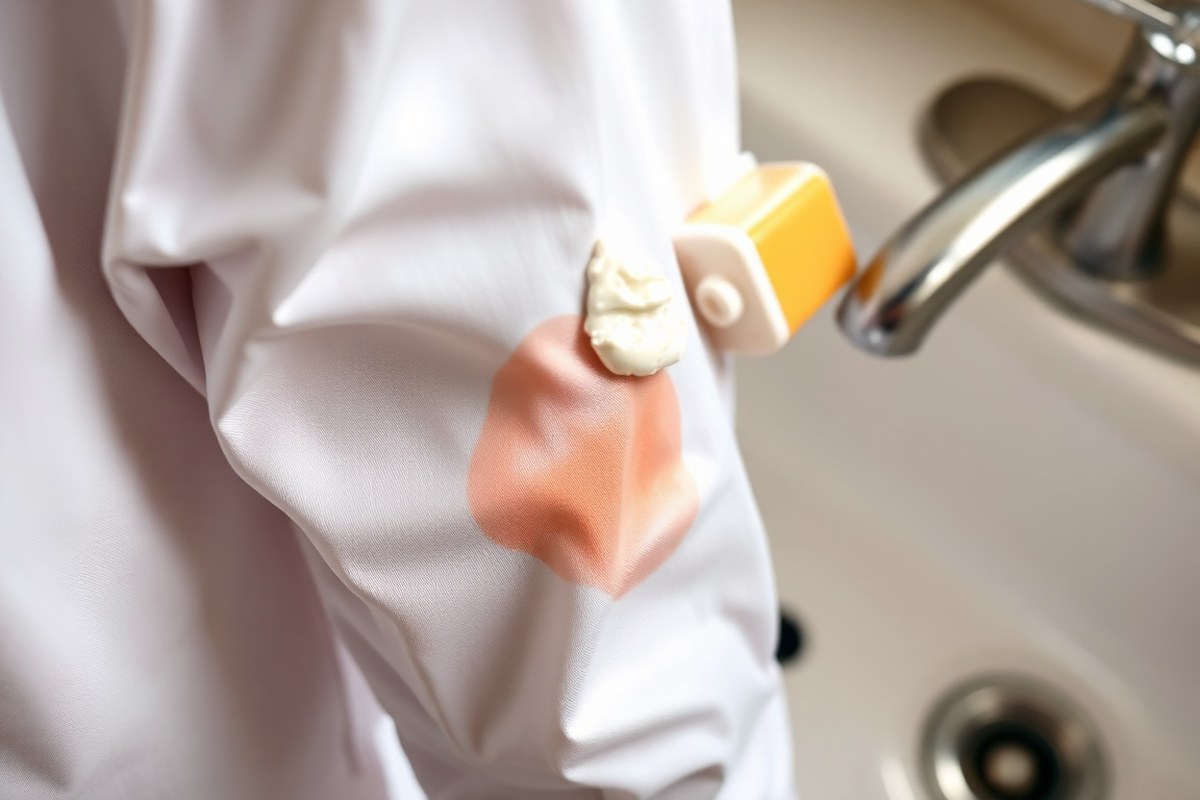
To get deodorant out of shirts quickly, apply a baking soda and water paste or soak the stain in a solution of equal parts hydrogen peroxide, baking soda, and water. Let the mixture sit for 15 to 30 minutes before laundering as usual. This approach works best on fresh stains and whites, while black and colored shirts require gentler methods. You will learn how to choose the right technique and protect your clothes from stubborn deodorant marks.
This article is for anyone dealing with yellow or white deodorant stains on everyday wear. It provides practical methods for fast stain removal, compares home remedies, and explains how to safely treat different fabric types. You’ll also find advice on prevention and ways to handle set-in stains without damaging your shirts.
Key Takeaways
- Apply a baking soda and water paste to fresh deodorant stains and let sit for 30 minutes before washing.
- Use a mix of hydrogen peroxide, baking soda, and water for white shirts to break down tough stains.
- Soak deodorant-stained areas in the cleaning solution for 15 to 30 minutes to maximize effectiveness.
- For set-in deodorant stains, leave the paste on for 2-3 hours and rinse with cool water before laundering.
- Black and colored shirts need gentler treatments to avoid fading while removing deodorant residue.
- Prevent deodorant stains completely by allowing deodorant to dry fully before dressing.
1. How to Get Deodorant Stains Out of Shirts Quickly
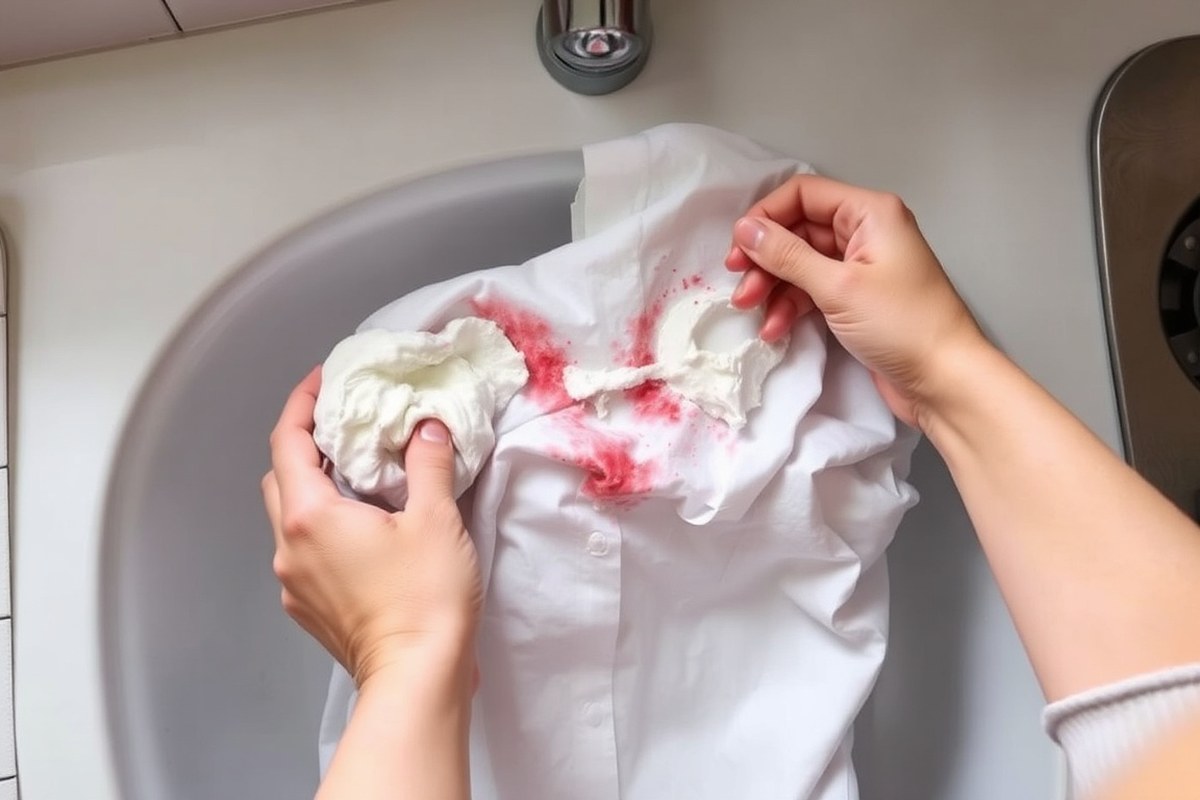
Getting deodorant stains out of your shirts quickly is easier than you might think. Acting fast helps prevent the stain from setting, making removal more reliable. Common household ingredients like baking soda, liquid detergent, and white vinegar offer effective, affordable options you can use right away. These ingredients break down the residue left by deodorant, which often includes aluminium compounds and oils that stick to fabric fibers.
To save time, combine these stain removers with a soft-bristled toothbrush or cloth to gently lift the stain without spreading it. Leaving the treatment on too briefly can reduce its effectiveness, so plan to let it sit for 5 to 15 minutes before washing. Washing after applying stain removers washes away loosened residues and prevents new rings or marks from forming.
- Dampen the stained area. Use cool water to moisten the deodorant stain. This helps the cleaner penetrate fabric fibers for better stain removal.
- Apply liquid laundry detergent directly. Use about a teaspoon of detergent containing enzymes on the stain. Gently rub it with your fingers or a soft brush to work it into the fabric.
- Let the detergent sit for 5 to 10 minutes. Leaving it on for this time breaks down deodorant residues without damaging most shirt fabrics.
- Sprinkle baking soda for tougher stains. For stubborn or visible white deodorant marks, add a thin layer of baking soda on top of the wet detergent before scrubbing gently with a toothbrush.
- Soak the shirt in white vinegar solution if needed. Fill a basin with one part white vinegar and two parts water. Soak the stained part of the shirt for 10 to 15 minutes to help dissolve oils and deodorant buildup.
- Wash the shirt according to care instructions. Use the warmest water safe for the fabric. Wash with your usual laundry detergent to remove all residues and prevent re-staining.
- Check the stain before drying. Air dry or hang the shirt after washing. Heat from a dryer can set remaining deodorant stains. Repeat the treatment and washing if the stain persists.
This approach suits most shirt types, including cotton, polyester blends, and technical fabrics. For delicate fabrics, skip the scrubbing and soak only. Many deodorant stains respond well to these steps within 15 to 30 minutes total treatment time. Using readily available household ingredients usually costs under a dollar per treatment, making it a quick and affordable solution.
2. Comparing Home Remedies: Baking Soda, Vinegar, and Hydrogen Peroxide
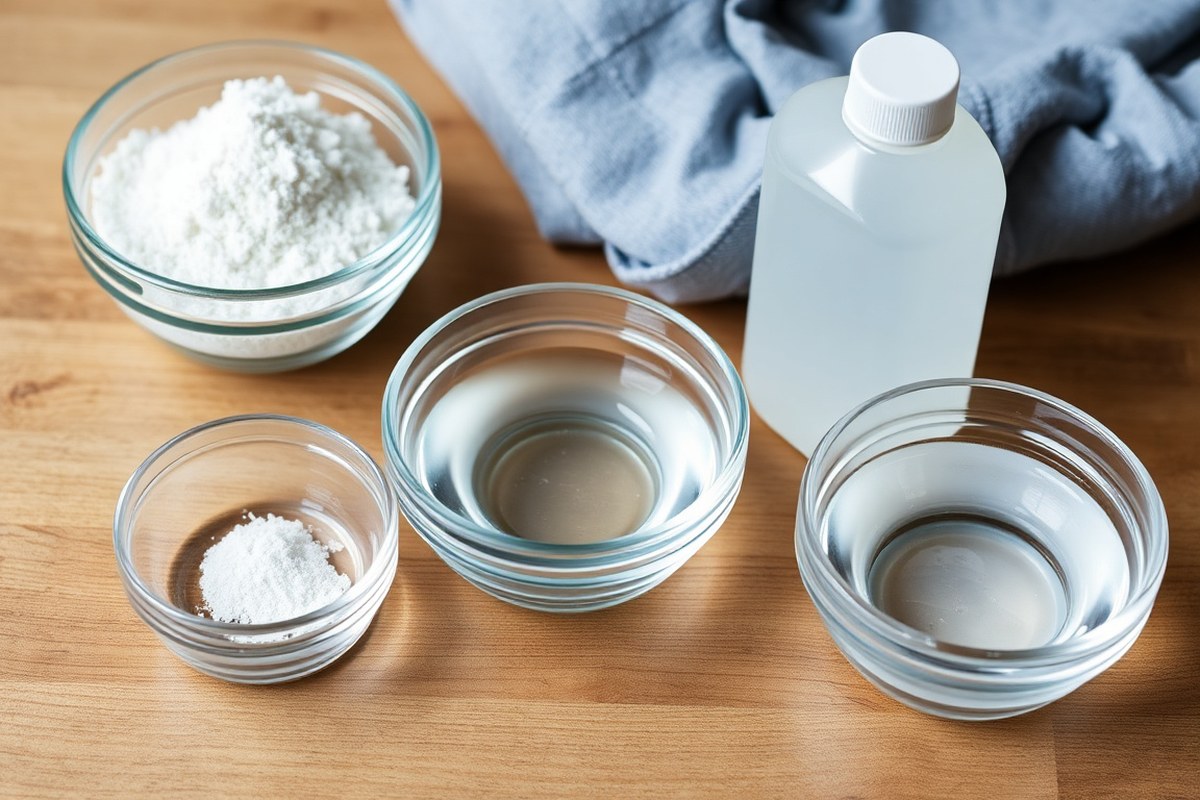
Baking soda, vinegar, and hydrogen peroxide each tackle deodorant stains differently, so picking the right one depends on your shirt’s fabric and color. Baking soda acts as a mild abrasive and deodorizer, making it effective on fresh and set-in stains without harming most fabrics. Hydrogen peroxide breaks down proteins and aluminum compounds in deodorant, giving it mild bleaching power suited mainly for whites. Vinegar is an acidic solution that can lift stains on both white and colored clothes, but it works best as a spray before washing rather than soaking.
Lemon juice and alcohol are also acidic and can help lift stains. However, lemon juice may fade colored fabrics, especially when combined with sunlight, so it’s safer for light-colored garments. Alcohol may remove deodorant but carries a slight risk of dulling colors, so test a hidden spot first. Bleach and oxygen-based cleaners can remove tough armpit stains, but bleach should be avoided on colored clothing due to its high bleaching power. Oxygen bleach is gentler and suitable for whites but use with caution on colors and delicate fabrics.
| Ingredient | How it Works | Best for Fabrics | How to Use | Risks |
|---|---|---|---|---|
| Baking Soda | Mild abrasive, deodorizes | Most fabrics, whites, colors | Make a paste with 4 tbsp baking soda + ¼ cup warm water, apply, wait 1 hour, then launder | May be slightly abrasive on delicate fabrics |
| Hydrogen Peroxide (3%) | Breaks down stain proteins, mild bleach | Whites primarily; use cautiously on colors | Mix equal parts 3% peroxide, baking soda, and water; soak shirts up to 1 hour | Can bleach/dull colored clothes |
| Vinegar | Acidic stain lift | Whites and colored clothes | Spray diluted vinegar solution on stain before washing | Strong odor; avoid soaking long periods |
| Lemon Juice | Acidic, natural bleaching with sun | Light-colored fabrics | Apply juice to stain, let sun-dry | Can fade dark colors; avoid sun on dark fabrics |
| Oxygen Bleach | Breaks down protein stains | Whites; test on colors | Soak armpit stains in solution as directed | May fade colors; follow label |
| Bleach (Chlorine) | Strong bleach | Whites only | Use sparingly and follow label | Damages all colored and delicate fabrics |
To treat stains on white shirts at home, combine equal amounts of 3% hydrogen peroxide, baking soda, and water. Let the stained area soak in this solution for about an hour to help lift tough stains. Applying a baking soda paste is a mild option that works well on both colored and white fabrics, making it ideal if you want to avoid bleaching. Spraying white vinegar lightly before washing can boost stain removal, but it’s best not to soak shirts in vinegar for long because of its acidity. Colored shirts respond better to baking soda paste or a gentle vinegar spray to prevent color fading.
Test any acidic or bleaching treatment on a hidden area to prevent unexpected color fading or fabric damage.
3. Removing Deodorant Stains from Black and Colored Shirts Safely
Deodorant stains on black and colored shirts require special care to avoid fading or damaging the fabric. Unlike white shirts, where bleach or strong agents might be used, dark fabrics need gentle methods that lift the build-up without dulling the color. Using mild techniques and avoiding harsh rubbing will preserve your shirt’s appearance while eliminating those stubborn white marks.
Preparation for Dark Fabrics
Before treating deodorant stains, check the care label to confirm water temperature and washing instructions. Pre-testing any treatment on an inside seam ensures the method won’t affect the fabric color. Turn the shirt inside out and dampen the stained area slightly to prepare the fabric without saturating it excessively, which can cause dye to bleed or stains to set deeper.
Choose products carefully: mild liquid detergent or a color-safe stain remover generally works best. Avoid bleach, hydrogen peroxide, or baking soda on colored or black shirts, as these can lighten or damage fabric fibers.
Gentle Cleaning Techniques
Loosening the deodorant buildup requires a light touch with a textured, dry material. Nylon or a soft-bristled brush can help lift residue without wetting the stain prematurely or rubbing aggressively. The goal is to break up the deodorant’s solid residue without abrading the fabric’s surface or causing fuzzing. Follow this simple routine to treat the stain safely:
- Use a dry, textured nylon cloth or soft brush to gently rub the deodorant residue until it starts to flake off.
- Apply a small amount of mild liquid detergent directly to the stained area.
- Let the detergent sit on the stain for 5 to 10 minutes to loosen buildup.
- Rinse the inside-out shirt with cold water to flush out residue but avoid hot water, which can set stains.
- If stain remains, repeat gentle rubbing and detergent application once more.
- Wash the shirt in cold water with a gentle cycle using a detergent formulated for colors.
- Air dry the shirt instead of using a dryer to prevent heat from setting any residual stain or damaging fibers.
Avoiding Color Loss and Fabric Damage
Strong scrubbing or harsh chemical treatments risk fading or damaging dark fabrics. Always avoid using bleach or hydrogen peroxide on black or colored shirts, as they can remove dye and cause uneven patches. Only use stain removers labeled safe for colors, and limit mechanical agitation to gentle motions.
Air drying is important since dryers use heat that may fix stains permanently and dull fabric colors over time. Turning shirts inside out before washing and drying helps reduce friction on the visible surface, preserving the shirt’s dark tone. Following these steps carefully keeps deodorant stains gone without sacrificing your shirt’s rich color and smooth texture.
4. Step-by-Step Guide for Treating Set-In or Old Deodorant Stains
Set-in deodorant stains need extra care to remove thoroughly. Treating them with a combination of soaking, applying a paste, and washing at the right times can restore your shirt’s look. Follow the detailed steps below to tackle the stubborn marks effectively.
Preparing the Stain Area
Begin by gently scraping off any crusty deodorant residue from the shirt with your fingers or a dull edge. Avoid rubbing harshly, which can embed the stain deeper. Make sure the fabric is dry before applying any treatments, as moisture can affect how well the cleaning agents work. Position the shirt on a flat surface to keep the stained area accessible for thorough treatment.
Applying Paste or Solution
For old deodorant stains, a paste made of baking soda and water works well to break down residue. Mix 3 tablespoons of baking soda with enough water to form a thick paste. Use an old toothbrush to apply the paste directly to the stain. Gently scrub in small circles to improve penetration without damaging the fabric. Alternatively, for white shirts, soaking in a solution of equal parts white vinegar and water can lift stains. Pour enough solution to saturate the stained area fully.
Soaking and Washing Timing
After applying paste, let it sit on the stain for 2 to 3 hours to loosen set-in deodorant. For soaking, leave the shirt immersed in the vinegar or baking soda solution for 2 to 3 hours as well. Rinse the treated area with cool water to remove the paste or soak solution thoroughly before laundering. Wash the shirt in cold or warm water using your regular detergent. Avoid hot water as it can set stains further. Check the stain before drying; repeat the process if any marks remain, since heat from the dryer can make stains permanent.
- Remove excess deodorant gently from the fabric surface.
- Prepare a baking soda paste using 3 tablespoons of baking soda and enough water to reach a spreadable consistency.
- Apply the paste with an old toothbrush, scrubbing the stained area lightly in circular motions.
- Let the paste sit on the stain for 2 to 3 hours, or pour equal parts white vinegar and water over the stain and soak the shirt in this solution for 2 to 3 hours instead.
- Rinse the treated area thoroughly with cool water to wash away residue.
- Launder the shirt in cold or warm water using your usual detergent.
- Inspect the shirt before drying. If the stain persists, repeat the treatment steps before putting the shirt in the dryer.
5. How to Prevent Deodorant Stains on Shirts Effectively
Preventing deodorant stains on shirts starts with simple habits and smart product choices. One key move is to allow deodorant to dry completely before putting on your shirt. This pause usually takes about 1 to 3 minutes, depending on the product, and can stop wet deodorant from transferring and leaving marks. Avoid rushing to get dressed right after applying deodorant.
Selecting the right deodorant also matters. Most stains come from products with aluminum compounds, which interact with sweat to form white or yellow residue on clothes. Switching to aluminum-free deodorants can reduce the risk of stains, especially if you prefer natural or all-natural products that lack those staining ingredients. These typically cost between $5 and $15 per stick or bottle, and the tradeoff is sometimes needing to reapply more often if sweat control decreases slightly.
Using too much deodorant is another common cause of stains. Excess product builds up on your skin and can transfer to fabric, leading to visible residue. Apply a thin, even layer, usually one swipe per underarm is enough. Over-application may feel like extra protection but often causes more harm to your clothes than sweat does.
- Always wait 1, 3 minutes for deodorant to dry before dressing
- Use aluminum-free or all-natural deodorants to minimize staining
- Apply a thin layer to avoid excess residue
- Consider sweat-proof undershirts designed to block deodorant marks
- Launder shirts promptly after use to prevent stains from setting
- Avoid using excessive fabric softeners and bleach, which can worsen stains
Do not dress immediately after applying deodorant; letting it dry is a simple step that prevents most stains.
Wearing sweat-proof undershirts can also help. Brands that market themselves as sweat-blocking often use tightly woven or treated fabric to prevent deodorant and sweat from reaching your outer shirt. This can be especially useful if you attend formal events or need your shirts to stay pristine longer. Investing roughly $20 to $40 per undershirt might save you from frequent stain removal chores.
Common mistakes like putting on clothes while the deodorant is still wet, overusing deodorant, or using products with aluminum can cause stains that are harder to remove later. To keep shirts looking new, adopt these practical habits, choose your products wisely, and treat shirts with care right after wearing. Simple changes in your routine can make a notable difference in avoiding deodorant stains.
6. Deodorant Stains on Delicate and Dry-Clean Only Fabrics
Delicate fabrics like silk and wool require gentle cleaning methods to avoid damage or discoloration when removing deodorant stains. Avoid harsh chemicals such as undiluted lemon juice or rubbing alcohol, which can weaken fibers or cause color loss. Spot testing and careful, minimal treatment work best to preserve fabric integrity.
Identifying Delicate Fabrics
Delicate fabrics include silk, wool, cashmere, and other natural fibers labeled as “dry clean only” or “hand wash.” These materials often have a smooth or fine texture and can be prone to shrinking, distortion, or color fading if treated roughly. Check the garment’s care label to confirm whether it requires special handling. Treating these fabrics like regular cotton can result in permanent damage or loss of softness.
Spot Treatment Techniques
Spot treatment should be your first step when dealing with deodorant stains on delicate fabrics. This process uses mild agents and minimal moisture to avoid soaking the fabric. Always perform a spot test on an inconspicuous area, waiting 10 minutes to monitor for discoloration or damage before proceeding. Follow these steps for safe deodorant stain removal:
- Mix a solution of mild detergent (like baby shampoo or a detergent formulated for delicates) and cool water in a small bowl.
- Dab the stained area gently with a clean white cloth or cotton swab dipped in the solution. Avoid rubbing or scrubbing to prevent fiber damage.
- Blot the area with a dry cloth to absorb excess moisture and loosened deodorant residue.
- Repeat the dabbing process until the stain starts fading, usually about 2 to 3 times.
- Rinse the spot carefully by dabbing with a cloth moistened with plain cool water to remove cleaning residue.
- Lay the garment flat on a clean towel to air dry away from direct sunlight or heat sources.
Using lemon juice or rubbing alcohol directly on delicate fabrics is generally not recommended. These substances are acidic or drying and can cause weakening or color loss, especially without proper dilution and spot testing. Instead, opt for specialized detergent solutions designed for delicate fibers.
When to Seek Professional Cleaning
Garments labeled “dry clean only” or those with stubborn deodorant stains that resist gentle spot treatments should be taken to a professional cleaner. Professionals use solvents and techniques that safely remove stains without risking fabric damage.
Attempting aggressive home treatments on dry-clean-only fabrics increases the risk of shrinking, distortion, or discoloration. When unsure about the fabric or how to remove the stain, consulting a dry cleaner helps protect your investment in delicate clothes. Prices for professional cleaning typically range from $5 to $20 per garment, depending on fabric and location.
7. Commercial Products vs. Homemade Solutions for Deodorant Removal
Commercial deodorant stain removers offer targeted formulas designed to break down stubborn residues and help lift marks without damaging fabric. Many use enzymes or oxygen-based cleaners to attack the proteins and waxes in deodorant stains. These products often cost between $5 and $15 per bottle or spray, making them convenient but a bit pricier than homemade remedies that mostly use common household items like baking soda, vinegar, or lemon juice.
Effectiveness varies depending on stain age and fabric type. Commercial removers usually work faster and better on set-in or old deodorant stains because they contain specialized chemicals formulated for this exact problem. Homemade solutions can be effective too, but they often require longer soaking times and multiple treatments, which can be less convenient and sometimes less consistent.
One drawback of DIY methods is that improper use, such as applying an acidic solution on sensitive or colored fabrics, may cause discoloration or weaker results. Commercial products tend to be tested for safety on many fabrics, offering reassurance if you frequently treat deodorant stains. However, commercial removers could contain harsh chemicals, so always follow label instructions and test on a small area first. Homemade remedies are typically safer and avoid chemical exposure, but they also might not remove the toughest yellow perspiration stains.
To decide between commercial and homemade deodorant stain removal, consider your priorities: cost, convenience, fabric type, stain age, and your comfort level with chemicals. Below is a comparison checklist of key factors to guide your choice.
| Factor | Commercial Stain Removers | Homemade Solutions |
|---|---|---|
| Cost per Treatment | $1 to $3 depending on product and usage | Less than $0.50 using baking soda, vinegar, lemon, or peroxide |
| Effectiveness on Set-In Stains | High; contains enzymes and solvents designed to break down wax and proteins | Moderate; may require repeated treatment over days |
| Time to See Results | Minutes to 1 hour before laundering | 30 minutes to several hours with soaking or repeated scrubbing |
| Risk to Fabric Color or Fibers | Low to moderate; generally tested but check label | Variable; acidic or abrasive home ingredients may damage delicate fabrics or cause fading |
| Ease of Use | Simple spray, gel, or stick-on treatments ready to use | Needs mixing, measuring, and sometimes multiple steps |
| Environmental Impact | Varies; some products contain harsh chemicals | Generally low impact with common household ingredients |
| Availability | Wide; sold in stores and online | Ingredients usually already in kitchen or easily purchased |
Applying commercial stain removers typically involves spraying or dabbing the solution on the affected area, letting it sit for five to fifteen minutes, then laundering as usual with warm water (as recommended by the shirt’s care label). For set-in stains, repeating the process once more before washing can improve results.
Homemade remedies also require careful application. For example, mixing baking soda with water into a paste, applying it directly on the stain, and letting it sit for 30 minutes to an hour before washing can lift many deodorant marks. Lemon juice can serve as a natural bleaching agent but should be rinsed quickly to avoid fabric damage. Use cold water wash cycles after DIY treatment since hot water can set stains further.
8. Common Mistakes and How to Fix Deodorant Stain Problems
One common mistake that causes deodorant stains to set permanently is using hot water too early. Hot water can cook the stain into the fabric fibers, making removal much harder. Always start with cold water when treating fresh deodorant marks. Another error is running the shirt through the dryer before confirming the stain is gone. Heat from the dryer intensifies stubborn stains, locking them in place.
Rubbing the stain too vigorously or with harsh tools can also damage fabric. Aggressive scrubbing stretches or frays fibers, especially on delicate shirts. Instead, use gentle, quick strokes with a fabric dryer sheet to erase deodorant residue without harming the material. Use soft hands or a soft-bristle brush instead of rough cloths when you don’t have a brush available.
Sometimes stains just don’t budge. After attempts fail, try soaking the shirt in a fabric-friendly rinse solution rather than just detergent. This helps break down residual deodorant chemicals. When the stain won’t come out, avoid using the dryer; air-dry the shirt and try the treatment again. Over time, multiple shallow treatments have better success than one harsh attempt.
- Start stain removal with cold water to avoid setting stains
- Use fabric dryer sheets rubbed gently to remove deodorant buildup
- Skip the dryer until stains fully disappear
- Use fabric rinse products for stubborn or set-in stains
- Avoid scrubbing too hard or using abrasive tools
- Soak shirts when simple washing is ineffective
- Repeat stain removal treatments as needed rather than rushing
Never put a deodorant-stained shirt in the dryer before confirming the stain is completely gone. Heat can make removal impossible.
Another fix for stains that won’t come out involves careful bleaching, but only for whites or colorfast fabrics. Use a mild oxygen-based bleach, test on an inconspicuous area first, and follow instructions verbatim. Over-bleaching adds damage risk and may weaken shirt fabric.
For persistent white streaks or residue, switching to clear, gel-based deodorants can reduce future staining. Changing application habits, such as waiting minutes after applying deodorant before dressing, also helps prevent marks. You can recover challenging shirts, but avoiding these common mistakes keeps your clothes in better shape and stain-free longer.
Step-by-Step Action Plan for Removing Deodorant Stains
Follow these steps to tackle deodorant stains effectively and protect your shirts going forward.
- Before washing: Gently scrape off any dry deodorant residue using a spoon or dull knife without damaging the fabric.
- Within 24 hours: Apply a paste of baking soda and water to the stain, let it sit for 30 minutes, then rinse with cold water; look for visible stain lightening.
- Before laundry: Soak the shirt in a mixture of white vinegar and cold water for 15 minutes to help break down residue.
- During washing: Use a laundry detergent designed for stain removal, and wash on a cold or warm setting depending on the fabric label; check the stain before drying.
- After washing (if stain remains): Apply hydrogen peroxide (spot test first on colored shirts) to the stain and let it sit 5 to 10 minutes before rinsing.
- Before drying: Confirm the stain is gone as heat can set it permanently; repeat treatment if needed before tumble drying or air drying.
- Long-term prevention: Allow deodorant to dry completely and consider switching to clear or gel formulas to reduce residue build-up.
- For delicate or dry-clean-only shirts: Consult a professional cleaner and avoid home chemical treatments to prevent fabric damage.
Frequently Asked Questions
Can Deodorant Stains Be Completely Removed from White Shirts?
White shirts can often have yellow deodorant stains removed with baking soda or hydrogen peroxide, but some stains may be permanent if set. Treat stains promptly to improve success.
Does Applying Deodorant After Dressing Cause More Stains?
Applying deodorant before dressing reduces the risk of stains forming on your clothes. Wait a few minutes after applying deodorant to let it dry before putting on your shirt.
Are Antiperspirants More Likely to Stain Shirts Than Deodorants?
Antiperspirants tend to cause more stains because they contain aluminum compounds that react with sweat, causing yellow marks. Choosing deodorants without aluminum can reduce staining.
Can Vinegar Damage Colored Shirts While Removing Deodorant Stains?
Vinegar is generally safe on most colored fabrics but testing in an inconspicuous spot first is recommended to avoid color fading. Use diluted vinegar for gentle stain removal.
Is It Safe to Use Hydrogen Peroxide on All Shirt Fabrics?
Hydrogen peroxide works best on white cotton fabrics but can bleach or damage delicate fabrics like silk or wool. Avoid peroxide on dry-clean-only garments.
How Often Should You Treat Deodorant Stains to Avoid Permanent Marks?
Treat deodorant stains as soon as possible, ideally within 24 hours. The longer the stain sets, the harder it is to remove and chances of permanent discoloration rise.
Wrapping Up
Removing deodorant stains from shirts works best when you act quickly and use the appropriate treatment for your fabric type. Experiment with small, incremental steps like baking soda paste and vinegar so you can see what works without risking your clothes. Start by treating fresh stains today to keep your shirts looking clean and stain-free longer.