What Does Heavy Duty Washer Mean? Clear Answers and Usage Tips
A heavy duty washer means a washing machine or cycle designed to handle tough, heavily soiled, or bulky laundry with stronger agitation and longer wash times. This setting uses more water and higher spin speeds to clean items like work clothes, sports gear, or heavily stained fabrics effectively. Knowing what this setting involves helps you choose the right cycle and care for different laundry loads properly.
This explanation helps homeowners and renters understand what does heavy duty washer mean, how the cycle works, and when to use it. You’ll learn about water usage, typical cycle durations, and tips to avoid common washing mistakes to get the best results without wasting resources.
Key Takeaways
- Heavy duty cycles run up to 14 minutes of intense washing combined with fast spin speeds for deeply soiled items.
- Heavy duty cycles generally consume between 30 and 50 percent more water than regular cycles, varying by the type of washing machine you own.
- Typical heavy duty wash times range from 45 to 90 minutes on high-efficiency washers, longer on older models.
- Use heavy duty cycles for durable fabrics like denim, work uniforms, and sportswear that withstand vigorous agitation.
- Heavy duty washers feature stronger motor actions and higher spin speeds to remove embedded dirt effectively.
- Avoid overloading the washer on heavy duty settings to prevent poor cleaning and machine strain.
What Does Heavy Duty Mean on a Washing Machine?
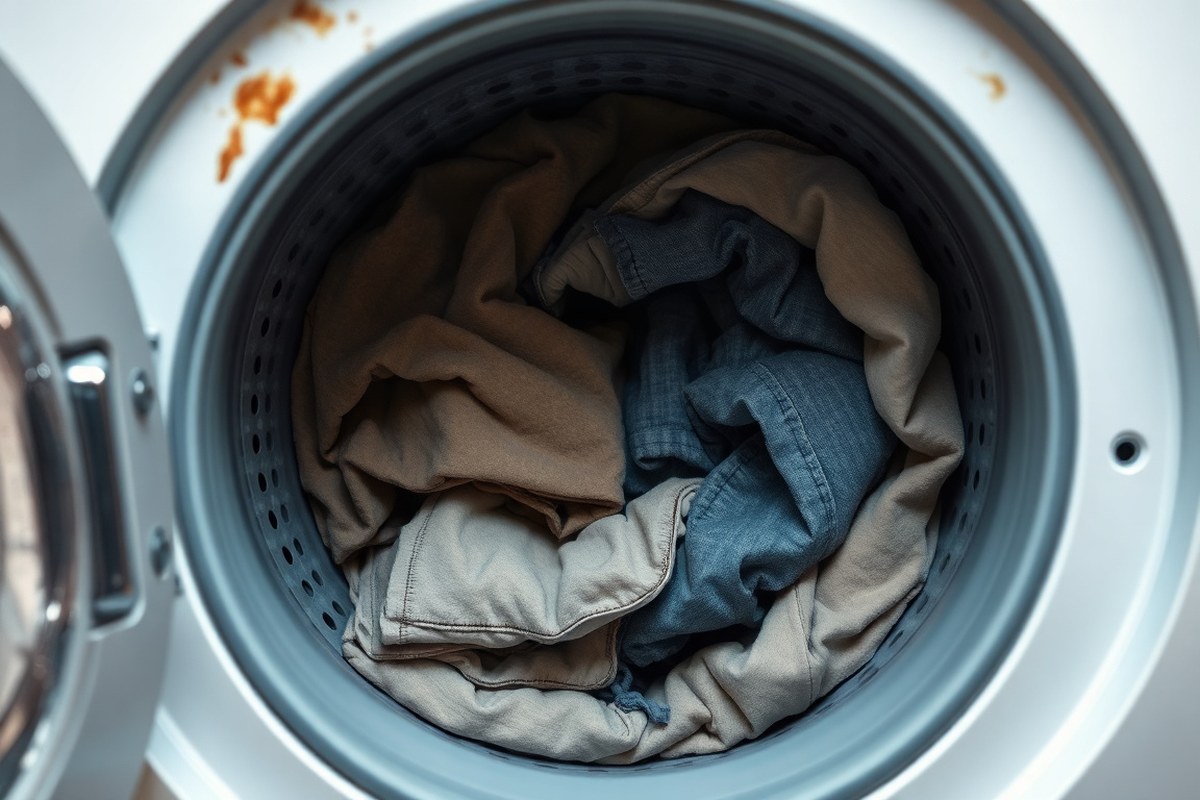
“Heavy duty” on a washing machine refers primarily to a specific cycle designed to handle tough, bulky, or heavily soiled laundry rather than the size or overall strength of the machine itself. The term can describe both a cycle setting and the machine’s build, but these are distinct concepts. A heavy duty cycle typically uses stronger agitation, hotter water, and longer wash times to clean durable items like work clothes or large bedding effectively.
When you see “heavy duty” on the control panel, it usually means the washer will run a more intense wash cycle that uses 30 to 50 percent more water than normal cycles. This cycle is configured to tackle stubborn stains and thicker fabrics by working them longer and with more forceful movement. The water temperature during these cycles often ranges from warm to hot, depending on the fabric care guidelines and the machine’s capabilities. Running this cycle conserves effort and energy compared to washing heavy items twice on lighter cycles.
In contrast, a heavy duty washing machine refers to a unit built with stronger components like reinforced steel drums, high-torque brushless motors, and advanced suspension systems designed to endure frequent, intense use over time. These machines can handle larger, bulkier loads without risking damage to the motor or parts. A regular household washer with a heavy duty cycle might use thin-gauge steel and simpler motors, while industrial-grade heavy duty washers include durable materials and motor designs meant to last for many cycles daily.
Using the heavy duty cycle on your washer doesn’t automatically mean you own a heavy duty washing machine. The “heavy duty” setting on standard machines adjusts the cycle’s intensity, but it does not change the washer’s physical durability or capacity. Overusing heavy duty cycles on a standard machine can lead to wear if loads aren’t balanced or if the machine is consistently overloaded beyond its design.
To use the heavy duty cycle effectively, select the setting when washing items like work uniforms, heavily stained clothes, large towels, or bedding that require a deep clean. Make sure you follow manufacturer instructions on load limits and fabric compatibility. Also, using detergents suited to heavy soil levels helps maximize results. Regular maintenance like cleaning filters and checking hoses keeps the machine running smoothly, even when running more demanding cycles.
Heavy duty cycles generally use more energy and water per load due to extended wash times, hotter water, and increased water volume. Select a washing machine with a strong Energy Star rating to maintain energy efficiency even when running heavy duty settings. This approach helps lower your utility bills while handling difficult laundry needs effectively.
How the Heavy Duty Cycle Works to Clean Tough Laundry
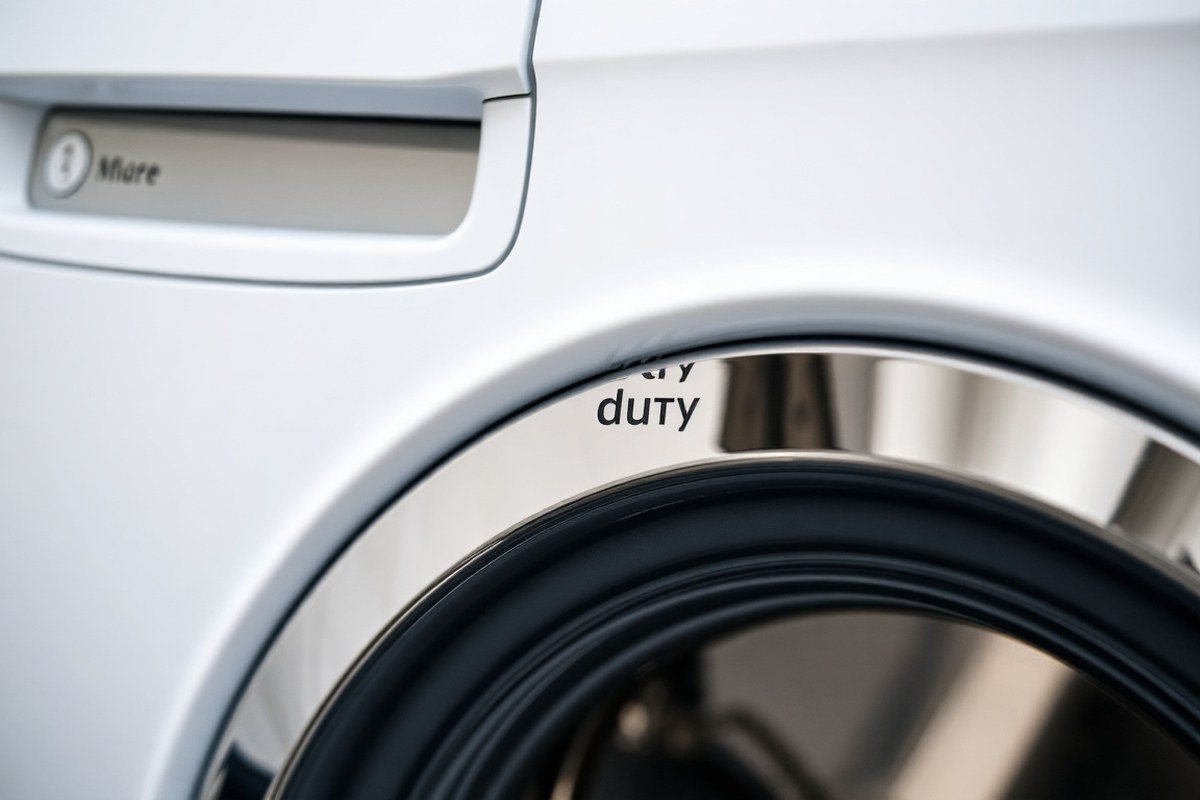
The heavy duty cycle cleans tough, heavily soiled laundry by using longer wash times, stronger agitation, faster spin speeds, and hotter water temperatures. This combination breaks down dirt and stains more effectively than a standard cycle. It typically uses more water and energy to deliver a deep clean for durable fabrics like jeans, towels, and work clothes.
Intense Agitation and Its Role
The heavy duty cycle uses aggressive agitation to physically loosen dirt and grime embedded in thick fabrics. Unlike moderate agitation in normal cycles, the wash drum moves clothes more forcefully to break down soil. This intense movement can cause more fabric wear but is necessary to thoroughly clean items like heavy denim or heavily soiled uniforms.
By increasing agitation speed, the machine ensures that detergent and water penetrate heavily stained fibers. This helps remove tougher stains such as grease or mud faster than gentler cycles. However, avoid using heavy duty agitation on delicate or lightweight clothing to prevent damage.
Longer Wash Times for Thorough Cleaning
The wash time in a heavy duty cycle is usually extended to allow detergent and hot water more time to act. Typical heavy duty cycles provide up to 14 minutes or more of wash time, which is significantly longer than quick or normal cycles. This helps break down stubborn stains fully and rinse away residues better.
Longer wash duration also gives the machine time to alternate between agitation and soaking, which can improve cleaning power on heavily soiled fabrics. To get the best results, fill the machine with about medium to large loads rather than overloading it, so clothes move freely during the extended wash.
Higher Spin Speeds for Better Water Extraction
Heavy duty cycles employ higher spin speeds during the final spin to extract as much water as possible. Spins run faster than those in normal cycles, reducing drying time after washing. For example, many heavy duty cycles spin at speeds closer to the machine’s maximum, resulting in clothes that come out damp instead of soaking wet.
This faster spin reduces the load on your dryer, which saves energy and time. However, too high a spin speed can cause more wrinkles and fabric stress, so some machines let you adjust spin speed to balance cleaning needs and fabric care.
Use of Hot Water for Deep Cleaning
Hot water temperatures are a key feature of heavy duty cycles and contribute significantly to stain removal. Hot water helps dissolve detergent more effectively and breaks down oils and soil that cold water might leave behind. This makes it ideal for washing heavily soiled work clothes, towels, or gym gear.
You can expect the heavy duty cycle to use water temperatures in the hot range (typically 130°F to 140°F) unless you manually adjust it. Keep in mind that hot water can fade colors and damage some fabrics, so reserve the heavy duty setting with hot water for sturdy and colorfast materials only.
Energy and Water Use Considerations
The heavy duty cycle often uses more water and energy than standard or quick cycles because of longer wash times, hotter water, and faster spins. Despite this, using the heavy duty cycle for very dirty loads can reduce the number of total wash cycles needed. This can result in less overall water and energy use compared to rewashing clothes multiple times using normal cycles.
Modern washing machines have improved efficiency and may adjust water levels automatically based on load size, even during heavy duty cycles. You can also customize settings on many models to balance cleaning performance with water and energy use, such as selecting lower temperatures or shorter spin times when appropriate.
Use heavy duty cycles only for heavily soiled, durable fabrics to avoid unnecessary fabric wear and high utility use.
Typical Duration and Water Usage of Heavy Duty Cycles
Heavy duty cycles on washers typically last longer than standard or quick cycles, often running 60 minutes or more depending on the machine model and the load size. This extended duration comes from longer agitation and additional rinses designed to handle tough stains and bulky laundry like bedding or workwear. You can expect this cycle to take roughly twice as long as a normal wash, which is usually around 30 to 40 minutes.
These cycles also consume more water and energy compared to standard cycles. Heavy duty settings use greater water volume, often with hot or warm temperatures, to sanitize and thoroughly remove dirt. This means the washer heats more water and runs the motor longer, increasing electricity use. However, this higher resource use is necessary to achieve the deeper clean heavy duty cycles provide.
| Feature | Standard Washer | Heavy Duty Washer |
|---|---|---|
| Typical Capacity | 3.0, 4.5 cu. Ft. | 5.0, 7.0+ cu. Ft. |
| Ideal For | Light loads, small families | Bulky bedding, large families, workwear |
| Fabric Movement | Limited in large loads | Ample room for agitation and rinsing |
| Water Usage | Lower | Higher |
| Energy Consumption | Moderate | Higher (due to longer cycles & hot water) |
The cycle time and resource use can vary based on factors like load size, soil level, and water temperature settings. Some washers automatically adjust water levels and rinse counts for heavy duty cycles to improve cleaning power. You can sometimes override water temperature to use cold water, which decreases energy use but may reduce sanitization and stain removal effectiveness. Choosing heavy duty cycles only for heavily soiled or bulky items helps balance cleaning power with energy savings and fabric care.
A longer heavy duty cycle with increased water volume and hot water plays a key role in breaking down stubborn stains and eliminating bacteria. However, using this setting unnecessarily on lightly soiled clothes wastes water, increases electricity bills, and can prematurely wear out your fabrics. If your heavy duty cycle suddenly runs much longer than usual without cleaning improvement, check for issues like drainage problems or mechanical faults to avoid excessive power use.
Differences Between Heavy Duty Washers and Heavy Duty Cycles
You can run a heavy duty cycle on many washers, but a heavy duty washer is a solidly built machine made specifically to handle frequent, intense use. Heavy duty cycles are programmed wash settings that apply stronger agitation, longer wash times, and higher spin speeds to clean tough stains. Heavy duty washers, by contrast, differ in how they’re constructed, their motor power, drum size, and overall durability to endure those cycles regularly without damage.
Heavy duty washers typically have a more powerful motor capable of withstanding the increased mechanical action heavy duty cycles demand. Their drums are larger, often accommodating more laundry, which suits bigger households or commercial applications. The materials and design focus on longevity, with reinforced drum bearings, suspension systems, and durable components to resist wear from repeated heavy loads. This design cuts down the chance of noises like grinding, squealing, or banging, which signal wear or damage in standard machines pushed beyond their limits.
Running the heavy duty cycle on a standard washer that isn’t built for heavy use can hasten breakdowns. That cycle increases stress on the motor and drum, so standard machines may wear faster or develop issues if used regularly at that setting. Heavy duty washers allow you to frequently run these cycles because their construction targets the increased physical demands.
| Feature | Heavy Duty Washer | Heavy Duty Cycle on a Standard Washer |
|---|---|---|
| Motor Power | Stronger motor designed for intensive mechanical action | Standard motor may strain under high stress |
| Drum Size | Larger drums to fit heavy, bulky loads | Smaller, standard size limits load capacity |
| Durability | Reinforced bearings and suspension for long life | Less durable parts wear out faster with frequent heavy cycles |
| Intended Use | Frequent heavy-duty cycle and commercial use | Occasional use recommended to avoid damage |
| Additional Features | May include steam cleaning, pre-wash options within heavy duty cycle | Fewer or no extra cycle features beyond basics |
Choosing a washing machine built as heavy duty means fewer repairs and longer service life when you regularly wash large, soiled loads. Running the heavy duty cycle on standard washers works best for occasional use or moderately dirty laundry. Consistently using that cycle on a non-heavy duty machine might lead to worn parts and higher maintenance costs. Watch for noises like squealing or banging during the cycle, which could signal that your machine isn’t keeping up with the demands.
Which Laundry Items Should Use the Heavy Duty Setting?
Heavily soiled, bulky, and sturdy fabrics benefit most from the heavy duty setting on your washing machine. It’s not suitable for delicate or lightly soiled items because the intense agitation and high spin speed can damage them. Knowing exactly which laundry items match heavy duty will extend your clothes’ life and keep your washer working efficiently.
Best Fabrics and Laundry Types for Heavy Duty
The heavy duty cycle works best with tough, durable materials that can handle strong cleaning actions and longer wash times. Think cotton towels, denim jeans, work clothes, and heavy cotton or canvas fabrics. Items frequently exposed to dirt, grease, or sweat, like sports uniforms or outdoor apparel, also benefit from this cycle. Bulky household items such as heavy blankets, quilts, and large bedding can be washed on heavy duty if they fit comfortably inside the drum.
Using the heavy duty setting for these items helps break down soils and stains while rinsing thoroughly, reducing the need for repeated washes. The machine’s longer wash time and aggressive agitation target deep dirt. Select this setting when you have a larger load of these types of laundry or when garments are noticeably dirty.
Which Laundry Items to Avoid on Heavy Duty
Delicate fabrics and lightly soiled items should not be washed on the heavy duty cycle. Materials like silk, lace, wool, chiffon, and synthetics such as polyester or nylon may stretch, fade, or become misshapen due to the harsh wash and spin actions. Lightly worn clothing, thin gym wear, or blended fabric garments also risk faster wear if repeatedly subjected to heavy duty washes.
Using heavy duty on these fabrics can cause pilling, shrinking, or general degradation. Instead, choose gentler cycles designed specifically for delicate or synthetic fabrics. This avoids costly damage and keeps your wardrobe in better shape over time.
Only use the heavy duty cycle for items explicitly labelled as machine washable and durable enough for an intense wash; otherwise, damage is likely.
Steps to Decide When to Use Heavy Duty
Take the following simple approach to deciding whether to use the heavy duty setting:
- Check garment care labels for washing instructions and fabric type.
- Assess how dirty or soiled your laundry is, heavy dirt or stains call for heavy duty.
- Consider the fabric’s durability; thick cottons and sturdy linens are good candidates.
- Reserve heavy duty for bulky or larger items like towels, blankets, and jeans.
- Use gentler cycles for everyday wear or lightly soiled loads to reduce wear.
This decision rule helps extend fabric life and keeps washing efficient by matching soil level and fabric toughness to the right cycle.
Variations for Different Situations
Families with kids or outdoor workers often generate lots of heavy laundry, making heavy duty cycles a frequent choice. For those who wash less or focus mainly on delicate or synthetic clothing, heavy duty may only be necessary occasionally or never. Cold water heavy duty cycles exist for some washers, but it’s important to confirm your items can handle cold water washing, as some stains respond better to warm or hot washes.
In small households or for lightly soiled items, overusing heavy duty cycles can cause unnecessary wear to fabrics and use more water and energy. Tailoring cycle choice to load contents and soil level will result in cleaner clothes and longer-lasting garments.
When Should You Use Heavy Duty vs Other Cycles?
Choose the heavy duty cycle when your laundry is heavily soiled, such as work clothes, sports gear, or greasy kitchen rags. It uses stronger agitation and longer wash times, typically between 90 and 150 minutes, to break down deep dirt and stains. Make sure the fabrics can handle this intensity by checking their care labels, since heavy duty cycles can damage delicate materials through excessive wear or stretching.
For lightly or moderately soiled everyday clothes, regular or normal cycles are more efficient. They use moderate agitation and wash times around 45 to 75 minutes, which balances cleanliness with fabric preservation. Delicate cycles are best for fragile fabrics like silk and lace, providing gentle washing to avoid damage. Avoid heavy duty for delicate or lightly soiled items to prevent unnecessary wear and higher energy use.
Bulky and sanitize cycles serve different purposes. Bulky cycles adjust water levels and drum movement to handle large, heavy items like blankets or comforters that don’t fit well in regular cycles. Sanitize cycles raise the water temperature, sometimes above 140°F, to kill bacteria, ideal when hygiene is a priority but soil level is low. Use heavy duty only when heavy soil needs removal, not based on load size or hygiene needs alone.
Proper detergent dosing is critical with heavy duty cycles. Use the amount recommended for heavily soiled loads to prevent too many suds, which can interfere with cleaning and rinsing. Overusing heavy duty wastes water, electricity, and wears out clothes faster, so reserve it for actual heavy soil problems.
- Check fabric care labels before selecting heavy duty
- Use heavy duty for heavily soiled, sturdy fabrics only
- Choose normal for average soil and mixed fabrics
- Pick delicate for fragile item washes
- Use bulky cycle for oversized, heavy items regardless of soil
- Sanitize cycles suit lightly soiled items requiring hygiene boosts
- Measure detergent properly to match soil level and cycle
If heavy duty stops cleaning well despite correct detergent use and loading, the washer might have mechanical issues requiring professional service. Picking the right cycle based on soil level, fabric type, and load size prevents overdrying, excess wear, wasted resources, and machine problems.
Common Heavy Duty Washer Mistakes and How to Fix Them
Overloading your washing machine when using the heavy duty cycle is a common mistake that can harm both your clothes and the appliance. Heavy duty settings use longer wash times and more agitation to tackle tough soils, so stuffing the drum too full prevents proper cleaning. It also stresses the motor and suspension system, leading to wear or breakdowns.
Washing delicate items on the heavy duty cycle is another frequent error. The vigorous agitation and higher spin speeds can cause fabric fibers to stretch, fade, or tear. Delicate fabrics such as silk, lace, or thin knits need gentler cycles with lower agitation and cooler water to preserve their condition.
Ignoring water temperature when selecting the heavy duty setting wastes energy and may damage fabrics. Heavy duty cycles typically use hot water (around 120°F or higher) to remove stubborn stains and sanitize loads. Using hot water with some synthetic fabrics or colored garments can lead to shrinking, fading, or color bleeding. Adjust the temperature to warm or cold for mixed or sensitive loads, even on heavy duty.
- Do not overload the washer; fill the drum about 75% full for effective cleaning and to prevent strain.
- Avoid using heavy duty for delicate items or loosely woven fabrics to prevent damage.
- Choose the correct water temperature: hot for whites and heavily soiled items, warm or cold for colors and sensitive fabrics.
- Use the right amount of detergent suited for heavy soil levels to avoid buildup and residue.
- Check garment care labels before using heavy duty cycles to ensure fabric safety.
- Perform routine maintenance on the washer to keep moving parts in good shape under heavy use.
Misusing the heavy duty cycle can speed up wear on clothing and cause your washing machine to consume more electricity and water unnecessarily. Using it only on tough loads reduces utility bills and extends the life of your appliance. Following these guidelines helps protect your garments and ensures your washer operates efficiently for years.
How to Choose the Right Heavy Duty Washer for Your Needs
Choosing the right heavy duty washer involves balancing capacity, cleaning power, energy use, and special features that match your laundry habits. You want a machine that handles tough stains efficiently and lasts for years without wasting energy or water. Evaluate factors like drum size, motor strength, and energy ratings to find a model that suits your home and budget.
Capacity and Load Size Considerations
Start by assessing your typical laundry volume. Heavy duty washers are designed for larger loads like work clothes, bedding, or heavily soiled items. Machines with a drum capacity of at least 4.5 to 5.5 cubic feet work best for families or larger households.
Choosing a washer with sufficient capacity prevents overloading, which strains the motor and reduces cleaning efficiency. Consider your available space and whether you need a top-loader or front-loader for easier loading and unloading.
Energy Efficiency and Water Usage Features
Look for washers with energy-efficient certifications, such as ENERGY STAR. These machines use advanced motors and sensors to adjust water and electricity based on the load size and dirt levels. Most heavy duty washers offer warm water wash options, which provide powerful cleaning while avoiding the risks and higher costs associated with hot water.
Balancing energy use with performance means prioritizing machines that optimize water consumption and cycle length. Many models now use pressure or soil sensors to fine-tune wash times, saving both water and power without sacrificing cleaning quality.
- Check for ENERGY STAR ratings to ensure efficiency.
- Prefer warm water cycles for heavy duty loads.
- Look for load-sensing technology to reduce waste.
- Consider shorter heavy duty cycles to save energy when possible.
- Choose front-loaders for typically lower water and energy use.
Using warm water instead of hot on heavy duty cycles can reduce energy costs and protect your fabrics without compromising cleanliness.
Specialized Wash Programs and Durability
Heavy duty washers come with powerful motors and innovative agitation technologies that help break down tough stains while minimizing fabric wear. Check for models offering specialized wash programs like pre-soak or extra rinse, which improve stain removal on heavily soiled items.
Durability matters when investing in a heavy duty unit. Look for washers with stainless steel drums and strong build quality. Brands that promote long warranties or service plans often reflect confidence in their product’s lifespan.
Additional features such as vibration reduction, quiet operation, and easy maintenance improve your experience. Make sure the washer’s controls and cycle options align with your preferred laundry routines.
Step-by-Step Action Plan for Using Your Heavy Duty Washer Setting
Follow these steps to make the most of the heavy duty cycle and keep your toughest laundry clean without damage.
- Before You Start: Sort your laundry to separate heavily soiled, bulky, or durable fabrics like jeans and work clothes. This ensures the heavy duty cycle targets the right items and avoids wear on delicate fabrics.
- Day 1: Load your washer evenly but avoid overfilling it. The heavy duty cycle uses vigorous agitation and longer wash times, so the items need room to move for a thorough clean.
- During Wash: Select the heavy duty cycle and check available options like temperature and soil level. Choose hot water for heavily soiled clothes and adjust soil settings as needed for best results.
- After Wash: Inspect your laundry for cleaned stains and odors. If any remain, pre-treat those items before the next heavy duty wash.
- Week 1: Experiment with different load sizes and temperature settings on the heavy duty cycle to find what works best for your fabrics and soil level.
- Monthly: Clean your washing machine’s drum and dispensers to maintain its performance, especially after frequent heavy duty cycles that use more water and detergent.
- Quarterly: Check your machine’s manual to confirm if the heavy duty cycle settings or maintenance recommendations have changed and adapt your routine accordingly.
Frequently Asked Questions
What Does Heavy Duty Mean on a Washing Machine?
Heavy duty means a cycle or machine designed for heavily soiled, tough laundry using stronger agitation and longer wash times to clean effectively. This setting helps remove dirt and stains from bulky or work clothes.
How Does a Heavy Duty Cycle Differ from a Regular Wash Cycle?
It uses more vigorous agitation and longer wash and spin times to tackle stubborn stains and dirt. This cycle often uses 30 to 50 percent more water to ensure thorough cleaning.
Can I Use the Heavy Duty Cycle for Delicate Fabrics?
No, the heavy duty cycle is too harsh for delicate fabrics and may cause damage; use gentler cycles instead. Save heavy duty for sturdy items like workwear or bedding.
Does Using a Heavy Duty Setting Affect Water and Energy Consumption?
Yes, heavy duty cycles generally use more water and energy because of longer wash and agitation times. This tradeoff improves cleaning but may increase utility costs.
Are There Washing Machines Built Specifically as Heavy Duty Models?
Yes, heavy duty washers feature larger capacities up to 7+ cubic feet, industrial-grade motors, and strong agitation to handle large, tough loads regularly. They reduce the number of weekly loads needed.
What Kind of Laundry Should Be Washed on a Heavy Duty Cycle?
Items like muddy work clothes, heavy bedding, and large family laundry loads benefit most from heavy duty cycles. These cycles clean well but avoid overloading the machine.
Wrapping Up
The heavy duty setting means your washer will tackle tougher stains and bulkier loads using more water, heat, and longer agitation. Using it correctly helps you get your work clothes, sports gear, and heavily soiled items clean without causing unnecessary wear. Try it on an appropriate load today, and you’ll notice the difference in how well your toughest laundry comes out.