How to Take Off Mold from Clothes: 8 Proven Methods That Really Work
Mold grows quickly on damp clothes but you can remove it effectively by soaking in mold-fighting solutions, pre-treating stains, and washing with hot water. Keeping clothes completely dry before storage stops mold from returning. This advice suits anyone dealing with moldy fabrics at home, whether from damp basements or forgotten workout gear.
This article covers practical steps for how to take off mold from clothes safely and thoroughly. You’ll find methods matched to fabric types, tips on soaking and washing times, and precautions to protect yourself during cleanup.
Key Takeaways
- Soak moldy clothes in a mildew remover or vinegar solution for at least 8 hours to break down spores effectively.
- Apply commercial stain remover or a mix of hydrogen peroxide and water directly on mold spots before washing.
- Wash mold-affected fabrics in hot water to kill most mold spores and remove musty odors.
- Wear gloves, a KN95 mask, and work in a ventilated space to avoid inhaling mold spores during cleaning.
- Dry clothes completely and keep closet humidity below 50% to prevent mold regrowth after cleaning.
- Use a dehumidifier or desiccants in storage areas to maintain mold-hostile conditions.
1. How to Remove Mold from Clothes Effectively
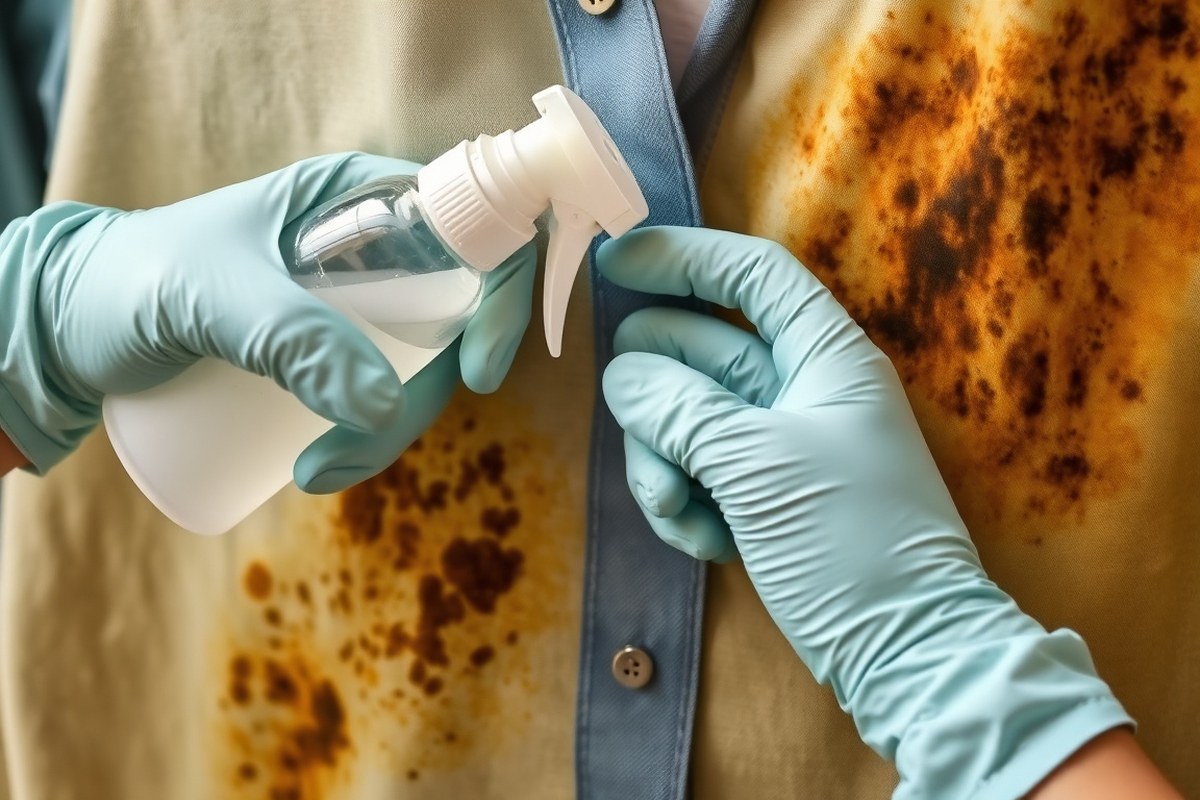
Mold on clothes can cause unpleasant stains and odors and might trigger health issues like skin irritation or respiratory problems. Removing it promptly and thoroughly matters to protect both your wardrobe and health. You can use household products like white vinegar and Borax, along with proper washing techniques, to remove mold safely and efficiently.
Before washing, it’s important to prepare and protect yourself. Work outdoors or in a well-ventilated area to avoid breathing in mold spores. Wear gloves to prevent skin contact. Avoid shaking or tossing moldy clothes indoors to reduce spreading spores.
- Brush off mold outdoors. Take your clothes outside and gently brush the mold off using a soft brush or old toothbrush. This removes surface mold and prevents spores from spreading inside your home.
- Pre-soak garments. Fill a basin or bucket with warm water and add one cup of white vinegar per gallon of water. Soak clothes for at least one hour to kill about 80% of mold spores and help remove odors.
- Scrub stained areas. After soaking, gently scrub mold stains with a toothbrush dipped in diluted vinegar or a mild detergent. Avoid harsh scrubbing that can damage fabric fibers.
- Wash clothes in hot water. Use the hottest water temperature safe for the fabric according to care labels. Add a mold-killing product such as Borax (about half a cup per load) or a strong detergent like Persil Powercaps to improve mold removal.
- Rinse thoroughly. Run an extra rinse cycle if possible to ensure all mold particles and cleaning agents wash out completely.
- Dry clothes completely. Dry fabric outdoors in direct sunlight or use a hot dryer cycle. Sunlight helps kill remaining mold spores and removes odors. Avoid storing clothes damp, as mold can return within 24 to 48 hours in warm, moist conditions.
- Check garments before storing. Inspect for any lingering stains or smells. Repeat treatment if needed before putting clothes away.
For white fabrics, a diluted bleach solution can be used during washing to kill mold spores more aggressively, but avoid bleach on colored or delicate items as it can cause fading or damage. If mold persists or the fabric is delicate, consider professional dry cleaning. Following these steps promptly after spotting mold can restore most garments and limit health risks at home.
2. Which Mold Removal Methods Work Best for Different Fabrics?
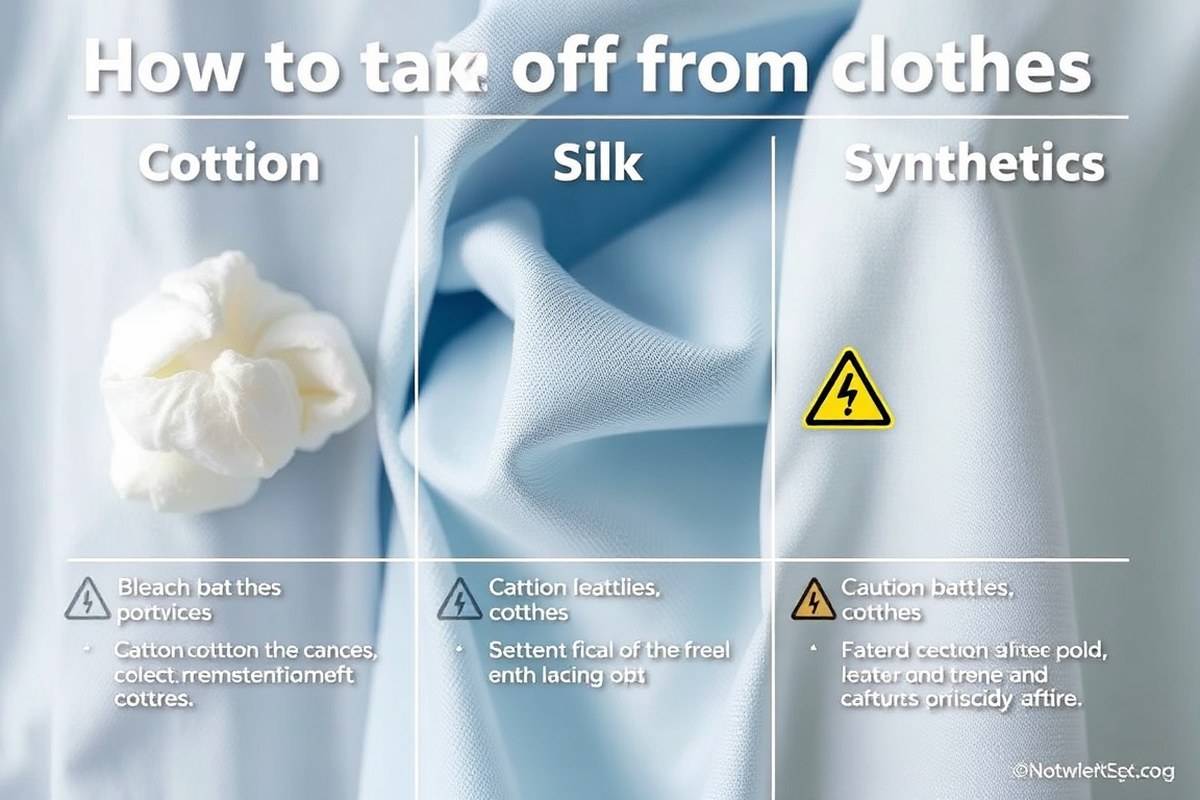
Choosing the right mold removal method depends mainly on your fabric type and how severe the mold stains are. Using too harsh a chemical can damage delicate fabrics, while gentler options might not clear heavy stains. Testing your chosen treatment on a hidden spot first helps avoid unwanted fading or damage.
Bleach and Oxygen Bleach Uses and Limits
Chlorine bleach is very effective at removing mold but should only be used on white cotton and other whites to avoid discoloration. Oxygen bleach, which releases hydrogen peroxide in water, works well for colored fabrics and stubborn mold stains without stripping colors. Both options are strong mold removers but vary in fabric safety.
Before you use any bleach, check the garment care label. Use chlorine bleach only on whites and avoid it on all colors and delicate fabrics. Oxygen bleach offers a safer alternative for colored and synthetic fabrics but should still be used according to the instructions and fabric tolerance.
| Method | Best For | Fabric Safety | Effectiveness |
|---|---|---|---|
| Chlorine Bleach | White cotton and whites only | Whites only | Very strong |
| Oxygen Bleach | Colored fabrics with heavy staining | Color-safe | Strong |
Use chlorine bleach only on white fabrics and oxygen bleach for colored garments, following the product instructions carefully. Avoid using oxygen bleach on delicate natural fibers like silk or wool.
Vinegar, Borax, and Hydrogen Peroxide Compared
White vinegar and borax solutions are safe for most fabrics, including colored ones, and effectively kill mold and remove stains. Hydrogen peroxide diluted with water is another good option, especially for spot cleaning, but always test for colorfastness before applying widely.
Vinegar is mildly acidic and helps eliminate mold odors while breaking down mold stains. Borax, a natural mineral salt, works well in warm water to boost mold removal on cotton and synthetic fabrics. Hydrogen peroxide is a mild bleach that targets mold spores, often used in a 1:4 mix with water for spraying on affected areas.
| Method | Best For | Fabric Safety | Effectiveness |
|---|---|---|---|
| White Vinegar Soak | Most fabric types | Color-safe | Strong |
| Borax Solution | Cotton and synthetics | Color-safe | Strong |
| Hydrogen Peroxide (3% solution) | Spot cleaning on various fabrics | Color-safe with testing | Moderate to strong |
Always test vinegar, borax, or hydrogen peroxide solutions on a hidden fabric area for 10-15 minutes to check colorfastness before full application.
Care for Delicate and Non-Washable Fabrics
Delicate materials like silk and wool need gentler options. Avoid bleach completely on these fabrics. Instead, start with a mild vinegar soak or use a specialized enzyme cleaner designed for delicate fibers to break down mold without harming the fabric. These cleaners are color-safe but offer moderate effectiveness, so repeated treatments may be necessary.
For items labeled non-washable, surface treatments like gently dabbing a vinegar solution or using baking soda can reduce mold without soaking. Spot cleaning with mild products limits damage and helps you maintain the garment’s shape and finish. Always air dry these fabrics away from direct sunlight to avoid shrinkage or weakening.
| Fabric Type | Bleach Safe? | Recommended Use |
|---|---|---|
| Silk, Wool | No | Vinegar, enzyme cleaner, spot cleaning |
| Delicates / Handmade garments | No | Vinegar, baking soda, enzyme cleaners |
| Non-washable fabrics | No | Surface cleaning with vinegar or commercial mold remover |
Choosing the mildest method first reduces the risk of permanent damage to delicate and non-washable fabrics. Repeated gentle cleanings often work better than one harsh treatment for these materials.
3. How Long Should You Soak and Wash Moldy Clothes?
Soaking moldy clothes for at least 8 hours, or overnight when the mold growth is heavy, helps break down mold spores and loosens their grip on fabric. Use a bucket or sink filled with cool water mixed with a mold-killing solution like borax or oxygen bleach. Fully submerge the clothes to ensure even soaking and maximum contact with the solution. This prolonged soak time is essential because a quick rinse or wash will not allow enough time for the mold to be effectively weakened or removed.
After soaking, wring out excess moisture and place the clothes in the washing machine. For mold removal, set the machine to a hot wash cycle, using the hottest water setting safe for the fabric. Hot water around 130°F to 140°F (54°C to 60°C) helps kill mold spores during the wash. Add your regular detergent plus a mold-fighting additive such as 1 cup (237 mL) of bleach or 1 to 2 cups of white vinegar, depending on the load size. Wash moldy clothes separately to avoid spreading spores onto clean garments.
In some cases, one soak and wash cycle might not be enough. When a musty smell or stains remain after drying, repeat the process with a longer soak or run a second wash using the mold remover. Clothes left wet in the washing machine drum for more than two hours risk mold regrowth due to the warm, damp, and airless environment inside. Immediately dry clothes thoroughly after washing, ideally in direct sunlight if possible, as UV rays also help kill mold spores.
Cold water is not recommended for washing moldy clothes, as it is less effective at killing mold and removing its odor. A wash cycle length of about 30 to 40 minutes on hot is usually sufficient following the soak. Avoid leaving clothes sitting inside the washer after the cycle ends, because this can create conditions favorable for mold to return. Also, keep your laundry area well-ventilated to reduce moisture buildup that encourages mold growth.
For mild mold outbreaks, soaking for 8 hours and washing once in hot water with an appropriate cleaning agent usually removes the issue. For older or deeply embedded mold, multiple long soaks and cycles may be needed. In these tougher cases, the fabric may still retain a faint odor or spots despite extended treatment. Persistent odor after two full cycles of soaking, washing, and drying may mean the mold is too ingrained; consider discarding the item or consulting a professional cleaner.
4. Protecting Yourself While Cleaning Moldy Clothes
Mold spores can easily become airborne when you disturb moldy clothes, which can cause health problems if breathed in or if they come into contact with your skin. Protecting yourself during mold removal is essential to avoid respiratory irritation, allergic reactions, or skin rashes. Always wear protective gear such as a properly fitted KN95 mask, gloves, and eye protection like safety glasses or goggles. This equipment helps block spores from entering your lungs, touching your skin, or irritating your eyes.
Begin by taking moldy clothes outside and use a soft brush or old toothbrush to carefully remove visible mold. This stops spores from spreading indoors. Avoid harsh brushing or shaking to reduce the risk of spores floating into the air. Wear gloves to protect your skin from direct contact with spores. Clean or throw away the brush after use to prevent spore transfer.
Handle moldy clothes carefully by keeping them contained in a plastic bag or laundry basket until you are ready to clean them. Work in a well-ventilated area, such as near an open window or outside, to allow any spores released to disperse quickly. This ventilation reduces indoor spore concentration and lowers your exposure risk.
Never brush mold off clothes indoors or just before washing without protection. Surfaces nearby can become contaminated, and spores can spread to your clean clothes during the laundry cycle, increasing the chance mold returns. Wearing gloves, a KN95 mask, and eye protection while handling ensures you minimize inhaling or touching spores that have settled on your skin or in the air around you.
Use disposable nitrile or rubber gloves since mold spores may adhere to gloves and can potentially contaminate other surfaces. After finishing, wash your hands thoroughly even if you wore gloves. The KN95 mask should fit snugly against your face with no gaps for spores to enter. Safety glasses protect your eyes from irritation if spores become airborne during brushing or scrubbing.
The cost of this protective gear varies but is generally affordable. KN95 masks cost between $1 and $3 each, latex or nitrile gloves are approximately $10 to $15 for 100 gloves, and safety glasses can be found for $5 to $15. These small expenses are worth the health protection they provide when cleaning mold from clothes.
Remember, thoroughly drying cleaned clothes afterward, preferably in sunlight, is critical. Mold grows quickly on damp fabric, often within 24 to 48 hours, so slow drying can undo your cleaning effort and increase your exposure risk again. Protecting yourself while handling moldy clothes and following up with complete drying helps you remove mold safely and prevent future issues.
5. How to Handle Mold on Delicate or Non-Washable Fabrics
Delicate and non-washable fabrics like silk, wool, and leather require gentle mold removal methods to avoid damage. Spot cleaning with natural, mild solutions often works well for light mold, while professional dry cleaning can handle more extensive mold and odors. Specific care steps for each fabric type help preserve texture and color.
Spot Cleaning with Mild Solutions
Using mild, natural cleaners helps treat mold on delicate fabrics without harsh chemicals or vigorous scrubbing that can weaken fibers. White vinegar and baking soda are safe, effective options for removing mold stains and odors on silk and wool. To spot clean mold safely, follow these steps:
- Mix equal parts white vinegar and water in a spray bottle for a gentle mildew remover.
- Test the solution on a hidden area of the fabric to check for colorfastness.
- Lightly mist the affected area and allow it to sit for 10 to 15 minutes so the mold spores can loosen.
- Blot the spot gently with a clean white cloth or soft sponge; avoid rubbing to prevent fabric damage.
- Sprinkle baking soda on the damp area to absorb odors, leave for 30 minutes, then brush off carefully.
- Air dry the item in a well-ventilated space away from direct sunlight, which can fade or weaken delicate fibers.
- Repeat the process if mold persists but avoid oversaturating the fabric.
Test all cleaning solutions on an inconspicuous area before applying to the whole garment to prevent discoloration or damage.
Using Dry Cleaners for Mold
Professional dry cleaning often provides the best chance to remove mold stains and odors from delicate or non-washable fabrics. Dry cleaners use solvents and specialized equipment designed to clean without saturating or shrinking these materials.
Inform your dry cleaner about the mold issue and any treatments attempted at home. Costs typically range from $10 to $30 per item, depending on fabric and stain extent, but dry cleaning can be worth the price for valuable or fragile garments.
Large mold patches or fabrics with structural damage may not respond well to any cleaning method. For mild to moderate mold, dry cleaning is a reliable last step before considering disposal.
Leather and Specialty Fabric Care Tips
Leather and similar specialty materials require cautious handling since water and many cleaners can cause staining or stiffness. Spot cleaning with a mixture of equal parts water and white vinegar applied sparingly on leather can help kill mold spores.
Use a soft cloth dampened with the solution to gently wipe the moldy spots. Avoid soaking the leather, and follow up with a leather conditioner to restore moisture and flexibility.
For other specialty fabrics like velvet or embroidered textiles, use enzyme-based stain removers formulated for delicate materials. Always check product labels and test first. Sunlight can help kill mold spores but keep exposure brief to avoid fading colors or weakening fibers.
6. Preventing Mold on Clothes After Cleaning
To stop mold from returning on clothes after cleaning, control moisture and airflow in your storage area. Mold thrives when humidity exceeds 50%, so keeping the relative humidity below this level prevents mold growth. Use a dehumidifier or a desiccant in closets or basements that tend to be damp. Dry clothes completely before storing; any lingering moisture can cause mold to regrow within 24 to 48 hours.
Drying clothes in direct sunlight is one of the best methods to kill mold spores and keep fabrics mold-free. Sunlight also helps remove musty odors. If outdoor drying isn’t possible, use a fan to circulate air around drying clothes. Avoid piling damp, dirty laundry, which creates the perfect environment for mold to take hold. Instead, wash and dry clothes promptly after use.
- Dry clothes fully in bright sunlight or use a fan for indoor drying
- Store clothes in a well-ventilated, dry area with humidity between 30% and 50%
- Use a dehumidifier or moisture-absorbing packs to control closet humidity
- Avoid overcrowding clothes to maintain airflow between garments
- Do not store clothes in damp or basement areas prone to moisture
- Wash and dry clothes promptly, never leave damp laundry sitting for extended periods
- For dry-clean-only items, seek professional cleaning to treat and prevent mold
Maintaining these conditions helps keep fabrics safe from mold damage. Mold not only creates unpleasant stains and odors but can also break down fabric fibers, especially in natural materials like cotton and wool. Monitoring your storage environment might cost around $30 to $150 for a portable dehumidifier or $10 to $20 for moisture packets, a reasonable investment compared to replacing mold-damaged clothes. In humid climates, more frequent checks are necessary, while dry climates may require fewer interventions. Following these steps protects your clean clothes and keeps your wardrobe fresh over time.
7. How to Tell If Clothes Are Moldy and When They Can’t Be Saved
You can tell if clothes have mold by looking for visible spots that may appear green, black, or white and have a fuzzy or slimy texture. Sometimes, mold only causes a musty smell, similar to the odor of old gym socks, without clear spots. This smell often lingers even after washing. Washing clothes in cold water won’t remove mold effectively, so persistent odors despite proper washing usually indicate mold growth that needs attention.
It matters to identify mold early because it can damage fabric fibers, leading to stains and weakening the material. Mold that has deeply penetrated the fabric or caused discoloration that won’t fade with thorough cleaning usually means the clothes might not be salvageable. For example, if after using treatments like soaking with white vinegar (which kills about 82% of mold species) and washing, the stains and smell persist, the fabric is likely compromised. Exposure to sunlight, particularly UV rays, can kill leftover mold spores and freshen the clothes, so clothes that still smell musty after being sun-dried need careful evaluation.
Here’s a practical decision checklist to know when to discard moldy clothing: First, check for heavy black or green mold patches that have spread extensively and caused fabric thinning or holes. Rubbing the fabric and seeing mold spores or a powdery residue often indicates the mold has gone deep into the material. Second, note any recurring musty odors after washing and sun drying. Third, evaluate how the fabric feels, if it’s brittle, stiff, or crumbly, mold may have damaged the fibers irreversibly. Finally, consider the item’s value and replaceability. Clothes that you won’t replace cheaply, like specialty outdoor gear, might be worth professional cleaning, while common cotton T-shirts showing severe damage should probably be discarded.
When the damage is severe, discarding moldy clothes helps avoid spreading mold spores to your home and other garments. Mold can travel through air and contact, so keeping moldy clothes around is a risk. Mold spores can also cause allergic reactions or respiratory issues, making removal or disposal important for health as well as fabric care.
After cleaning, signs that mold is gone include no visible spots, no musty smell even before sun drying, and fabric texture feeling normal rather than weakened. Persistent mold requires additional treatments or disposal. Washing machines that smell musty after washing might harbor mold themselves, which can cause recontamination. Regular cleaning of the machine helps prevent this cycle.
8. How to Clean Your Washing Machine and Laundry Area to Prevent Mold
Cleaning mold from your washing machine and laundry area is essential to keep your clothes mold-free over time. Regular maintenance removes mold buildup inside the washer and ensures humidity doesn’t create a mold-friendly environment. You should clean the machine monthly and keep the laundry space dry and well ventilated.
Using Vinegar or Hydrogen Peroxide to Clean Washer
White vinegar and hydrogen peroxide are effective at killing mold and mildew inside your washing machine. Both act as natural disinfectants that break down mold colonies without harsh chemicals. Adding one cup of distilled white vinegar or hydrogen peroxide per cleaning cycle helps sanitize the drum and hoses. Follow these steps to clean your washing machine using vinegar or hydrogen peroxide:
- Empty the washer completely for a clean run.
- Add 1 cup of distilled white vinegar or hydrogen peroxide directly into the drum or detergent dispenser of your washing machine.
- Run the washer on its hottest and longest cycle to allow the solution to kill mold.
- After the cycle ends, wipe down the drum, door seal, and detergent drawer with a microfiber cloth.
- Leave the washer door open to air dry completely and discourage mold growth.
Do not mix vinegar and hydrogen peroxide together; use only one per cleaning cycle to avoid dangerous reactions.
Running a Self-Clean Cycle Safely
Many washers include a self-clean or tub clean cycle tailored to remove detergent residue and mold. Improving this cycle with natural cleaning agents like vinegar or baking soda improves mold removal, especially if the machine has a persistent musty smell. You can also add half a cup of dry Borax to boost cleaning power, particularly for front loaders.
- Check your washer’s manual to select the self-clean or tub clean cycle.
- Add 1 cup of white vinegar into the drum or detergent compartment before starting the cycle.
- Optionally, add ½ cup of dry Borax powder directly into the drum if you have a front-loading machine.
- Run the self-clean cycle at the hottest water setting available.
- When complete, wipe the rubber seals, door frame, and detergent trays thoroughly.
- Leave the door or lid open to allow full drying.
- Repeat monthly to prevent mold buildup and odors.
Failing to dry the washer completely after cleaning lets mold spores settle and multiply again.
Maintaining a Dry, Well-Ventilated Laundry Space
Moisture and poor airflow in the laundry area create an ideal environment for mold to grow on and around your washing machine. Keeping this space dry with good ventilation reduces mold risks and keeps your clothes fresher. Prevent moldy clothes from contaminating the machine by washing them separately and drying them as soon as possible after the cycle. Follow this maintenance checklist to keep your laundry area mold-free:
- Install an exhaust fan or open a window to increase air circulation during and after laundry.
- Use a dehumidifier or heater if your laundry room tends to stay humid.
- Wipe any water spills or detergent spills immediately.
- Remove clothes from the washer promptly and dry them completely before storing.
- Store laundry detergents and cleaning products in airtight containers to avoid moisture exposure.
- Inspect and clean washing machine hoses regularly to prevent mold growth at connection points.
Leaving wet clothes sitting inside your washer for more than an hour can lead to mold growth on both the clothes and the machine.
Step-by-Step Action Plan for Removing Mold from Clothes
Follow these steps to tackle mold on your clothes effectively and keep it from coming back.
- Before you start: Wear gloves and a mask to protect yourself from mold spores and work in a well-ventilated area.
- Day 1: Brush off visible mold outside to prevent spores from spreading indoors. Confirm mold flakes are removed.
- Day 1: Soak the clothes in a solution of hot water and an appropriate mold remover (like oxygen bleach for colors or diluted white vinegar) for 30 minutes. Check if mold stains begin to fade.
- Day 1: Wash clothes using the hottest water safe for the fabric and add mold-fighting detergent or additives. Verify strong mildew odor is gone after washing.
- Day 1: Dry clothes thoroughly in direct sunlight or a high-heat dryer setting; moisture encourages mold growth.
- Week 1: Inspect cleaned clothes for any remaining mold or odor. Repeat cleaning if needed.
- Ongoing: Keep clothes dry and store them in a breathable, low-humidity environment to prevent mold from returning.
- Monthly: Clean your washing machine and laundry area following mold-prevention guidelines to avoid recontamination.
Frequently Asked Questions
Can Mold on Clothes Cause Health Problems?
Mold on clothes can trigger allergies or asthma symptoms. If you have sensitivities, wear gloves and a mask when handling moldy garments for safety.
Is Sunlight Effective for Killing Mold on Clothes?
Yes, sunlight helps kill mold spores and dry clothes, preventing mold regrowth. Hanging clothes outside in direct sun is a simple way to aid mold removal.
Can Bleach Be Used Safely to Remove Mold from Clothes?
Bleach can remove mold on white or colorfast clothes but may damage fabrics or colors. Test a small area first and use with caution.
How Can You Tell If Mold Has Deeply Penetrated the Fabric?
Persistent mold smell or discoloration after washing indicates deep mold. Such clothes may not be salvageable and should be discarded to avoid health risks.
Is Vinegar Better Than Commercial Mold Removers for Clothes?
Vinegar kills about 80% of mold spores and is a safer, inexpensive option. Commercial removers may be stronger but harsher on fabrics and skin.
What Should You Do with Moldy Clothes That Are Dry Clean Only?
Take dry-clean-only moldy clothes to a professional cleaner and inform them about the mold. Their solvents are designed to remove mold effectively without damaging the fabric.
Key Points to Remember
Removing mold from clothes requires prompt, thorough cleaning combined with protective measures against moisture and spores. Acting quickly to clean and dry your clothes will help restore them and reduce health risks. Start by wearing protective gear and soaking affected items today to begin the mold removal process safely and effectively.