How to Take Mildew Smell Out of Clothes: 8 Proven Methods That Work
To take mildew smell out of clothes effectively, soak them in warm water with white vinegar for 30 minutes before washing. Follow up with a baking soda wash if the odor persists, and make sure clothes dry thoroughly to prevent mildew from returning. These steps break down the mildew odor and stop bacteria growth on fabrics.
These tips help homeowners and renters struggling with musty-smelling laundry. You’ll learn practical methods to remove mildew odor from different fabric types and prevent clothes from developing that unpleasant smell again.
Key Takeaways
- Soak clothes in warm water with one cup of white vinegar for 30 to 60 minutes to reduce mildew odor.
- Use half a cup of baking soda during washing if mildew smell remains after vinegar soaking.
- Dry clothes completely before storing to stop mildew from forming on damp fabric.
- Keep clothes in well-ventilated areas instead of plastic bags to avoid trapping moisture.
- Clean your washing machine regularly to prevent mildew growth inside it.
- Avoid overusing detergent and fabric softeners that leave residues encouraging mildew growth.
1. How to Effectively Remove Mildew Smell from Clothes
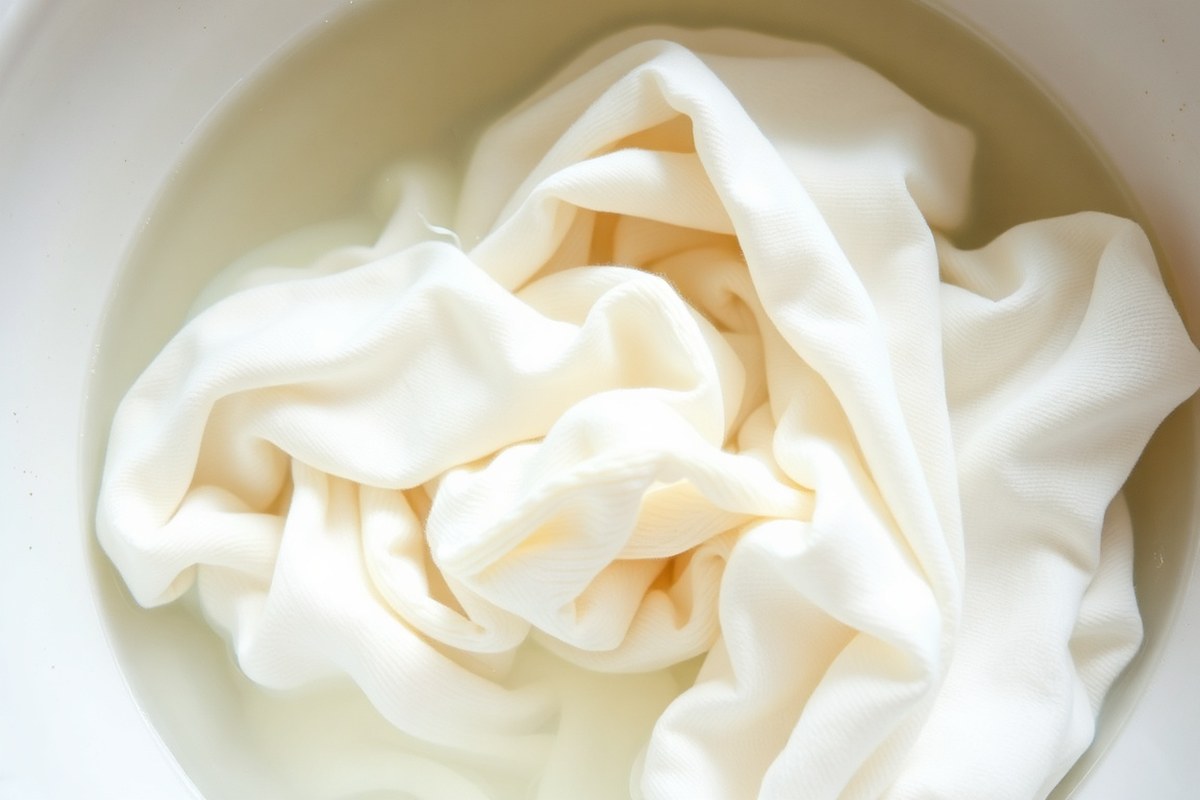
Removing the mildew smell from clothes works best with a soaking and washing routine using white vinegar and baking soda. Vinegar neutralizes odors and breaks down mildew residue, while baking soda absorbs lingering smells and helps brighten fabric. Warm or hot water improves the effectiveness by loosening mildew particles and helping both agents penetrate the fibers.
The most straightforward method starts with soaking the garments in a vinegar solution to tackle the strong musty smell. Soaking for about 30 minutes is enough for most cases. Following that, washing the clothes with detergent plus baking soda in warm or hot water will usually clear out any remaining odor. Adjust water temperature based on fabric care instructions, but hotter water is better when the fabric can handle it.
- Prepare a soaking solution: Mix 1 cup of white distilled vinegar with warm water in a basin large enough to fully submerge the clothes.
- Soak the clothes: Place the mildew-smelling clothes in the vinegar solution, making sure they are fully covered. Let them soak for 30 minutes. This step breaks down mildew buildup and reduces the musty odor.
- Wash with baking soda: Transfer the clothes to the washing machine. Add ½ cup of baking soda along with your regular detergent.
- Set water temperature: Use hot water for durable fabrics like cotton and polyester. Use warm water for more delicate items that cannot tolerate heat.
- Run the washing machine: Start the wash cycle as usual to remove mildew residues and odors from the fabric.
- Add 1 cup of vinegar during the rinse cycle to help remove odors and kill germs, particularly when clothes have a lingering mildew scent.
- Dry thoroughly: After washing, dry clothes completely in a dryer or under direct sunlight to prevent mildew from returning.
This process typically removes mildew smells fully when done correctly. Soaking time is important; less than 30 minutes may not break down odor-causing residues, and longer soaks generally don’t add much benefit. Using vinegar and baking soda costs only a few cents per load, making it a budget-friendly option compared to special odor eliminators. Avoid cold water alone, as it is less effective at removing mildew odors. Strong smells sometimes need repeating this method or adding other treatments, but most homeowners find these basic steps restore freshness without harsh chemicals or bleach damage.
2. Why Clothes Develop Mildew Smell and What Causes It
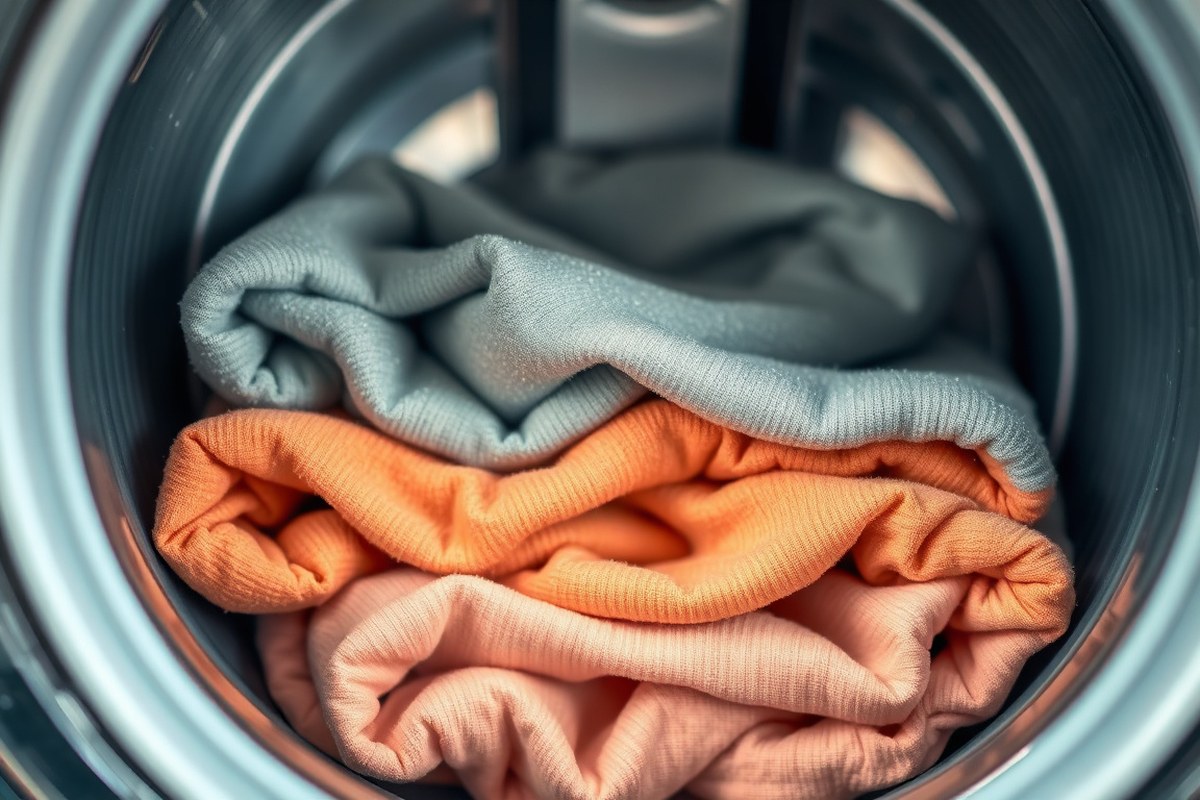
Clothes develop a mildew smell primarily because they stay damp for too long in environments that encourage mold and mildew growth. Mildew spores thrive in moist, warm conditions, especially when clothes sit wet or nearly wet without proper airflow. For example, leaving damp laundry in a basket or gym bag lets mildew begin forming within 6 to 12 hours. Thick fabrics like towels and denim hold moisture longer, increasing the risk of that musty odor.
Improper drying is a common contributor. Clothes that don’t dry completely allow mildew spores to colonize the fabric. Even if clothes feel dry to the touch, excess moisture can remain trapped in fibers or folds. Leaving clean clothes inside a washing machine for more than a few hours, especially in hot and humid weather, creates a damp, enclosed space where mildew can grow. Sportswear that traps sweat and bacteria becomes a faster host for these odors.
Washing machines themselves can cause mildew smells. Front-loading models are especially prone to developing mildew around seals and inside the drum if not dried out properly after use. Mildew buildup in the washing machine can leave odors on clothes even after they have been washed and dried. To stop this, crack the washing machine door open after cycles to keep it dry and remove wet clothes promptly. Always clean the machine regularly following manufacturer recommendations to reduce mildew buildup.
Storage also plays a big role. Putting clothes away before they are fully dry, or storing them in plastic bags or tight spaces without ventilation, traps moisture and supports mildew growth. Instead, keep clothes aired out in well-ventilated closets or dressers. Avoid plastic covers since they can hold in humidity. Mildew spores can also spread between clothes during washing, so mixing musty garments with fresh laundry risks spreading the smell to other items.
Don’t leave wet clothes in your washing machine or gym bag; dry and store them promptly in breathable spaces to prevent mildew smells from setting in.
3. Choosing the Right Washing and Soaking Techniques for Your Fabric Type
Choosing the right washing temperature and soaking method depends on the fabric type, which ensures effective mildew odor removal without damaging your clothes. Natural fabrics like cotton and linen handle warm to hot water well. Hot water dissolves mildew residues that trap odor, helping to refresh the fabric. Soaking these fabrics in a mixture of borax and hot water for about an hour before washing can further improve results, especially for odor-settled areas like underarms or seams.
Delicate fabrics such as silk, wool, and nylon require cooler water temperatures and gentler soaking techniques. Hot water or harsh soaking can weaken fibers or cause shrinking. For these, soaking in cold water or using a special detergent designed for delicates reduces the risk of damage while still helping to remove mildew smell. Synthetic fabrics like spandex also need cooler temperatures and careful handling.
The soaking time varies by fabric because delicate items shouldn’t be left in water for too long, whereas sturdy natural fabrics can tolerate longer soaks. A standard soaking window is 30 minutes up to an hour for most fabrics that tolerate it. Less than 30 minutes may not loosen trapped mildew smell, while longer than an hour risks damaging delicate fibers.
Detergents play a key role in mildew odor removal. Use enzymatic cleaners for sweat-affected sportswear, as enzymes break down organic mildew residues effectively. Oxygen bleach is a safer commercial choice for colorfast items and whites, offering mildew odor removal without harsh chemicals. Avoid fabric softeners during mildew treatment because residues can trap odor and promote bacterial growth.
| Fabric Type | Recommended Water Temperature | Soaking Time | Detergent Type | Additional Care Tips |
|---|---|---|---|---|
| Cotton, Linen | Warm to Hot (104, 140°F) | Up to 1 hour with borax solution | Regular detergent, oxygen bleach for colorfast | Sun drying helps kill bacteria and freshen smell |
| Silk, Wool, Nylon | Cold to Warm (60, 85°F) | 30 minutes or less | Delicate fabric detergent, enzymatic cleaner for odor | Avoid hot water and fabric softener |
| Spandex, Polyester | Cold to Warm (60, 85°F) | 30 minutes or less | Enzymatic cleaner for sweat/mildew smell | Gentle wash cycle, avoid high heat drying |
For long-lasting mildew odor removal, start by checking your garment’s care label for specific temperature and bleach instructions. Avoid leaving wet clothes sitting in the washer to prevent odor buildup. Soak items in an appropriate solution before washing to break down mildew residues without harming fibers. Use detergents designed for your fabric type, especially enzymatic formulas for sport and synthetic clothes. Finally, sun-dry natural fabrics when possible to eliminate bacteria that cause odor best.
4. Using White Vinegar and Baking Soda to Remove Mildew Odor
White vinegar and baking soda effectively remove mildew odors because they work together to break down and neutralize odor-causing compounds. Vinegar’s mild acidity kills many mildew spores and loosens grime, while baking soda’s alkalinity neutralizes leftover smells. Use one cup of white vinegar during the wash cycle, and follow with a rinse or separate wash cycle adding one cup of baking soda to tackle stubborn odors without risking fabric damage. These ingredients sanitize to a degree but are not replacements for strong disinfectants.
Vinegar Soak Preparation and Timing
Soaking clothes in white vinegar can help reduce mildew smell before washing. The acidity in vinegar breaks down mold and mildew spores, loosening the odors embedded in fabric fibers. Use a solution of one part white vinegar to four parts cool or warm water for soaking, avoid hot water, which can set mildew stains in some fabrics.
Soak clothes for 30 minutes to one hour. Soaking longer than an hour usually doesn’t improve odor removal and might weaken delicate fabrics over time. After soaking, wash the clothes promptly to rinse out vinegar and dislodged spores.
In-Wash Vinegar Usage Guidelines
Add white vinegar during the wash cycle’s rinse phase to prevent any vinegar smell from clinging to fabric. For front-load washers, pour one cup of white vinegar into the detergent or fabric softener compartment set to dispense during the rinse cycle. For top-load washers, add vinegar after the wash cycle fills for the rinse stage.
Washing in warm water helps activate vinegar’s deodorizing properties without harming most fabrics. Avoid mixing vinegar with bleach or detergent containing bleach or enzymes, as it can reduce cleaning power. Vinegar is safe on most machine-washable clothes but test on delicate or colored items before full use.
Adding Baking Soda for Stubborn Odors
Baking soda’s mild alkaline nature helps neutralize bad odors. Once the vinegar rinse is done, set your machine for another wash cycle and add one cup of baking soda straight into the drum. This step helps break down leftover acids and removes mildew smells that vinegar alone might leave behind.
For best effects, use baking soda in addition to your regular detergent, follow the detergent’s package instructions to avoid overloading. Adding a small amount of vinegar in a final rinse after baking soda wash is an option but not required. Avoid baking soda on dry-clean-only fabrics.
- Sort and inspect clothes for mildew stains before washing.
- Prepare a vinegar soak using one cup of white vinegar per gallon of water; soak clothes for 30 to 60 minutes.
- Transfer clothes to the washing machine and add detergent according to package directions.
- Pour one cup of white vinegar into the rinse dispenser for front-load washers or add during the rinse cycle for top-load washers.
- Run the wash cycle on warm water suited for the clothing fabric.
- Add one cup of baking soda straight into the washer drum after finishing the vinegar wash cycle.
- Run a second wash cycle to neutralize remaining odors, using detergent as directed.
- Air dry clothes completely, leaving the washer door open between loads to prevent mildew recurrence.
5. Treating Mildew Smell in Different Clothing Types
Mildew smell in towels, athletic wear, and bedding requires different treatments due to fabric types and how they absorb odors. Towels benefit from hot water and deep cleaning, workout clothes respond well to enzyme cleaners aimed at sweat bacteria, and bedding needs gentle but thorough deodorizing to protect fabric while removing smells. Drying method is key to prevent mildew return across all types.
Removing Mildew from Towels
Towels hold moisture and bacteria after use, which causes mildew smell even when they appear clean. Using hot water (at least 140°F) during washing helps kill bacteria and mold spores embedded in the fibers. Adding white vinegar or a heavy-duty detergent designed for odor removal can boost results. Avoid fabric softeners as they leave residues that trap odors.
After washing, dry towels completely on high heat or in direct sunlight to prevent mildew growth. If mildew smell persists, repeat washing with a cup of white vinegar and run an extra rinse cycle.
- Use hot water cycles (140°F or higher) for towels
- Add one cup of white vinegar in the rinse cycle
- Skip fabric softeners to avoid residue build-up
- Dry towels fully using high dryer heat or sun drying
- Repeat washing if mildew odor remains
Ensure towels are 100% dry before storing; even slight dampness invites mildew growth.
Deodorizing Athletic Wear
Athletic clothes hold sweat and body oils that cause mildew and musty odors. Enzyme-based cleaners specifically target sweat proteins and bacteria, making them effective to treat these fabrics. Use the enzyme odor remover as directed on the label, usually by soaking or washing with the product included. Wash athletic wear in cold or warm water to avoid damaging elastic and synthetic fibres.
After washing, air dry in a well-ventilated area to gently remove residual odors without heat damage. Avoid leaving sweaty clothes in the laundry basket too long to prevent mildew setting in. For persistent odors, pretreat areas like underarms with enzyme spray and let sit for 15 minutes before washing.
- Use enzyme cleaners designed for sweat odor removal
- Wash in cold or warm water, not hot
- Pretreat smelly spots with enzyme spray
- Air dry athletic wear in open air or ventilated space
- Do not leave damp workout clothes sitting for hours
Enzyme cleaners break down sweat proteins better than regular detergents, especially helpful for synthetic athletic fabrics.
Freshening Up Bedding
Bedding can trap sweat, skin oils, and moisture, all contributing to mildew odor. Wash bedding with hot water when fabric instructions allow, using a strong detergent or a cup of white vinegar added to the rinse cycle. Avoid bleach on delicate fabrics unless safe by label instructions. For non-washable items like mattress covers, sprinkle baking soda, let it sit for several hours, then vacuum thoroughly.
Dry bedding on high heat when possible, or in direct sunlight, to kill any mildew bacteria. Rotate bedding frequently and store in a dry environment to keep odors from returning. Using mattress protectors may reduce mildew buildup over time.
- Wash bedding in hot water per care label
- Use white vinegar in rinse cycle for deodorizing
- Sprinkle baking soda on non-washable fabrics before vacuuming
- Dry fully on high heat or in sun
- Rotate and air bedding regularly to avoid moisture buildup
Check fabric care tags carefully to avoid damage from heat or strong cleaners when freshening bedding.
6. Preventing Mildew Smell from Returning to Clean Clothes
Drying clothes properly is the best way to stop mildew smell from coming back. Clothes need to be completely dry before you put them away. Hang your clothes outside on a line using clothespins when possible. Sunlight not only dries clothes faster but also helps kill mildew spores and naturally reduces odors. If outdoor drying isn’t an option, use a dryer on a high enough setting to fully dry clothes, especially towels and thicker fabrics that hold moisture longer. Avoid leaving clothes in the washer for more than an hour after the cycle finishes, because damp clothes left inside allow mildew to develop.
Storing clothes properly plays a big role in keeping mildew smell away. You should only store clothes once they are 100% dry. Damp or even slightly moist clothes will build mildew quickly in closets or drawers. Use breathable storage options like cotton bins or fabric garment bags instead of plastic containers. Keep storage areas ventilated and dry; a moisture absorber or silica packets can help prevent dampness. Regularly clean closet spaces and shelves to reduce dust and mildew spores.
- Use sports detergent or a detergent designed to remove odors for washing clothes prone to mildew.
- Avoid fabric softeners, as they can leave residue that traps moisture and odors, encouraging mildew growth.
- Clean your washing machine every 1 to 2 months by running an empty hot water cycle with white vinegar or a washing machine cleaner product to remove mildew deposits.
- Always dry clothes thoroughly immediately after washing, either outdoors in the sun or with a dryer set to fully dry the load.
- Store only dry clothes in breathable containers away from humid environments.
- Use natural sunlight exposure on clothes whenever you can to keep them fresh.
Fabric softener isn’t recommended when dealing with mildew problems because it can coat fibers and hold moisture or odors in fabric. Using detergents formulated for sportswear, which target odor and bacteria removal, helps prevent mildew better than typical detergents. Regular washing machine maintenance is essential; buildup of soap scum and mildew inside your machine can transfer smells back onto clothes. Run a cleaning cycle every 4 to 8 weeks depending on usage and always leave the dishwasher door or washing machine door slightly open after use to promote drying inside the machine. These steps keep your clothes smelling fresh for longer and reduce mildew risk significantly.
7. When and How to Use Enzyme Cleaners and Oxygen Bleach Safely
Use enzyme cleaners and oxygen bleach when basic washing and home remedies like vinegar and baking soda fail to remove stubborn mildew smells. Enzyme cleaners break down organic material causing odor, and oxygen bleach safely whitens and disinfects without harsh chemicals. Both require careful use to avoid fabric damage and protect colors.
Understanding Enzyme Cleaners
Enzyme cleaners contain proteins that digest organic stains and odors, including those from mildew and mold. They are most effective on clothes with mildew odors that come from natural sources like sweat or food stains mixed with mildew growth. Enzymes target the source of smell rather than masking it. These cleaners work well on delicate fabrics that can’t handle strong chemicals.
Using enzyme cleaners involves soaking or pre-treating clothes before washing. To use them properly, dilute the enzyme cleaner according to the label, usually mixing 1-2 tablespoons per gallon of warm water. Soak the clothes for 30 minutes to an hour at temperatures recommended on the cleaner label, typically around 70°F to 110°F, to maximize enzyme activity. Avoid hot water that can denature enzymes and reduce effectiveness.
Using Oxygen Bleach Safely
Oxygen bleach, sometimes called color-safe bleach, contains hydrogen peroxide or similar compounds that release oxygen to gently remove stains and odors. It’s safe for most colored fabrics and whites, unlike chlorine bleach, which can fade or weaken colors. Oxygen bleach kills mold spores and brightens fabrics without harsh chemical residue.
To use oxygen bleach safely, dissolve the recommended amount, usually 1/4 to 1/2 cup per load, in the washer or in a soaking basin with warm water (around 90°F to 110°F). Soak clothes for at least 2 hours or overnight for strong mildew odors. Avoid using oxygen bleach on wool, silk, or non-colorfast fabrics, and always check garment care labels. Test a small area first if unsure about colorfastness.
Choosing Between Enzyme Cleaner and Oxygen Bleach
Pick enzyme cleaners for organic mildew odors tied to sweat or bacteria, especially on delicate clothing or fabrics that can’t handle bleach. Oxygen bleach works best for general mildew smells on sturdy fabrics like cotton, synthetics, or blends, and for whitening dingy whites. Follow these steps to use these products safely and effectively:
- Check fabric care labels for washing instructions and bleach compatibility.
- Decide between enzyme cleaner for delicate or organic-stain clothes and oxygen bleach for sturdy or colored fabrics.
- Measure and dilute the chosen product according to the label instructions, adjusting water temperature to between 70°F and 110°F.
- Pre-soak or add the product to the wash cycle, ensuring clothes are fully submerged.
- Allow clothes to soak for the recommended time: 30-60 minutes for enzyme cleaners, 2+ hours for oxygen bleach.
- Wash clothes afterward with regular detergent on the warmest water safe for the fabric.
- Air-dry clothes in sunlight if possible, as UV rays help kill remaining spores and odors.
- Inspect clothes after drying; repeat treatment if mildew odor persists.
8. Dealing with Persistent Mildew Smell and When to Seek Professional Help
Persistent mildew smell in clothes often signals that the mold spores have deeply penetrated the fabric or that the clothes were not fully cleaned during previous wash cycles. A practical next step is to wash the affected clothes with one cup of lemon juice added to the normal detergent cycle. Lemon juice acts as a natural deodorizer and antibacterial agent, which can break down the mildew odor without harsh chemicals. Repeat this process once or twice if the smell lingers after the first wash.
Some suggest freezing clothes as a method to kill mildew spores, but this is generally not effective for odor removal. Freezing may inhibit mildew growth temporarily, but it does not eliminate the smell or spores embedded in the fabric fibers. Focus instead on thorough washing and drying.
When the smell lingers after multiple wash-and-dry cycles with lemon juice or other home treatments, the fabric might have mold damage or need professional cleaning. Professional cleaners have access to specialized treatments such as ozone or dry steam cleaning that can penetrate deeper into the material and remove mold odors more reliably. Expect professional cleaning costs to range from $10 to $30 per item, depending on the fabric and extent of mildew damage.
Ignoring mildew smell carries risks, including potential fabric degradation and increased respiratory issues if you are sensitive to mold allergens. Mold releases spores that can exacerbate asthma, allergies, and other health conditions, even if you can’t see visible mold patches on the clothing. Deciding whether to replace clothing versus seeking professional cleaning depends on several factors:
- Age and cost of the garment versus the professional cleaning expense
- Fabric type and ability to withstand multiple treatments
- Extent of mildew damage or visible staining
- Persistent odor after multiple treatments
- Health concerns related to mold exposure
When these factors show serious damage or ongoing odors after treatment, replacing the item is usually safer and more practical. For delicate or costly clothing with mildew issues, consulting a professional cleaner first is wise.
Always ensure clothes are fully dry before storing to prevent mildew from returning and causing long-term damage.
Step-by-Step Action Plan to Remove Mildew Smell from Clothes
Follow these steps to get rid of mildew odor and keep your clothes fresh. Each step includes a way to check if the smell is gone.
- Before Washing: Sort clothes by fabric type to choose the best cleaning method. Fabrics that usually trap mildew include cotton and synthetic blends.
- Day 1, Soak: Soak clothes for 30 minutes in a mixture of 1 cup white vinegar and water for a standard load. You should notice the musty smell starting to fade during soaking.
- Day 1, Wash: Wash clothes in the warmest water safe for the fabric, adding ½ cup baking soda to the detergent. Check the clothes after washing; the mildew smell should be significantly reduced.
- Day 1, Dry Thoroughly: Dry clothes completely under direct sunlight or in a dryer on high heat if the fabric allows. Clothes should smell fresh and not damp when dry.
- Day 2, Repeat if Needed: For stubborn mildew odor, repeat soaking and washing but add an enzyme cleaner or oxygen bleach following product instructions. Test the smell after drying to confirm removal.
- Week 1, Storage Prevention: Store clothes in a dry, well-ventilated area with moisture absorbers like silica packets. Clothes should maintain a clean scent without any return of mildew odor.
- Week 2, Monitor Clothes: Check stored clothes weekly for any signs of mildew return or dampness. Immediate action at the first sign of smell will prevent long-term damage.
Frequently Asked Questions
Can I Use Bleach to Remove Mildew Smell from Clothes?
Bleach can remove mildew smell but may damage some fabrics and colors. Use it cautiously and test on a small area first.
How Quickly Should I Dry Clothes to Prevent Mildew Smell?
Dry clothes within 6 to 12 hours of washing to stop mildew growth. Prompt drying helps avoid musty odors.
Does Freezing Clothes Help Eliminate Mildew Smell?
Freezing can kill some odor-causing bacteria but may not fully remove mildew smell. It’s a helpful step but not a complete solution.
Can Mildew Smell Return After Washing Clothes Multiple Times?
Yes, if mildew spores aren’t fully removed or clothes aren’t dried properly, the smell can return. Deep cleaning and drying are key.
Is It Safe to Use Vinegar on All Fabric Types to Remove Mildew Odor?
Vinegar is generally safe but avoid it on delicate fabrics like silk or acetate to prevent damage. Always check fabric care labels.
Do Dryer Sheets Remove Mildew Smell from Clothes?
Dryer sheets mask odors but don’t eliminate mildew smell. Proper washing and drying are necessary to remove the source.
Before You Go
Removing mildew smell from clothes takes both proper washing and consistent care to prevent it from coming back. Using vinegar, baking soda, and careful drying helps most cases, but tough smells may need enzyme or oxygen-based cleaners. Start by treating your most affected clothes today and keep an eye on storage conditions to protect your fresh laundry going forward.