How to Get Mold Stains Out of Clothes: 8 Proven Methods That Work
The fastest way to get mold stains out of clothes is to pretreat spots with a heavy-duty liquid detergent, then soak and wash using hot water over 140°F. Applying hydrogen peroxide or a vinegar soak before washing helps kill mold and lifts stains effectively. Using sunlight to brighten mold spots can also improve results when combined with these treatments. This advice suits anyone dealing with mildew-stained clothing or damp laundry that smells musty. You’ll find practical methods, common household remedies, and safety tips for removing mold and preventing it from coming back.
These steps cover different fabric types and drying techniques to avoid damaging your clothes during mold removal. You’ll learn how long to soak garments, what mixtures work best, and how to handle moldy laundry safely. Understanding why mold grows and how to air out clothes properly will keep your wardrobe fresh and mold-free over time.
Key Takeaways
- Pretreat mold stains with heavy-duty liquid detergent for at least 15 minutes before washing.
- Soak stubborn mold stains in a 1:1 cold water and white vinegar solution for 30 minutes pre-wash.
- Use hydrogen peroxide (3%) and oxygen-based bleach to sponge tough mold stains before laundering.
- Wash moldy clothes in water at or above 140°F to kill mold and mildew spores effectively.
- Dry clothes completely in sunlight for 30, 60 minutes to help bleach mold stains and kill spores.
- Store clothes only when 100% dry in a breathable, low-humidity environment to prevent mold growth.
1. How to Get Mold Stains Out of Clothes Step by Step

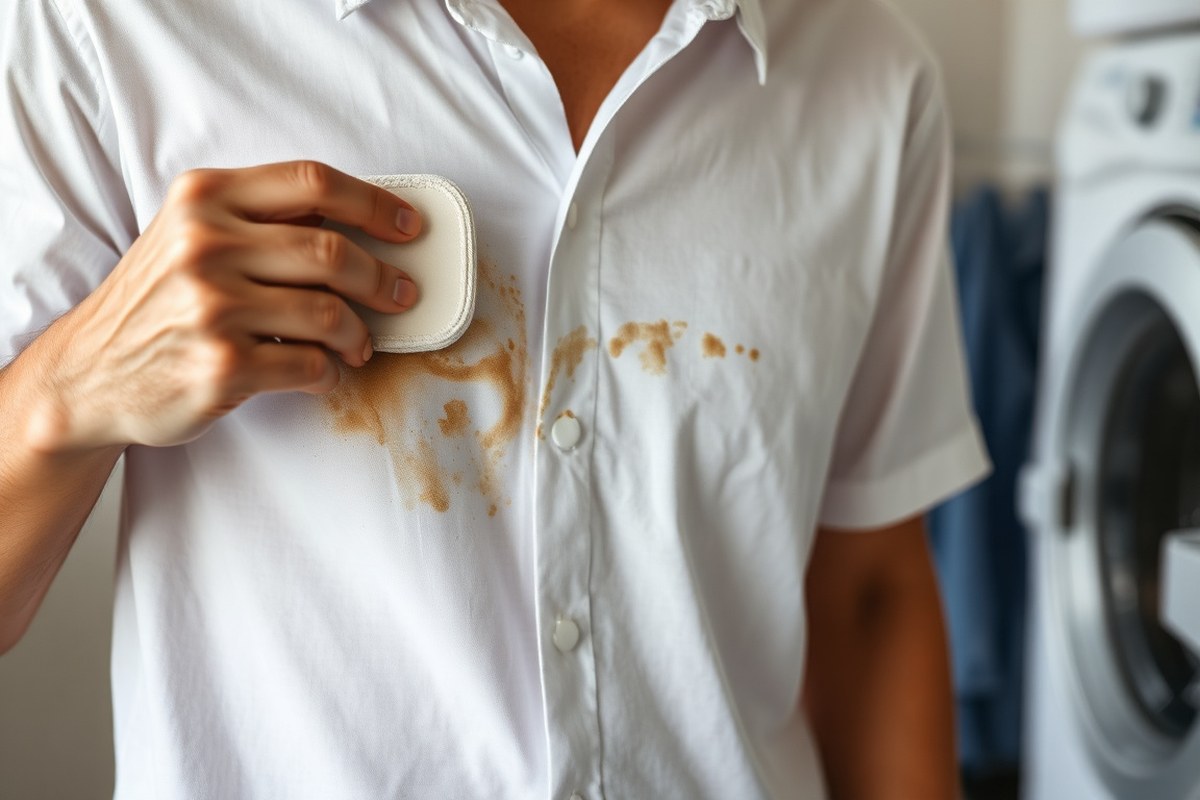
Mold stains on clothes weaken fabric and cause stubborn odors that regular washing often can’t remove. To clean moldy garments effectively, focus on removing stains and killing mold spores with the right preparation and washing techniques. Pre-soaking and prompt drying after washing are essential to prevent mold from returning. Here’s a clear step-by-step process to handle mold stains on any clothing type using common household ingredients like white vinegar and detergent.
- Inspect the clothes and isolate them. Check for visible mold stains or musty odors. Wash moldy garments separately to avoid contaminating other clothes or your washing machine.
- Brush off loose mold outdoors. Use a stiff-bristled brush or shake the clothes outside to remove dry mold flakes and spores. This reduces residues before washing and helps limit mold spread inside your laundry area.
- Pre-soak in a vinegar solution. Mix equal parts cold water and white vinegar in a basin or sink. Submerge the stained clothes and soak for 30 minutes. Vinegar helps break down mold stains and neutralizes odors without harsh chemicals. Avoid using hot water at this stage, which can set some stains.
- Apply detergent and wash in the hottest water safe for the fabric. Use your regular laundry detergent, focusing on the stained areas. Check clothing labels for water temperature guidance. Hot water kills mold spores more effectively, but protect delicate fabrics by choosing warm or cold water as recommended.
- Add a mold-killing booster if needed. For persistent stains, add half a cup of Borax or a cup of white vinegar to the wash cycle. Do not mix chlorine bleach with vinegar since the combination produces harmful fumes. Test colorfastness with any additive before using it on the entire garment.
- Remove clothes promptly after washing. Leaving wet clothes sitting in a washing machine drum enables mold to start growing again within hours. Dry clothing immediately to prevent new mold growth.
- Dry clothes thoroughly in direct sunlight or use a dryer. Sunlight helps kill mold spores naturally with ultraviolet rays. Use a dryer with a high heat setting that matches the fabric type. Avoid air-drying indoors in humid environments as this promotes mold return.
- Check the clothes after drying. Inspect for remaining stains or odors. When mold traces remain, soak and wash the garment again before storing it. Avoid storing clothes that are even slightly damp to prevent mold buildup.
2. Best Household Products and Natural Remedies to Remove Mold
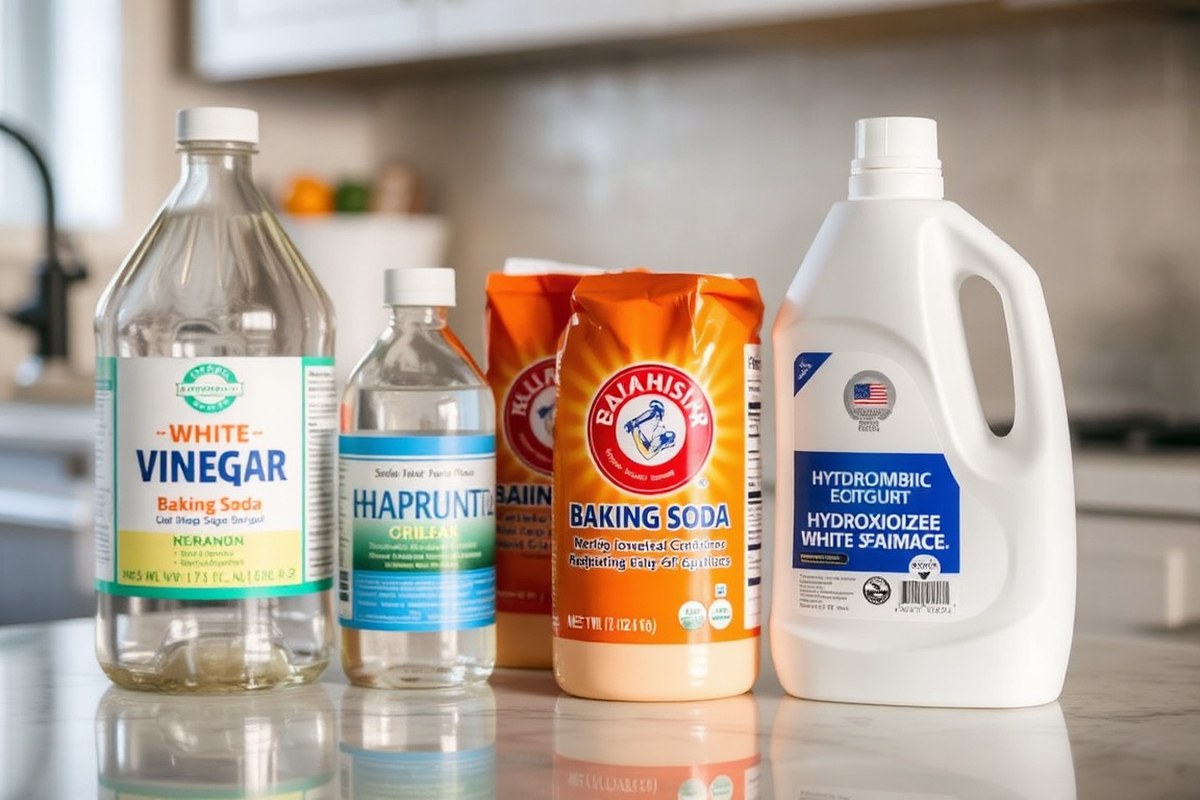
Household products like vinegar, baking soda, hydrogen peroxide, and oxygen-based bleach can effectively remove mold stains from clothes. They work differently: vinegar and baking soda act as natural deodorizer and mold inhibitors, while hydrogen peroxide and oxygen bleach kill mold spores and lighten stains. Choosing the right product depends on the fabric type, stain severity, and color safety.
Vinegar and Baking Soda Uses
White vinegar kills most mold species and deodorizes clothes naturally without harsh chemicals. It works well on light mold stains and is safe for most fabrics, including colored ones. Baking soda does not kill mold but slows its growth and neutralizes musty odors. It’s ideal for removing smells and freshening garments between deeper cleanings.
To use vinegar, soak clothes in a mixture of one part white vinegar to four parts water for at least one hour before washing. For baking soda, add ½ cup to your laundry detergent during the wash cycle or sprinkle some on damp clothes and air dry in sunlight. Both ingredients are inexpensive, usually costing under $5 per gallon for vinegar and about $1 per pound for baking soda.
Hydrogen Peroxide and Oxygen-Based Bleach Options
Hydrogen peroxide (3% solution) is a mild bleach that kills mold and lightens stains on white or light-colored fabrics. Apply it directly to mold spots and leave for 10 minutes before rinsing. Oxygen-based bleach is safe on most colored fabrics and more powerful for stubborn stains. Combine 1 cup of 3% hydrogen peroxide with 1 teaspoon of oxygen bleach to sponge stains gently before thorough washing.
These options cost roughly $2 to $6 for a 16-ounce bottle of hydrogen peroxide and $5 to $10 for oxygen bleach per container. They require caution: avoid using chlorine bleach on colored clothes due to fading and damage. Both hydrogen peroxide and oxygen bleach are less harsh than chlorine bleach and are safer for delicate fabrics.
Commercial Mold Removal Detergents
Specialized mold and mildew stain removers contain active ingredients to break down mold stains and kill spores for tougher cases. These tend to be effective on older or deeply embedded stains where household remedies fall short. Many products are formulated to be safe on colorfast fabrics and zipper seams without using harsh chlorine bleach.
Prices vary from $8 to $15 for a bottle that treats many loads. When stains persist after household treatments, applying a commercial stain remover following label instructions can improve results significantly. Consider one that is free of chlorine and designed for use on varied fabric types, especially if you have delicate or colorful clothes.
| Product | Use | Fabric Safety | Effectiveness | Approximate Cost |
|---|---|---|---|---|
| White Vinegar | Soak clothes 1:4 vinegar to water, then wash | Safe on whites and colors | Kills mold, deodorizes, light stain removal | Under $5/gallon |
| Baking Soda | Add ½ cup to wash or sprinkle on damp fabric | Safe on all fabrics | Slows mold growth, neutralizes odors | About $1/lb |
| Hydrogen Peroxide 3% | Apply to stain, wait 10 minutes, rinse | Safe on whites, test colors first | Kills mold, lightens stains | $2 – $6 per 16 oz |
| Oxygen-Based Bleach | Use 1 tsp in sponge mix with peroxide or wash | Safe on most colors | Effective on stubborn stains | $5 – $10 per container |
| Commercial Mold Removers | Apply according to label instructions | Formulated for colors and delicate fabrics | Strongest for tough stains | $8 – $15 per bottle |
Test any product on a small, hidden area of your fabric before full application to avoid discoloration or damage.
3. How to Treat Mold on Different Fabrics and Colors Safely
Removing mold stains safely requires choosing the right approach based on the fabric’s type and colorfastness. Avoid harsh chemicals like chlorine bleach on delicate or colored fabrics to prevent damage and fading. Use milder solutions such as vinegar or oxygen bleach designed for colors, and always check care labels before applying heat or soaking.
Removing Mold on Delicate Fabrics
Delicate fabrics such as silk, wool, viscose, and modal need gentle treatment to avoid shrinking, fiber damage, or color loss. Avoid chlorine bleach since it can cause irreversible harm. Instead, soak these fabrics in a cold water solution with white vinegar (one cup per gallon) for 30 minutes to loosen mold spores and reduce odors. After soaking, gently hand wash with a mild detergent formulated for delicate items.
Use cold water only, as hot water may shrink or distort delicate fibers. Avoid wringing the fabric; press water out carefully. Air dry in indirect sunlight or indoors away from strong light to prevent fading. Use a garment steamer on a low setting after drying to refresh the fabric and remove wrinkles, but do not rely on steaming instead of washing.
Caring for Colored and Dark Fabrics
Colored and dark fabrics require special caution to keep colors vibrant while removing mold stains. Use a detergent formulated for colors along with oxygen-based bleach labeled safe for colored fabrics. Avoid chlorine bleach and mixing cleaners like vinegar or ammonia that may cause color changes or fabric damage.
Warm water is usually safe if the care label allows, but avoid hot water washes that cause fading or shrinkage. After washing, rinse thoroughly to remove residue that can dull colors or leave odors. Dry these fabrics in shade or indoors because direct sunlight can fade bright and dark dyes over time.
- Test any treatment on a hidden seam or area before full application
- Use color-safe oxygen bleach rather than chlorine bleach
- Use warm water wash cycles only if fabric care allows
- Rinse twice to reduce residual detergent and odors
- Dry away from direct sunlight to prevent fading
- Spot-treat residual stains with a mild detergent and essential oils
- Avoid high dryer heat to prevent shrinking or damage to synthetic blends
Early intervention with these treatments reduces the risk of permanent staining and color loss. Stubborn stains might require professional cleaning to remove completely.
Handling Leather and Faux Leather Materials
Leather and faux leather need entirely different care because water and detergents may damage the finish or cause stiffness. Do not machine wash or soak these items. Instead, wipe mold off gently with a cloth dampened in a mixture of equal parts water and rubbing alcohol. This solution helps kill spores without saturating the leather.
After wiping, let the material air dry completely in a well-ventilated area, away from heat or direct sunlight to avoid cracking or fading. Apply a leather conditioner once dry to restore moisture and suppleness. For heavy mold infestation, consider consulting a professional cleaner who specializes in leather care.
4. Why Clothes Get Moldy and How to Prevent It
Mold grows on clothes primarily because of moisture trapped in the fabric for too long. When wet or damp clothes sit without proper drying, mold spores find the perfect environment to develop, typically within 24 to 48 hours. This moisture can come from washing, sweating, swimming, or humidity in storage areas. Poor ventilation, such as enclosed closets or plastic bags that don’t breathe, adds to the problem by limiting airflow and maintaining high humidity.
To stop mold before it starts, you need to control moisture and ensure thorough drying. Clothes should be completely dry before you store them. Using a clothes dryer set to an appropriate temperature helps speed up drying, but drying does not kill all mold spores or clean the fabric by itself. Make sure the clothes aren’t just warm but also free from dampness. Leaving them to air-dry in a well-ventilated space until fully dry is another reliable approach. Avoid leaving damp laundry in washing machines, hampers, or piles for more than one or two days to prevent mildew buildup.
Storage choices matter. Avoid plastic vacuum bags or airtight containers for damp clothes or bedding because these trap moisture and promote mildew. Opt instead for breathable fabric bags, wooden chests, or plastic bins with ventilation holes. Adding moisture-absorbing crystals or mold inhibitors available in stores can protect your garments when kept in areas prone to humidity, like basements or closets. Keeping indoor humidity in living and storage areas between 30% and 50% can also reduce mold risk, according to the Department of Energy.
Good airflow is essential. Opening windows, using fans, or dehumidifiers helps lower indoor humidity and dries out any residual moisture. Circulating air prevents stagnant dampness that mold needs to grow. Regularly inspecting your clothes and storage areas ensures early detection, so you can wash or dry items before mold takes hold.
Implementing these steps needs a little effort but costs little beyond normal electricity for drying and occasional purchases of moisture absorbers, which typically cost under $10 per packet. Managing moisture effectively can prevent frustrating mold stains and protect your clothes’ longevity. Ignoring these measures leads to recurring mold growth and possible damage to your fabrics, which can become permanent if not treated promptly.
5. Pre-Treating and Soaking: How Long and What to Use
Soaking moldy clothes for 30 minutes to 1 hour in specific solutions helps loosen and break down mold stains before washing. Pre-treating with mixtures like vinegar, hydrogen peroxide, or enzyme detergents maximizes stain removal. Stubborn mold may require repeated soaking and washing cycles.
Using Vinegar and Water Soaks
Vinegar is effective at killing most mold species on clothes and neutralizing mildew odors. Mix one cup of white vinegar per gallon of water for soaking. Soak the moldy garments for about 30 minutes up to 1 hour, depending on the severity of the stains.
After soaking, wash clothes with detergent using the hottest water allowed by the fabric care label. For ongoing mildew smells, adding 1-2 cups of vinegar directly to the washing machine along with detergent can help. Vinegar is affordable, easy to find, and safe for a variety of fabrics. Steps to soak clothes using vinegar:
- Fill a basin or tub with enough cool water to submerge the moldy clothes.
- Add one cup of white vinegar per gallon of water and mix well.
- Submerge the clothes fully and soak for 30 to 60 minutes.
- Remove clothes and gently wring out excess liquid.
- Pre-treat any remaining mold stains with a detergent or stain remover.
- Wash using the hottest water safe for the fabric and detergent.
- Dry clothes completely in sunlight or a dryer to prevent mold return.
Double check fabric care labels before using vinegar soaks, especially on delicate or dyed fabrics, to avoid damage.
Hydrogen Peroxide Pre-Treatment Times
Applying a 3% hydrogen peroxide solution directly to moldy areas can break down mold spores and stains safely. Use a spray bottle to cover mold spots and let the solution sit for 10 to 15 minutes before washing.
This method suits white or colorfast fabrics sensitive to bleach alternatives. Hydrogen peroxide acts as a mild bleach without the harshness of chlorine bleach, helping to remove discoloration.
Always test a small hidden area first to check for fabric reaction. Avoid longer soaking times with hydrogen peroxide as it may weaken fiber strength over extended exposure.
Enzyme-Based Detergent Soaking
Soaking clothes in enzyme-based detergents designed to break down organic stains improve mold removal. Products like concentrated Laundry Sauce or Dynamo Professional work well. Mix detergent with cool water and soak clothes for about 10 minutes before washing.
When mold stains persist after a first wash, repeat soaking with enzyme detergent for another 10 minutes, then pre-treat and wash again. Enzymes target the proteins and polysaccharides in mold, making stains easier to remove.
Use the hottest water safe for the fabric during the actual wash cycle to maximize effectiveness. Enzyme detergents often cost a few dollars more but can save multiple cycles of tough stain removal.
6. How to Dry and Air Out Clothes to Kill Mold Spores
Heat is a key factor in killing mold spores on clothes, but it does not always guarantee that all spores are destroyed, especially if the drying temperature is too low or the cycle too short. Most home dryers can reach temperatures between 120°F and 160°F, which helps eliminate many spores when combined with thorough drying. Check the care label first, and use the hottest drying setting your fabric can handle safely. Avoid overdrying delicate fabrics, which can damage fibers while trying to kill mold.
Sunlight offers a natural way to kill mold spores and neutralize odors. The ultraviolet (UV) rays in sunlight disrupt the DNA of mold spores, preventing them from reproducing. This makes air drying clothes outdoors under direct sun highly effective. Lay the clothes flat or hang them where they get plenty of unfiltered sunlight for several hours, ideally 4 to 6 hours or more, depending on the intensity of the sun and local climate. A gentle breeze helps airflow around the garments, speeding up drying and reducing moisture that mold needs to grow.
Best drying practices start by taking moldy clothes outdoors to limit spreading spores indoors. After washing clothes with hot water (if safe), use a dryer on high heat or hang them in a sunny part of your yard or balcony. For fabrics that can’t tolerate heat, air dry in a well-ventilated, sunny spot until completely dry. Avoid drying clothes inside damp rooms or closets, as warm, moist environments encourage mold growth.
Maintaining airflow is essential. Position drying racks or hangers so air can circulate freely around your clothes, especially in enclosed spaces. Humidity should be controlled by using fans or dehumidifiers indoors. Never store clothes until they are totally dry; dampness trapped in fabric can restart mold growth and odors.
Extra steps include repeating the sun and air drying process if a musty smell returns after washing. Always store clothes in a dry, ventilated closet or drawer. Regular exposure to sunlight and fresh air gives a natural boost to mold prevention without added chemicals. Electrical drying combined with frequent air circulation works well in humid climates or when outdoor drying isn’t possible due to weather or security concerns.
7. Safety Precautions and Handling Moldy Clothes Properly
Handling moldy clothes safely means protecting yourself and preventing mold spores from spreading throughout your home. Mold spores can trigger allergic reactions, irritate your lungs, or worsen asthma, making personal protective gear essential. Wearing gloves, such as disposable nitrile or latex gloves, prevents skin contact with mold. An N95 mask guards your respiratory system by filtering out mold spores when brushing off or treating clothes.
Keep moldy clothes separate from other laundry to avoid cross-contamination. Never mix moldy items with clean clothes or shake them indoors, as this releases spores into the air and onto surrounding surfaces. Instead, transport moldy garments in sealed plastic bags or containers until you’re ready to treat them. For visible mold, brush it off gently outdoors before washing to remove loose spores safely.
- Wear disposable gloves and an N95 mask when handling moldy clothes.
- Do not wash moldy clothes with other laundry; keep them isolated.
- Transport moldy fabric in sealed plastic bags or containers.
- Brush off visible mold outdoors before treatment.
- Close vents and windows to prevent spore spread indoors.
- After cleaning, discard or disinfect gloves and mask properly.
- People with asthma or weakened immune systems should avoid moldy clothes handling.
Clearing mold spores carefully requires working outside or in a well-ventilated area with closed vents to stop spores from circulating. Once clothes are cleaned and dried thoroughly at the highest safe temperature for the fabric, additional steam treatment can help kill remaining spores if the fabric care label allows it.
Using a HEPA-filter vacuum after mold treatment helps clear away leftover spores. Make sure to throw out the vacuum bag and clean the vacuum itself afterward to prevent spores from spreading back into your home. Doing this protects your family and ensures moldy clothes get properly treated.
8. When to Seek Professional Help for Mold Removal on Clothes
When mold stains on clothes appear extensive, darkened, or have spread deeply, it may be time to turn to professional cleaning. Severe mold damage often means the stains have been present for weeks or more, causing discoloration that home treatments cannot fully remove. If you notice persistent musty odors, fabric weakening, or mold growth inside fabric layers despite multiple home cleaning attempts, expert services provide a better chance of thorough remediation.
Fabrics such as silk, wool, and delicate synthetics often require professional attention because harsh bleach or stain removers can harm their fibers or colors. Clothes with special finishes or expensive materials can suffer permanent damage from improper cleaning agents. Also, if the moldy clothing is part of your regular wardrobe and you cannot afford discoloration or fiber degradation, professionals have safer methods and stronger stain removers adapted for sensitive fabrics.
Professional mold removal services use industrial-grade cleaners and techniques like ozone treatments or ultrasonic cleaning that go beyond typical household methods. These approaches target mold spores deeply embedded in dense fabrics or seams and safely remove stubborn odors without compromising fabric integrity. Experts usually start with a detailed assessment of fabric type and mold severity before applying custom solutions that are unavailable for home use.
To decide, inspect the clothes carefully: if mold stains cover more than 30 to 40 percent of the garment, or the mold has hardened into thick patches, professional cleaning is preferable. Also consider replacement if the fabric feels brittle or shows structural damage such as holes or thinning areas caused by mold’s acidic secretions. Professionals generally charge between $10 and $25 per item, depending on the treatment required and item size, making this option reasonable for valuable garments.
Before calling for help, remove excess mold and dry the clothes in sunlight or a well-ventilated area to reduce mold spores and smell. Take photos and note the fabric type to help the cleaner prepare the right methods. Keep in mind some mold stains, especially old ones, might not fully disappear even with professional treatment, but experts can improve the appearance and sanitize your clothes effectively.
Do not use bleach on delicate fabrics or colored clothing without confirming the label; doing so can permanently ruin the garment.
Step-by-Step Action Plan to Remove Mold Stains from Clothes
Follow these clear steps to remove mold stains safely and effectively from your clothes while protecting your fabrics.
- Before You Start: Wear gloves and a mask to avoid inhaling mold spores. Take the clothes outside to brush off loose mold to reduce contamination inside your home.
- Pre-Treatment (Day 1): Apply a mold remover or a mixture of white vinegar and water to the stained areas and let it soak for 30 to 60 minutes. Check that the stain looks less dark before laundering.
- Soaking (Day 1): Soak the clothes in a basin with detergent and hot water safe for the fabric for 1 to 2 hours. The water temperature should match fabric care guidelines to avoid damage.
- Washing (Day 1): Wash the clothes on the hottest setting allowed for the fabric using a heavy-duty detergent. Confirm the mold smell and stains have faded after the wash cycle.
- Drying (Immediately After Washing): Dry clothes fully in direct sunlight where possible, as UV rays help kill mold spores. Use a well-ventilated area indoors or run the dryer on the recommended heat setting.
- Inspect (Day 2): Check for remaining mold stains and odors. Repeat the pre-treatment and washing steps before drying again when needed.
- Prevention (Ongoing): Store clothes completely dry in breathable containers or closets. Avoid leaving damp clothes in piles or washers to prevent future mold growth.
Frequently Asked Questions
What Are the First Signs of Mold Sickness?
Early signs of mold sickness include sneezing, coughing, and skin irritation. People with allergies or asthma may experience worsened symptoms or difficulty breathing.
What Kills Black Mold Immediately?
Hydrogen peroxide (3% to 10%) kills black mold immediately and can lighten stains. Use it cautiously on fabrics that handle bleaching agents.
How to Remove Black Dots on Clothes?
Black dots on clothes are often mold spots and can be removed by pre-soaking in white vinegar and washing with detergent promptly.
Can I Wash Moldy Clothes with Other Clothes?
Avoid washing moldy clothes with others to prevent spreading spores; wash them separately at the hottest safe temperature.
How Do I Tell If Mold Stains or Mildew Cause Odors on Clothes?
Mold stains usually have a stronger musty odor than mildew, which tends to smell milder and fresher.
Is It Safe to Use Bleach on All Mold-Stained Clothes?
No, bleach can damage some fabrics and colors; test on a hidden area first before applying.
Wrapping Up
Mold stains on clothes can be removed with careful pre-treatment, appropriate soaking, and proper drying. Starting treatment promptly and using the right products for your fabric type give the best results. After managing existing stains, focus on thorough drying and proper storage to keep your clothes mold-free moving forward.