How to Remove Perspiration Stains: 8 Proven Methods for Every Fabric
Removing perspiration stains effectively involves soaking the fabric in an appropriate solution for at least 20 minutes, then gently scrubbing the stain before washing. Different fabrics require specific treatments, such as using mild bleach for whites or specialized powders for dark clothing, to avoid damage while achieving the best results.
This information is for homeowners and renters who want to restore their clothes and fabrics without harsh chemicals or costly replacements. You’ll find clear methods tailored to fabric types and stain severity, along with household ingredients and tools to tackle stubborn sweat marks safely and efficiently.
Key Takeaways
- Soak fresh perspiration stains for 15-30 minutes to loosen them before washing.
- Use a solution of ½ cup Tide with Ultra Oxi Powder in 2 gallons warm water for dark fabrics.
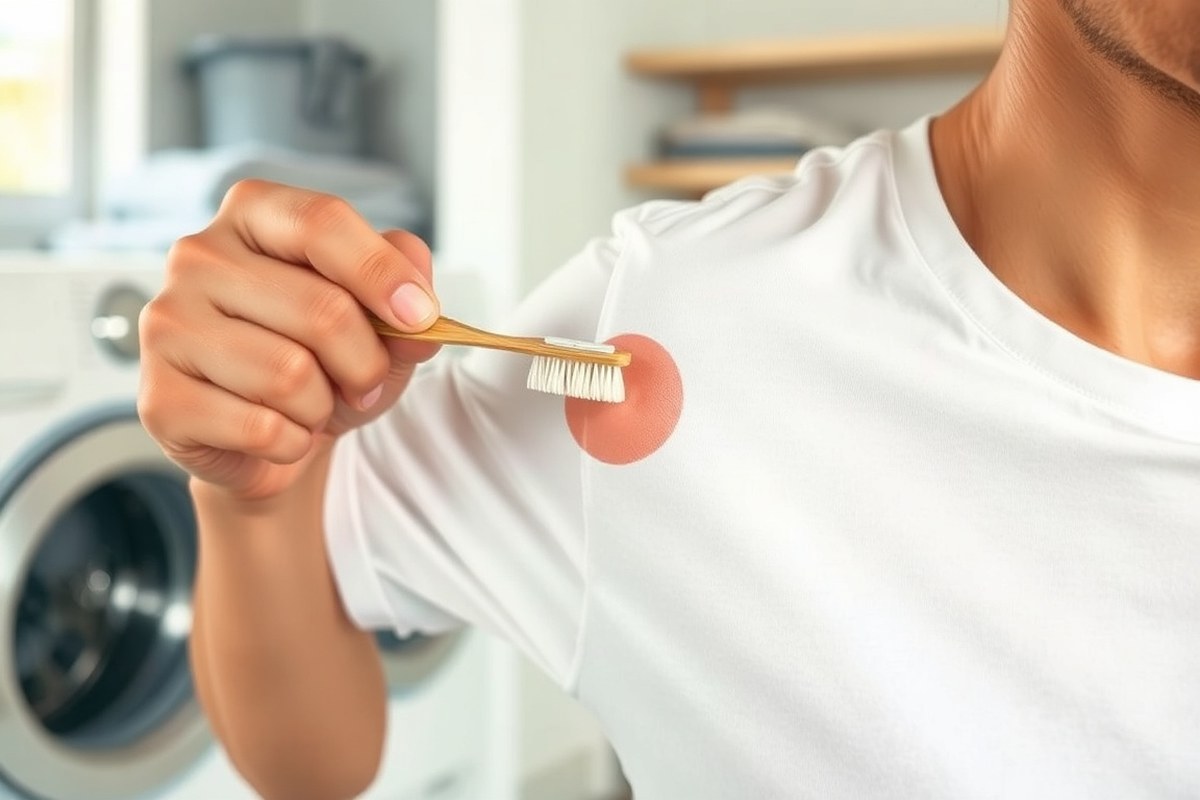
- Apply baking soda paste on stains and scrub with a toothbrush after soaking for 5 minutes.
- Whites can be treated with bleach, soaking from 30 minutes to an hour before washing.
- Apply 3% hydrogen peroxide on odor-causing stains for 15-20 minutes if fabric colors allow.
- Always test cleaning solutions on a hidden spot to avoid fabric damage before full treatment.
1. Best Methods to Remove Fresh and Set-In Perspiration Stains
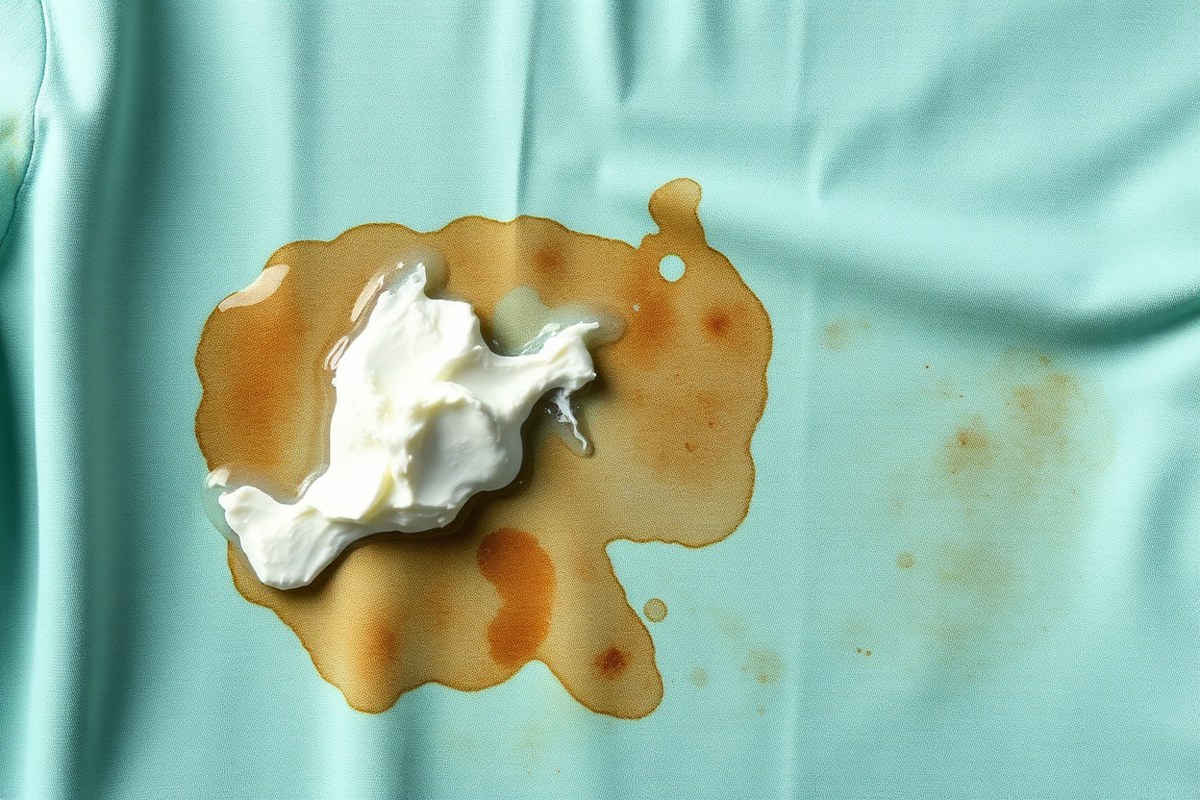
Removing perspiration stains effectively requires addressing the age of the stain and using the right process. Fresh stains are much easier to treat because the sweat salts and body oils have not set deeply into the fabric fibers. Set-in stains, which have dried or been through multiple wash cycles, typically need longer soaking and spot-treating to break down the buildup.
The most reliable approach involves soaking your garment for at least 20 minutes, which allows household ingredients to penetrate the fabric and loosen sweat residue. Following this, spot-treating with a natural cleaner like baking soda or a detergent containing oxygen-based bleach can boost stain removal. Avoid high heat on stained areas, since hot water or dryers can set the stain further. Here’s a straightforward step-by-step process to remove both fresh and set-in perspiration stains using common household items and a simple timeline:
- Rinse the stained area with cold water. Hold the fabric under running cold water to flush out as much sweat as possible. This is important for fresh stains to prevent them from setting.
- Create a soaking solution. Mix ½ cup of oxygen-based powder detergent (such as a color-safe product) in roughly 2 gallons of warm water. This warm water lubricates the fabric fibers, but should not be hot enough to cook the stain in. Use cold water instead if dealing with delicate fabrics.
- Soak the garment for 20 to 30 minutes. Submerge it completely while occasionally agitating the water. Soaking breaks down protein, salt, and oil components of the stain for easier removal.
- Apply a paste of baking soda and water to any stubborn spots. Gently rub the paste on the stain to lift residue. Let it sit for 10 minutes if the stain is set-in, then rinse with cold water before washing.
- Wash your garment normally using the warmest water safe for the fabric. Use a detergent with oxygen bleach to aid in stain removal. Follow label instructions to protect colors and fibers.
- Check the stain before drying. Drying with heat on stains can permanently set them. If the stain remains, repeat the soaking and spot-treating process.
Following these steps gives your clothes a good chance to come out fresh and free of sweat stains. The process usually takes under an hour, making it convenient for regular laundry routines. Spot-treating and soaking multiple times might be necessary for really stubborn marks, but early treatment dramatically improves your results.
2. Removing Sweat Stains from White, Colored, and Dark Fabrics
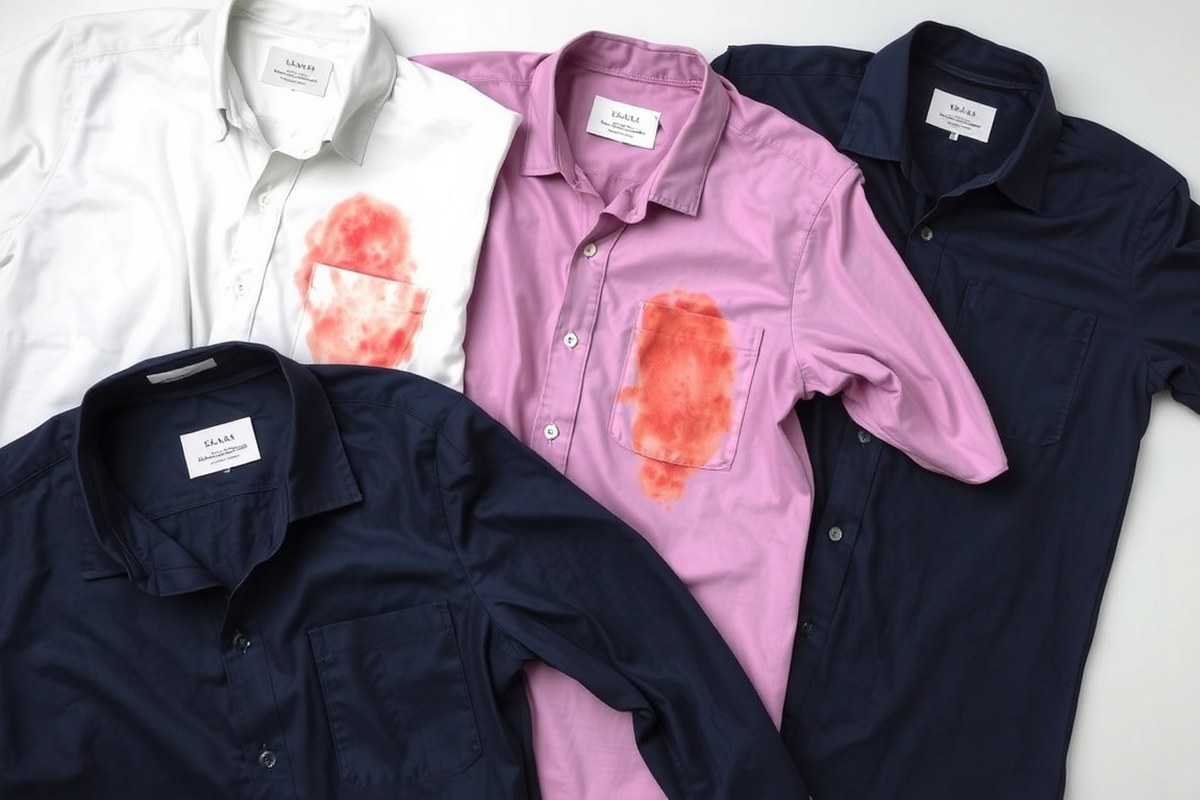
Perspiration stains vary in appearance and treatment depending on the fabric color. White fabrics generally allow for stronger whitening agents, but colored and dark fabrics require gentler stain removers to avoid damage or discoloration. Understanding these differences helps you pick safe, effective products and washing methods for best results.
Handling Whites: Bleach and Oxygen-Based Cleaners
White fabrics tolerate oxygen-based cleaners better than colored ones. Hydrogen peroxide acts as a natural whitening agent by lightening sweat stains without harsh chemicals, making it ideal for white cotton or synthetic blends. Use it diluted (about 3%) and combine with baking soda for improved stain lifting.
Chlorine bleach, despite its widespread use, is not recommended for removing perspiration stains. It can react with the protein in sweat and worsen yellowing rather than remove it. For white fabrics with stubborn stains beyond home remedies, oxygen-based bleach alternatives designed for laundry provide safer whitening.
Wash white items in the hottest water safe for the fabric to maximize stain removal. Always check fabric care labels. Soaking stained areas first can increase effectiveness.
Treating Colored Fabrics Safely
Colored fabrics require more delicate care to avoid fading or discoloration. Avoid baking soda and hydrogen peroxide mixtures, which can cause color loss or uneven lightening. White vinegar diluted in water is a milder option to treat perspiration stains on colors without damaging fabric dyes.
Use mild, color-safe bleach alternatives formulated to preserve fabric color while removing stains. Test any product on a hidden area first to ensure no adverse reaction occurs. Washing colored clothes at the lowest water temperature recommended by the care label protects fabric integrity and colors. Presoaking seasonally in a solution of water and diluted vinegar or color-safe stain remover can improve cleaning without harsh chemicals.
Best Practices for Dark and Black Clothing
Dark and black clothes often show sweat stains as lighter rings or confusing discoloration. Avoid any bleaching agents that lighten black fabric unevenly or cause spots. Instead, gentle pre-treating and washing in cold water are advisable.
Use stain sticks or laundry detergents designed for dark clothes that do not contain bleach or optical brighteners. These products help maintain fabric color while lifting stains. To tackle odor, a soak with white vinegar diluted in cool water can be effective without fading dark colors. Always air dry dark clothes after stain removal to review results; heat from dryers can set any remaining stains permanently.
| Fabric Color | Safe Stain Treatment | Products to Avoid | Washing Water Temp | Pre-treatment Tips |
|---|---|---|---|---|
| White | Hydrogen peroxide, baking soda, oxygen bleach | Chlorine bleach | Hot, as per fabric label | Soak stain, apply paste of peroxide + baking soda |
| Colored | Diluted white vinegar, color-safe bleach alternatives | Baking soda + peroxide mix, chlorine bleach | Cold or warm, per label | Presoak with diluted vinegar or stain remover |
| Dark/Black | Color-safe stain stick, mild detergent, diluted vinegar soak | Bleach, peroxide, optical brighteners | Cold | Pre-treat stains gently, avoid heat drying |
Following these fabric-specific tips ensures you use the safest and most effective products to remove perspiration stains while keeping your clothes looking their best. Tailoring your approach protects fabric color and texture, helping extend the life of your garments.
Warning: Avoid chlorine bleach on sweat stains, it can worsen yellowing even on white fabrics.
3. Household Ingredients and Tools to Remove Sweat Stains
Common household ingredients such as baking soda, white vinegar, lemon juice, hydrogen peroxide, and dish soap work well to remove perspiration stains. These natural materials lift and break down the stain without harsh chemicals, making them safe for most fabrics and eco-friendly. Using simple tools like clean cloths, soft brushes, and spray bottles helps apply these solutions effectively.
Baking Soda, White Vinegar, and Lemon Juice Uses
Baking soda is a popular and safe choice for lifting sweat stains. It creates a gentle abrasive paste when mixed with water, helping to loosen the stain from fabric fibers. White vinegar acts as a mild acid that can break down residual sweat minerals and deodorizes at the same time. Lemon juice’s natural acidity works well on white or light-colored fabrics to brighten stains.
For a basic homemade cleaner, mix one part baking soda with one part water into a paste. Apply it to the stains using a spoon or cloth and let it sit for 30 minutes before washing. For older stains, sponge the area first with a solution of equal parts white vinegar and water to help dissolve set-in residue. To use lemon juice, combine equal parts fresh lemon juice and water, then spray or dab on the stain and allow 10 to 15 minutes before rinsing or laundering. These ingredients are low-cost and non-toxic, usually under a few dollars per household supply, suitable for pet-safe cleaning.
Hydrogen Peroxide and Detergent Options
Hydrogen peroxide helps lighten yellow perspiration stains by breaking down pigment molecules in the fabric. A well-known DIY formula combines one part dish soap, two parts hydrogen peroxide, and one part baking soda, creating a powerful stain remover. Use a small amount of dish soap that works on grease and oils to help lift the stain further. Be sure to wash the clothing soon after applying this mixture, as leaving it on can cause permanent residue.
Liquid enzyme detergents specifically designed for sweat and odor, like Tide or Carbona’s enzyme prewash, improve stain removal by breaking down proteins in sweat. These can be used as spot treatments or added to your regular laundry cycle. Many enzyme detergents are biodegradable and less harmful than harsh chemical bleach. Avoid using hydrogen peroxide on colored fabrics without testing a small area first to prevent fading.
Tools: Brushes, Cloths, and Applicators
Having the right tools makes removing perspiration stains easier and more effective. Soft-bristled brushes or old toothbrushes help gently scrub paste or liquid stain removers into the fabric without damaging fibers. Clean white cloths or paper towels absorb excess moisture and blot the stain rather than rubbing it deeper.
Spray bottles allow for even application of diluted solutions like lemon juice or vinegar mixtures over larger areas. Always use cold or lukewarm water when rinsing to prevent setting the stain. A spoon or spatula can scoop pastes onto the fabric to keep your hands clean and apply even layers.
- Soft-bristled toothbrush or small scrub brush
- Clean white cloths or paper towels for blotting
- Spray bottle for lemon juice or vinegar solutions
- Spoon or spatula to apply baking soda paste
- Bowl for mixing stain remover solutions
- Gloves if sensitive to acids or detergents
These tools generally cost under $10 each or can be found around the house. Choosing reusable cloths and brushes helps reduce waste, supporting eco-friendly cleaning routines safe around pets and children.
4. Special Care for Delicate, Synthetic, and Mixed Fabrics
Perspiration stains can be removed from delicate, synthetic, and mixed fabrics, but the approach must be gentler to protect the fabric’s structure and color. Different fabrics react differently to stain removal methods because of their material composition. For example, silk and spandex require mild treatments, while polyester and cotton can tolerate more active stain removers. Choosing the right method reduces the risk of damage like discoloration, shrinking, or fiber weakening.
Safely treating delicate or synthetic fabrics starts with testing any cleaning solution on an inconspicuous area. Apply a small amount of the stain remover (such as diluted ammonia or a mild detergent) to the area and wait about 30 minutes to observe any damage or color change. This step helps to ensure the fabric will tolerate the treatment without harm. Here is a checklist to follow before applying stain removers:
- Identify the fabric type by checking the care label.
- Check if the fabric is delicate (silk, lace), synthetic (polyester, spandex), or mixed.
- Perform a patch test, applying the stain remover in a small hidden spot.
- Wait 20 to 30 minutes to watch for color fading, fabric weakening, or texture change.
For delicate and synthetic fabrics, use cool or cold water to avoid heat damage that could set stains further or harm sensitive fibers. Avoid scrubbing too hard, which can cause pilling or distortion. Instead, gently blot or dab the stain using a soft white cloth or sponge. Use an effective agent like diluted ammonia (roughly equal parts water to ammonia), apply it carefully and let it sit for around 30 minutes before rinsing. Rinse thoroughly with cool water and blot dry using a clean white towel to remove any cleaning residues.
For stubborn or older stains, repeat the gentle cleaning steps but avoid increasing the strength or quantity of chemicals used. Overworking the fabric or using stronger chemicals risks permanent damage. In cases where multiple attempts fail or stains remain set for long periods, professional cleaning is a safer choice, especially for expensive or fragile garments.
Fabric type plays a significant role in removing perspiration stains. Delicate fabrics require cold water, mild solutions, and gentle handling, while synthetics can often tolerate slightly stronger treatments but still need careful testing. Carrying out a patch test every time before fully applying a stain remover protects your clothes from unintended harm and helps achieve better results.
5. Removing Sweat Stains and Odor from Hats and Upholstery
Removing sweat stains and odors from hats and upholstery requires different approaches based on the materials involved. Proper cleaning protects the item’s finish and stops odors without causing damage. Knowing the right methods ensures your hats and furniture stay fresh and stain-free.
Cleaning Sweat Stains on Different Hat Materials
The best way to remove sweat stains on hats depends on the hat’s material, such as cotton, wool, or synthetic fabrics. Cotton hats usually tolerate gentle hand washing or spot cleaning with mild detergents. Wool or delicate fabrics need cooler water and specialized cleaners to avoid shrinking or discoloration.
For a thorough clean, first check the hat’s care label for any restrictions. Generally, sweat stains can be lifted with a mix of water and a small amount of gentle detergent or gentle stain remover. Avoid submerging hats if the label warns against it; instead use spot treatments and a soft brush or cloth.
- Remove loose dirt by gently brushing the hat with a soft brush or cloth.
- Mix warm water (about 90°F, or 30°C) with a few drops of mild detergent.
- Dip a clean cloth into the solution and dab on sweat-stained areas.
- Let it sit for 10 to 15 minutes to break down sweat residues.
- Gently scrub the stained areas with a soft brush or cloth, avoiding heavy rubbing.
- Rinse the treated spots with a damp cloth to remove soap.
- Pat the hat dry with a towel and reshape it immediately.
- Air dry in a cool, ventilated area away from direct sunlight.
Always test the cleaning solution on a hidden spot first to check for colorfastness or fabric damage.
Upholstery Spot Cleaning Techniques
Sweat stains on upholstered furniture mainly occur on areas where skin contacts the fabric, like seatbacks or armrests. The cleaning approach varies depending on the fabric type, natural like cotton or synthetic like microfiber. Use a mild detergent or upholstery cleaner suitable for the fabric. Avoid overwetting the upholstery to prevent watermarks or padding damage.
Cleaning upholstery involves a careful spot treatment process. First, vacuum the area to remove dirt and debris, which helps prevent embedding these particles during cleaning. Next, use diluted upholstery cleaner or mild soap and water to break down sweat stains gently. You can lightly scrub with a soft cloth or brush. Rinse with a clean, damp cloth to avoid leaving residue. Let it air dry fully to prevent musty odors.
Test any cleaning solution on an inconspicuous patch of upholstery before full application to avoid discoloration or fabric damage.
Deodorizing Tips for Persistent Odor
Sweat odor can linger even after stain removal, due to bacteria trapped in fibers. For persistent odors on hats and upholstery, apply a solution of 3% hydrogen peroxide if safe for the fabric color. Let it sit for 15 to 20 minutes, then rinse gently.
Another option for hats and upholstery is to use a fabric-safe odor neutralizer designed for household use. Ensure good ventilation during and after treatment to help odors dissipate. If odors remain, repeat the cleaning or try a specialized fabric rinse product that targets sweat-related smells.
6. Common Mistakes and How to Avoid Them When Removing Stains
One of the biggest mistakes when removing perspiration stains is using hot water or drying the garment in a dryer before the stain is completely gone. Heat can set the stain by baking the sweat, oils, and deodorant residues deeper into the fabric fibers, making the stain much harder or impossible to remove later. Use cold water instead and let the item air dry to avoid this problem. This simple step alone dramatically improves your chances of removing the stain.
Another frequent error is waiting too long to treat the stain. Fresh sweat stains are easier to remove because the substances haven’t fully bonded with the fabric yet. Once a stain sets for more than 24 hours, it can start to permanently change the garment’s color. Acting promptly, ideally within the first hour after noticing the stain, will give you the best results.
Some common myths about removing sweat stains can also waste your time or damage your clothing. For example, using bleach on all fabrics is not advisable and can cause discoloration, especially on colored or synthetic materials. Also, many believe vinegar alone is enough to remove stains, but it works best combined with other household ingredients, such as baking soda or dish soap, to break down residues effectively. Avoiding these pitfalls is straightforward once you know what to watch for. Here’s a list of common mistakes and how to prevent or fix them:
- Using hot water or machine drying before the stain is fully removed, switch to cold water wash and air dry instead.
- Delaying treatment, treat sweat stains within an hour if possible.
- Applying bleach on colored or delicate fabrics, use oxygen-based cleaners or gentle alternatives.
- Relying on single-ingredient solutions like just vinegar or soap, combine ingredients for better stain removal.
- Scrubbing vigorously, which can damage fabric fibers, gently blot or rub with circular motions.
- Ineffective rinsing, ensure all cleaning agents are fully rinsed out to avoid residue buildup.
- Ignoring deodorant buildup, clean the area regularly to prevent stains from forming.
To protect your garments, use cold water and avoid heat until stains are completely removed. Don’t hesitate to repeat the cleaning process if necessary, especially for set-in stains. Patience and gentle care go a long way in preserving fabric quality while effectively tackling perspiration stains.
7. Preventing Perspiration Stains: Practical Tips and Habits
Preventing perspiration stains starts with managing sweat and avoiding substances that contribute to discoloration. Wearing breathable fabrics such as cotton or moisture-wicking materials can reduce sweat build-up on your clothing. These fabrics help keep your skin cool and dry, which lessens the chances of perspiration soaking into fibers and causing stains. Avoid tight-fitting clothes that trap heat and moisture, especially during physical activity or warm weather.
Use antiperspirants rather than deodorants alone when you want to reduce sweating effectively. Choose clear or gel antiperspirants instead of those containing aluminum salts and white powders, which are common causes of yellow and white stains under the arms. Apply antiperspirant at night to clean, dry skin, allowing it to absorb fully before dressing. This timing helps reduce the residue that interacts with sweat during the day, which often leads to stubborn stains.
Washing your garments promptly after use is critical. Don’t let sweat sit for long periods, because dried sweat reacts with deodorant ingredients and fabric fibers, creating tougher stains and odors. If you can’t wash clothes immediately, rinse the underarm area with cold water to remove some sweat and antiperspirant residues. Use a gentle stain remover or soak the garment for 30 minutes in cold water mixed with a tablespoon of baking soda before washing. Avoid hot water, which can set sweat stains, making them harder to remove later.
Check clothing labels and always follow care instructions to avoid damage and stain setting. Delicate fabrics need gentle handling; use mild detergents designed for those materials. For white shirts, consider using non-chlorine bleach or oxygen-based whitening agents occasionally to keep the fabric bright without weakening fibers.
Preventive laundry habits also help. Turn shirts inside out before washing to target sweat areas more effectively. Avoid fabric softeners on perspiration-prone clothes, as they can lock in odors and residues. Instead, add half a cup of white vinegar to the rinse cycle to neutralize acids and eliminate smells. Dry garments thoroughly in the sun or a well-ventilated area to prevent mildew and lingering odor.
Develop a simple routine: apply antiperspirant at night, wear breathable fabrics, wash or rinse sweat-prone clothes soon after wearing them, and use specialized products like stain removers or baking soda soaks as needed. These steps cost little beyond a bit of extra time and household items often already available, but they can significantly extend the life of your favorite shirts and keep them looking and smelling fresh. Skipping prevention increases the risk of tough, yellowed sweat stains and unpleasant odors that require stronger treatments and may permanently damage fabrics.
8. When to Consider Professional Cleaning Services
Professional cleaning becomes necessary for perspiration stains when home treatments do not remove the discoloration or odor after several attempts. Stains that are deeply set in thick or delicate fabrics, such as silk or wool, can damage the material if treated improperly. Also, yellowing from sweat mixed with body oils and deodorant chemicals may require specialized solvents and equipment found at professional cleaners. Prompt action matters because delayed treatment can permanently weaken fibers; a professional’s approach can prevent further harm and restore fabric appearance more effectively.
To decide whether to seek professional cleaning, try your usual home stain removal methods first. After two or three proper attempts with the stain still visible or the fabric showing signs of weakening, it’s best to call a professional. For example, if you’ve soaked the garment in a recommended stain remover and laundered it with a detergent designed for perspiration but the mark still shows or the fabric has become brittle, do not continue home treatments that might cause more damage. Stubborn yellow sweat stains on dress shirts, sportswear, and suit linings often fit this pattern.
Another factor to consider is the fabric type and garment value. High-end clothing and vintage pieces with sweat stains should ideally be handled by professional cleaners to avoid color fading and shrinking, particularly since improper washing water temperatures (usually exceeding 104°F or 40°C) can worsen the fabric condition. Professional cleaners use controlled temperatures and specialized solvents that money spent on high-quality clothing can justify. On average, professional stain removal costs between $15 and $50, depending on stain severity and fabric type, which can be a worthwhile investment for valuable or delicate items.
Look for professional services that specifically mention expertise in treating stains and delicate fabrics. Verify that the cleaner uses eco-friendly solvents if you are concerned about chemical exposure at home. Some cleaners offer spot-cleaning or pretreatment reviews, so you can ask them to check the garment and give an assessment before committing. This step helps set reasonable expectations for stain removal effectiveness and pricing. Odor from sweat that persists despite cleaning might need professional ozone or steam treatments, which home methods can’t replicate.
Keep detailed notes of your home treatment attempts to inform the cleaner. Let them know what products you used, the fabric type, and how long the stain has been present. This information helps them select the least harsh but most effective treatment. Do not attempt bleach or strong chemical treatments beyond mild home remedies as these increase the risk of fabric damage and may void any professional cleaning guarantee.
Persistent sweat stains on valuable or delicate fabrics that resist multiple home treatments should be taken to a professional cleaner promptly to prevent permanent fiber damage.
Step-by-Step Action Plan for Removing Perspiration Stains
Follow these steps to tackle perspiration stains effectively and keep your fabrics looking clean and fresh.
- Before you start: Identify the fabric type by checking care labels to choose the right cleaning method and avoid damage.
- Day 1 (for fresh stains): Rinse the stained area with cold water immediately to flush out sweat and prevent setting.
- Day 1 (after rinsing): Apply a paste made from baking soda and water directly on the stain, let it sit for 30 minutes, then rinse to lift the stain.
- Day 2 (for set-in stains): Soak the garment in a solution of water and oxygen-based bleach for up to 6 hours, checking periodically for fading or damage.
- Day 2 (after soaking): Launder according to the fabric’s care instructions using an enzyme-based detergent to break down sweat proteins.
- After washing: Air dry the fabric away from direct sunlight to prevent yellowing; repeat stain treatment if any discoloration remains.
- As needed: For delicate or synthetic fabrics, use commercially available stain removers designed for those materials or consult a professional cleaner.
Frequently Asked Questions
Can Perspiration Stains Damage Fabric Fibers over Time?
Yes, untreated perspiration stains can weaken fabric fibers, making them more prone to damage. Prompt cleaning helps preserve the integrity of the fabric and prevents permanent stains or fabric deterioration.
Is It Safe to Use Bleach on Perspiration Stains?
Bleach can cause discoloration or fabric damage, especially on colored or delicate items. It’s better to use oxygen-based stain removers or specialized cleaners designed for sweat stains.
How Does the Type of Deodorant Affect Perspiration Stain Removal?
Deodorants with aluminum compounds often cause yellow stains that are harder to remove. Stain removal might require stronger or specialized products targeting these ingredients.
Can Perspiration Stains Reappear After Washing?
Sometimes perspiration stains look removed but reappear after drying due to residue or fabric reaction. Thorough pretreatment and soaking help prevent this issue.
Are There Quick Fixes for Perspiration Stains When Away from Home?
Blotting the stain immediately with cold water and gently rubbing can reduce stain setting. Carrying stain wipes or a mild detergent packet also helps on the go.
How Can I Protect Upholstery from Perspiration Stains?
Use washable slipcovers, or apply fabric protectors designed for upholstery to repel sweat and moisture. Regular cleaning avoids buildup and stains on furniture.
Before You Go
Perspiration stains can be removed effectively when you act promptly and use the right treatment based on your fabric type. Start by testing cleaning methods on a hidden area to ensure fabric safety. Take one stained item today and apply these steps to see the difference in stain removal and freshness for yourself.