How to Clean Puffer Jackets Safely: Complete Steps for Lasting Warmth
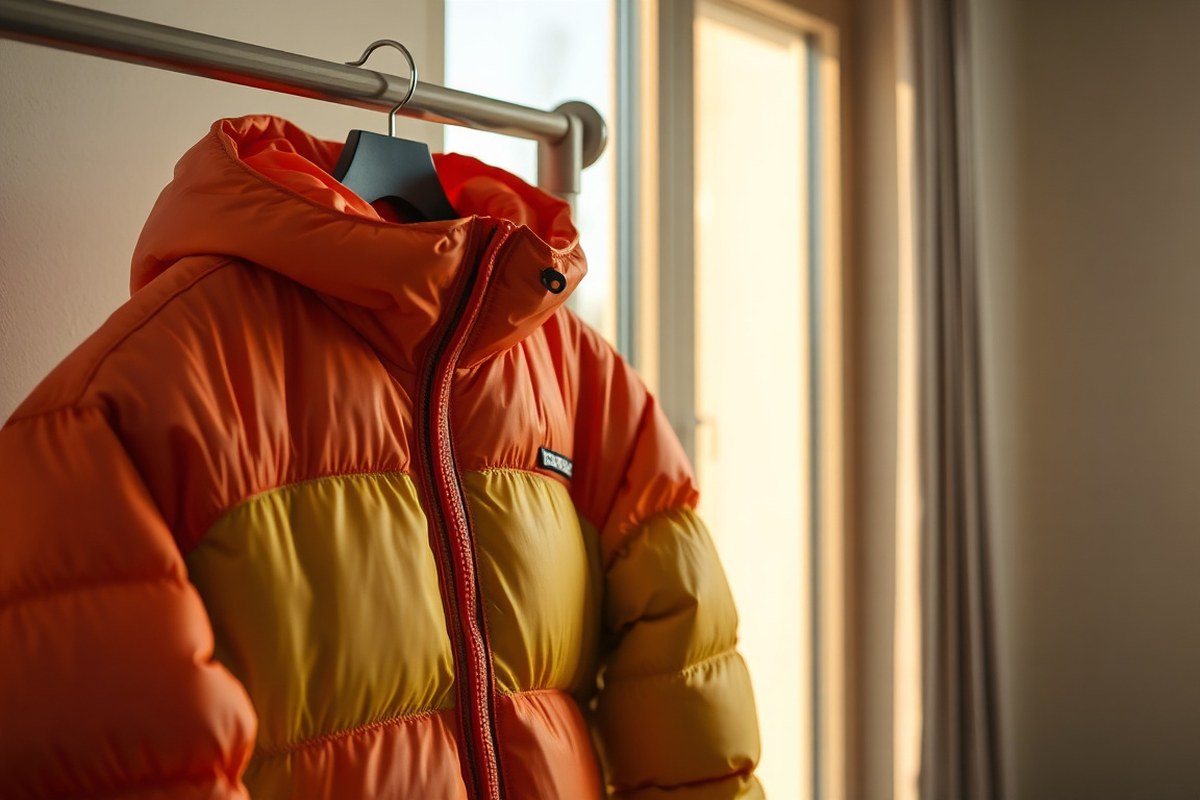
Cleaning your puffer jacket safely means washing it on a gentle cycle at 30°C with reduced spin speed and using the right detergent. Avoid high heat during drying by tumble drying on low and regularly shaking the jacket to restore its loft and shape. This method prevents damage to the insulation and fabric.
This advice is for anyone wanting to maintain their puffer jacket’s warmth and appearance without risking damage. You’ll find clear, practical steps for washing, drying, stain removal, and overall upkeep to keep your jacket in good condition for years.
Key Takeaways
- Always check your puffer jacket’s care label before washing to confirm it is machine-washable.
- Use a down-specific cleaner or mild detergent suitable for your jacket’s insulation type.
- Pre-soak your jacket in warm water with detergent for up to 60 minutes to loosen dirt and stains.
- Wash on a gentle cycle at 30°C and choose a reduced spin speed to protect the jacket’s fill.
- After washing, drip-dry in the shade for 10 minutes before tumble drying on low heat.
- Tumble dry for about 30 minutes, removing the jacket every 20, 30 minutes to shake and fluff it.
How to Wash a Puffer Jacket Without Damage
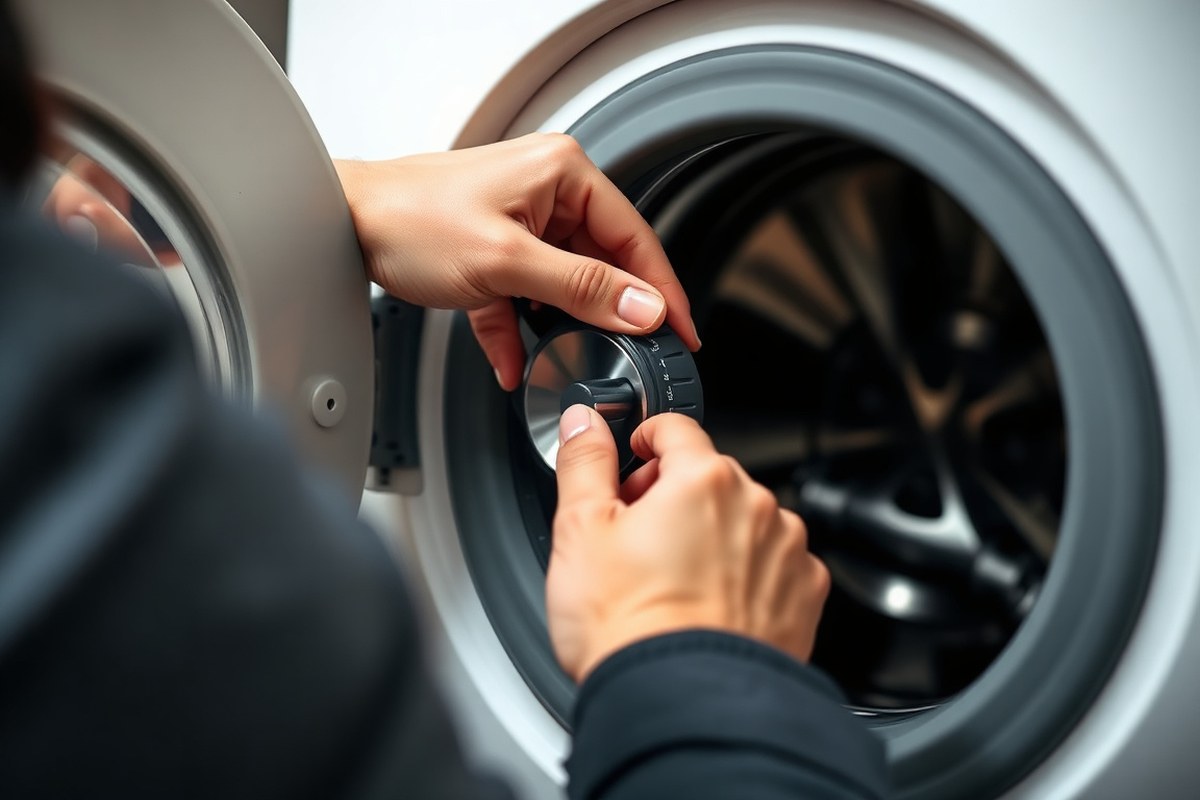
You can safely machine wash most puffer jackets as long as you follow the right steps and use the correct settings. Washing with cold or warm water on a gentle cycle and using a down-specific cleaner helps prevent damage. Hand washing is a good alternative for more delicate jackets or when you want to be extra cautious.
Preparing Your Puffer Jacket for Washing
Start by checking your jacket’s care label to confirm if machine washing is allowed and for any special instructions. Close all zippers and fasten any snaps or Velcro to prevent snags during washing. Inspect the jacket for any visible stains and treat them separately if needed to avoid leaving marks after the wash.
Use a down-specific detergent or one formulated for synthetic insulation to avoid breaking down the jacket’s filling. Regular detergents can strip natural oils from down feathers or harm synthetic fibers, reducing warmth and loft. Avoid fabric softeners and bleach, as these can damage the outer shell and insulating material.
Machine Washing Settings Explained
Set your washing machine to a gentle or delicate cycle, which uses slower agitation and minimal spinning to protect the fabric and insulation. Use cold water or warm water up to about 30°C (86°F) to reduce the risk of shrinkage and preserve waterproof coatings if your jacket has them.
Avoid using a high spin speed to prevent damage to the down cluster or synthetic fill. If your machine allows, disable the spin cycle or set it to the lowest setting. Front-loading washers are generally preferable because top-loaders with agitators can tear delicate outer shells. Make sure your washer is large enough so the jacket can move freely without getting crushed.
- Place the jacket inside the washing machine’s drum without overfilling.
- Add the recommended amount of down-specific detergent.
- Select a gentle or delicate cycle at 30°C or lower.
- Skip or reduce the spin cycle to protect the insulation.
- Start the wash and wait for the cycle to finish.
- Remove the jacket promptly to prevent wrinkles and mildew.
Hand Washing Method Step-by-Step
Hand washing offers more control and can feel safer for fragile or older puffer jackets, especially those labeled as hand wash only. Fill a clean bathtub or large basin with warm water, about 30°C, and dissolve a small amount of down-specific cleaner. Submerge your jacket and let it soak to loosen dirt while protecting the insulation.
Handle your jacket gently to avoid compressing the filling excessively. Avoid harsh scrubbing, which can damage stitching and fabric. After soaking for up to 60 minutes, rinse thoroughly with cool water and gently press out excess water without wringing.
- Fill a basin with warm water (around 30°C) and add the recommended detergent.
- Submerge your jacket completely, ensuring it soaks for up to an hour.
- Gently press and knead the jacket to clean without scrubbing.
- Drain the soapy water and refill with clean cool water to rinse.
- Repeat rinsing until no detergent remains.
- Press out excess water carefully without twisting or wringing.
- Lay the jacket flat on a towel to drip dry for 10 minutes before drying fully.
Choosing the Right Detergent for Down and Synthetic Jackets
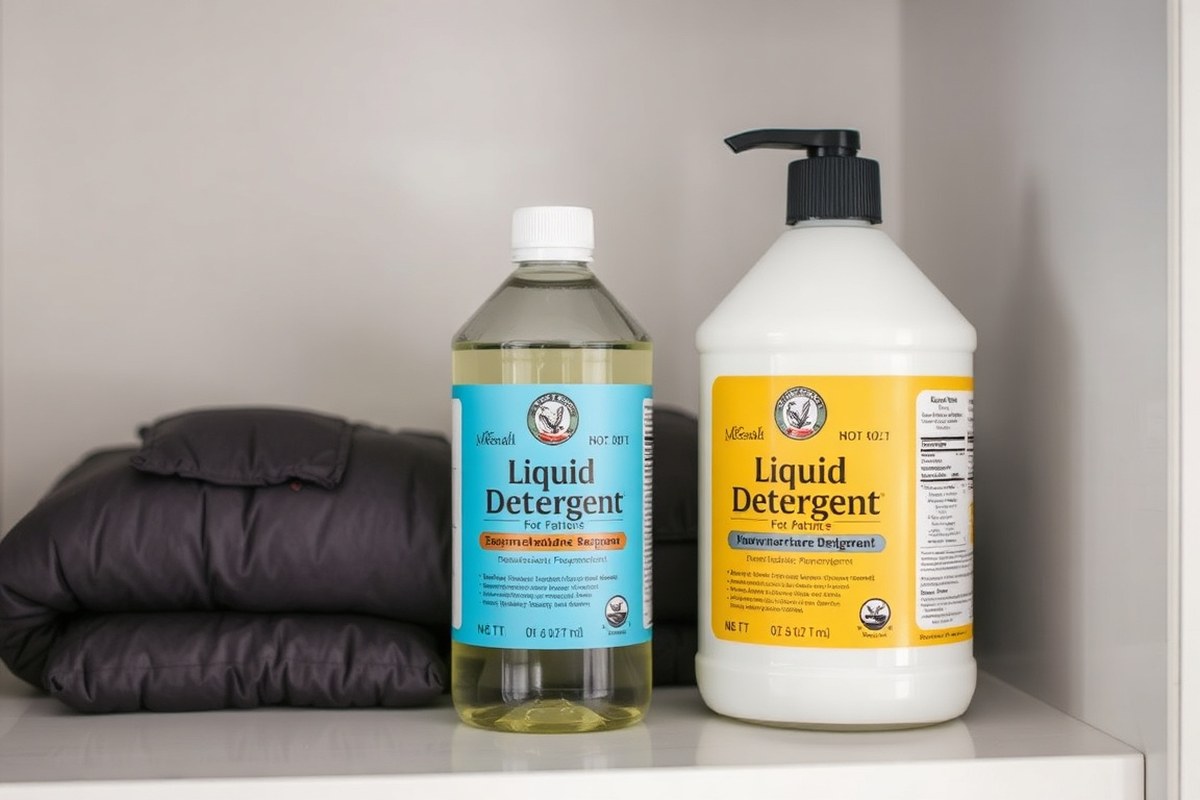
Choosing the right detergent for your puffer jacket is key to keeping both insulation and outer fabric in good condition. Regular detergents often contain chemicals that can damage the delicate down or synthetic fill, so selecting a detergent specially formulated for your jacket type is the best approach.
Detergents Suitable for Down Jackets
Specialized cleaners made specifically for down insulation are gentle and help maintain loft and warmth. For instance, Nikwax Down Wash Direct is a popular option, designed to clean effectively without stripping natural oils from down feathers. Avoid using any detergent that is not labelled for down, as this can lead to clumping and loss of insulation performance.
When washing, use a small amount of the down-specific detergent, typically between 1 to 2 ounces depending on machine size and soil level. This helps ensure the down remains fluffy and functional after cleaning. Turning the jacket inside out before washing can also protect the outer fabric during the cycle.
Detergents Suitable for Synthetic Puffer Jackets
Synthetic-filled jackets are somewhat more forgiving but still benefit from mild detergents designed for performance wear or delicates. Lucent Globe Laundry Sheets are a gentle option that cleans without harsh chemicals, preserving the insulation’s ability to trap heat. Mild, liquid detergents formulated for synthetic fabrics are effective, too.
Use these detergents sparingly, following pack instructions, and avoid harsh agitation to keep synthetic fibers from matting or breaking down. Like down jackets, turning synthetic puffers inside out helps protect the fabric coating.
| Type of Puffer Jacket | Recommended Detergent | Detergents to Avoid | Approximate Cost |
|---|---|---|---|
| Down | Nikwax Down Wash Direct | Regular detergents, fabric softeners, bleach | $10, $15 per 10 oz bottle |
| Synthetic | Lucent Globe Laundry Sheets, Mild liquid detergents | Regular detergents with harsh chemicals, fabric softeners | $7, $12 per pack or bottle |
This comparison highlights the difference in detergent needs between down and synthetic puffer jackets. Using the correct product increases washing success and extends jacket life.
What to Avoid in Detergents
Strong chemicals such as bleach, fabric softeners, and standard laundry detergents with additives should be avoided for any puffer jacket. These substances can strip the natural oils in down or degrade the technical coatings on synthetic shells. The damage leads to clumped or flattened insulation and reduces warmth.
Fabric softeners are especially problematic because they leave residues that affect water repellency and the jacket’s insulating properties. Skipping these harsh chemicals protects both warmth and fabric integrity.
Tip: Never use bleach, fabric softeners, or regular detergent on down or synthetic puffer jackets to avoid damaging the insulation and shell fabric.
Pre-Treating and Removing Stubborn Stains Safely
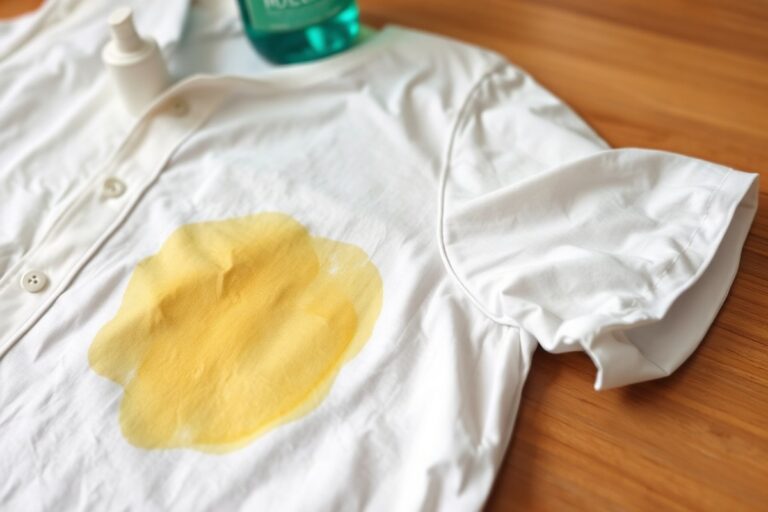
Pre-treating stains on your puffer jacket before washing can significantly improve cleaning results and protect the jacket’s materials. Spot cleaning stubborn stains like oil or mud ensures they loosen without damaging the fabric or insulation. Use gentle, safe stain removers and follow careful steps to avoid clumping or weakening the jacket’s finish.
Common Stain Types and Approaches
Different stains require specific attention based on their source and composition. Oil and grease stains are harder to remove and need degreasing agents, while mud and dirt stains respond well to water-based treatments. Food stains usually lift with mild detergent or stain remover designed for delicate fabrics. Understanding the stain type helps you choose the right pre-treatment method without risking damage to the jacket’s outer material or insulation.
Oil-based stains should be addressed with a gentle degreaser or dish soap that breaks down fats without harsh chemicals. Mud should be allowed to dry first, then gently brushed off before applying any cleaner. Avoid soaking the entire jacket area with stain remover to prevent water intrusion that can lead to interior clumping.
Pre-Treating Steps to Follow
Start by laying your puffer jacket flat on a clean surface. Identify all visible stains and test any stain remover on a hidden section to check for discoloration or fabric sensitivity. When ready, apply a small amount of gentle stain remover or dish soap to the stained spot. Lightly rub with a soft cloth or fingers to work the cleaner into the fabric without excessive force.
- Dry any mud stains and brush off loose dirt first
- Use a gentle liquid dish soap for oil or grease spots
- Apply stain remover sparingly and locally, not soaking the entire jacket
- Let the stain remover sit for 5 to 10 minutes before washing
- Use cold or lukewarm water on treated spots to prevent setting stains
- Rinse gently or wait until the jacket’s washing cycle to remove residue
After pre-treating, you can place the jacket in the washing machine following your usual cleaning method. Avoid scrubbing vigorously, which can damage the outer shell or internal down clusters.
When to Avoid Harsh Chemicals
Harsh stain removers and dry-cleaning solvents can seriously harm the materials and insulation of puffer jackets. Strong chemicals may degrade the water-repellent coating, weaken sewn seams, or cause down clumping inside. Avoid bleach, bleach-based products, and solvent-heavy cleaners altogether.
The safest approach is to use mild soaps and specific stain removers labeled safe for synthetic or down outerwear. When dealing with difficult stains, spot cleaning with gentle products is better than full soaking. If a stain persists despite pre-treatment and washing, professional cleaning by a specialist experienced with puffer jackets is recommended to avoid costly damage.
Best Drying Methods to Restore Loft and Shape
The most effective method to dry a puffer jacket and restore its loft is to tumble dry it on low heat along with clean tennis balls or dryer balls. These balls help separate any clumps in the down or synthetic filling, preventing compression and allowing the jacket to regain its puffiness. Tumble drying also ensures the insulation inside is completely dry, which air drying often cannot achieve.
Drying a puffer jacket this way takes several hours, depending on the jacket’s thickness and the dryer’s efficiency. You should check the jacket regularly during the process to avoid overheating or damage. Avoid adding anything heavier than tennis balls to the dryer, since heavier items can crush and damage the feathers or synthetic fill.
When tumble drying isn’t an option due to your jacket’s care instructions or lack of a dryer, air drying provides a safer, gentler method for drying your puffer jacket. Air drying requires more time and effort to maintain shape and loft. Lay the jacket flat on a clean surface after washing, reshape it gently, and turn it occasionally. This helps prevent misshaping while the jacket dries slowly over many hours. Since air drying doesn’t fluff the insulation as well, you’ll need to fluff the jacket by hand, patting and shaking it often until fully dry.
The best drying results often come from combining both methods: tumble drying on low heat with tennis balls first, then finishing by hanging the jacket in a well-ventilated area to air dry thoroughly. This two-step approach helps restore loft and ensure the jacket is completely dry, avoiding clumping or musty odors.
- Set your dryer to low heat: Use a gentle or delicate cycle to avoid heat damage to the jacket’s insulation and fabric.
- Add two or three clean tennis balls or dryer balls: These help break up any clumps inside the jacket and restore fluffiness during drying.
- Place the jacket loosely inside the dryer: Avoid overcrowding the drum so the jacket can tumble freely.
- Dry for about 2 to 3 hours: Check the jacket every 30 minutes to prevent overheating and redistribute the jacket if needed.
- Remove the jacket while slightly damp: If it’s not completely dry, you can air dry it afterward to avoid over-drying.
- Air dry the jacket flat or hang it in a ventilated space: Reshape it gently to maintain form and fluff it by hand regularly as it finishes drying.
- Repeat low-heat drying with tennis balls if necessary: A short additional drying session can revive loft if the jacket still feels flat.
How Often and When Should You Wash Your Puffer Jacket?
Washing your puffer jacket depends largely on how often you wear it and the conditions you expose it to. For example, if you wear your jacket daily during cold, dry conditions with minimal dirt exposure, washing it twice a year may suffice. However, washing becomes necessary more often if the jacket gets visibly dirty, develops odors, or loses its loft. Over-washing can harm the insulation and fabric by stripping natural oils from down feathers or damaging synthetic fills, reducing warmth and durability.
Proper care between washes cuts down on how often you need to clean your puffer jacket. Treat stains as soon as you see them and let the jacket air out after wearing to stop smells from settling in. Keep it stored in a dry, roomy spot so the insulation can stay fluffy. Doing these things helps your jacket last longer and keep its warmth.
- Wash your jacket when it shows dirt or stains that won’t come off with spot cleaning.
- Clean it at least once per season if worn frequently in outdoor environments.
- Avoid washing more than 3-4 times per year to preserve fill integrity.
- Use a ventilated area to hang your jacket for airing out after wearing.
- Spot-clean small areas immediately to prevent heavy soiling.
- Store the jacket on a hanger in a cool, dry place during off-seasons.
- Check for manufacturer recommendations on washing frequency specific to your jacket.
Do not wash your puffer jacket after every single use unless it is visibly dirty or smells bad; frequent washing wears down insulation and fabric faster.More frequent washing might be needed for jackets used in harsh conditions like wet or muddy environments. In such cases, waiting too long risks permanent stains and damage. Conversely, jackets worn primarily indoors or in light weather can go longer between washes. Considering how your jacket looks and smells after wearing provides the best cue for when to clean it. Always balance the need for cleanliness with the impact on warmth and jacket longevity.
Differences in Care for Down vs Synthetic Puffer Jackets
Down puffer jackets require more careful handling during washing and drying because their natural feathers are sensitive to moisture and heat. Washing down can lead to clumping of the fill, which reduces warmth and loft. Synthetic jackets usually tolerate washing better and are less prone to fill clumping, making them easier to maintain at home.
Using clean tennis balls or wool dryer balls in the washing and drying process keeps the filling in both down and synthetic jackets evenly spread. High heat or prolonged drying can damage feathers in down jackets, while synthetic fills typically tolerate machine drying better. Always check the care label for specific instructions, as some jackets have coatings or waterproof finishes that require gentle cleaning methods and products.
| Care Aspect | Down Jacket | Synthetic Jacket |
|---|---|---|
| Washing Temperature | Cold or warm (30°C/86°F max), avoid hot water to prevent feather damage | Can tolerate warm water (up to 40°C/104°F), but cooler is safer |
| Detergent Type | Use detergents specially formulated for down or mild, gentle detergents | Can use more general-purpose detergents or products like Lucent Globe Laundry Sheets |
| Washing Machine Settings | Gentle cycle, no heavy agitation to avoid damage to feathers | Gentle to normal cycle suitable |
| Drying Method | Low heat drying with several clean tennis or wool dryer balls to break up clumps, may require multiple cycles | Machine drying at low to medium heat, with dryer balls to prevent clumping |
| Drying Time | Longer drying times (up to several hours), important to ensure complete dryness to prevent mildew | Shorter drying times, but still ensure complete dryness |
| Fill Clumping Risk | High, needs careful handling to fluff up feathers after cleaning | Lower risk, synthetic fibers spring back more easily |
| Special Coatings | Check care label, wash with care to not damage waterproof coatings or durable water repellent (DWR) | Same as down; follow label to protect coatings |
Because down fill can clump and weigh the jacket down, correctly drying it with dryer balls at low heat is critical. Avoiding high temperatures helps preserve feather integrity and loft. Synthetic jackets are generally more forgiving but still benefit from being dried alongside dryer balls to keep the insulation even and maintain the jacket’s shape. The washing machine’s gentle cycle is important for both types but especially for down to prevent physical damage to feathers. Checking your jacket’s care label before cleaning will help you tailor these guidelines to your specific garment.
Maintaining Your Puffer Jacket Between Washes
Keeping your puffer jacket fresh between washes saves time and helps preserve its shape and insulation. Regular airing out and spot cleaning can effectively remove odors and minor dirt without breaking down the fabric or filling from repeated full washes. This approach also prevents premature wear of zippers, seams, and snaps, which may reduce the jacket’s lifespan.
For spot cleaning, use a clean, damp cloth with a small amount of mild soap, such as a gentle dish detergent or a wool-safe shampoo. Dab the stained area carefully instead of scrubbing, working from the outside inward to avoid spreading the stain. Rinse the cloth frequently and lightly wipe away soap residue afterward. Allow the damp spot to air dry completely before wearing or storing to prevent mildew.
Airing out your jacket outdoors on a dry, breezy day is one of the simplest ways to recharge it. Avoid hanging it in direct sunlight for prolonged periods as UV rays can damage the fabric and fade colors. Instead, place the jacket on a hanger in a shaded, well-ventilated area. This process usually takes one to two hours to remove most odors, including those from sweat or smoke, without wetting the jacket.
If you notice small tears or loose threads, address these minor repairs promptly to avoid worsening damage. Use a nylon thread and a small needle to sew up any splits, or apply fabric tape designed for outerwear. Fixing problems early preserves your jacket’s insulation and water resistance.
- Dampen a cloth with lukewarm water and mild soap for spot cleaning
- Gently blot stains instead of rubbing
- Air out on a hanger in a shaded, breezy place for 1-2 hours
- Avoid direct sunlight and damp storage to prevent fading and mildew
- Inspect regularly for small tears and repair promptly
- Store jacket loosely in a breathable garment bag or hung in a closet, not compressed
Storing your puffer jacket properly also matters. Compressing it for long periods can crush the insulation, reducing loft and warmth. Avoid storing it tightly packed in a suitcase or plastic bag. Use a breathable garment bag or hang it in a closet, allowing the filling to maintain its fluffiness. Periodic airing and gentle fluffing before storage can keep the insulation evenly distributed and ready for use.
Common Cleaning Mistakes and How to Avoid Them
Clumping and flattening of your puffer jacket’s filling usually happen when the feathers or synthetic fibers stick together during washing or drying. Avoid wringing your jacket, as that forces the insulation to bunch up and lose loft. Instead, support the jacket’s weight and gently shake it to remove excess water. Heat exposure above 40 degrees Fahrenheit can warp synthetic fibers or damage down, ruining the jacket’s shape and insulating ability, so always tumble-dry on low heat or drip-dry carefully.
Avoid common mistakes like using harsh detergents, skipping pre-treatment of stains, or machine drying on high heat. These errors cause fabric damage, loss of water resistance, and compressed insulation. To restore loft and maintain performance, fluff the fill gently by hand after drying, or consider a professional cleaning and re-lofting service if the jacket remains flat over time.
- Never wring out your jacket; it causes feathers to clump permanently
- Use a tumble dryer on low heat to dry; avoid high temperatures
- Lay the jacket flat on a drying rack for initial drip-drying (about 10 minutes)
- Gently shake and fluff the jacket during drying to separate fill
- Clean your jacket before storing for long periods to prevent permanent damage
- Use detergents formulated for down or synthetics, never bleach or fabric softeners
Always check your jacket’s care label and follow temperature guidelines strictly to avoid damaging insulation and fabric.
Recognizing damage early helps you act fast. Clumped insulation feels heavy and cold spots appear where feathers are compressed. Flat-looking sections with no bounce back indicate lost fill loft. Maintaining proper drying and handling habits prevents these problems. If your jacket still loses loft after correct care, rely on a professional re-lofting service for the best results. These services can separate and redistribute feathers or fibers, restoring insulation without risking further damage.
Step-by-Step Action Plan for Cleaning Your Puffer Jacket
Follow these clear steps to safely clean your puffer jacket and keep it looking great.
- Before washing: Inspect your jacket for stains and apply a gentle stain remover to problem spots, letting it sit for 10 minutes to ensure effectiveness.
- Day of washing: Use a front-loading washing machine with cold water and a detergent designed for down or synthetic insulation; this prevents damage to the fill and fabric.
- After washing: Rinse thoroughly to remove detergent residue, checking the water is clear before moving to drying.
- Drying phase: Set your dryer to a low heat setting and toss in a few clean tennis balls or dryer balls to keep the filling fluffy and stop it from clumping.
- Post-drying: Check the jacket’s fill loft and fabric softness; if still damp or clumped, continue drying in short intervals.
- Between wears: Spot clean dirt or marks with a damp cloth and mild soap to reduce the frequency of full washes.
- After 3 months of use: Plan a full wash cycle to maintain insulation efficiency and cleanliness, adjusting more often if the jacket is heavily used outdoors.
Frequently Asked Questions
Do White Puffers Get Dirty Easily?
Yes, white puffers show dirt and stains more clearly than darker colors. Regular spot cleaning can help maintain their bright appearance without frequent full washes.
Why Has My Puffer Jacket Gone Flat After Washing?
Your puffer jacket likely went flat because the filling clumped together during washing. To fix this, dry it thoroughly by fluffing it periodically or using clean tennis balls in the dryer on low heat.
Is a Down Jacket Ruined If It Gets Wet?
A down jacket is not ruined if wet but needs proper drying to restore loft and prevent mold. Air dry it flat and away from direct heat or sunlight for best results.
Can I Put a Puffer Coat in a Washing Machine?
Most puffer jackets can be machine washed on a gentle cycle at around 30°C with a reduced spin speed. Always check the care label and avoid older top loader machines with agitators.
How Do I Remove Odor from My Puffer Jacket?
Use a detergent specifically designed for synthetic or down fabrics and wash on a gentle cycle to help eliminate odors. Air drying in a ventilated area also helps prevent lingering smells.
Can I Bleach My Puffer Jacket to Remove Stains?
No, bleaching can damage the fabric and filling of your puffer jacket. Instead, use a stain remover recommended for delicate or insulating materials and follow with a gentle wash.
Final Thoughts
Cleaning your puffer jacket at home is manageable with careful preparation and the right products. Taking these steps helps preserve its warmth and appearance over time. Start by treating stains early before washing to protect the insulation and fabric.