Can You Wash a Feather Down Comforter? Safe Methods and Tips That Work
You can wash a feather down comforter at home safely if you follow the right methods, including using a gentle cycle and proper drying techniques. Avoid high heat and harsh detergents to prevent damage and maintain loft. This advice is for homeowners or renters with feather or down comforters looking for practical care tips to keep their bedding fresh and durable.
This article provides clear recommendations on washing frequency, stain treatment, machine settings, drying processes, and storage. Following these steps helps preserve your comforter’s insulation and softness while minimizing wear and tear over time.
Key Takeaways
- Wash your feather down comforter every 3-5 years, or more often if you have allergies or pets.
- Use a delicate warm water cycle at about 140°F (60°C) for washing down comforters.
- Pre-soak the comforter in water for 30 minutes to a few hours to loosen dirt before washing.
- Pause the washing cycle every 30 minutes to shake and redistribute the filling evenly.
- Dry your comforter on the lowest heat setting and allow 4 to 12 hours depending on size.
- Add dryer balls or clean tennis balls during drying to help fluff the feathers without damage.
Can You Wash a Feather Down Comforter at Home Safely?

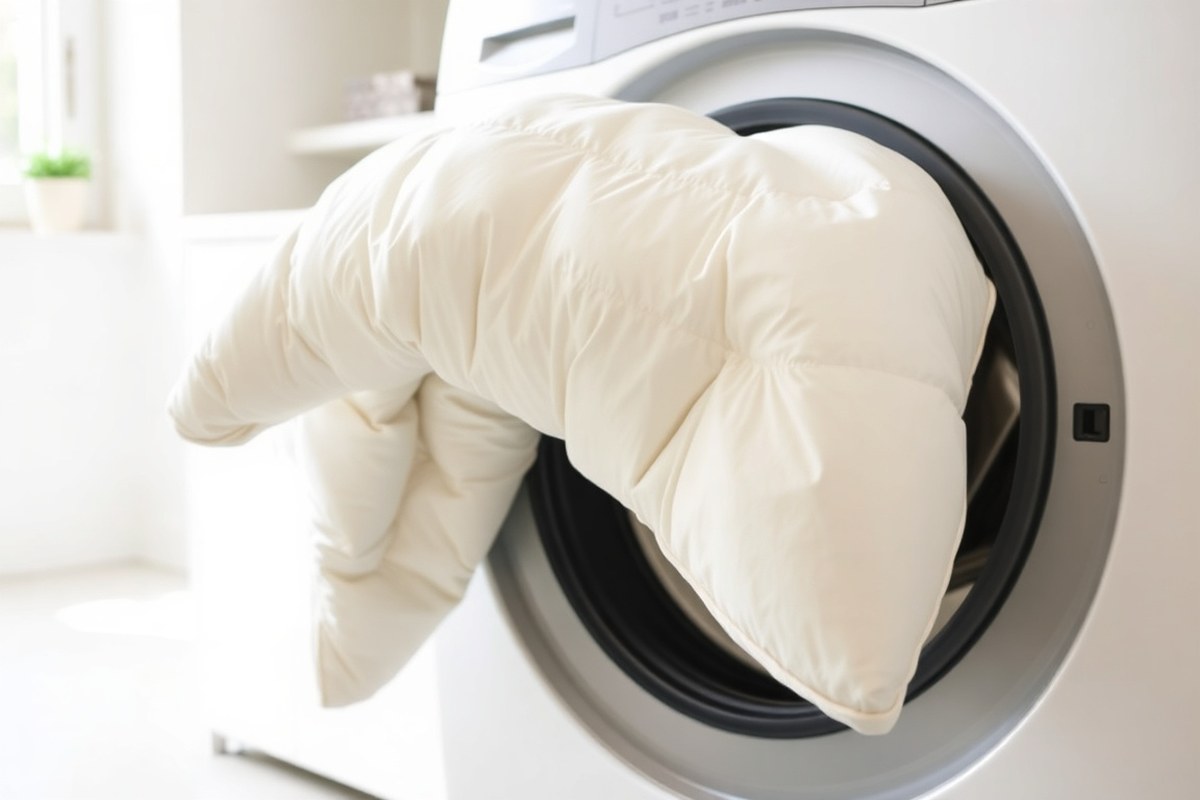
You can wash a feather down comforter at home safely, but only under specific conditions. The key factor is whether your washing machine can accommodate the comforter comfortably. A front-loading washing machine with a large drum is ideal because it lets the comforter move freely, reducing the risk of clumping or damage. Your washer needs to be large enough to clean the comforter properly and avoid damaging the machine. Top-loading washers with agitators are generally not recommended since the agitator can tear the fabric or feathers.
When washing your feather down comforter at home, use a gentle detergent made for down or delicate fabrics, and select a gentle or delicate wash cycle with cool or lukewarm water, typically around 30°C (86°F). Avoid bleach or fabric softeners, as these can harm the feathers. To avoid compressing the feathers, wash the comforter alone without other laundry items. After washing, it’s important to dry your comforter thoroughly to prevent mold or mildew, a dryer with a large capacity and low heat setting, combined with drying balls or clean tennis balls, helps restore fluffiness. Incomplete drying is a common cause of damage and odor.
Machine washing is best reserved for comforters without excessive stains or damage. Large stains, visible tears, or delicate fabric covers on your comforter call for professional dry cleaning or specialized wet cleaning. Professional cleaning uses solvents that break down heavy soiling gently but comes with a higher cost, usually several times what home washing costs. Dry cleaning also limits how often you can clean the comforter effectively; repeated solvent exposure can degrade the down.
Before choosing home washing, consider these points: your machine must be large enough; your comforter should not have tears or heavy soiling; and you need to be prepared for proper drying. When these conditions are not met, avoid washing at home to prevent damage to your comforter or washer. Washing feather comforters at home requires patience and attention to detail, but it can offer a cost-effective and convenient routine for keeping your bedding clean.
Here is a simple checklist to decide if home washing is safe for your feather down comforter: verify your washing machine is a roomy front loader without an agitator; confirm the comforter’s fabric is intact with no holes or tears; confirm the comforter is not heavily stained or soiled; use a gentle down-specific detergent; wash on a delicate cycle with cool water; and allow ample drying time with low heat and drying balls. Following this checklist supports safe and effective cleaning without damaging your comforter’s loft or warmth.
Choosing the Best Washing Method for Feather Comforters

Choosing the best method to clean your feather down comforter depends on balancing effective cleaning with preserving the delicate materials inside. Hand washing, machine washing, and dry cleaning each have advantages and drawbacks that influence how gentle the process is, cost, and convenience.
Hand washing is considered the gentlest option and is often recommended by care tags. It allows you to control water temperature, detergent amounts, and handling to avoid damaging feathers or compressing the loft. However, it requires a large tub or bath, considerable effort to rinse thoroughly, and enough space to lay out the comforter flat for drying. This method suits people with the time and space to treat their comforter carefully, minimizing risk of tearing or clumping.
Machine washing is a practical choice for many feather comforters, especially when done on a delicate or gentle cycle with warm water (around 140°F or 60°C). Using a front-loading washer is preferable as it avoids the agitator that can be harsh on feathers. You should use a mild, specialized down detergent and avoid heavy spin speeds to protect the feathers and fabric. This option saves physical effort and time but requires access to a large-capacity washer. Drying with low heat and adding clean dryer balls helps restore the loft.
Dry cleaning offers a convenient alternative, especially for comforters with heavy soil or stubborn stains. However, the chemicals used may not suit feather down and could degrade the comforter’s insulation over time. Its main appeal is avoiding water altogether and limiting physical wear during cleaning. Expect professional dry cleaning costs between $20 and $60, making this the most expensive choice. Dry cleaning is best reserved for comforters labeled as “dry clean only” or when machine washing isn’t an option.
| Method | Pros | Cons |
|---|---|---|
| Hand Washing | Gentlest on feathers, full control over cleaning process, no expensive equipment | Labor-intensive, requires bathtub or large basin, time-consuming drying |
| Machine Washing | More convenient, saves time and effort, budget-friendly, effective with gentle cycle and mild detergent | Needs large front-load washer, risk of damaging feathers if cycle is too harsh, slower drying |
| Dry Cleaning | Convenient for heavy stains or delicate labels, no water damage risk | Can degrade feathers over time, expensive ($20-$60 per clean), potential chemical residue |
Use hand washing when you want to extend your comforter’s life as long as possible and have the space to handle it safely. Machine washing fits most lifestyles if you have a suitable washer and follow care instructions carefully. Choose dry cleaning primarily if your comforter’s label forbids water washing or spots prove too tough to treat otherwise.
Regularly inspect your comforter after washing to ensure feathers remain evenly distributed and lofted before storing or reusing.
How to Prepare and Treat Stains Before Washing
Treating stains on your feather down comforter before washing helps protect the delicate feathers while removing spots effectively. Using cold water and gentle products prevents setting stains or damaging the feathers. Follow a careful process for the best results.
Identifying the Type of Stain
Start by checking what kind of stain you are dealing with. Common stains on comforters include body oils, sweat, food, and pet-related marks. Protein-based stains like sweat or blood react best to cold water and enzyme-based stain removers. Oil or grease stains need stain treatments designed to break down fats. Knowing the stain type guides your choice of product and method, so you don’t damage feathers by using harsh chemicals.
Look closely at the stain’s size and freshness. Fresh stains are easier to remove than old, set-in marks, so act quickly when you spot them. Avoid hot water, which can cause protein stains to set permanently and shrink down feathers.
Applying Stain Remover Safely
Use a gentle, down-safe stain remover or mild soap solution to avoid harm. Harsh bleach or strong detergents will strip oils from the feathers and break down their structure. Spot test any product on a hidden area first to check for colorfastness or damage.
Lightly apply the stain remover directly onto the stain using a soft brush or sponge. The Laundress Stain Brush is an example of a gentle tool you can use. Let the solution sit for about an hour so it breaks down the stain without aggressive rubbing. After soaking, gently blot the stain instead of scrubbing to protect the feather fill.
Soaking and Gentle Agitation Tips
Soaking the stained area in cold water helps loosen dirt and spots without shrinking or damaging your comforter. Avoid hot water as it sets stains and weakens feathers. After the stain remover has worked, softly hand wash the affected area by pressing and pushing with a sponge or soft brush rather than scrubbing harshly.
This careful approach preserves feather loft and prevents clumping. Always rinse thoroughly with cold water until no soap residue remains. Residue can cause feathers to mat or lose softness. Avoid fabric softeners or dryer sheets during stain treatment or later washing, since they can leave behind residue that reduces feather fluffiness.
- Identify the type of stain by checking its color, texture, and freshness.
- Choose a gentle stain remover suitable for down feathers, avoiding bleach or strong detergents.
- Spot test the stain remover on a hidden patch to ensure it won’t discolor or damage the fabric.
- Apply the stain remover gently to the stain using a soft sponge or brush.
- Let the treatment soak for about 60 minutes without rubbing.
- Fill a clean basin with cold water and gently submerge the stained area.
- Hand wash the spot with light pressure, pressing and pushing instead of scrubbing.
- Rinse the area thoroughly with cold water until all soap is removed.
Washing Your Feather Comforter: Machines, Detergents, and Cycles
Use a gentle cycle with cold water and a mild detergent to wash your feather down comforter. Avoid fabric softeners and choose a washing machine large enough to hold the comforter without overcrowding. This approach preserves the feathers’ loft and fabric integrity while ensuring a thorough but safe clean.
Choosing the Right Washing Machine and Load Size
The washing machine must be large enough for the comforter to move freely during the cycle. A front-loading washer with a high capacity is best; it allows the comforter to submerge fully and prevents excessive compression of the feathers. Overloading the machine can cause poor rinsing, leaving detergent residues, and damage the delicate feather clusters. If your washer is too small, washing alone may lead to uneven cleaning and extended drying times since the wet comforter becomes very heavy.
Check the comforter’s size against your machine’s capacity. A twin-size comforter typically requires at least a 4.5 to 5.0 cubic foot washer. Top-loading machines with agitators can cause more damage due to their harsh motion and should be avoided when possible.
Water Temperature and Wash Cycle Settings
Cold water is safest for washing down comforters, minimizing shrinkage and protecting the down’s natural oils. The gentle or delicate cycle reduces agitation and spinning intensity, which helps avoid feather breakage and fabric wear. Some experts recommend warm water for certain synthetic blends, but true feather down comforters benefit from cold water only.
The gentle cycle often lasts 30 to 40 minutes and includes slower wash and spin speeds. Avoid hot water or normal cycles as they can damage the feather clusters and fabric, causing clumping or loss of insulating properties.
Detergent Selection and Use
Select a mild, liquid detergent without additives like bleach, fabric softeners, or enzymes that can strip natural oils from feathers. Down-specific detergents are available and can help maintain loft and softness but cost more. Regular mild detergent works well if it’s free of brighteners and fragrances.
Use only the recommended detergent amount for a large load, usually 1 to 2 tablespoons. Excess detergent can be difficult to rinse from a down comforter, leading to clumping and odor. Avoid powdered detergents since they may not dissolve fully and can leave residues.
Handling Special Cases and Alternative Methods
For very large or heavily soiled comforters that your home machine can’t handle, consider soaking in a bathtub with mild detergent. Submerge the comforter completely and let it soak for 15 to 30 minutes, gently pressing but not wringing. This reduces mechanical stress from machines. After soaking, rinse thoroughly with cold water until no detergent remains.
Some comforters have protective covers or treatments that may require specific detergents or washing temperatures noted on the care label. Always follow manufacturer instructions to avoid voiding warranties or causing damage.
How to Dry Feather Comforters Without Causing Damage
Dry feather down comforters carefully to maintain their fluffiness and prevent damage. Avoid high heat in the dryer because it can scorch the fabric and harm the delicate down filling. Use a low heat or air fluff setting to protect the feathers while thoroughly drying the comforter, which usually takes multiple cycles due to its bulk and moisture retention.
Adding dryer balls or clean tennis balls helps redistribute the down during drying. Wool dryer balls, in particular, reduce drying time by up to 25% and prevent clumping by keeping the filling evenly spread. Tossing in a towel can also absorb extra moisture and speed up drying. Whether you line dry or use the dryer depends on your time and space, but laying the comforter flat on a drying rack or clothesline will avoid uneven drying and reduce mechanical stress on seams.
| Drying Method | Duration | Heat Level | Fluffing Effect | Risk to Comforter |
|---|---|---|---|---|
| Low Heat Dryer with Wool Dryer Balls | 2-3 drying cycles (several hours) | Low | High, distributes feathers evenly | Low, gentle on down and fabric |
| Air Dry on Clothesline or Drying Rack | 12-24 hours or more depending on weather | None | Moderate, requires manual fluffing | Very low, no heat damage, risk of damp spots |
| Dryer with Tennis Balls | 2-3 drying cycles (several hours) | Low | Moderate, helps prevent clumping | Low but less eco-friendly than wool balls |
| High Heat Dryer | Shorter but inadvisable | High | Low, can cause down deterioration | High risk of fabric and down damage |
| Air Dry Hanging (Vertical) | 12-24+ hours | None | Low, feathers may settle unevenly | Moderate, can cause clumping and misshaping |
Frequent fluffing during drying helps maintain the loft of your comforter. Pause the drying cycle every 20 to 30 minutes to manually shake and redistribute the down. Spreading it evenly prevents clumps and moisture pockets that can cause mildew or damage to the feathers.
Fabric softeners and dryer sheets are not recommended, as they can leave residue that stripes the comforter’s shell and reduce the down’s natural fluffiness and insulation. Instead, use natural wool dryer balls to keep the fabric moving without chemicals, reducing static and speeding dry times.
Pause drying cycles regularly to fluff your comforter by hand and ensure even drying, this prevents clumping and moisture buildup inside the down filling.
Drying a feather down comforter takes patience and the right equipment to preserve its warmth and softness. Low heat and proper fluffing during drying cycles protect the down, while avoiding fabric softeners and high heat keeps your comforter lasting longer and feeling more comfortable.
How Often Should You Wash and Maintain Your Feather Comforter?
Washing a feather down comforter too often can reduce its lifespan, but regular maintenance is important to keep it fresh and warm. Typically, wash your comforter once every one to three years, depending on use and exposure to dirt or allergens. Between washes, upkeep like airing and spot cleaning can preserve its loft and cleanliness.
Washing Frequency Based on Usage and Environment
If you use your comforter daily without a protective cover, washing it about once a year helps maintain hygiene and comfort. Using a duvet cover extends this interval to every two or three years since the cover protects the down from body oils, sweat, and dust. In households with allergies, pets, or smokers, washing frequency may need to increase to reduce allergens and odors. Frequent washing beyond every one to two years risks breaking down the delicate down clusters, which reduces the insulation and fluffiness that make your comforter warm.
Ongoing Maintenance to Extend Comforter Life
Simple care routines help avoid the need for frequent washing. Use a duvet cover that you can wash every week with your sheets and pillowcases. Shake out and air your comforter outdoors or near an open window regularly to release moisture and prevent odor buildup. Spot clean stains promptly using mild soap and cold water without soaking the entire comforter. This keeps your comforter cleaner and reduces exposure to harsh detergents that can damage the down.
When to Wash Your Feather Comforter
Look for visible signs like stains, a lingering odor, or noticeable flattening of the down fill. Reduced loft usually means trapped moisture or dirt inside, both of which harm warmth and comfort. You may also notice feathers poking through the fabric or thin spots that need repair. These are indicators that washing may be necessary, but check your comforter’s care label for specific guidance to avoid damage during cleaning.
Signs You Need Repairs or Special Care
Feather leakage through fabric tears or worn areas warrants a patch or stitch before washing to prevent further damage. Excessive clumping of down suggests moisture exposure or improper drying, which could affect insulation and require professional cleaning. Also watch for fabric wear around seams and corners that might worsen with washing. Repairing small rips early helps your comforter maintain its shape and warmth over time.
Balancing Washing and Comforter Longevity
Strict washing schedules can harm the down clusters by stripping their natural oils, decreasing fluffiness and warming ability. Choosing washing over alternatives like airing, spot cleaning, or using a dry-clean kit for your dryer allows you to tidy the comforter without unnecessary wear. Always follow label instructions, use gentle detergents, and dry thoroughly. These measures help keep your feather comforter in good condition for many years while reducing the need for frequent heavy washing.
Common Washing Mistakes and How to Fix Them
One common mistake when washing a feather down comforter is using too much agitation. Excessive agitation can cause the feathers to clump together or even break, reducing the comforter’s loft and insulating ability. To avoid this, always use a gentle or delicate wash cycle and avoid washing the comforter with heavy or rough items. This minimizes stress on the feathers and helps maintain even distribution.
Another frequent error is folding or creasing the comforter during washing or drying. Feathers trapped in tight folds tend to clump, creating wet spots that take longer to dry. Instead, keep the comforter as flat and spread out as possible in the washer and dryer. Use large capacity machines when available to give the comforter room to move freely.
Improper drying is often the cause of feather clumping or a loss of fluffiness. Wet spots on a comforter after drying usually mean the feathers inside haven’t fully dried. This can lead to mold, odor, or feather damage. To fix this, run additional drying cycles at a low or medium heat, regularly fluffing or shaking the comforter between cycles. Using dryer balls or clean tennis balls helps break up clumps and restore loft.
- Use gentle wash cycles with mild detergent specially formulated for down or delicate fabrics.
- Avoid overcrowding the washer or dryer; use machines that fit the comforter comfortably.
- Do not fold or crease the comforter during washing or drying.
- Dry on low to medium heat, adding dryer balls to prevent feather clumps.
- Repeat drying cycles until no wet spots remain inside; check by feeling for dampness.
- Lightly shake or fluff the comforter between drying cycles to redistribute feathers.
- Store the comforter completely dry and loosely in a breathable bag or container.
Losing fluff or clumping feathers after washing often improves with thorough drying and fluffing. Patting the comforter gently or tossing it in the dryer with tennis balls or wool dryer balls helps redistribute feathers evenly. Avoid using fabric softeners or high heat, as they can damage the delicate feathers and the fabric shell. In some cases, lightly massaging the clumps by hand after drying can break up stubborn areas. Persistent clumping may require a professional cleaning or repair.
Taking these steps ensures your feather down comforter remains soft, warm, and comfortable after cleaning without damage or uneven filling. It might take extra drying time and care but prevents the problems caused by clumped or broken feathers, preserving your comforter’s lifespan.
Storing and Caring for Your Feather Comforter After Washing
After washing your feather comforter, storing it properly is essential to keep it fluffy and fresh. The most important step is to ensure your comforter is completely dry. Moisture left inside can lead to mildew and unpleasant odors, damaging the feathers and fabric. Use a dryer on low heat or air-dry in a well-ventilated space until the filling feels thoroughly dry to the touch.
Choose a storage container or bag that allows air circulation to prevent moisture accumulation. Plastic or sealed containers can retain humidity, causing mildew or unpleasant odors. The SLEEPING LAMB 120L Extra Large Blanket Storage Bag, available on Amazon, can fit two king-size comforters and two pillows while promoting airflow to reduce smells. Storage bags made from breathable cotton fabric also serve this purpose. Avoid compressing your comforter too much, as this can crush the feathers and reduce its fluffiness over time.
Store your feather comforter in a cool, dry area away from direct sunlight. Sunlight can degrade the fabric and feathers, and high humidity areas like basements or attics can increase moisture exposure. A bedroom closet or linen cabinet with consistent temperature and low humidity works best. You can add a moisture-absorbing packet, such as silica gel, to help maintain dryness, but avoid direct contact with the comforter.
Keep your comforter clean between uses by covering it with a lightweight duvet cover. When storing for a long time, check it every few months to ensure it remains dry and fresh. Gently shake or fluff the comforter before placing it back in storage to restore loftiness. Proper storage can extend the life of your comforter by preserving its insulation and preventing damage.
Never store a feather comforter while it’s damp, as trapped moisture can cause permanent damage and foul odors.
Step-by-Step Action Plan for Washing Your Feather Down Comforter
Follow these steps to clean your feather down comforter safely and keep it in great shape.
- Before you start: Check the care label for manufacturer instructions and test for colorfastness by dabbing a small spot with water and detergent.
- Day 1: Treat any stains by gently blotting with a mild detergent solution. Let it air dry and confirm the stain lightens.
- Day 1: Load the comforter loosely into a large washing machine, using a gentle cycle and a feather-safe detergent. Ensure the machine isn’t overloaded.
- Day 1: Run an extra rinse cycle if possible to remove all detergent residues. The comforter should feel clean and smell fresh.
- Day 1: Dry your comforter in a large dryer on low heat with clean tennis balls or dryer balls to keep feathers fluffy. Check regularly for dryness but avoid high heat.
- After drying: Shake and fluff the comforter thoroughly to redistribute feathers evenly.
- Every 3, 6 months: Air out your comforter on a dry, sunny day to maintain freshness and reduce moisture build-up.
- Before storing: Ensure your comforter is completely dry and store it in a breathable cotton bag to prevent mildew and preserve loft.
Frequently Asked Questions
Can You Use Bleach on a Feather Down Comforter?
No, bleach can damage the feathers and fabric, leading to loss of insulation and potential holes. Instead, use a mild detergent specifically designed for down or delicate fabrics to keep your comforter safe and fluffy.
Will Washing a Feather Comforter Reduce Its Fluffiness?
Washing can temporarily reduce fluffiness if the feathers clump together. Proper drying with low heat and occasional fluffing can restore the loft and maintain the comforter’s softness over time.
Can I Dry Clean a Feather Down Comforter?
Yes, dry cleaning is an option that can clean your comforter without water, reducing the risk of damage. However, check the care label first, because some comforters may not respond well to dry cleaning solvents.
Is It Safe to Wash a Feather Comforter in a Top-Loading Washer?
It can be riskier due to agitator damage, but using a large capacity machine on a gentle cycle might work. Front-loading washers typically provide safer, more even washing for feather comforters.
Can I Use Fabric Softener When Washing a Feather Comforter?
Avoid fabric softeners as they can coat feathers and reduce their natural loft and breathability. Stick to mild, feather-friendly detergents for cleaning.
What Water Temperature Is Best for Washing Feather Comforters?
Use warm water around 60°C (140°F) on a gentle cycle to effectively clean without harming feathers or fabrics. Hotter water can cause damage or shrinkage.
The Bottom Line
You can confidently wash your feather down comforter at home by following careful washing and drying steps. Caring for it this way keeps the feathers lofted and your comforter fresh. Take the first step today by treating any stains before your next wash to protect your bedding investment.