How Do Dry Cleaners Clean Clothes: Complete Guide with Solvent Comparisons & Tips
Dry cleaners clean clothes by using chemical solvents instead of water to remove dirt, oil, and stains without damaging delicate fabrics. The process involves soaking garments in a specialized solvent within a rotating machine, then carefully drying them with heated air. This approach helps maintain the texture, color, and shape of items that might shrink or lose quality with traditional washing.
Anyone curious about how dry cleaning works or considering which clothes need professional care will benefit from learning the step-by-step method, the solvents involved, and the typical timing. This knowledge can help you choose the right cleaning method and understand how dry cleaners protect your wardrobe.
Key Takeaways
- Dry cleaning uses solvents like perchloroethylene or hydrocarbons instead of water to clean clothes gently and effectively.
- Garments are cleaned in rotating machines that hold 20 to 100 pounds, allowing solvents to circulate and lift dirt away.
- Dryers use warm air heated to around 60, 63°C (140, 145°F) to safely dry clothes without shrinking or damaging them.
- Cleaning cycles typically last about 8 to 10 minutes, using hundreds of gallons of solvent per load for thorough cleaning.
- Most dry cleaners recycle solvents, especially perchloroethylene, to reduce waste and environmental impact.
- Dry cleaning generally requires 24 to 48 hours, although certain cleaners can complete items in as little as 4 to 6 hours for same-day service.
How Does the Dry Cleaning Process Work to Clean Clothes?
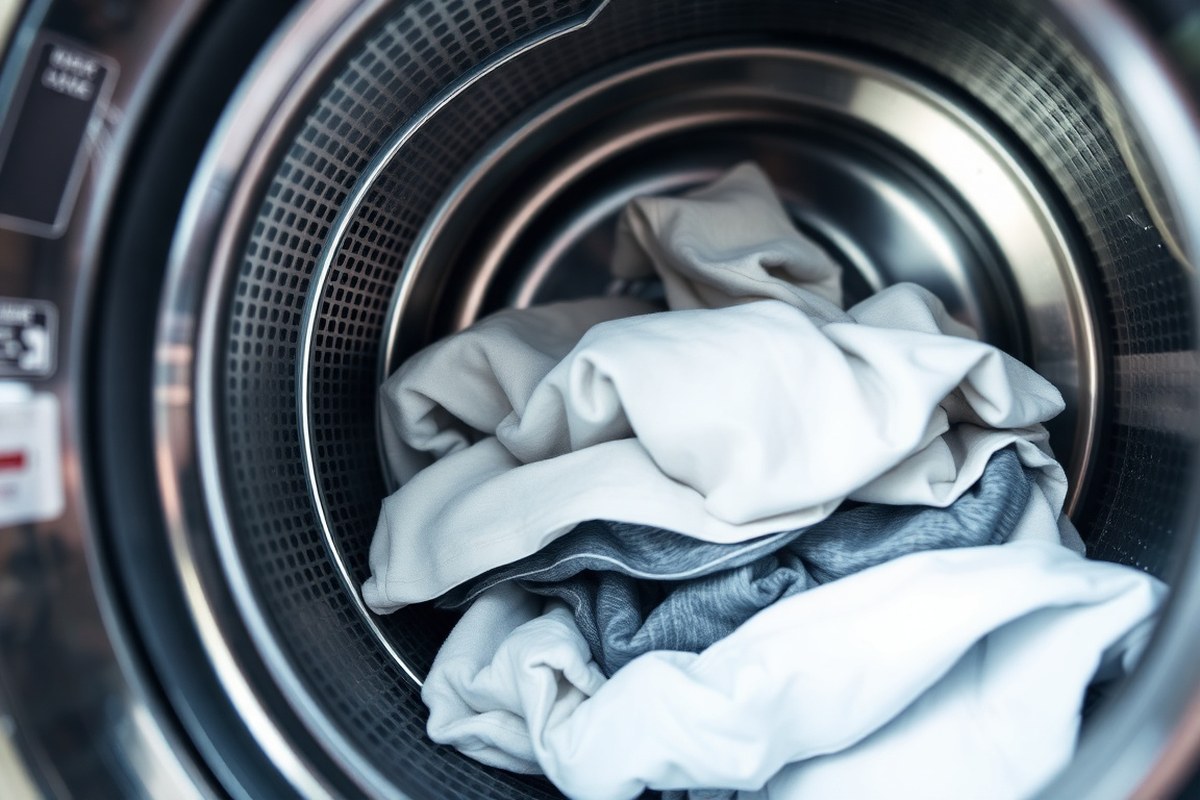
Dry cleaning cleans clothes without water by using specialized chemical solvents that dissolve dirt and stains. Clothes are placed into a machine that uses these solvents instead of soap and water, preventing damage to delicate fabrics that water can cause. The solvent works by breaking down oils, grease, and other residues that water might not remove effectively. It also prevents shrinkage, color fading, and distortion common with regular washing. Here’s how dry cleaning typically works from start to finish:
- Inspect and tag clothes. When you drop off your garments, the dry cleaner examines them for fabric type and stains, then tags each item to track it through the cleaning process.
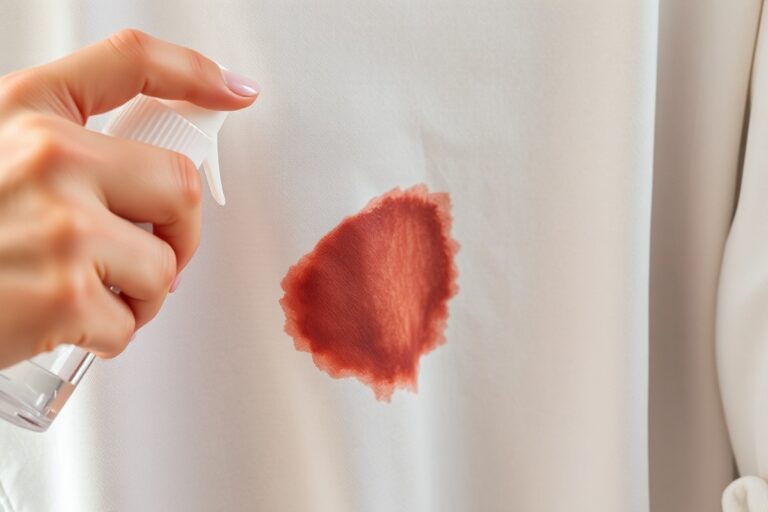
- Pre-treat stains. Stubborn stains are spot-treated with special solvents or stain removers before the main cleaning to improve removal during the cycle.
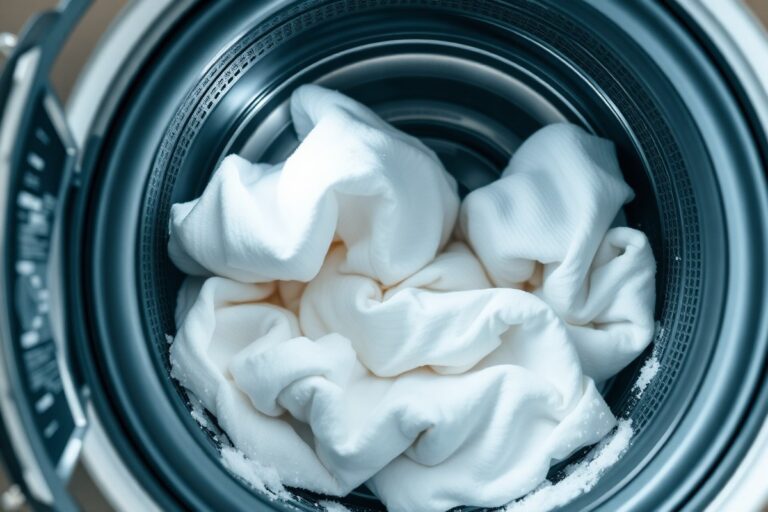
- Load clothes into the dry cleaning machine. The garments go into a large drum similar to a washing machine but designed to work with solvents.
- Clean using the solvent. The machine fills partially with solvent, and the clothes are gently agitated. The solvent dissolves dirt and oils trapped in the fibers without swelling the fabric like water would.
- Filter and recirculate the solvent. The solvent is continuously filtered to remove impurities and reused within the same cleaning cycle to maintain effectiveness and reduce waste.
- Extract solvent from clothes. After cleaning, the machine spins the clothes to remove excess solvent, much like a spin cycle in a washer.
- Dry the garments. Warm air circulates inside the machine to evaporate any remaining solvent from the garments safely and efficiently.
- Finish and inspect. Clothes are pressed, steamed, or ironed to restore their shape and appearance before final inspection and packaging.
Using solvents instead of water ensures fabrics that might shrink, fade, or lose texture when wet are cleaned gently. Cleaning solvents like perchloroethylene (PERC) are effective at lifting oils and grease that water-based detergents struggle with. This makes dry cleaning ideal for delicate fabrics such as wool, silk, and rayon. However, the process requires professional equipment and handling because the solvents can be hazardous if misused.
What Solvents Do Dry Cleaners Use and How Are They Different?

Perchloroethylene, often called perc, is the dominant solvent used in dry cleaning. It’s been in use since the 1930s because it’s very effective at removing oils, greases, and most stains without water. Perc is a chlorinated solvent that stays liquid at room temperature but doesn’t soak into fabrics the way water does, making it ideal for delicate garments. Its strong degreasing power means clothes come out clean and nearly dry, needing less drying time.
Despite its cleaning advantages, perc has notable environmental and health risks. The EPA regulates its use due to concerns about toxicity and air and water pollution. Long-term exposure can cause health problems for workers and release into the environment can contaminate soil and groundwater. Because of these risks, about 50% to 70% of U.S. Dry cleaners still use perc, but many also seek alternative solvents that are safer and less polluting.
Greener solvents include liquid carbon dioxide and synthetic petroleum hydrocarbons. Liquid CO2 cleaning uses pressurized carbon dioxide instead of harsh chemicals. It’s gentler on fabrics and doesn’t leave toxic residues, but it requires specialized equipment and can cost more initially. Synthetic hydrocarbons offer a petroleum-based alternative with lower toxicity and flammability than older solvents like kerosene, which was used decades ago but had fire and health risks.
Choosing between solvents often comes down to balancing cleaning effectiveness, safety, cost, and environmental impact. Perc provides fast, powerful cleaning but carries regulatory and safety challenges. Alternative solvents reduce hazards but may need new machines and operator training, increasing costs. Some dry cleaners prioritize these greener options to reduce environmental impact and appeal to health-conscious customers. Here’s a comparison table summarizing these solvents:
| Solvent | Cleaning Effectiveness | Environmental Impact | Health & Safety Risks | Equipment & Cost |
|---|---|---|---|---|
| Perchloroethylene (Perc) | High (excellent stain and oil removal) | Moderate to high (regulated due to pollution concerns) | Potential carcinogen, regulated exposure limits | Standard dry cleaning machines, moderate operating cost |
| Liquid Carbon Dioxide (CO2) | Moderate (effective on many stains but gentler) | Low (non-toxic, low emissions) | Low, non-toxic but requires high pressure handling | Specialized equipment, higher initial investment |
| Synthetic Petroleum Hydrocarbon | Moderate to high | Lower than perc, but still petroleum-based | Flammable, lower toxicity than kerosene | Modified machines, moderate operating cost |
| Carbon Tetrachloride (Historical) | High | High, phased out due to toxicity | Highly toxic, liver and kidney damage | Obsolete, no longer used |
| Kerosene (Historical) | Moderate | High fire risk, pollution | Highly flammable | Obsolete, no longer used |
Check garment care labels for the recommended dry cleaning symbol, which may indicate the type of solvent a dry cleaner should use to safely clean your clothes.
Dry cleaners that use alternative solvents often advertise their “green” cleaning methods, which can be a clue to safer and more environmentally friendly options. Switching between solvent types involves changes in dry cleaning machinery and staff training to ensure safe handling and effective cleaning. The cleaning results depend on the fabric type, stain profile, and solvent choice, so some garments may clean better with one solvent than another.
How Long Does Dry Cleaning Take from Drop-Off to Pickup?
Dry cleaning typically takes between one to three days from drop-off to pickup, depending on the service level you choose. Standard dry cleaning usually requires 24 to 48 hours, allowing enough time for inspection, pre-treatment, cleaning, and finishing. Some cleaners offer same-day or express service, often for an additional fee, which can complete the process within a few hours, typically by the end of the business day.
The time needed depends on several factors. Garment complexity affects the timeline; heavily soiled or delicate items require more detailed stain treatment and careful finishing, which can extend processing times. The volume of clothes dropped off also matters, especially during busy seasons like holidays or prom season, when cleaners handle higher demand. Also, special requests such as alterations or extra pressing may add a day or more.
Choosing quick turnaround or express dry cleaning doesn’t always mean the service is less thorough. Many professional dry cleaners maintain their quality standards regardless of speed, but rapid service may limit time for extensive stain removal or delicate care on particular fabrics. It’s best to ask your cleaner about their process to confirm how they handle quick orders and whether those meet your garment care needs.
Your items go through an identification process immediately after drop-off, with tags that track the clothes during cleaning. Pre-treatment to spot-treat stains happens early but might be abbreviated for rush orders. The main cleaning uses a dry cleaning machine that handles your clothes gently without heating the solvent. After cleaning, garments move to pressing or steaming stations for final finishing, which also needs time to ensure a wrinkle-free look.
Faster service often costs more. Standard dry cleaning prices range widely depending on region and fabric type, but expect express service to add 20 to 50 percent extra to the typical charge. Some cleaners offer a clear timeline estimate and pricing upfront. Bringing your clothes early in the day increases chances of same-day completion, while late drop-offs usually require next-day pickup.
The overall timeline matters because it affects how soon you have your clothes ready for wear or special occasions. Planning ahead ensures your garments receive the full care needed without rushing. When promptness is essential, talk to your dry cleaner about the earliest possible completion time and any tradeoffs in service depth or cost involved.
Which Garments and Fabrics Require Professional Dry Cleaning?
Certain fabrics and garments require professional dry cleaning because they can be damaged by water washing. Fabrics like silk, wool, and velvet often shrink, fade, lose shape, or get distorted when laundered in a regular washing machine. Embellished or heavily structured garments also benefit from dry cleaning to preserve their appearance and structure. Dry cleaning uses gentle solvents instead of water, reducing the risk of damage and color fading while extending the life of delicate materials.
Care labels on clothing provide clear instructions on how to clean each item safely. Look for symbols such as a circle or “P” inside a circle, which indicate the garment should be dry cleaned. “Dry Clean Only” tags mean the manufacturer recommends avoiding water to prevent damage. However, some “dry clean only” items may be washed at home carefully if you understand the fabric and take precautions, such as hand washing in cold water or using a gentle cycle, but this can risk shrinking or altering the fabric.
- Silk garments, including blouses and scarves
- Wool items such as suits, coats, and sweaters
- Velvet and suede fabrics
- Embellished clothing with beads, sequins, or delicate stitching
- Structured items like tailored jackets and formal wear
- Delicate synthetics and blends prone to heat damage
- Leather and fur pieces requiring specialized cleaning
To read garment tags for dry cleaning instructions, first locate the washing and care symbols. A circle symbol means dry clean only, with letters inside the circle indicating the type of solvent recommended. A crossed-out water tub symbol means do not wash with water. Follow these labels closely; ignoring them may lead to fabric damage or color loss. When in doubt, professional dry cleaning allows you to avoid the risk of damaging valuable or delicate garments.
How Do Dry Cleaners Pre-Treat and Remove Stains from Clothes?
Dry cleaners carefully check clothes for stains and identify the types that need special care. They use targeted pre-treatment methods to break down tough stains before the main solvent wash. Some stains resist dry cleaning, so understanding these limits helps avoid disappointment.
Inspection and Stain Identification
Before cleaning, dry cleaners examine each garment to identify all visible stains. This inspection determines what kind of stain it is, oil-based, protein-based, dye-based, or water-based, and how severe it is. Identifying stains correctly guides the choice of pre-treatment and cleaning methods, ensuring effective removal without damaging the fabric.
During this phase, cleaners also check garment tags to sort clothes properly and decide which dry cleaning method or solvent will work best. Tags help group garments with similar stain types or required care together to avoid cross-contamination or fabric damage.
Spotting and Pre-Treating Techniques
Pre-treatment involves applying specific solutions or treatments directly to stains to loosen or dissolve them before the main wash. Without this step, the solvent might not fully remove stubborn spots. Here is a common step-by-step routine dry cleaners use for pre-treatment:
- Inspect garment under good light and identify different stain types.
- Test small area for fabric colorfastness to pre-treatment chemicals.
- Apply targeted stain remover, such as solvents for oil stains or enzyme-based solutions for protein stains.
- Allow the treatment to sit for a few minutes to penetrate and break down the stain.
- Gently blot or agitate the stain to help lift it without spreading.
- Repeat treatment if necessary before placing the garment in the dry cleaning machine.
This process usually takes a few minutes per garment, depending on stain complexity. Dry cleaners use perchloroethylene solvent mainly, known for its effectiveness on oil-based stains, but they may choose alternative “green” solvents like siloxane or liquid CO2 depending on fabric and stain type. Wet cleaning may also be used for water-soluble stains.
Always remove visible stains before cleaning; ignoring this step reduces your chances of complete stain removal.
Limitations of Dry Cleaning on Certain Stains
Dry cleaning cannot remove all types of stains. Water-based stains like sweat or certain dyes can be challenging because traditional dry cleaning solvents do not dissolve or break down these substances well. Protein stains from blood or food sometimes require wet cleaning or specialized enzyme treatments.
Older or set-in stains are also harder to remove after dry cleaning because the solvent does not have enough time or chemical strength to fully penetrate. Some dyes or color transfers may not come out without risk of fabric damage.
After the dry cleaning cycle, clothes are inspected again to check for any remaining stains. If stains persist, further treatment or home care recommendations may be necessary. This honest communication helps customers know what results to expect.
How Is the Dry Cleaning Machine Designed and Operated?
A dry cleaning machine is a specialized washer, extractor, and dryer combined into one unit. It uses a rotating perforated stainless-steel basket to hold clothes while circulating solvent instead of water to clean them. The machine pumps, filters, extracts, and then dries the garments with warm air to remove residual solvent without water damage.
Rotating Basket and Mechanical Action
The main part of a dry cleaning machine is a stainless steel perforated drum that rotates. This drum holds between 20 and 100 pounds (9 to 45 kg) of clothing. As the drum turns, it agitates the garments, allowing the solvent to dissolve dirt and stains effectively.
Because dry cleaning solvent does not penetrate fibers like water, the mechanical movement helps the solvent interact with fabric surfaces to dissolve grease and soils. The perforations allow solvent to flow in and out freely, ensuring all garments get plenty of exposure. To prevent delicate textiles from stretching or tearing under the weight of absorbed solvent, garments are often placed in mesh bags, especially during high-speed spin cycles.
Solvent Pumping and Filtration
Solvent circulation and filtration provide continuous cleaning power and prolong solvent life. Once clothes are loaded, the machine pumps clean solvent over and through the clothes during the wash cycle. The solvent dissolves stains and dirt.
The solvent is then drained and passed through a filtration system to remove impurities such as dirt, lint, and other solids. This recycled clean solvent is recirculated around the clothes, improving cleaning efficiency. For example, an eight-minute cleaning cycle may use as much as 200 gallons (757 liters) of solvent being continuously filtered and recirculated.
Maintaining solvent purity is important because contaminants can reduce cleaning effectiveness and cause unpleasant odors. This filtration also reduces environmental impact and operating costs by reusing the solvent multiple times.
Drying with Warm Air and Extraction
After washing, the machine enters the extraction phase to remove most of the solvent from the garments. The basket rapidly spins to force solvent out through centrifugal force. This step is essential because solvent is heavier than water, with perchloroethylene weighing about 1.62 g/cm³, 62% heavier than water, making extraction more demanding.
Next, warm air circulated at about 60, 63 °C (140, 145 °F) tumbles the clothes to evaporate remaining solvent traces. This drying cycle gently dries fabrics without water, avoiding shrinkage or distortion. The warm air continuously moves through the basket, carrying away evaporated solvent vapors which are then recovered and condensed by the machine to reuse again. This combination of spinning extraction and warm air drying guarantees garments come out clean, mostly dry, and free of solvent smell.
- Load clothes into the perforated stainless-steel basket.
- Start the machine to rotate the basket, agitating garments in solvent.
- Recirculate solvent continuously through the clothes while filtering out impurities.
- Drain the dirty solvent from the basket and filter it for reuse.
- Spin the basket at high speed to extract absorbed solvent from garments.
- Circulate warm air (around 60, 63 °C or 140, 145 °F) through tumbling clothes to evaporate remaining solvent.
- Recover evaporated solvent vapors, condense, and recycle them.
- Unload clean, dry clothes, ready for finishing.
What Are the Finishing Touches After Dry Cleaning?
After cleaning, dry cleaners finish garments by removing wrinkles, restoring shape, inspecting for repairs, and preparing them for customer pickup. These final steps ensure your clothes look polished and presentable, just as you expect.
Pressing and Steaming the Garment
Pressing and steaming remove wrinkles and bring garments back to their original shape. Dry cleaners often use equipment like form finishers, which resemble padded mannequins, to steam clothes in the natural position they are worn. This technique helps maintain the garment’s structure and fabric integrity.
Using regulated heat and steam, the finishing process smooths out any creases without damaging delicate fabrics. This gentle approach is important because excess heat or pressure can cause shrinkage or fabric distortion. Steaming also freshens the garment by removing odors and relaxing fibers for a crisp look.
Minor Repairs and Quality Checks
After finishing, garments undergo a close inspection to catch any remaining issues. Dry cleaners look for missing buttons, loose threads, tears, or other damage. Minor repairs like sewing buttons or small tears are often completed before the garment is returned to you, saving you an extra trip to fix these problems yourself.
Quality checks also verify that all stains were removed and the garment retains its original shape and softness. These steps are essential to maintain your clothes’ longevity and ensure you receive them in top condition.
Wrapping and Tagging for Pickup
Once finishing and repairs are complete, garments are carefully packaged to protect them until you pick them up. Dry cleaners commonly use plastic covers to keep clothes clean and wrinkle-free during transport. Each item is tagged or labelled to identify the owner and order details, which helps prevent mix-ups and streamlines the pickup process. This last stage makes sure your freshly dry cleaned clothes arrive ready to wear, maintaining their polished appearance and quality.
- Inspect the garment for wrinkles and shape issues after cleaning.
- Place the garment on a form finisher or pressing table suited to the fabric type.
- Apply steam and/or pressing with controlled heat to smooth wrinkles without damage.
- Conduct a thorough inspection for missing buttons, tears, or loose threads.
- Perform minor repairs such as sewing on buttons or closing small tears if necessary.
- Tag or label the garment to match it to the customer’s order and details.
- Wrap the garment in protective plastic or paper for transport.
- Store the garments orderly until customer pickup or delivery.
How Should You Care for Dry Cleaned Clothes at Home?
After picking up your clothes from the dry cleaner, allow them to air out for several hours before putting them away. This helps any residual solvent or cleaning odors dissipate and prevents potential skin irritation. Ideally, hang garments in a well-ventilated area for 4 to 6 hours, depending on room temperature and airflow.
Use sturdy, padded, or wooden hangers for storage instead of thin metal or plastic ones. These provide better support and maintain the garment’s shape, especially for heavier fabrics and suits. Avoid wire hangers, which can cause shoulder dents or stretching. When hanging, give enough space between clothes to avoid wrinkles and allow air circulation.
Do not keep dry cleaned clothes in plastic bags; they trap moisture, which can lead to mildew or fabric yellowing.
Store dry cleaned garments in a cool, dry place away from direct sunlight. High humidity and heat can damage fabric and cause colors to fade. For long-term storage, use breathable garment bags made from cotton or similar materials instead of plastic to protect from dust while allowing airflow. If you need to store clothes folded, try to avoid sharp creases by placing tissue paper in folds.
Minimize damage by handling your dry cleaned clothes gently. Avoid frequent overuse of dry cleaning, which can degrade some fabrics. Spot clean minor stains with a damp cloth or take garments back to the cleaner before stains set, as dry cleaning chemicals require pre-treatment on spills. Also, be cautious about home laundering if the label says “Dry Clean Only,” as water and agitation can shrink or distort fabrics like silk or rayon.
- Air out garments 4 to 6 hours after dry cleaning
- Use padded or wooden hangers to maintain shape
- Store clothes in breathable bags, not plastic
- Keep garments away from heat, sunlight, and humidity
- Spot clean or pre-treat stains early to avoid damage
- Follow care labels strictly, especially for “Dry Clean Only” items
- Limit frequency of dry cleaning to preserve fabric integrity
By paying attention to these care details, you can extend your wardrobe’s life and keep clothes looking sharp between professional cleanings. Proper storage and airing limit moisture buildup and fabric wear, reducing the need for extra cleaning or repairs.
Step-by-Step Action Plan for Managing Dry Cleaned Clothes
Follow these steps to protect your dry cleaned garments and extend their freshness and wearability.
- Immediately after pickup: Inspect clothes for any missed stains or damage to address with your cleaner early.
- Within 24 hours: Remove plastic protective covers to avoid moisture buildup, which can trap odors or mildew.
- After each wear: Spot clean minor stains promptly at home using gentle methods to avoid frequent dry cleaning cycles.
- Weekly: Air out dry cleaned garments on a hanger in a well-ventilated area to maintain freshness without washing.
- Seasonally: Schedule professional dry cleaning before storing clothes long-term to remove oils and dirt that attract pests or cause fabric yellowing.
- Before storage: Store garments in breathable fabric bags away from direct sunlight and moisture to preserve fabric quality.
- After storage: Refresh clothes by airing or lightly steaming before wearing to reduce wrinkles and odors.
Frequently Asked Questions
What Makes Dry Cleaning Better for Delicate Fabrics Than Regular Washing?
Dry cleaning uses solvents instead of water, preventing damage like shrinking or color loss common with water washing. This makes it safer for delicate fabrics like silk and wool that don’t tolerate water well.
How Do Dry Cleaners Handle Odor Removal Without Traditional Detergents?
They rely on solvents that dissolve oils and other odor-causing substances, effectively cleaning fabrics without water. This allows the garments to smell fresh without harsh detergents that might damage fabrics.
Why Do Dry Cleaners Tag Clothes Before Cleaning?
Tags help identify each garment and track any special care instructions or pre-existing damage to avoid mix-ups and ensure proper treatment. This prevents loss or mistakes during the cleaning process.
Can Dry Cleaning Remove All Types of Stains?
Dry cleaning is highly effective on grease and oil-based stains but may not remove water-soluble stains like coffee or wine completely. Pre-treatment is often necessary for those tougher stains before cleaning.
Why Does Dry Cleaning Use Heated Air After the Washing Cycle?
Heated air at about 60, 63°C dries the garments gently without damaging fabrics, removing residual solvents evenly. This avoids the risks of water drying methods that can distort delicate materials.
How Do Dry Cleaning Solvents Differ from Early Cleaning Liquids?
Modern solvents are more effective and safer than early solvents like kerosene, which was flammable and harsh. Today’s solvents clean efficiently while protecting fabrics and the environment better.
Wrapping Up
Professional dry cleaning uses precise solvents, machines, and finishing to clean clothes safely and effectively without water. Taking proper care of your dry cleaned items at home helps maintain their look and lifespan. Check your clothing labels and plan regular follow-up care to keep your garments looking their best for many wears to come.