Can Cotton Shrink? What Actually Works and How to Prevent Shrinkage
Yes, cotton can shrink, especially if it’s 100% cotton and hasn’t been pre-shrunk. This natural fiber absorbs water and reacts to heat, causing it to tighten and reduce in size. You can expect shrinkage to vary depending on the fabric type and how you care for it during washing and drying.
This information is for anyone who owns cotton clothing or fabrics and wants to avoid or control shrinkage. You’ll learn which cotton fabrics shrink the most, the role of washing and drying temperatures, and how to safely shrink or prevent shrinking based on your needs.
Key Takeaways
- 100% cotton fabrics shrink more than cotton blends, especially if not pre-shrunk.
- Wash 100% cotton in cold water to reduce the risk of unwanted shrinkage.
- High heat during drying causes the most shrinkage in cotton garments.
- Lightweight, loose-weave cotton shrinks more than heavy or tightly woven fabrics.
- Blended fabrics with synthetics resist shrinking compared to pure cotton.
- Intentional shrinking works best on untreated 100% cotton using hot water and high dry heat.
Does Cotton Shrink and How Much Should You Expect?
Cotton does shrink after washing and drying, especially if the fabric is untreated and exposed to heat. Untreated 100% cotton typically shrinks about 3% to 5% in length and 1% to 3% in width during the first wash and dry cycle. For example, a medium-size cotton t-shirt may lose an inch to an inch and a half in length after a hot wash and tumble dry. This shrinkage happens because the natural fibers contract when exposed to water and heat.
Pre-shrunk cotton, often marked as “Sanforized,” behaves differently. It usually shrinks less, typically around 1% to 3%, even when washed in hot water. Manufacturers pre-treat these fabrics to reduce the risk of significant shrinkage, so garments made from pre-shrunk cotton remain more stable over time. That means clothes with this treatment will maintain their size better through multiple washes compared to untreated cotton.
Blended fabrics that mix cotton with synthetic fibers like polyester tend to shrink less than 100% cotton. Poly-cotton blends usually shrink only 1% to 3%, since polyester stabilizes the cotton fibers and resists heat-induced contraction. This makes blends a good choice if you want garments or textiles that keep their shape after washing.
Cotton often shrinks mainly during its initial wash and drying. Subsequent washes can cause a minor additional reduction in size, typically less than 1%, especially when exposed to high heat. Untreated cotton that is brand new might shrink up to 20% when repeatedly washed or dried at very high temperatures, but such extreme shrinkage is uncommon in most garments.
Lightweight cotton fabrics and loose weaves are more prone to shrinkage because their fibers have more room to move and contract during washing. Heavyweight cotton with a tighter weave tends to shrink less. Organic cotton also can shrink slightly unless pre-treated. Taking note of fabric types helps you set realistic expectations for how much any cotton item might shrink after laundering.
The average shrinkage after that first wash and dry cycle works out to about 3% to 5% for untreated 100% cotton. Patterns or tailored garments often compensate for this by cutting fabric slightly larger. To minimize unwanted shrinkage, you can wash clothes in cold water and avoid high heat drying. Still, knowing these typical shrinkage amounts helps you plan care and sizing for your cotton fabrics and garments.
What Causes Cotton to Shrink at the Fiber Level?
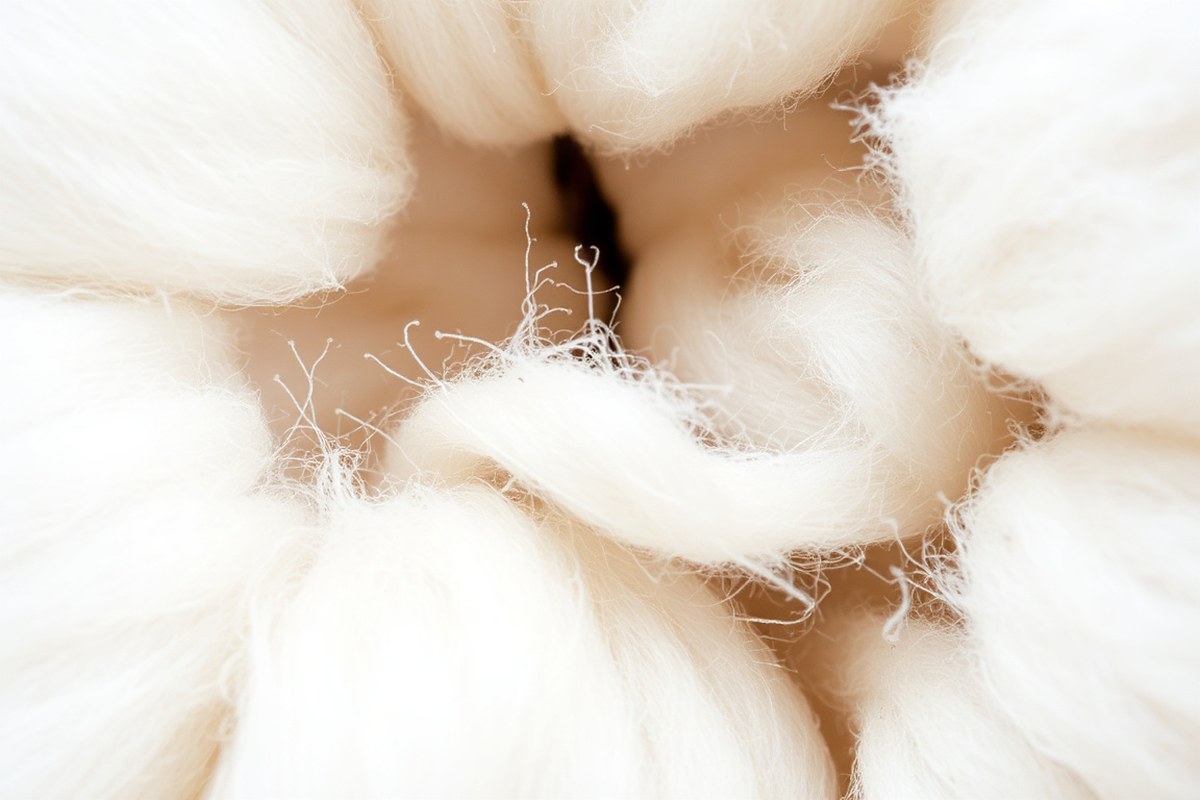
Cotton shrinks because its fibers absorb water, swell, and then relax when heated or agitated. At the fiber level, cotton consists of cellulose chains that hold water molecules tightly. When cotton fabric gets wet, those fibers swell as water enters the fiber structure. This swelling causes the fibers to elongate temporarily. When heat is applied, such as during drying, the fibers dry and tighten back into a shorter form. The interlocking cellulose chains become more compact, resulting in permanent shrinkage of the fabric.
Heat accelerates the shrinking process by loosening the molecular arrangement of the cotton fibers. Hot water above 130°F (54°C) softens the fibers significantly, allowing them to relax into a new shape. For untreated cotton fabrics, this process can cause up to 20% shrinkage due to the fibers settling into a tighter configuration. Preshrunk cotton garments experience less of this because the fibers have already been through initial heating and water exposure during manufacturing, shrinking typically less than 3% afterward.
Mechanical agitation plays an important role in shrinking cotton. During washing, the tumbling and rubbing action of water and fabric cause fibers to move closer together physically. This agitation breaks down the alignment of the fibers, allowing them to compress more tightly when drying. This is similar to a felt shrinkage effect, where heat and friction cause the fibers to mat and contract further. The tumbling in the dryer especially combines heat with continual motion, which can push the cotton fibers closer and intensify shrinkage if the drying temperature is high.
The amount of agitation matters. Heavy agitation, like that in a normal or heavy-duty wash cycle with a large load, increases the fiber compression and the chances for shrinkage. Using a gentle or delicate cycle reduces mechanical stress on cotton fibers, limiting how much they can move and compress. At the same time, avoiding high dryer heat prevents the fibers from tightening excessively after they swell from water. Drying on low heat or air drying while the cotton is still slightly damp helps keep shrinkage minimal.
To reduce shrinkage, wash your 100% cotton items in cold water using a gentle cycle and avoid high heat drying; this limits fiber swelling, agitation, and tightening.
How Washing and Drying Temperatures Affect Cotton Shrinkage
Washing cotton in cold water and avoiding high heat in the dryer are the best ways to limit shrinkage. Hot water causes cotton fibers to contract more, while dryer heat speeds the process. Washing in cold water reduces shrinkage significantly but does not stop it entirely. Air drying or using low dryer heat helps keep cotton’s size stable.
Shrinkage Rates by Wash Temperature
How hot you wash cotton clothes influences how much they shrink. Hot water makes cotton fibers tighten and shrink more, especially in the first few washes. Cold water is much gentler, cutting shrinkage nearly in half compared to warm or hot washes.
| Wash Setting | Temperature | Shrinkage (100% Cotton) | Shrinkage (Poly-Cotton Blend) |
|---|---|---|---|
| Cold | 30°C / 86°F | 1, 2% | 0, 1% |
| Warm | 40°C / 104°F | 2, 3% | 1, 2% |
| Hot | 60°C / 140°F | 3, 5% | 1, 3% |
| Very Hot | 90°C / 194°F | 5, 10% | 2, 4% |
Limiting wash temperatures to cold settings (around 86°F or 30°C) keeps shrinkage under 2% for pure cotton and under 1% for cotton blends. Warm and hot water cause more shrinkage and should be used sparingly, mainly when a deeper clean is necessary.
Drying Temperature Effects on Cotton Fabric
The dryer heat level has a strong impact on cotton shrinkage. High dryer heat shrinks cotton significantly because rapid heat and tumbling make fibers contract and tighten further. Drying cotton on low heat or air drying reduces shrinkage and fabric stress while protecting softness and shape.
Drying cotton items carefully is key to long-term size retention. Air drying maintains the original cotton fabric dimensions best. Removing clothes from the dryer while still slightly damp also helps avoid over-drying, which can cause extra shrinkage and wrinkles.
Tips for Choosing Safe Laundry Settings
To reduce cotton shrinkage, follow these clear steps:
- Always wash in cold water, below 80°F (27°C), to keep fibers relaxed.
- Use a mild detergent to maintain fabric softness and color quality.
- Avoid high heat drying. Choose air drying or a low-heat dryer setting when possible.
- For items that must be dried in a machine, remove them while still damp to prevent over-shrinking and wrinkles.
- Consider buying pre-shrunk cotton or poly-cotton blends to reduce risks.
These methods balance cleaning effectiveness and fabric care. Using cold water and air drying cost nothing extra, just a bit more time. Low heat drying uses slightly more energy than air drying but keeps your cotton clothes closer to original size. Skipping high heat can prolong the life of your cotton and keep your clothes fitting better.
Shrinkage Differences Between Cotton Fabric Types and Blends
Cotton fabrics behave differently based on how they’re made and whether they include synthetic fibers. Knit cotton fabrics, like jersey used in t-shirts, tend to shrink more than woven cotton because their loops relax and tighten when washed and dried. Expect shrinkage between 3% and 5% for 100% cotton knits if not pre-shrunk. Woven cotton, with its tighter weave, usually shrinks less but still falls within this range for 100% cotton. Blended fabrics such as poly-cotton shrink less, generally between 1% and 3%, thanks to the synthetic fibers that resist shrinking.
Pre-shrunk cotton means the fabric has undergone a treatment to reduce future shrinkage. However, even pre-shrunk 100% cotton can shrink up to 1% to 2% over time, especially if exposed to high heat in the dryer. Because of this, sizing up when buying 100% cotton shirts is a useful precaution to avoid tightness after washing.
| Fabric | Composition | Shrinkage | Best For |
|---|---|---|---|
| 100% Cotton Knit | All cotton loops | 3, 5% | T-shirts, casual wear |
| 100% Cotton Woven | All cotton threads | 3, 5% | Shirts, quilting, crafts |
| Poly-Cotton Broadcloth | 80% polyester / 20% cotton | 1, 3% | Linings, shirts |
| Cotton Spandex Jersey | 95% cotton / 5% spandex | 2, 4% | T-shirts, leggings |
| Cotton Canvas (Dense Weave) | 100% cotton | 3, 5% | Bags, upholstery |
| Polyester (100%) | All polyester | 0, 1% | Outwear, durable clothes |
To manage shrinkage, pre-wash and dry 100% cotton items before sewing or tailoring. This step mimics future wash cycles and helps stabilize fabric size. For blends, shrinkage is less noticeable because polyester or spandex fibers help the fabric stretch and rebound. Avoid washing cotton with synthetic fabrics in the same load, because different shrink rates can cause uneven shrinking and damage. Buying a size larger for 100% cotton garments offers a margin for shrinkage, especially for knits. You can still shrink these clothes intentionally with hot water and dryer heat when needed, but be ready for up to 5% size reduction if untreated.
How to Intentionally Shrink Cotton Safely at Home
You can intentionally shrink 100% cotton garments at home by controlling the water temperature and drying conditions. The process takes one to two wash cycles with hot water and high heat drying, but it risks damaging the fabric if done excessively. Careful attention to time, heat, and fabric condition helps you shrink cotton safely without ruining your clothes.
Preparing the Cotton Item
Start with a clean garment. Dirt and oils can protect fibers from shrinking evenly, so washing the item beforehand in cold water with a mild detergent helps prepare the fabric. Avoid any fabric softeners or bleach, as they can affect fiber behavior. Inspect the care label to confirm the item is 100% cotton, as blends won’t shrink the same way.
Check for pre-shrunk labels, which indicate the manufacturer already treated the fabric to minimize shrinkage. In that case, shrinking will be slower and less pronounced. Turn the garment inside out to protect surface fibers and wash it alone or with similar color items to avoid dye transfer or damage during the shrinking process.
Using Hot Water to Induce Shrinkage
Hot water speeds up cotton fiber contraction, which causes shrinking. Heating the water to near boiling and soaking the garment briefly can accelerate the process. Keep in mind that soaking too long or using boiling water risks weakening the fabric.
- Fill a basin or your washing machine’s tub with water heated to about 130°F to 140°F (54°C to 60°C).
- Submerge the cotton garment fully in the hot water.
- Allow it to soak for about 5 minutes if you want a gentle shrink, or up to 30 minutes for more shrinkage.
- Remove the garment and gently squeeze out excess water, avoid wringing, which can distort the shape.
- When using a washing machine, run a hot water wash cycle and then proceed immediately to drying while still damp.
Never use water hotter than 140°F to avoid excessive fiber damage and unwanted shrinkage.
Drying Your Cotton to Lock in Shrinkage
Tumble drying on high heat is the most reliable way to lock in cotton shrinkage. The heat causes the fibers to contract further and sets their new size. Limit the drying time to prevent overdrying, which can make fabric brittle or cause uneven shrinkage.
Use a high heat setting for about 20 to 30 minutes, checking the garment periodically. For minor shrinkage, use a medium heat setting or remove the item while it’s still slightly damp, then let it air dry completely.
- Place the damp cotton garment in a dryer on high heat.
- Set the drying cycle to 20 to 30 minutes to start.
- Check the garment’s size; if its size suits you, remove it immediately.
- To achieve more shrinkage, run another short cycle but monitor it closely.
- For delicate cotton or garments prone to damage, consider air drying after partial drying.
Never leave cotton garments unattended in a high heat dryer for long; this can cause uneven shrinkage or fabric damage.
How to Prevent Cotton Shrinkage During Regular Laundry
The best way to stop cotton clothes from shrinking is to control the washing and drying process carefully. Cotton usually shrinks most during the first washing and drying cycle. After this, the fabric tends to stabilize, and any further shrinkage is often less than 1%. To avoid surprises, wash cotton items in cold water or warm water below 85°F (30°C) to keep shrinkage to a minimum. Also, avoid using the dryer or choose the lowest heat setting if you must dry cotton in a machine.
Common mistakes that lead to unwanted cotton shrinking include washing in hot water, using a high heat setting on the dryer, and drying clothes for too long. High temperatures cause cotton fibers to contract, which tightens the fabric and reduces its size. Machine drying at temperatures above 130°F (54°C) can trigger significant shrinkage. Avoid this by air drying your cotton items whenever possible. Hanging clothes indoors or laying them flat to dry prevents heat exposure and keeps the fabric at its original size.
You can pre-shrink cotton fabric before sewing or tailoring by simulating the full wash and dry cycle at home. Washing the fabric in warm water (about 105°F to 115°F or 40°C to 46°C) and drying it on medium heat for 30 to 45 minutes mimics the conditions that cause most shrinking. This step saves you trouble down the line since you’ll know the exact size changes before cutting or stitching. Remember that hanging cotton outside won’t shrink it because outdoor temperatures are typically too low to affect the fibers.
- Wash cotton items in cold or warm water under 85°F (30°C).
- Choose a delicate or gentle cycle to reduce agitation.
- Use air drying to avoid heat-induced shrinkage when possible.
- If using a dryer, select the lowest heat or tumble dry setting.
- Pre-shrink fabric by washing in warm water and drying on medium heat before tailoring.
- Avoid over-drying cotton items; remove them when slightly damp.
- Check care labels for specific manufacturer instructions.
Following these steps helps you keep cotton garments fitting as expected. The upfront effort to control water temperature and drying heat reduces the risk of costly alterations or wasted fabric. Sticking close to the fabric’s care instructions provides a practical balance between cleaning effectiveness and fabric preservation. The cost of this approach mostly involves time, waiting for air drying can take longer, but it prevents the need to replace clothes or redo tailoring projects, saving money overall.
Shrinkage Differences Among Common Cotton Items and Fabrics
Cotton items such as jeans, shirts, towels, and sheets all shrink differently because of variations in fabric construction and treatment. Most 100% cotton products shrink about 3-5% in length and width during the first one to two washes and dries. For example, cotton jeans often shrink noticeably in width, which can make them feel tighter around the waist and thighs. Towels, made with looped cotton weave, tend to shrink more in length than width and can feel denser after washing if they aren’t pre-shrunk. On the other hand, woven cotton dress shirts generally shrink less, around 1-3%, mainly in the body and sleeves. These differences matter because the fit or usability of each item may change after washing, so adjusting care routines accordingly helps maintain comfort.
Organic cotton behaves the same as conventionally grown cotton when it comes to shrinkage. The cotton’s origin doesn’t affect how much it shrinks; rather, factors like whether the fabric has been pre-shrunk during manufacturing play a bigger role. Pre-shrunk cotton items resist most shrinkage, whereas untreated cotton fabrics will shrink more noticeably. You can reduce shrinkage by following care labels closely and washing items in cold water to prevent heat from accelerating the process. Avoid over-drying, as this can cause further shrinkage and make fabrics feel stiff.
Repeated drying cycles generally cause little additional shrinkage once the initial 3-5% change stabilizes after one or two washes. This means most cotton items will settle into their new size relatively quickly. Towels and jeans not pre-treated can shrink more initially, so expect the first wash to show the biggest size adjustment. For cotton sheets, shrinkage might be moderate but still enough to affect fit on your mattress, so washing sheets carefully to avoid high heat helps keep them close to original size. Using cold water and minimizing time in the dryer are key steps.
Blended fabrics, such as cotton-polyester blends, shrink less than 100% cotton, so you’ll see fewer size changes with these items. For example, a fleece made of cotton and polyester will not shrink as much as a pure cotton t-shirt. For the smallest shrinkage risk in pure cotton, look for products labeled as pre-shrunk, especially for jeans and shirts that you want to keep fitting well. With these steps, you can continue to enjoy cotton clothing and household items that stay comfortable and functional for years.
Common Shrinkage Mistakes and How to Fix Them
Cotton fabric shrinks mainly because of heat and moisture, so the most common mistakes involve washing or drying at high temperatures or using improper techniques to reverse shrinking. Fixing over-shrunk cotton depends on gently relaxing the fibers without causing damage. Avoid overly hot water, high dryer heat, and aggressive stretching to keep cotton items fitting well and looking their best.
Overheating and Overdrying
Heat is the biggest culprit behind unexpected cotton shrinkage. Using a drying cycle set too high or leaving cotton garments in the dryer for too long causes the fibers to tighten and contract more than intended. Overdrying also weakens fabric, increasing the risk of pilling or tearing.
To fix garments that shrunk from overdrying, soak them in lukewarm water mixed with a small amount (about one tablespoon per gallon) of hair conditioner or baby shampoo for 30 minutes. Gently stretch the fabric while wet, then air dry flat on a towel. This process can relax fibers and restore some size without stressing seams or fabric.
Washing in Hot Water Too Often
Frequently washing cotton items in hot water accelerates shrinkage. Each wash in hot water pulls the fibers tighter. This is why new cotton sheets or duvet covers often feel tight after the first wash. Opt for cold or lukewarm water and a gentle cycle to avoid these issues. Here’s a checklist to avoid excessive shrinkage from washing:
- Use cold water or 30°C (86°F) maximum when washing cotton.
- Choose a gentle or delicate cycle to reduce agitation.
- Skip pre-soaking or heavy detergents that can roughen fibers.
- Wash cotton items separately to avoid friction with heavy fabrics.
- Do not overload the washing machine, as tighter packing increases friction and shrinkage risks.
Following these steps lowers the chance of unwanted shrinking, especially for garments you want to keep in shape for a long time.
Trying to Unshrink Cotton Garments
Completely reversing cotton shrinkage isn’t always possible, but you can soften and stretch cotton fibers to regain some lost size. Avoid hot water or heat, which usually make shrinkage worse. Instead, use mild detergents combined with conditioning agents to loosen the fabric. Here’s how to carefully attempt unshrinking cotton:
- Fill a basin with lukewarm water and add about one tablespoon of hair conditioner or baby shampoo per gallon.
- Soak the shrunken cotton garment for 30 minutes without agitation.
- Remove excess water by gently pressing the fabric, avoiding wringing.
- Lay the garment flat on a towel and slowly stretch it back to desired size.
- Allow the garment to air dry flat in this stretched position.
Do not use heat to dry after stretching as it can shrink cotton further and damage the fabric.
Attempting aggressive stretching or applying too much conditioner can damage fibers or seams, so proceed gently. Avoid this method for highly structured or blended fabrics, which can respond unpredictably.
Step-by-Step Action Plan to Manage Cotton Shrinkage
Follow these steps to either avoid unwanted cotton shrinkage or shrink your cotton items deliberately and safely.
- Before Washing: Check the care label to understand the fabric type and any specific instructions to prevent or allow shrinkage.
- First Wash: Use cold water and a gentle cycle to minimize shrinkage if you want to keep the original size; verify no size change after drying.
- Intentional Shrinking: If shrinkage is desired, wash in warm or hot water and dry on a high heat setting; measure the item after drying to confirm shrinkage.
- Regular Maintenance: Always air dry or use a low heat setting on the dryer to prevent ongoing shrinkage; check periodically for size consistency.
- Fabric Blends: For cotton blends, adjust washing temperatures down since synthetic fibers can react differently; observe carefully if shrinkage occurs.
- Spot Treatment: For small adjustments, dampen the area and dry with heat in controlled intervals; monitor fabric and size carefully.
- After Multiple Washes: Reassess fabric condition and size; if unwanted shrinkage started, switch to gentle laundering and air drying immediately.
- Storage: Store cotton garments in a dry, cool place to maintain fabric integrity and limit any post-wash shrinkage.
Frequently Asked Questions
Will Cotton Stop Shrinking?
Cotton shrinking usually stops after the first few washes, especially if it has been pre-shrunk. Unwashed 100% cotton may continue shrinking slightly with each wash until the fibers stabilize.
Should I Size Up If a Shirt Is 100% Cotton?
It’s a good idea to size up for 100% cotton shirts unless the fabric is pre-shrunk. This avoids uncomfortable tightness after washing or drying.
What Happens If You Put 100% Cotton in the Dryer?
Putting 100% cotton in a hot dryer often causes shrinkage of about 3-5%. Tumble drying on low heat reduces this risk while still drying efficiently.
What Is the Best Way to Shrink Cotton?
The best way to shrink cotton is to wash it in hot water and then dry it on high heat. Be sure you really want the item smaller because the shrinkage is permanent.
Does Cotton Shrink More When New or After Multiple Washes?
Cotton shrinks more when new and may shrink less after several washes as fibers relax.
Can Ironing Affect Cotton Shrinkage After Washing?
Ironing slightly damp cotton won’t shrink it much but can shape the fabric, helping avoid unwanted tightness.
Before You Go
Cotton will shrink mainly due to heat and agitation, but you can control this by managing washing and drying conditions. Taking simple steps like checking care labels and adjusting water temperature lets you keep your cotton garments fitting well. For your next load of laundry, try washing a cotton item in cold water and hang drying it to see how little shrinkage occurs when heat is avoided.