How to Get a Stain Out of a Sweatshirt: 8 Proven Steps for Best Results
The quickest way to get a stain out of a sweatshirt is to treat it as soon as possible with gentle scrubbing, a suitable stain remover, and cold or warm water washing. Avoid drying the sweatshirt until you’re sure the stain is gone to prevent setting it. This method works well for a range of common stains on cotton, polyester, and fleece fabrics.
This guidance is for anyone wanting effective, home-based solutions for sweatshirt stain removal. You’ll find clear steps to identify stains, pretreat them correctly, apply household or commercial stain removers safely, and properly wash and dry your sweatshirt for best results.
Key Takeaways
- Start stain removal immediately to improve success and avoid setting stains permanently.
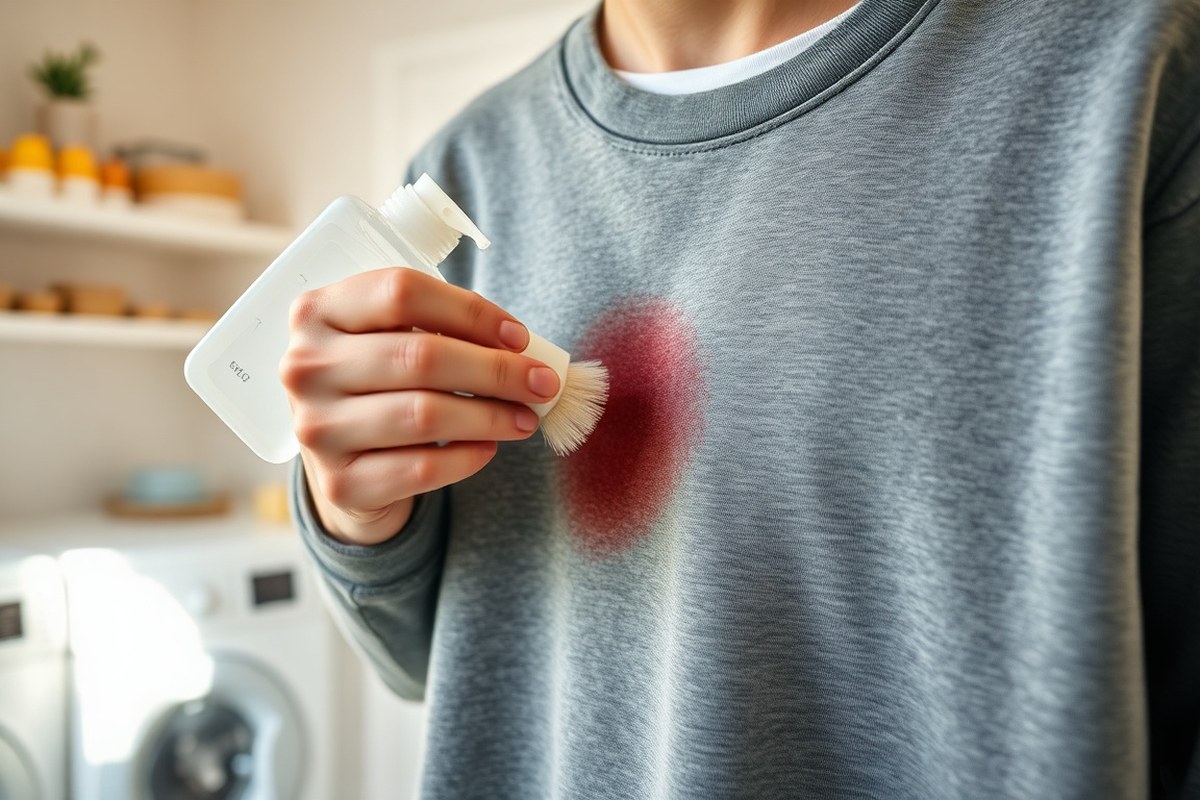
- Gently scrub stains with a soft brush after applying the stain remover for better penetration.
- Always check your sweatshirt’s care label for recommended water temperature before washing.
- Use cold or warm water rather than hot water to prevent stains from setting further.
- Let stain treatments sit for 10, 30 minutes to allow thorough stain breakdown.
- Air dry your sweatshirt flat and avoid dryers until the stain is fully removed.
1. How to Get a Stain Out of a Sweatshirt Quickly and Effectively
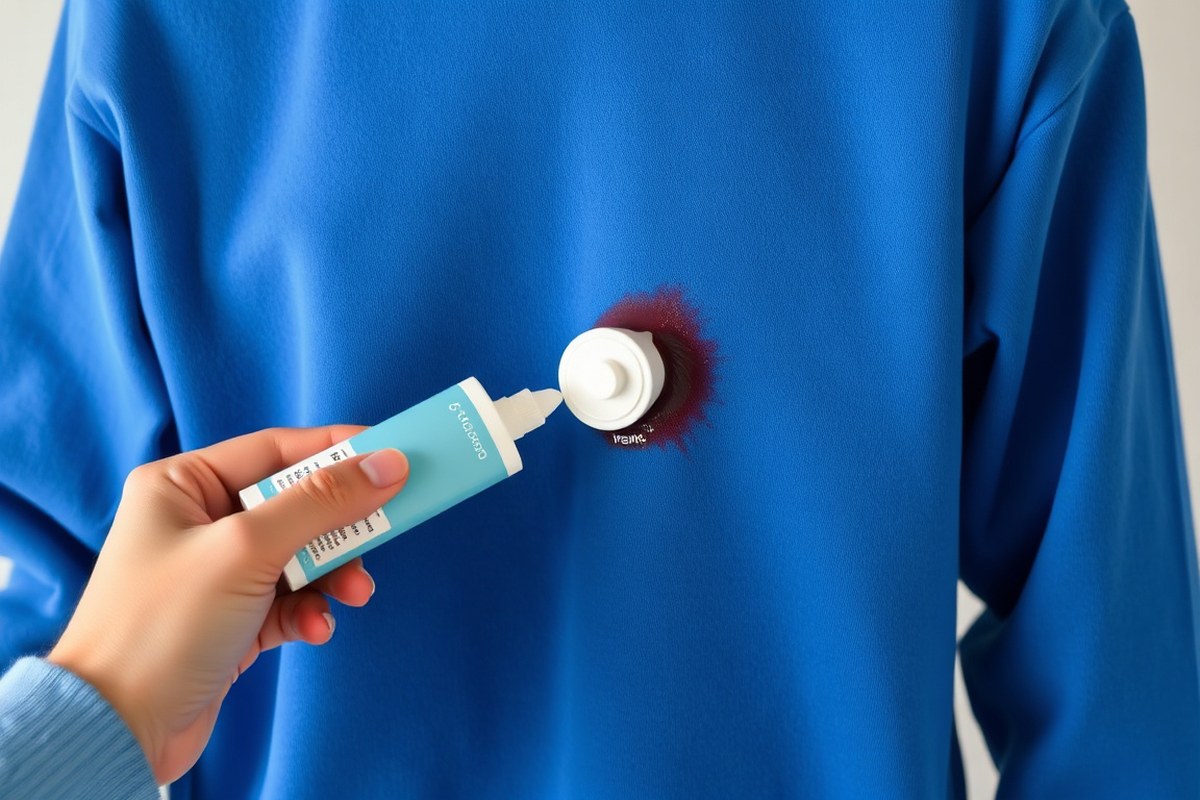
Acting quickly after noticing a new stain on your sweatshirt increases the likelihood of removing it completely and preserving the fabric’s appearance. Begin by stopping the stain from spreading or settling into the fabric. Avoid rubbing or scrubbing right away, as this can push the stain further into the fibers and damage the material. Instead, gently blot the stain using a clean cloth or paper towel to lift away excess liquid or residue without spreading it.
Once the stain is gently blotted, you can begin treatment using simple methods that prepare the fabric for washing. These first response actions work best when done within minutes of spotting the stain. Taking these thoughtful steps will help you avoid common early mistakes such as using hot water or harsh chemicals too soon, which can cause shrinking, fading, or pilling. The following sequence outlines the safest and most effective quick treatment for a sweatshirt stain:
- Blot the stain. Use a clean, white cloth or paper towel to press gently on the stain to absorb as much liquid or residue as possible. Do not rub or scrub, as this might spread the stain or damage the fabric.
- Turn the sweatshirt inside out. Hold the stained area under cold running water from the back side, allowing the water to flush the stain out rather than through the fabric’s surface, reducing spread.
- Dab the stain with cold water. Using a damp cloth soaked in cold water, gently blot the stained spot to further loosen it without pushing it deeper. Avoid using warm or hot water at this stage to prevent setting protein-based stains.
- Apply a mild liquid detergent. Put a few drops of liquid laundry detergent directly onto the damp stain. Gently rub the fabric together or use a soft-bristled brush to work the detergent in lightly. Let it sit for 10 to 15 minutes to break down the stain.
- Rinse thoroughly with cold water. Wash away the detergent and loosened stain by rinsing the area under cold running water. Confirm no detergent remains, as residue can attract dirt later.
- Check the stain before drying. Make sure the stain is mostly gone before you dry the sweatshirt. Drying heat can set any remaining stain permanently. Should the stain remain, apply the cleaning steps again or move on to targeted stain removal techniques.
Taking these early actions costs almost nothing, just time and common household items like detergent and a cloth. These first steps protect your sweatshirt’s appearance and fabric quality, helping you avoid deeper stains that are much harder to remove. Patience and gentle care now save you from potential damage and costly replacements later.
2. How to Identify Sweatshirt Stain Types Before Treatment
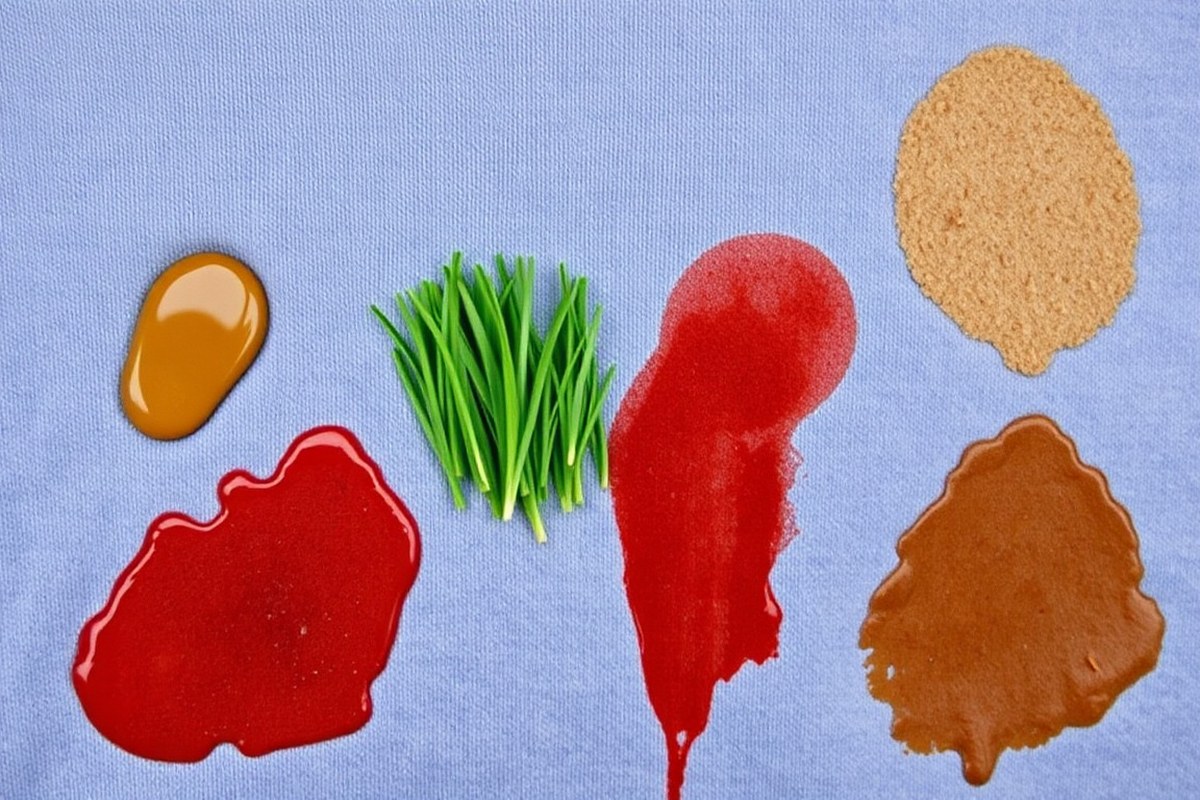
Identifying the type of stain on your sweatshirt before you treat it helps you avoid making the stain worse or damaging the fabric. Stains generally fall into categories like protein-based, oil and grease, tannins, or dyes. Each type reacts differently to cleaning agents, so knowing the stain type directs you to the right remover and approach to restore your sweatshirt safely and effectively.
Protein-Based Stains: Blood and Sweat
Protein stains come from sources like blood, sweat, and dairy. These stains are best treated with enzyme-based cleaners because enzymes break down protein molecules. Avoid hot water, which can cook protein stains into fabric fibers, making them harder to remove. Instead, use cold water and a non-bleach, enzyme-based detergent to pretreat the sweatshirt.
Sweat stains often appear yellow around the collar or underarms and include oils from your body. Combining dish soap with hydrogen peroxide targets both proteins and oils. Let the solution sit for at least 20 minutes, then gently scrub with a soft toothbrush before washing. Do not dry the sweatshirt until the stain is fully gone, to prevent setting the stain.
Oil and Grease Stains: Butter and Makeup
Grease and oil stains come from food like butter or body products like makeup. These stains are tough because oil clings tightly to fabric fibers. To treat, blot the stain gently with a dry cloth to lift excess oil without spreading it. Pretreat with a degreasing dish soap, like Dawn, which cuts through oils effectively.
Before applying soap, place a piece of cardboard inside the sweatshirt behind the stain to prevent oil from soaking through. Work the dish soap into the stain using a soft toothbrush, then let it sit for 20 minutes. Avoid hot water and heat drying until the stain is removed to preserve fabric quality.
Tannin Stains: Coffee, Tea, and Wine
Tannin stains result from beverages like coffee, tea, or wine. These stains often change the fabric’s color because tannins dye the material itself. Start by blotting the stain with cold water. Then use acidic agents like diluted white vinegar or lemon juice to break down tannins. Vinegar diluted with water is a gentle way to treat these stains without damaging fabric.
Note that tannin stains can be harder to remove completely once dried, so treat them as soon as possible. Avoid alkaline cleaners like baking soda at this stage, as they counteract the acid needed to dissolve tannins. Soak the sweatshirt in a vinegar solution for 60 minutes for better results on tough tannin discoloration.
Dye and Mixed Stains: Grass and Paint
Dye stains come from substances like grass, paint, or food dyes. These stains can be a mix of protein, tannin, or artificial dyes, which complicates removal. Identify these stains by their vivid colors and persistence even after rinsing. Mixed stains often require multiple treatments, starting with pretreating using oxygen-based bleach (OxiClean) in lukewarm water for 2 to 4 hours.
Paint stains need immediate action before fully drying. Gently scrape excess paint off the fabric and rinse the spot with cold water. Avoid rubbing, which can spread the stain. Follow with a soak in oxygen bleach and white vinegar solution to lift stubborn discoloration without harsh chemicals.
Below is a table outlining common sweatshirt stain types and appropriate cleaning methods. Use this as a decision guide to choose treatments that protect your sweatshirt’s fabric while targeting the specific stain.
| Stain Type | Common Examples | Cleaning Solution | Soaking/Treatment Time | Why It Works |
|---|---|---|---|---|
| Protein-Based | Blood, Sweat | Cold Water + Enzyme-Based Detergent | 20+ minutes pretreat; avoid heat | Enzymes break down proteins; cold water prevents setting |
| Oil and Grease | Butter, Makeup, Body Oils | Dawn Dish Soap + Baking Soda (optional) | 20 minutes work-in; blot excess oil first | Dawn cuts grease; blotting limits stain spread |
| Tannin | Coffee, Tea, Wine | White Vinegar Diluted with Water | Soak 60 minutes | Acid dissolves tannin dye molecules |
| Dye and Mixed | Grass, Paint | Oxygen Bleach + Vinegar Soak | 2, 4 hours lukewarm soak | Oxygen bleach lifts dyes; vinegar adjusts pH |
Recognizing the type of stain on your sweatshirt lets you pick a treatment that avoids damage like fabric bleaching or set-in stains. Use cold water for protein and dye stains, acidic solutions for tannin, and grease-fighting soap for oils. Skipping or misidentifying the stain type can cause the stain to worsen or ruin the fabric.
Tip: Always test stain removers on a hidden spot of the sweatshirt first to check for colorfastness before applying to the stain.
3. How to Pretreat Sweatshirt Stains for Best Removal
Pretreating stains on a sweatshirt before washing is key to improving stain removal success. You should clean the stain area gently without spreading it, apply the right pretreatment based on stain type, and let it sit long enough for the solution to break down the stain but not so long that it risks damaging the fabric. Cold water rinses and blotting help avoid setting stains, and timing pretreatment between 10 and 60 minutes generally works best.
Preparing the Sweatshirt and Stain Area
Start by handling the stain carefully to prevent it from spreading or embedding deeper into the sweatshirt fabric. Avoid rubbing the stain harshly; instead, gently blot it using a clean cloth or paper towel. For liquid stains like coffee or ketchup, rinse the stained area from the inside of the fabric with cold water. This helps flush out some of the stain before applying pretreatment. Warm or hot water at this stage can set protein-based or dye stains, so sticking to cold water is safer for most sweatshirts.
After rinsing, allow the fabric to remain damp but not soaked, as the pretreatment is most effective on a slightly moist surface. Avoid using abrasive tools or scrubbing brushes at this stage unless the pretreatment recipe specifically calls for it. Maintaining the fabric’s integrity helps prevent damage and keeps the sweatshirt in wearable condition after treatment.
Applying Common Household Pretreatment Solutions
Common household items such as baking soda, vinegar, hydrogen peroxide, and dish soap can serve as cost-effective pretreatment options for many sweatshirt stains. Making a paste by mixing baking soda with water is especially effective on stubborn spots like grease or dried food. Cover the stain with a thick layer of this paste and allow it to sit for 30 minutes before rinsing. A solution of vinegar diluted with an equal amount of water helps break down stains from sweat and deodorant; let it work for about 30 minutes as well.
For lighter stains, spraying or dabbing a mix of equal parts dish soap and water onto the stain and letting it sit 10 to 15 minutes is often sufficient. After the pretreatment sits, rinse the area with cold water before washing. This prevents pretreatment residues from interfering with the wash or causing discoloration. Avoid excessive application of any solution, as too much moisture and product can weaken sweatshirt fibers.
Using Commercial Pretreatment Products Safely
Commercial stain removers are formulated to target specific stain types and often come with clear instructions for use on sweatshirts. Apply these products directly to the stained area in a thin, even layer. Let the product sit for the manufacturer’s recommended time, usually between 10 to 30 minutes. Avoid exceeding this time because prolonged exposure might affect fabric color or texture.
Follow all label directions, including temperature recommendations for washing after treatment. Many commercial stain removers instruct washing in the warmest water safe for the garment’s fabric to maximize stain removal. Perform a spot test on an inconspicuous area first to check for any adverse reaction like bleaching or fabric weakening.
Monitoring and Adjusting Pretreatment Time
Timing pretreatment properly maximizes stain removal without harming the sweatshirt. Most household or commercial pretreatments require 10 to 30 minutes of contact time. Tougher stains or heavy soil may benefit from up to 60 minutes, especially when using baking soda pastes or hydrogen peroxide mixtures. Avoid letting pretreatment dry completely on the fabric, as this can cause additional staining or leave residue.
Check the stain after the pretreatment time by gently blotting the area. Once the stain shows signs of fading, go ahead and wash the sweatshirt following the care label instructions. Should the stain persist, try applying the pretreatment again or switch to another option that suits the specific type of stain better. Never rub the fabric aggressively during checks, to protect its fibers and maintain sweatshirt quality.
- Blot or rinse the stained area with cold water to remove excess stain material gently.
- Apply the appropriate pretreatment solution directly to the stain in a thin, even layer.
- Let the pretreatment sit for 10 to 30 minutes; extend to 60 minutes for tougher stains if using pastes.
- Rinse the area thoroughly with cold water to remove pretreatment residue before washing.
- Wash the sweatshirt in the warmest water safe for its fabric according to care instructions.
- Avoid drying until you confirm the stain is removed, as heat can set remaining stains permanently.
4. Using Household Ingredients to Remove Sweatshirt Stains
Common household ingredients like baking soda, white vinegar, hydrogen peroxide, lemon juice, and dish soap can effectively remove many sweatshirt stains in a natural and budget-friendly way. These items are worth having close by because they tackle various stains without harsh chemicals that might damage delicate fabrics.
For oily stains, mix one part dish soap with two parts hydrogen peroxide and a little baking soda. Measure approximately 1 tablespoon dish soap, 2 tablespoons hydrogen peroxide, and ¼ teaspoon baking soda in a small bowl. Spread the paste on the stain and gently work it in with fingers or a soft brush. Leave it for a minimum of 30 minutes before rinsing. Since hydrogen peroxide can lighten colors, try it on a hidden spot first to prevent color loss on colored sweatshirts.
White vinegar and baking soda offer a strong natural alternative for sweat and armpit stains. Moisten the stain with white vinegar, sprinkle baking soda over it, and allow the fizzing to lift the stain for 15 to 20 minutes. Afterward, gently brush off the residue and wash the sweatshirt on a cold setting. This method avoids heat, which can set stains permanently or shrink the fabric.
Lemon juice is another effective natural stain remover, particularly for fresh coffee or tea spots. Dab the stain with fresh lemon juice and let it sit in sunlight for about 20 minutes before washing. Lemon’s natural acidity helps to break down stains, but avoid this on fabric with spandex or delicate fibers as it might weaken them. Instead, use mild soap solutions for those materials.
To remove ink stains, apply rubbing alcohol on a cotton ball and gently blot, avoiding rubbing which spreads the ink. Follow by rinsing with cold water. Alcohol can be harsh, so test it first on a small, inconspicuous area to ensure fabric safety. Also, avoid soaking the sweatshirt, which can damage layering or blends.
Always apply homemade stain removers lightly to avoid soaking the sweatshirt, which can cause fibers to weaken or distort. After applying a mixture, wait the recommended time to allow the ingredients to work but do not leave it on for hours. Rinse thoroughly with cold water and check the stain before drying. Using heat from dryers too soon can set any remaining stain permanently.
These household solutions typically cost only a few dollars for basic pantry staples and give you control over what touches your fabric. They work on various sweatshirt materials including cotton and poly blends, but take care with fabrics that include spandex or delicate fibers, as they may require gentler approaches or commercial stain removers designed for those textiles.
5. How to Use Commercial Stain Removers on Sweatshirts Safely
Selecting the right commercial stain remover is essential to avoid damaging your sweatshirt’s fabric or fading its colors. Products labeled as color-safe and designed for delicate fabrics generally work best for colored or sensitive sweatshirts. Avoid bleach-based removers unless your sweatshirt is white and bleach-safe. Always read the product label to check fabric compatibility and warnings.
Before applying any stain remover, test for colorfastness. Dab a small amount of the product on a hidden area, such as inside a seam or hem. Wait 5 to 10 minutes and then blot with a white cloth. If color transfers or the fabric seems damaged, choose a gentler option.
| Stain Remover Type | Best For | Fabric Care Notes | Typical Cost |
|---|---|---|---|
| Oxygen-Based Removers (e.g., OxiClean) | Colored and white sweatshirts | Gentle on colors, avoid prolonged soaking | $5, $10 per box |
| Enzyme-Based Removers | Protein stains like sweat and blood | Works best in warm water below 104°F (40°C) | $6, $12 per bottle |
| Color-Safe Liquid Detergents with Stain-Fighting Additives | Delicate and colored fabrics | Test before use; do not mix with bleach | $7, $15 per bottle |
| Chlorine Bleach (Not Recommended) | Only white, bleach-safe fabrics | Can cause fading and fabric damage | $3, $6 per bottle |
To apply commercial stain removers safely, first blot excess residue without rubbing to prevent spreading the stain. Next, apply the remover directly to the stained area in a thin layer. Gently work it in with your fingertips or use a soft-bristle laundry brush, but avoid scrubbing. Let it sit for the time recommended on the label, usually between 5 and 15 minutes.
After pretreatment, launder the sweatshirt separately with cold water and a mild detergent designed for the fabric type. Avoid hot water unless the remover specifically states it is safe at higher temperatures. Air dry the sweatshirt flat rather than using a dryer to prevent heat setting any remaining stain. Reapply and repeat if the stain persists before drying.
For delicate fabrics like fleece or sweatshirts with screen prints, avoid harsh chemicals and scrubbing. Instead, use enzyme-based or oxygen-based removers that mention suitability for sensitive materials. Some removers come with built-in fabric protectors to minimize color fading.
Do not throw the sweatshirt into the dryer until you’re completely sure the stain is gone, because heat can set the stain permanently.
6. How to Remove Specific Stains Like Grease, Coffee, Blood, and Sweat
Removing tough stains from sweatshirts demands targeted techniques to break down different substances without damaging the fabric. Grease, coffee, blood, and sweat each need specific treatments to avoid spreading or setting the stain further. Follow these step-by-step methods based on the stain type for the best results.
Grease and Oil Stains: Butter, Makeup, and Food
Grease stains resist water alone because oil repels it. Breaking down these oily substances requires absorbent cleaners or solvents that can trap or dissolve grease.
Use a grease-cutting dish soap or a powdered absorbent like baking soda to tackle fresh stains quickly. Avoid rubbing aggressively, which spreads the oil deeper into the fibers.
- Blot excess grease gently with a paper towel, do not rub.
- Sprinkle baking soda or cornstarch over the stain to absorb oil; let sit for 15 to 30 minutes.
- Brush off the powder carefully.
- Apply a small amount of grease-cutting dish soap directly to the stain.
- Work the soap in gently with your fingers or a soft cloth.
- Let the dish soap sit for 5 to 10 minutes.
- Rinse the area with warm water, avoiding hot water to prevent setting the stain.
- Launder the sweatshirt as usual, checking before drying. Repeat treatment if any grease remains.
Dish soaps are affordable and easily found at most grocery stores, typically under $5 per bottle. Avoid using harsh solvents or bleach on sweatshirts to protect fabric integrity.
Coffee, Wine, and Dye-Based Stains
Coffee and red wine stains contain tannins that bond to fabric fibers quickly. Using cold water and mild detergents prevents these stains from setting.
A natural way to treat these stains involves dish soap combined with cold water to break down the color pigments. Avoid hot water, as it can set the stain permanently.
- Blot the stain gently with a white cloth or paper towel.
- Mix a few drops of mild dish soap with 1 cup of cold water.
- Dab the mixture onto the stain using a clean cloth, working from the outside inward.
- Allow the solution to sit for 10 minutes.
- Rinse with cold water thoroughly from the back of the fabric.
- Repeat the process before washing as usual when the stain persists.
- Avoid drying the sweatshirt until you confirm the stain is gone, since heat sets dye stains permanently.
Blood and Protein Stains
Blood contains proteins that can lock into fabric fibers. Using cold water and an oxidizing agent such as hydrogen peroxide helps break down these proteins. Hydrogen peroxide can bubble and lift dried blood stains but test a hidden area first to avoid fabric damage or color loss.
- Rinse the stain under cold running water immediately to flush out as much blood as possible.
- Apply 3% hydrogen peroxide directly to the spot when the stain remains.
- Allow it to bubble for 5 minutes, then blot with a clean cloth.
- Repeat until the stain fades, up to 3 applications.
- Rinse thoroughly with cold water to remove peroxide residue.
- Wash the sweatshirt normally without heat drying until the stain is completely gone.
This treatment keeps costs low; a small bottle of 3% hydrogen peroxide is often less than $3 at drugstores. Avoid hot water or ironing, which can permanently set blood stains.
Tackling Sweat Stains and Yellowing
Sweat contains salts and oils that cause yellowing over time. Using an enzyme detergent combined with an oxygen-based bleach targets these organic compounds effectively. Pre-soaking the sweatshirt can loosen embedded sweat residue and prevent permanent discoloration.
- Fill a basin or sink with warm water (not hotter than 104°F/40°C).
- Add one scoop of oxygen-based bleach or enzyme detergent designed for protein stains.
- Submerge the stained area and soak for 30 minutes to 1 hour.
- Gently rub fabric together occasionally to help release residues.
- Drain and rinse the sweatshirt with cold water.
- Launder as usual using a detergent with enzymes and avoid hot drying until stains clear.
- Repeat soaking if needed for stubborn yellowing or odor.
Oxygen bleach costs around $10 to $15 per container and works well on most fabrics safely when used as directed. Do not use chlorine bleach on sweatshirts, as it can weaken and discolor the fabric.
7. How to Wash and Dry a Sweatshirt After Stain Treatment
Proper washing and drying after treating a sweatshirt stain are key to preventing the stain from setting and to preserving the fabric’s quality. Using cold water is best because heat from warm or hot water can cause many stains to become permanent. Air drying is safer compared to machine drying, which can lock in any residual stains and damage the sweatshirt’s shape and elasticity.
Washing machines alone typically don’t remove stains fully without pretreatment. Rinsing out residue and applying a stain remover before washing increases your chances of complete stain removal. Always check the care label for specific instructions, especially regarding temperature and drying method. Follow these steps carefully to wash and dry your sweatshirt after stain treatment:
- Rinse the sweatshirt in cold water to remove any loose stain particles. This stops the stain from spreading and prepares the fabric for deeper cleaning.
- Apply a mild detergent designed for cold water washing. Avoid harsh or bleach detergents that can break down fibers or cause discoloration.
- Wash the sweatshirt in the washing machine using a cold water cycle (generally below 80°F or 27°C). Use a gentle cycle to reduce wear on the fabric and prevent stretching.
- Remove the sweatshirt promptly after the wash cycle ends to prevent mildew or odor buildup. Do not overload the machine, as this reduces cleaning effectiveness.
- Check the sweatshirt carefully for any remaining stain before drying. If the stain persists, repeat the stain treatment and washing steps before proceeding.
- Air dry the sweatshirt flat or hang it in a well-ventilated area out of direct sunlight. This prevents shrinking and helps maintain elasticity and color.
- Use the tumble dryer only if the care label specifically permits and only once you are sure the stain is completely gone. Heat can set stains permanently and damage fabric fibers.
Do’s and don’ts for drying:
- Do air dry sweatshirts to avoid heat damage and shrinkage.
- Do reshape the sweatshirt while damp to maintain its form.
- Don’t put stained sweatshirts in the dryer before confirming the stain is fully removed.
- Don’t iron sweatshirts on stained areas, especially if the label shows a “do not iron” symbol.
Following these practices preserves your sweatshirt’s fabric and helps prevent old or faint stains from becoming permanent. Treat each stained sweatshirt individually based on fabric type and stain to get the best results.
8. How to Prevent Sweatshirt Stains and Maintain Fabric Quality
Reducing sweatshirt stains starts with smart habits during wear and handling. Avoid eating or drinking near your sweatshirt to cut down on accidental spills. Apply deodorant and let it dry before putting on your sweatshirt to prevent sweat marks. Air out sweatshirts after use instead of washing them every time; this reduces fabric wear and conserves energy. If you notice a spot, treat it quickly with a mild detergent or spot cleaner rather than letting it set. Proper storage also helps maintain fabric quality and prevents damage. Fold your sweatshirts neatly and store them in a cool, dry place away from direct sunlight, which can fade colors and weaken fibers.
- Wear an apron or protective layer when cooking or doing messy tasks
- Use a clean towel or napkin to blot sweat or spills immediately
- Keep deodorant and perfume applications dry before wearing
- Store sweatshirts folded rather than hanging to avoid stretching
- Milk humidity below 50% in storage areas to protect fabric integrity
- Wash sweatshirts inside out to reduce pilling and fading
- Separate colors and fabric types in laundry loads to prevent dye transfer
Following the care label instructions carefully is essential for keeping sweatshirts looking fresh longer. Use cold water and gentle cycles to avoid shrinking and preserve colors. Avoid bleach and fabric softeners, which can break down fibers. Air drying is preferable because high heat from dryers can damage the fabric and shorten garment life. When air drying, lay sweatshirts flat or use a padded hanger to help them keep their shape. Washing only when necessary saves water, energy, and wear and tear; spot cleaning stains promptly between washes keeps sweatshirts fresh without over-washing.
Avoid wringing out sweatshirts after washing to prevent stretching or misshaping the fabric.
Maintaining your sweatshirt includes routinely inspecting for small stains or fabric wear to address issues early. By following these steps, mindful wearing, thoughtful storage, and gentle cleaning, you’ll extend your sweatshirt’s lifespan and keep it comfortable and vibrant through many wears and washes. This approach costs little beyond a bit of extra attention but pays off in fewer replacements and better-looking clothes over time.
Step-by-Step Action Plan for Removing Sweatshirt Stains
Follow these clear steps to tackle stains on your sweatshirt efficiently and protect the fabric from damage.
- Before you start: Identify the stain type by its color and texture to choose the right treatment.
- Immediately after staining: Blot excess liquid or solids gently with a clean cloth without rubbing.
- Within 30 minutes: Apply a suitable household ingredient or commercial stain remover according to the stain type.
- After applying treatment: Let it sit for 5 to 10 minutes to break down the stain before washing.
- At the wash cycle: Wash the sweatshirt in cold water using a mild detergent to avoid setting the stain.
- Right after washing: Check the stain before drying; if it’s still visible, repeat the pretreatment and wash again.
- Before drying: Air dry or use the lowest heat setting on your dryer to maintain fabric quality.
- After drying: Inspect the sweatshirt; if the stain remains, consider professional cleaning to prevent damage.
Frequently Asked Questions
Can Vinegar Remove Sweat Stains from a Sweatshirt?
Vinegar effectively loosens sweat stains using a gentle approach. Combine the same amounts of vinegar and water, apply the mixture on the stain, allow it to rest for 10 to 15 minutes, then proceed with the washing instructions on the garment’s tag. This method treats yellowing from sweat without needing strong chemicals.
Is It Okay to Use Hot Water on Sweatshirt Stains?
Hot water can set some stains and damage fabric. Use cold or warm water based on the sweatshirt’s care tag. Cold water usually prevents stain setting and protects delicate fibers.
Can I Use Bleach on Colored Sweatshirts to Remove Stains?
Avoid bleach on colored sweatshirts since it can cause discoloration. Use color-safe stain removers or natural solutions like vinegar or baking soda. This keeps fabric colors intact while lifting stains.
Should I Dry a Sweatshirt Before Confirming Stain Removal?
No, always air dry and confirm the stain is gone before using a dryer. Heat from the dryer can set stains permanently. Let the sweatshirt air dry flat after washing.
What’s the Best Tool for Scrubbing Out Stains on Sweatshirts?
Use a soft brush to gently scrub the stained area. It helps lift the stain without damaging the fabric. Hard scrubbing can harm fibers and spread the stain.
Can Stain Remover Formulas Damage Sweatshirt Fabric?
Some commercial stain removers may irritate delicate fabrics if overused. Always test on a hidden spot first and follow product instructions carefully to avoid fabric damage.
The Bottom Line
Removing stains from your sweatshirt requires quick action and the right treatment tailored to the stain type. Effective pretreatment and careful washing help keep your sweatshirt looking fresh without harming the fabric. Start by identifying the stain and applying an appropriate remover today to protect your favorite sweatshirt. Taking these measured steps lets you confidently handle stains before they become permanent.