How to Get Yellowed White Clothes White Again: 8 Proven Methods That Work
To get yellowed white clothes white again, soak them in a mixture of hydrogen peroxide and water for 30 minutes, then wash normally. Alternatively, use a diluted bleach solution or natural agents like lemon juice to break down yellow stains effectively. These methods target discoloration without damaging fabric, helping restore bright whites.
This advice is for homeowners and renters who want to bring their white clothes back to life without harsh treatments. You’ll find practical tips for different fabric types, easy natural options, and safe bleach uses to make your whites look fresh again.
Key Takeaways
- Soak yellowed white clothes in equal parts water and hydrogen peroxide for 30 minutes before washing.
- Use a diluted bleach solution (2 tablespoons bleach per gallon of water) to soak whites safely for 15-30 minutes.
- Apply fresh lemon juice to yellowed areas and soak clothes for about 30 minutes for a natural whitening effect.
- Wash white clothes separately at higher temperatures, around 140 degrees Celsius, to prevent further yellowing.
- Avoid washing whites with red or dark clothing to reduce discoloration buildup over time.
- Pretreat tough yellow spots by applying vinegar directly to fabric and letting it sit for 30 minutes.
1. Effective Ways to Get Yellowed White Clothes White Again
Restoring yellowed white clothes to their bright original color requires choosing the right method based on your fabric and the intensity of yellowing. Natural treatments like lemon juice and baking soda work well for mild yellowing and are gentle on fabrics. For stronger stains, soaking in diluted bleach or oxygen-based cleaners can be more effective. Hot water also helps activate the whitening agents but check your clothing care labels first to avoid damage.
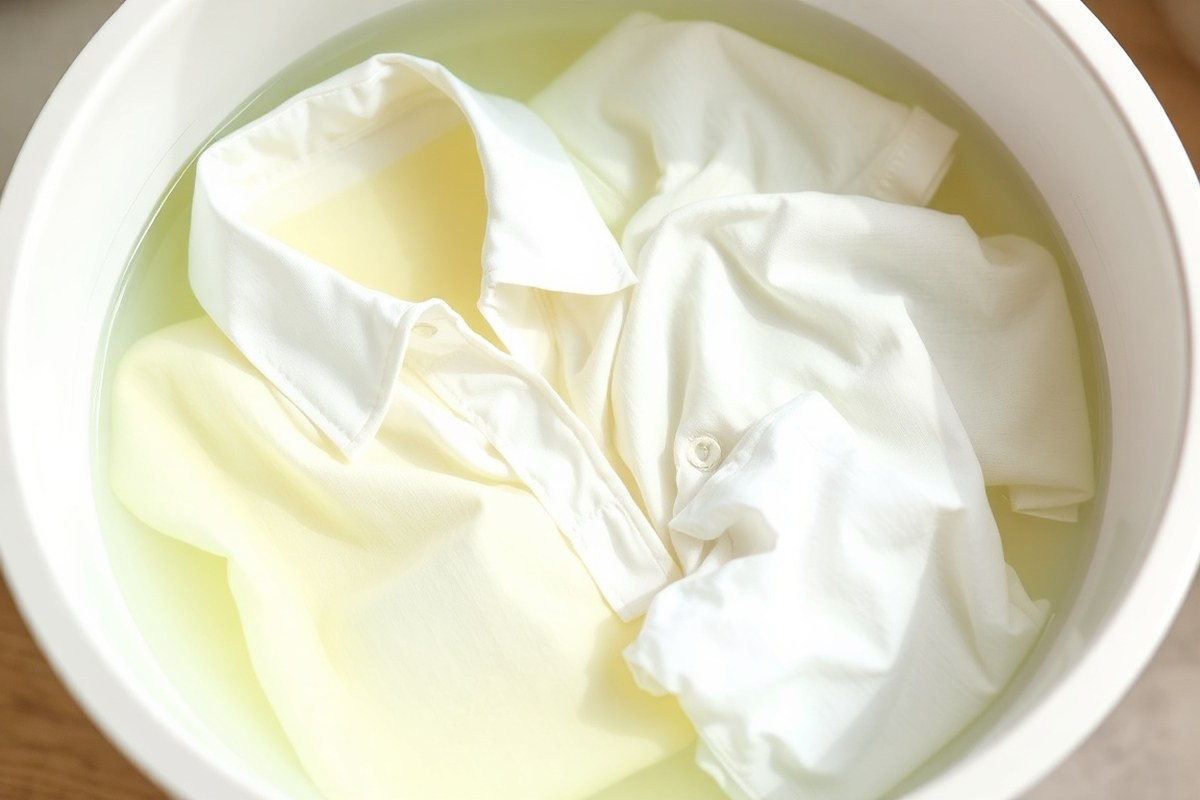
Here’s a step-by-step procedure to whiten yellowed white clothes effectively using common household products. This method targets both surface yellowing and deeper stains without excessive wear.
- Sort your clothes by fabric type and care instructions. Use this to decide your soaking temperature and product choice, as hot water works best on cotton but can shrink or damage delicate fabrics like silk or wool.
- Fill a large basin or sink with hot water. The temperature should be warm enough to help activate whitening agents, around 110°F to 130°F (43°C to 54°C), unless labels advise cooler water.
- Add your whitening agent. For a natural approach, mix ½ cup of lemon juice and ½ cup of baking soda into the water. You may want to try a stronger chemical method by adding ¼ cup of chlorine bleach or 1 scoop of oxygen-based cleaner, based on what the fabric can handle.
- Submerge the yellowed clothes and soak for 30 minutes to 1 hour. Shorter soak times (30 minutes) suit lighter yellowing and delicate fabrics. Longer soaks help with more stubborn yellow stains but increase risk of fabric wear with bleach.
- Rinse clothes thoroughly with cool water. This step removes whitening agents and lifted dirt.
- Wash clothes as usual using a gentle detergent. Use your washing machine’s hottest safe cycle and avoid overloading. Adding ½ cup of baking soda to the wash cycle can help maintain whiteness.
- Dry clothes in direct sunlight when possible. Sunlight naturally bleaches fabric and helps remove residual yellowing, especially after washing.
For the quickest natural whitening, lemon juice is your best choice because it acts fast and safely on whites. Baking soda improve its effect by removing odors and gentle scrubbing action. Avoid overusing chlorine bleach on everyday white clothes as it can cause fabric weakening or yellow hues if misused.
Good results appear as a restored bright white shade with no leftover yellow tint. Yellowing that continues after treatment might need another round or a visit to professional cleaners for tough stains. Take care not to combine chlorine bleach with ammonia-based products or vinegar to avoid hazardous fumes. Keeping white clothes bright depends largely on using the appropriate whitening method and following fabric care guidance closely.
2. Why Do White Clothes Turn Yellow over Time?

Yellowing of white clothes happens mainly because of body oils, sweat, and certain chemicals mixing with fabric and laundering products. Your skin naturally produces oils and sweat that cling to fabric fibers. When these substances combine with deodorants or antiperspirants, they form residues that, over time, leave yellow stains. This reaction is especially common around the underarm areas of white shirts.
Storage and washing habits also play a significant role. Keeping white clothes in airtight containers or under plastic covers traps moisture, encouraging yellowing caused by mildew or oxidation. White fabrics stored for long periods without washing can develop yellow spots from accumulated oils and dirt. Overuse of detergents and fabric softeners leaves residues on clothes, which dull their brightness and can cause gradual yellowing. Using excessive detergent beyond the recommended amount or skipping the proper rinse cycle will increase this risk.
Age and fabric type impact yellowing as well. Natural fibers like cotton can absorb stains more deeply than synthetic fabrics, making the yellowing harder to remove. Clothes worn regularly and washed multiple times gradually lose their white brilliance because repeated laundering can dull fibers and trap residues. Sunlight exposure triggers an oxidation process, which may yellow white clothes, especially if they are stored in direct light or dried outdoors for too long without rotation.
Understanding these factors matters because it helps you adjust how you care for white clothes. For instance, washing white garments after every use prevents sweat and oils from sitting too long in the fibers. Avoid using more than the recommended amount of detergent or fabric softener, and be sure to rinse thoroughly. If you store whites for several weeks, breathe life back into them by airing them out before putting them away in dry, well-ventilated places, avoiding plastic bags or sealed boxes.
Use just enough detergent to clean your whites thoroughly, and always rinse well to avoid residue buildup that causes yellowing.
White clothes yellowing can also be linked to chemical reactions between the fabric and certain bleaching agents. Chlorine bleach, for example, while effective in some cases, may weaken fabric fibers and accelerate yellowing if used incorrectly or on delicate items. Using oxygen-based bleach instead during regular washing offers safer whitening without those risks. To prevent stains from setting in, promptly treat spots caused by sweat or oils before they combine with deodorants or detergents.
3. Choosing the Right Whitening Method by Fabric Type
Choosing the right whitening method depends heavily on the fabric type of your yellowed white clothes, as certain fabrics tolerate some treatments better than others. Cotton and cotton blends generally handle hydrogen peroxide and sun bleaching well, while delicate or synthetic fabrics need gentler methods to avoid damage. Always check care labels before applying any whitening agent to prevent unintended shrinking or fiber weakening.
Cotton and Cotton-Blend Fabrics
Natural fibers like 100% cotton, linen, or cotton-polyester blends usually tolerate stronger whitening treatments. Hydrogen peroxide is a good choice here as it gently whitens without harming the fibers. For example, soaking cotton shirts in a solution of 1 cup 3% hydrogen peroxide mixed with 1 gallon of hot water for 30 to 60 minutes can brighten yellow stains before washing. The exposure to sunlight afterward also helps boost whitening naturally without chemical damage.
Avoid chlorine bleach except for very stubborn stains, as repeated use can weaken cotton over time. Instead, oxygen-based cleaners or hydrogen peroxide provide a safer balance between whitening power and fabric care. Using hot water is acceptable for most cottons, but always confirm on the label to prevent shrinking.
Synthetic and Delicate Fabrics
Synthetic fabrics such as polyester, nylon, or delicate items like silk and lace require gentler care. Strong bleaches, including chlorine bleach, are too harsh and can cause yellowing, fading, or fiber damage. Instead, use mild oxygen-based whitening agents like hydrogen peroxide, preferably in diluted form or mixed with cool water, to avoid harming the material.
Hand washing and shorter soaking times, around 15 to 30 minutes, are better for these fabrics. Avoid hot water and excessive mechanical agitation. For delicate items, dry naturally and avoid direct sunlight if the label advises against it. Such precautions reduce risks of shrinkage, distortion, or color shifts while still improving whiteness.
Label Symbols and Their Whitening Implications
Fabric care labels provide essential guidance to help you choose safe whitening methods. Look for these symbols before treatment:
- Triangle without X: Safe to use chlorine bleach.
- Triangle with a diagonal line or P: Use oxygen-based bleach only; avoid chlorine bleach.
- Triangle with an X: Do not use any bleaching agents.
Check for temperature limits and recommended washing methods. Following the instructions reduces the risk of damage or color changes from inappropriate whitening treatments. The table below summarizes the compatibility of bleaching agents with common fabric types and key precautions:
| Fabric Type | Safe Whitening Agents | Important Notes |
|---|---|---|
| 100% Cotton, Linen, Cotton-Poly Blends | Hydrogen peroxide, oxygen-based cleaners, sunlight | Tolerate hot water; avoid frequent chlorine bleach use |
| Polyester, Nylon, Other Synthetics | Diluted hydrogen peroxide; mild oxygen-based cleaners | Use cool water; avoid chlorine bleach and hot water |
| Silk, Lace, Delicates | Mild oxygen-based cleaners only; natural whitening with sunlight if label allows | Avoid bleach and hot water; hand wash gently |
| Colored Fabrics | None recommended for whitening (avoid bleach) | Use fabric-specific dyes or spot treatments |
Always start with label instructions and test any whitening method on a small hidden area before full treatment. This approach ensures your white clothes regain brightness without suffering fabric damage or yellowing due to improper care.
4. How to Use Natural Whitening Agents Correctly
To whiten yellowed white clothes safely with natural agents, soak them in prepared lemon juice or baking soda solutions for about 30 minutes, then wash as usual. Incorporate white vinegar during rinsing to boost brightness without damaging fabric when used properly. Avoid overuse or prolonged soaking, as acids and alkalines can weaken fibers over time.
Preparing Lemon Juice Treatments
Lemon juice acts as a natural bleaching agent thanks to its acidity and vitamin C content. It’s best used fresh for maximum effectiveness. The combination of lemon juice and sunlight can brighten yellowed whites further.
To prepare the lemon juice treatment, squeeze fresh lemons to extract about ½ cup of juice per gallon of warm water. Soak your yellowed clothing in this mixture for roughly 30 minutes. Avoid soaking longer to prevent fabric weakening. After soaking, wash the clothes as usual in cool or warm water.
- Extract ½ cup of fresh lemon juice for every gallon of warm water.
- Fill a large basin or tub with the lemon water mixture.
- Submerge yellowed white clothes completely in the solution.
- Let the clothes soak for about 30 minutes; do not exceed 1 hour.
- Remove the clothes and gently wring out excess liquid.
- Wash clothes normally using your regular detergent.
- Optionally, dry clothes in sunlight for added whitening effect.
Soaking with Baking Soda Solutions
Baking soda, or sodium bicarbonate, helps lift yellow stains and odors by neutralizing acids and acting as a mild abrasive. It works well when combined with hot or warm water. Use no more than ½ cup of baking soda per gallon of water, and soak for about 30 minutes to avoid fabric damage.
For stubborn stains, sprinkle baking soda directly on problem areas to form a gentle paste before soaking. After soaking, wash as usual.
- Fill a tub with warm water (not hotter than 110°F to protect fabric).
- Add ½ cup of baking soda per gallon of water and stir until dissolved.
- Place yellowed clothes in the solution, ensuring full submersion.
- Let the clothes soak for 30 minutes; avoid soaking longer.
- For targeted treatment, make a paste of baking soda and water and apply to yellowed spots before soaking.
- Remove clothes, gently squeeze out water, then wash in your machine or by hand.
Using White Vinegar as a Rinse Booster
White vinegar helps break down residues that cause yellowing and restore fabric brightness. Adding it during the rinse cycle prevents build-up of detergent and minerals. Use ½ cup of white vinegar per load in the fabric-softener dispenser or during the final rinse.
Direct soaking of clothes in vinegar is less common but can be done with a diluted solution (about 1 part vinegar to 3 parts water) for 30 minutes. Avoid using full-strength vinegar on delicate fabrics or for extended periods.
- Pour ½ cup of white vinegar into the fabric-softener dispenser of your washing machine.
- Run the rinse cycle as usual; the vinegar will help remove residues and brighten whites.
- For soaking, mix 1 part vinegar with 3 parts water in a basin.
- Soak yellowed clothes for 30 minutes, then rinse and wash normally.
- Avoid soaking more than 30 minutes or using vinegar at full strength to protect fabric fibers.
5. Comparing Hydrogen Peroxide, Oxygen Bleach, and Chlorine Bleach
Hydrogen peroxide, oxygen bleach, and chlorine bleach all whiten yellowed clothes but work best in different situations. Hydrogen peroxide is gentle and fits delicate fabrics, oxygen bleach suits most whites including heavy yellowing, and chlorine bleach offers strong whitening but demands caution. Each differs in soak time, fabric safety, and handling precautions.
Effectiveness on Different Types of Yellowing
Hydrogen peroxide handles mild yellowing well and fresh stains but struggles with deep, set-in yellows. Oxygen bleach is more powerful and can restore heavily yellowed white clothes effectively. Chlorine bleach removes tough yellow stains quickly, especially on cottons, but can cause fabric damage and yellowing if misused.
For lightly yellowed delicate items like linens or synthetics, hydrogen peroxide is ideal. For general white cotton or heavy yellowing, oxygen-based bleach gives good results without harsh effects. Chlorine bleach remains a last option for strong whites needing quick bleaching, but it can weaken fabric fibers over time.
Safety Notes and Fabric Compatibility
Hydrogen peroxide is the safest for delicate clothes, including linen and synthetics, because it is less likely to cause shrinkage or fabric wear. Oxygen bleach also works well on delicate fabrics if used in cold water, lowering risks of damage. Chlorine bleach is harsh and should only be used on 100% cotton whites or other bleach-safe fabrics.
Using chlorine bleach on colored trims or delicate fibers risks discoloration and weakening. It’s important to dilute it properly and avoid soaking times beyond 30 minutes to prevent damage. Always test in a hidden spot first and follow garment labels.
Recommended Soak Times and Concentrations
Mix hydrogen peroxide and water in a 1:2 ratio (for example, 1 cup peroxide to 2 cups water) and soak yellowed whites for about 30 minutes before washing. This gentler treatment brightens without harsh effects.
For oxygen bleach, use about one scoop (roughly 2 tablespoons) per tub of hot water and soak clothes overnight for heavily yellowed whites. For delicate fabrics, soak in cold water instead. Borax can be added with oxygen bleach for extra brightening.
Chlorine bleach should be diluted to about 2 tablespoons per tub of water, soaking clothes for no more than 15 to 30 minutes. Always rinse thoroughly and wash immediately after soaking to avoid yellowing or weakening fabric.
| Chemical | Best For | Soak Time | Concentration | Water Temperature | Fabric Safety |
|---|---|---|---|---|---|
| Hydrogen Peroxide | Mild yellowing, delicate fabrics | 30 minutes | 1 part peroxide to 2 parts water | Room temperature or cold | Safe for linen, synthetics, cotton |
| Oxygen Bleach | Heavy yellowing, most whites | Overnight (up to 8 hours) | About 2 tablespoons per tub of water | Hot for regular fabrics, cold for delicate | Safe when used as directed on most fabrics |
| Chlorine Bleach | Strong whitening on bleach-safe fabrics | 15-30 minutes | 2 tablespoons per tub of water | Cold or lukewarm | Only on cotton, avoid synthetics and trims |
Knowing these details helps you choose the right chemical for your specific white clothes and their condition. The table above summarizes the main points for quick reference.
Always test chlorine bleach on a small hidden area first, and never soak beyond recommended times to avoid fabric damage.
6. Using Sunlight and Heat to improve Whitening
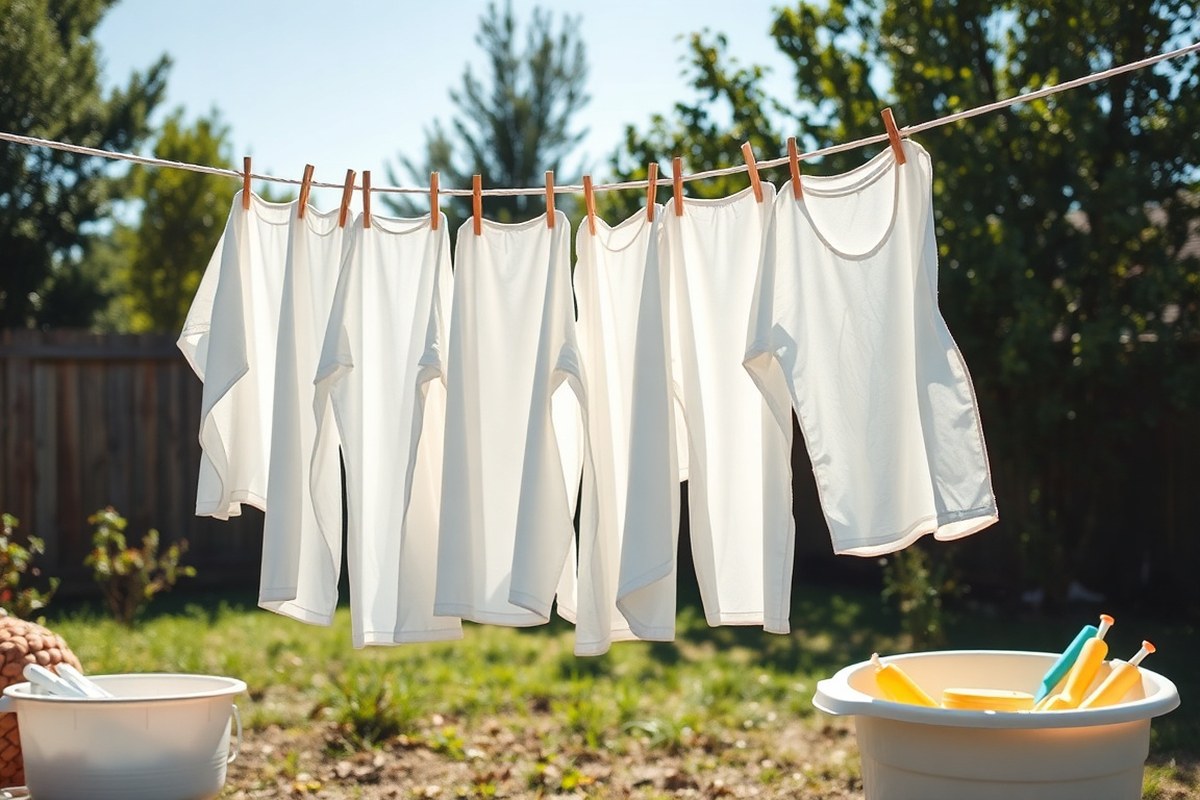
Sunlight naturally whitens white clothes by exposing them to ultraviolet (UV) rays. These rays break down chemical bonds in dyes, stains, and yellowing compounds, which lightens the fabric without using harsh chemicals. Hanging your white clothes outside to dry after washing takes advantage of this effect, boosting brightness while drying the fabric at the same time.
Sun bleaching is the process of drying laundry in direct sunlight to use natural UV light as a whitening agent. To do it safely, avoid leaving delicate fabrics outside too long, since prolonged sun exposure can weaken fibers or cause fading on some materials. Lay your white clothes flat or hang them with enough space for air circulation. Typically, 2 to 4 hours in midday sun is enough for noticeable whitening. Cloudy or shaded areas reduce this effect, so aim for full sun when possible.
Using hot water during washing is important for whitening yellowed clothes. Hot water helps dissolve and remove dirt, oils, and residues that cause discoloration more effectively than cold water. Generally, washing whites in water between 120°F to 140°F works well, but check the garment’s care label to avoid damage. For synthetic or delicate fabrics, lower temperatures around 90°F may be safer but less effective at whitening. To maximize the whitening power of sunlight and heat, follow these tips:
- Wash whites separately in hot water (120°F to 140°F) to remove stains thoroughly.
- Use oxygen-based bleach for a boost without harsh chemicals.
- Rinse clothes well before sun drying to avoid sunlight reacting with detergent residues.
- Dry clothes in direct sunlight for 2 to 4 hours, turning them if necessary for even exposure.
- Check fabric care labels to prevent sun damage, avoid sun drying for delicate or colored trims.
- For indoor drying, use a warm, well-ventilated space to allow slow bleaching without UV.
- After drying, store whites properly to maintain brightness and reduce future yellowing.
Keep in mind that excess heat or sun can weaken fabric over time or cause yellowed areas to become brittle. When in doubt, test a small, inconspicuous area before prolonged sun exposure. This natural approach costs nothing besides time and access to sunlight, making it a simple, gentle way to brighten whites between washes or treatments.
7. How to Prevent White Clothes from Yellowing Again
To keep your white clothes looking bright and prevent yellowing, wash them after every wear. Sweat, body oils, and dirt left on fabric can cause yellow stains to build up if not cleaned promptly. Washing within 24 hours after wearing reduces the chance these residues set into the fibers.
Use cold or warm water when washing whites, between 60°F and 90°F, to avoid heat setting stains. Avoid overloading your washing machine so clothes have room to move freely and rinsing is thorough. Separate whites from colored loads to prevent color transfer, which can dull and stain white fabric.
Fabric softener may contribute to yellow buildup over time because its oils can leave a residue on fabric. Use it sparingly or skip it for white clothes, especially those prone to yellowing. Instead, add ½ cup of white vinegar to the rinse cycle as a natural softener and brightener. Vinegar’s acidity helps break down residues that cause yellow tones without harsh chemicals.
- Wash white clothes after each wear to remove oils and sweat promptly.
- Use cold or warm water, avoiding hot water that can set stains.
- Separate whites from colored items to prevent color transfer.
- Do not overload the washing machine to ensure effective rinsing.
- Limit fabric softener or replace it with ½ cup white vinegar in the rinse cycle.
- Keep your white garments in a cool, dry area where they won’t be exposed to direct sunlight, as light and moisture can cause yellowing over time.
- Pre-treat any yellowing stains with mild detergent or natural agents like baking soda before washing.
Proper storage also matters. Keep whites in a dry, well-ventilated area away from sunlight, which can cause oxidation leading to yellowing. Avoid plastic bags or airtight containers that trap moisture and promote mildew. Use breathable cotton garment bags or storage boxes with ventilation to maintain fabric freshness.
Routine maintenance includes occasional soaking of whites in a solution of water and ½ cup white vinegar for 5 to 6 hours to dissolve early yellow stains before they become permanent. This costs only a few cents per soak and helps keep clothes bright with minimal effort. Proper washing, drying, and storage habits combined with periodic vinegar treatments give you the best chance to keep your whites fresh and white for many wears.
8. When Natural Methods Don’t Work: Safe Alternatives and Professionals
Yellow stains on white clothes usually become permanent if they haven’t faded after a few thorough washings with natural whitening methods like vinegar, baking soda, or sunlight. When these methods don’t restore your whites, it’s a sign the fabric’s fibers have absorbed oils, sweat, or other organic matter that’s tough to remove at home. At this point, considering commercial whitening products designed specifically for yellowed fabrics can be effective. Look for oxygen-based or enzyme laundry boosters that are formulated to break down these stubborn stains without the harshness of chlorine bleach.
Choose commercial whitening products based on your fabric type and follow the label instructions carefully to avoid damage. Avoid products with excessive chlorine bleach if your fabrics are delicate or older since strong chemicals can weaken fibers, cause holes, or worsen yellowing due to residue buildup. Test any new whitening product on a small hidden area first. Use warm water as recommended, often around 90°F to 110°F, which helps activate the whitening agents but limits fabric stress.
If commercial products still don’t achieve the whitening you want, professional laundry services may be your best option. These services use industrial-grade detergents, stain removers, and equipment that safely penetrate deep stains without compromising fabric integrity. Professionals can also apply specialized bleaching agents under controlled conditions, sometimes combined with oxygen treatments or ultraviolet light, facilitating results that home washing can’t reach. However, professional cleaning can cost between $10 and $30 per garment or load, depending on service level and location, so weigh this cost against the value of the item.
To avoid fabric damage when using stronger chemicals, always separate whites from colored clothes, use recommended doses, and avoid mixing chemical whitening products. Overuse or combining bleach with ammonia-based detergents can create hazardous fumes and ruin fabrics. Timing is key; do not soak whites in bleach longer than 5 to 10 minutes unless the label specifies it’s safe. Rinse garments thoroughly afterward to remove all chemical residues that could cause yellowing later.
When deciding your next step, ask yourself: Have I tried gentle natural methods with no improvement? Is the fabric durable enough for stronger chemical treatments? Is the cost of professional cleaning justified by the clothing’s value? These considerations help decide whether to try commercial products or hire professionals.
Always test bleach or whitening products on a hidden fabric spot before full use to prevent irreversible damage to your clothes.
Step-by-Step Action Plan to Restore Yellowed White Clothes
Use this plan to whiten yellowed white clothes safely and effectively, adjusting by fabric type and stain severity.
- Before You Start: Separate white clothes from colored ones to prevent dye transfer and check care labels for fabric type and bleach warnings.
- Day 1: Soak clothes in a solution of oxygen bleach and warm water for 6 to 8 hours or overnight. This soft method works well on most cottons and synthetics and will visibly reduce yellowing.
- Day 2: Wash the clothes in the hottest water safe for the fabric using a quality detergent and add ½ cup hydrogen peroxide for extra whitening power without damaging delicate materials.
- Day 3: Lay the damp clothes flat or hang them outside in direct sunlight for 2 to 4 hours. Sunlight naturally brightens whites and improve the effects of the whitening agents.
- After 1 Week: Inspect clothes for remaining yellow stains. For stubborn yellowing, treat with a diluted chlorine bleach solution only on durable fabrics, then rinse thoroughly.
- After Washing: Dry white clothes away from artificial heat sources like dryers to prevent yellowing from heat exposure.
- Ongoing: Prevent future yellowing by washing whites separately using mild detergents, avoiding fabric softeners, and adding whitening boosters periodically.
Frequently Asked Questions
Can Yellowed White Clothes Be Whitened Without Bleach?
Yes, natural agents like lemon juice or hydrogen peroxide can whiten clothes without bleach, soaking clothes for 30 minutes can improve results.
Does Hot Water Help in Whitening Yellowed White Clothes?
Hot water can boost whitening but may shrink or damage some fabrics, so check care labels before use.
Can Yellowing Be Removed from White Clothes Safely at Home?
Yes, soaking in an equal mix of hydrogen peroxide and water for 30 minutes can safely remove yellowing.
Is It Okay to Mix Bleach with Detergent When Whitening Clothes?
Avoid mixing bleach directly with detergent, as it can reduce bleach effectiveness and cause fabric damage.
How Often Should I Whiten White Clothes to Keep Them Bright?
Whitening white clothes every few months or as soon as yellowing appears helps maintain brightness without overuse.
Does Sunlight Really Improve Whitening of Yellowed Clothes?
Sunlight can naturally bleach clothes; drying yellowed whites outside after washing improve whitening effects.
Key Points to Remember
Getting yellowed white clothes white again involves a clear sequence of soaking, washing, and drying steps tailored to your fabrics. Start by treating with oxygen bleach soaking, support with hydrogen peroxide in the wash, and finish with sunlight drying for best results. Begin this process today, focusing first on separating your whites and reading care labels to ensure safe whitening without damage.