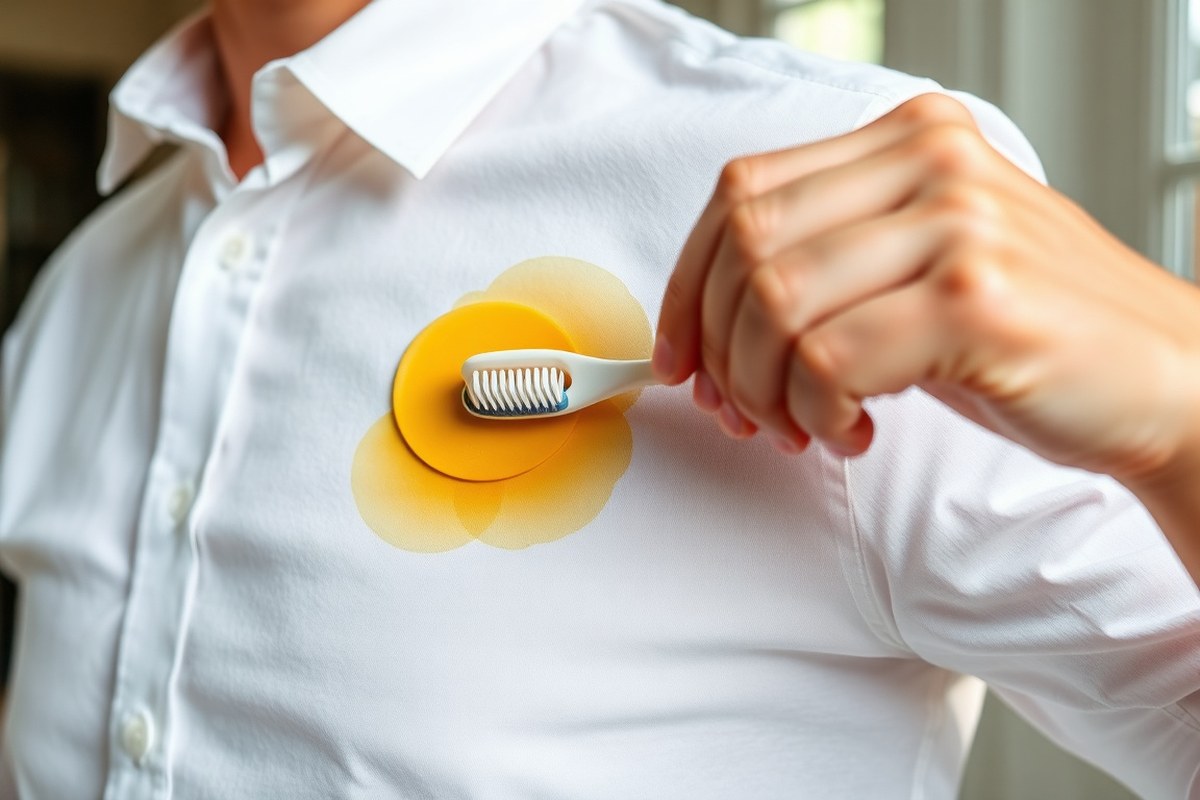
How to Remove Underarm Stains: 8 Effective Methods with Fabric Tips
Removing underarm stains effectively requires treating the area quickly and carefully to prevent setting the stain further. Use gentle, targeted methods like soaking in a vinegar solution or applying a baking soda paste before washing to lift stains safely. Avoid using high heat on garments until the stain is fully gone to stop it from baking into the fabric fibers. This advice works best for anyone battling yellow or white underarm marks on shirts, especially on delicate or cotton fabrics.
You’ll find techniques tailored for different fabrics, natural remedies for tough stains, and tips on using commercial products correctly. The focus is on safe, practical steps that protect your clothes while restoring their appearance. Whether you want fast fixes or long-term prevention, these insights help you manage and reduce underarm stains effectively.
Key Takeaways
- Soak the stained area in a water and white vinegar mix for 20 minutes before laundering.
- Apply a paste of baking soda and warm water on stains and let it sit for 15 minutes to overnight.
- Use enzyme-based cleaners by pre-treating underarm stains for at least 30 minutes before washing.
- Do not dry clothes with stains in the dryer, as heat sets underarm stains permanently.
- Scrub gently with a nailbrush or old toothbrush after applying stain removers for better results.
- Check if your deodorant contains aluminum, which can react with sweat and cause stubborn stains.
1. How to Remove Underarm Stains Quickly and Safely
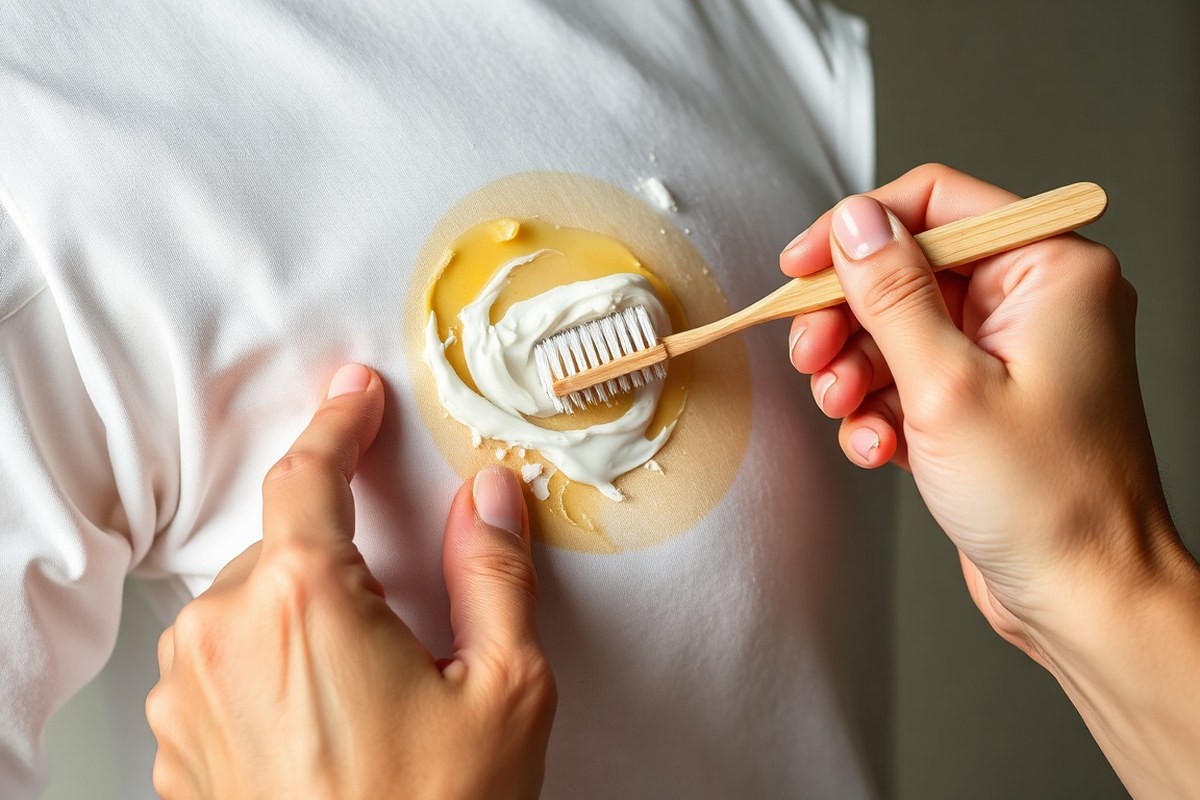
Quick and safe removal of underarm stains uses common household ingredients like baking soda and white vinegar. These remedies break down sweat and deodorant buildup while avoiding harsh chemicals that can damage fabric. Proper timing and gentle application prevent further setting or wear on the garment fibers. Follow these steps to tackle stains effectively, whether dealing with fresh marks or older, stubborn ones.
Start by soaking light-coloured natural fabrics such as cotton or linen in a diluted white vinegar solution, which helps break down residues in 15 to 30 minutes. Then prepare a baking soda paste to apply directly, providing a gentle abrasive that lifts stains and deodorizes. Avoid scrubbing hard to protect the fabric; use a soft brush or fingers with light pressure. Always rinse well and wash as usual without heat in the dryer, which can set stains permanently.
- Mix one part distilled white vinegar with two parts cold water. Soak the stained underarm area of the garment for 15 to 30 minutes. This step loosens odor and build-up.
- Prepare a baking soda paste by mixing four tablespoons of baking soda with about one tablespoon of warm water. Adjust water slowly until it forms a spreadable but thick paste.
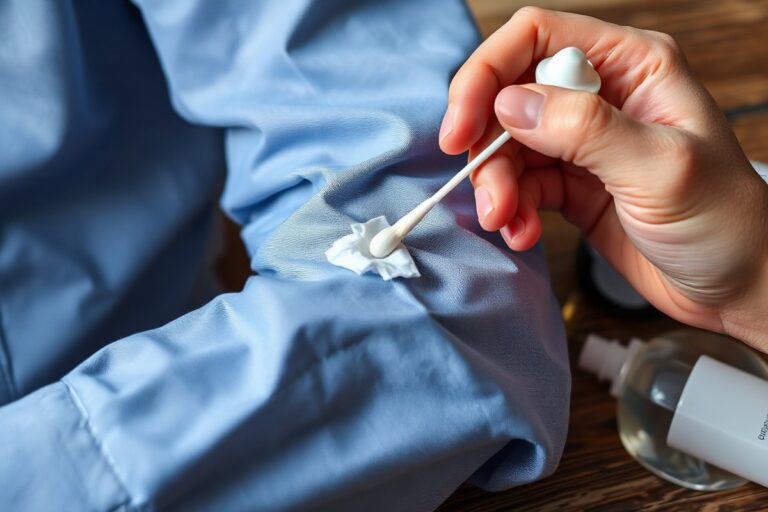
- Apply the baking soda paste directly to the underarm stain. Use your fingers or a soft toothbrush to gently rub the paste in without vigorous scrubbing, to avoid damaging the fabric.
- Let the paste sit on the fabric for at least 15 minutes. For tougher stains, leave it overnight but watch delicate fabrics closely.
- Rinse the treated area with cold water. Check if the stain has lightened before moving on to washing.
- Wash the garment in cold or warm water with a regular detergent. Avoid hot water since heat can set the stain permanently, especially on cotton and synthetics.
- Air dry the clothing after washing. Do not use the dryer until the stain is completely removed to prevent setting it further.
These methods typically cost under $5 for supplies like baking soda and vinegar and can be done quickly without special equipment. White vinegar breaks down odor and residual deodorants, while baking soda’s mild abrasion lifts stains safely on heavier cotton and linens but is less suitable for delicate fabrics like wool or silk. Avoid chlorine bleach on colored fabrics to prevent fading. Using these steps can restore your clothes without risking damage from harsh chemicals or aggressive scrubbing.
2. Why Do Underarm Stains Happen and What Makes Them Stay?
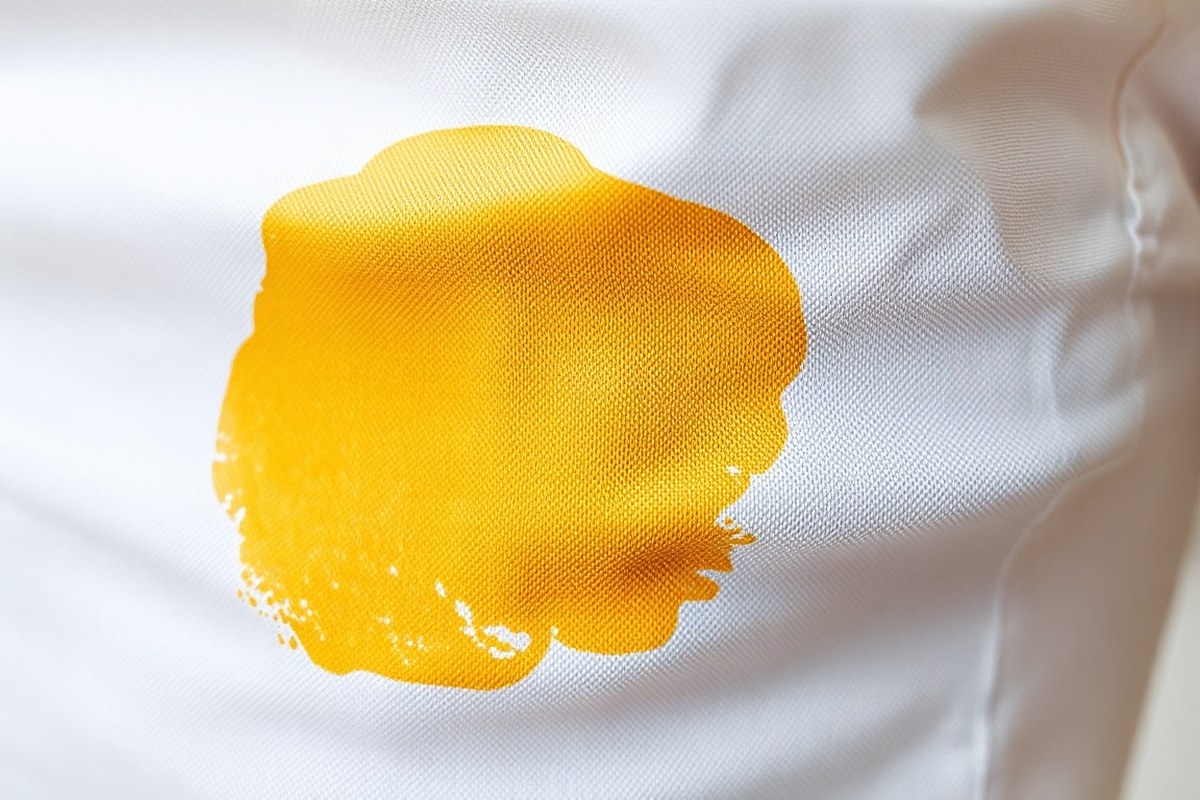
Underarm stains mainly occur because of a chemical reaction between your sweat and the ingredients in deodorants or antiperspirants. Sweat contains water, salt, protein, and body oils. When it mixes with aluminum salts found in many antiperspirants, it triggers the formation of yellow stains on fabric. This crusty residue comes from the combination of sweat components and aluminum-based chemicals, which do not dissolve easily in water and cling tightly to clothes over time.
Aluminum compounds in antiperspirants plug sweat glands to reduce moisture, but this same aluminum reacts with the salt in your sweat to cause staining. The longer sweat and deodorant sit on the fabric without washing, the more stubborn these yellow stains become. Antiperspirants that contain more aluminum salts often lead to darker, more noticeable stains. On the other hand, aluminum-free deodorants tend to cause fewer stains since they lack these staining agents, though they might not control sweating as effectively.
Heat plays a significant role in making stains permanent. When you put a shirt with underarm stains in a dryer, the high temperatures set the stain into the fabric, making it much harder to remove later. Shirts should be checked for stains before drying, and it is best to soak or treat stained areas in cool or warm water, as hot water and dryer heat can worsen the problem. The chemical bonds formed by sweat and deodorant ingredients become stronger with heat, locking the stain into the fibers.
Fabric type also affects how underarm stains develop and how tough they become to remove. Natural fibers like cotton absorb moisture and deodorant residues but release them more easily during washing. Synthetic fabrics, such as polyester, trap sweat and deodorant more tightly, which can cause stains to become more resilient. Body chemistry, including how much an individual sweats and the specific composition of their sweat, also varies the likelihood and severity of staining. For example, people with saltier or more acidic sweat may notice stains forming faster.
Improper deodorant use can increase staining. Applying too much product provides more aluminum salts and oils for sweat to react with, increasing the chance that stains form. Also, bacteria and body soil can build up in the underarm area, contributing to the stain’s complexity. Using fabric softener during laundering can also harm stain removal efforts. Fabric softeners can trap residues on clothing fibers instead of letting stain removers wash them away.
Check your clothes for yellow stains before putting them in the dryer to avoid setting stains permanently with heat.
3. Best Stain Removal Methods by Fabric Type
Underarm stains require different treatment approaches based on the fabric type to avoid damage and optimize stain removal. Natural fibers like cotton and linen tolerate stronger stain removers better than synthetics or delicate fabrics. Testing fabric sensitivity and choosing the right product ensures effective cleaning without fading or weakening fibers.
Removing Stains from Cotton and Linen
Cotton and linen are durable natural fibers that often handle stain removal well. For these fabrics, using a mixture of baking soda and 3% hydrogen peroxide can lift organic stains effectively without harsh chemicals. Clorox™ Bleach is also safe to use on white cotton or linen but should be avoided on colored garments to prevent fading.
Mix 4 tablespoons of baking soda, 1/4 cup of 3% hydrogen peroxide, and 1 teaspoon of liquid detergent to create a paste. Spread this mixture on the underarm stain and leave it for 30 to 60 minutes. Rinse with cold water before washing the garment as usual. Using hot water before treatment can cause protein-based sweat stains to set more deeply.
Testing a small inconspicuous area before full treatment helps ensure no color loss or fabric damage occurs. Costs for these treatments are low, using common household items priced around $1 to $3 per use.
Treating Synthetic and Polyester Fabrics
Synthetic fabrics like polyester and rayon have lower breathability and stain resistance, making underarm stains more problematic. Avoid chlorine bleach on these materials as it can cause discoloration or fiber damage. Instead, use a color-safe stain remover designed specifically for synthetics.
Clorox 2™ for Colors Laundry & Fabric Stain Remover works on polyester blends, including those with spandex, by pre-treating stains before washing. Limit treatment time to 5, 10 minutes to reduce the risk of weakening synthetic fibers. Always test on an inside seam to check for adverse effects.
Because polyester retains odors and stains more stubbornly, treating promptly and avoiding heat drying is key to preventing permanent marks. Professional cleaning may be necessary for persistent stains.
Safe Care for Delicates and Colored Fabrics
Delicate fabrics such as silk, wool, and rayon require gentle stain removers to avoid damage. Harsh chemicals, including chlorine bleach and strong detergents, can cause discoloration or fabric weakening. Use enzymatic stain removers or detergents labeled safe for delicate and colored fabrics.
Hydrogen peroxide can be used cautiously on white or very light-colored delicates, but always perform a patch test on the inside hem. Treat stains by applying a diluted enzyme-based remover, letting it sit no longer than 15 minutes, then rinse thoroughly. Avoid soaking delicate items for extended periods. When in doubt with structured or dry-clean-only garments, seek professional cleaning services to protect fabric integrity.
| Fabric Type | Breathability | Stain Resistance | Best Use |
|---|---|---|---|
| Cotton | High | Moderate | Everyday wear |
| Linen | Very high | High | Hot climates |
| Polyester | Low | Low | Avoid for long wear |
Understanding the fabric’s breathability and stain resistance helps determine the right cleaning approach and product. Natural fibers like cotton and linen benefit from stronger, oxygen-based treatments, while synthetics and delicates require gentler, color-safe options. Conducting a spot test safeguards your clothes from unintended damage before applying any stain remover.
4. Natural Remedies for Stubborn Underarm Stains
Natural household ingredients like baking soda, hydrogen peroxide, vinegar, lemon juice, and salt can effectively remove stubborn underarm stains while also helping with odor. These remedies break down sweat and deodorant build-up using gentle acids, mild abrasives, and natural bleaching agents. Proper mixing ratios and application times are key to avoiding fabric damage and maximizing stain removal.
Preparing Baking Soda and Hydrogen Peroxide Paste
Baking soda combined with hydrogen peroxide works well to break down the protein and aluminum compounds in sweat stains, especially on white cotton and cotton blends. The paste gently lifts stains and removes odor while whitening fabric without harsh chemicals.
Combine 4 tablespoons of baking soda and 1/4 cup of 3% hydrogen peroxide into a smooth paste. For a thinner version, use a ratio of 2 parts baking soda, 1 part hydrogen peroxide, and 1 part water at room temperature. This mixture helps lift stains while gently protecting colors from harsh bleaching.
Apply the paste to the stained underarm area and let it sit for 45 to 60 minutes. This wait allows the mixture to work on tough stains before washing. Avoid using this on delicate fabrics like silk or wool.
- Mix 4 tablespoons baking soda with 1/4 cup 3% hydrogen peroxide to form a smooth paste.
- Spread the paste evenly over the underarm stain using a spoon or fingers.
- Wait 45 to 60 minutes to let the paste break down the stain and odor-causing buildup.
- Rinse the fabric under cold water to remove excess paste.
- Launder the garment as usual in cold or warm water.
- Check the stain before drying; repeat if necessary to avoid setting the stain.
Vinegar Soaking: Ratios and Timing
White vinegar’s natural acid helps dissolve sweat proteins and deodorant residues that cause stains and odor. Using vinegar as a soak before washing can weaken stubborn yellow marks, especially on cotton and synthetic blends.
Prepare a soaking solution with one part white vinegar to two parts cold water. Fully submerge the stained area and soak for 30 to 60 minutes. Avoid hot water, which can set protein stains further into fabric fibers.
After soaking, rinse the garment thoroughly, then wash it according to the care label. Vinegar helps control odor while loosening stains but usually won’t bleach colors if diluted properly.
- Mix one part white vinegar with two parts cold water in a clean basin or sink.
- Soak the stained underarm area fully for 30 to 60 minutes.
- Remove the garment and rinse well with cold water.
- Wash as usual in cold or warm water according to fabric care instructions.
- Inspect the stain before drying; repeat soaking if needed for tough stains.
Lemon Juice Treatment and Sun Exposure
Lemon juice contains natural acids that can lighten sweat stains but may also bleach colors or weaken fabric fibers if used improperly. Use lemon juice mainly on white or colorfast cotton fabrics and avoid prolonged exposure that could cause damage.
Apply fresh lemon juice directly to the stain and let the garment sit in bright sunlight for about 30 minutes. Sunlight acts as a natural bleaching agent and helps lift the stain. Limit treatment to 15-30 minutes to avoid yellowing or weakening fabric. Follow with a thorough rinse and wash.
For sensitive fabrics, dilute lemon juice with an equal amount of water to reduce acidity. Always test a small hidden area first for colorfastness.
- Apply fresh lemon juice directly onto the underarm stain.
- Lay the garment flat in direct sunlight for 15 to 30 minutes.
- Rinse the treated area thoroughly with cold water.
- Wash the garment as usual to remove any residue.
- Check for color fading; if noticed, dilute lemon juice with water next time.
5. Using Commercial and Enzyme-Based Stain Removers Correctly
Enzyme-based stain removers target protein stains like underarm sweat effectively by breaking down the proteins. Oxygen bleach offers a safer alternative to chlorine bleach, especially for colorfast fabrics. For best results, pre-treat stains with enzyme cleaners for at least 30 minutes, then wash according to garment care tags to avoid damage or residue.
Choosing the Right Enzyme Cleaner
Enzyme cleaners with protease enzymes are the best choice to tackle protein-based stains such as those caused by sweat and deodorant. Products like Biz or OxiClean offer formulations designed to break down sweat proteins, making the stains easier to remove. Using an enzyme cleaner specifically formulated for protein stains ensures more effective stain removal, especially on cotton or polyester blends.
Not all fabrics respond well to enzyme-based products. Delicate fabrics like silk or wool might be damaged by these enzymes, so check the fabric care label before applying. For cotton, polyester, or blends, enzyme cleaners can be applied safely. Avoid using enzyme cleaners on non-colorfast items or fabrics prone to stretching.
Using Oxygen Bleach Safely
Oxygen bleach is a milder alternative to chlorine bleach that works by releasing oxygen molecules to lift stains. Unlike chlorine bleach, it won’t bleach colors or weaken fibers when used as directed. However, oxygen bleach requires warm water (about 100°F to 140°F) to activate its stain-lifting power.
When using oxygen bleach, dissolve the product fully according to package directions, typically 1 to 2 tablespoons per gallon of water, before soaking or washing. It’s safe for white and colorfast fabrics but avoid it on delicate, wool, or silk materials. Always rinse well to prevent residue buildup that can cause discoloration or stiffness.
Pretreatment Steps for Best Results
Applying stain removers directly to the underarm stains before laundering is essential for breaking down buildup. Spray or apply an enzyme-based product generously and rub it gently into the fabric with a soft brush or your fingers. Let the treatment sit at least 30 minutes; tougher stains may require overnight soaking. Here’s a step-by-step pretreatment routine to follow:
- Spray enzyme cleaner on dry or slightly damp underarm area.
- Gently brush or rub the product into the fabric for about one minute.
- Let the garment sit for 30 minutes to an overnight soak for stubborn stains.
- Soak in warm water with oxygen bleach if fabric allows.
- Wash using your regular detergent on the warmest water safe for the fabric.
- Inspect before drying to avoid setting any remaining stain.
- Repeat pretreatment if necessary for persistent stains.
Skip drying if any stain remains, as heat will set the discoloration permanently. Multiple pretreatments may be required for older or heavier stains to fully restore your garment.
Test stain removers on a hidden area first to prevent unexpected discoloration or fabric damage.
6. Preventing Underarm Stains Before They Form
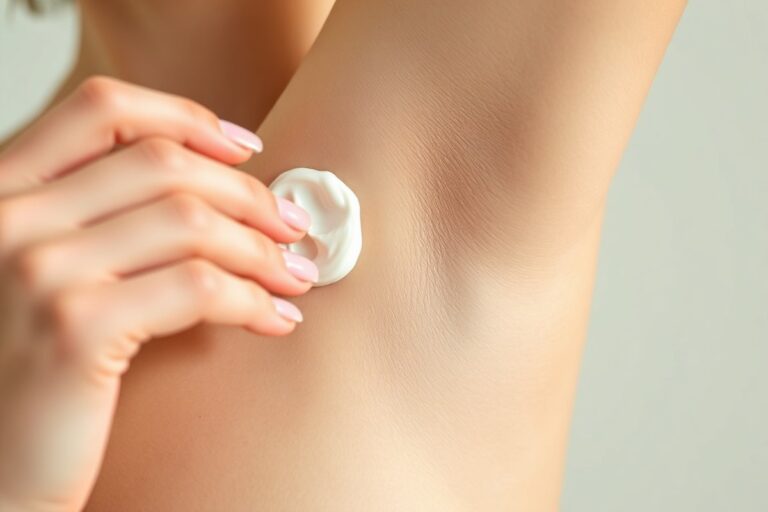
Applying deodorant correctly helps prevent stains by minimizing residue buildup. Use only a thin, even layer, about one or two swipes per underarm. Applying more increases the risk of excess product settling on fabric and reacting with sweat, leading to yellow or white marks. Let your deodorant dry completely before dressing. Waiting a few minutes avoids transferring wet product onto clothes, which reduces crusty stains.
Switching to an aluminum-free deodorant can lower the chance of stains. Aluminum compounds in many antiperspirants react with sweat to form discoloration on fabric. Aluminum-free formulas minimize this chemical reaction, though these products may require more frequent reapplication since they don’t block sweat as effectively. Balancing your preferences for stain prevention and sweat control is key.
Maintaining a careful laundry routine also helps keep stains from forming. Wash shirts after every use using warm water, around 104°F (40°C), and avoid fabric softeners or dryer sheets which can leave residue that attracts deodorant buildup. Soaking underarm areas in a solution of warm water and a small amount of detergent for 15 to 30 minutes before washing loosens deposits and prevents setting stains over time.
- Apply 1-2 swipes of deodorant per underarm
- Allow deodorant to dry fully before dressing
- Switch to aluminum-free deodorant to reduce staining
- Wear breathable fabrics like cotton or moisture-wicking blends
- Wash shirts after each wear in warm water without fabric softener
- Pre-soak underarm areas in warm, soapy water before laundering
- Shower regularly to reduce bacteria and sweat buildup
Choosing the right fabric makes a noticeable difference. Breathable materials such as cotton and moisture-wicking synthetics reduce sweat accumulation against the skin, limiting stain formation. Avoid tightly woven or synthetic fabrics that trap moisture. Regular hygiene, including showering daily and wearing clean clothes, also lowers bacteria growth that contributes to yellowing.
Results from these precautions include clothes that look fresher longer and require less harsh stain removal. Clothes without excessive buildup stay softer, and color fading from repeated scrubbing decreases. Overapplying deodorant or skipping laundering causes persistent, hard-to-remove stains, ultimately shortening garment life.
7. Common Mistakes That Make Underarm Stains Worse
Drying shirts with underarm stains still present can cause those stains to become permanent. The heat from a dryer locks the protein and oil components of sweat into the fabric, making removal difficult afterward. Always confirm the stain is completely removed before applying heat. Let the item air dry or use the lowest heat setting, then examine it in bright light. Stains left to dry into the fabric deeply embed themselves, reducing the effectiveness of future treatment.
Using chlorine bleach on colored shirts commonly causes discoloration or worsening yellow stains. Chlorine bleach breaks down fabric dyes and can actually highlight the stain or create a halo of damage. Instead, choose oxygen-based or color-safe bleach alternatives designed for delicate fabrics. These work by gently lifting stains without harming colors or fibers.
Overwashing or using too much detergent can also make stains worse by damaging fibers and causing fabric discoloration. Harsh scrubbing and excessive washing break down fabric integrity, which sometimes makes the stained area more porous and prone to holding onto residues. Use the recommended amount of detergent and avoid abrasive brushes on delicate shirts.
Fixing stain mistakes starts with halting heat exposure and switching to gentler stain treatment. Re-soak the stained area in a solution of warm water and a stain remover safe for your fabric type. Avoid chlorine bleach products, and choose enzyme-based cleaners or mild natural alternatives like diluted vinegar or baking soda pastes. Letting deodorant dry fully before dressing stops fresh stains, too.
- Avoid drying clothes in a hot dryer until stains fully disappear.
- Skip chlorine bleach on colored or delicate fabrics to prevent damage.
- Use the correct detergent amount; avoid overwashing for delicate shirts.
- Allow deodorant or antiperspirant to dry before putting on clothes.
- Choose enzyme-based or natural stain removers over harsh chemicals.
- Inspect garments after air drying for leftover stains before heat treatment.
- Treat stains promptly to prevent setting and fabric damage.
Products with harsh chemicals, including strong bleaches and some commercial stain removers with excessive alkalinity, should be avoided on sweat stains. These can degrade fabric and worsen yellow underarm marks. Instead, use stain removers formulated for protein-based stains or try a safe homemade mix that includes oxygen bleach or enzymes. Following label instructions and patch testing any product first helps avoid unexpected fabric issues.
8. When to Seek Professional Help for Underarm Stains
Determining if an underarm stain is permanent depends largely on its age and whether it has been subjected to heat. Stains that have been dried in a hot dryer or ironed before removal attempts are often heat-set, making them chemically irreversible with home treatments. If your attempts to remove the stain using standard methods, such as pretreating with stain removers or natural solutions like lemon juice and water, fail after multiple washes, the stain is likely permanent without professional intervention.
Professional cleaners are best for garments labeled “dry clean only,” fabrics like silk, wool, or vintage and high-value clothing that can be damaged by water and aggressive chemicals. They also have access to solvents and stain removal processes unavailable at home. Choosing professional cleaning helps preserve the integrity of delicate fabrics while targeting difficult stains.
To prepare your garment for the cleaner, avoid applying additional stain removers or heat treatments yourself. Instead, rinse the stain gently with cool water to prevent setting it further. When handing over the garment, clearly describe the stain’s origin, age, and treatments you have already tried. A sample script might be, “This is an underarm sweat stain that I have tried treating at home with prewash stain remover and lemon juice mixed with water. It has not improved after washing, and it was air-dried to avoid setting. The fabric is a cotton blend and is not colorfast.” This information helps the cleaner select the best treatment method.
Professional treatments for delicate or vintage clothes are generally safe when conducted by experienced cleaners. They use specialized solvents and lower heat processes to minimize risk. Still, disclose all details about your fabric and any previous damage to your cleaner to ensure proper care.
Costs for professional stain removal typically range from $10 to $30 per garment, with higher prices for specialty or vintage items. Turnaround times vary but are usually between 24 and 72 hours. Some cleaners offer express services for additional fees. Expect a visible reduction in stain prominence or complete removal, depending on stain severity and fabric condition. Be aware that very old or heat-set stains may only lighten, not disappear completely.
Do not use a clothes dryer or iron on stained areas before consulting a professional to avoid permanently setting stains.
Step-by-Step Action Plan to Remove Underarm Stains
Follow these steps to tackle underarm stains effectively and protect your clothes in the future.
- Before you start: Identify the fabric type using the care label to choose the safest stain removal method.
- Day 1: Pre-treat the stain by applying a natural option like white vinegar or a commercial enzyme-based stain remover directly to the underarm area. Let it sit 15 minutes to break down the proteins.
- Day 1, next step: Gently wash with cold water and your regular detergent. Check if the stain fades; if not, repeat the pre-treatment once more.
- Day 2: For stubborn stains on durable fabrics, soak the garment in a solution of oxygen-based bleach and water for 30 minutes, then rinse thoroughly.
- After washing: Air dry the garment instead of using a dryer to prevent setting any remaining stain. Inspect the area to confirm the stain has lifted.
- Weekly: Apply a stain prevention routine by using antiperspirants correctly and washing clothes soon after wearing to reduce residue build-up.
- After 2 weeks: If stains remain despite your efforts and the fabric is valuable or delicate, take the item to a professional cleaner specializing in stain removal.
Frequently Asked Questions
Can I Use Chlorine Bleach on Yellow Underarm Stains?
Chlorine bleach can damage some fabrics and worsen yellow stains. Use oxygen-based bleach on whites instead, and always test on a hidden area first.
How Do I Remove Deodorant Stains from Dark Clothes Without Leaving Marks?
Use a damp cloth or brush to gently rub a paste of baking soda and water on the stain before washing. Avoid white chalky deodorant products to reduce residue.
Will Drying Clothes with Underarm Stains Set the Stains Permanently?
Yes, drying can set stains with heat, making them harder to remove. Always air dry stained clothes first and check before using the dryer.
Why Do Some People Get More Underarm Stains Than Others?
Underarm stains vary due to body chemistry, sweat levels, deodorant types, and washing habits. Adjusting deodorant and washing techniques can help control stains.
Can Vinegar Help Remove Underarm Odors and Stains?
Vinegar neutralizes odor bacteria but may not fully remove stains alone. It’s best combined with other stain removers for better results.
Are Enzymatic Detergents Safe for All Fabrics When Removing Sweat Stains?
Enzymatic detergents work on organic stains but can harm delicate fabrics. Use them carefully and follow garment care labels.
Wrapping Up
Effective underarm stain removal depends on identifying your fabric and treating stains quickly with suitable methods. Starting with natural or enzyme-based treatments keeps your clothes safe while breaking down tough stains. Next time you see underarm yellowing, apply a targeted pre-treatment soon after wearing to keep your clothes fresh and stain-free longer.