How to Remove Set in Stains: 8 Effective Methods That Actually Work
Learning how to remove set in stains starts with choosing the right method for the fabric and type of stain. Soaking fabrics in oxygen bleach for 5 to 6 hours effectively treats many set-in stains, while household items like white vinegar or hydrogen peroxide target specific stains like grass or ink. Patience and proper care increase your chances of restoring your fabrics without damage. This is especially useful for homeowners and renters dealing with tough stains on clothing and upholstery.
You will find practical solutions that work on different materials and stains, including step-by-step treatments and how long to apply them for best results. The focus is on safe, proven approaches using common household ingredients, helping you avoid costly professional cleanings while protecting your home textiles.
Key Takeaways
- Soak fabrics in oxygen bleach for 5 to 6 hours to remove most non-grease set-in stains effectively.
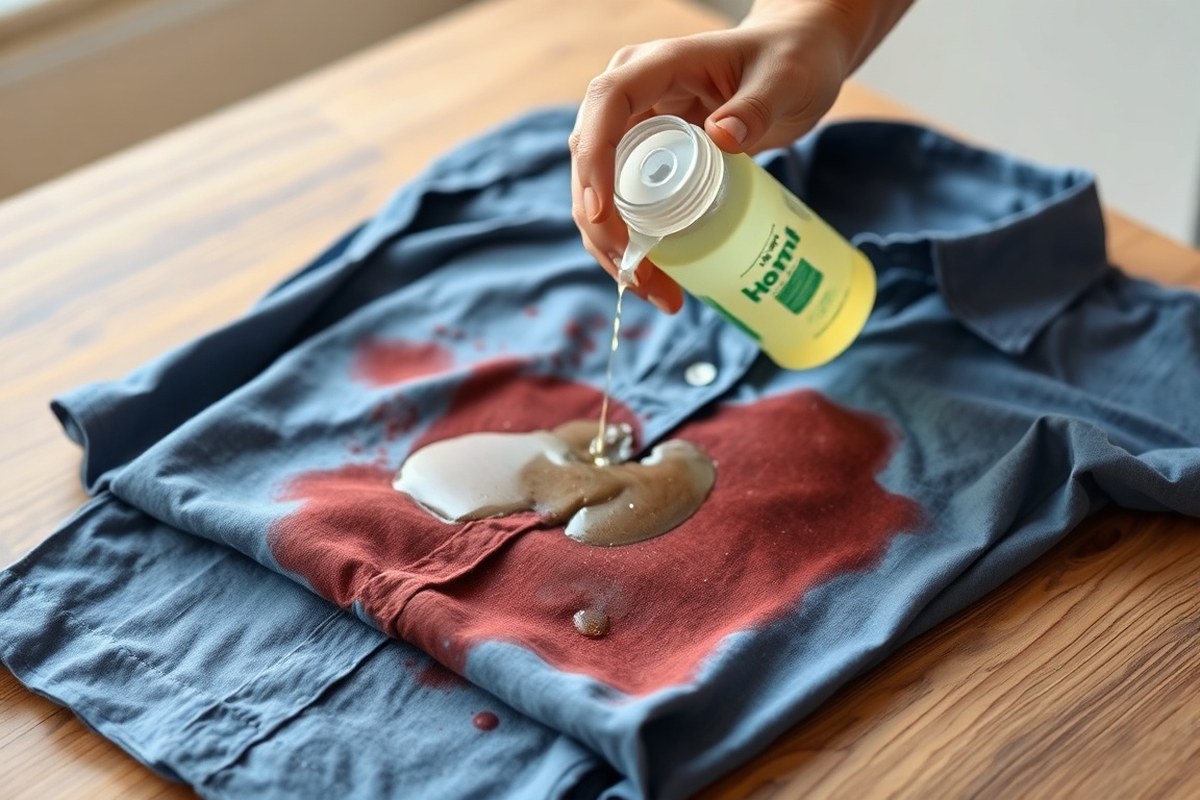
- Pour glycerine onto the stain, allowing it to soak in for 30 minutes before laundering to help break down the stain more effectively.
- Soak grass or sweat-stained items in white vinegar for 30 minutes before laundering.
- Use hairspray or hand sanitizer on ink stains, letting it sit 10 to 15 minutes for best results.
- Treat sweat stains by mixing crushed aspirin with water, rubbing gently, and waiting up to 30 minutes.
- Always let garments air dry until completely sure the stain is removed to avoid setting it further.
1. How to Remove Set-In Stains from Different Fabrics
Removing set-in stains varies depending on the fabric type. Durable fabrics like cotton and polyester can handle soaking and stronger treatments, while delicate and non-washable fabrics require gentle care. Different methods work better on white versus colored clothes. Follow proper timing and drying steps for the best results without damaging your garment.
Treating Set-In Stains on Durable Fabrics
Cotton, polyester, and blends typically tolerate soaking and pretreatment well. Using oxygen bleach or a baking soda paste can break down stubborn stains safely. Use cold or warm water (up to 104°F or 40°C) to avoid setting stains further or shrinking fabric.
Before washing, pretreat the stain to boost cleaning power. Avoid chlorine bleach unless the fabric is pure white cotton and label care permits it. Always test a small hidden area first to prevent damage.
- Mix oxygen bleach according to package instructions in cold or warm water, typically 1 to 2 tablespoons per gallon.
- Soak the stained item for 6 to 8 hours or overnight, checking periodically to avoid fabric weakening.
- Create a paste of baking soda and water (3 parts baking soda to 1 part water) for spot pretreatment on stubborn stains.
- Spread the paste over the stained area and leave it undisturbed for 15 to 30 minutes.
- Rub gently with a soft brush or cloth to loosen the stain before washing.
- Wash in the warmest water recommended on the care label using a detergent with enzymes or oxygen booster.
- Air dry to see if the stain is removed; repeat if necessary.
Handling Delicate and Non-Washable Fabrics
Silk, wool, and dry-clean-only fabrics need a softer touch to avoid damage. Spot cleaning is often the safest approach. Use mild detergents formulated for delicates or specialty stain removers. Avoid soaking or scrubbing aggressively to maintain fabric integrity.
Test any cleaner on an inconspicuous corner first to rule out color loss or texture changes. For non-washable or vintage pieces, professional cleaning is safest.
- Blot the stain gently with cold water using a clean white cloth.
- Dab a small amount of mild detergent or a delicate fabric-specific stain remover onto the stain.
- Let it sit for 5 to 10 minutes without rubbing hard.
- Rinse carefully with cold water or blot with a damp cloth to remove cleaning solution.
- Repeat gently if needed, avoiding fabric saturation.
- Air dry completely, keeping the garment flat or on a padded hanger.
- For stubborn stains or valuable items, take to a licensed professional cleaner.
Approaches for White and Colored Clothes
White items tolerate certain bleach options better, but colored fabrics require careful product choices to avoid fading. Oxygen bleach is safer for both colors and whites than chlorine bleach, which risks yellowing or weakening fibers.
Products labeled as color-safe or designed specifically for colored fabrics help protect dyes while removing stains. Avoid acetone or harsh chemicals that may bleach fabric unintentionally.
- Choose an oxygen-based stain remover approved for your fabric color.
- Test on a hidden area to ensure no color change occurs.
- Apply the product as directed, either by soaking or spot treatment.
- Let it sit for 30 minutes to several hours depending on instructions.
- Wash according to garment care labels in cool or warm water.
- Air dry and inspect for residual stains before using a machine dryer.
- Should the stain still be visible, try the treatment again carefully or seek advice from a professional.
Timing and Drying Guidelines
Allow pretreatments and soaks enough time to act but avoid fabric damage from overexposure. Most soaking steps take between 6 and 8 hours; spot treatments need 10 to 30 minutes.
Always air dry items after removing stains. Machine drying clothes with remaining stains sets those stains permanently due to heat. Checking stain removal before drying saves time and prevents disappointment.
- Follow product instructions for how long to soak or let pretreatment sit (usually 10 to 480 minutes).
- After washing, hang or lay flat to air dry in a well-ventilated area away from direct sunlight.
- Inspect garments fully dry to confirm the stain is gone.
- When the stain continues to show, apply the treatment another time with caution.
- Only use a machine dryer once the fabric is free from all visible stains.
2. Targeted Stain Removal Methods by Stain Type

Removing set-in stains requires specific methods tailored to the stain type. Different chemical compositions respond best to certain treatments, so using the right product and technique for oil, protein, tannin, dye, and adhesive stains improves your chances of restoring fabrics. Below are tested approaches and recommended ingredients to target these common kitchen and household stains effectively.
Oil and Grease Stains
Grease and oil stains require products that can break down oily build-up. Begin by gently blotting with cold water to prevent the stain from sinking in further. Use a bit of dish soap on the spot because its surfactants effectively lift oils away.
For tougher stains, make a paste of equal parts baking soda and water, gently rub it into the area, and let it sit for 15 to 30 minutes before rinsing with cold water. Avoid hot water because it can set oil stains permanently. Gently scrub with a soft brush if needed and launder as usual after treatment. This method costs just a few cents per application using common household ingredients.
Protein-Based Stains
Blood, sweat, and other protein stains require cold water and enzymatic action to avoid cooking the proteins further into the fabric fibers. Use an enzyme detergent designed to break down proteins, or apply hydrogen peroxide directly to dried blood stains for lightening and lifting the residue.
Meat tenderizer powder is a useful home remedy: sprinkle it on the stain then cover with cold water and let sit for 20 to 30 minutes. Rinse well afterward. All enzyme-based treatments should be rinsed thoroughly with cold water before washing normally. Hydrogen peroxide can cost around $2 to $5 per bottle, making it an affordable option for targeted stain removal.
Tannin and Dye Stains
Tannin-based stains such as coffee, tea, or red wine respond well to acidic solutions and oxygen bleach, while avoiding hot water which can set these stains permanently. Rinse the stained fabric with cold water first, then soak coffee and tea stains in white vinegar diluted with water (1 part vinegar to 2 parts water) for 10 to 15 minutes.
For tough stains like wine, use an oxygen bleach soak in hot water following the product instructions; oxygen bleach works by releasing oxygen molecules to break down pigment molecules. Mustard stains respond to a baking soda paste treatment similar to oil stains. Below is a summary treatment table for tannin and dye stains:
| Common Tannin/Dye Stains | Effective Treatment |
|---|---|
| Coffee or Tea | Vinegar soak (1:2 vinegar to water), cold water rinse |
| Mustard | Baking soda paste (equal parts baking soda and water) |
| Wine | Oxygen bleach soak in hot water per instructions |
Using vinegar and baking soda is inexpensive, generally less than $1 per treatment for home staples. Oxygen bleach products vary from $7 to $15 but are effective for persistent stains.
Ink and Adhesive Stains
Ink stains respond well to alcohol-based treatments such as hand sanitizer or hairspray applied directly to the stain. Use a cotton ball to dab the product onto the ink spot, then blot gently with a clean cloth. Avoid rubbing, which can spread the ink further.
Adhesive stains are best treated by first softening the residue with ice or cold water, which hardens the adhesive, making it easier to scrape or rub off gently. For tougher glue stains, acetone (nail polish remover) can be used carefully on colorfast fabrics. Always test acetone on an inconspicuous area first to avoid fabric damage.
Don’t use hot water on protein-based stains like blood or sweat; heat sets proteins and makes removal much harder.
3. How Long to Treat Set-In Stains for Best Results
Setting the right timing for soaking, pretreating, and resting intervals is key to removing set-in stains effectively without damaging fabrics. Oxygen bleach soaks work best around 5 to 6 hours, while glycerine and vinegar treatments require about 30 minutes. It’s essential to know when to repeat a treatment or switch methods and to time your washing and drying steps properly to avoid setting the stain further.
Oxygen Bleach and Soaking Times
Oxygen bleach is a reliable stain remover when used correctly. Soaking fabric for 5 to 6 hours in a solution of oxygen bleach and hot water allows the bleach to stay active long enough to break down deep stain residues. The water temperature should be at the warmest level the fabric can safely handle, typically around 140°F (60°C) for sturdy fabrics.
Stir the fabric occasionally during soaking to keep the oxygen bleach evenly distributed and prevent settling at the bottom. Avoid soaking longer than 6 hours, as extended exposure or stronger bleach solutions can cause discoloration, especially on white fabrics.
Pretreatment and Resting Intervals
Different pretreatment methods like glycerine, vinegar, and hydrogen peroxide need varying soaking times. Apply glycerine directly onto the stain and let it sit for about 30 minutes to help break down tough marks. For grass or sweat stains, soak the fabric in undiluted white vinegar for 30 minutes to loosen the stain and improve cleaning effectiveness.
Hydrogen peroxide can be applied to the stain and left to rest for 10 to 60 minutes depending on the fabric’s tolerance and stain toughness. Always test on a small area first to prevent damage. These resting intervals activate the stain removers without hastening fabric wear or setting the stain further.
Repeating and Escalating Treatments
Check the stain’s progress hourly during soaking or resting. Once the stain becomes visibly lighter, you can follow the fabric’s care instructions to wash it. After washing, if the stain remains visible, repeat the soaking or pretreatment process once more. Avoid more than two cycles on the same stain as prolonged treatments can weaken fabric fibers.
After two attempts with one method do not extend soaking times or increase chemical strength; instead, try a different approach to avoid fabric damage or color loss. For very stubborn stains, try combining treatments, such as following a glycerine pretreatment with an oxygen bleach soak, before the final wash. Dry fabrics only after confirming the stain is gone to prevent permanent setting. Below is a table illustrating the recommended treatment times for common stain removal methods:
| Treatment | Soaking or Resting Time | Water Temperature | Notes |
|---|---|---|---|
| Oxygen Bleach Soak | 5-6 hours | Up to 140°F (60°C) | Stir occasionally; no longer than 6 hours |
| White Vinegar Soak | 30 minutes | Cold to warm water | Prepares fabric, follow with detergent or bleach |
| Glycerine Pretreatment | 30 minutes | Room temperature (applied undiluted) | Apply directly; loosens stain fibers |
| Hydrogen Peroxide Treatment | 10-60 minutes | Room temperature | Test fabric first; varies by stain type |
This timing sequence protects fabrics from damage while maximizing stain breakdown. Timing your post-treatment wash soon after soaking avoids letting the stain dry back into the fabric. Also, skipping the dryer until you confirm the stain is removed prevents permanent set-in. Adjust soak times down for delicate fabrics or if staining is lighter.
4. Removing Set-In Stains from Upholstery and Carpet
Set-in stains on upholstery and carpet need careful treatment to avoid worsening damage or discoloration. These materials absorb moisture and cleaning agents differently than regular fabrics because of underlying padding and dyes. Using too much water or harsh chemicals may cause permanent rings or fading, so start with the mildest approach and test any product on a hidden spot first. Household methods can work well, but success depends on using recommended products that balance cleaning power with fabric safety. When tackling a set-in stain on upholstery or carpet, follow these steps precisely to reduce the stain and protect your furniture:
- Vacuum the area gently to remove loose dirt and dust without pressing the stain deeper.
- Test a mild cleaner such as a diluted liquid dish soap or a concentrated laundry detergent liquid on an inconspicuous area. Wait 10 minutes to check for colorfastness or damage.
- Blot the stain lightly using a clean white cloth dipped in the cleaning solution, starting from the edges and working toward the center. Avoid rubbing, which can embed the stain further.
- Apply a small amount of fabric-safe stain remover or enzymatic cleaner if the stain is biological. Products designed for upholstery or carpet usually avoid harsh bleach agents.
- Blot again with a clean, damp cloth using as little water as possible to lift away residue, preventing oversaturation. Use multiple cloths if needed to avoid re-spreading the stain.
- Air dry completely without heat, ideally with a fan circulating air, to prevent mold growth or fabric shrinkage. Avoid direct sunlight that might discolor the material.
- Repeat the process once or twice if the stain persists, but stop if you notice color loss or fabric damage.
When selecting products to remove set-in stains, check labels carefully. Avoid bleach, ammonia, or any solvent not recommended for your fabric type, especially on delicate upholstery. Products containing enzymes or oxygen-based agents (like specialized carpet stain removers) are often safer and effective for common stains such as food, drink, and pet accidents.
Using a minimal amount of cleaning solution and working patiently reduces the risk of spreading the stain or damaging the backing and padding beneath upholstery fabrics and carpet fibers. For tough oily stains, pretreating with a grease-cutting detergent can help, but always keep moisture low to prevent residue rings. If unsure about the fabric type or cleaning method, consider professional upholstery or carpet cleaning services, as improper home cleaning can lead to irreversible damage.
5. Household Ingredients That Effectively Remove Set-In Stains
Vinegar is a versatile household ingredient that helps break down dyes and residues in set-in stains, especially from grass and other natural sources. Use white vinegar because it won’t leave additional coloring on your fabric. To prepare, mix one part white vinegar with two parts cold water. Apply the solution to the stain using a clean cloth or spray bottle, gently blotting and letting it sit for 10, 15 minutes before rinsing with cold water. Avoid applying vinegar on delicate fabrics like silk or wool, as its acidity can cause damage.
Baking soda works well as a gentle abrasive and deodorizer that lifts stains without harming fabric fibers. Make a paste by mixing baking soda with a little water, a ratio of about 3 tablespoons baking soda to 1 tablespoon water. Apply this paste directly onto the stain and let it sit for 15, 30 minutes before brushing off or rinsing. This method is effective on older stains and helps neutralize odors, making it a safe option for upholstery and carpets too.
Hydrogen peroxide at 3% concentration acts as a mild bleaching agent, useful for stains like blood where it reacts with enzymes to release oxygen bubbles that lift the stain. Pour a small amount directly onto the stain and let it bubble up for a few minutes. Always test on an inconspicuous area first to ensure the fabric doesn’t bleach or weaken. Avoid hydrogen peroxide on colored fabrics unless you’re sure of how it will affect the dye.
Dish soap works well at breaking down greasy or oily stains. A strong grease-fighting formula, such as Dawn Platinum, is recommended for removing these stains. Apply a small amount directly on the stain and gently rub it in with your fingers or a soft brush. Allow it to sit for 10 to 15 minutes before rinsing. For more stubborn stains, create a paste with dish soap and baking soda or combine dish soap and hydrogen peroxide in equal parts. Avoid mixing hydrogen peroxide with vinegar because it can produce harmful chlorine gas.
- Mix white vinegar and water in a 1:2 ratio for a safe stain remover.
- Create a baking soda paste with 3 tablespoons powder to 1 tablespoon water for gentle scrubbing.
- Apply 3% hydrogen peroxide carefully and test first on a hidden spot.
- Use a strong grease-fighting dish soap like Dawn Platinum for oily stains.
- Combine dish soap and baking soda for extra abrasive power on set-in dirt.
- Never mix vinegar with hydrogen peroxide in the same application.
- Let treatments sit for 10, 30 minutes, depending on stain toughness.
Always test cleaning solutions on a hidden fabric area before full application to avoid discoloration or damage.
Following these recipes and precautions keeps your fabrics safe while improving stain removal success. Preparation is simple and low-cost: vinegar costs about $2 per gallon, baking soda under $3 per box, a bottle of 3% hydrogen peroxide around $1 at pharmacies, and household dish soaps can range from $3 to $6. The right approach depends on your specific stain and fabric type, but starting with these household ingredients offers a practical and effective way to handle set-in stains without risking harm to your clothes or upholstery.
6. Common Mistakes and How to Fix Them When Removing Set-In Stains
Using hot water on set-in stains often makes the problem worse. Heat causes stains to polymerize, meaning the molecules form long chains that bind tightly to fabric fibers. This “cooks” the stain into the fabric, making it much harder or sometimes impossible to remove. For most fabrics, start treatment with cold or warm water instead. Only use the hottest water safe for the fabric after the stain has mostly lifted, since heat can permanently set many stains.
Drying a stained garment prematurely is another common mistake. When you put a stained fabric into a dryer before the stain is fully gone, the heat sets the stain permanently. Always air dry your garment and repeat cleaning steps if you still see any stain. Only use heat to dry when you are 100% certain the stain has vanished.
Excessive scrubbing may seem like a good idea to remove a stain quickly, but it usually backfires. Vigorous rubbing pushes the stain deeper into fabric fibers and can damage delicate textiles. This often leads to a permanent ring or frayed spots. Instead, gently blot the stain and use light, circular motions with a soft cloth or sponge.
Using the wrong cleaner can also make stains permanent. For example, applying bleach on protein-based stains like blood or sweat can set the stain or damage the fabric. Knowing your stain type helps pick the right cleaner, so read labels carefully and test on an inconspicuous area first. When uncertain, start with mild soap and water.
- Do not apply heat before stain is removed; use cold or warm water first.
- Always air dry stained items until fully clean.
- Use gentle blotting instead of hard scrubbing.
- Match the cleaner to your stain type; avoid bleach on protein stains.
- Test cleaning solution on a hidden fabric spot before use.
- Repeat stain treatment up to several times before drying.
- When in doubt, seek professional cleaning help.
To fix ongoing treatment, rinse the area with cold water to remove cleaning residues and avoid heat until stains disappear. Adjust your method by switching to gentler products or longer soaking times, especially on delicate fabrics. Knowing these mistakes and how to prevent them saves time and effort, preventing minor stains from turning into fabric disasters.
7. Safety Tips and When to Call a Professional Cleaner
Testing cleaning products on fabric before using them widely prevents damage and discoloration. Choose a hidden spot on the fabric, such as an inside seam or hem. Apply a small amount of the cleaning agent and wait 10 to 15 minutes to check for any changes in color, texture, or strength. Avoid testing on heat-sensitive or delicate fabrics without consulting care labels or experts.
Protect yourself by working in a well-ventilated area and wearing gloves, especially when using chemical stain removers or bleach alternatives. Gloves prevent skin irritation from substances like powdered oxygen bleach or carpet cleaners. Ensure good airflow by opening windows or using a fan. Avoid mixing chemicals such as bleach and ammonia, as this can create toxic fumes.
Knowing when to stop and call a professional reduces the risk of permanent fabric damage. Set-in stains older than 24 hours often resist home treatments, increasing the chances that professional cleaning will be more successful. Professional cleaners have specialized equipment and products designed for delicate fabrics like silk, wool, or upholstery that DIY methods may harm. Avoid aggressive scrubbing or soaking if the fabric is fragile or if the stain source is unclear.
- Test on a hidden fabric area for 10-15 minutes before full application
- Wear rubber gloves and ensure the room is ventilated
- Avoid mixing cleaning chemicals to prevent toxic fumes
- Stop DIY treatment if stains persist after several attempts or if fabric care labels warn against certain chemicals
- Consult a professional for delicate materials or stains over 24 hours old
- Use powdered oxygen bleach cautiously according to package instructions
Recognize stains requiring professional cleaning if the fabric is delicate, like silk or cashmere, or if you notice color fading or fabric weakening during DIY attempts. Stains set deeply in upholstery or carpet often need specialized extraction methods to avoid damage. Professional cleaners also help with persistent stain odors or chemical spots from unknown sources. Costs for professional cleaning vary but typically range from $50 to $150 depending on fabric and stain severity.
8. How to Prevent Set-In Stains from Forming Again
Acting fast on stains makes them easier to remove and reduces the risk of permanent marks. Gently blot the spill using a clean cloth or paper towel to absorb excess liquid without pressing the stain deeper. Apply a stain remover or a small amount of liquid detergent promptly to stop the stain from settling into the fabric fibers.
Fabric protection products, such as stain repellents sprayed on upholstery or clothes, create a barrier that discourages liquids from penetrating. These treatments typically cost between $10 and $20 for a spray bottle and last through several washes, helping preserve your fabrics by making spills easier to clean up before they soak in.
Laundering habits also affect how well you avoid set-in stains. Using the right detergent tailored to your fabric type can improve stain removal. For instance, enzymes in detergents that target protein-based stains like blood or sweat help break down the source, minimizing residual discoloration. Avoid overloading the washing machine, as this reduces cleaning efficiency and can contribute to stains lingering.
Adjusting washing temperatures can help too. Warm water (around 104°F to 113°F) is typically effective for removing stains without damaging most washable fabrics, but always check care labels to avoid shrinkage or color fading. Using the appropriate cycle length and an extra rinse cycle ensures detergents and stain residues are fully washed out.
- Treat spills immediately by blotting and pre-treating within 15 minutes
- Test fabric protectors on a hidden spot before full application
- Choose detergents with enzymes if you frequently deal with organic stains
- Wash clothes in suitable temperatures according to care labels
- Do not overload laundry machines to maximize cleaning power
- Include an extra rinse cycle to prevent detergent and stain build-up
- Air-dry lightly stained clothes to avoid setting stains with heat before confirmation
Do not dry stained items in the dryer until you are certain the stain is completely gone, as heat will set the stain permanently.
Following this checklist of preventive measures helps keep your fabrics and upholstery looking clean longer. Fabric protectors require reapplication every few months depending on use and washing frequency. Detergents designed specifically for stain removal can cost slightly more but often save time and repeated treatments. When you catch stains early and use these laundering best practices, your chances of deep-set stains dropping drastically improve.
Step-by-Step Action Plan for Removing Set-In Stains
Follow this plan to tackle set-in stains efficiently and safely. Check each step for visible improvement before moving on.
- Before You Begin: Identify the fabric or upholstery type and the stain kind to choose the right cleaning method.
- Day 1: Test a small hidden area with your chosen cleaner or household ingredient to avoid damage or color loss.
- Day 1: Apply the stain remover according to fabric type and stain specifics; blot gently and let it sit 15 to 30 minutes.
- Day 1: Rinse or blot with clean water, then air dry. Check if the stain lightened or disappeared.
- Day 2: For persistent stains, repeat treatment or use a stronger option such as an oxygen-based bleach for washable fabrics; avoid overuse on upholstery.
- Within One Week: Perform a deep clean on upholstery or carpet using a gentle detergent or steam cleaner if the stain remains visible.
- After One Week: If stains are still present and resist household methods, schedule a professional cleaning to avoid fabric damage.
- Ongoing: Protect treated areas with fabric protectors and clean up new spills immediately to prevent future set-in stains.
Frequently Asked Questions
What Is the Best First Step to Remove Set-In Stains from Delicate Fabrics?
The best first step is to use the mildest safe cleaner available. This prevents damage to delicate materials while allowing you to test how the fabric reacts before trying stronger stain removal methods.
Can Household Vinegar and Baking Soda Really Remove Set-In Stains Effectively?
Yes, vinegar and baking soda can remove set-in stains by breaking down residue. Mixing them creates a fizzing action that helps lift the stain from the fabric fibers.
How Do Unseasoned Meat Tenderizers Help Remove Set-In Blood Stains?
Unseasoned meat tenderizers contain enzymes that break down blood proteins. Applying a paste on the stain and letting it sit can soften and remove the blood from fabric.
What Should You Do Before Using a Specialized Stain Remover on Upholstery?
Always test the product on a small, hidden area first. This ensures the remover won’t damage or discolor the fabric before you apply it to the entire stain.
Why Are Dye or Oil-Based Stains Harder to Remove Once Set In?
Dye and oil penetrate fabric fibers deeply, making them resistant to water-based cleaners. Use targeted grease removers or color-safe solvents for the best chance at removal.
Can Oxygen Bleach Remove Most Set-In Stains Safely?
Oxygen bleach is effective on many stains and is safer than chlorine bleach. Use it following label instructions and test on a small area to avoid fabric damage.
Key Points to Remember
Removing set-in stains requires patience and the right approach based on fabric and stain type. Using appropriate household ingredients and techniques can restore many fabrics and upholstery safely at home. Starting today with spot testing and careful cleaning sets you on the path to fresher fabrics and fewer recurring stains.