How Do I Get Mould Out of Fabric | 8 Proven Methods for Safe, Effective Results
To get mould out of fabric, start by brushing off loose spores, then treat the stain with white vinegar or a diluted baking soda solution before washing according to the fabric care label. Air-drying in sunlight helps kill remaining mold and remove odors effectively. These steps are safe and practical for most washable fabrics, ensuring you restore your clothes or upholstery without damaging them.
This guide is for anyone facing mold issues on fabrics, from clothes to upholstery. You’ll learn practical cleaning methods, which treatments suit different fabrics, and how to prevent mold from coming back, keeping your textiles fresh and safe.
Key Takeaways
- Brush off loose mold gently before applying any cleaning treatment to avoid spreading spores.
- For colored fabrics, use white vinegar or diluted baking soda on stains, then wash in cold or warm water.
- Soak white cotton or linen gently in a chlorine bleach solution if fabric care labels allow it, following exact dilution and timing.
- Let treated fabrics air-dry in direct sunlight for 1 to 2 hours to kill mold and reduce odors further.
- Use white vinegar soaked for 30 to 60 minutes as a natural mold killer and odor remover on most washable fabrics.
- Apply 3% hydrogen peroxide sparingly to persistent discoloration after washing and air-dry indoors or in shade.
1. How to Get Mould Out of Fabric: Practical Step-By-Step Methods
Mold on fabric can damage fibers and cause unpleasant smells if not treated promptly. Removing mold safely involves brushing off loose spores first, then treating stains and odors with proper cleaning techniques. The goal is to kill mold spores, remove visible stains, and prevent regrowth without damaging your fabric. Hot water and detergent are effective, but pretreatment is necessary to tackle stubborn mold stains.
Follow these step-by-step methods to get mold out of fabric safely and effectively. Allow roughly 30 to 60 minutes for soaking and treatment, plus washing and drying time. Adjust soaking times based on fabric type and severity of mold.
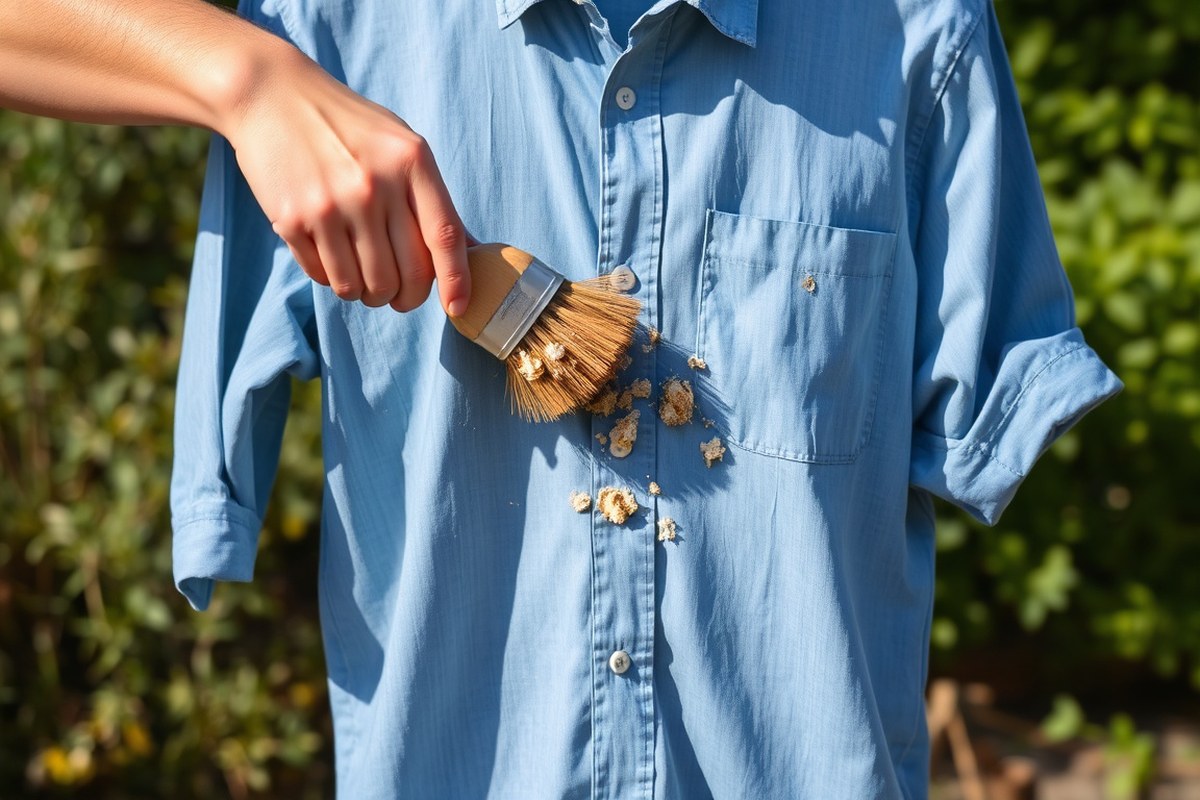
- Brush off loose mold outdoors. Use a soft brush or dry cloth to remove as much visible mold as possible. This prevents spores from spreading inside your home and reduces stains before washing.
- Soak the fabric. Fill a basin or sink with hot water appropriate for the fabric’s care label. Add a strong detergent or a fabric-safe cleaner that kills mold at the root, such as a mold-specific fabric cleaner. Soak the fabric for 30 minutes to loosen mold and spores.
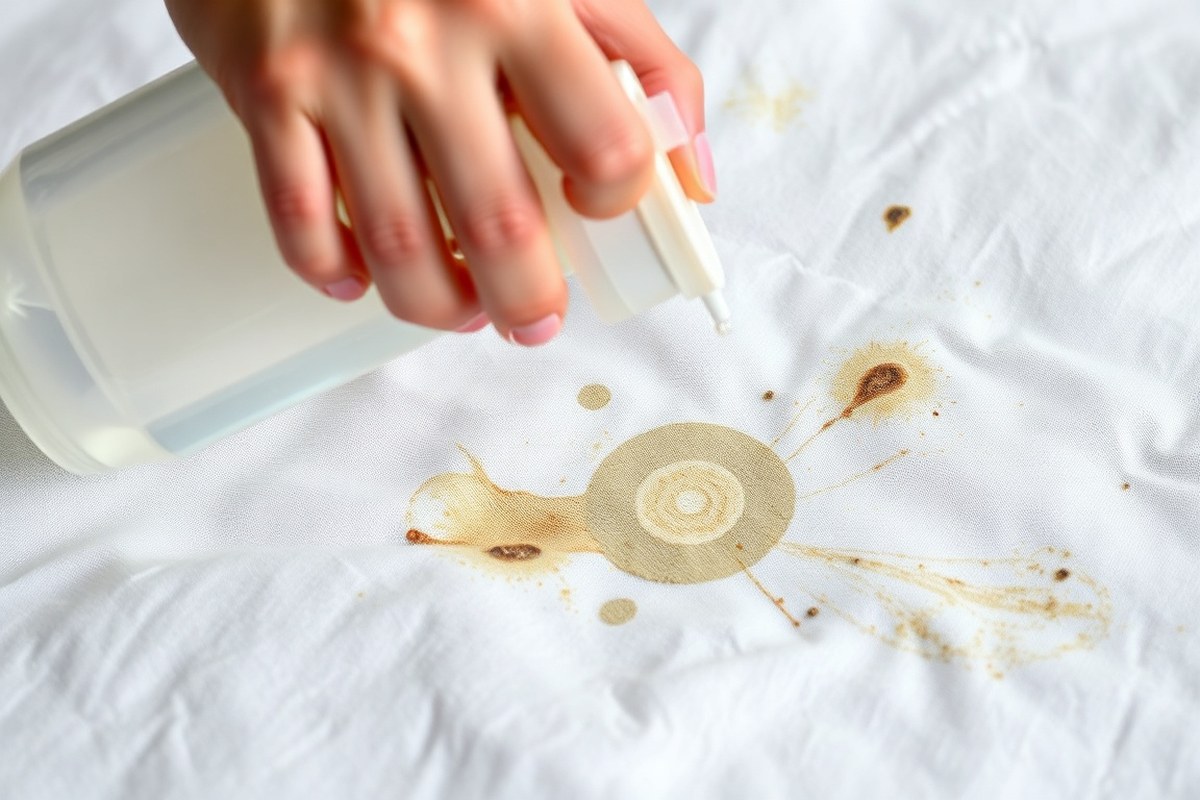
- Treat mold stains. Apply white vinegar or diluted baking soda directly to stubborn mold stains. Let it sit 15 to 30 minutes to break down mold residue. Avoid bleach on colored or delicate fabrics as it can cause discoloration.
- Wash the fabric. Use the hottest water temperature the fabric allows with a reliable detergent. Hot water kills mold spores more effectively than cold water. For machine-washable items, run a full wash cycle with detergent as usual.
- Rinse thoroughly. Make sure to rinse the fabric well with clean water to wash away mold residues and any cleaning agents. Leftover residues may encourage mold regrowth or cause irritation.
- Air dry completely outdoors. Dry the fabric in direct sunlight if possible, as sunlight helps kill remaining spores. Avoid damp or shaded areas where mold can return. Ensure fabric is 100% dry before storing.
- Repeat if necessary. For severe mold or persistent stains, repeat soaking and washing steps. Mold that remains can cause health risks and fabric damage over time.
If you have delicate fabrics, reduce soaking time and avoid harsh chemicals. Always check the fabric care label and test any treatment on a small hidden area first. Using mold removers designed for textiles can help ensure safe, effective results without damage.
2. Which Mold Removal Methods Work Best on Colored and Delicate Fabrics?
For colored and delicate fabrics, gentle mold removal methods like vinegar and baking soda work best to avoid fading or damage. Oxygen bleach can be a safe alternative to harsh bleach when proper instructions are followed. Avoid bleach on most colored fabrics unless it specifically states color-safe to prevent discoloration.
Natural Remedies Safe for Colored Fabrics
Natural treatments such as white vinegar and baking soda are effective at killing mold spores without harsh chemicals. Vinegar acts as an antifungal agent and can kill mold at the source rather than just masking stains or odors. Since natural remedies are less likely to harm fabric fibers or colors, they are ideal for delicate textiles like upholstery, curtains, or clothes with intricate patterns.
However, delicate fabrics should still be tested for colorfastness. Always dab a small hidden area with the solution first and wait 10 minutes before proceeding. In case of expensive or vintage items, consider professional cleaning to avoid accidental damage. When used carefully, these natural remedies clean mold stains and reduce musty smells while preserving fabric integrity.
Using Vinegar and Baking Soda Correctly
Vinegar can kill mold spores effectively on fabric by soaking the affected area with white distilled vinegar (undiluted). You can leave the fabric to soak for about an hour before gently scrubbing the area. Baking soda helps eliminate stubborn stains and odors by neutralizing the acid and absorbing moisture.
For best results, start by spraying or soaking the fabric in vinegar, then sprinkle baking soda over the area and lightly rub it in. After letting it sit 15 to 30 minutes, rinse with cold water and air dry. Avoid hot water unless the fabric label explicitly allows it, as heat can shrink or damage delicate textiles. Though this approach works well on mold and mildew, baking soda and vinegar combined often remove both stains and odors in cases of light to moderate contamination.
When and How to Use Oxygen Bleach on Colors
Oxygen bleach is a color-safe alternative to chlorine bleach and can be used to treat mold stains on colored fabrics without fading. It works by releasing oxygen to break down mold stains while being gentle enough for most textiles. Before applying, check the fabric care label and test a hidden spot for colorfastness.
To treat mold stains, dissolve oxygen bleach powder according to package instructions in warm water, typically 1 to 4 tablespoons per gallon. Soak the fabric in the solution for 30 minutes to an hour, then wash with detergent as usual. Adding oxygen bleach during the wash cycle improves stain removal and kills mold spores embedded deeper within fibers.
For heavily stained or older mold, oxygen bleach combined with high heat washing (if safe for the fabric) offers better mold spore kill, as hot water activates the bleach. Avoid oxygen bleach on delicate items such as wool or silk.
| Method | Effect on Mold | Effect on Fabric | Safe for Colors | Typical Use |
|---|---|---|---|---|
| Vinegar (undiluted white) | Kills mold spores | Gentle; may cause minimal fading if overused | Yes, with spot test | Soak, spray, then rinse |
| Baking soda | Neutralizes odor and stains | Safe; gentle abrasive | Yes | Sprinkle after vinegar soak; rub lightly |
| Oxygen bleach (sodium percarbonate) | Kills mold spores, breaks down stains | Gentle on most fabrics | Yes, except wool/silk | Soak or add to wash cycle |
| Chlorine bleach | Kills surface mold; may not kill deep spores | Damages fibers; causes fading/discoloration | No (except whites) | Occasional use on white fabrics only |
Choosing the right mold removal method depends on the fabric type, color, and mold severity. Natural options prioritize preserving color and fiber strength, while oxygen bleach works better for tougher stains without the risk of fading associated with chlorine bleach.
Never mix vinegar and bleach products; this creates dangerous fumes and will harm your fabric and health.
3. Effective Natural Treatments to Kill Mold and Remove Odor
Natural household ingredients like white vinegar, baking soda, lemon juice, and borax can effectively kill mold spores and remove odors from fabric. These treatments work by penetrating the fabric to neutralize odors and break down mold, especially when fabrics soak long enough for full absorption. Proper soaking, application, and rinsing are essential to see good results without damaging your fabric.
White Vinegar and Baking Soda Method
White vinegar is a strong natural mold killer and odor neutralizer because of its mild acidity. To use vinegar for mold removal, soak the affected fabric in a solution of one part white vinegar to three parts warm water for 30 to 60 minutes. This allows the vinegar to penetrate deeply and weaken the mold and mildew spores.
After soaking, rinse the fabric and apply a baking soda paste directly on stubborn spots. Mix baking soda with water until you get a spreadable paste, gently scrub it onto the mold stains, then let it sit for 10 to 15 minutes before washing normally. The combination of baking soda’s mild abrasiveness and vinegar’s acidity helps lift mold residues and odor.
- Use one cup of white vinegar per gallon of warm water for soaking
- Soak for 30-60 minutes to ensure penetration without fabric damage
- Apply baking soda paste to tough spots after soaking
- Gently scrub paste on mold stains without damaging fabric fibers
- Wash fabric in the machine with regular detergent after treatment
- Air dry fabric in direct sunlight to kill leftover spores and reduce odor
Repeated treatment may be necessary for older mold stains, applying a fresh coat of vinegar or baking soda halfway through the soak can keep the fabric saturated and improve effectiveness.
Lemon Juice and Salt Paste Application
Lemon juice is effective against mildew and mild mold because its acidity helps break down mold stains and odors. For white cotton or linen, mixing lemon juice with salt creates a natural bleaching and scrubbing agent. Spread this paste on the mold spots and leave the fabric to sun-dry for several hours.
This method works well for mild mold that has not deeply penetrated fabric fibers. However, lemon juice may not completely remove heavily embedded mold stains and can lighten colors, so test on a small hidden area first. Sunlight after treatment boosts mold kill because UV rays destroy mold spores and dry out residual moisture.
Borax Soak for Heavy Mold Stains
Borax is a more powerful natural mineral that kills mold spores and helps remove stubborn smells from fabric. To prepare a borax soak, dissolve ½ cup of borax in one gallon of warm water. Soak moldy fabric for about 30 minutes. Borax is particularly useful on non-delicate fabrics because it can be harsh on some fibers and colors.
After soaking, rinse the fabric thoroughly and wash as usual. Borax also prevents mold from returning by inhibiting spore regrowth if the fabric remains slightly damp. Avoid mixing borax with bleach or ammonia products to prevent toxic fumes. Always follow safety guidelines and test on inconspicuous fabric areas first.
4. When to Use Chemical Mold Removers Safely on Fabric
Effective chemical mold removers for fabric include products containing 3% hydrogen peroxide and oxygen-based bleach formulations designed for textiles. Chlorine bleach, while a strong mold killer, often discolors or damages cotton and silk, causing fabric weakening and premature wear. Hydrogen peroxide at 3% concentration works best on whites and colorfast fabrics, safely removing mold stains without harsh bleaching effects.
To use chemical mold removers safely on fabric, test the product on a hidden area first, such as inside a seam, to check for colorfastness and fabric reaction. For 3% hydrogen peroxide, dab it onto the moldy spot using a clean white cloth or cotton swab, wait about 10 minutes, then rinse with cool water and wash as usual. Avoid direct sunlight during drying to prevent fading and fabric degradation. Higher-strength hydrogen peroxide or chlorine bleach should only be applied to pure white, sturdy fabrics, and never on delicate materials like silk or wool.
Strong chemical odors often come from high concentrations of bleach or ammonia, which can weaken fabric fibers over time. These products are not recommended for mold removal on clothing or upholstery where fabric integrity matters. Instead, choose commercial mold removers formulated for textiles, which balance mold-killing power with gentleness to prevent damage. Expect these products to cost between $5 and $15 per bottle, depending on brand and size.
When using chemical removers, avoid soaking large fabric items to prevent water damage or mold spread. Spot treat moldy areas and launder promptly. For delicate or colored fabrics, stick to milder options like oxygen bleach or specialized mold removers designed for delicate textiles, as these reduce the risk of discoloration or weakening.
If discolored spots persist after washing, applying 3% hydrogen peroxide directly can help lighten stains. Allow treated fabric to air-dry indoors or in shaded areas to protect colors. Avoid using chlorine bleach on non-white or delicate fabrics because even brief exposure can cause permanent damage.
A simple checklist before applying chemical mold removers: verify fabric type and colorfastness, test on a hidden spot, use appropriate concentration (3% hydrogen peroxide for most), apply only to affected areas, rinse well after treatment, and dry properly out of direct sunlight. Follow product label instructions carefully. This approach reduces fabric damage risk while effectively eliminating mold.
As a decision rule, reserve chlorine bleach only for white cotton or polyester fabrics resistant to harsh treatments. Use 3% hydrogen peroxide for colorfast or light fabrics needing deodorizing and stain removal. Avoid any chemical mold remover on silk, wool, or delicate upholstery; opt for gentler or natural methods instead to maintain fabric integrity.
5. How to Treat Mold on Fabrics That Can’t Be Machine Washed
Cleaning mold from fabrics that cannot be machine washed requires careful spot treatment and moisture control to avoid spreading mold or damaging the material. Upholstery, sofas, and vintage textiles often need gentle, targeted cleaning methods that remove mold without soaking the entire fabric.
Spot Cleaning Mold on Upholstery
Start by vacuuming the moldy area with a brush attachment to remove loose spores. Avoid using a vacuum without a HEPA filter, as it could spread mold spores in the air. After vacuuming, prepare a cleaning solution suitable for your fabric type, such as a fabric and textile cleaner designed for upholstery.
Spray the cleaner generously onto the moldy spots, making sure to saturate the area well without soaking the fabric. Use a soft brush or cloth to gently scrub the surface, breaking down the mold colonies. After scrubbing, blot the area with a clean, damp cloth to remove excess cleaner and mold residues. Allow the fabric to dry completely, preferably in a well-ventilated space or with a fan to speed drying.
Using Steam and Fabric-Safe Sprays
For fabrics that tolerate heat, using a steam cleaner can be an effective way to kill mold spores embedded in upholstery or thick curtains. The steam’s high temperature kills mold without saturating the fabric, making it safer than wet cleaning methods. After steaming, immediately treat the spot with an antimicrobial fabric spray to prevent mold from returning.
These sprays form a light protective layer over the fabric and reduce the chances of future mold growth, especially in humid environments. It’s important to follow the product instructions carefully and test the spray on an inconspicuous area first to check for colorfastness or fabric damage.
Professional Cleaning Considerations
When dealing with delicate or vintage textiles, or mold that has deeply penetrated thick upholstery, professional cleaning is often the safer choice. Specialists have the tools and expertise to remove mold safely without risking fabric damage or spreading spores. Professionals may use dry cleaning solvents, specialized steam extraction units, or ozone treatments tailored for mold problems on sensitive fabrics.
Consult a reputable upholstery cleaner who can assess the mold severity and recommend a treatment plan. Costs for professional cleaning vary widely depending on fabric size and condition but expect prices to range from $100 to $300 for typical sofa treatments.
- Vacuum affected areas with a HEPA-filter vacuum
- Test cleaners on a small, hidden fabric spot first
- Use fabric-specific mold removers, not household surface cleaners
- Blot, don’t rub, mold spots to avoid spreading spores
- Dry fabric completely after cleaning to prevent mold return
- Consider protective sprays for mold prevention on upholstery
- Seek professional help for stubborn mold on delicate or large items
Always dry upholstery thoroughly after cleaning; trapped moisture encourages mold to grow back.
6. How to Dry and Store Fabric Properly to Prevent Mold Returning
After removing mold from fabric, drying it thoroughly is essential to prevent mold from coming back. Mold spores thrive in damp environments, so any moisture left in the fabric can lead to regrowth and lingering odors. Dry fabrics in direct sunlight whenever possible. Sunlight not only speeds up drying but its ultraviolet rays help kill remaining mold spores, making it harder for them to survive. Hanging fabric outdoors in fresh air also improves ventilation, which discourages mold development.
Allow fabrics to dry completely, which usually takes several hours to a full day depending on material thickness and exposure conditions. Avoid placing recently washed or treated fabric in enclosed spaces or piles because trapped moisture can promote mold. For delicate or indoor-only fabrics that can’t go in direct sun, dry in well-ventilated rooms near open windows or fans for at least 12 to 24 hours until fully dry.
- Dry fabric outside in direct sunlight whenever weather permits
- Use indoor fans or dehumidifiers to speed drying when outdoor drying is not feasible
- Ensure fabric is completely dry before storing to prevent mold return
- Store fabrics in dry, airy spaces with low humidity
- Use moisture-absorbing packets or silica gel packs in storage areas to control moisture
- Avoid plastic bags that trap moisture; opt for breathable cotton storage bags or containers
- Keep fabrics away from basements or damp closets prone to high humidity
Proper storage plays a critical role in maintaining mold-free fabric. Placing clean, dry fabric in a damp or poorly ventilated area invites mold spores to settle again. If your home is humid, consider using moisture absorbers in closets or storage bins. Silica gel packs or activated charcoal packets can reduce moisture and odors inside storage containers. For expensive or sentimental fabrics, periodically air them out by hanging in sunlight or a dry, ventilated spot.
Sunlight helps prevent mold regrowth by killing spores and drying fabric thoroughly. Leaving fabric damp or in humid storage encourages mold to return and produce musty smells. You want fabric crisp and dry to the touch before storage, not just surface dry but fully dried through. When fabrics are completely dry and stored in low-humidity, well-ventilated areas with moisture control, the chances of mold coming back drop significantly.
7. Common Mistakes When Removing Mold from Fabric and How to Avoid Them
One of the most frequent mistakes when removing mold from fabric is using products that are either too harsh or ineffective for the material. Choosing the wrong cleaner can damage colored or delicate fabrics or fail to kill all the mold spores. For example, bleach may lighten colors or weaken fibers, while mild detergents might not eradicate mold completely. Using a product designed specifically for fabric mold, such as a commercial fabric and textile cleaner, is more likely to work without harm.
Another common error is not thoroughly drying the fabric after cleaning. Mold can return if moisture remains trapped inside the fibers, even if the fabric feels dry on the surface. This is especially true for thick or layered items like upholstery or blankets. To prevent this, dry the fabric in bright sunlight when possible or use a dryer on a low heat setting until fully dry, which may take several hours.
People often apply treatments unevenly or skip the necessary pre-cleaning steps like brushing off loose mold spores. This leaves residues that can cause regrowth and spread spores to other fabrics. A gentle brush outside before washing, combined with soaking or pretreatment with an antifungal cleaner, improves results by targeting the mold at its source.
- Using bleach on colored or delicate fabrics without testing first
- Not drying fabric completely after treatment, allowing mold to return
- Skipping pretreatment steps like brushing or soaking before washing
- Assuming strong-smelling products kill mold effectively without evidence
- Failing to isolate moldy items to stop spores from contaminating nearby fabrics
- Using water temperatures too low to remove mold spores properly, aim for 140°F (60°C) when safe for the fabric
- Ignoring manufacturer care labels, leading to fabric damage or ineffective cleaning
Damage to fabrics often occurs because people neglect to test cleaning solutions on a hidden spot first. This simple step avoids surprises on expensive or sentimental textiles. Also, using water at the proper temperature speeds up spore removal, but hot water can shrink or fade fabric, so always check the wash instructions.
Mold may come back after cleaning because spores remain hidden in damp folds or inside thick fabric layers. Another reason is that the original source of moisture has not been addressed, for instance, storing fabrics in a humid closet or outdoors during wet weather. Eliminating moist conditions and improving airflow around stored fabrics helps prevent recurrence. If mold does return quickly despite proper steps, professional cleaning or disposal should be considered to avoid health issues and further damage.
8. When Moldy Fabric Requires Professional Cleaning or Disposal
Deciding whether to clean moldy fabric yourself or seek professional help depends largely on the extent of the mold growth, the type of fabric, and health risks involved. Mold that penetrates deeply or spreads extensively on upholstered furniture, large curtains, or mattresses may not respond well to home treatments. Mold covering more than 10 square feet or heavily saturated fabric calls for professional cleaning, which tends to be safer and more effective. Professionals have access to industrial-grade equipment and solutions like Ferber Painting’s Fabric and Textile Cleaner, designed for deep mold remediation on soft materials, which go beyond typical home treatments.
Health risks are a critical factor in deciding how to handle moldy fabrics. Mold spores can trigger allergic reactions, respiratory problems, or worse for people with asthma or compromised immune systems. Visible black mold on fabric raises greater concerns because it can deteriorate the material while spreading spores around your living space. Experiencing sneezing, coughing, skin irritation, or worsened asthma around moldy items means you should stop home cleaning and seek professional removal to reduce exposure.
Sometimes, disposal is the safest choice. Fabrics with mold deeply embedded in fibers, that are disintegrating, or that retain a strong musty odor after several cleaning attempts likely cannot be restored. Delicate or expensive items that cannot withstand repeated treatments and drying cycles may also require professional help to avoid damage. As a general rule, discard moldy clothes or fabric that remain stained, smell bad, or feel damp after soaking up to an hour in a mold remover and a thorough wash with a sanitizer at a higher temperature. This prevents ongoing health risks and mold spread.
Calling a professional mold remover or upholstery cleaner makes sense in these specific cases: mold covers extensive areas, fabrics are large or cannot be machine washed, health symptoms arise, or if repeated home cleaning attempts fail. The cost for such services varies widely by region and item size, typically ranging from $100 to $300 for standard upholstery cleaning. High-value textiles or severe infestations may cost more but offer the benefit of specialized knowledge and equipment that minimize damage and thoroughly eliminate mold.
A practical checklist you can use: inspect the fabric for extent of mold coverage (measure the patch size), assess fabric type and washing options, note any health symptoms after exposure, and evaluate the success of initial home cleaning efforts. Mold returning within 24 to 48 hours, persistent discoloration or odor, or allergic reactions means you should consult a professional. Wearing old clothes during any mold treatment and handling fabrics outdoors or in well-ventilated spaces helps reduce spore spread in your home.
Always wear protective gloves and a mask when handling moldy fabric to limit exposure to harmful spores and avoid spreading mold to other items.
Step-by-Step Action Plan to Remove Mold from Fabric
Follow these steps to tackle mold on fabric efficiently and reduce the chance of it returning.
- Before you start: Take the fabric outdoors to prevent mold spores spreading indoors. Check the care label to choose the safest cleaning method.
- Day 1: Brush off loose mold using a soft brush outside. This reduces spores before washing.
- Day 1: Pre-treat stains with a natural solution like white vinegar or baking soda paste. Let it sit 15, 30 minutes.
- Day 1: Wash fabric with the hottest water safe for the material plus a heavy-duty detergent. Check for persistent odors or stains.
- Day 1: For delicate or colored fabrics, hand wash gently with mild detergent and natural mold treatments. Repeat if mold or odor remains.
- After washing: Dry fabric completely in bright sunlight or with a dryer on appropriate heat. Sunlight helps kill remaining mold spores.
- After drying: Store fabric in a dry, ventilated area away from moisture to prevent mold from returning.
- If mold persists: Consider professional cleaning or disposing of heavily infested fabric to avoid health risks.
Frequently Asked Questions
Does Dawn Dish Soap Kill Mold?
Dawn dish soap can help remove mold on fabric by breaking down oils and lifting dirt, but it does not kill mold spores effectively. Use it as a detergent combined with other mold-killing agents like vinegar for better results.
How to Remove White Mold from Fabric?
To remove white mold from fabric, brush off loose mold, treat the area with white vinegar or diluted baking soda, let it sit for 15 to 30 minutes, then wash according to the care label. Air-dry thoroughly to prevent regrowth.
Can Baking Soda and Hydrogen Peroxide Be Used to Remove Mold?
Baking soda and hydrogen peroxide can help remove mold from fabric by killing spores and eliminating odors. Test on a small area first since hydrogen peroxide may bleach some colors. Apply, let sit, then wash the fabric as usual.
How to Make a Mold Remover?
A mold remover can be made by mixing equal parts white vinegar and water, optionally adding a few drops of tea tree oil. Use this solution on fabric stains, let it sit for 15 to 30 minutes, then wash or rinse thoroughly before drying.
Will Freezing Moldy Fabric Kill the Mold?
Freezing moldy fabric does not kill mold spores but may stop mold growth temporarily. You still need to clean or treat the fabric to remove mold completely.
Can Sunlight Help Remove Mold from Fabric?
Sunlight can help reduce mold on fabric by killing spores and drying moisture, but it may not remove all stains. Use sunlight after cleaning to prevent mold from returning.
The Bottom Line
Mold on fabric can be effectively removed with the right approach tailored to the material type and severity of the infestation. Prompt cleaning and thorough drying are key to stopping mold growth and eliminating odors. Take action now by checking your affected fabrics and starting treatment to restore them safely and keep your home healthier.