What Does Vinegar Do for Laundry? 8 Key Benefits and Uses Explained
Vinegar naturally cleans and softens laundry by breaking down residues and balancing fabric pH. It removes odors, prevents mildew, brightens whites, and reduces static without harsh chemicals. Using the right vinegar and amounts maximizes these benefits while protecting your clothes.
This information suits homeowners and renters who want natural or DIY laundry solutions. You’ll learn how vinegar works in laundry and simple ways to use it for better cleaning, fabric care, and machine maintenance, all with common household vinegar.
Key Takeaways
- Use distilled white vinegar with 5% acidity for safe, effective laundry results and fabric care.
- Add ½ to 1 cup of vinegar per wash load to soften fabrics and brighten colors.
- Spray undiluted vinegar on underarm areas or stains and let it sit 10 to 30 minutes before washing.
- Soak white clothes overnight in 1 cup vinegar mixed with a gallon of hot water to whiten and freshen.
- Mix equal parts vinegar and liquid detergent to pre-treat tough stains before laundering.
- Avoid vinegar on delicate fabrics like silk, rayon, or acetate to prevent damage.
1. How Vinegar Works in Laundry to Clean and Soften

Vinegar works in laundry primarily because of its acidic nature, which helps break down residues and soften fabrics. The acetic acid in distilled white vinegar interacts with minerals and detergent molecules left on clothes after washing. This reaction loosens grime and eliminates leftover soap buildup that can make fabrics feel stiff or rough. Using about half a cup of white vinegar during the rinse cycle softens your laundry without leaving residue behind, unlike some commercial fabric softeners. The acid slightly loosens fibers, making cloth feel smoother and more comfortable against the skin.
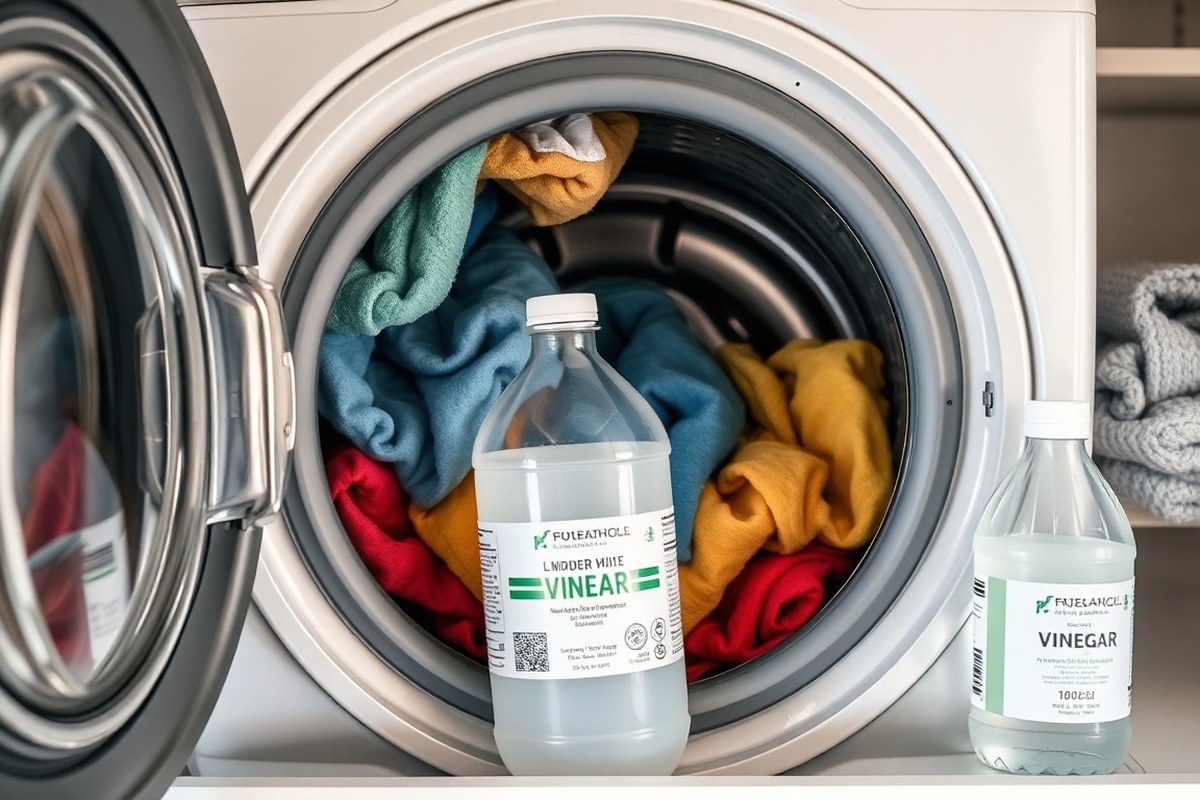
When vinegar is added to laundry, it neutralizes alkaline residues from detergents, which is why it helps rinse out those stubborn materials. This effect is particularly useful if your fabrics still feel stiff or look dull after washing. Vinegar’s acidity also restores the fabric’s natural pH balance, helping clothes maintain their softness and brightness over time. The process is straightforward: pour the recommended half to one cup of 5% acidity white distilled vinegar into the washing machine’s fabric softener dispenser or directly into the final rinse cycle. This allows the vinegar to rinse through the clothing thoroughly and carry away residues without affecting the detergent’s cleaning power during the wash cycle.
Vinegar does not weaken laundry detergent performance when used correctly. Its role happens mostly during the rinse cycle rather than the initial wash where detergents act. Incorporating vinegar alongside detergent removes leftover detergent and fabric softener chemicals that can cause buildup and irritation, especially if you have sensitive skin. For stain treatment, mixing a tablespoon of vinegar with an equal amount of liquid detergent before applying it to the fabric can help break down tough spots. However, vinegar should not replace detergent entirely for regular loads but combined with it to boost overall cleaning and fabric care.
Using vinegar in laundry is cost-effective and widely accessible since a large bottle of distilled white vinegar can last for many loads and usually costs less than conventional fabric softeners or specialty cleaners. You only need a modest amount per load to notice benefits like softer fabrics and fresher smelling clothes once dry, without any vinegar scent remaining. Keep in mind that using vinegar occasionally avoids potential issues with machine components sensitive to acidity, such as rubber seals. For typical household laundry, adding vinegar during the rinse cycle is a simple step that helps maintain clothing quality and comfort naturally.
2. Choosing the Right Vinegar and Amount for Laundry
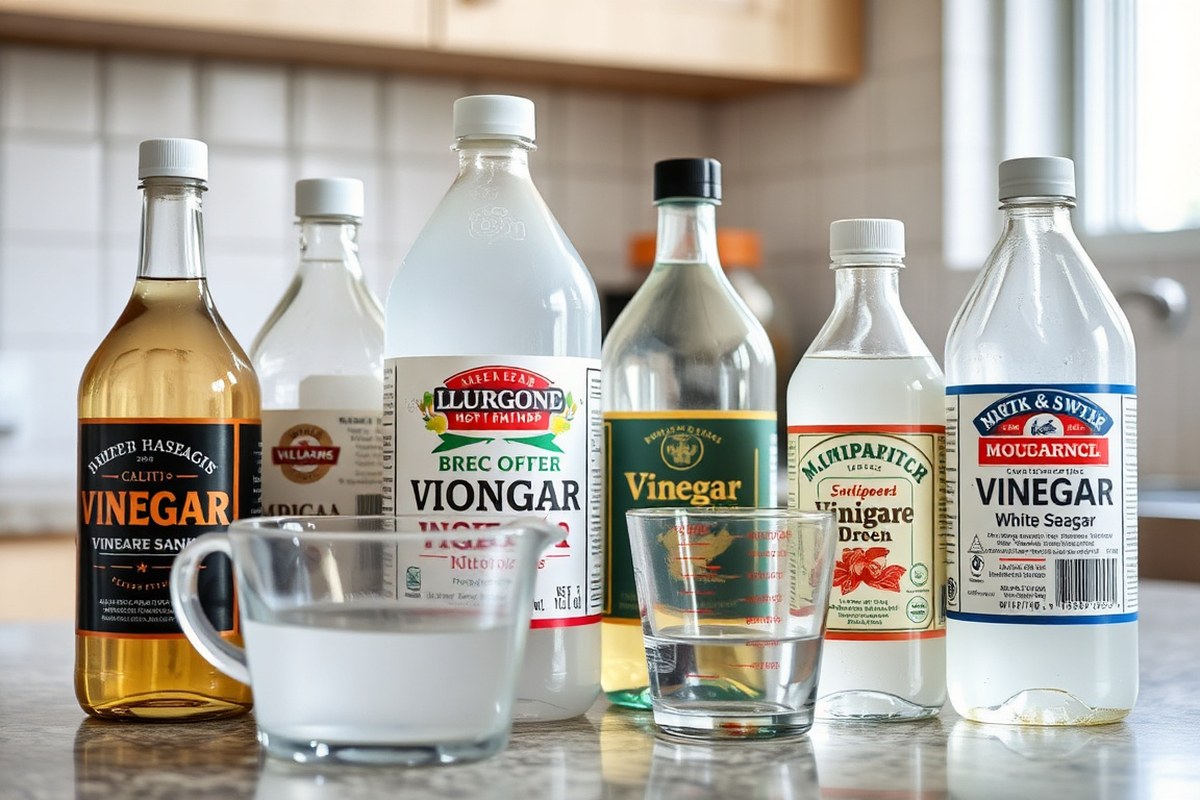
For laundry, the best type of vinegar to use is plain white distilled vinegar. It typically contains about 5% acetic acid, which is strong enough to aid cleaning and softening but mild enough to avoid damaging fabrics or your washing machine. Avoid using stronger vinegar varieties like pickling or industrial-grade vinegar, as their higher acid concentration can be corrosive and harm both your clothes and machine over time.
How much vinegar to add depends on the purpose and load size, but a general guideline is between 1/4 cup and 1 cup per wash load. For example, adding 1/4 cup of white vinegar directly into the fabric softener dispenser helps prevent color fading and acts as a natural softener. For odor removal or brighter whites, add about 1 cup of vinegar during the rinse cycle. Larger or heavily soiled loads might benefit from up to 2 cups, but this is usually reserved for thick fabrics like wool or cotton blankets to boost softness.
Concentration matters because vinegar that is too strong can cause issues like fabric damage, persistent vinegar smell, or wear to rubber parts in your washer. On the other hand, a vinegar solution diluted to around 5% acid presents minimal risk and still provides laundry benefits. If you’re uncertain, use no more than 1 cup per load and never mix vinegar with bleach or ammonia, which can create hazardous fumes.
- Use 5% white distilled vinegar for safe, effective results.
- Add 1/4 cup vinegar for fabric softening and color protection.
- Use 1 cup vinegar to combat odors and brighten whites.
- Increase to 2 cups for heavy fabrics like blankets during rinse.
- Avoid vinegar with bleach, ammonia, or baking soda to prevent reactions.
- Do not use higher concentration vinegar to prevent fabric damage.
- Pour vinegar in the fabric softener dispenser or during the rinse cycle.
With regular use, small amounts of vinegar not only improve laundry results but also support septic systems and reduce environmental impact compared to harsh chemical softeners. Adding vinegar is a simple step that costs only a few cents per load yet contributes to cleaner, fresher garments.
Never pour vinegar and bleach into the washer at the same time to avoid releasing harmful gases.
3. Using Vinegar to Remove Odors and Prevent Mildew
Vinegar naturally removes common laundry odors like sweat and mildew by neutralizing bacteria and breaking down odor compounds. Adding vinegar to your laundry freshens fabrics without harsh chemicals and helps prevent mildew smells from returning. Using vinegar in the right part of the wash cycle ensures your clothes come out clean and smelling fresh.
When to Add Vinegar During the Wash Cycle
Adding vinegar in the rinse cycle works best to remove odors and stop mildew smells. Vinegar dissolves soap buildup and bacteria that linger on fabrics after washing, which typically cause bad smells. Pouring around ½ to 1 cup of white distilled vinegar into the rinse cycle neutralizes odors without leaving a vinegar scent after drying.
For regular loads, pour ½ cup of vinegar into the rinse cycle compartment of your washing machine. For especially smelly items, like gym clothes or mildew-affected fabrics, increase the amount to 1 cup during the rinse. Ensure your washing machine’s settings include a full rinse cycle after this addition for best results.
Pre-Soaking Fabrics with Vinegar for Tough Odors
Pre-soaking can help with stubborn smells that linger despite washing. This method is useful for workout gear, smoky clothing, or fabric affected by mildew. Pre-soaking vinegar works by saturating the fabrics and giving the vinegar time to neutralize odor-causing bacteria before washing.
- Fill a basin or sink with warm water, about enough to fully submerge the garments.
- Add 1 cup of white distilled vinegar to the water and stir gently.
- Place the smelly clothes into the solution and let them soak for 30 to 60 minutes.
- After soaking, rinse the garments with clean water to remove excess vinegar.
- Wash the clothes as usual with your regular detergent and follow with a rinse cycle that includes ½ cup of vinegar to lock in freshness.
This pre-soak process can cost just pennies per load since vinegar is inexpensive, and it extends the life of your clothing by avoiding harsh commercial products.
Combining Vinegar with Other Odor-Fighting Additives
Vinegar works well on its own but can be combined with other natural solutions to improve odor removal. Adding baking soda alongside vinegar in the wash cycle can boost deodorizing effects because baking soda neutralizes odors and softens water. However, avoid mixing them in the same wash compartment to prevent immediate chemical reaction.
Another option is to spray undiluted white vinegar directly on the underarm areas of workout clothing before washing. This targets sweat odors at the source. Follow this by washing with vinegar in the rinse cycle to eliminate odors completely.
Be cautious when combining vinegar with bleach or oxidizers as this can create harmful fumes. Stick to vinegar with natural additives like baking soda or lemon juice for safe, odor-free laundry.
4. How Vinegar Helps Prevent Color Fading and Brighten Whites
Vinegar acts as a mild acid that helps set colors and brighten whites during laundry. It neutralizes alkaline residues left by detergents and dissolves minerals and soap scum that can dull fabrics. Using white distilled vinegar in the rinse cycle can maintain vibrant colors and restore a crisp look to white clothes over time. This process keeps clothes looking fresher and reduces fabric fading.
To prevent color fading, vinegar helps by fixing dye to the fabric fibers. This is especially useful for colored fabrics prone to washing out. However, you should avoid overusing vinegar or using it in strong concentrations to protect delicate or non-colorfast materials.
Vinegar also improve whiteness by removing dinginess caused by minerals and residue build-up. Boiling a pot of water with a cup of vinegar and soaking white garments can lift gray tones, making whites appear brighter. This method works well for occasional deep brightening.
Pour about 1/2 cup (120 ml) of white distilled vinegar with 5% acidity into the final rinse cycle to help improve colors safely. You can add vinegar either through the fabric softener compartment or straight into the drum. Doing this every few weeks helps maintain your clothes’ brightness and prevents them from fading.
| Vinegar Use | Amount | Purpose | How to Apply |
|---|---|---|---|
| Final Rinse for Colored Clothes | ½ cup (120 ml) white distilled vinegar | Set colors, prevent fading | Pour into fabric softener dispenser or washing machine drum during rinse |
| Brightening Whites (Soak) | 1 cup white distilled vinegar per large pot of boiling water | Remove grayness, brighten whites | Soak whites in vinegar-water solution temporarily then rinse well |
| Ongoing Maintenance | ½ cup vinegar every few weeks | Maintain brightness and remove residue buildup | Add to rinse cycle in washing machine |
This routine with vinegar also helps dissolve soap scum and mineral build-up that dull fabrics and cause colors to look washed out. It’s a cost-effective, natural way to keep laundry bright without harsh chemicals. Vinegar costs just a few dollars per gallon, so using a half cup per load adds minimal expense but noticeable benefits.
Vinegar is safe for most colorfast fabrics but avoid using it on delicate materials like silk or acetate, which may be sensitive to acids. Test vinegar on a small, concealed spot before using it on the entire garment to ensure it doesn’t cause any unwanted effects. Avoid using apple cider vinegar on colored laundry since its tint can transfer. White distilled vinegar with 5% acidity is the best choice for safe and effective color setting and whitening.
5. Vinegar as a Natural Fabric Softener and Static Reducer
White vinegar works as a natural fabric softener by breaking down residues left by detergents and hard water minerals. These residues can leave fabrics feeling stiff, but vinegar helps remove them, restoring softness without coating clothes with chemicals like commercial softeners do. Adding ¼ cup of white distilled vinegar during the rinse cycle or filling your fabric softener dispenser with this amount allows vinegar to work through your laundry gently yet effectively. This process also balances the pH of fabrics, contributing to a softer texture.
Vinegar reduces static cling by neutralizing the electrical charge that builds up on synthetic fibers during drying. Static often causes lint or hair to stick to your clothes, but vinegar helps prevent this by softening the fabric surface and removing buildup that increases friction. Pouring between ¼ and ½ cup of vinegar in the fabric softener compartment or directly into the rinse cycle offers enough acidity to control static without harming fabrics. This simple addition is especially useful during winter months when static tends to rise due to dry air.
For best results, use distilled white vinegar because it is clear and won’t stain clothing. Simply measure ¼ cup for most loads and add it to the fabric softener dispenser or manually into the rinse cycle. If hand-washing, you can add the vinegar to the final rinse water and soak the clothes briefly. Vinegar is affordable, costing only a few cents per load, making it an economical choice compared to commercial softeners that often contain synthetic fragrances and chemicals. You’ll notice jeans, blankets, and cotton shirts feel softer and less prone to static after drying.
Vinegar is a good option for softening hard fabrics, particularly stiff new denim or fleece blankets. Leaving the clothes in the rinse cycle with vinegar prevents stiffness that builds up from detergent residue. However, avoid using too much vinegar, as overuse can degrade elastic fibers over time or leave a faint vinegar smell if clothes are not rinsed thoroughly. Using the recommended ¼ cup prevents these issues and still provides softening benefits.
Use only distilled white vinegar and avoid spraying undiluted vinegar directly on colored fabrics to prevent any potential fading or spotting.
6. Pre-Treating Stains with Vinegar for Better Laundry Results
Vinegar can help remove certain stains like coffee, tea, sweat, and juice by breaking down their residues. Using white vinegar directly on the stain lets it soak in and loosen the spot before washing. How well it works depends on the stain type, how fresh it is, and how long you let the vinegar act.
Applying Vinegar to Fresh Versus Set-In Stains
For fresh stains, applying vinegar soon after they happen increases the chance of removal. Use undiluted white vinegar and let it sit for 10 to 30 minutes to break down the stain. For older, set-in stains, vinegar still helps but often needs longer soaking or a combination with other treatments.
Different stains respond better to vinegar. Coffee, tea, sweat, and juice stains usually improve with vinegar application. Avoid using colored vinegars on fabrics as they might cause staining.
Combining Vinegar with Detergent or Baking Soda
Vinegar can be mixed with water or combined with baking soda for improve stain removal. A common pre-treat mix is 1 part vinegar to 2 parts water applied directly to the stain. For tougher stains, soak the item in a solution of half a cup vinegar and half a cup water.
Add a teaspoon of baking soda during soaking to boost stain-lifting power without harsh chemicals. Vinegar should not be mixed directly with detergent during the pretreat step, as acidity can reduce detergent effectiveness.
Soaking Times and Rinsing After Vinegar Treatment
Soak stained clothes depending on stain severity. Light stains need 10 to 30 minutes of undiluted vinegar contact. Set-in or yellowing stains benefit from soaking up to an hour in a vinegar-water solution.
After soaking, rinse the fabric thoroughly under water to remove vinegar residue. Vinegar’s acidity can cause the fabric to smell or feel stiff if left too long without rinsing. Then wash as usual, skipping other pre-treat products to avoid over-treating.
- Blot the stain gently with a clean cloth to remove excess liquid or debris.
- Pour undiluted white vinegar directly onto fresh stains, or apply a 1:2 vinegar-to-water mix for older stains.
- Let the vinegar sit on the stain for 10 to 30 minutes for fresh stains, or up to an hour for set-in stains.
- For tough stains, soak the entire item in a solution of ½ cup vinegar and ½ cup water for up to an hour.
- Optionally, add a teaspoon of baking soda to the soaking solution to improve stain breakdown.
- Rinse the treated area thoroughly under cool water to remove all traces of vinegar and loosened stain particles.
- Wash the garment as you normally would without adding extra stain removers to avoid fabric damage.
- Check the stain before drying; repeat treatment if the stain persists, as heat may set it permanently.
7. Safe Use: Fabrics and Situations Where Vinegar Should Be Avoided
Vinegar is safe for most everyday fabrics because its mild acetic acid gently breaks down detergent residues without harm. However, certain fabric types and laundry situations call for caution or avoiding vinegar altogether to protect your clothes from damage or discoloration. Vinegar’s acidity can weaken or stain delicate fibers and react negatively with some laundry chemicals.
Elastic fabrics are particularly sensitive to vinegar. The acetic acid may degrade elastic fibers, leading to loss of stretch and fit over time. Similarly, delicate fabrics like silk, rayon, acetate, or spandex risk discoloration or weakening if vinegar is used undiluted or left on too long. Always dilute vinegar with water when treating these materials, and test a small hidden area first to check for colorfastness.
Vinegar should never be mixed with bleach or ammonia. Combining vinegar with bleach releases harmful chlorine gas, which poses serious health risks. Mixing vinegar with ammonia also produces toxic vapors and must be avoided. Keep vinegar use separate from any cleaning products containing these chemicals to stay safe and protect your laundry.
Repeated or daily use of vinegar can eventually damage sensitive parts of your washing machine, such as rubber seals, and can wear down delicate fabrics. Limiting vinegar use to occasional laundry cycles or specific issues like odor removal or residue buildup helps prevent this damage. Follow this checklist to safely use vinegar with your laundry and avoid harm:
- Do not use vinegar on elastic or stretch fabrics to prevent fiber damage.
- Dilute vinegar 1:1 with water when treating silk, rayon, acetate, or other delicate fabrics.
- Test vinegar on a small hidden spot to check for colorfastness before full use.
- Avoid mixing vinegar with bleach or ammonia; never use them together in the same load.
- Limit vinegar use to occasional cycles to protect washing machine components and fabrics.
- Rinse fabrics thoroughly after vinegar treatment to remove any residue.
Following these precautions, you can safely incorporate vinegar into your laundry routine without risking fabric damage, discoloration, or dangerous chemical reactions. Use vinegar thoughtfully, respecting fabric types and laundry chemistry, to keep your clothes and washer in good condition.
8. Maintaining Your Washing Machine with Vinegar
Using vinegar can help keep your washing machine clean, fresh, and functioning well. It removes buildup and disinfects the interior, but it should be used carefully to avoid damaging rubber parts. Regular vinegar cycles every month or so can maintain your washer’s efficiency and reduce bad smells.
Running a Vinegar Wash Cycle
Cleaning your washing machine with vinegar involves running an empty hot water cycle with vinegar added. This helps flush out residues, kill bacteria, and deodorize the machine. Using plain white vinegar is standard and preferred for this purpose. Follow these steps to run a vinegar wash cycle:
- Measure 1 to 2 cups (240 to 480 milliliters) of distilled white vinegar.
- Pour the vinegar directly into the detergent dispenser or the drum.
- Set your washing machine to the hottest water setting available and the longest cycle.
- Start the cycle and let it run completely without adding clothes.
- Once the cycle finishes, leave the washer door or lid open to air out and dry the interior.
Do not mix vinegar with bleach or commercial cleaners when running a cycle, as this can produce harmful fumes.
Removing Limescale and Soap Scum
Limescale and soap scum can build up inside your machine, especially if you have hard water. Vinegar’s mild acidity breaks down mineral deposits and residue that cause clogs and reduce washing efficiency. For tougher buildup, increase the vinegar amount and use the hottest cycle.
To remove tough buildup, pour 4 cups (roughly 1 liter) of diluted white vinegar into the empty drum and start the hottest wash cycle available. This process breaks down hard water deposits on the drum, pipes, and inlet filter, helping water flow better and extending the life of your washing machine.
Be aware, though, that frequent use of vinegar may degrade rubber seals or hoses in some machine models. Check your washer’s manual for any warnings and consider limiting vinegar cycles to once a month.
Preventing Mold and Mildew in the Machine
Mold and mildew often grow in front-loading washers, particularly in rubber door seals where moisture can linger. Vinegar’s antifungal properties help remove and prevent mold smells in these hard-to-reach areas. Using vinegar periodically can keep mildew at bay and improve your laundry’s overall freshness.
To clean seals, soak a cloth in undiluted white vinegar and wipe the rubber gasket thoroughly. Run a monthly vinegar hot water cycle afterward to keep the entire machine fresh and free of mold spores. Ensure you dry the seals and leave the door open between washes to reduce moisture buildup.
Excessive vinegar use may damage some washers’ soft parts, so limit vinegar cleaning to one cycle per month and monitor your machine’s condition.
Step-by-Step Action Plan for Using Vinegar in Laundry
Begin adding vinegar to your laundry routine with these simple steps to see cleaner, fresher clothes and a healthier washing machine.
- Before your first wash: Measure ½ to 1 cup of white distilled vinegar. Add it directly to the fabric softener dispenser or during the rinse cycle for softening and deodorizing effects.
- First wash: Check clothes for odor reduction and softer fabric feel. Adjust vinegar amount up or down slightly depending on results and fabric type.
- Weekly routine: Use vinegar in every load with smelly or synthetic fabrics to prevent mildew and reduce static. Look for fresher smell and less cling.
- After 2 weeks: Try pre-treating stains by spritzing vinegar directly on spots before washing. Notice whether stains lift better than without vinegar.
- Monthly washing machine care: Run an empty cycle with 2 cups vinegar on hot setting to reduce buildup and odors. Your machine should smell cleaner and work smoother.
- Ongoing: Avoid vinegar on delicate fabrics like silk or stonewashed denim to prevent damage. Test on hidden areas if uncertain.
Frequently Asked Questions
What Do the Amish Use for Laundry Detergent?
The Amish often use simple, natural ingredients like soap flakes and vinegar for laundry. Vinegar acts as a natural fabric softener and odor remover, making it an effective and affordable choice in their cleaning routines.
What Should Not Be Cleaned with Vinegar?
Avoid using vinegar on fabrics with elastic or combined with bleach, ammonia, or baking soda. Vinegar’s acidity can damage elastic fibers and dangerous reactions can occur when mixed with certain chemicals.
How Does Vinegar Compare to Bleach?
Vinegar is a natural, gentler alternative to bleach and won’t whiten fabrics as aggressively. It helps brighten clothes and remove odors without harsh chemicals, but it cannot disinfect or remove stains as strongly as bleach.
Can You Mix Vinegar and Laundry Detergent Together?
Combine roughly 1 tablespoon of vinegar with 1 tablespoon of liquid laundry detergent to pre-treat stains. Keep vinegar out of the main wash with detergent and use it only during the rinse phase to prevent any reaction.
Is Vinegar Safe for All Types of Laundry?
Vinegar is safe for most fabrics but should be avoided on elastic, certain delicate fabrics, and when washing with bleach or ammonia. Test on a small area if uncertain to prevent damage.
Will Vinegar Damage My Washing Machine?
Using half to one cup of distilled white vinegar per wash load can help clean and maintain your machine safely. Avoid mixing it with bleach to prevent harmful gases and follow your manufacturer’s guidance.
Final Thoughts
Vinegar offers a natural way to improve your laundry by softening fabrics, removing odors, and protecting colors. Use it regularly but carefully on suitable fabrics to maximize benefits. Start with adding a half cup to your next wash and notice the difference in freshness and softness right away.