
Top 12 Best Wood Polish for Antiques That Restore Shine!
Using the wrong wood polish on antiques often leaves behind a sticky residue or dulls the finish, which can damage their value and appearance. The best wood polish for antiques restores the natural shine without leaving harsh chemical smells or harming the delicate wood surface. Many cheap polishes contain silicone or wax that build up over time, making the wood look cloudy instead of clean and vibrant.
Good wood polishes for antiques typically use natural oils like lemon or tung oil, which penetrate the wood and nourish it without creating a thick film. A lightweight formula that’s easy to apply with a soft cloth allows for controlled use, avoiding excess buildup. It’s also important to pick a polish free from harsh solvents or abrasives to protect the wood’s patina and finish over years of use.
Need a Quick Check?
| Image | Product | Price |
|---|---|---|
Our Top Picks 1  | Milsek Wood Polish | Check Price |
Our Top Picks 2  | Howard Feed-N-Wax | Check Price |
Our Top Picks 3  | Howard Beeswax Polish | Check Price |
Our Selected Top 12 Wood Polish for Antiques Worth Your Money
This list features carefully chosen wood polishes ideal for restoring and preserving antique furniture. Each review explains how the product performs, identifies the best users for it, and highlights its main strengths and weaknesses to help you make an informed decision.
1. Milsek Antiques & Restoration Wood Polish
Anyone looking to care for and restore aged wood pieces will appreciate a polish that nourishes deeply while cleaning gently. Perfect for antiques, it combines multiple steps into one product so you don’t need to buy separate cleaners or protectors. The strongest feature is its ability to remove water and heat stains that dull wooden surfaces.
Applying the liquid polish is straightforward. Use it directly on finished wood surfaces, and the lemon scent adds a fresh touch without overwhelming. Thanks to the high oil content, it soaks into the wood, feeding it and protecting it as you wipe away dirt and old residue.
No complicated equipment or multiple products are necessary for daily or occasional upkeep of cherished wooden antiques.
Its main job of cleaning and polishing works well, leaving wood looking revived without a greasy finish. The formula’s organic oils help maintain the wood’s natural look and prevent further damage.
One common note from users is how it easily removes blemishes like heat rings, but some find the scent a bit strong. The packaging is simple, focusing on function rather than flair.
Many appreciate how reliably the polish removes unsightly heat and water stains while feeding the wood with organic oils that help keep antiques healthy. However, some find the lemon fragrance a bit overpowering and wish for a more neutral scent. The ease of use combines cleaning, polishing, and protection in one product, simplifying wood care routines.
People who want an all-in-one product for finished antique wood will find this convenient and effective. Those sensitive to scents or who need polish for unfinished wood might want to look at other options better suited to their specific needs.
Pros
- Works as cleaner and polish in one step
- Removes heat and water rings effectively
- Enriched with organic oils for deep nourishment
- Fresh lemon scent during application
Cons
- Lemon scent may be strong for some users
- Only for finished wood surfaces, not raw wood
| Specification | Details |
|---|---|
| Item Form | Liquid |
| Scent | Lemon |
| Specific Uses For Product | Cleans and polishes finished wood surfaces |
| Surface Recommendation | Wood |
| Special Features | Cleans and polishes finished wood surfaces |
2. Howard Products Feed-N-Wax Wood Polish & Conditioner
Howard Products Feed-N-Wax Wood Polish & Conditioner stands out for combining natural waxes with orange oil, making it ideal for anyone wanting to protect antique wood without masking its character. Its biggest strength lies in how it nourishes the wood to preserve and highlight the grain, suited for various wood surfaces from cabinets to doors.
Using this polish is straightforward, just apply a small amount to a soft cloth and rub it into the wood. The blend of beeswax, carnauba wax, and orange oil keeps the wood conditioned, preventing it from drying out over time. It works well on both finished and unfinished wood, and makes a handy follow-up after restoration with other products, maintaining that fresh finish.
The wood polish does a solid job of creating a soft luster while adding a protective layer. Its formula does not build up heavily, allowing the wood to breathe.
The container is a standard 8-ounce bottle, easy to store and handle. Users have noted it brings out wood grain depth beautifully, but a common comment is that it requires careful application to avoid streaks or uneven shine.
Users appreciate how well the polish brings out and protects wood grain, making antiques look lively without overcoating. The main drawback involves needing a steady hand during application to avoid streaks and uneven shine, which can demand extra effort for the best results.
People wanting to maintain and subtly boost antique wood surfaces will find this polish fits nicely. Those needing larger quantities or preferring a completely streak-free finish might look for alternatives better suited to heavy-duty or quick-use situations.
Pros
- Combines beeswax, carnauba wax and orange oil
- Prevents drying of wood finishes effectively
- Suitable for both finished and unfinished wood
- Good follow-up to restorations
Cons
- Requires careful application to avoid streaks
- Only available in 8-ounce size
| Specification | Details |
|---|---|
| Brand Name | HOWARD |
| Manufacturer | Howard Products |
| Included Components | 1 Bottle of Howard Feed-N-Wax Wood Polish and Conditioner, 8-Ounce |
| Item Type Name | Wood Polish & Conditioner |
| Model Number | FW0008 |
| Part Number | FW0008 |
3. Howard Products Beeswax Wood Polish & Conditioner
Howard Products Beeswax Wood Polish & Conditioner shines when it comes to nourishing and protecting antique wood surfaces. It suits anyone looking to maintain and enrich the natural grain of both finished and unfinished wood with a soft, protective coating that lasts.
Using it requires just a simple application to wood furniture or trim. It quickly absorbs thanks to its blend of Carnauba Wax and Beeswax, which condition the wood and prevent drying and fading.
It’s lightweight and safe on antiques, dining tables, and cabinets without leaving any silicone or linseed oil residue to worry about.
The polish brings out a rich depth and warmth in the wood grain, making pieces look well cared for and refreshed. The build quality involves natural wax components which feel gentle yet effective on delicate surfaces.
Most praise highlights how well it maintains restoration work, but some users mention it may not produce a high-gloss finish for those wanting a shiny look.
Users appreciate how well it feeds and protects wood without harmful additives, helping keep antiques in good shape. The main downside noted is the polish might not offer a shiny surface when that is desired.
Those wanting to preserve and gently condition antique or natural wood finishes will find this product ideal. People seeking a glossy or heavy-duty protective sheen might want to look at other options.
Pros
- Protects wood from drying and fading
- Contains natural Carnauba and Beeswax
- No silicone or linseed oils included
- Enhances wood grain’s natural look
Cons
- Does not create a high-gloss finish
- May require follow-up treatments for best results
| Specification | Details |
|---|---|
| Brand Name | HOWARD |
| Item Type Name | Wood Polish & Conditioner |
| Model Number | FW0016 |
| Part Number | FW0016 |
| Included Components | Item |
| Manufacturer | Howard Products |
4. Premium Natural Beeswax Polish for Wood & Furniture

Feels natural and nourishing on wooden surfaces, making it ideal for restoring antiques without changing their original look. Great for anyone wanting to care for delicate wood with a product that is gentle yet effective. Its biggest strength lies in enhancing the wood’s natural grain while protecting from dryness.
Applying the wax is straightforward and low odor, so it doesn’t interfere with your environment. You only need a small amount to get a soft, clear shine that doesn’t streak.
The natural ingredients like British beeswax and organic olive oil make it safe enough for kitchen items, which means you can trust it around food-related antiques or utensils without worry.
This polish does a solid job at conditioning tired wood and sealing it against further drying. It keeps the finish soft but protective, so the surface looks cared for rather than coated. A common praise is how it brings out the beauty of oak, pine, or walnut without adding an artificial stain.
Some users mention it can take a little time to fully rub in, especially on rough or untreated wood.
Most praise revolves around how well it restores and protects dry wood while enhancing natural grain without adding any artificial color. The main drawback mentioned is that it may require some extra time and effort to apply thoroughly, especially on untreated or rougher wood surfaces.
Those with antiques made from natural or lightly treated wood will appreciate the gentle, food-safe ingredients and low odor aspect. Users seeking quick application or needing polish for painted or heavily finished pieces might want to look elsewhere.
Pros
- Natural formula suitable for food contact surfaces
- Brings out the natural wood grain without staining
- Low odor and easy to apply wax form
- Protects and restores dry, tired wood effectively
Cons
- Can take time to fully rub in on untreated wood
- Not suitable for painted or heavily varnished wood
| Specification | Details |
|---|---|
| Item Form | Wax |
| Scent | Unscented |
| Designed to protect any wooden surface or color while bringing out its natural beauty | |
| Special Features | Easy to Apply, Food Safe, Low Odor, Restore & Protect Dry Wood, Streak Free |
| Special Ingredients | 100% Natural British Beeswax, Extra Virgin Olive Oil |
5. Weiman Wood and Cabinet Restorer

Weiman Wood and Cabinet Restorer suits anyone who wants to bring life back to old wood furniture without much fuss. Its biggest strength lies in cleaning and polishing while protecting delicate antique surfaces, all in one liquid formula that does not require rinsing.
Daily use is straightforward thanks to the included microfiber cloth and liquid form. It’s non-abrasive and phosphate-free, making it gentle on antique wood and safe for frequent use.
Simply apply, wipe, and watch grime lift away while restoring a natural shine without any lingering scent.
It performs well by removing dirt and minimizing scratches to revive wood’s rich character. Being no rinse and unscented helps keep the focus on the wood’s natural look. The strongest praise notes how it brings back faded finishes, while a few mention it might struggle with very deep stains.
Users praise its ability to restore shine and minimize scratches, making old wood look refreshed and cared for. Some find it less effective on tougher, more ingrained stains that need stronger treatment.
Those needing a gentle polish suitable for antiques and everyday cleaning will find it fits well. For heavy-duty stain removal or non-wood surfaces, consideration of alternative products might be necessary.
Pros
- Gentle on antique wood surfaces
- No rinsing needed after application
- Effectively lifts dirt and dust
- Unscented formula for sensitive environments
Cons
- May not remove very deep stains
- Limited to wood surfaces only
| Specification | Details |
|---|---|
| Item Form | Liquid |
| Scent | Unscented |
| Specific Uses For Product | Cabinets, Chairs, Door, Furniture, Tables |
| Surface Recommendation | Wood |
| Special Features | No Rinse, Non Abrasive, Phosphate Free |
6. Old English Scratch Cover Dark Wood Furniture Polish
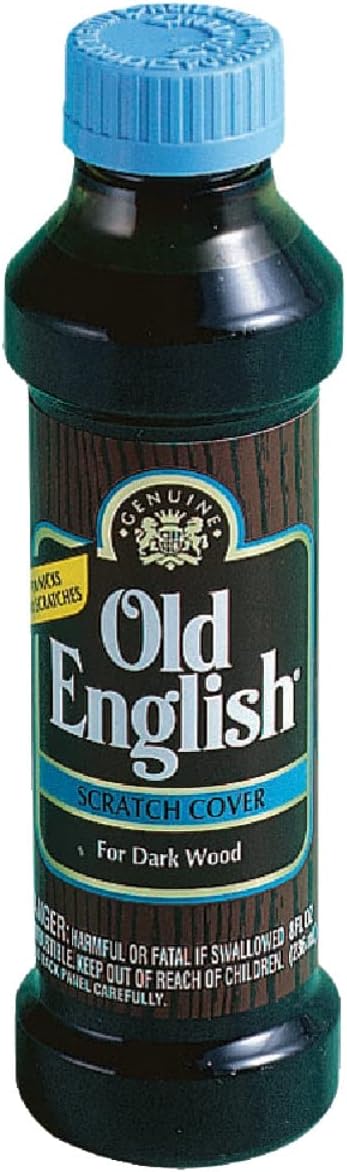
Liquid formula tailored for dark woods like walnut and cherry offers a focused solution for restoring and polishing antique furniture. Ideal for anyone wanting to hide scratches and bring out natural wood beauty while protecting surfaces from daily wear.
Using the polish is straightforward, just apply it on kitchen cabinets, wood furniture, or paneling and then wipe it off. The almond and lemon scent keeps the task pleasant without overpowering. Since the formula specifically targets dark woods, it blends in well without leaving any unnatural residue or buildup.
It supports ongoing care by covering minor nicks without needing constant reapplication.
Performance shines in its ability to mask scratches and revitalize wood, restoring surface appearance with noticeable improvement. The liquid form spreads evenly and absorbs nicely into the grain. Reviews often highlight how well it refreshes old, damaged wood.
Some note that it does not permanently fix deep gouges or heavy damage, requiring repeated use for those situations.
Many appreciate the polish’s ability to disguise scratches and revive wood surfaces without leaving a residue. A common drawback is that it requires repeated applications for serious damage, as it only covers imperfections rather than permanently repairing them.
Ideal for those maintaining walnut or cherry furniture who want a quick way to brighten and protect. Less suitable for people looking for a permanent fix or needing a polish for light-colored woods.
Pros
- Conceals scratches and nicks effectively
- Restores natural beauty of dark woods
- Protects against everyday wear and tear
- Pleasant almond and lemon scent
Cons
- Not a permanent fix for deep wood damage
- Limited to dark wood finishes only
| Specification | Details |
|---|---|
| Item Form | Liquid |
| Scent | Almond, Lemon |
| Surface Recommendation | Wood |
| Recommended Uses For Product | Interior |
| For use on | Kitchen cabinets, wood furniture and wood paneling |
7. Therapy Wood Cleaner and Polish

Therapy Wood Cleaner and Polish stands out with its non-sticky formula that keeps antique wood surfaces feeling natural and clean. Ideal for anyone looking to gently restore original finishes on delicate wood furniture, cabinets, or antiques without leaving residue behind.
Using it daily is straightforward thanks to the included premium microfiber cloth and easy wipe-on formula. It wipes away grease and grime without any scrubbing.
The almond scent adds a mild, pleasant touch while the plant-derived ingredients make it gentle enough for frequent use on teak, wood tables, chairs, and cabinetry.
The polish cleans and revitalizes wood surfaces well, restoring dull finishes to look fresh again. It avoids sticky residues by steering clear of beeswax and orange oils, which many other products include. While the cleaning is effective, some find the almond scent a bit strong.
The cruelty-free and paraben-free setup reflects a carefully formulated, safe product. Most praise comes from the clear shine it provides, with the scent noted as the main drawback.
Strong cleaning ability and restoration of wood shine get high marks, with many appreciating the lack of sticky residue even on antiques. The almond aroma stands out as the most frequent criticism from users who prefer milder scents.
Those wanting a gentle, natural wood cleaner and polish suited for antiques and everyday furniture will like this well. People sensitive to fragrances or who want a spray formula might want to consider other alternatives.
Pros
- Non-sticky formula avoids residue on surfaces
- Includes premium microfiber cloth for easy application
- Safe for antiques and various wood finishes
- Cruelty-free and paraben-free natural ingredients
Cons
- Almond scent may be overpowering for some
- Limited to wipe form; no spray or liquid option
| Specification | Details |
|---|---|
| Item Form | Wipe |
| Scent | Almond |
| Specific Uses For Product | Cabinet, Antique, Wood, Chairs, Tables |
| Special Features | Cruelty-free and paraben-free wood polish |
| Special Ingredients | Capryl Glucoside, Cocos Nucifera Oil |
| Surface Recommendation | Wood furniture, cabinetry, antiques, and finished surfaces |
8. Daddy Vans Unscented Beeswax Furniture Polish

Choosing a wood polish made from all-natural beeswax and carnauba wax makes a big difference when restoring and protecting antiques. Perfect for anyone wanting to avoid harsh chemicals, this polish maintains wood’s natural beauty while being safe for homes with kids and pets. Its biggest strength lies in being both food-safe and non-toxic, ideal for kitchen surfaces and cherished wooden pieces.
Using the wax is straightforward and rewarding. It applies easily to all types of wood, including antiques, furniture, cabinets, and butcher blocks.
Being unscented and odorless makes it pleasant to use indoors without strong smells. Nourishing and protective, the formula deepens the wood’s shine and smooths minor scratches, keeping wooden surfaces healthy and refreshed daily without complicated prep work.
Performance consistently brings out a rich, natural finish while repairing dryness gently. The wax form allows for controlled application, giving satisfying results with little effort.
Most users appreciate its food-safe nature and chemical-free build. Some mention it takes a bit longer to buff than sprays or liquid polishes, which is worth considering if looking for quicker routines.
The polish frequently earns praise for deeply conditioning wood and being completely safe for food surfaces, pets, and children. Users note the trade-off involves needing a bit more effort to buff it to a shine versus spray alternatives. The natural wax form suits those focused on chemical-free care over quick application.
People prioritizing natural, non-toxic, and food-safe products will appreciate this polish’s qualities. Those seeking faster results or scented finishes might prefer another option. Ideal for people with antiques and kitchen wood surfaces who want gentle restoration without added fragrances or chemicals.
Pros
- 100% natural beeswax and carnauba wax formula
- Safe around pets, kids, and food areas
- Restores wood shine and minor scratches effectively
- Unscented and odorless for sensitive environments
Cons
- Requires extra buffing time compared to liquid polishes
- Not scented, so lacks fragrant wood polish appeal
| Specification | Details |
|---|---|
| Item Form | wax |
| Scent | Unscented |
| Specific Uses For Product | wood wax furniture polish restorative protectant wood finish butcherblock countertops antique |
| Surface Recommendation | wood, furniture, tables, cabinets, butcher block, antiques, any type of wood, chalk paint finishing wax, milk paint finishing wax |
| Special Features | Unscented, Fume Free, Odorless, Non-Toxic, Food Safe, Safe Around Pets and Kids, Zero VOC |
| Special Ingredients | All Natural, USDA 100% Biobased Product, Chemical-Free |
9. Old English Lemon Oil Wood Furniture Cleaner

Scuffed or stained antique wood often needs more than a quick wipe to stay beautiful. Old English Lemon Oil Wood Furniture Cleaner is perfect for people with light or dark wood surfaces who want to protect and brighten their furniture.
Its biggest strength lies in cleaning while conditioning to reveal the wood’s natural look.
Applying the liquid is straightforward, just pour a little on a cloth and gently rub it into your wood furniture. Its lemon scent is mild and refreshing, making regular use on antiques pleasant rather than overwhelming. The product removes common everyday stains like fingerprints, candle wax, and even ketchup, which commonly appear on tables or cabinets.
It works well on both polished and imported wood surfaces, keeping them both clean and shiny without any extra effort.
Cleaning and conditioning happen simultaneously with the light mineral oil inside, giving wood a richer glow than plain cleaners. The formula does more than surface cleaning; it helps protect against recurring stains, so wood looks fresher longer. One common complaint is that the liquid form can feel a bit oily if applied too heavily, which might require extra buffing.
Most praise focuses on how it brings out wood grain and leaves a pleasant, not overpowering, lemon scent in the room.
The product stands out by leaving a rich, natural glow while protecting wood from typical household stains. Some find the oiliness a bit much if they use too much, which means less is definitely more for smooth results.
Anyone wanting to maintain and brighten antique wood regularly will appreciate how well it cleans and protects. Those looking for a dry, non-oily finish might prefer a different type of polish or wax instead.
Pros
- Gently cleans and conditions wood in one step
- Effective against common everyday stains
- Brightens wood with a natural lemon scent
- Works on both light and dark wood surfaces
Cons
- Can feel oily if overapplied
- Liquid form may need extra buffing
| Specification | Details |
|---|---|
| Item Form | Liquid |
| Scent | Lemon |
| Specific Uses For Product | Furniture, Imported, Polished |
| Surface Recommendation | Wood |
| Special Features | All Purpose |
| Recommended Uses For Product | Stain Removal |
10. Beeswax Wood Polish & Conditioner

Brightening and protecting wood surfaces with ease makes this beeswax polish ideal for anyone dealing with antiques. It combines cleaning, polishing, and maintenance into one simple paste, helping to restore old wood’s natural gloss without complicated steps. Perfect for anyone who wants to maintain delicate wooden items without fuss.
Applying the paste requires no extra tools, just a soft cloth and a little elbow grease. Its unscented formula suits rooms where you don’t want added fragrances. Using it regularly helps prevent cracking, drying, and fading, which is crucial for antiques.
It fits right into a routine for cleaning wooden furniture, floors, or cabinets, keeping them looking fresh and well-cared-for day to day.
It does a reliable job brightening dull wood and giving it that subtle shine antique wood deserves. The paste texture spreads smoothly and absorbs well without leaving residue. Most find that it’s effective at long-term protection against water stains.
On the downside, some users wish it worked faster or needed less buffing to show gloss. The unscented aspect is appreciated by many but can feel a bit plain for those liking a classic wood fragrance.
Brightening faded wood and preventing cracking are frequently praised features, while needing more effort to buff out shine is the most common complaint. The polish’s straightforward, multi-use paste formula fits right into typical maintenance routines.
This suits anyone wanting a no-frills, effective wood treatment for antiques that keeps them protected without scent or complication. Those looking for a scented or quicker-acting polish might want alternatives.
Pros
- Combines cleaning, polishing, and maintenance
- Prevents wood cracking, drying, and fading
- Suitable on finished and unfinished wood surfaces
- Unscented, ideal for sensitive noses
Cons
- Requires extra buffing for noticeable gloss
- Lacks fragrance some expect from wood polishes
| Specification | Details |
|---|---|
| Item Form | Paste |
| Scent | Unscented |
| Specific Uses For Product | Wood Polish and Care |
| Surface Recommendation | Wood |
| Special Features | Multi Purpose |
| Product Benefits | Beeswax Wood Polish |
11. Natchez Solution Complete Furniture Care

People who care for antique wood furniture and want a gentle, natural polish will appreciate this one. It suits those looking for something safe and allergen-free, using all-natural ingredients to keep wood looking fresh without buildup.
Its standout feature is being hypoallergenic while combining beeswax and lemon oil effectively.
Using it involves simply applying the liquid polish with a soft cloth on wood surfaces. The natural scent is light and won’t overpower the room.
Its hypoallergenic quality makes it suitable for sensitive skin, and you won’t end up with sticky residue since it doesn’t build up wax layers. It feels easy and pleasant to work with in daily care routines.
This polish cleans and nourishes wood reliably, leaving a natural finish fueled by beeswax and lemon oil. Users praise how it improves wood’s look without making it greasy or heavy.
One downside noted is that it’s a liquid, so careful application is needed to avoid drips. It’s definitely made for maintaining wood rather than deep restoration.
The polish is praised for its hypoallergenic, natural blend that keeps antique wood nourished without wax buildup. A common concern is the liquid form that can cause dripping if not applied carefully. It’s better suited for routine care rather than deep cleaning or fixing damaged finishes.
Those wanting a gentle, safe product for everyday upkeep of fine wood furniture will find this works well. Anyone needing a stronger cleaner or restorative polish should consider other options more geared to those tasks.
Pros
- All-natural ingredients safe for antiques
- Does not leave wax buildup on wood
- Gentle, hypoallergenic formula
- Light, natural scent
Cons
- Liquid form requires careful application
- Not suitable for heavy restoration tasks
| Specification | Details |
|---|---|
| Item Form | Liquid |
| Scent | Natural |
| Specific Uses For Product | Furniture |
| Surface Recommendation | Wood |
| Special Ingredients | Beeswax, Lemon Oil |
| Special Features | Hypoallergenic |
12. Beeswax Furniture Polish & Conditioner

Natural ingredients make this wood polish stand out for anyone wanting to care for antique furniture without harsh chemicals. It suits those looking for a safe and environmentally friendly way to maintain wood, with a texture that conditions without leaving residue as its biggest strength.
Using it is straightforward, dusting the piece beforehand is essential. The liquid formula spreads easily with a soft cloth or sponge, and the orange scent adds a subtle, fresh touch.
Storage requires some care to avoid heat and light exposure, as it can deform but still stays effective. The lack of silicones and paraffin means it feels gentle and natural during each application.
The polish works well to refresh and protect wood, bringing out a soft shine while cleaning lightly. Made from beeswax mixed with mineral oil, it feels nourishing and doesn’t leave an oily finish.
The best praise highlights how residue-free it is, making surfaces feel clean rather than sticky. Some note that temperature changes can cause the beeswax to change shape, which might be a minor inconvenience when storing it.
The polish receives strong praise for leaving wood surfaces clean without a sticky residue while offering gentle conditioning thanks to its natural ingredients. Common complaints involve how the beeswax can deform with temperature changes, which may require careful storage to preserve its form.
Those looking for a natural, safe polish that refreshes antiques will find this product fits well with their needs. It might not suit someone seeking a polish that can handle rough storage conditions without changing shape.
Pros
- Made from natural beeswax and mineral oil
- Free from silicone, GMO, and paraffin
- Leaves no residue on wood surfaces
- Safe and non-toxic for home use
Cons
- Must be stored away from light and temperature changes
- Deforms if exposed to heat but still usable
| Specification | Details |
|---|---|
| Item Form | Liquid |
| Scent | Orange |
| Specific Uses For Product | Wood polish, Furniture polish, wood cleaner |
| Surface Recommendation | Wood |
| Special Features | Residue Free |
Best Wood Polishes for Antiques Comparison Table
| Product | Item Form | Scent | Specific Uses | Special Features |
|---|---|---|---|---|
| Milsek Wood Polish | Liquid | Lemon | Cleans and polishes wood | Cleans and polishes finished wood |
| Howard Feed-N-Wax | Liquid | – | Wood polish and conditioner | Warranty |
| Howard Beeswax Polish | – | – | Wood polish and conditioner | Warranty |
| Premium Beeswax Polish | Wax | Unscented | Protect & enhance wooden surface | Seals and protects finish |
| Weiman Wood Restorer | Liquid | Unscented | Furniture, cabinets, tables | No rinse, non abrasive |
| Old English Scratch Cover | Liquid | Almond, Lemon | Interior wood | – |
| Therapy Wood Polish | Wipe | Almond | Polishing and restoring antiques | Ideal for antiques |
| Daddy Vans Beeswax | Wax | Unscented | Furniture polish and protectant | Restorative, any wood type |
| Old English Lemon Oil | Liquid | Lemon | Furniture stain removal | All purpose |
| Classic Beeswax Polish | Paste | Unscented | Wood polish and care | Multi purpose beeswax |
| Natchez Furniture Care | Liquid | Natural | Furniture | Hypoallergenic |
| Natural Beeswax Conditioner | Liquid | Orange | Wood and furniture polish | Residue free |
- Item FormLiquid
- ScentLemon
- Specific UsesCleans and polishes wood
- Special FeaturesCleans and polishes finished wood
- Item FormLiquid
- Scent–
- Specific UsesWood polish and conditioner
- Special FeaturesWarranty
- Item Form–
- Scent–
- Specific UsesWood polish and conditioner
- Special FeaturesWarranty
- Item FormWax
- ScentUnscented
- Specific UsesProtect & enhance wooden surface
- Special FeaturesSeals and protects finish
- Item FormLiquid
- ScentUnscented
- Specific UsesFurniture, cabinets, tables
- Special FeaturesNo rinse, non abrasive
- Item FormLiquid
- ScentAlmond, Lemon
- Specific UsesInterior wood
- Special Features–
- Item FormWipe
- ScentAlmond
- Specific UsesPolishing and restoring antiques
- Special FeaturesIdeal for antiques
- Item FormWax
- ScentUnscented
- Specific UsesFurniture polish and protectant
- Special FeaturesRestorative, any wood type
- Item FormLiquid
- ScentLemon
- Specific UsesFurniture stain removal
- Special FeaturesAll purpose
- Item FormPaste
- ScentUnscented
- Specific UsesWood polish and care
- Special FeaturesMulti purpose beeswax
- Item FormLiquid
- ScentNatural
- Specific UsesFurniture
- Special FeaturesHypoallergenic
- Item FormLiquid
- ScentOrange
- Specific UsesWood and furniture polish
- Special FeaturesResidue free
How to Choose the Right Wood Polish for Antiques
Choosing the right wood polish for antiques depends on factors like compatibility with the wood type, non-toxicity, and ease of application to protect delicate finishes. Getting these right helps preserve the value and appearance of your furniture, preventing damage and costly repairs over time.
Ingredients and Composition
Many wood polishes rely on a combination of natural oils like linseed or tung oil and waxes such as carnauba or beeswax, which work together to condition and protect the surface. Some formulations include solvents to help dissolve old buildup or improve spreadability.
Beware of products containing harsh chemicals like ammonia or petroleum distillates; these can strip delicate finishes or leave harmful residues. Those with antique wood must pay close attention to their polish’s ingredients to avoid reactions with fragile finishes like shellac or lacquer.
Choosing a polish with natural oils and minimal synthetic chemicals tends to be safer for preserving the original finish. Strong solvents might clean aggressively but can also damage patina or cause discoloration over time.
Reading labels and seeking products labeled as compatible with antique finishes helps preserve the wood’s character without risking irreversible harm.
Effectiveness on Wood Types
Different hardwoods and softwoods respond uniquely to various polishes. A product that brings out the grain without leaving any sticky or cloudy film works well on woods like mahogany, oak, and walnut.
Some polishes work particularly well on lacquered pieces, restoring dull layers without causing lifting, while others are better suited for shellac or varnish, maintaining their protective qualities.
Long-lasting shine and protection are critical if you want the polish to hold up between applications rather than needing constant retouches. Expect a good polish to strike a balance between enhancing natural beauty and providing a thin protective layer that resists dust and moisture for weeks. Checking if the product explicitly mentions compatibility with the wood type or finish reduces trial and error.
Application Ease and Texture
The ease of application can make a big difference during routine maintenance. Polishes with a smooth consistency spread evenly without excessive rubbing or streaking. Those too thick or gritty can leave residue in wood pores, making the surface harder to clean later.
Fast drying is useful but shouldn’t come at the cost of a sticky layer.
Clear instructions packaged with the product help avoid overuse or improper application that can dull the finish. Look for directions specifying cloth type, buffing times, and how to handle older finishes.
A polish that buffs out to a soft glow without significant residue creates a satisfying, efficient cleaning routine.
Safety and Preservation
Antique wood often carries a patina that adds character and value, which improper products can easily ruin by darkening or blotching. Some polishes contain harsh additives that might alter the wood’s breathability, impacting aging and potentially causing splitting or warping over time. Using a non-toxic formula usually means fewer risks of harmful chemical interactions inside the home, especially when furniture is kept indoors.
A polish designed for preservation leaves the wood able to ‘breathe’ rather than sealing it completely, allowing gradual moisture exchange. This slows degradation and helps maintain the wood’s original texture and look. Choosing safe, gentle ingredients prevents long-term damage that might only become visible after repeated use.
Packaging and Quantity
Polish products come in various sizes, commonly ranging from small 4-ounce bottles for occasional touch-ups to quart-sized containers for regular maintenance or larger pieces. Buying a larger quantity can offer better value but be careful if you anticipate infrequent use; some polishes have limited shelf life once opened.
Packaging that seals tightly prevents drying out or contamination by dust and air exposure. Pump or flip-top lids tend to be better than screw caps for preserving consistency.
Check for clear expiration or best-before dates to avoid applying a product that has thickened or separated, which can hamper application or performance.
Proper Application Techniques for Preserving Antique Wood Finishes
Applying wood polish to antiques requires patience and a gentle touch to maintain the original finish and prevent damage. Always test a small, inconspicuous area before treating the entire piece to ensure compatibility.
Use a soft, lint-free cloth or a natural-bristle brush for even application. Avoid spraying polish directly onto the wood surface; instead, apply it to the cloth first, allowing better control over the amount used.
Spread the polish in the direction of the wood grain to prevent buildup and streaks. Buff lightly with a clean cloth after application to bring out a subtle sheen without causing a slippery residue.
Regular polishing should be spaced out, typically every few months, to avoid saturating the wood. This thoughtful approach helps maintain the wood’s patina and avoids stripping away the antique character.
Comparing Natural Oils and Synthetic Polishes for Antique Furniture
Natural oils such as linseed or tung oil penetrate wood, providing a protective layer that conditions and brings out richness without masking grain details. These oils soak in slowly and tend to deepen with age, complementing the antique’s natural wear. They require time to dry and occasional reapplication depending on environmental factors like humidity.
Synthetic polishes often contain waxes and solvents that create a surface shine and offer some moisture resistance. They dry quicker than oils but may build up on the surface over time, requiring periodic removal.
Synthetic options can boost glossiness but might also cover up the original texture and color of delicate antiques.
- Natural oils condition and protect from within
- Synthetic polishes provide surface shine and moisture barriers
- Choose based on the desired look and level of maintenance
Common Mistakes to Avoid When Polishing Antique Wood
One common error is over-polishing, which can cause sticky surfaces and attract dust or grime, ultimately harming the finish. Applying too much product at once leads to buildup and difficult removal. Skipping the cleaning step prior to polishing leaves dirt trapped under the polish, dulling the wood over time.
Using abrasive cloths or harsh chemicals can scratch or erode antique finishes, stripping away character and reducing value. Rely on soft fabrics intended for delicate surfaces and gentle cleaners.
Avoid polishing antique wood that shows signs of active damage, such as peeling finishes or structural issues, until these problems are professionally addressed.
Consistency in polishing schedule and technique is key. Poorly timed or rushed application risks uneven appearance and the loss of wood’s natural aging qualities.
People Also Asked
How Do I Apply Wood Polish Safely on Antique Furniture?
Apply wood polish with a soft cloth in thin, even layers to avoid buildup. Testing on a hidden area first prevents damage or discoloration. Avoid using too much polish, as it can attract dust and dirt quickly.
What Size Wood Polish Container Is Suitable for Small Antiques?
A smaller container, around 4 to 8 ounces, is sufficient for small antiques and lasts longer without drying out. This size also reduces waste since polish can dry or lose effectiveness over time.
Is Wood Polish Compatible with All Types of Antique Wood Finishes?
Wood polish works best on sealed or finished surfaces and may not suit raw or shellacked finishes. Always check the type of finish beforehand and choose a polish that is compatible to avoid damage or dulling.
How Long Does Wood Polish Protect Antique Wood Surfaces Before Reapplying?
Protection typically lasts about 2 to 3 months under normal indoor conditions. Dusting regularly between applications keeps the surface cleaner and maintains the polished look.
What Common Problems Occur When Using Wood Polish on Antiques?
Common issues include sticky residue, uneven shine, or dark spots from over-application or incompatible products. Using too much polish or the wrong type can also cause build-up that’s hard to remove.
Conclusion
Choosing the right wood polish for antiques mainly comes down to how well it protects and cleans delicate finishes without damaging them. Look for a formula that nourishes the wood while avoiding harsh chemicals or silicones that can build up over time.
Also, consider whether the polish adds any shine or keeps a natural look, depending on your preference for maintaining the piece’s original character.
Think about how often you’ll be polishing and the size of your collection when picking a product to fit your budget and usage needs. This helps avoid buying too much or something too strong for occasional touch-ups.
For a clearer comparison, check the table and product descriptions above to find a polish that matches your specific requirements and space.