
Top 12 Best Water Filter to Remove Fluoride – Shocking Results!
Tap water can taste off or feel unsafe when fluoride levels are too high, a common issue for those who rely on basic filters. The best water filter to remove fluoride handles this problem without losing the essential minerals or slowing the flow to a trickle.
Cheaper models often fail at completely filtering fluoride or clog within weeks, making them inconvenient for everyday use.
Filters that work well use activated alumina or reverse osmosis membranes specifically rated to reduce fluoride by at least 90%. Size matters; a filter too small will need frequent replacement, while a well-sized unit lasts months with steady performance. Ease of cleaning and simple installation also make a big difference, especially if the filter fits standard faucets or countertop setups, since that encourages regular upkeep and reliable fluoride reduction.
Need a Quick Check?
| Image | Product | Price |
|---|---|---|
Our Top Picks 1  | Clearly Filtered Pitcher | Check Price |
Our Top Picks 2 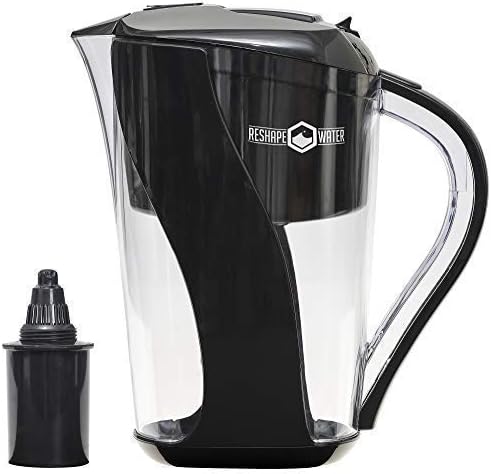 | Generic Water Filter Pitcher | Check Price |
Our Top Picks 3  | Epic Pure XP Fluoride Pitcher | Check Price |
Our Selected Top 12 Water Filter to Remove Fluoride You Can Trust
This list features a variety of water filters designed to effectively reduce fluoride levels. Each review covers how well the filter performs, its ideal users, and highlights both strengths and limitations to help you choose the right option for your specific needs.
1. Clearly Filtered Water Filter Pitcher
Finding a water pitcher that effectively removes fluoride along with a wide range of other contaminants can be challenging, especially when you want to maintain minerals beneficial to your health. Perfect for anyone seeking comprehensive water purification on the countertop, the Clearly Filtered Water Filter Pitcher focuses on thorough contaminant removal without sacrificing good taste.
Setting up involves just filling the pitcher and letting gravity do the work without any electrical power needed, which keeps things simple. The manual operation means no complicated installation, and the pitcher fits comfortably on most kitchen counters. Replacing the filter every four months is straightforward, helping maintain consistent water flow and quality without daily fuss.
This pitcher delivers strong performance by removing over 386 contaminants, including fluoride, with removal rates up to 99.99%. Its build feels sturdy and practical, designed for daily use to keep water clean and safe. The best feature noted is its thorough contaminant reduction, while some find that a four-month filter lifespan may require frequent replacements, which is an easy trade-off for quality.
The strongest praise focuses on the pitcher’s wide contaminant removal capabilities, especially fluoride and other tough pollutants, while the most common complaint pertains to the relatively short filter replacement interval. The filter life demands user attention but ensures high-quality water purification consistently.
Users who want detailed contaminant filtration without complicated setup or electricity will appreciate this pitcher. Those requiring larger volume filtration or less frequent filter changes might want to consider alternative options better suited to heavy or less hands-on use.
Pros
- Removes up to 386 contaminants, including fluoride
- Preserves beneficial minerals with ionic binding
- Manual operation requires no power source
- NSF certified for safety and performance
Cons
- Filter needs replacement every four months
- Capacity fits countertop but may be small for large families
| Specification | Details |
|---|---|
| Purification Method | Affinity Filtration |
| Installation Type | Countertop |
| Filter Life Cycle | 4 months |
| Power Source | Manual |
| Supported Water TDS Level Maximum (PPM) | 500 |
| NSF/ANSI Standards | 42, 53, 401, 473 |
2. [No Brand Provided] Water Filter Pitcher
Filters last up to 75 days and handle at least 300 liters, making it ideal for anyone wanting long-lasting fluoride removal without frequent replacements. It focuses on cutting down fluoride and other common contaminants effectively, fitting right on the countertop for easy access.
Setup involves placing the filter inside the sturdy BPA-free ABS plastic pitcher, which feels solid in hand. Daily use is straightforward since it filters water quickly using activated carbon and other materials that also help to alkalize the water.
Replacement every 75 days is simple and less expensive compared to similar pitchers, helping keep maintenance costs lower over time.
Effectiveness in reducing fluoride, chlorine, lead, and VOCs is clear, supported by US-based lab testing and SGS certification. The heavy-duty pitcher stands up well to daily use without cracking or leaking. Complaints mostly mention the need to replace filters on schedule; occasional users might find the 75-day lifespan too short.
The filter balances cost savings with reliable performance.
The filters are praised for their effective removal of fluoride and other contaminants while offering significant cost savings on replacements. The most common downside is the relatively short lifespan of 75 days per filter, requiring consistent maintenance to keep performance optimal.
Those looking for affordable, countertop filtration with good contaminant reduction will be satisfied with this pitcher. Anyone needing longer-lasting filters or handling water with higher TDS levels might want to explore other options.
Pros
- Filters at least 300 liters per filter
- Replacement filters cost 25-33% less
- Removes fluoride, chlorine, lead, VOCs
- BPA-free, SGS certified filters
Cons
- Filter lifespan of 75 days may require frequent changes
- Only supports water with up to 300 PPM TDS
| Specification | Details |
|---|---|
| Filter Life Cycle | 75 days |
| Filtration Capacity | At least 300 liters (79 gallons) |
| Container Type | Pitcher |
| Purification Method | Activated Carbon |
| Material | ABS plastic heavy duty |
| Supported Water TDS Level Maximum (PPM) | 300 |
3. Epic Pure XP Fluoride Water Filter Pitcher
People looking to reduce fluoride and a wide range of other contaminants in their drinking water will find this pitcher a good fit. It’s designed for countertop use and has a strong filter that covers many common tap water issues beyond just fluoride.
Its biggest strength is handling multiple contaminants like forever chemicals and lead along with fluoride.
Setting up the pitcher is straightforward since it doesn’t require power and works via gravity. The filter lasts about three months, so changing it is a regular but manageable task. It’s compact enough for everyday use on a kitchen counter, and the ion exchange combined with nanofiltration ensures you get clean water straight from the pitcher without complicated installation.
It removes contaminants well, including fluoride, lead, PFAS, and various microbes. Its build quality reflects serious testing, as the filter meets several NSF standards and is independently verified. Reviews often praise how thorough the filtering is, though some mention that the filter life could be longer before needing replacement.
Many users appreciate the filter’s effectiveness against a broad spectrum of contaminants, especially fluoride and forever chemicals. The most common drawback is the relatively short three-month lifespan of the filter, requiring frequent replacements to maintain quality. It performs well at standard water TDS levels but is limited to water under 300 ppm TDS.
Those wanting safe, clean drinking water without complicated setup will appreciate this pitcher. It suits anyone on a countertop who values testing and certification in their water filter. People with very high total dissolved solids should consider other options that support higher TDS levels or different filter types.
Pros
- Reduces fluoride and a wide range of contaminants
- Filter NSF certified and independently tested
- Easy gravity-fed setup, no electricity needed
- Compact for countertop use
Cons
- Filter needs replacement every 3 months
- Maximum water TDS level supported is 300 ppm
| Specification | Details |
|---|---|
| Filter Life Cycle | 3 months |
| Purification Method | Ion Exchange, Nanofiltration |
| Installation Type | Countertop |
| Power Source | Gravity-fed |
| Supported Water TDS Level Maximum (PPM) | 300 |
4. Epic Pure XP Water Filter Dispenser

Epic Pure XP Water Filter Dispenser suits families or heavy water drinkers needing a large-capacity solution. Its standout feature is the gravity-fed design holding 36 cups, so refreshing your supply less often becomes possible without compromising on filtered water quality.
Setup involves placing the dispenser on your countertop and filling the top reservoir. Water passes through the Pure XP filter using ion exchange and nanofiltration, reducing fluoride and other contaminants.
Day-to-day use feels natural with the easy-to-use spigot, allowing quick access for drinking, cooking, or filling bottles.
The filter effectively lowers fluoride alongside PFAS, lead, chlorine, microplastics and several other impurities, with lab results publicly available. The Tritan construction feels durable and safe.
Many appreciate the ample water capacity, while some find the 3.5-month filter life a bit short, requiring regular replacements to maintain purity.
The large 36-cup dispenser supply and effective reduction of fluoride and other toxins satisfy users looking for consistent access to clean water. Some find the shorter filter life inconvenient, needing timely replacements to avoid reduced effectiveness.
Ideal for families and heavy water consumers valuing capacity and proven purification. Those with limited counter space or preferring longer-lasting filters might want to consider other models.
Pros
- Large 36-cup capacity reduces refills
- Effectively reduces fluoride and many contaminants
- Clear lab results provide trust and transparency
- Durable Tritan material feels sturdy
Cons
- Filter replacement needed every 3.5 months
- May be bulky for smaller counter spaces
| Specification | Details |
|---|---|
| Container Type | Dispenser |
| Installation Type | Countertop |
| Filter Life Cycle | 3.5 months |
| Purification Method | Ion Exchange, Nanofiltration |
| Special Features | Helps Reduce PFAS, Lead & Fluoride, NSF Certified Filter, Tritan Construction |
5. Bluevua RO100ROPOT Countertop Reverse Osmosis System

Bluevua RO100ROPOT Countertop Reverse Osmosis System is designed for anyone wanting fluoride out of their drinking water without dealing with complicated installation. Its strongest feature is the 6-stage filtration combined with a UV light, which not only removes contaminants but also adds back healthy minerals for better taste and balance.
Setup requires no plumbing since it’s a countertop unit with its own corded electric power source. The included borosilicate glass carafe feels sturdy and premium, making it easy to pour filtered water.
You can keep an eye on water quality with the built-in TDS meter, which is handy to check how well the filter is working day to day.
It does a solid job reducing fluoride, lead, chlorine, and other impurities thanks to the tight RO membrane and UV stage. The build feels reliable, though some users note the flow rate is slower than typical taps, at 0.26 liters per minute. Most praise its water taste and safety features, while the flow speed and water output limitations stand as common drawbacks.
The RO membrane combined with UV light ensures clean and mineral-balanced water, praised for taste and safety. The slow flow rate at 0.26 liters per minute is the most frequent complaint, which can make filling larger containers time-consuming.
Ideal for individuals looking for a fluoride-specific filter without installation fuss, especially in smaller kitchens or limited space. Those needing faster water output or dealing with very high TDS levels might want to consider alternatives designed for higher capacity.
Pros
- Removes fluoride and several contaminants effectively
- No plumbing required, easy countertop setup
- Built-in TDS meter for water quality monitoring
- Includes UV light and remineralization filter
Cons
- Maximum flow rate is relatively slow
- Only supports water TDS level up to 500 ppm
| Specification | Details |
|---|---|
| Purification Method | Reverse Osmosis |
| Maximum Flow Rate | 0.26 liters per minute |
| Filter Life Cycle | 12 months |
| Container Type | Borosilicate Glass Carafe |
| Installation Type | Countertop |
| Operating Pressure Range | 60 psi |
6. Culligan ZeroWater 12-Cup Pitcher

Water tastes clean and fresh right from the pitcher, making it a great fit for anyone wanting to reduce fluoride and various contaminants in their drinking water. Its biggest strength lies in a 5-stage advanced filtration technology that assures removing 99.9% of dissolved solids, giving confidence straight from the tap to the glass.
Setting up involves just filling the container and waiting as it filters slowly. The built-in TDS meter helps keep track of water quality at a glance, and the change filter indicator reminds when it’s time to replace the filter.
Lightweight design fits nicely on countertops, and no electricity is needed, making daily use simple and practical.
The filtration does a thorough job, removing lead, PFAS, chlorine, mercury, and more, reducing contaminants up to 5 times better than leading filters. The pitcher’s durable build feels sturdy but cleaning can be a bit of a chore due to its shape.
Users appreciate the filtration power but often mention the slow flow rate as the main drawback.
The advanced 5-stage filtration technology removes a remarkable range of contaminants, offering excellent water quality, while the slow flow rate can test patience during refills. Users tend to value the purity it provides but often wish it filtered water faster.
Anyone prioritizing comprehensive contaminant removal in a compact, portable format will appreciate this pitcher. Those needing quick filtration or easy cleaning options might explore alternative solutions better suited to faster use.
Pros
- Removes 99.9% of dissolved solids
- Certified to reduce lead and PFAS
- Built-in TDS meter for water quality check
- Lightweight pitcher easy to handle
Cons
- Slow water flow rate of 0.18 L/minute
- Pitcher shape makes cleaning tricky
| Specification | Details |
|---|---|
| Purification Method | Activated Carbon, Ion Exchange |
| Filter Life Cycle | 2 months |
| Maximum Flow Rate | 0.18 liters per minute |
| Supported Water TDS Level Maximum (PPM) | 500 |
| Container Type | Pitcher |
7. CuZn UC-200 Under Sink Water Filter

CuZn UC-200 Under Sink Water Filter offers an excellent balance of long-lasting filtration and value, perfect for anyone seeking a dependable water filter that removes fluoride and common contaminants without frequent replacements. It’s especially suited for kitchens or bathrooms where space and easy installation matter most.
Installing the filter is straightforward thanks to its inline design. It connects directly to your faucet without drilling, using the included stainless steel hose and all necessary parts.
The package comes with video tutorial instructions, making setup manageable even for those not handy with plumbing. After installation, you get clean water continuously with minimal effort or maintenance for years.
The three-stage filtration system works reliably to reduce lead, PFAs, PFOS, chlorine, and more while keeping beneficial minerals intact. The build quality feels solid and compact, fitting well under sinks with limited space. Long filter life stands out as a key benefit, lasting five years, much longer than typical filters.
A few users mention initial flow adjustment challenges, but most praise the taste improvement and fewer filter changes needed.
The filter receives high praise for its unusually long service life of five years, significantly reducing replacement frequency and cost. Many appreciate the clear improvement in water taste and cleanliness. Common complaints revolve around the need to tweak the water flow right after setup, which can be a minor hassle.
People looking for a durable, straightforward under-sink filter that balances cost and performance will find this a solid choice. Those needing a filter for whole-home use or quick installation without any setup might want to explore other options better suited for broader coverage or instant operation.
Pros
- Long 5-year filter lifespan
- Removes harmful contaminants without stripping minerals
- Simple no-drill installation included
- Improves water taste noticeably
Cons
- May need flow rate adjustment after installation
- Limited to under-sink use only
| Specification | Details |
|---|---|
| Model Number | UC-200 |
| Filtration Life | 5 years |
| Filtration Stages | 3 (Micro Sediment Membranes, KDF-55, Coconut Shell Carbon) |
| Installation | Inline Faucet Connection, No Drilling Required |
| Included Components | Stainless Steel Connection Hose |
| Removes | Lead, PFAs, PFOS, Chlorine |
8. Alkanatur Alkaline Water Filter Pitcher

Built from 100% natural materials with a freestanding pitcher design, it suits anyone wanting clean, alkaline water without added sodium. Its biggest strength is the advanced filtration that removes over 99% of fluoride and other contaminants while boosting magnesium levels.
Setup is straightforward since it just sits on your counter. The filter lasts about three months, and no complicated installations are needed.
The pitcher keeps water at a pH between 8.5 and 9.5 using bioceramic technology without relying on ion exchange resin, meaning no sodium is introduced to the water.
It performs well in reducing a wide range of contaminants, including PFAS, heavy metals, and microplastics. The build quality feels solid with natural materials, and its unique alkalizing method stands out. Users often praise the taste improvement, although some mention that the pitcher size limits how much filtered water you can have ready instantly.
The product is praised for delivering noticeably better-tasting water while removing a wide spectrum of contaminants effectively. Common complaints focus on the smaller pitcher size limiting how much filtered water is immediately available and the regular quarterly filter changes required.
Anyone looking for a natural, sodium-free alkaline pitcher with excellent fluoride removal will appreciate this. Those needing large quantities of filtered water at once or less frequent maintenance might prefer alternative solutions.
Pros
- Removes 99%+ fluoride and other contaminants
- Alkalizes without adding sodium
- Uses natural materials only
- Simple freestanding pitcher design
Cons
- Filter needs replacement every 3 months
- Pitcher capacity might feel limited for some
| Specification | Details |
|---|---|
| Purification Method | Activated Carbon, Activated Vegetable Charcoal, Bioceramics patent, DOES NOT use Ion exchange |
| Filter Life Cycle | 3 months |
| Supported Water TDS Level Maximum (PPM) | 500 |
| Container Type | Pitcher |
| Installation Type | Freestanding |
| Alkaline pH Range | 8.5-9.5 |
9. Epic Nano XP Water Filter Pitcher

One of the first things that stands out is how well the Epic Nano XP Water Filter Pitcher tackles a broad range of contaminants, including fluoride and PFAS chemicals. It’s ideal for anyone wanting cleaner, safer drinking water from a simple countertop pitcher without complex installation.
Setup is straightforward with a counter-friendly design and a filter that easily clicks into place. A change filter indicator helps track usage so you know when it’s time for a new one. Daily use feels convenient since it fits in regular fridge doors and delivers filtered water quickly, making it easy to keep hydrated with confidence.
The nanofiltration technology reduces many harmful substances like lead, bacteria, viruses, chromium-6, and pharmaceuticals, besides fluoride and chlorine. The pitcher is solidly made in the USA and NSF certified to multiple standards, reassuring quality and safety. Most praise highlights its thorough contaminant removal, while some mention the filter needing replacement every 3 months as a minor inconvenience.
The filter’s ability to reduce a wide range of harmful substances including fluoride, PFAS, and bacteria gets consistent praise for improving water quality noticeably. Most users find the 3-month filter life a bit short and requiring regular attention.
Anyone wanting credible contamination reduction and easy fridge storage will be happy with this pitcher. Those needing larger capacity or less frequent filter changes might want to consider other options.
Pros
- Reduces PFAS, fluoride, lead, and many contaminants
- Easy to install and fits standard fridge doors
- NSF certified with full lab results available
- Change filter indicator for timely replacements
Cons
- Filter replacement needed every 3 months
- Pitcher capacity smaller than some alternatives
| Specification | Details |
|---|---|
| Purification Method | Nanofiltration |
| Filter Life Cycle | 3 months |
| Installation Type | Countertop |
| Supported Water TDS Level Maximum (PPM) | 1000 |
| Container Type | Pitcher |
| Special Features | Change Filter Indicator |
10. Home Master TMJRF2 Jr F2 Countertop Water Filter System

Fluoride removal rates close to 93 percent set this unit apart, perfect for anyone serious about cutting down fluoride and other contaminants like chlorine in their tap water. Its compact size makes it a solid choice for small kitchens or for those who want a filter that doesn’t take up much space.
Installation takes just a few minutes with a straightforward setup, which means you won’t need any tools or expert help. Once it’s ready, the countertop design keeps it within easy reach and doesn’t clutter your sink area.
The portability feature lets you take it on a trip or move it around without hassle, making it versatile for everyday use.
It handles water purification with a three-stage process featuring Activated Alumina and Granular Activated Carbon, effectively reducing fluoride along with chlorine and a range of chemicals. The build feels durable and compact, though some mention it runs slower than expected. Most users appreciate the quality of the filtration, while a common downside is the slower flow rate compared to other models.
Most users highlight the filter’s effectiveness at reducing fluoride and chlorine, appreciating the quality of water it produces. At the same time, the lower flow rate frequently comes up as a drawback, especially for those wanting faster filtration.
This filter suits people looking for dependable fluoride removal in a small, easy-to-install unit. Those needing high flow speed or without counter space constraints might want to explore other options.
Pros
- Removes up to 93 percent of fluoride
- Compact design saves counter space
- Simple installation in minutes
- Portable for easy travel
Cons
- Flow rate is slower than some alternatives
- Requires adapter power source
| Specification | Details |
|---|---|
| Purification Method | Activated Alumina, Granular Activated Carbon |
| Maximum Flow Rate | 1 gpm |
| Installation Type | Countertop |
| Operating Pressure Range | 20-100 psi |
| Lower Temperature Range | 40 °F |
| Upper Temperature Rating | 100 °F |
11. [No Brand Provided] Dual Stage Under Sink Water Filter System

Fluoride in tap water can be a concern for many households, especially in areas with municipally treated water that has elevated fluoride levels. Designed to fit neatly under the sink, this dual-stage water filter is best suited for those looking for strong fluoride reduction combined with broad contaminant removal.
Its biggest strength is the ability to cut fluoride by up to 95% while handling other common water impurities.
Installation involves connecting the system under your kitchen sink, making use of your existing water pressure without needing extra power sources. Daily use feels straightforward, with water flowing at a steady rate of up to 1.32 gallons per minute.
The dual-stage filter means you get both the fluoride filter and an advanced filtration stage for contaminants like lead, PFAS, and chlorine taste, so your drinking water is cleaner and tastes better.
Cleaning and maintenance focus mostly on changing the cartridges when needed, which is made easier by the system’s design. The build feels solid enough for regular kitchen use, and the filtration performs well against fluoride and other heavy metals as promised.
Most praise highlights the noticeable improvement in water taste and quality. Some note the relatively complex installation process if you’re not used to plumbing work.
The filter significantly improves the taste and quality of tap water while effectively reducing fluoride and harmful contaminants. Users appreciate the thorough filtration, though some find the installation process a bit challenging without prior plumbing experience. Maintenance mainly involves cartridge replacement to keep performance consistent.
This system suits those wanting serious fluoride reduction combined with multi-contaminant filtration and who are comfortable with moderate DIY installation. People with very high TDS water or who prefer simple plug-and-play filters might consider other options better suited to those needs.
Pros
- Reduces up to 95% of fluoride
- Removes PFAS, lead, and chlorine taste
- Works with water pressure, no electricity needed
- Under sink design saves counter space
Cons
- Installation can be tricky for beginners
- Maximum water TDS limit of 300 ppm
| Specification | Details |
|---|---|
| Purification Method | Ultra Filtration |
| Maximum Flow Rate | 1.32 gpm |
| Power Source | Water Pressure |
| Supported Water TDS Level Maximum (PPM) | 300 |
| Filtration Stages | Dual Stage: Fluoride Removal + Advanced Filtration (G4) |
12. Waterdrop WFD-02W Water Filter Dispenser

Reducing over 90% of fluoride, this water filter dispenser is made for families wanting safer, cleaner drinking water. Its large 35-cup capacity suits a household’s daily needs while targeting fluoride and other contaminants effectively.
Setup involves placing it conveniently on your countertop and filling the dispenser with tap water. The multi-stage filtration and carbon block filter handle chlorine and rust, improving taste and odor.
The two-month filter life means regular replacements to maintain water quality without constant hassle.
Fluoride reduction works well alongside chlorine and rust removal. The dispenser feels sturdy and practical, designed for easy pouring and cleaning. Most praise focuses on the significant fluoride drop and clear taste, while some find the filter’s lifespan short or wish for a larger overall size.
The main strength lies in its reliable fluoride reduction and improved water taste as appreciated by users. The frequent need for filter changes is often mentioned as a drawback. The dispenser provides straightforward operation and good water quality, but the filter lifespan may require some attention.
Ideal for families needing consistent fluoride removal and fresh water on hand. Those wanting less frequent maintenance or larger capacity might seek alternative options better suited for heavy daily use or minimal upkeep.
Pros
- High fluoride reduction of over 90%
- Large 35-cup water capacity for families
- Improves taste by reducing chlorine and odor
- Countertop installation, easy to access
Cons
- Filter replacement needed every 2 months
- Some find the dispenser size smaller than expected
| Specification | Details |
|---|---|
| Fluoride Reduction | 90%+ |
| Water Capacity | 35 cups |
| Filter Life Cycle | 2 months |
| Installation Type | Countertop |
| Purification Method | Carbon Block |
Best Water Filters for Fluoride Removal Compared
| Product | Purification Method | Installation Type | Filter Life Cycle | Special Feature |
|---|---|---|---|---|
| Clearly Filtered Pitcher | Affinity Filtration | Countertop | – | NSF/ANSI Standards Certified |
| Generic Water Filter Pitcher | Activated Carbon | Countertop | 75 days | Heavy Duty ABS Plastic |
| Epic Pure XP Fluoride Pitcher | Ion Exchange, Nanofiltration | Countertop | 3 months | Reduces Forever Chemicals |
| Epic Pure XP Dispenser | Ion Exchange, Nanofiltration | Countertop | 3.5 months | NSF Certified Filter |
| Bluevua RO100ROPOT System | Reverse Osmosis | Countertop | – | Built In TDS Meter |
| Culligan ZeroWater Pitcher | Activated Carbon, Ion Exchange | Countertop | – | Built In TDS Meter |
| CuZn UC-200 Under Sink Filter | – | Under Sink | – | Removes Lead, PFAs |
| Alkanatur Alkaline Pitcher | Alkalizer and Ionizer | Freestanding | – | 100% Natural Materials |
| Epic Nano XP Pitcher | Nanofiltration | Countertop | 3 months | Change Filter Indicator |
| Home Master TMJRF2 Countertop | Activated Alumina, Carbon | Countertop | – | Portable, Electric Powered |
| Generic Dual Stage Under Sink | Ultra Filtration | Under Sink | – | Dual Stage Filtration |
| Waterdrop WFD-02W Dispenser | Carbon Block | Countertop | 2 months | Multi Stage Filtration |
- Purification MethodAffinity Filtration
- Installation TypeCountertop
- Filter Life Cycle–
- Special FeatureNSF/ANSI Standards Certified
- Purification MethodActivated Carbon
- Installation TypeCountertop
- Filter Life Cycle75 days
- Special FeatureHeavy Duty ABS Plastic
- Purification MethodIon Exchange, Nanofiltration
- Installation TypeCountertop
- Filter Life Cycle3 months
- Special FeatureReduces Forever Chemicals
- Purification MethodIon Exchange, Nanofiltration
- Installation TypeCountertop
- Filter Life Cycle3.5 months
- Special FeatureNSF Certified Filter
- Purification MethodReverse Osmosis
- Installation TypeCountertop
- Filter Life Cycle–
- Special FeatureBuilt In TDS Meter
- Purification MethodActivated Carbon, Ion Exchange
- Installation TypeCountertop
- Filter Life Cycle–
- Special FeatureBuilt In TDS Meter
- Purification Method–
- Installation TypeUnder Sink
- Filter Life Cycle–
- Special FeatureRemoves Lead, PFAs
- Purification MethodAlkalizer and Ionizer
- Installation TypeFreestanding
- Filter Life Cycle–
- Special Feature100% Natural Materials
- Purification MethodNanofiltration
- Installation TypeCountertop
- Filter Life Cycle3 months
- Special FeatureChange Filter Indicator
- Purification MethodActivated Alumina, Carbon
- Installation TypeCountertop
- Filter Life Cycle–
- Special FeaturePortable, Electric Powered
- Purification MethodUltra Filtration
- Installation TypeUnder Sink
- Filter Life Cycle–
- Special FeatureDual Stage Filtration
- Purification MethodCarbon Block
- Installation TypeCountertop
- Filter Life Cycle2 months
- Special FeatureMulti Stage Filtration
How to Choose the Right Fluoride Water Filter
Choosing a good fluoride water filter depends on its removal efficiency, certification, and maintenance requirements. Prioritizing these factors ensures clean water while avoiding frequent replacements or hidden costs, ultimately saving money and preventing inconvenience over time.
Filtration Technology
Many standard water filters do not reduce fluoride effectively, which can be frustrating for those needing this specific removal. Options like reverse osmosis and activated alumina filters are proven methods to cut fluoride levels substantially. Reverse osmosis systems work by pushing water through a semipermeable membrane, while activated alumina attracts fluoride ions chemically.
Both methods should be certified by organizations such as NSF International to ensure they meet fluoride reduction standards.
Using a system that effectively removes fluoride sometimes also strips out beneficial minerals like calcium and magnesium from the water. This changes water taste and nutritional content, which some users notice after switching filtration methods.
A balance between fluoride reduction and mineral retention depends on the filter’s design, so it’s important to check product specifications for mineral content retention and certification marks indicating fluoride removal capability.
Water Flow Rate and Capacity
Water flow rates vary widely depending on filtration technology, and this can significantly affect everyday use. Systems with slow flow rates produce fresh water but can become inconvenient during peak household demand like cooking or filling large containers.
A practical flow rate for residential filters often falls between 0.5 and 2 gallons per minute, but slower rates may provide better fluoride removal. This trade-off means a household should consider how much filtered water they regularly use.
Filters also have a lifespan expressed in gallons or months before they need replacement. This total capacity affects how often maintenance is required and impacts ongoing cost. Selecting a model with a higher capacity can reduce the frequency of filter changes but may come at a higher upfront price.
Users who ignore flow rate and capacity might end up with either insufficient filtered water or degraded fluoride removal efficiency over time.
Installation and Compatibility
Installing a filter that removes fluoride effectively can be tricky depending on your water source or kitchen setup. Some models are designed for easy attachment to kitchen faucets or under-sink plumbing, while others fit on the countertop and simply connect to the water supply line.
Compatibility varies; municipal water systems generally work with most devices, but well water may require pre-filters to handle sediments before fluoride removal.
Space can be a limiting factor, especially under the sink. Filters vary from compact, single-canister systems to larger multi-stage units that need more room. Dimensions and required clearances should be checked carefully to ensure the system fits comfortably where planned.
Users often underestimate how much physical space a system occupies, leading to installation challenges or the need to relocate devices after purchase.
Maintenance and Filter Replacement
Filters designed for fluoride removal typically require replacement every 6 to 12 months, though this varies by water quality and usage volume. Replacement costs for specialized fluoride filters can be higher than standard carbon filters. Some products include easy-to-check indicators that alert when a change is needed, preventing performance decline without guesswork.
Routine maintenance tends to involve simply swapping out cartridges, but some systems require flushing or cleaning parts periodically to avoid clogging. Having straightforward maintenance instructions and easily accessible replacement filters can save time and frustration. Difficulty finding replacement elements can force continued use past recommended service life, reducing fluoride removal efficiency and water quality.
Build Quality and Safety Materials
Materials used in fluoride-removing filtration systems should be free of harmful chemicals like BPA to avoid introducing contaminants during the filtering process. Durable plastic or metal housings are critical to withstand daily water pressure and prevent leaks or cracks over time. Products that feel flimsy or rattle often fail sooner and risk water damage.
Certifications such as those from NSF or the Water Quality Association confirm the system meets safety and health standards. These certifications also ensure the materials comply with regulations limiting substances leaching into the water.
Skipping attention to build quality and safety can lead to short-lived products or exposure to unwanted chemicals, undermining the filtration purpose.
How to Maintain and Replace Fluoride Filters for Optimal Performance
Fluoride filters require regular maintenance to keep removing contaminants effectively. Neglecting filter replacement can reduce fluoride removal, leading to poorer water quality. Most fluoride filters have a lifespan measured in gallons or months, so tracking usage helps avoid delayed changes.
Installing a filter monitor or simply noting the date of installation supports timely maintenance.
Steps to maintain fluoride filters:
- Flush the new filter before first use to clear manufacturing residue.
- Replace the filter at the manufacturer-recommended interval, which varies but typically falls between 6 to 12 months.
- Clean filter housings and components during changes to prevent bacterial growth.
- Check for flow rate reduction; slower water flow can indicate clogging or end of filter life.
Following these steps ensures the filter operates at its full capacity, consistently reducing fluoride in tap water.
Common Mistakes to Avoid When Using Fluoride Water Filters
One typical error with fluoride filters is running water without pre-filtration, leading to faster clogging. Hard water or sediment damages the filter material, reducing its ability to remove fluoride.
Another common mistake is ignoring manufacturer guidelines on water pressure and temperature, which can cause leaks or shorten the filter lifespan.
Avoid using fluoride filters past their recommended replacement time since exhausted filters may release trapped fluoride back into water. Installing the filter incorrectly, such as backwards, also diminishes performance, so double-check orientation. Using incompatible water sources, like well water with excessive minerals, can foul the filter quickly.
Regular maintenance, appropriate installation, and careful water source selection increase the filter’s fluoride removal efficiency and longevity.
Comparing Fluoride Removal Methods: Filtration vs. Reverse Osmosis vs. Distillation
Filtration, reverse osmosis (RO), and distillation all remove fluoride, but their effectiveness and practicality differ. Activated alumina filters are commonly used for fluoride filtration, offering specific fluoride adsorption without stripping minerals. RO systems push water through a semipermeable membrane, removing fluoride but also many other minerals.
This process results in very pure but sometimes bland water, and requires more water and energy.
Distillation boils water and condenses the steam, separating fluoride along with most contaminants. It is highly effective but slow and consumes significant energy.
- Filtration is easier to maintain and faster but may not remove 100% fluoride.
- Reverse osmosis removes more fluoride but wastes water and minerals.
- Distillation offers the purest water but takes more time and energy.
Choosing a method depends on household needs, water source, and willingness to manage maintenance and resource use.
People Also Asked
How Do I Know If a Water Filter Removes Fluoride Effectively?
Look for filters certified to remove fluoride by independent labs like NSF or WQA. Checking product details and certifications confirms the filter’s fluoride removal capability.
Can a Water Filter Remove Fluoride Without Affecting Water Taste?
Some filters reduce fluoride without changing taste by using activated alumina or reverse osmosis systems. Sampling your water before and after use can help you judge taste changes.
How Often Should I Replace a Fluoride Water Filter Cartridge?
Replace fluoride filter cartridges every 6 to 12 months, depending on use and water quality. Track usage and follow manufacturer guidelines to maintain filtration efficiency.
Is a Fluoride Water Filter Safe for Daily Drinking Water Use?
Fluoride water filters designed for household use are safe for daily drinking, meeting health and safety standards. Using well-maintained filters ensures clean drinking water consistently.
What Are Common Issues with Fluoride Water Filters and How to Fix?
Common issues include clogging and reduced flow rate over time; regular cartridge changes fix most problems. Flushing the system during installation helps prevent early clogging and maintains flow.
Conclusion
Choosing a water filter that effectively removes fluoride comes down to checking its certified removal rate, understanding how it fits with your existing water setup, and considering maintenance needs. Filters that use activated alumina or reverse osmosis are common options. Paying attention to how often you’ll need to replace filter cartridges also saves trouble later on.
Pick a system that suits your kitchen space and budget to avoid unwanted complications. Filters that require less frequent changes may be better for infrequent users. Revisit the comparison table and product details above to find the balance that works for your home and water quality goals.