
Top 12 Best Pressure Side Pool Vacuum That Actually Work!
Cleaning a pool with a low-quality vacuum is frustrating. Clogs are common, and many struggle to pick up leaves or fine debris properly.
The best pressure side pool vacuum solves these problems by using your pool’s water pressure to power through dirt while trapping it efficiently in a separate bag, preventing frequent stops to clear blockages.
A reliable pressure side vacuum needs a well-built collection bag, ideally made from durable mesh that doesn’t tear or clog easily. Size matters too; a bag around 20-30 gallons captures plenty without adding drag. Proper hose and fitting compatibility with your pool’s pressure system ensure consistent suction, usually requiring a 1.25 to 1.5-inch connection.
Ease of cleaning the bag and quick assembly can save significant time during maintenance.
Need a Quick Check?
| Image | Product | Price |
|---|---|---|
Our Top Picks 1  | Polaris Vac-Sweep 280 | Check Price |
Our Top Picks 2  | Upgrade Pressure Sweeper | Check Price |
Our Top Picks 3 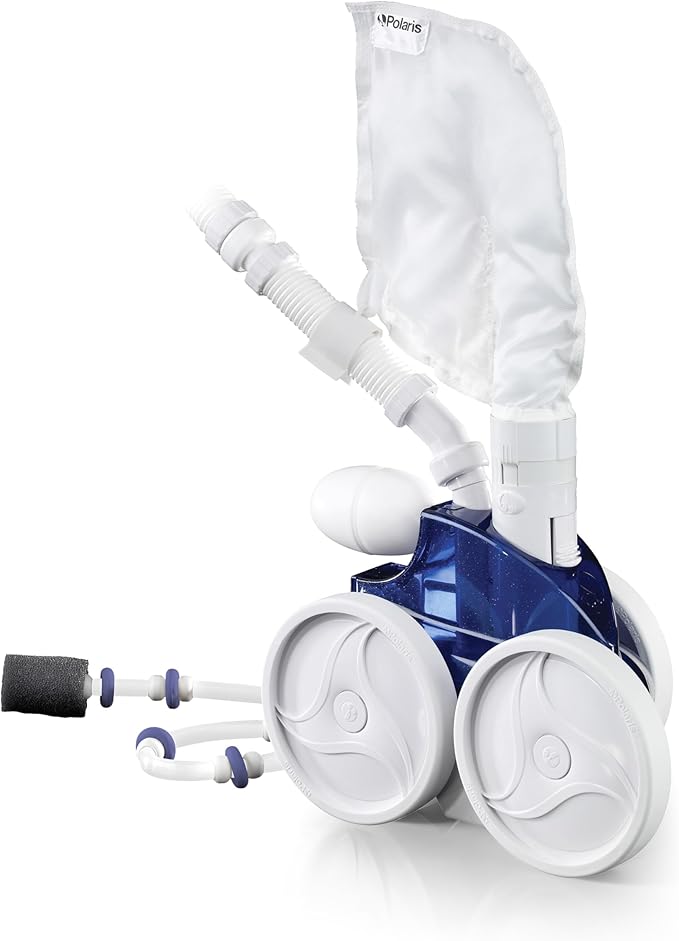 | Polaris Vac-Sweep 360 | Check Price |
Our Selected Top 12 Pressure Side Pool Vacuum Worth Considering
This list features carefully chosen pressure side pool vacuums designed to effectively clean different pool types and sizes. Each review covers performance, suitability for various users, and highlights strengths and weaknesses to help find the best match for specific cleaning needs.
1. Polaris Vac-Sweep 280 Pressure-Side Pool Cleaner
Polaris Vac-Sweep 280 Pressure-Side Pool Cleaner is known for powerful and fast cleaning, ideal for in-ground pools of all shapes and surfaces. Its ability to pick up large debris effectively makes the PoolBlaster Max worth considering for anyone wanting thorough pool coverage without constant scrubbing.
Setting it up involves connecting a separate Polaris booster pump, which drives the dual venturi jets creating the needed vacuum power. Daily use relies on its smooth movement across the pool floor and walls, while the large 2.25 inlet easily handles leaves and pebbles. Its single chamber filter bag catches both small and large debris, helping reduce trips to empty it frequently.
Cleaning usually wraps up within 3 hours, thanks to the strong vacuum generated. The build caters well to multiple pool surfaces like vinyl, fiberglass, and tile, making it versatile.
Most appreciate the speed and efficiency; occasional comments highlight that it requires a booster pump and lithium-ion batteries, adding to the setup complexity.
The strongest praise comes from its reliable ability to clean large debris quickly while covering the entire pool surface effectively. The main drawback noted is the need for additional equipment, a booster pump and batteries, making the setup more involved than some competing models.
Those looking for a fast, deep clean on any pool surface will appreciate this cleaner’s power and reach. People wanting a simpler, integrated solution without extra gear might look for options that do not require external pumps or separate batteries.
Pros
- Strong vacuum pulls large debris without clogging
- Cleans floors and walls efficiently in 3 hours
- Compatible with all common in-ground pool surfaces
- Easy control via touch interface
Cons
- Requires separate Polaris booster pump for operation
- Needs lithium-ion batteries not included
| Specification | Details |
|---|---|
| Power Source | AC |
| Cleaning Time | 3 hours |
| Inlet Size | 2.25 inches |
| Capacity | 5 pounds |
| Control Method | Touch |
| Battery Type | Lithium Ion required |
2. Upgrade Pool Pressure Side Sweeper
Using the Upgrade Pool Pressure Side Sweeper feels reliable and sturdy around the pool. It suits anyone looking for a pool vacuum that can handle regular debris with a durable build.
Its biggest strength lies in the high-quality plastic components designed to endure frequent use without breaking down.
Setup takes a bit of time because the booster pump and pool water inlet need a 1.5-inch female thread and 4 Bar water pressure to connect properly. Once connected, the touch control makes daily operation straightforward.
The vacuum’s portable design helps when moving it from one spot to another in the pool. Its weight of 8.19 kg is manageable but feels solid.
The vacuum cleans well, powered entirely by water pressure, which keeps it moving efficiently across the pool floor. The parts are upgraded from earlier versions, using quality plastics that resist wear.
The strongest praise points to its durability and consistent performance. The most common complaint involves compatibility issues when the necessary thread sizes or water pressure aren’t met, limiting its use in some setups.
The vacuum stands out for its solid build and reliability over time, though many face issues with meeting the strict connection and pressure requirements. This limits its use depending on your pool and booster pump setup.
People with compatible pool setups and the required water pressure will find it effective and long-lasting. Those without the right connection size or sufficient water pressure should look at other vacuum options.
Pros
- Durable plastic parts for long-lasting use
- Portable and easy to move around
- Touch control for simple operation
- Powered by pool water pressure
Cons
- Requires 1.5-inch female thread connection
- Needs 4 Bar water pressure to work properly
| Specification | Details |
|---|---|
| Power Source | hydraulic_powered |
| Control Method | Touch |
| Load Capacity | 8.19 kg |
| Material | High-quality plastics |
3. Polaris Vac-Sweep 360 Pressure-Side Pool Cleaner
Great for in-ground pools, the Polaris Vac-Sweep 360 offers reliable cleaning without needing a booster pump. Its biggest strength lies in using your pool’s water pressure to power itself, making setup simpler for anyone with a compatible return line system.
Installation is straightforward when you have a dedicated cleaner return line, or you can retrofit a standard line with a kit to prepare the pool for this cleaner. It attaches easily and runs quietly, requiring no external power source. Daily use means you just let it work continuously while it collects debris, holding up to 2 liters, which helps reduce frequent emptying.
Cleaning is thorough across all pool surfaces, including vinyl and fiberglass. The weather-resistant design holds up well over time. Most users find it efficient at picking up debris consistently.
Complaints mainly involve needing the right pool plumbing setup to ensure proper propulsion, it doesn’t work well without that, limiting where it can be used.
Most praise highlights how well it cleans various pool surfaces relying solely on existing water pressure, making operation simple and energy-free. The most frequent complaint is the need for a specific return line setup, restricting some pools from using it without extra plumbing work.
Those with in-ground pools and a compatible setup will find it an excellent cleaning tool. People without the right return line or who need a cleaner for above-ground pools should consider other options for a better fit.
Pros
- No booster pump needed
- Compatible with all pool surfaces
- Easy retrofit option for return lines
- Weather resistant for outdoor use
Cons
- Requires a dedicated or retrofitted return line
- Limited to in-ground pools
| Specification | Details |
|---|---|
| Power Source | No Power Source |
| Load Capacity | 2 Liters |
| Control Method | Touch |
| Weather Resistance | Yes |
4. Polaris Vac-Sweep 3900 Sport Pressure-Side Pool Cleaner
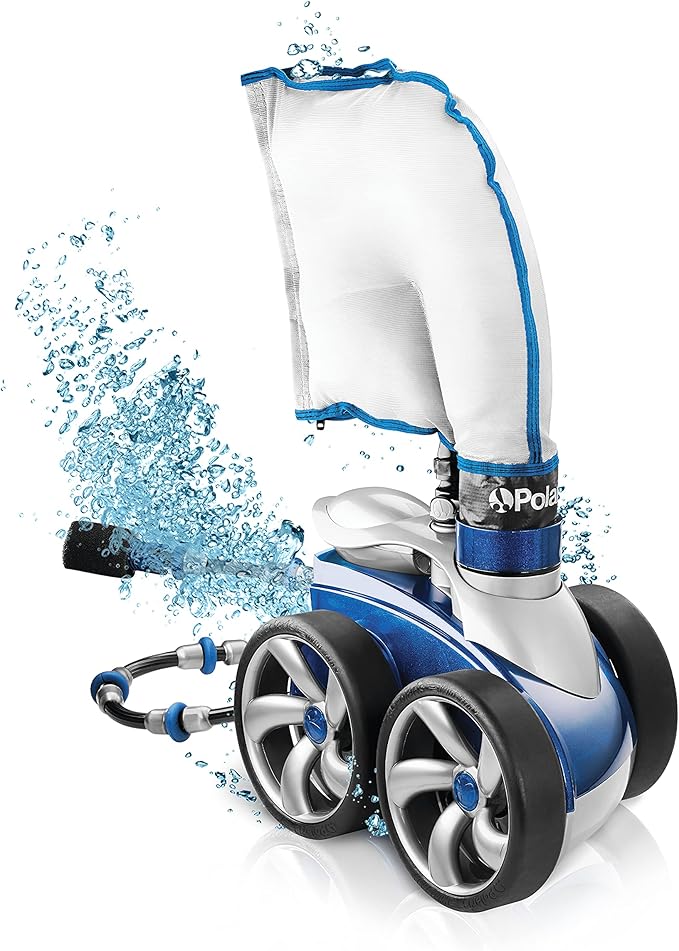
Built with durable materials made for in-ground pools, the Polaris Vac-Sweep 3900 Sport Pressure-Side Pool Cleaner is perfect for anyone needing strong suction and dependable debris pickup. Its biggest strength lies in the triple venturi jets paired with all-wheel PosiDrive, delivering more power than most pressure-side cleaners in its category.
Setup involves connecting it to your pool’s pressure line, and the cleaner moves smoothly across floors and walls thanks to the PosiDrive all-wheel system. The large 2.5 inlet handles big debris without frequent clogs.
It runs quietly on AC/DC power and responds to a touch control method, making daily operation straightforward and low maintenance.
The Vac Sweep 3900 Sport excels at picking up leaves, pebbles, and dirt thanks to its elite vacuum power and complete coverage. Built weather-resistant, it handles various pool surfaces like vinyl, fiberglass, and tile well. Praise highlights its powerful suction and ease of movement, while common complaints mention the load capacity limit of 5.3 pounds can be challenging with heavier debris.
The strongest feature of this vacuum is its unmatched vacuum power, which captures large debris effectively. A common issue is its load capacity capped at 5.3 pounds, which can require emptying more often when dealing with heavy dirt or leaves. Weather resistance ensures durability in various conditions.
Ideal for those with in-ground pools of varied surfaces who want a strong, reliable cleaner that handles large debris well. Users frequently cleaning very heavy or excessive debris may want to explore options with higher load capacities to reduce emptying frequency.
Pros
- Powerful triple venturi jets for strong suction
- All-wheel PosiDrive ensures smooth movement
- Large inlet picks up big debris easily
- Works safely on all pool surfaces
Cons
- Load capacity limited to 5.3 pounds
- May struggle with very heavy debris
| Specification | Details |
|---|---|
| Power Source | AC/DC |
| Control Method | Touch |
| Capacity | 5 liters |
| Load Capacity | 5.3 pounds |
| Inlet Size | 2.5 Inches |
5. Zodiac MX6 Suction-Side Pool Cleaner

Compact yet powerful, the Zodiac MX6 suction-side pool cleaner fits well for those who want an efficient pool vacuum without extra electrical parts. Its greatest strength lies in its ability to climb walls and provide thorough coverage thanks to its clever drive system.
Setting it up takes just a few steps by connecting it to a suction line or the pool’s skimmer. Flow control can be adjusted easily, making it compatible with variable-speed pumps and lower flow rates.
Day-to-day use is simple since it relies entirely on the pool’s pump suction and integrates directly with the filtration system, meaning no batteries or separate power sources to worry about.
Performance-wise, the cyclonic turbine and X-Trax system keep the cleaner gripping surfaces tightly, so it handles floor and wall cleaning thoroughly. Build quality stands out thanks to its weather-resistant materials. Positive feedback often highlights its thorough cleaning ability, but some mention challenges with calibration and occasional flow adjustments.
Many users note the strong cleaning performance with floor and wall coverage thanks to the X-Drive and Cyclonic Turbine. On the downside, some find getting the flow settings right takes patience, which affects the climbing ability and overall efficiency.
Those wanting an energy-efficient, integrated suction cleaner will appreciate this model. Pools with variable-speed pumps benefit from adjustable flow control. Pools needing a vacuum with minimal fuss but strong coverage for walls and floors suit it best; users preferring plug-in or independent power sources may want to look elsewhere.
Pros
- Climbs pool walls with firm grip
- Works with variable-speed pumps easily
- No extra electricity or batteries needed
- Compact size for tight pool spaces
Cons
- Flow calibration can be tricky to perfect
- Requires proper suction speed for best results
| Specification | Details |
|---|---|
| Power Source | Pool pump suction |
| Control Method | Touch |
| Special Features | Weather Resistant |
| Drive Type | X-Drive Navigation with Cyclonic Turbine |
| Compatibility | Dedicated suction line or pool skimmer |
6. Upgrade Pool Pressure Side Sweeper

Pressure side pool vacuums often struggle with durability and power, but the Upgrade Pool Pressure Side Sweeper tackles both with improved materials and a strong four-wheel design. Perfect for anyone needing reliable cleaning that won’t wear out quickly, it stands out by focusing on build quality and consistent hydraulic power.
Setting up requires a pool water inlet and booster pump with 1.5-inch female threading and 4 Bar water pressure. The high-quality plastics in the hose and main unit feel tough and well-made, holding up well to regular use. Four wheels provide smooth movement around the pool floor, making it easier to cover all areas without manual dragging.
It cleans the pool by using water pressure to pick up debris steadily without losing suction power. The machine’s parts have been refined to last longer than typical models. Most praise highlights its durability and solid build, while occasional complaints involve compatibility issues due to strict water pressure and threading requirements.
The strongest praise focuses on the vacuum’s durable materials and smooth four-wheel movement making pool cleaning less stressful. Common complaints point to strict requirements for thread size and water pressure that limit its use in some setups.
Anyone with a compatible booster pump and pool inlet will benefit from reliable, hardworking cleaning that lasts. Pools with different thread sizes or lower water pressure should look for other models better suited to their system.
Pros
- Durable plastics for long-lasting use
- Four wheels for easy maneuvering
- Consistent hydraulic-powered cleaning
- Refined components reduce wear over time
Cons
- Requires specific thread size and water pressure
- May have compatibility issues with some pumps
| Specification | Details |
|---|---|
| Power Source | hydraulic_powered |
| Thread Size Required | 1.5-inch female thread |
| Water Pressure Needed | 4 Bar |
| Special Features | Four-Wheel Design |
7. Polaris Quattro T2 Pressure-Side Pool Cleaner

Cleaning an inground pool can be a tiring chore, especially when it comes to scrubbing walls and tackling tough debris. Perfect for those with pools looking for a reliable cleaner that climbs walls and handles slopes, it stands out thanks to its strong traction and smooth movement throughout the pool.
Setting it up involves connecting to a booster pump, which pushes water through it to power the tracks. The push-button control makes it easy to start and stop. Weather resistance means it can handle outdoor conditions without extra care, and its 2.75-inch capacity makes it suited for small to medium debris loads.
The pressure-side design delivers strong cleaning performance, consistently reaching walls and steps with its TankTrax Technology. Built to last against pool chemicals and weather, the main praise lies in its solid pool navigation.
Some users mention it can be a bit heavy or cumbersome during installation.
Strong traction and smooth navigation help the cleaner cover the entire pool surface, even climbing walls reliably. The most common drawback comes from the added weight and the need for a separate booster pump to power it, which might not suit all pool setups.
Anyone wanting thorough cleaning of tricky pool areas will appreciate its persistence and climbing ability. People with simpler pools or who prefer lighter equipment might look for alternatives without booster pump requirements.
Pros
- Excellent wall climbing with TankTrax Technology
- Moves smoothly over steps and slopes
- Weather resistant for outdoor durability
- Easy start with push button control
Cons
- Can be heavy to handle during setup
- Requires dedicated booster pump for operation
| Specification | Details |
|---|---|
| Power Source | Pump Powered |
| Capacity | 2.75 inches |
| Load Capacity | 75 pounds |
| Control Method | Push Button, Touch |
| Special Features | Weather Resistant |
8. Polaris Vac-Sweep 380 Pressure-Side Pool Cleaner
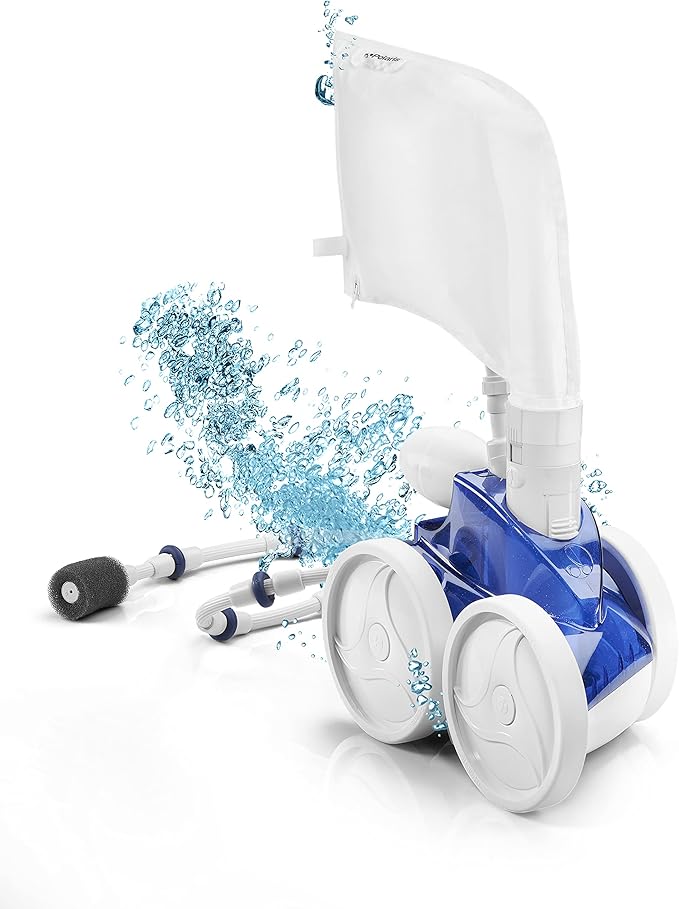
Cleaning any in-ground pool in three hours or less is a solid promise thanks to the Polaris Vac-Sweep 380’s powerful booster pump and venturi jets. Perfect for all pool shapes and surfaces, it stands out for quickly and thoroughly handling tough debris.
Setup involves pairing the vacuum with a separate Polaris booster pump, which powers the three jets that generate suction. The cleaner moves around the pool floor and walls smoothly, helped by its large 2.25-inch inlet that sucks up larger debris like leaves and pebbles. The attached filter bag is easy to empty and handles both small and big bits effectively, making daily maintenance straightforward.
The cleaner does a strong job scrubbing floors and walls while moving fluidly across the pool surfaces. It’s weather resistant and suitable for vinyl, fiberglass, gunite, pebble, and tile surfaces, proving versatile in build and use. Users often praise its powerful vacuuming ability, though some mention the need for a booster pump as an added setup step.
The vacuum’s powerful cleaning thanks to three venturi jets paired with a booster pump stands out as its best feature. Regular mention is made of the extra equipment needed and the ongoing task of emptying the single chamber filter bag during heavy debris seasons.
Ideal for those with pools looking for fast, thorough cleaning of large debris across different surfaces. Those without a booster pump or who prefer less maintenance might explore alternate cleaners.
Pros
- Effective cleaning in 3 hours or less
- Handles large debris like leaves and acorns
- Works on all common pool surfaces
- Large inlet speeds up cleanup
Cons
- Requires a separate booster pump
- Filter bag needs frequent emptying with heavy debris
| Specification | Details |
|---|---|
| Power Source | Dual Fuel |
| Load Capacity | 5 liters |
| Inlet Size | 2.25 inches |
| Control Method | Touch |
| Cleaning Time | 3 hours |
| Pool Compatibility | All in-ground pool surfaces |
9. Polaris Vac-Sweep 65 Pressure-Side Pool Cleaner

People with in-ground vinyl or fiberglass pools that have uneven bottoms will find this pool cleaner fits well. It’s designed to handle debris efficiently using the pool’s existing pressure system, which keeps the skimmer and filter free of larger particles. A standout feature is the unique filter bag that catches twigs and pebbles before they reach the pump.
Setup only takes a few minutes and connects easily to your pool’s return line. It works by using the pressure from clean water going back into the pool, which powers the cleaner.
The detachable debris bag makes emptying easy, and the jet sweep assembly helps loosen dirt from both the pool floor and walls. Typical cleaning cycles run three hours or less, so it keeps things moving quickly.
Cleaning performance covers the bottom and sides quite well. The jet sweep assembly does a good job dislodging dirt in spots that are usually tough to reach.
The cleaner feels solid and built to last, thanks largely to the durable filter bag. A common complaint is that it may struggle in extremely heavy debris loads, but it usually handles everyday debris without issue.
The filter bag’s ability to capture larger debris like twigs and pebbles before they reach the pump is praised for extending filtration system life. However, the cleaner may not perform as well when pools have excessive debris buildup, limiting its efficiency during heavy cleaning times.
Ideal users have in-ground pools with normal debris and want a low-maintenance cleaner that fits easily on their existing pump system. Those facing heavy debris or needing deep cleaning beyond three hours may want a more specialized unit designed for harsher conditions.
Pros
- Easy installation in minutes
- Detachable debris bag catches large particles
- Works in uneven pool bottoms
- Mindful of pump and filter longevity
Cons
- Can struggle with heavy debris loads
- Requires compatible pump pressure
| Specification | Details |
|---|---|
| Works with | Most in-ground vinyl or fiberglass pools |
| Installation time | Minutes |
| Debris load capacity | 13.94 pounds or 10 lbs |
| Control method | Touch |
| Cleaning cycle | 3 hours or less |
10. Zodiac Black Max Vac-Sweep 280 Pressure-Side Pool Cleaner

Designed specifically for in-ground pools, the Zodiac Black Max Vac-Sweep 280 is a pressure-side cleaner that stands out with its ability to clean a pool thoroughly in three hours or less. It suits people with pools who want powerful scrubbing combined with automatic vacuuming and sweeping, all powered by its own booster pump.
Setting it up means connecting the cleaner to a dedicated 1.5-inch pressure cleaner line using the included 31 feet of feed hose. The booster pump, which is sold separately, powers the cleaner independently, so it doesn’t rely on your pool’s main filtration system.
Operating the unit is easy with simple touch controls, and it’s built to handle weather variations without issue, making daily use straightforward.
Performance shines with its double venturi jet design, which improves cleaning efficiency and helps scrub surfaces thoroughly no matter the pool’s material. It can handle up to 50 pounds of debris.
Common praise highlights how well it cleans and scrubs pools in a timely manner. The most frequent complaint involves the need for a separate booster pump, which adds to the overall cost and setup effort.
The Zodiac Black Max Vac-Sweep 280 effectively cleans in-ground pools using a booster pump and ready-to-connect hose. Most find it efficient at scrubbing and vacuuming the floor and walls within a few hours. A common issue is that some pool users need to add a separate booster pump, which increases both the setup cost and complexity.
People with in-ground pools who already have or plan to buy a Polaris booster pump will get good use out of the cleaner. Those without the booster pump or with above-ground pools might want to look for a different vacuum that doesn’t require additional equipment or works better for their setup.
Pros
- Thorough cleaning with sweeps and scrubs
- Works independently with booster pump
- Weather resistant design
- Long 31-foot feed hose included
Cons
- Booster pump sold separately
- Requires dedicated 1.5-inch pressure line
| Specification | Details |
|---|---|
| Power Source | Manual |
| Hose Length | 31 feet |
| Pressure Line Size | 1.5 inches |
| Load Capacity | 50 pounds |
| Cleaning Time | Approximately 3 hours or less |
11. Pentair Kreepy Krauly Platinum Pressure-Side Pool Cleaner

Pentair Kreepy Krauly Platinum Pressure-Side Pool Cleaner is designed for in-ground pools, tackling dirt from floors and walls with ease. It excels at adapting to multiple pool surfaces like concrete, vinyl, and fiberglass, making it a solid choice for anyone looking for a lightweight device that works well without complicated controls.
Setting up involves connecting the included 33′ hose to your pool’s pressure line. Its lightweight design makes handling and placing it in the water straightforward.
You control its operation simply by touch. Cleaning cycles usually finish between one to three hours, depending on the pool size and debris, offering a manageable routine without much fuss during weekly maintenance.
Cleaning performance hits the mark by covering floors and walls efficiently. The build feels sturdy enough for regular use, and its simple manual power source avoids electrical hassles. Many find it effective for various pool types, but some mention that it can take as long as three hours to finish cleaning completely, which is its main drawback reported in reviews.
Many appreciate how the cleaner tackles both floors and walls across different pool materials without adding weight. The hose length is convenient, but the cleaning duration of up to three hours sticks out as the most frequent drawback. It’s a steady performer rather than a quick-finish tool.
This is ideal for those who want a reliable, lightweight cleaner for various surfaces and don’t mind the longer cleaning time. Those who want a faster vacuum or automated power options may want to explore other models that better match those priorities.
Pros
- Works on various pool surfaces
- Includes long 33′ hose
- Lightweight and easy to handle
- Touch control is intuitive
Cons
- Cleaning can take up to 3 hours
- Power source requires manual connection
| Specification | Details |
|---|---|
| Power Source | manual |
| Works with | concrete/gunite, vinyl-lined, fiberglass |
| Hose length | 33′ |
| Cleaning time | 1-3 hours |
| Control Method | touch |
| Weight | lightweight |
12. Intex Krystal Clear QS500 Saltwater Pool with Vacuum Cleaner

Keeps your above-ground pool clean with minimal effort, especially suited for those using saltwater systems. Its biggest strength is how well it handles large debris, thanks to a sizable debris tray and efficient pressure side cleaning. A practical choice for people with pools who want consistent cleaning without frequent manual work.
Setting up involves connecting the 21-foot tangle-free hose and attaching the included converter and swivel joint, making the installation straightforward. Daily use benefits from oversized wheels that rotate in one direction to avoid getting stuck. The saltwater system adds a touch of convenience, while the fine mesh filter catches small particles, so maintenance mostly involves emptying the tray.
Performance is reliable across pumps with water flow from 1,600 to 3,500 GPH, covering many above-ground pool setups. Build quality feels durable with thoughtful parts like an angled hose elbow and a sturdy 5-pound load capacity.
A common complaint is the need for occasional hose detangling, but many appreciate how well it manages various debris sizes.
The cleaner’s large debris tray and saltwater compatibility stand out, making pool upkeep easier for many. A common drawback is occasional hose tangling, which can interrupt cleaning sessions and requires manual adjustment.
Ideal for those with above-ground pools and saltwater systems wanting regular cleaning support. Swimmers with in-ground pools or those needing ultra-fine filtration may want to explore other options better suited to those needs.
Pros
- Large debris tray for less frequent emptying
- Oversized wheels improve cleaning efficiency
- Works well with various pump sizes
- Tangle-free hose reduces hassle
Cons
- Hose may still require occasional detangling
- Limited to above-ground pools only
| Specification | Details |
|---|---|
| Compatible Pump Flow | 1,600 to 3,500 GPH |
| Load Capacity | 5 pounds |
| Hose Length | 21 feet |
| Control Method | Touch |
| Special Features | Saltwater System |
Best Pressure Side Pool Vacuums Comparison Table
| Product | Power Source | Load Capacity | Special Feature | Control Method |
|---|---|---|---|---|
| Polaris Vac-Sweep 280 | AC | 5 pounds | Faster Cleaning | Touch |
| Upgrade Pressure Sweeper | Hydraulic powered | 8.19 kg | Portable | Touch |
| Polaris Vac-Sweep 360 | No Power Source | 2 Liters | Weather Resistant | Touch |
| Polaris Vac-Sweep 3900 Sport | AC/DC | 5.3 pounds | Weather Resistant | Touch |
| Zodiac MX6 Cleaner | Pool pump suction | – | Weather Resistant | Touch |
| Upgrade Pool Sweeper | Hydraulic powered | – | Four-Wheel Design | – |
| Polaris Quattro T2 | Pump Powered | 75 pounds | Weather Resistant | Push Button, Touch |
| Polaris Vac-Sweep 380 | Dual Fuel | 5 liters | Weather Resistant | Touch |
| Polaris Vac-Sweep 65 | – | 13.94 pounds | Detachable Debris Bag | Touch |
| Zodiac Black Max 280 | Manual | 50 pounds | Double Venturi Jet | Touch |
| Pentair Kreepy Krauly Platinum | Manual | – | Lightweight | Touch |
| Intex Krystal Clear QS500 | – | 5 pounds | Saltwater System | Touch |
- Power SourceAC
- Load Capacity5 pounds
- Special FeatureFaster Cleaning
- Control MethodTouch
- Power SourceHydraulic powered
- Load Capacity8.19 kg
- Special FeaturePortable
- Control MethodTouch
- Power SourceNo Power Source
- Load Capacity2 Liters
- Special FeatureWeather Resistant
- Control MethodTouch
- Power SourceAC/DC
- Load Capacity5.3 pounds
- Special FeatureWeather Resistant
- Control MethodTouch
- Power SourcePool pump suction
- Load Capacity–
- Special FeatureWeather Resistant
- Control MethodTouch
- Power SourceHydraulic powered
- Load Capacity–
- Special FeatureFour-Wheel Design
- Control Method–
- Power SourcePump Powered
- Load Capacity75 pounds
- Special FeatureWeather Resistant
- Control MethodPush Button, Touch
- Power SourceDual Fuel
- Load Capacity5 liters
- Special FeatureWeather Resistant
- Control MethodTouch
- Power Source–
- Load Capacity13.94 pounds
- Special FeatureDetachable Debris Bag
- Control MethodTouch
- Power SourceManual
- Load Capacity50 pounds
- Special FeatureDouble Venturi Jet
- Control MethodTouch
- Power SourceManual
- Load Capacity–
- Special FeatureLightweight
- Control MethodTouch
- Power Source–
- Load Capacity5 pounds
- Special FeatureSaltwater System
- Control MethodTouch
How to Choose the Best Pressure Side Pool Vacuum
Choosing the right pressure side pool vacuum depends on factors like suction power, ease of use, and compatibility with your pool’s filtration system. Selecting well ensures efficient cleaning, preventing damage and reducing maintenance costs, ultimately saving time and avoiding unnecessary expenses.
Pool Compatibility
Many people find their pool cleaner doesn’t fit right after buying because they overlooked the type and size of their pool. Some models only work well with specific pool shapes or sizes, which can lead to incomplete cleaning. It’s important to pick one designed for the dimensions of your pool, whether it’s small, medium, or large.
Also, the surface matters; some vacuums can scratch delicate liners, while others are safe for vinyl, fiberglass, or concrete surfaces.
The vacuum’s design should match your pool type. Aboveground pools often need lighter, simpler units that connect easily to existing equipment, while inground pools do better with machines that deliver stronger pressure output. Look for compatibility in product specs, mention of acceptable pool surface types and pool sizes is key.
Using a vacuum outside of these recommendations tends to result in poor performance and possible damage.
Cleaning Efficiency
The cleaning power depends heavily on suction and debris capacity. A common mistake is choosing a vacuum with weak suction, which struggles to pick up heavier debris like stones or dense algae. Larger debris bags allow for longer cleaning sessions without emptying, saving time.
A vacuum that can’t reach tight corners or stairs leaves dirt behind and requires manual touch-ups.
Effective units can handle typical pool debris, leaves, sand, hair, and algae, without clogging or losing suction. Models with flexible hoses or swiveling heads get into corners better.
Standard recommendations include a debris basket capacity of at least 1 liter and suction levels matching your pool pump’s flow rate. Units failing in these areas leave pools partly dirty and require more effort to finish the job.
Installation and Setup
Many vacuums get bought only to sit unused because they don’t connect well with existing pump setups. The ease of installation impacts how soon you actually use the vacuum.
Some units need adapters or special tools that aren’t included, which can delay setup or increase costs. Clear and simple instructions make a big difference, saving frustration and extra trips to hardware stores.
Check for compatibility with your pressure outlet fittings before purchasing. Some models work smoothly with standard 1.5-inch or 2-inch outlets, while others require uncommon sizes or additional parts. The less custom fitting needed, the easier the initial setup and ongoing use.
A vacuum that connects securely without leaks keeps pressure steady and cleaning consistent.
Durability and Build Quality
Plastic and metal parts differ greatly in durability. Low-quality plastics degrade quickly under sun and pool chemicals, leading to cracks or broken wheels. Stainless steel or reinforced polymer moving parts last longer and stand up better to daily wear.
UV resistance is crucial since prolonged sun exposure can make some materials brittle over time.
Vacuum bodies made of corrosion-resistant materials avoid rusting, especially important around chlorinated water. Models constructed with heavy-duty components tend to survive multiple seasons, maintaining performance. Expect to replace cheaper units within a year or two; investing in better build quality generally reduces long-term maintenance and replacement frequency.
Maintenance and Storage
Emptying debris compartments or cleaning filter bags often decides whether a vacuum gets regular use. Some designs are fiddly, requiring disassembly or special cleaning methods, which leads to neglect and clogs.
A straightforward removal system speeds up this task. The availability of replacement bags, wheels, or hoses also extends the useful life of the machine.
Storage is another practical concern. Units that can be dismantled or come with covers protect components from rain, sun, and freezing temperatures. Keeping parts dry and clean prevents damage and saves money.
Look for vacuums with compact storage options or included cases if you need to tuck them away inside a garage or shed during off-seasons.
Effective Maintenance Practices for Prolonging the Life of Pressure Side Pool Vacuums
Regular cleaning of the filter bag or cartridge plays a crucial role in maintaining pressure side pool vacuums. Debris accumulates quickly and can reduce suction power, causing the system to work harder than necessary. After each cleaning session, remove the debris and rinse the bag thoroughly.
Inspecting the wheels and brushes for wear is equally important. Damaged or clogged brushes limit cleaning efficiency and can scratch pool surfaces.
Replace worn parts promptly to keep the vacuum running smoothly.
Properly storing the vacuum during off-season or after use protects hoses and fittings from cracking or warping. Avoid leaving the equipment in direct sunlight for extended periods, as UV exposure can degrade plastic components.
- Flush out the system periodically to prevent clogs in the pressure side line.
- Check for leaks in hoses and connections to maintain consistent pressure.
- Follow manufacturer guidelines for maintenance intervals to avoid unexpected breakdowns.
Routine care extends the working life of these devices and ensures efficient pool cleaning over multiple seasons.
Comparing Pressure Side Pool Vacuums with Suction and Robotic Pool Cleaners
Pressure side pool vacuums use water pressure to move debris into a collection bag, which reduces strain on the pool’s filtration system. They usually handle larger debris like leaves and twigs better than suction cleaners, whose debris baskets can clog quickly.
Suction side cleaners connect directly to the pool’s suction line, relying on the pump’s negative pressure. While they are generally less expensive and simpler to install, they may cause reduced water flow to other pool features.
Robotic pool cleaners operate independently of the pool’s filtration system and feature built-in motors and filters. These units often provide detailed cleaning by scrubbing surfaces and can reach corners more effectively, but they usually require charging or plugging in and are typically more expensive.
- Pressure side cleaners offer strong debris pickup but need a dedicated pressure line or booster pump.
- Suction cleaners are affordable but may affect overall pool circulation.
- Robotic cleaners automate the process but involve higher upfront and maintenance costs.
Choosing between these options depends on pool size, debris type, and budget constraints.
Common Mistakes to Avoid When Using a Pressure Side Pool Vacuum
One common mistake is neglecting to inspect and clean the vacuum’s filter bag after use. A full or clogged bag reduces suction and can cause motor strain, leading to premature failure.
Another issue is improper hose length or connections. Using hoses that are too long or twisted restricts water flow, which impacts cleaning effectiveness. Ensuring hoses are straight and the correct size prevents pressure loss.
Some users run the vacuum without sufficient water pressure. Pressure side cleaners rely on a strong flow generated by a booster pump or dedicated pressure line. Operating them with low pressure can damage parts not designed for low-flow conditions.
- Failing to replace worn brushes and wheels diminishes cleaning performance.
- Ignoring manufacturer installation instructions may void warranties and cause equipment issues.
- Leaving equipment exposed to sunlight or harsh weather without proper storage causes material degradation.
Paying attention to these factors helps avoid unnecessary repairs and keeps the vacuum working efficiently.
People Also Asked
How Do I Properly Size a Pressure Side Pool Vacuum?
Choose a pressure side pool vacuum based on your pool’s size and the power of your pool’s pump. It helps to check the manufacturer’s guidelines for flow rates to ensure the vacuum operates effectively without straining the system.
What Safety Precautions Should I Follow When Using a Pressure Side Vacuum?
Always turn off the pool pump before attaching or detaching the vacuum to avoid injury or damage. Avoid running the vacuum when there are swimmers in the pool to reduce the risk of accidents.
How Long Does a Pressure Side Pool Vacuum Typically Last?
A pressure side pool vacuum typically lasts 3 to 5 years with proper maintenance. Regularly cleaning the filter and inspecting hoses and brushes can extend its lifespan.
Are Pressure Side Pool Vacuums Compatible with All Pool Types?
Pressure side pool vacuums generally work best with inground pools but may not be compatible with all above-ground pool setups. Confirm compatibility with the pool pump and return line design before purchase.
What Are Common Problems with Pressure Side Pool Vacuums?
Common issues include clogged filter bags, reduced suction due to poor hose connections, and brush wear. Regular inspection and replacement of worn parts keeps the vacuum running smoothly.
Conclusion
Choosing a pressure side pool vacuum comes down to three main factors: how well it cleans different pool surfaces, its ease of setup and use, and how it connects to your existing pool system. Durability and maintenance needs also matter since you want something that lasts without constant repairs. These points will help narrow down which model fits your daily pool care routine.
Think about how much space you have around the pool and how often you plan to vacuum. A simpler model might work better for occasional cleaning, while a more powerful one suits frequent use or larger pools.
Take another look at the comparison table and the detailed reviews above to find the vacuum that fits your setup and budget best.