
Top 12 Best Hepa Filter That Will Transform Your Air!
Dust builds up in corners, air feels stale, and allergens linger despite running an air purifier all day. Those who rely on the best hepa filter know that a cheap or ill-fitting option often lets particles slip right through or clogs too quickly.
This leads to frequent replacements and less effective air cleaning, which can exacerbate allergies or respiratory issues rather than help.
The quality of a hepa filter depends largely on its ability to trap 99.97% of particles down to 0.3 microns, the standard for true HEPA. Filter size matters too; larger filters can capture more air without sacrificing flow. A tight, secure fit prevents unfiltered air from bypassing the filter’s surface, and a durable frame helps maintain performance over time.
Easy-to-clean designs also extend filter life, saving money and effort.
Need a Quick Check?
| Image | Product | Price |
|---|---|---|
Our Top Picks 1 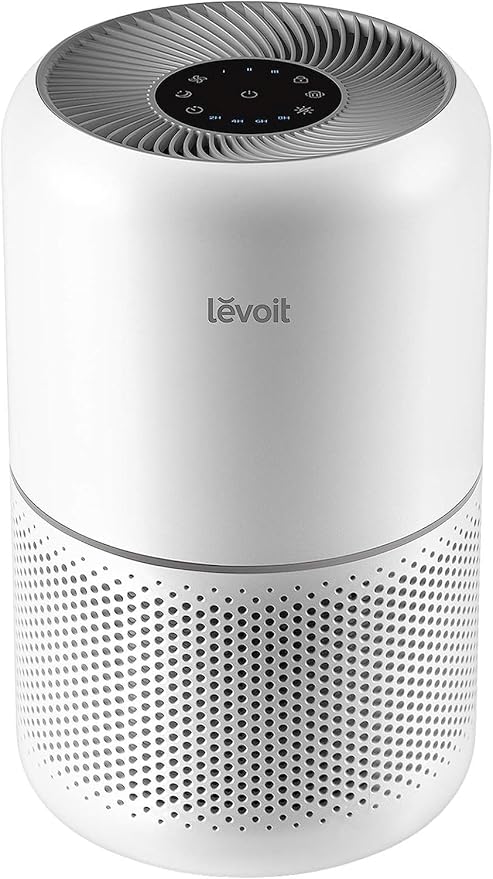 | Levoit Air Purifier | Check Price |
Our Top Picks 2  | Winix 5510 Purifier | Check Price |
Our Top Picks 3  | PuroAir 240 HEPA Pack | Check Price |
Our Selected Top 12 Hepa Filter for Different Needs
This list features a variety of HEPA filters designed for different environments and needs. Each review explains the filter’s performance, suitability for specific users, and highlights its strengths and weaknesses to help you make an informed choice.
1. Levoit Air Purifier
Levoit Air Purifier offers powerful HEPA-grade filtration that works well in spaces up to 1,073 square feet. It’s ideal for anyone looking to clear out smoke, dust, pet dander, and pollen with reliable efficiency and quiet operation.
Its AHAM VERIFIDE certification confirms trustworthy performance and energy use.
Setting it up is straightforward with touch controls and a portable design that fits in many rooms. The 3-in-1 filtration system handles odors and VOCs alongside particles, while Sleep Mode keeps the noise down to 24 dB for nighttime use. Filter change alerts keep maintenance simple, and a timer gives control over operation periods.
Performance is solid with a 56W motor pushing 143 CFM CADR, cleaning the air quickly without sounding loud. The build feels sturdy and functional, designed for long-term use.
Many praise how quiet it stays during sleep mode. The most common downside noted is the lack of detailed information on software updates.
Most users appreciate how quiet the purifier is during Sleep Mode, making it easy to run overnight. The main drawback mentioned is the uncertainty around software updates, which could affect long-term usability.
Anyone needing a dependable purifier for large rooms, with a focus on low noise and strong filtration, will find this model fitting. Those wanting battery operation or regular software improvements might need to explore other choices.
Pros
- Effective 3-in-1 HEPA-grade filtration
- Quiet operation at only 24 dB in Sleep Mode
- Filter change indicator for easy maintenance
- AHAM VERIFIDE for trusted performance
Cons
- No clear information on software updates
- Runs on AC power only, limiting placement options
| Specification | Details |
|---|---|
| Power Source | ac |
| Control Method | Touch |
| Floor Area | 1073 square_feet |
| Noise Level | 24 db |
| Wattage | 56 watts |
2. WINIX 5510 Air Purifier
Breathing room instantly feels fresher when using this air purifier, made for those wanting a serious cleanup of indoor air in medium to large spaces. Its strongest feature is the Winix True HEPA filter, which captures almost all airborne allergens, making it ideal for allergy sufferers or those with pets.
Setting it up is straightforward with the touchscreen controls and WiFi connectivity that links to Alexa or Google Assistant. Daily operation is quiet at 27 decibels, keeping noise low while it works efficiently. The washable fine mesh pre-filter helps trap large particles, making filter replacements less frequent and keeping maintenance manageable.
Capturing particles as small as 0.01 microns means it excels in clearing pollen, smoke, and pet dander from the air. Build quality feels solid with functional design, although some found the unit a bit bulky.
The plasma wave technology adds a layer of odor reduction alongside the carbon filter, which many appreciate, while complaints mainly focus on the unit’s size in smaller rooms.
The Winix 5510 impresses most users with its ability to effectively capture tiny airborne particles and reduce household odors using advanced filters. Common feedback points out the large physical size makes placement tricky if space is limited.
People who need dependable allergy and odor control in medium to large areas will appreciate its performance and smart features. Those living in small apartments or seeking ultra-low power use might want to explore smaller or more energy-efficient models instead.
Pros
- Captures 99.99% of particles as small as 0.01 microns
- Quiet operation at just 27 decibels
- Washable pre-filter extends HEPA filter life
- Compatible with Alexa and Google Assistant
Cons
- Unit size may feel large for small rooms
- Power consumption higher than some smaller models
| Specification | Details |
|---|---|
| Floor Area | 1881 square feet |
| Noise Level | 27 db |
| Particle Retention Size | 0.01 micrometer |
| Control Method | Touch, Amazon Alexa, Google Assistant |
| Power Source | Electric |
| Wattage | 65 watts |
3. PuroAir 240 HEPA Air Purifier 2 Pack
Great for large rooms up to 1,000 sq ft, this air purifier suits anyone dealing with allergies or household odors. Its standout feature is the powerful 3-layer filtration that targets pollutants like pollen, smoke, and pet dander effectively.
Setup is straightforward with simple push-button controls powering the unit on and off. The automatic air quality sensor adjusts filtration performance depending on pollution levels, so you don’t have to constantly tweak settings. Operating quietly at 22 db, it fits smoothly into daily life without distraction.
The device plugs into any AC outlet and runs efficiently on 22 watts.
Performance is solid at filtering particles as small as 0.1 micron, catching up to 99.9% of contaminants including VOCs and wildfire smoke. The build feels sturdy, with a clear indicator for air quality monitoring adding convenience. Most users praise the noticeable air freshness, while some mention the limited control options as a drawback, wanting more adjustability.
The air purifier delivers notably cleaner air in large spaces thanks to its 3-layer filtration and automatic sensor. Many appreciate the quiet noise level and quick room coverage, while some users find the controls too basic and crave more customization.
Anyone needing reliable, low-maintenance air cleaning for big rooms will be satisfied with this unit. People wanting advanced control features or cordless portability might want to look at other options.
Pros
- Effective 3-layer filtration captures most pollutants
- Quiet operation at 22 db suitable for bedrooms
- Automatic air quality sensor adjusts cleaning level
- Covers large rooms up to 1,000 sq ft quickly
Cons
- Limited control options beyond basic button
- Requires constant AC power connection
| Specification | Details |
|---|---|
| Power Source | ac |
| Floor Area | 1000 square_feet |
| Noise Level | 22 db |
| Particle Retention Size | 0.1 micron |
| Control Method | Push Button |
| Wattage | 22 watts |
4. Coway Mighty AP-1512HH Air Purifier

Crafted mainly from solid plastic, the Coway Mighty AP-1512HH suits medium to large rooms up to 1,748 sq. ft.
Its biggest strength lies in an effective four-stage filtration system that tackles allergens, particles, and odors with a HEPA filter and active carbon filters.
Setting up involves plugging in and using the touch controls, which are quite straightforward. It comes with an auto mode that adjusts the fan speed based on real-time air quality readings shown by a bright LED indicator.
The washable pre-filter means less frequent replacements, and you can easily tell when it’s time to change filters from the indicator.
The air purifier performs well at removing 99.97% of particles down to 0.3 microns, improving air noticeably in large spaces within an hour. Its build feels sturdy for everyday use, though some find the noise level at 53 dB a bit loud in quiet settings.
The strongest praise involves reliably improving air quality, while the most common complaint concerns the sound during higher fan speeds.
The strongest feature is the unit’s ability to clean large rooms effectively with clear air quality feedback. The most frequent downside is the noise, which some find bothersome when the fan runs at higher speeds during poor air quality conditions.
Ideal for people living in bigger spaces who want a reliable purifier that adjusts automatically. Those sensitive to noise might prefer a quieter model or use it mainly during daytime when ambient sounds mask the operation.
Pros
- Four-stage filtration captures a wide range of particles
- Auto mode adjusts fan speed based on real-time air quality
- Washable pre-filter reduces maintenance costs
- Air quality LED indicator shows indoor pollution levels
Cons
- Noise level at 53 dB can be intrusive
- Filter replacement can be frequent depending on use
| Specification | Details |
|---|---|
| Floor Area | 1748 square_feet |
| Noise Level | 53 db |
| Particle Retention Size | 0.01 micron |
| Power Source | Corded Electric |
| Wattage | 77 watts |
5. FreAire HAP605 Air Purifier

Large rooms benefit most from an air purifier that pulls in air from multiple directions. Ideal for spaces up to 2,600 square feet, it suits homes with pets and open living or office areas. Its triple air intake system stands out, speeding up air circulation significantly.
Setup is straightforward with simple push button controls and a washable pre-filter plus HEPA filter, making maintenance manageable. Daily use feels convenient thanks to three air inlets, front and two sides, that draw air efficiently.
A dedicated Turbo Pet Mode raises airflow, especially handy around pet-frequented spots, while a quiet 20 dB Sleep Mode helps maintain low noise during nighttime.
Performance in filtering pet hair and dust is solid, especially given the washable filter that lasts longer than disposable ones. The build feels sturdy with straightforward controls, and the real-time PM2.5 display keeps you informed on air quality.
Praise focuses on how quietly it runs, while some find the button control less intuitive compared to touch panels.
The quietness of operation at just 20 dB is frequently praised, making the device suitable for bedrooms and offices. Many appreciate the washable HEPA filter, but some find the button control system a bit old-fashioned and less user-friendly.
This air purifier fits well in large, open spaces, especially where pets are present. Those looking for a more modern interface or needing software updates might want to consider other options.
Pros
- Triple air intake for faster room coverage
- Turbo Pet Mode targets pet hair and dust efficiently
- Very quiet operation at 20 dB
- Washable filter reduces maintenance costs
Cons
- Control buttons less intuitive than touch controls
- No software update information available
| Specification | Details |
|---|---|
| Floor Area | 2600 square_feet |
| Filter Type | Washable Pre-filter+HEPA |
| Noise Level | 20 db |
| Control Method | Push Button |
| Special Features | Triple Air Intake, Turbo Mode, 20 dB Sleep Mode |
6. Levoit Vital 200S-P Smart Air Purifier

Choosing a smart air purifier with verified performance brings confidence in clean air, especially for larger spaces. Ideal for those looking for reliable removal of smoke, dust, pet dander, and odors, this unit stands out for its AHAM-certified effectiveness and quiet operation.
It suits anyone keen on trustworthy purification without constant fuss.
Setting up involves plugging it in and linking to the app for control, which simplifies managing the three-stage filter system. Day-to-day use is quiet at just 27 decibels, barely noticeable in a room. Button controls on the unit offer manual options, while the app provides smart features.
Coverage up to 1875 square feet means it handles large rooms without strain.
The filtration performance excels at capturing fine particles down to 0.3 micrometers, making it effective against cigarette smoke and pet hair. Build quality feels solid, with a thoughtfully designed manual control and reasonable noise levels. Praise often cites its silent running, while one common downside is the lack of detailed software update info for future features.
The purifier receives strong praise for running quietly while effectively filtering fine particles like smoke and pet dander. A frequent criticism revolves around the lack of transparency regarding software updates, leaving some unsure about long-term app support.
This air purifier fits well in larger living spaces where silent operation and reliable contamination removal matter. Those who prefer cordless options or require guaranteed ongoing app enhancements might look for alternatives.
Pros
- AHAM certified for proven air cleaning
- Quiet operation at 27 decibels
- Smart app control with manual options
- Covers up to 1875 square feet
Cons
- Unclear software update support
- Requires corded electric power source
| Specification | Details |
|---|---|
| Filter Type | 3-Stage Filter |
| Floor Area | 1875 square_feet |
| Noise Level | 27 db |
| Power Source | Corded Electric |
| Contaminant Filtration Capability | Cigarette Smoke, Dust, Odors, Pet Dander, Pet Hair |
| Wattage | 51 |
7. [No Brand] HEPA Air Purifier

Allergies and pet hair can quickly turn a home into a challenge, especially in larger spaces. Designed to cover up to 2600 square feet, this HEPA air purifier targets dust, smoke, odors, and pet dander with its strong filtration system.
It suits those needing consistent, wide-area air cleaning without noise distractions.
Setup involves plugging it into a regular outlet and using simple touch controls to manage settings. Its triple intake system pulls air from the front and both sides, speeding up purification. A real-time PM2.5 sensor on the display helps you monitor air quality easily, so it’s clear when the air needs freshening.
The washable filter cuts down on replacement costs and maintenance effort.
Effectiveness comes from capturing 99.97% of airborne particles as small as 0.3 microns, which covers typical household irritants well. Its design balances quiet operation at 22 decibels with steady airflow, though some users find the size a bit bulky for smaller rooms.
The build feels sturdy and straightforward, relying on button control without confusing features.
Many find the air purifier effective at rapidly cleaning large rooms and appreciate the clear real-time air quality readings. However, some mention the unit’s physical bulk as a drawback when space is limited. The washable filter is a highlight for saving costs and easy upkeep.
People with big living areas or allergies related to pet hair and dust will find this purifier practical and straightforward. Those looking for a smaller, more compact device or advanced touchscreen controls might want to explore other options tailored for tighter spaces or tech preferences.
Pros
- Covers large spaces up to 2600 sq ft efficiently
- Real-time air quality display with PM2.5 sensor
- Quiet operation at just 22 decibels
- Washable HEPA filter reduces ongoing costs
Cons
- Size might be too large for small rooms
- Button control can feel basic compared to touch panels
| Specification | Details |
|---|---|
| Floor Area | 2600 square_feet |
| Noise Level | 22 db |
| Filter Type | HEPA |
| Power Source | Corded Electric |
| Particle Retention Size | 0.3 micron |
| Wattage | 24 |
8. GermGuardian Tower HEPA Air Purifier

Cleans up to 743 square feet in an hour, making it great for large rooms. Designed with True HEPA 3-layer protection, it captures 99.97% of tiny particles as small as 0.1 microns. Perfect for anyone needing reliable air purification for dust, smoke, pollen, or pet hair.
Setup involves plugging it in and using the touch or rotary dial controls, which are straightforward. The optional UV-C light adds a layer of germ and mold spore reduction without sprays or fragrances. Runs on 55 watts and stays at a noise level of 55 dB, so it’s noticeable but not loud.
Filters require minimal effort to replace since the unit keeps track.
Cleans air effectively in large spaces and has a sturdy, vertical tower design. The included H13 grade HEPA filter works without issues, and many note how well it reduces common allergens.
A common downside is the noise, which some find a bit high for bedroom use. The build feels solid with no flimsy parts.
Many users praise how effectively this unit clears allergens and pet hair from the air thanks to its True HEPA filter. The noise at higher speeds is the main complaint, making it less ideal for light sleepers in bedrooms.
Great choice for those needing a strong purifier for larger living areas or workspaces. It might not suit people looking for a whisper-quiet device for nighttime use or very small rooms.
Pros
- Captures 99.97% of particles as small as 0.1 microns
- UV-C light reduces airborne germs and mold spores
- Large room coverage up to 743 square feet
- Simple touch and rotary dial controls
Cons
- Noise level can be noticeable in quiet rooms
- Requires regular filter replacement to maintain efficiency
| Specification | Details |
|---|---|
| Power Source | Corded Electric |
| Filter Type | HEPA, Carbon, UV-C |
| Floor Area | 743 square feet |
| Noise Level | 55 dB |
| Wattage | 55 watts |
| Particle Retention Size | 0.1 micrometer |
9. [No Brand] True HEPA Air Purifier

People with large living areas who need constant air purification will find real value here. It suits those fighting smoke, dust, pet odors, and allergens thanks to its powerful filtration covering up to 2400 square feet. The standout feature is its 2X-Power Filtration that refreshes the air twice an hour for a cleaner home environment.
Setting it up is straightforward with a touch control that feels responsive and modern. The built-in PM2.5 sensor and display offer a clear view of air quality, and the fan speed adjusts automatically based on real-time monitoring. It runs quietly enough for bedrooms, thanks to a 22 dB sleep mode, and extra functions like aromatherapy add comfort without complicating the experience.
It captures 99.97% of particles as small as 0.3 microns, handling smoke, dust, and pet dander effectively. The build is solid with a 360° air outlet ensuring wide coverage. Many praise its quiet operation and the informative AQI display, while a typical complaint relates to replacing filters over time, which can feel like an extra task.
Strong praise focuses on how quietly it runs while actively purifying large spaces and providing helpful air quality feedback. The most common complaint involves the need to keep up with filter replacements, which some find inconvenient.
This air purifier fits well for those with allergy or smoke concerns in big rooms who value quiet and intelligent operation. People looking for a low-maintenance unit or needing clear software update support might want to look elsewhere.
Pros
- Covers large rooms up to 2400 square feet
- Quiet operation with 22 dB sleep mode
- Real-time PM2.5 air quality sensor and display
- Automatic fan speed adjustment
Cons
- Filter replacements require regular attention
- No clear software update information available
| Specification | Details |
|---|---|
| Floor Area | 2400 square_feet |
| Noise Level | 22 db |
| Particle Retention Size | 0.3 |
| Wattage | 24 watts |
| Control Method | Touch |
| Filter Type | HEPA |
10. [No Brand] AHAM Verified Air Purifier

Standing out with dual 3-stage filtration, this air purifier suits anyone wanting strong, thorough cleaning in mid-size to larger rooms. Its biggest strength lies in powerful particle removal paired with low noise levels, ideal for bedrooms or offices where quiet and clean air are priorities.
Setup involves plugging into a power source and using the touch controls or hand controller to adjust settings. Two-sided air intake helps capture more pollutants from different directions, while the PetFreshAir 2.0 tech targets pet-related odors and particulates. Maintenance focus is on swapping filters as indicated by usage, helping keep the 0.3 micrometer particle retention efficient for dust, smoke, and pollen.
Filtration achieves 4.8 air changes per hour in a 209 ft² room, and coverage can extend up to 1,092 ft² at a lower air change rate. The build is solid and quiet, with a 20 dB noise level that rarely distracts.
Reviews often praise its thoroughness and low sound but mention its size as slightly bulky for small spaces. The 10-year support adds confidence in durability.
Users appreciate how quietly the purifier works while keeping air fresh with effective filtration of smoke, dust, and pet odors. Some find its size bulky for tighter spaces, which can limit placement options.
People needing low-noise air cleaning in medium to large rooms will be satisfied. Those with very small rooms or who want guaranteed software updates might look for different models.
Pros
- Dual 3-stage filtration removes varied pollutants effectively
- Extremely quiet operation at just 20 decibels
- Wide coverage up to 2200 square feet
- 10-Year support backing reliability
Cons
- Bulky size may not fit small rooms easily
- Software update support status unclear
| Specification | Details |
|---|---|
| Filter Type | HEPA (H13) |
| Noise Level | 20 dB |
| Power Source | ac_dc |
| Floor Area Coverage | 2200 square_feet |
| Particle Retention Size | 0.3 micrometer |
| Wattage | 24 watts |
11. FreAire HAP602 Air Purifier

FreAire HAP602 Air Purifier stands out for its clear air quality monitoring and wide coverage, making it a solid pick for anyone wanting a reliable home air purifier. Its biggest strength is the real-time PM2.5 sensor paired with a smart fan speed adjustment that keeps air fresh without guesswork.
Setting up happens through a simple touch control panel, and daily use is straightforward. The auto mode adjusts fan speed automatically based on detected air quality changes, showing colors like green, blue, yellow, or red on the display to let you know what’s happening with the air.
Quiet operation at just 20 dB means it won’t disturb sleep or work times.
The purifier handles airborne particles such as dust, pollen, pet dander, smoke, and VOCs effectively thanks to its three-stage filter and 360° air intake and outlet system. It’s solidly built to cover floors up to 2400 square feet, which is generous for most homes.
The main praise notes quiet sleep mode and accurate air quality readings, while some mention the lack of clear info on software updates as a downside.
Accurate air quality readings combined with a quiet sleep mode receive constant praise, helping maintain clean air without distraction. Some users note the lack of information about software updates, which leaves questions for tech-savvy buyers.
Anyone needing strong filtration across a large room with real-time feedback will appreciate this model. Those looking for portable options or battery-powered devices may want to explore other choices.
Pros
- Real-time PM2.5 air quality display
- Auto mode with fan speed adjustment
- Quiet operation at 20 dB
- Effective against smoke, dust, pet dander
Cons
- Unclear software update support
- Only AC power source, no battery option
| Specification | Details |
|---|---|
| Floor Area | 2400 square_feet |
| Noise Level | 20 db |
| Filter Type | 3-Stage Filter |
| Power Source | AC |
| Control Method | Touch |
| Special Features | 20dB Sleep Mode, 360° Air Intake, 360° Air Outlet |
12. Shark HP152 Air Purifier

Clean air feels more manageable with this air purifier, designed for medium to large rooms up to 650 square feet. It stands out by showing real-time air quality changes, so you see the difference as it works. Perfect for anyone sensitive to allergens or keen on keeping the air visibly fresh.
Setup involves simple plug-in and button controls that make it easy to operate daily. The touch control panel responds quickly, and having manual and programmable options helps fit different routines. Watching the CleanSense IQ display update regularly gives a clear idea of how the air improves without guessing.
Performance delivers on its promise by filtering 99.98% of particles ranging from micro to larger sizes, going beyond standard HEPA requirements. Its build feels solid and lightweight enough to move around when needed. Most praise focuses on its precise air quality sensing, while some mention the usual filter replacement and noise concerns common with active purifiers.
The precise air quality sensor lets you see improvements clearly as you use it, giving direct feedback on air condition changes. The most common issue revolves around routine filter replacements and the noise emitted while running, which some find noticeable.
Anyone looking for accurate air quality monitoring and allergen reduction in medium to large rooms will appreciate this. Those prioritizing ultra-quiet operation or minimal upkeep might want to consider alternative models.
Pros
- Real-time air quality display with CleanSense IQ
- Captures 99.98% of airborne particles
- Suitable for rooms up to 650 square feet
- Low power consumption at 26 watts
Cons
- Filter replacement needed periodically
- Noise level typical for active air purifiers
| Specification | Details |
|---|---|
| Power Source | dc |
| Control Method | Touch |
| Floor Area | 650 square_feet |
| Wattage | 26 watts |
| Filter Type | HEPA |
| Controller Type | Button Control |
Best HEPA Filters Comparison Table
| Product | Floor Area | Noise Level | Particle Retention Size | Wattage |
|---|---|---|---|---|
| Levoit Air Purifier | 1073 sq ft | 24 db | 0.3 micron | 56 watts |
| Winix 5510 Purifier | 1881 sq ft | 27 db | 0.01 micrometer | 65 watts |
| PuroAir 240 HEPA Pack | 1000 sq ft | 22 db | 0.1 micron | 22 watts |
| Coway Mighty AP-1512HH | 1748 sq ft | 53 db | 0.01 micron | 77 watts |
| FreAire HAP605 Purifier | 2600 sq ft | 20 db | – | – |
| Levoit Vital 200S-P | 1875 sq ft | 27 db | 0.3 micrometer | 51 watts |
| HEPA Air Purifier | 2600 sq ft | 22 db | 0.3 micron | 24 watts |
| GermGuardian Tower HEPA | 743 sq ft | 55 db | 0.1 micrometer | 55 watts |
| True HEPA Purifier | 2400 sq ft | 22 db | 0.3 | 24 watts |
| AHAM Verified Purifier | 2200 sq ft | 20 db | 0.3 micrometer | 24 watts |
| FreAire HAP602 Purifier | 2400 sq ft | 20 db | – | – |
| Shark HP152 Purifier | 650 sq ft | – | – | 26 watts |
- Floor Area1073 sq ft
- Noise Level24 db
- Particle Retention Size0.3 micron
- Wattage56 watts
- Floor Area1881 sq ft
- Noise Level27 db
- Particle Retention Size0.01 micrometer
- Wattage65 watts
- Floor Area1000 sq ft
- Noise Level22 db
- Particle Retention Size0.1 micron
- Wattage22 watts
- Floor Area1748 sq ft
- Noise Level53 db
- Particle Retention Size0.01 micron
- Wattage77 watts
- Floor Area2600 sq ft
- Noise Level20 db
- Particle Retention Size–
- Wattage–
- Floor Area1875 sq ft
- Noise Level27 db
- Particle Retention Size0.3 micrometer
- Wattage51 watts
- Floor Area2600 sq ft
- Noise Level22 db
- Particle Retention Size0.3 micron
- Wattage24 watts
- Floor Area743 sq ft
- Noise Level55 db
- Particle Retention Size0.1 micrometer
- Wattage55 watts
- Floor Area2400 sq ft
- Noise Level22 db
- Particle Retention Size0.3
- Wattage24 watts
- Floor Area2200 sq ft
- Noise Level20 db
- Particle Retention Size0.3 micrometer
- Wattage24 watts
- Floor Area2400 sq ft
- Noise Level20 db
- Particle Retention Size–
- Wattage–
- Floor Area650 sq ft
- Noise Level–
- Particle Retention Size–
- Wattage26 watts
How to Choose the Right HEPA Filter
Consider factors like filter efficiency, size compatibility, and airflow capacity to ensure the filter fits your device and effectively captures contaminants. Choosing the right specifications prevents poor performance and frequent replacements, ultimately saving money and reducing maintenance issues.
Filter Efficiency and Certification
Many filters labeled with similar terms don’t actually meet the strict standards that capture tiny particles effectively. A genuine filter of this type captures at least 99.97% of airborne particles as small as 0.3 microns, which includes dust, pollen, and some bacteria. Without this level of efficiency, your air purifier won’t remove contaminants effectively, leading to poorer indoor air quality.
Look for certification marks from recognized bodies like the US Department of Energy or other industry-standard organizations to ensure the filter’s performance is verified. Some units add layers with activated carbon that tackle odors and volatile organic compounds (VOCs), which pure particle filters don’t catch.
This combination can make a noticeable difference if cooking smells, smoke, or chemical odors are common in your space.
Size and Compatibility
Filters that don’t match your device’s exact dimensions create gaps where unfiltered air can pass through, reducing overall effectiveness. A snug fit is critical to ensure all the air passes through the filtering material. Dimensions are often listed in inches or centimeters, so measuring your old filter or checking the manufacturer’s specifications avoids compatibility issues.
Replacement filters need to be readily available; otherwise, maintenance becomes cumbersome and your purifier could remain idle for extended periods. Also, some filters come with clips or seals designed to hold them firmly in place, which helps prevent air leakage and maintains consistent performance during operation.
Airflow and Pressure Drop
High-quality filters capture more contaminants but also limit airflow, causing your device to work harder. A significant pressure drop means the motor uses more power and may wear down faster. Devices with less powerful motors can struggle with filters rated for heavy filtration, resulting in reduced air exchange and inefficient purification.
Many filter products list their pressure drop values measured in pascals or inches of water gauge; matching these with your device’s airflow capacity ensures smooth operation. Finding a filter that balances effective particle capture with low resistance avoids raising your energy costs and keeps your purifier running reliably.
Durability and Maintenance
Filters vary widely in lifespan, ranging from a few months to a full year depending on air quality and use. Disposable options simplify maintenance but add to ongoing costs, while washable filters lower recurring expenses but require more frequent handling and care to maintain performance. Proper cleaning is critical to avoid buildup that can degrade air quality and strain the unit.
Ease of installation also matters. Filters with clear tab systems or push-in designs make changing or cleaning quick and less frustrating.
Some filters have reusable frames allowing you to replace only the inner media, which saves both time and money over repeated replacements.
Noise Impact and Energy Consumption
Higher resistance filters can increase fan noise as the motor speeds up to maintain airflow. This noise can be disruptive in bedrooms or offices where quiet operation is important.
Choosing a filter with optimal airflow characteristics helps keep sound levels low during typical use.
Energy consumption rises alongside resistance because the fan works harder, so selecting a filter designed for efficiency supports lower electricity bills. Monitor your device’s decibel output during operation and consider your environment; some noise increase is unavoidable, but prolonged or excessive sound indicates poor filter-device compatibility.
How to Maximize the Efficiency of Your HEPA Filter in Different Environments
Placement plays a crucial role in ensuring a HEPA filter performs well across various settings. Position the unit where air circulates steadily, such as near vents or in central areas of a room. Avoid corners or places blocked by furniture since trapped airflow limits the filter’s ability to capture particles.
Regular maintenance keeps the filter operating close to its peak. Check the filter status monthly and replace it according to the manufacturer’s timeline, typically every 6 to 12 months, depending on use and air quality.
In humid environments, watch for moisture buildup which can reduce the filter’s effectiveness and promote mold growth.
Using a HEPA filter with a compatible fan speed setting will help the device trap airborne contaminants efficiently without excessive noise or energy use. Adjust settings based on room size and contamination levels for balanced performance.
- Place near frequent pollution sources like kitchens or pet areas
- Ensure unobstructed airflow around the unit
- Maintain filters regularly and replace when clogged
Common Mistakes to Avoid When Using HEPA Filters for Improved Air Quality
Many users underestimate how often HEPA filters need replacing. A clogged filter not only traps fewer particles but can also strain the air purifier’s motor. Always follow replacement schedules and inspect filters visually for dust buildup.
Using HEPA air purifiers in closed rooms without any ventilation may lead to stagnant air despite filtration. Opening windows periodically or combining the purifier with ventilation improves overall air quality.
Another common error is expecting HEPA filters to remove gases or odors. These filters trap solid particles effectively but do not adsorb volatile organic compounds (VOCs) or odors; additional activated carbon filters are necessary for that purpose.
Ignoring the device’s recommended room size can cause underperformance. A small purifier in a large room will not clean air effectively, requiring either larger units or multiple devices.
- Replace filters on schedule and inspect for clogging
- Use alongside proper ventilation to avoid stale air
- Don’t rely on HEPA filters for gases or odors
- Match purifier size to room dimensions
Comparing HEPA Filters with Other Air Purification Technologies: Pros and Cons
HEPA filters excel at capturing airborne particles down to 0.3 microns with high efficiency, making them excellent for allergens, dust, and pet dander. Their mechanical filtration process does not produce ozone or harmful byproducts.
Compared to ionizers, which charge particles to settle onto surfaces, HEPA filters physically remove contaminants from the air, resulting in cleaner breathing zones. Ionizers carry the risk of ozone generation that can irritate lungs.
Activated carbon filters complement HEPA by adsorbing gases and odors but do not trap larger particles; combining both types offers a broader purification spectrum. UV purifiers target biological agents, such as bacteria and viruses, but ineffective against dust and pollen.
HEPA technology works continuously as long as air passes through the filter, requiring power but no chemical agents. However, filters need periodic replacement, unlike some other technologies with reusable components.
- HEPA filters for particles, no ozone production
- Ionizers can create ozone, less effective at removing particles
- Activated carbon good for odors, not particles
- UV targets microbes, not dust or allergens
People Also Asked
How Often Should I Replace My HEPA Filter for Optimal Use?
Replace a HEPA filter generally every 6 to 12 months for best performance. The exact time depends on usage and air quality; monitors on some purifiers can signal when to change.
What Size HEPA Filter Do I Need for My Air Purifier?
The HEPA filter size must match your air purifier’s specifications exactly. Always check the model number or manual to avoid buying the wrong fit, which can reduce efficiency.
Are HEPA Filters Safe to Use Around Pets and Children?
HEPA filters are safe around pets and children as they capture allergens and dust without releasing harmful substances. Regular changing keeps the filter from becoming a source of pollutants.
How Do I Properly Clean or Maintain a HEPA Filter?
Most HEPA filters should not be washed as water can damage the fiber layers; instead, gently vacuum the outside to remove dust. Always follow the manufacturer’s maintenance instructions to prolong filter life.
What Common Problems Indicate My HEPA Filter Needs Replacing?
Reduced airflow, increased dust buildup, or persistent odors signal the need to replace a HEPA filter. A notable drop in your air purifier’s performance often means the filter is clogged.
Conclusion
Choosing the best HEPA filter depends mainly on the filter’s size and coverage area, how well it captures particles, and ease of replacement. Pay attention to the filter’s compatibility with your device and check for genuine HEPA standards to ensure it removes fine dust, allergens, and other pollutants effectively.
Consider your room size and how much you plan to use the filter to find the right balance between capacity and cost. Higher capacity filters often last longer but may cost more upfront.
Refer back to the comparison table and detailed picks above to match a filter that fits your specific needs and budget.