
Top 12 Best HEPA Filter Air Purifier for Allergies Revealed
A cheap air purifier can struggle to trap fine allergens, leaving you sneezing and coughing despite running the machine all day. The best hepa filter air purifier for allergies doesn’t just circulate air; it captures at least 99.97% of particles down to 0.3 microns, catching common triggers like pollen, pet dander, and dust mites.
Picking the wrong one often means wasted electricity with little relief from symptoms.
Key factors that separate a good HEPA air purifier from a poor one include the true HEPA filter quality and the unit’s clean air delivery rate (CADR). A HEPA filter should meet official standards rather than being a “HEPA-type” filter. Adequate CADR ensures the purifier can refresh the air volume in your room several times an hour.
Other practical details include how easy the filter is to replace and the noise level, especially since many people run these devices in bedrooms.
Need a Quick Check?
| Image | Product | Price |
|---|---|---|
Our Top Picks 1 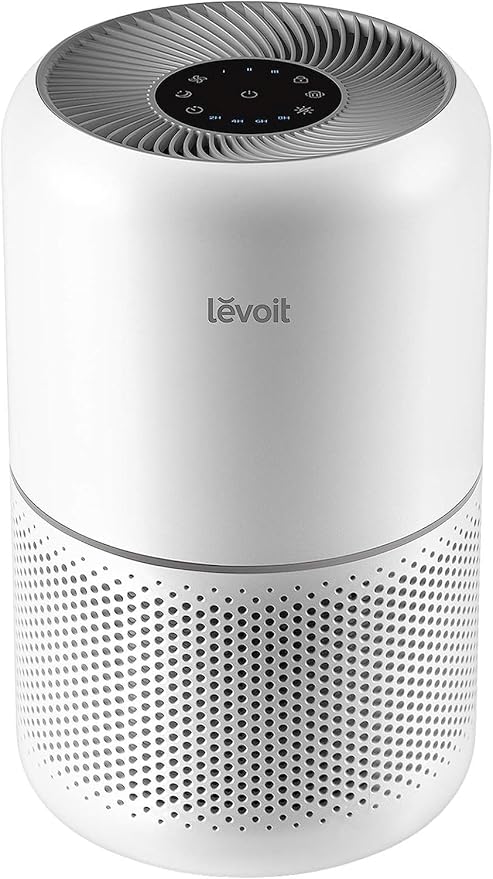 | Levoit Air Purifier | Check Price |
Our Top Picks 2  | Winix 5510 Purifier | Check Price |
Our Top Picks 3  | Coway AP-1512HH | Check Price |
Our Selected Top 12 Hepa Filter Air Purifier for Allergies for Different Needs
This list features a variety of HEPA filter air purifiers designed to reduce allergens in different settings. Each product is evaluated on performance, suitability for various spaces or user needs, and its strengths and limitations, helping readers make an informed choice for allergy relief.
1. Levoit Air Purifier
Running quietly in the background, this air purifier suits anyone needing dependable allergy relief in spaces up to around 1073 square feet. Its biggest strength lies in the AHAM verified HEPA-grade filter combined with a powerful motor that clears pollen, pet dander, and smoke quickly and efficiently.
Setup is straightforward with an AC power source and a simple touch control panel that makes switching modes or setting the timer easy. The 3-in-1 filtration system includes a filter change indicator, so you’re kept in the loop without guessing. A sleep mode drops noise to a quiet 24 dB, perfect for overnight use without disturbing rest.
Performance feels strong with a 56-watt motor pushing 143 CFM CADR air flow, trapping particles as small as 0.3 microns. The build quality is solid and the unit is designed for portability around the home. The most common praise centers on its effective allergy relief, while some note the power consumption is on the higher side compared to smaller purifiers.
The strongest praise comes from its ability to remove fine particles, pet dander, and smoke, creating noticeably cleaner air. The filter change indicator helps prevent guesswork but some find the 56-watt power usage a bit more than expected for a home unit.
Anyone looking for powerful, quiet allergy relief in large rooms will appreciate the consistent cleaning performance. Those seeking ultra-low power consumption or a smaller footprint might want to explore other options better matched to those needs.
Pros
- Quiet operation even in sleep mode
- Effective 3-in-1 filtration tackling multiple allergens
- Easy touch controls and timer
- Large coverage area suitable for big rooms
Cons
- Consumes 56 watts, which is relatively high
- Requires regular filter changes to maintain efficiency
| Specification | Details |
|---|---|
| Power Source | ac |
| Filter Type | 3 in 1 Filtration |
| Floor Area | 1073 square_feet |
| Noise Level | 24 db |
| Wattage | 56 watts |
| Particle Retention Size | 0.3 micron |
2. WINIX 5510 Air Purifier
Great for allergy sufferers, this air purifier covers a large room and traps tiny allergens well. Its strongest feature is the Winix True HEPA filter, which captures 99.99% of particles as small as 0.01 microns, making it ideal for tackling pollen, dust, and pet dander in spaces up to 1,882 square feet.
Setup involves plugging the unit in and connecting to WiFi for voice control with Alexa or Google Assistant, or simple button operation. The washable fine mesh pre-filter catches larger particles, reducing wear on the HEPA filter. Touch controls make daily adjustments quick, and running at 27 dB means it mostly stays quiet while you go about your day.
It performs very efficiently at purifying, covering large areas in short time frames. The build feels solid and functional. Reviews consistently mention the powerful allergen removal, while some users note the unit can be a bit noisy on higher settings and the replacement filters add to upkeep costs.
Strongest praise highlights the efficient allergen removal and large coverage area. Most commonly mentioned complaint is the noise level when running at higher speeds, along with filter replacement expenses.
People looking for a high-performing air purifier for big rooms and allergy relief will appreciate this model. Those wanting an ultra-quiet or low-maintenance option might want to explore other choices.
Pros
- Captures 99.99% of tiny allergens down to 0.01 microns
- Covers rooms up to 1,882 sq ft quickly
- WiFi enabled with voice assistant control
- Washable fine mesh pre-filter extends HEPA life
Cons
- Can be noisy on higher fan settings
- Replacement filters have ongoing costs
| Specification | Details |
|---|---|
| Floor Area | 1881 square_feet |
| Filter Type | HEPA |
| Noise Level | 27 db |
| Particle Retention Size | 0.01 micrometer |
| Control Method | Touch, Amazon Alexa, Google Assistant |
| Wattage | 65 watts |
3. Coway AP-1512HH Air Purifier
Built with a combination of washable pre-filters, a deodorization filter, and a true HEPA filter, the Coway AP-1512HH is designed to clean spaces up to 1,748 sq. ft.
Suiting those who struggle with allergies or indoor odors, its strongest feature is its reliable four-stage filtration system that handles particles as small as 0.3 microns.
Setting it up involves plugging it in and using the touch controls, which are straightforward. The auto mode constantly checks air quality and adjusts the fan speed automatically, so you don’t have to guess when to turn it up. A brightly colored LED air quality indicator provides real-time feedback, making daily use interactive and informative without extra effort.
Performance is solid in reducing allergens, pet dander, cigarette smoke, and odors. The build quality feels sturdy and well thought out, with clear filter life indicators to know when to change filters.
Many appreciate how quiet it runs at just 53.8 dB, though some mention it can be a bit noisy on higher settings.
The purifiers remove a wide range of allergens and odors effectively, and the air quality indicator helps you keep track constantly. Most find it quiet during normal use, although fan noise increases when air pollution is high or during intense cleaning periods.
Anyone living in a medium to large space prone to allergens, pet dander, or smoke will find this device very useful. Those seeking ultra-quiet operation at all times might want to look into other quieter models.
Pros
- Effective four-stage filtration captures 99.97% of particles
- Auto mode adjusts fan based on real-time air quality
- Washable pre-filter extends filter life
- Clear air quality indicator with LED color coding
Cons
- Fan noise noticeable at higher speeds
- Filter replacement can be a regular maintenance task
| Specification | Details |
|---|---|
| Floor Area | 1748 square_feet |
| Filter Type | HEPA |
| Noise Level | 53.8 db |
| Power Source | Corded Electric |
| Wattage | 77 watts |
4. Purivortex PX500 Air Purifier

Quiet operation stands out immediately with this air purifier, making it ideal for allergy sufferers who want fresh air without disruption. It suits medium to large rooms well, quickly filtering the air to remove allergens and common pollutants for a noticeable difference in comfort.
Setup takes only a few minutes with the simple touch controls, letting you start purification fast. Its low 12-watt power consumption means it won’t hike electricity bills.
Night lights provide gentle illumination, and a silent 20dB noise level allows uninterrupted sleep or work without distraction.
Performance-wise, the 3-layer filtration system captures 99.97% of particles down to 0.3 micrometers, tackling pet dander, pollen, and VOCs efficiently. The build feels solid, with a thoughtfully designed filter area that’s 50% larger than some competitors.
One frequent comment is appreciation for its quietness. Some users mention the coverage limit may not suit very large spaces.
The air purifier is praised most for its extremely quiet running noise, which keeps living spaces peaceful during use. Commonly mentioned downsides include uncertainty about the exact floor area it can cover, making it a bit tricky to match perfectly to room size.
People with medium-sized rooms and allergy concerns who value quiet operation will find it a strong fit. Those needing to freshen much larger spaces might want to look for a model with more clearly defined or greater coverage. The low power draw suits energy-conscious users well.
Pros
- Very quiet operation at 20 dB
- Low energy use with 12-watt power
- Effective 99.97% particle filtration
- Easy touch button controls
Cons
- Coverage area may be limited for very large rooms
- Floor area unit not clearly defined
| Specification | Details |
|---|---|
| Power Source | dc |
| Noise Level | 20 dB |
| Wattage | 12 watts |
| Floor Area Coverage | 40.19 (units unclear) |
| Particle Retention Size | 0.3 micrometer |
| Filter Type | HEPA |
5. Air Purifier with HEPA Washable Filters

Need an air purifier that can tackle large spaces and stubborn airborne irritants like pet hair and dander? Designed for bigger rooms up to 2600 ft², this model’s strongest feature is its triple air intake system that accelerates circulation, making the air feel fresher much faster than standard single-inlet purifiers.
Setting it up is straightforward with touch controls that make adjusting settings easy. The washable HEPA filters help cut down ongoing costs and maintenance hassle.
Real-time air quality monitoring through the PM2.5 sensor keeps you informed about the environment, so you always know when the air needs cleaning again. Its quiet operation at just 22 db keeps things peaceful at home or in the office.
The high-efficiency HEPA filter captures 99.97% of particles as small as 0.3 microns, effectively reducing allergens like dust, pet dander, and smoke. The build feels solid and functional, with button controls that stay responsive. While most praise its powerful purification and quiet performance, some note that the unit might be bulkier than expected for smaller spaces.
The purifier delivers a fast and thorough cleaning experience thanks to its triple intake and powerful HEPA filter, with quiet operation praised across reviews. The most frequent issue mentioned is its bulkier size, which might not fit well in compact spaces or aesthetically minimal interiors.
Those looking to refresh large rooms or homes with pets will appreciate this purifier’s wide coverage and pet hair filtration. Smaller room users or those wanting a more compact design should consider alternatives that better fit limited space.
Pros
- Triple air intake for faster room coverage
- Washable HEPA filters reduce replacement costs
- Quiet operation at only 22 db
- Real-time air quality display
Cons
- Larger size may not suit small rooms
- Some find button controls less intuitive
| Specification | Details |
|---|---|
| Filter Type | HEPA |
| Floor Area | 2600 square_feet |
| Noise Level | 22 db |
| Power Source | Corded Electric |
| Wattage | 24 |
| Particle Retention Size | 0.3 micron |
6. Air Purifier for Home Bedroom

Allergy symptoms can be relentless inside the home, especially around dust and pollen. Designed for bedrooms and larger living spaces, this air purifier suits those needing quiet, steady purification over hours.
Its standout feature is a powerful HEPA H13 filter combined with a patented dual-sided air intake system for thorough air cleaning.
Setup involves plugging in and using the easy touch control or hand controller for managing speed and modes. At just 20 decibels, it runs quietly, which is ideal for nighttime use or shared spaces. Maintenance focuses on changing the three-stage filters periodically to keep the purifier operating at its best.
Performance effectively removes common allergens such as dust, pollen, smoke, and odors, handling rooms up to 2200 square feet. Built with certifications like AHAM, CARB, and ETL, it offers reliability and safety compliance.
Users appreciate the quiet operation and thorough filtration, while some note the larger size can take up space.
Many appreciate how quietly it runs while effectively clearing allergens, although the size means it requires a decent amount of space. Its 10-year support and thorough certification add confidence for constant use in sensitive environments.
Highly suitable for people wanting minimal noise and wide coverage in medium to large rooms. Smaller spaces or those wanting a more compact device might consider alternatives with a smaller footprint.
Pros
- Quiet operation at just 20 decibels
- Certified for safety and performance standards
- Supports large floor areas up to 2200 square feet
- Dual-sided air intake for efficient filtration
Cons
- Bigger size can be cumbersome in small rooms
- Filter replacements needed regularly for best output
| Specification | Details |
|---|---|
| Filter Type | HEPA |
| Floor Area | 2200 square_feet |
| Noise Level | 20 db |
| Power Source | ac_dc |
| Wattage | 24 watts |
| Particle Retention Size | 0.3 micrometer |
7. MOOKA Air Purifier

This air purifier covers up to 2200 square feet with a quiet 20 dB noise level, making it perfect for large rooms and people looking to cut down on airborne pet hair and odors. Its powerful multi-sided air intake stands out for improving indoor air quality in spaces with pets and pollution.
Setup involves plugging it in and using the touch controls or hand controller to pick fan speeds or switch on auto mode. The built-in PM2.5 sensor continuously monitors indoor air quality and displays it in real-time, so you can see how clean the air is. Features like child lock, timer settings, and filter reminders add convenience.
The washable H13 HEPA filter cuts down ongoing costs and maintenance time.
Performance shows solid removal of smoke, dust, pollen, and pet dander thanks to a HEPA filter holding particles as small as 0.3 microns. The unit’s larger air inlets make a noticeable difference in pulling more air from multiple directions.
Most praise comes from its quiet operation and effective filtration. A common downside is the size which might not fit smaller spaces easily.
The purifier is praised for quiet yet powerful air cleaning performance in large spaces, while its size is sometimes seen as cumbersome. Users appreciate the detailed monitoring and easy filter maintenance, but wish it was more compact.
Families with pets or living in large, smoky, or pollen-heavy environments get the most from it. Those in small apartments or wanting a more portable unit should look at smaller models instead.
Pros
- Higher air intake from three sides
- Quiet operation at only 20 dB
- Real-time air quality display
- Washable H13 HEPA filter
Cons
- Size may be too large for small rooms
- No information on software updates
| Specification | Details |
|---|---|
| Filter Type | HEPA |
| Floor Area | 2200 square_feet |
| Noise Level | 20 db |
| Power Source | Corded Electric |
| Particle Retention Size | 0.3 micron |
8. PuroAir 240 HEPA Air Purifier

People dealing with allergies in medium to large rooms will find this air purifier useful. It covers up to 1,000 square feet and stands out for filtering a wide range of pollutants quickly.
The strongest feature is its powerful 3-layer filtration system that tackles dust, pollen, smoke, and odors efficiently.
Setup is straightforward with a simple push button control, running quietly at just 22 decibels. The automatic air quality sensor helps you track room air conditions without extra effort. You can use it daily without much noise disruption, and it draws a modest 22 watts of power, making it economical to run all day if needed.
Performance-wise, it captures 99.9% of airborne irritants down to 0.1 microns, which covers allergens and even wildfire smoke particles well. The unit feels solid and built for longevity, though some note occasional filter replacement costs. Its strongest feedback comes from how quickly it freshens the air, while the main complaint is the need for regular filter changes to maintain peak efficiency.
The purifier is praised for quickly improving indoor air quality by capturing a wide range of pollutants, including fine particles down to 0.1 micron. The common drawback mentioned is the ongoing expense and effort of changing filters to keep it at peak performance.
Anyone needing a straightforward, effective purifier for large rooms with allergy concerns will appreciate it. People who want more control options or less maintenance may want to look for other models.
Pros
- Filters up to 99.9% of common indoor pollutants
- Quiet operation at 22 decibels
- Automatic air quality sensor and indicator
- Covers large rooms up to 1,000 sq ft quickly
Cons
- Requires regular filter replacements
- Only button control, no advanced settings
| Specification | Details |
|---|---|
| Power Source | ac |
| Floor Area | 1000 square_feet |
| Noise Level | 22 db |
| Particle Retention Size | 0.1 micron |
| Wattage | 22 watts |
9. Levoit Air Purifier

Levoit Air Purifier stands out with its AHAM VERIFIDE certification, meaning it meets strict standards for air cleaning and energy use. Suited for medium to large rooms, it is particularly helpful for people dealing with allergies, capturing tiny particles down to 0.3 micrometers. Its ability to effectively purify air in spaces up to 222 square feet adds real value.
Setting up the purifier is straightforward thanks to app control and compatibility with Alexa and Google Assistant, allowing you to adjust settings without hassle. The washable pre-filter simplifies maintenance, while the three-stage filter takes care of pollen, dust, pet dander, and odors.
Operating quietly at 25 decibels, it fits comfortably into daily routines without being intrusive.
Performance shines through with nearly five full air changes per hour in relevant room sizes, making it effective against allergens and smoke. The build feels solid and thoughtfully designed for everyday use.
Most feedback praises its strong filtration and quiet operation. The common drawback mentions the power usage at 42 watts as somewhat high for continuous use.
The air purifier receives strong praise for its effective removal of allergens and quiet running, which makes it easy to keep on continuously. The most common complaint concerns its power consumption, which some find higher than expected for long-term use. The washable pre-filter is frequently welcomed for easier upkeep.
Anyone needing reliable allergen reduction in medium-sized rooms will find this purifier a good match. People with much larger spaces or those prioritizing very low energy use might want to consider alternatives better tuned for those needs.
Pros
- Effective air purification for medium-large rooms
- Quiet operation at 25 decibels
- App control and voice assistant compatibility
- Washable pre-filter reduces replacement costs
Cons
- Consumes 42 watts, higher energy use
- Performance tested in rooms up to 222 square feet only
| Specification | Details |
|---|---|
| Filter Type | 3-Stage Filter |
| Floor Area | 1073 square feet |
| Noise Level | 25 db |
| Particle Retention Size | 0.3 micrometer |
| Power Source | ac |
| Wattage | 42 watts |
10. ECOSELF Air Purifier

ECOSELF Air Purifier is designed to tackle allergens effectively, ideal for people struggling with dust, pollen, pet dander, and smoke. Its strongest point is the 360° air intake combined with a powerful 3-stage filtration system that covers large spaces, making it well-suited for homes up to 1,800 sq.
ft.
Setup is straightforward since it’s corded electric and controlled by a simple touch panel. The purifier quietly runs at just 20 dB, making it easy to keep on during sleep without disturbance. Its real-time PM2.5 display and 4-color AQI indicator help you monitor air quality constantly.
The top outlet design encourages good airflow circulation throughout the room.
Performance on capturing common allergens like pet hair, smoke, and pollen is solid because of the layered pre-filter, HEPA, and activated carbon combination. The build feels durable yet lightweight enough to move around when needed.
The smooth, quiet operation gets a lot of praise, but some users mention cleaning the filters can be a little fiddly. It handles daily air care well, especially in allergy-prone environments.
The strongest praise is for its quiet operation and reliable allergen removal in large spaces. The common complaint revolves around the hassle of cleaning the filters, which can take extra time and care.
People living in bigger homes who want continuous allergen control and quiet nights will appreciate this unit. Those looking for a portable or cordless option might want to look for other models.
Pros
- Works quietly with 20 dB sleep mode
- Effective 3-stage filtration system
- 360° air intake covers large rooms
- Real-time air quality display
Cons
- Filter cleaning can be tricky
- No wireless or battery operation
| Specification | Details |
|---|---|
| Floor Area | 1800 square_feet |
| Noise Level | 20 db |
| Power Source | Corded Electric |
| Control Method | Touch Control |
| Filter Type | 3-Stage Filter |
| Wattage | 20 watts |
11. Clorox Air Purifier

Breathing feels significantly cleaner with a Clorox Air Purifier, especially for anyone dealing with allergies or pet dander. It suits rooms up to 1000 square feet and its strongest point is the 3 stage 360° filtration that captures nearly all allergens, particulates, viruses, and bacteria.
Setup involves plugging it in and using the touch panel to control settings, which is straightforward. Daily use is quiet at 30 dB and you can program it for convenience.
The pre-filter handles larger particles like pet hair, the HEPA filter grabs tiny allergens down to 0.1 microns, and the carbon filter helps reduce odors, making it practical for everyday living areas.
Filtration works very well at capturing dust, pollen, pet dander, and more, living up to the claim of removing 99.97% of allergens and 99.9% of viruses and bacteria. The unit feels solid and well-built but is somewhat heavy and uses 120 watts, which could be a concern for power-conscious users. A common complaint is the lack of clarity on software updates despite programmable features.
Most praise focuses on the thorough filtration that clears allergens and viruses efficiently, while a common complaint is the uncertainty about software updates despite being advertised as programmable. Operating quietly and handling large rooms adds to its appeal in everyday use.
People with allergies, pets, or living in larger spaces will appreciate its powerful filtering and odor control. Individuals looking for ultra-low power consumption or guaranteed software support may want to consider other models with those priorities.
Pros
- Captures 99.97% of allergens and particulates
- Three-stage 360° filtration system
- Quiet operation at 30 decibels
- Active carbon filter reduces odors and VOCs
Cons
- Uses relatively high power at 120 watts
- Unclear software update support for programmable features
| Specification | Details |
|---|---|
| Power Source | ac_dc |
| Floor Area | 1000 square_feet |
| Noise Level | 30 db |
| Particle Retention Size | 0.1 micron |
| Wattage | 120 watts |
| Control Method | Touch |
12. Air Purifier with Washable Pre Filters

An effective air purifier that suits medium to large rooms, especially for allergy sufferers. Its strongest point is the washable HEPA pre-filter that cuts down ongoing costs and maintains filtration efficiency without frequent replacements.
Setting it up is straightforward with a touch panel that controls the purifier easily. The dual-sided air intake helps cover more air space, making it fit well in rooms up to 1015 square feet.
Noise stays low at 20 dB, so it runs quietly in the background. Power comes through a standard AC/DC source, using only 24 watts, which is quite energy efficient for daily use.
It handles pollen, dust, and smoke well, backed by an AHAM certification and a solid CADR rating. The build is practical with washable filters, making maintenance simpler.
Most praise focuses on its quiet operation and thorough filtering, while some notes mention that the software update capability remains unclear, which might limit some tech-savvy users.
Strong feedback highlights the low noise during operation and effective filtration across dust, pollen, and smoke. A common complaint centers on the uncertainty around software updates, leaving questions about future feature support.
People needing reliable, quiet air purification in large rooms will appreciate this model. Those expecting frequent software improvements or extensive tech features might look for other options.
Pros
- Washable pre-filter reduces replacement costs
- Quiet operation at just 20 dB
- Cleans rooms up to 1015 square feet
- Easy touch panel control
Cons
- Unclear status on software update support
- Some might want more detailed user instructions
| Specification | Details |
|---|---|
| Filter Type | HEPA |
| Floor Area | 1015 square_feet |
| Noise Level | 20 db |
| Wattage | 24 watts |
| Control Method | Touch |
| Particle Retention Size | 0.3 |
Best HEPA Filter Air Purifiers for Allergies Comparison
| Product | Floor Area | Noise Level | Particle Retention Size | Contaminant Filtration |
|---|---|---|---|---|
| Levoit Air Purifier | 1073 square_feet | 24 db | 0.3 micron | – |
| Winix 5510 Purifier | 1881 square_feet | 27 db | 0.01 micrometer | High |
| Coway AP-1512HH | 1748 square_feet | 53.8 db | 0.3 micron | Cigarette Smoke, Dust, Odors |
| Purivortex PX500 | 40.19 square_feet | 20 db | 0.3 micrometer | 99.97% Filtration |
| HEPA Washable Filter Purifier | 2600 square_feet | 22 db | 0.3 micron | Cigarette Smoke, Dust, Odors |
| Bedroom Home Purifier | 2200 square_feet | 20 db | 0.3 micrometer | Smoke, Dust, Odors, Pollen |
| MOOKA Air Purifier | 2200 square_feet | 20 db | 0.3 micron | Smoke, Dust, Odors, Pollen |
| PuroAir 240 HEPA | 1000 square_feet | 22 db | 0.1 micron | – |
| Levoit Home Purifier | 1073 square_feet | 25 db | 0.3 micrometer | – |
| ECOSELF Air Purifier | 1800 square_feet | 20 db | 0.3 | Smoke, Dust, Odors, Pollen |
| Clorox Air Purifier | 1000 square_feet | 30 db | 0.1 micron | – |
| Washable Pre Filter Purifier | 1015 square_feet | 20 db | 0.3 | Pollen |
- Floor Area1073 square_feet
- Noise Level24 db
- Particle Retention Size0.3 micron
- Contaminant Filtration–
- Floor Area1881 square_feet
- Noise Level27 db
- Particle Retention Size0.01 micrometer
- Contaminant FiltrationHigh
- Floor Area1748 square_feet
- Noise Level53.8 db
- Particle Retention Size0.3 micron
- Contaminant FiltrationCigarette Smoke, Dust, Odors
- Floor Area40.19 square_feet
- Noise Level20 db
- Particle Retention Size0.3 micrometer
- Contaminant Filtration99.97% Filtration
- Floor Area2600 square_feet
- Noise Level22 db
- Particle Retention Size0.3 micron
- Contaminant FiltrationCigarette Smoke, Dust, Odors
- Floor Area2200 square_feet
- Noise Level20 db
- Particle Retention Size0.3 micrometer
- Contaminant FiltrationSmoke, Dust, Odors, Pollen
- Floor Area2200 square_feet
- Noise Level20 db
- Particle Retention Size0.3 micron
- Contaminant FiltrationSmoke, Dust, Odors, Pollen
- Floor Area1000 square_feet
- Noise Level22 db
- Particle Retention Size0.1 micron
- Contaminant Filtration–
- Floor Area1073 square_feet
- Noise Level25 db
- Particle Retention Size0.3 micrometer
- Contaminant Filtration–
- Floor Area1800 square_feet
- Noise Level20 db
- Particle Retention Size0.3
- Contaminant FiltrationSmoke, Dust, Odors, Pollen
- Floor Area1000 square_feet
- Noise Level30 db
- Particle Retention Size0.1 micron
- Contaminant Filtration–
- Floor Area1015 square_feet
- Noise Level20 db
- Particle Retention Size0.3
- Contaminant FiltrationPollen
How to Choose the Right HEPA Air Purifier
Choosing the right HEPA air purifier for allergies depends on factors like filter quality, airflow capacity, and room size compatibility. Selecting a model that efficiently captures allergens and matches your space prevents wasted energy and frequent replacements, ensuring better air quality and long-term savings.
Hepa Filter Quality
One thing that frustrated me early on was buying a purifier that claimed to have HEPA filtering but actually used a HEPA-type filter. True filters catch at least 99.97% of particles down to 0.3 microns, which includes pollen, dust mites, and pet dander. The cheaper HEPA-type versions often miss smaller allergens, making a noticeable difference in relief.
Wearing allergies down with ineffective filters adds to daily discomfort.
Owning a model with a real HEPA filter means a more thorough air clean, and that becomes clear after a few weeks. Replacement frequency depends on use but generally happens every 6 to 12 months.
Easy access to genuine replacement filters can impact whether you keep the purifier working as it should. Look for models with widely available filters and clear instructions on when to swap them out.
Coverage Area and Room Size
Air purifiers come rated for different room sizes, and matching this rating to the actual space in your home matters a lot. A purifier meant for small bedrooms won’t keep the air clean in a large living room effectively. Pay attention to the square footage or cubic feet coverage on the label.
Some manufacturers include the maximum room size for suggested use.
Another crucial factor is air changes per hour (ACH), which tells how many times the air in a room will be filtered completely in an hour. For allergy relief, around 4 to 5 ACH means the machine is doing enough work to reduce allergens noticeably.
Portability also plays a role; units with handles or smaller sizes can move between rooms, fitting better with changing daily needs or room layouts.
Noise Level
Noise can be a big annoyance with air purifiers, especially during the night. I found that some models produce noise levels above 50 decibels even on low settings, making it hard to sleep or concentrate. Quiet or sleep modes often reduce noise to under 30 decibels, which is about the sound of a soft whisper, much less distracting during rest or work.
These noise differences show up particularly with fan speed changes. Higher speeds typically increase noise, but having multiple speed settings allows balancing sound and air cleaning performance. Devices designed with better noise insulation help maintain peace without sacrificing filtration.
Ease of Maintenance
Routine filter replacement and cleaning directly affect how well an air purifier works, but some models make this a chore. I quickly stopped using one where swapping filters involved removing several panels and dealing with hard-to-reach spots. Units designed with simple snap-in filters or pull tabs encourage more frequent upkeep and better results.
Many purifiers now come with indicator lights to alert when a filter needs changing. This feature avoids guessing and prolongs the purifier’s function.
Don’t overlook prefilters or dust catchers, they require periodic washing to stop allergens from accumulating in the machine itself. Regular cleaning helps avoid spreading those particles back into your living space.
Additional Features for Allergy Relief
Removing allergens is important, but odors and chemical pollutants also contribute to indoor discomfort. Some purifiers include activated carbon filters that tackle smells and volatile organic compounds (VOCs) in addition to particles.
Having these multi-stage filters can make a noticeable difference in air freshness.
Air quality sensors that adjust fan speeds automatically are practical for making sure the purifier responds to changes in the environment. Timers and customizable fan settings give control over operation without constant manual input.
These features make using the device more convenient and efficient, fitting better with daily routines.
Optimizing Air Purifier Placement for Maximum Allergy Relief
Placing an air purifier in the right location greatly influences its ability to reduce allergens. It works best in areas where you spend a lot of time, such as bedrooms or living rooms. Keep the unit away from walls or furniture to allow free airflow around it; this prevents the purifier from cycling contaminated air back into the room.
Avoid corners or confined spots, since this limits the machine’s intake and output efficiency. High traffic areas are also suitable as they typically accumulate dust and pollen faster. For rooms larger than the purifier’s recommended capacity, consider using multiple units or moving a single unit between locations periodically.
Regularly close windows and doors during operation to stop outside allergens from entering. These straightforward placement strategies make HEPA filters more effective at capturing airborne particles that trigger allergies.
Essential Maintenance Tips to Prolong Your HEPA Filter’s Efficiency
HEPA filter air purifiers require consistent upkeep to maintain their allergen-trapping capabilities. Cleaning the pre-filter regularly helps to extend the life of the more expensive HEPA filter behind it. A vacuum is usually sufficient for this task and should be done every few weeks, depending on air quality.
Replace the HEPA filter according to the manufacturer’s timeline, which varies but typically ranges from 6 months to a year of use. Waiting too long can reduce airflow and filtering efficiency, causing the purifier to work harder.
Wipe down the exterior and intake grills weekly to prevent dust buildup that can clog the unit. Storing the purifier in a dry place when not in use also protects internal components from moisture damage.
These steps help keep the purifier operating smoothly and effectively through allergy seasons.
Comparing HEPA Air Purifiers with Alternative Allergy-Relief Technologies
HEPA air purifiers focus on trapping airborne particles like pollen, dust mites, and pet dander, which directly affect allergy symptoms. Alternative technologies such as ionic purifiers or ozone generators operate differently; ionic machines charge particles to settle them on surfaces, while ozone devices use gas that can irritate the lungs.
HEPA filters physically capture particles, making them reliable and safe for continuous use. While UV light purifiers aim to kill germs, their effect on allergens is minimal.
Some purifiers combine multiple technologies, but the core allergen removal usually depends on the HEPA filter.
Considering these points, HEPA-based purifiers remain the straightforward choice for consistent allergy relief without introducing additional chemicals or byproducts into the air.
People Also Asked
How Often Should I Replace the HEPA Filter in Air Purifiers?
HEPA filters generally need replacement every 6 to 12 months, depending on usage and air quality. Check the manufacturer’s recommendation and monitor any smell or reduced airflow that indicates it’s time for a new filter.
Can HEPA Air Purifiers Reduce Allergy Symptoms Effectively at Home?
HEPA air purifiers can significantly reduce airborne allergens like pollen, dust, and pet dander at home. Position it close to your main living or sleeping area for better symptom relief.
What Size HEPA Air Purifier Is Suitable for a Bedroom?
A HEPA air purifier with a coverage of about 150 to 250 square feet works well for most bedrooms. Verify the device’s Clean Air Delivery Rate (CADR) to ensure it matches the room size for effective air cleaning.
Are HEPA Air Purifiers Safe for Pets and Children Indoors?
HEPA air purifiers are safe to use around pets and children as they don’t emit harmful gases or ozone. Keep the unit out of reach or secured to prevent pets or kids from tipping it over.
How Do I Clean and Maintain My HEPA Air Purifier Properly?
Regularly vacuum or wipe the exterior and pre-filters to avoid dust buildup. Replace the HEPA filter according to the schedule suggested by the model, and avoid trying to wash HEPA filters as this can damage them.
Conclusion
Choosing the right HEPA filter air purifier for allergies depends mostly on the size of the room where it will be used, the strength and type of the filter, and how noisy the unit might be during operation. These factors affect how well the purifier clears out allergens and how comfortable it will be to keep running daily.
Paying attention to filter replacement costs is also important because that affects long-term maintenance.
Match the purifier’s coverage with your space to avoid underperformance or wasting energy on units too large for your needs. Consider how often you plan to use it to decide on features like auto mode or timer settings. The comparison table and product descriptions above should help you find the right balance of these factors for your situation.