
Top 12 Best Cleaner for Fiberglass Camper You Need Now!
Fiberglass campers tend to accumulate dirt, grime, and stubborn stains that cheap or unsuitable cleaners struggle to remove. The best cleaner for fiberglass camper cuts through layers of road dust without damaging the surface or leaving residue.
Using the wrong product can cause hazy spots or deterioration of the fiberglass finish over time, making cleanup harder and more frequent.
Key factors that distinguish a good fiberglass camper cleaner include a balanced pH level, typically neutral to slightly alkaline, which prevents damage to the gel coat. It should also have biodegradable ingredients to avoid harming seals and rubber parts. Concentration matters too; a cleaner that can be diluted allows for both tough stain removal and gentle routine cleaning, with typical dilution ratios around 1:10 to 1:20.
Need a Quick Check?
| Image | Product | Price |
|---|---|---|
Our Top Picks 1  | BEEST RV Roof Cleaner | Check Price |
Our Top Picks 2  | Meguiars M43 Marine Wash | Check Price |
Our Top Picks 3 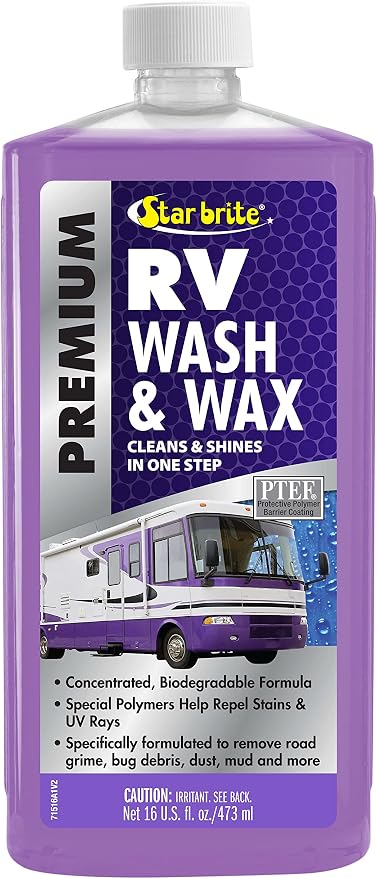 | STAR BRITE Wash & Wax | Check Price |
Our Selected Top 12 Cleaner for Fiberglass Camper Worth Your Money
This list features a variety of effective cleaners designed specifically for fiberglass campers, highlighting their cleaning performance, suitability for different needs, and key advantages and disadvantages. Each review offers clear insights to help choose the best option based on individual preferences and camper care requirements.
1. Roof Cleaner RV Roof Cleaner
Designed specifically for RV roofs, Roof Cleaner RV Roof Cleaner suits anyone looking to maintain fiberglass surfaces with minimal elbow grease. Its standout feature is the built-in UV protection that not only cleans but also helps prevent sun damage that causes cracking and wear over time.
Using the spray on the roof is straightforward: just apply, wait 30–60 seconds, and then lightly scrub before rinsing. The product requires less scrubbing than most cleaners, saving effort without compromising on removing dirt and grime. It fits well into regular maintenance routines to keep the roof looking fresh and protect various materials.
Performance-wise, it effectively lifts grime and buildup, maintaining the appearance and condition of rubber, TPO, PVC, and fiberglass roofs. The formula is safe for these materials when used correctly. Users praise its streak-free finish and the UV protection it offers.
Some find the waiting time before scrubbing a bit inconvenient.
One of the strongest points is how well it cleans without heavy scrubbing while adding UV protection to prevent premature material damage. Some find waiting up to a minute before scrubbing interrupts the cleaning flow.
Anyone aiming for regular preventative maintenance on fiberglass and similar roof surfaces will find this cleaner effective and easy to use. Those looking for a quicker, no-wait cleaner might want to consider alternatives without dwell time.
Pros
- Built-in UV protection for roof longevity
- Requires less scrubbing than similar cleaners
- Safe on multiple common RV roof materials
- Leaves a clean, streak-free finish
Cons
- Needs 30–60 seconds dwell time before scrubbing
- Effectiveness depends on proper use and rinsing
| Specification | Details |
|---|---|
| Item Form | Spray |
| Scent | Unscented |
| Specific Uses For Product | Automotive Exterior |
| Surface Recommendation | Fiberglass |
| Special Features | Streak Free |
2. Meguiars M43 Marine RV Boat Wash
Meguiar’s M43 Marine RV Boat Wash is a gentle yet effective cleaner designed for fiberglass campers, boats, and RVs. Best for those who want a product that cleans thoroughly without damaging wax protection, it shines on gelcoat surfaces by lifting dirt while staying safe for regular use.
Using the liquid wash is straightforward, producing long-lasting suds that stick to the surface, making it easier to scrub away grime without rushing. Being pH-neutral and unscented, it suits sensitive skin and won’t harm aluminum or gel coat finishes during cleaning.
It works smoothly on chairs and other fiberglass parts, so no extra rinsing effort is required beyond the usual.
Cleaning power holds up well against scum and buildup, preserving the wax underneath instead of stripping it off. The main praise highlights how well it protects the shiny finish, helping maintain that fresh look.
Some mention it doesn’t tackle heavy stains as aggressively as harsher detergents, but that’s balanced by its gentle formula.
High marks focus on cleaning dirt and grime without stripping wax or damaging surfaces. Many find it delivers a streak-free shine every wash. On the flip side, some users note it doesn’t remove very tough stains as well as stronger detergents might.
People who regularly clean fiberglass campers and want to preserve their wax will be satisfied with this wash. Those needing a deeper, stronger clean for stubborn buildup may want to look for a more aggressive cleaner.
Pros
- pH-balanced to protect wax layers
- Long-lasting suds for thorough cleaning
- Safe on fiberglass gel coat and aluminum
- Unscented for sensitive users
Cons
- Less effective on heavy stains and tough grime
- Limited scent options for personal preference
| Specification | Details |
|---|---|
| Item Form | Liquid |
| Scent | Unscented |
| Specific Uses For Product | Boat and RV Wash |
| Surface Recommendation | Chairs |
| Special Features | PH Neutral |
3. STAR BRITE RV Wash & Wax Concentrate
Gentle on fiberglass yet powerful enough to cut through grime, the STAR BRITE RV Wash & Wax Concentrate suits anyone who wants a thorough clean and added protection in one step. It stands out for combining cleaning and waxing, making maintenance quicker for your camper’s exterior.
Mixing just a few capfuls with water gets you a cleaning solution that’s easy to work with and stretches far. Its blueberry scent is a nice touch, not overpowering during use.
Safe on glass, trim, and decals too, so no worries about harming different surfaces while washing the camper.
It handles road dirt, exhaust stains, and general buildup effectively while leaving a noticeable shine. The added UV protection keeps surfaces from fading, which is a definite plus for outdoor gear.
Some find the scent a bit artificial, but most appreciate how economical it feels given how little product is needed.
Users appreciate how well the wash removes tough grime while leaving a shiny finish and UV protection on the camper’s fiberglass. The most common complaint is the scent, which some find a little artificial compared to more neutral cleaners.
People looking for a reliable cleaner that also adds wax and UV defense will find this product fits well. Those sensitive to strong scents or preferring ready-to-use formulas might want to explore other options instead.
Pros
- One-step cleaner and wax combo
- Safe for all RV exterior surfaces
- Concentrated formula saves product
- UV protection to prevent fading
Cons
- Scent may feel artificial to some
- Requires dilution before use
| Specification | Details |
|---|---|
| Item Form | Liquid |
| Scent | Blueberry |
| Specific Uses For Product | Wash |
| Special Features | Concentrated |
4. STAR BRITE Instant Hull Cleaner

Powerful stain removal makes this cleaner a solid choice for anyone with a fiberglass camper dealing with tough marks. Its gel formula clings well to surfaces, helping dissolve rust and other stubborn stains without harsh chemicals.
Using the spray gel is straightforward. It sticks firmly where applied, which is especially helpful on vertical or uneven camper surfaces.
Since it uses oxalic acid instead of harsher acids, it feels safer to handle and doesn’t have an overpowering scent, making regular cleaning less unpleasant.
It quickly dissolves rust, dried fish blood, and plant stains on fiberglass and painted surfaces. The gel’s cling time ensures the cleaner stays put for effective action.
Most people appreciate how powerful yet user-friendly it is. On the downside, some find that repeated applications are necessary for very stubborn stains, which can extend cleaning time.
The gel sticks well and performs strongly at removing difficult stains like rust and dried blood. Many find it easier and safer to work with than stronger acid cleaners. However, tough stains sometimes demand several treatments, which can take extra time.
Anyone looking for a powerful but safer hull cleaner that works well on painted fiberglass will find this useful. Those needing a product for bare fiberglass or other materials might want to look elsewhere for a more tailored solution.
Pros
- Gel formula stays on angled surfaces
- Effectively removes rust and organic stains
- Uses safer oxalic acid
- Unscented for more pleasant use
Cons
- May require multiple applications on tough stains
- Not specifically designed for non-painted surfaces
| Specification | Details |
|---|---|
| Item Form | Spray |
| Scent | Unscented |
| Specific Uses For Product | Boat Hull Cleaner |
| Surface Recommendation | Painted Surface |
| Special Features | Gel Spray Clings to Surfaces |
5. 303 RV Wash & Seal

Liquid formula designed specifically for plastic surfaces makes it perfect for keeping fiberglass campers clean. Ideal for anyone wanting a gentle yet effective wash that protects as it cleans.
Its standout feature is the UV protection that helps preserve paint from sun damage, making it a great choice for summer adventures.
Mixing one ounce into a five-gallon bucket is straightforward and doesn’t require complicated tools. The high-foam wash spreads easily with a mitt or brush, thoroughly lifting dirt and grime without scrubbing too hard.
Rinsing off is simple too, with no residue or streaks left behind, so preparation for the next trip is quick.
The product effectively delivers a deep clean while leaving a shiny finish that doesn’t strip wax or coatings. Built with a pH-neutral, non-abrasive formula, it treats fiberglass surfaces gently. Many appreciate the streak-free shine and UV protection; the most common downside mentioned is that it doesn’t have a fragrant scent, which some might expect.
Cleaning results in a shiny, streak-free finish that protects paint well from UV damage, which is praised the most. Some users find the lack of any scent to be a downside. The process involves mixing rather than ready-to-use convenience, which may not suit every preference.
People seeking gentle care for their fiberglass camper without harsh chemicals will appreciate this product. Those looking for a quick-use wash with a fresh scent might look elsewhere. It fits well with campers that stay outdoors, exposed to sun and dirt, needing reliable protection over time.
Pros
- Gently cleans without stripping wax or coatings
- Provides UV protection against paint fading
- High-foam formula for thorough dirt removal
- Streak-free shine after rinsing
Cons
- Lacks any fragrance or scent
- Requires measuring and mixing before use
| Specification | Details |
|---|---|
| Item Form | Liquid |
| Scent | Unscented |
| Specific Uses For Product | Bottle |
| Surface Recommendation | Plastic |
6. Black Streak Remover RV Cleaner

Black Streak Remover RV Cleaner tackles one specific problem: stubborn black streaks on fiberglass camper sides. Ideal for camper users facing rain runoff and grime, its main advantage is how effortlessly it removes streaks without scrubbing.
Using it is straightforward: spray directly onto the camper sidewall, wait about 30 to 60 seconds, then wipe clean. It works wet during a full wash or waterless for spot treatments when water isn’t nearby.
The spray form and unscented formula make it comfortable to use anytime without harsh smells or extra tools.
It cleans black streaks effectively, especially on fiberglass and painted sidewalls where streaks show up most. Its build suits RV exteriors well, requiring minimal effort.
While many appreciate no scrubbing is needed, some note it doesn’t always completely erase the toughest streaks on the first try.
Many find it very effective for removing black streaks quickly and without scrubbing, which saves a lot of elbow grease. Some users notice it doesn’t always get rid of the deepest stains on the first try and might require repeat treatment.
Those who want a simple, targeted black streak cleaner for fiberglass camper sides will be happy with this product. People looking for an all-around exterior cleaner or something for heavier grime might want to look elsewhere.
Pros
- Works wet or without water
- Removes black streaks without scrubbing
- Designed specifically for fiberglass RV sides
- Unscented, no strong smells
Cons
- May need multiple applications on heavy streaks
- Only targets black streaks, not all dirt types
| Specification | Details |
|---|---|
| Item Form | Spray |
| Scent | Unscented |
| Specific Uses For Product | Automotive Exterior |
| Surface Recommendation | Fiberglass |
| Special Features | Streak Free |
7. STAR BRITE Instant Hull Cleaner

Strong stain removal power makes STAR BRITE Instant Hull Cleaner a great pick for anyone needing deep cleaning on fiberglass campers and boats. Its key advantage is tackling tough stains like rust and dried fish blood without harsh chemicals, appealing to those who want effective yet gentler cleaning solutions.
Using the cleaner is straightforward, just apply the liquid directly to the stained surface such as fiberglass or painted areas. Its oxalic acid base works quickly, so there’s no long scrubbing involved.
There’s no scent to worry about, which keeps the cleaning process more comfortable compared to stronger-smelling acids.
It excels at wiping out stubborn marks like rust and grass stains without damaging fiberglass, fitting perfectly for marine and camper upkeep. The formula feels balanced, powerful but safer on materials than stronger acids. While many appreciate the fast action and safety, a few mention it may require repeated applications for extremely tough spots.
Cleaning happens quickly with the oxalic acid formula that breaks down tough stains efficiently while being less harsh on surfaces. Many find the product safe and fast-acting, though some note it might take more than one treatment on especially stubborn spots to get everything fully clean.
Those who want a stain remover specifically tailored for marine and fiberglass campers will appreciate how gentle yet effective it is. Users looking to clean non-marine materials or seeking an all-purpose cleaner might want to explore other options better suited to those needs.
Pros
- Removes tough stains including rust and fish blood
- Safe on fiberglass and painted surfaces
- Unscented and easy to apply liquid form
- Uses gentler oxalic acid formula
Cons
- May need multiple applications for very stubborn stains
- Not designed for non-marine surfaces
| Specification | Details |
|---|---|
| Item Form | Liquid |
| Scent | Unscented |
| Specific Uses For Product | Boat cleaning |
| Surface Recommendation | Fiberglass, metal, painted surfaces |
| Special Features | Fast-acting, Safe for fiberglass, Removes tough stains |
8. BEEST RV Roof Cleaner

Cleaning a fiberglass camper roof can feel like a tough chore, especially when dirt and buildup stick stubbornly. An effective cleaner that won’t damage the surface or solar panels is crucial for anyone who wants to keep their camper in good shape with minimal fuss. BEEST RV Roof Cleaner fits the bill as a powerful yet safe solution for these needs.
Working with BEEST requires a simple setup since it comes in liquid form and is concentrated, so a little goes a long way. The fresh scent keeps the process from feeling too chemical-heavy.
It tackles a variety of grime types like pollen, moss, and grease without requiring harsh scrubbing. Prepping the surface before applying primer or coating becomes much easier with this step in place.
The formula excels at breaking down tough dirt and stains without causing harm to rubber roofs or siding, which speaks to its careful balance between strength and safety. Many appreciate how well it dissolves buildup for a thorough clean.
Some users note that because it’s concentrated, measuring the right amount is important to avoid waste. It works best when used as part of a cleaning and coating routine.
Many find the cleaner’s ability to dissolve heavy dirt and buildup impressive, and appreciate how it does so without harming sensitive surfaces like solar panels and siding. A common drawback is that its concentrated nature means you have to be mindful when mixing to avoid using too much product.
This cleaner suits anyone who needs a strong but gentle solution specifically for camper roofs and wants to keep up a full cleaning and coating routine. People looking for an all-around exterior cleaner or something less concentrated may want to explore other options.
Pros
- Effectively removes dirt, pollen, moss, and grease
- Safe for RV rubber roofs and solar panels
- Concentrated formula reduces waste
- Fresh scent makes cleaning more pleasant
Cons
- Concentration requires careful measuring
- Not meant for surfaces other than roofs
| Specification | Details |
|---|---|
| Item Form | Liquid |
| Scent | Fresh |
| Specific Uses For Product | Roof |
| Surface Recommendation | Roof |
| Special Features | Concentrated |
9. RV Shower Cleaner Spray

Spraying on and quickly wiping off makes cleaning straightforward with this RV Shower Cleaner Spray. It suits anyone looking to remove soap scum and buildup on plastic surfaces inside camper showers or bathrooms.
The strongest point is how it tackles grime with a simple spray-and-wipe routine.
Applying the cleaner involves just spraying enough to cover the area, then waiting a few seconds without letting it dry out. Wiping or scrubbing with a sponge or soft brush, followed by a thorough rinse, completes the process.
The lemon-scented liquid is designed specifically for plastic surfaces and is safe for RV plumbing when rinsed properly, making routine cleaning manageable.
Performance-wise, it does a solid job removing soap scum and body oils typical inside campers. The spray bottle is straightforward and easy to handle.
Some say the cleaner might require repeating on tough grime, which can take a bit longer. It isn’t recommended for marble or natural stone, limiting use in some camper bathrooms.
Most people find it removes common shower grime well with just spraying and wiping, though some notice heavier buildup can require repeating the process with scrubbing. Its safety for RV plumbing is a clear benefit but the warning against use on natural stone limits versatility.
This cleaner works great for people with RVs who mostly have plastic shower surfaces and want an easy-to-use citrus-scented spray. Those with marble or stone fixtures should consider alternatives designed for their materials.
Pros
- Effective on soap scum and body oils
- Safe for RV plumbing and holding tanks
- Citrus scent leaves fresh smell
- Simple spray application
Cons
- Not safe for marble or natural stone
- May need repeated application for heavy buildup
| Specification | Details |
|---|---|
| Item Form | Liquid |
| Scent | Citrus |
| Specific Uses For Product | Bathtub |
| Surface Recommendation | Plastic |
| Special Features | All Purpose |
10. Liquid Rubber RV Rubber Roof Cleaner

Perfect for anyone with an RV or who enjoys camping, this cleaner is effective on fiberglass and also works on EPDM rubber roofs and metal. What stands out most is its natural citrus-based formula that tackles stains quickly without harsh chemicals.
Application is straightforward, similar to painting. You can use a scrub brush, stiff bristle broom, or even a large garden sprayer to cover about 200 to 400 square feet per gallon.
The unscented liquid spreads easily and cleans without leaving harmful residues or needing special ventilation.
It effectively removes stains and restores surfaces without using VOCs, acids, chlorine, or bleach. Hydrogen peroxide plays a key role in the cleaning power. The main praise is its fast-acting nature, while some find the need for physical scrubbing a bit labor-intensive depending on the stain severity.
Fast stain removal stands out as the biggest advantage, helped by its hydrogen peroxide ingredient. Many mention having to scrub to get rid of stubborn stains, which can be tiring depending on how dirty the roof or surface is.
This cleaner suits people who want a natural, chemical-free product for RV or camper surfaces and don’t mind some effort in application. Those seeking a completely no-scrub solution or who need precise coverage might look at other options.
Pros
- Natural citrus based cleaner
- No VOCs, acid, chlorine, or bleach
- Works on multiple surfaces
- Easy to apply by brush or sprayer
Cons
- Requires physical scrubbing to remove tough stains
- Coverage varies widely based on application method
| Specification | Details |
|---|---|
| Item Form | Liquid |
| Scent | Unscented |
| Special Ingredients | Hydrogen Peroxide |
| Specific Uses For Product | RV Roof |
| Surface Recommendation | Concrete |
11. Bio-Kleen Fiberglass Cleaner

Bio-Kleen Fiberglass Cleaner stands out with its biodegradable formula tailored specifically for fiberglass surfaces like campers and boats. Its lemon scent offers a fresh cleaning experience, making it suitable for those who want an eco-friendly and effective solution without harsh chemicals.
Using it daily is straightforward since it comes in liquid form, making application easy. The size and weight, 10 pounds in a 12.0L x 7.0W x 7.0H-inch package, are manageable for regular use and storage. Designed for multiple uses like grout and tile, it’s versatile but truly shines on fiberglass, allowing you to maintain a clean camper exterior with minimal effort.
Performance-wise, the cleaner does a solid job removing grime typical on fiberglass without scrubbing hard. The product is praised for its gentle yet effective cleaning power. One recurring downside is the weight of the container which could be cumbersome to handle during prolonged cleaning sessions.
The lemon scent is generally liked but might not appeal to everyone.
Many find the cleaner’s performance solid with a pleasant lemon smell that doesn’t overpower, while others mention the container’s weight as a handling challenge during cleaning. It cleans well without harsh chemicals and stands out for those prioritizing eco-friendliness.
People wanting an effective, environmentally safe fiberglass cleaner will appreciate this product. Those needing a lighter, more portable option or scent-free cleaner might want to consider alternatives.
Pros
- Effective on fiberglass surfaces
- Biodegradable and eco-friendly formula
- Fresh lemon scent
- Multipurpose for grout and tile too
Cons
- Heavy 10-pound container
- Lemon scent may not suit everyone
| Specification | Details |
|---|---|
| Item Form | Liquid |
| Scent | Lemon |
| Specific Uses For Product | Boat, Grout, Sink, Tile |
| Surface Recommendation | Fiberglass |
| Special Features | Biodegradable |
| Item Package Weight | 10.0 Pounds |
12. Bio-Kleen Fiberglass Cleaner

Bio-Kleen Fiberglass Cleaner stands out for its strong clinging spray-on gel that really gets deep into fiberglass surfaces. Ideal for anyone wanting a cleaner that stays put and works hard instead of dripping away, it’s especially suited for campers that need a thorough but gentle touch.
Applying the gel is straightforward since it clings to vertical and curved surfaces, which means less wiping and fussing during cleaning. The spray-on formula helps it stick long enough to penetrate grime without quickly running off, making it easier to cover large areas. There’s no complicated prep, just spray it on and let it work its way in before rinsing off.
Cleaning power is solid thanks to the increased surface penetration that tackles embedded dirt more effectively than typical cleaners. The gel texture gives confidence that the cleaner won’t drip away prematurely.
Reviews often praise how well it lifts grime, but some note it can take a bit more elbow grease on very tough stains or in textured areas.
Reviews highlight how the gel stays put and effectively gets dirt out of fiberglass pores, but many mention it needs extra effort on tougher grime. It’s praised for working deeper than sprays that run off too quickly.
This cleaner suits anyone with fiberglass campers who want a product that sticks and cleans well without drips. Those seeking quick, no-scrub action or with heavily textured surfaces might prefer alternatives.
Pros
- Gel formula clings well to surfaces
- Improves cleaning by deeper penetration
- Easy application with spray nozzle
Cons
- Requires some scrubbing on stubborn stains
- May be slower acting on textured fiberglass
| Specification | Details |
|---|---|
| Type | Clinging spray on gel |
| Surface penetration | Increased |
Best Cleaners for Fiberglass Camper Comparison Table
| Product | Specific Uses For Product | Surface Recommendation | Special Features | Scent |
|---|---|---|---|---|
| BEEST RV Roof Cleaner | Automotive Exterior | Fiberglass | Streak Free | Unscented |
| Meguiars M43 Marine Wash | Boat and RV Wash | Chairs | PH Neutral | Unscented |
| STAR BRITE Wash & Wax | Wash | – | Concentrated | Blueberry |
| STAR BRITE Hull Cleaner | Boat Hull Cleaner | Painted Surface | Gel Spray Clings | Unscented |
| 303 RV Wash & Seal | Bottle | Plastic | DIRECTIONS Add 1oz | Unscented |
| Black Streak Remover | Automotive Exterior | Fiberglass | Streak Free | Unscented |
| STAR BRITE Instant Cleaner | Boat cleaning | Fiberglass, metal, painted | Fast-acting, tough stains | Unscented |
| BEEST Roof Cleaner | Roof | Roof | Concentrated | Fresh |
| RV Shower Cleaner Spray | Bathtub | Plastic | All Purpose | Citrus |
| Liquid Rubber Roof Cleaner | RV Roof | Concrete | Hydrogen Peroxide | Unscented |
| Bio-Kleen Fiberglass Cleaner | Boat, Grout, Sink, Tile | Fiberglass | Biodegradable | Lemon |
| Bio-Kleen Fiberglass Cleaner Pro | – | – | Clinging spray gel | – |
- Specific Uses For ProductAutomotive Exterior
- Surface RecommendationFiberglass
- Special FeaturesStreak Free
- ScentUnscented
- Specific Uses For ProductBoat and RV Wash
- Surface RecommendationChairs
- Special FeaturesPH Neutral
- ScentUnscented
- Specific Uses For ProductWash
- Surface Recommendation–
- Special FeaturesConcentrated
- ScentBlueberry
- Specific Uses For ProductBoat Hull Cleaner
- Surface RecommendationPainted Surface
- Special FeaturesGel Spray Clings
- ScentUnscented
- Specific Uses For ProductBottle
- Surface RecommendationPlastic
- Special FeaturesDIRECTIONS Add 1oz
- ScentUnscented
- Specific Uses For ProductAutomotive Exterior
- Surface RecommendationFiberglass
- Special FeaturesStreak Free
- ScentUnscented
- Specific Uses For ProductBoat cleaning
- Surface RecommendationFiberglass, metal, painted
- Special FeaturesFast-acting, tough stains
- ScentUnscented
- Specific Uses For ProductRoof
- Surface RecommendationRoof
- Special FeaturesConcentrated
- ScentFresh
- Specific Uses For ProductBathtub
- Surface RecommendationPlastic
- Special FeaturesAll Purpose
- ScentCitrus
- Specific Uses For ProductRV Roof
- Surface RecommendationConcrete
- Special FeaturesHydrogen Peroxide
- ScentUnscented
- Specific Uses For ProductBoat, Grout, Sink, Tile
- Surface RecommendationFiberglass
- Special FeaturesBiodegradable
- ScentLemon
- Specific Uses For Product–
- Surface Recommendation–
- Special FeaturesClinging spray gel
- Scent–
How to Choose the Best Fiberglass Camper Cleaner
Choosing an effective cleaner for fiberglass campers depends on its ability to remove dirt and stains without damaging the surface. Selecting a product that is gentle yet powerful helps maintain the camper’s appearance and prevents costly repairs, saving both time and money in the long run.
Cleaning Effectiveness
Dirt and grime on fiberglass can build up quickly, especially after traveling through dusty or rainy conditions. Mildew stains and oxidation often settle into the surface, making the camper look dull and neglected.
A cleaner that doesn’t fully tackle these contaminants forces repeated scrubbing, which can be frustrating and time-consuming.
Products that remove both surface dirt and deeper stains without harming the finish make maintenance straightforward. It’s important the cleaner handles oxidation and mildew effectively without leaving behind residues.
Look for formulations that specifically list these contaminants on the label and mention compatibility with gelcoat finishes. Strong cleaners that avoid dulling or etching keep the surface smooth and shiny over time, so the work isn’t wasted after a single wash.
Safety and Surface Compatibility
Fiberglass campers often feature a mix of painted, gelcoated, and untreated areas, all of which react differently to chemicals. Harsh cleaners can cause fading, discoloration, or even surface damage over time.
That can ruin the look and possibly reduce the camper’s value.
Choosing a product with gentle, pH-balanced ingredients designed for these different finishes prevents unwanted side effects. Several formulas use biodegradable, non-toxic components that are better for the environment and safer to use around kids and pets.
This reduces worries about harsh chemical fumes or skin irritation while cleaning. Checking labels for safe usage across multiple types of fiberglass finishes helps avoid costly mistakes.
Ease of Application
Some fiberglass cleaners require diluting before use, which adds to pre-cleanup time and demands careful measuring. Others might need rinsing after application, which can be difficult when water access is limited.
The application form, spray, wipe, foam, or gel, directly influences how easy it is to spread and scrub.
A spray-on formula that doesn’t require dilution or complicated tools often speeds up the cleaning process. Foams or gels stick better to vertical surfaces, giving the product time to break down grime more thoroughly.
Ideally, the cleaner sits on the surface only a few minutes before wiping or rinsing, balancing effectiveness with time efficiency.
Durability and Protection
A good cleaner not only removes dirt but leaves a protective barrier that reduces how quickly grime sticks next time. This protective layer helps against UV rays, which degrade fiberglass and cause yellowing or chalking over time. Without this feature, surfaces tend to lose their shine faster and require more frequent washing.
Resistance to water spots and streaks after cleaning also matters. This prevents unsightly marks from drying water droplets, especially noticeable on camper roofs and sides.
Products that maintain a clean look for several weeks reduce the cleaning frequency, saving effort and product over time.
Packaging and Quantity
Cleaning large camper surfaces demands adequate product volume, but buying too much can mean wasted storage space during trips. Smaller bottles are convenient but require frequent repurchase. A range of size options, anything from 16-ounce bottles to gallon jugs, fits different needs based on how often the camper gets cleaned.
Packaging that minimizes spills and fits securely on shelves or in storage compartments adds convenience. Bottles with secure caps or spray tops help avoid messes during transport.
Concentrated formulas allow dilution, extending the product’s life and reducing overall weight carried on the road.
Effective Techniques for Cleaning Tough Stains on Fiberglass Campers
Stubborn stains on fiberglass campers often respond well to a combination of gentle scrubbing and the right cleaning solution. Use a soft-bristle brush or a non-abrasive sponge to avoid scratching the surface. Applying a cleaner specifically made for gelcoat or fiberglass helps break down dirt without damaging the finish.
For areas with mildew or mold, a diluted solution of household bleach and water can be effective, but rinse thoroughly to prevent discoloration.
Steps to clean tough stains:
- Rinse the camper with water to remove loose dirt
- Apply the cleaner directly to the stained area
- Gently scrub with a soft brush or sponge
- Let the cleaner sit for a few minutes to loosen grime
- Rinse thoroughly to avoid residue buildup
This approach prevents surface damage and improves stain removal without harsh scrubbing or strong chemicals.
Comparing Natural vs. Chemical Cleaners for Fiberglass Surfaces
Natural cleaners like vinegar or baking soda offer mild cleaning power and are less likely to harm the fiberglass surface or the environment. They work best for light dirt and daily maintenance but may struggle with heavy grime or grease. Chemical cleaners designed for fiberglass tend to contain surfactants and mild abrasives that remove stains more effectively and quickly.
Considerations:
- Natural cleaners are gentle but sometimes require more effort and repeated application
- Chemical cleaners can handle tougher stains but require careful rinsing to avoid residue
- Check the product label for compatibility with gelcoat finishes to prevent damage
- Use gloves and protective eyewear when using stronger chemical products
Choosing between these depends on the stain’s severity and your preference for environmental impact versus efficiency.
Common Mistakes to Avoid When Maintaining Your Fiberglass Camper
Many people with fiberglass campers unintentionally damage them by using harsh abrasives like steel wool or stiff brushes that scratch the gelcoat. Avoid strong acids or alkaline cleaners not meant for fiberglass; they can dull or etch the surface. Pressure washers seem convenient but, if set too high, can strip protective coatings and force water under seams, leading to leaks.
Common mistakes to avoid:
- Using abrasive cleaning pads that scratch the surface
- Applying cleaners not specified for fiberglass or gelcoat finishes
- Not rinsing off chemical cleaners thoroughly, leaving residue
- Overusing pressure washers or using them too close to the surface
- Ignoring regular maintenance, which turns minor grime into stubborn stains
Following gentle cleaning methods and proper product use preserves the camper’s appearance and prevents costly repairs.
People Also Asked
How Do I Clean a Fiberglass Camper Without Damaging It?
Use a mild, non-abrasive cleaner specifically designed for fiberglass surfaces to avoid damage. Rinse thoroughly with water and avoid harsh scrubbing that can scratch the gel coat.
What Size Cleaner Is Ideal for a Fiberglass Camper Surface?
A one-gallon size cleaner is usually sufficient for a full camper, providing enough product for several cleaning sessions. Smaller sizes might be more convenient for touch-ups or spot cleaning.
Are Fiberglass Camper Cleaners Safe for Pets and Children?
Many fiberglass cleaners are safe for pets and children once dry, but it is important to check the label for any warnings. Keep pets and kids away during application and until the surface is completely dry.
How Long Does a Typical Fiberglass Camper Cleaner Last After Opening?
Most fiberglass cleaners maintain effectiveness for about 12 months after opening if stored in a cool, dry place with the lid tightly sealed. Use the cleaner within this time frame to ensure optimal results.
Can I Use Regular Household Cleaners on My Fiberglass Camper?
Regular household cleaners can strip wax or damage the finish of a fiberglass camper, so it is best to avoid them. Stick to cleaners labeled for use on fiberglass to maintain the surface condition.
Conclusion
Choosing a cleaner for a fiberglass camper comes down to how well it removes dirt without damaging the surface, whether it handles stubborn stains, and how easy it is to rinse off. Some cleaners work better on older fiberglass, while others are more suited for routine maintenance. Concentrate on these points to keep the camper looking good without extra effort or expense.
Pick a cleaner that fits your storage space and how often you’ll do the cleaning. Choosing smaller bottles can help reduce waste when you only clean occasionally.
For regular use, larger quantities could save money in the long run. Check the comparison table and the detailed options above to find the one that suits your needs best.