
Top 12 Best Water Filter for Fluoride Removal You Need Now
Trying to remove fluoride from drinking water with a cheap filter often leads to disappointing results. Many standard water filters reduce chlorine and sediments but do little to lower fluoride levels, leaving a chemical taste and concern about water quality. The best water filter for fluoride removal uses specific media like activated alumina or bone char, which effectively bind fluoride ions and improve both taste and safety.
The main factors that separate an effective fluoride filter from a poor one include the filtering material, water flow rate, and cartridge capacity. Activated alumina typically requires a contact time of at least 3-5 minutes to adsorb fluoride efficiently.
A good filter should also have a manageable size for your sink or fridge and be easy to replace or clean to maintain consistent performance. Filters with NSF certification for fluoride reduction offer additional assurance of safety and results.
Need a Quick Check?
| Image | Product | Price |
|---|---|---|
Our Top Picks 1  | Clearly Filtered Pitcher | Check Price |
Our Top Picks 2 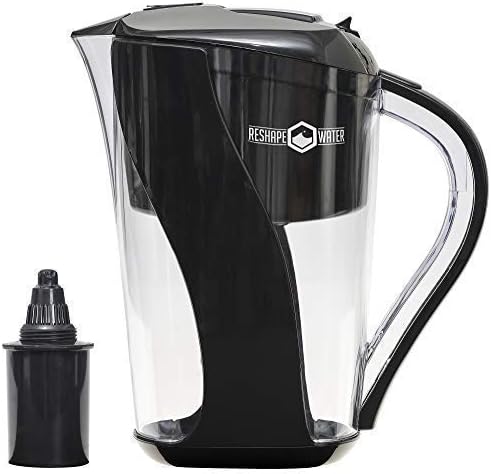 | Basic 10-Cup Pitcher | Check Price |
Our Top Picks 3  | Epic Pure XP Pitcher | Check Price |
Our Selected Top 12 Water Filter for Fluoride Removal for Different Needs
This list features a variety of water filters designed to effectively reduce fluoride from your drinking water. Each review explains how well the filter performs, highlights its main advantages and limitations, and identifies the ideal user or situation for the product.
1. Clearly Filtered Water Filter Pitcher
Great for anyone wanting thorough filtration of tap water, this pitcher targets fluoride along with a long list of contaminants. Its main strength lies in removing a vast range of harmful substances while keeping beneficial minerals intact, making it suitable for health-conscious users who want clean, safe water without losing essential elements.
Setup involves simply filling the pitcher and placing it on your countertop, no power or installation needed. The manual pouring design is convenient and typical for pitchers, making it easy to use daily without fuss.
Filters last about four months, so changing them periodically is straightforward and keeps the water fresh and clean.
The filtration technology is designed to remove over 386 contaminants at very high rates, including fluoride and microplastics, which most filters miss. The pitcher is sturdy and holds up well under regular use.
Users appreciate the extensive contaminant removal, but some note that the pitcher’s size may require frequent refills depending on household consumption.
Many users appreciate the wide range of contaminants removed, especially fluoride, while also liking that good minerals stay in the water. Some mention the pitcher’s capacity requires frequent refilling, which can interrupt use during busy times.
People focused on effective fluoride removal and extensive contaminant protection will find this pitcher well-suited. Those needing larger daily water volumes or very high capacity containers might want to consider alternative options.
Pros
- Targets over 386 contaminants including fluoride
- Retains beneficial minerals essential for health
- Manual countertop pitcher with simple setup
- Filter lasts for about four months
Cons
- Requires regular refills for larger households
- Pitcher size might be smaller than some expect
| Specification | Details |
|---|---|
| Purification Method | Affinity Filtration |
| Filter Life Cycle | 4 months |
| Installation Type | Countertop |
| Supported Water TDS Level Maximum (PPM) | 500 |
| Container Type | Pitcher |
| NSF/ANSI Standards Compliance | 42, 53, 401, 473 |
2. Water Filter Pitcher 10 Cup
Made from heavy-duty ABS plastic, this 10-cup pitcher suits anyone looking for an affordable, countertop fluoride filter. Its biggest strength lies in long-lasting filters that remove fluoride and other contaminants while keeping replacement costs relatively low.
Setup is straightforward, with no installation needed, just fill the pitcher from your faucet. The filter lasts up to 75 days, managing about 300 liters before needing replacement. It uses activated carbon along with other filtering materials that also help alkalize the water, making it a practical daily solution without complicated maintenance.
Filtering performance covers fluoride, chlorine, lead, and VOCs effectively, based on independent US lab testing and SGS certification. Solid construction makes the pitcher durable for regular use. Most praise highlights the filter’s affordability, while the common complaint concerns the limited 75-day filter lifespan before replacement.
The filter is praised for its cost-effectiveness and strong removal of several contaminants, but many note the inconvenience of having to replace filters roughly every two and a half months. It does a good job cleaning tap water quickly without any complex setup.
Those who want a simple, affordable pitcher for moderate fluoride and contaminant removal will be satisfied. Anyone with very hard or highly contaminated water beyond 300 ppm TDS might need a different filtration system better suited to tougher conditions.
Pros
- Filters reduce fluoride, chlorine, lead, and VOCs
- BPA-free and independently lab tested
- Filter replacement costs 25%–33% less than similar pitchers
- Alkalizes water within minutes
Cons
- Filter needs replacement every 75 days
- Not suitable for water with TDS above 300 ppm
| Specification | Details |
|---|---|
| Filter Life Cycle | 75 days |
| Container Type | Pitcher |
| Purification Method | Activated Carbon |
| Supported Water TDS Level Maximum (PPM) | 300 |
| Material | ABS plastic heavy duty |
3. Epic Pure XP Fluoride Water Filter Pitcher
Pitcher-style water filters stand out for being compact and easy to use, and this one particularly excels at removing fluoride along with a long list of other contaminants. Ideal for those wanting safe drinking water without plumbing changes, it focuses on reducing chemicals like PFAS and lead without complicated installation.
Setup is straightforward since it’s a pitcher placed right on your countertop, running on gravity without needing a power source. The filter uses ion exchange and nanofiltration, so you just fill the top and wait for clean water to collect below. Changing the filter every three months keeps performance consistent.
It does a solid job filtering out fluoride and many other pollutants, confirmed by NSF certifications and lab tests. Comments point to reliable water quality and thorough contaminant reduction, while some mention the pitcher’s size can feel a bit bulky on smaller counters. The build feels sturdy and made in the USA, so it has a trustworthy quality feel.
The filter’s ability to reduce a wide range of contaminants including fluoride and forever chemicals impresses many, but some users find the pitcher takes up considerable counter space. Its design prioritizes effective filtration over compactness.
Good fit for users wanting trusted, chemical-free water without installation hassles or power use. Those needing a smaller unit or less frequent filter changes might look for an alternative solution.
Pros
- Reduces fluoride plus PFAS and lead
- Gravity-fed, no electricity required
- Filter tested and certified by NSF
- Assembled in Florida, USA
Cons
- Pitcher size may feel bulky for small spaces
- Filter replacement every three months needed
| Specification | Details |
|---|---|
| Container Type | Pitcher |
| Installation Type | Countertop |
| Purification Method | Ion Exchange, Nanofiltration |
| Power Source | Gravity-fed |
| Filter Life Cycle | 3 months |
| Supported Water TDS Level Maximum (PPM) | 300 |
4. Culligan ZeroWater 10-Cup Water Filter Pitcher

Looking to cut out not just fluoride but a wide range of harmful contaminants from your drinking water? The Culligan ZeroWater 10-Cup Pitcher uses a 5-stage filtration technology that removes 99.9% of dissolved solids, making it a solid choice for anyone serious about clean water on a budget.
Setting up this pitcher is straightforward, no installation needed since it sits right on your countertop. Every pitcher comes with a filter that lasts about two months and features a built-in TDS (Total Dissolved Solids) meter to track water purity easily. You also get a change filter indicator that lets you know when it’s time to swap filters, which keeps daily use simple and reliable.
Filtration performance is impressive, thanks to activated carbon and ion exchange methods that reduce contaminants like lead, chlorine, mercury, and PFAS significantly. The pitcher feels light and easy to handle but filters at a slow pace, about 0.18 liters per minute. Most people love how well it cleans their water, though waiting through the slower flow rate comes up as a regular complaint.
The strongest praise highlights the effective contaminant removal, especially the reduction in lead and PFAS, which users trust for safety. The most common downside mentioned is the slow filtration speed, causing longer wait times when filling the pitcher.
People who want reliable water purification without complicated setups or plumbing will appreciate this filter pitcher. Those in a hurry or needing large quantities of filtered water might want to explore faster options.
Pros
- Removes 99.9% of dissolved solids
- Built-in TDS meter for easy water testing
- Certified to reduce lead and PFAS
- Lightweight and portable design
Cons
- Slow filtration speed at 0.18 liters/min
- Filter replacement needed every 2 months
| Specification | Details |
|---|---|
| Filtration stages | 5-stage advanced water filter |
| Maximum flow rate | 0.18 liters per minute |
| Filter life cycle | 2 months |
| Power source | Non-powered |
| Supported Water TDS Level Max (PPM) | 500 |
5. Waterdrop WFD-02W Water Filter Dispenser

Fluoride in tap water can be a concern for families wanting cleaner, safer drinking water. Perfect for medium to large households, this dispenser tackles fluoride reduction effectively and holds plenty of water, making it a solid option for those serious about water quality and taste. Its standout feature is removing over 90% of fluoride and other impurities.
Setup is straightforward since it sits on your countertop without needing complex installation. Filling the large 35-cup reservoir means less frequent refills, which fits well with busy kitchens.
The carbon block filtration not only reduces fluoride but also takes out chlorine and rust, improving the water’s taste noticeably, so drinking water is more enjoyable every day.
It performs reliably in lowering fluoride and other contaminants, contributing to better health for families. The build quality feels sturdy for its type, though the filter will need changing every two months to maintain performance. The best feedback highlights its effective fluoride reduction and improved taste, while some mention the filter life as a downside due to the frequency of replacements.
Most users appreciate how effectively it reduces fluoride and dramatically improves water taste, helping families drink healthier water. The main drawback mentioned is the need for relatively frequent filter changes every two months, which requires ongoing maintenance and replacement costs.
Those wanting a non-plumbed, large-capacity fluoride filter for daily family use will find this dispenser a solid choice. Families looking for longer filter life or a built-in system might prefer other options that require installation but less upkeep.
Pros
- Removes over 90% of fluoride and other impurities
- Large 35-cup capacity for family use
- Improves taste by reducing chlorine and odor
- Easy countertop setup without plumbing
Cons
- Filter needs replacement every two months
- Not a permanent installation; takes up counter space
| Specification | Details |
|---|---|
| Fluoride Reduction | 90%+ |
| Water Capacity | 35 cups |
| Installation Type | Countertop |
| Purification Method | Carbon Block |
| Filter Life Cycle | 2 months |
| Other Features | Chlorine Reduction, Multi Stage Filtration |
6. Epic Pure XP Water Filter Dispenser

36 cups of filtered water sit ready in this gravity-fed dispenser, making it perfect for families or anyone who drinks a lot of water daily. It focuses on removing fluoride along with several other contaminants. Having a large capacity means less frequent refilling, which is handy for busy kitchens.
Setting up the dispenser is straightforward since it just sits on the countertop, no special installation needed. Water filters through the Pure XP filter using ion exchange and nanofiltration, moving slowly by gravity to ensure thorough purification.
The spigot is easy to use when filling cups or bottles, making everyday access quick and convenient.
Removing fluoride alongside PFAS, lead, and other harmful substances works well, and lab results are published for transparency. The dispenser itself is made of durable Tritan plastic that doesn’t feel flimsy. The main praise tends to be about the water quality and large volume, while the common complaint involves changing the filter, which lasts about 3.5 months.
Water from the dispenser is praised for quality, giving confidence in fluoride and contaminant reduction. Regular filter changes come up often as the main upkeep hassle, which could mean a recurring commitment.
The dispenser suits those who want high volumes of filtered water ready on the counter without installation fuss. People needing faster filtration or less frequent maintenance might look for electric or longer-life filter units instead.
Pros
- Large 36-cup capacity for big water needs
- Effective fluoride and contaminant removal
- NSF certified filter assures tested quality
- Durable, BPA-free Tritan plastic body
Cons
- Filter requires replacement every 3.5 months
- Gravity-fed speed may feel slow for some users
| Specification | Details |
|---|---|
| Filter Life Cycle | 3.5 months |
| Container Type | Dispenser |
| Installation Type | Countertop |
| Purification Method | Ion Exchange, Nanofiltration |
| Special Features | Helps Reduce PFAS, Lead & Fluoride, NSF Certified Filter, Tritan Construction |
7. Epic Nano XP Water Filter Pitcher

People looking for a reliable water pitcher that targets fluoride and a wide range of other contaminants will appreciate the Epic Nano XP Water Filter Pitcher. Its biggest strength lies in advanced nanofiltration that tackles not only fluoride but also PFAS, lead, and microbial threats, making it great for health-conscious households aiming for cleaner tap water.
Setup is simple with a straightforward countertop pitcher design, no plumbing needed. You fill the top and wait for filtration, which happens fairly quickly thanks to the nanofiltration system.
The filter lasts about three months and has a change indicator, so you don’t have to guess when to replace it. It fits on most fridges but doesn’t take much space and is easy to clean by hand.
Filtration works very well, with lab tests available to confirm removal of dozens of contaminants including chlorine, microplastics, and viruses. The build feels sturdy, and the plastics used appear durable and safe. The best feature mentioned often is the filter’s ability to reduce hard-to-remove chemicals.
Some find the filter’s lifespan relatively short and replacement cost a bit high compared to simpler pitchers.
Lab testing confirms the filter’s strength in removing diverse contaminants like PFAS and viruses, which makes it highly reliable for cleaner water. The most common complaint is about the relatively short filter lifespan, requiring replacements every three months that some find costly.
People prioritizing advanced contaminant removal and a NSF-certified product will find it highly satisfying. Those looking for a lower-maintenance or budget-friendly option might consider other simpler filters with longer-lasting cartridges. This pitcher fits well where water purity is a primary concern.
Pros
- Reduces a wide range of contaminants including PFAS and lead
- NSF certified with independent testing for safety
- Includes filter change indicator for timely replacements
- Compact pitcher design fits easily on countertops
Cons
- Filter life is only about three months
- Replacement filters can be costly over time
| Specification | Details |
|---|---|
| Purification Method | Nanofiltration |
| Container Type | Pitcher |
| Filter Life Cycle | 3 months |
| Installation Type | Countertop |
| Supported Water TDS Level Maximum (PPM) | 1000 |
8. Alkanatur Alkaline Water Filter Pitcher

Alkanatur Alkaline Water Filter Pitcher stands out by removing fluoride and other harmful substances without adding sodium. Ideal for health-conscious people who want cleaner and alkaline water straight from the tap, it uniquely avoids ion exchange resin while raising pH to 8.5-9.5, unlike most alkaline pitchers.
Setup is straightforward since it’s a freestanding pitcher that doesn’t require installation or hookups. You just fill it and let the activated carbon, bioceramics, and activated vegetable charcoal work their magic. Changing the filter every three months keeps it running smoothly, and the natural materials mean it feels safe and trustworthy to use daily.
Performance excels in filtering out fluoride, PFAS, chlorine, heavy metals, and more, backed by a strict European certification that removes over 99% of these contaminants. The build uses 100% natural materials with no ion exchange resin, which means no sodium is added, a key benefit for many.
Praises commonly note how clean and fresh the water tastes, while some mention the need for regular filter replacement as a minor hassle.
Water tastes noticeably cleaner and fresher thanks to its powerful filtering and natural alkalizing, which many people appreciate. The most common drawback is the need to change filters regularly, which can be extra effort compared to some permanent filters.
This pitcher suits anyone wanting fluoride removed without added sodium and who can keep up with filter changes. Those needing a filter for very hard water or a lower-maintenance option may want to look elsewhere.
Pros
- Removes over 99% of fluoride and PFAS
- No sodium added, unlike other alkaline pitchers
- Uses 100% natural filter materials
- Raises water pH to a healthy 8.5-9.5
Cons
- Filter needs replacement every three months
- Only supports water up to 500 PPM TDS
| Specification | Details |
|---|---|
| Purification Method | Activated Carbon, Activated Vegetable Charcoal, Bioceramics patent, DOES NOT use Ion exchange |
| Filter Life Cycle | 3 months |
| Supported Water TDS Level Maximum (PPM) | 500 |
| Alkalizer and Ionizer | Yes, adds 18mg/L magnesium, pH 8.5-9.5 |
| Container Type | Pitcher |
| Installation Type | Freestanding |
9. Culligan ZeroWater 23-Cup Water Filter Dispenser

Culligan ZeroWater 23-Cup Water Filter Dispenser is made for anyone wanting to seriously reduce fluoride and other dissolved solids in their tap water. Its biggest strength lies in the 5-stage filtration that removes 99.9% of dissolved solids, giving you confidence in the purity of your daily drinking water.
Setting it up involves placing the dispenser on your countertop and filling the top reservoir; no power is needed. The built-in TDS meter lets you check water purity anytime.
The change filter indicator helps you know exactly when to swap out the cartridge, which lasts about two months depending on use. It handles waters with TDS levels up to 500 PPM and filters at a steady 0.18 liters per minute, so you get filtered water regularly throughout the day.
The 5-stage activated carbon and ion exchange purification delivers effective removal of fluoride, lead, chlorine, mercury, and PFAS contaminants. The design is lightweight yet sturdy, making it easy to move and clean. Most praise highlights how noticeably better the water tastes and how low the TDS readings drop after filtering.
The common complaint is the slow flow rate that can feel tedious when filling large containers.
The strongest praise spotlights the remarkably clean and fresh-tasting water, backed by a TDS meter that confirms the filtration’s effectiveness. The most frequent complaint centers on the slow flow rate, which means waiting longer for each glass or bottle to fill up.
This dispenser suits anyone focused on removing fluoride, lead, and other contaminants from everyday drinking water. It’s especially good for countertop use where you can monitor filter life easily. Those needing rapid water dispensing or infrequent filter changes might want to consider alternatives that offer faster flow or longer-lasting cartridges.
Pros
- Removes 99.9% of dissolved solids
- Built-in TDS meter for easy water testing
- Certified to reduce lead and Total PFAS
- Convenient change filter indicator
Cons
- Slow water flow can be inconvenient
- Filter requires replacement every two months
| Specification | Details |
|---|---|
| Purification Method | Activated Carbon, Ion Exchange |
| Filter Life Cycle | 2 months |
| Maximum Flow Rate | 0.18 liters per minute |
| Supported Water TDS Level Maximum (PPM) | 500 |
| Container Type | Dispenser |
| Power Source | Non-powered |
10. Waterdrop 15UA-PF Under Sink Water Filter System

Waterdrop’s under-sink system offers daily fresh water with a clear focus on removing fluoride and other contaminants. It suits anyone looking for reliable water purification right at their kitchen sink, combining a large filtration surface with straightforward use.
Its biggest strength lies in drastically cutting down impurities like chlorine and fluoride for safer drinking water.
Setup is pretty simple and doesn’t require electricity since it runs on your water pressure. The accordion-style filter design keeps clogging low and extends filter life, so you won’t be swapping it out all the time.
Flow rate stays steady up to 1.33 gallons per minute, which means no annoying slowdowns when you turn on the tap.
It does an impressive job removing over 80 impurities including 88.8% fluoride and nearly total chlorine reduction, making your tap water taste noticeably cleaner. The filter build feels solid with activated carbon media inside. Most praise focuses on the effective contaminant reduction, while some note that the 6-month filter life requires routine attention for continued performance.
It significantly lowers fluoride and chlorine, delivering cleaner tasting water daily. Users commonly mention the filter life as a point to keep in mind since regular replacement is necessary to maintain performance.
People wanting efficient fluoride removal without complex setups will like this system. Those needing longer filter life or handling water with very high TDS levels might want to explore alternative options.
Pros
- Effective reduction of over 80 impurities
- Longer filter life with large surface area
- Easy installation under the sink
- No electricity required, mechanical water pressure powered
Cons
- Filter needs replacing every 6 months
- Maximum TDS level supported is 700 PPM
| Specification | Details |
|---|---|
| Installation Type | Under Sink |
| Purification Method | Activated Carbon |
| Maximum Flow Rate | 1.33 gpm |
| Filter Life Cycle | 6 months |
| Lower Temperature Range | 35 °F |
| Upper Temperature Rating | 100 °F |
11. Culligan ZeroWater 12-Cup Water Filter Pitcher

Great for anyone focused on removing fluoride and other dissolved solids, this water filter pitcher stands out for its highly effective filtration system. It works well for households wanting clean drinking water without the fuss of installation or electricity.
Setup involves pouring tap water into the top and letting it filter down, which takes a few minutes due to its thorough filtration. The built-in TDS meter helps you track water purity, while the change filter indicator reminds you when needing replacement. Lightweight and countertop-friendly, it fits comfortably in most fridges for easy access.
It removes 99.9% of dissolved solids and is certified to reduce lead, PFAS, chlorine, and mercury among others. The pitcher feels sturdy and well-made but some may find the filtration speed slower compared to simpler models.
The frequent reminder to change filters ensures consistent quality but means ongoing filter replacements every two months.
The filter’s ability to remove nearly all dissolved solids brings confidence in water safety. Many users appreciate the TDS meter and reliable contaminant reduction. Some find the slow flow rate inconvenient during busy times and note the recurring cost due to regular filter changes.
Anyone prioritizing thorough filtration without a complex setup will appreciate this pitcher. Those needing faster water delivery or lower ongoing costs might want to consider alternative options.
Pros
- Removes 99.9% of dissolved solids
- Built-in TDS meter for water quality
- Certified to reduce lead and PFAS
- Lightweight and easy to handle
Cons
- Slow filtration speed at 0.18 L/min
- Filters need replacement every 2 months
| Specification | Details |
|---|---|
| Purification Method | Activated Carbon, Ion Exchange |
| Filter Life Cycle | 2 months |
| Maximum Flow Rate | 0.18 liters per minute |
| Container Type | Pitcher |
| Power Source | Non-powered |
12. Culligan ZeroWater 40-Cup Glass Water Filter Dispenser

Glass construction and a large 40-cup capacity give this dispenser a sturdy, appealing presence on your countertop. Suited for anyone looking for strong fluoride and contaminant removal paired with easy monitoring.
Its biggest strength lies in its advanced 5-stage filtration system that targets nearly all dissolved solids.
Setting up involves simply fitting the filter into the dispenser and filling it up. Daily use is straightforward thanks to the built-in TDS meter that lets you see water purity in real time. The change filter indicator helps you keep tabs on when replacement is needed, ensuring fresh, clean water without guesswork.
Filtration performance is impressive, reducing 99.9% of dissolved solids and lowering lead, mercury, chlorine, and PFAS chemicals effectively. The dispenser’s glass build feels durable and attractive but can be heavy to move around. High praise focuses on its thorough contaminant removal, while the slow flow rate of 0.18 liters per minute is a common downside mentioned.
The dispenser’s strongest praise is for its thorough contaminant removal, including difficult chemicals like PFAS. The slow flow rate and heavier glass design come up frequently as drawbacks that affect convenience. The clear indicators and meter simplify knowing when to change filters, improving user confidence.
Anyone needing reliable fluoride and contaminant reduction with clear water quality feedback will appreciate this option. Those who want faster filling times or easier portability might prefer a lighter, quicker alternative.
Pros
- Removes 99.9% of dissolved solids
- Includes built-in TDS meter for easy water quality checks
- Certified reduction of PFAS, lead, and mercury
- Large 40-cup capacity glass dispenser
Cons
- Slow flow rate at 0.18 liters per minute
- Heavy glass container can be cumbersome to move
| Specification | Details |
|---|---|
| Purification Method | Activated Carbon, Ion Exchange |
| Filter Life Cycle | 2 months |
| Maximum Flow Rate | 0.18 liters per minute |
| Supported Water TDS Level Maximum (PPM) | 500 |
| Special Features | Built In TDS Meter, Change Filter Indicator, IAPMO Certified |
Best Water Filters for Fluoride Removal Comparison
| Product | Purification Method | Installation Type | Container Type | Filter Life Cycle |
|---|---|---|---|---|
| Clearly Filtered Pitcher | Affinity Filtration | Countertop | Pitcher | – |
| Basic 10-Cup Pitcher | Activated Carbon | Countertop | Pitcher | 75 days |
| Epic Pure XP Pitcher | Ion Exchange, Nanofiltration | Countertop | Pitcher | 3 months |
| Culligan ZeroWater 10-Cup | Activated Carbon, Ion Exchange | Countertop | Pitcher | – |
| Waterdrop WFD-02W Dispenser | Carbon Block | Countertop | – | 2 months |
| Epic Pure XP Dispenser | Ion Exchange, Nanofiltration | Countertop | Dispenser | 3.5 months |
| Epic Nano XP Pitcher | Nanofiltration | Countertop | Pitcher | 3 months |
| Alkanatur Alkaline Pitcher | Alkalizer, Ionizer | Freestanding | Pitcher | – |
| Culligan ZeroWater 23-Cup | Activated Carbon, Ion Exchange | Countertop | Dispenser | – |
| Waterdrop 15UA-PF System | Activated Carbon | Under Sink | Box | – |
| Culligan ZeroWater 12-Cup | Activated Carbon, Ion Exchange | Countertop | Pitcher | – |
| Culligan ZeroWater 40-Cup Dispenser | Activated Carbon, Ion Exchange | Countertop | Dispenser | – |
- Purification MethodAffinity Filtration
- Installation TypeCountertop
- Container TypePitcher
- Filter Life Cycle–
- Purification MethodActivated Carbon
- Installation TypeCountertop
- Container TypePitcher
- Filter Life Cycle75 days
- Purification MethodIon Exchange, Nanofiltration
- Installation TypeCountertop
- Container TypePitcher
- Filter Life Cycle3 months
- Purification MethodActivated Carbon, Ion Exchange
- Installation TypeCountertop
- Container TypePitcher
- Filter Life Cycle–
- Purification MethodCarbon Block
- Installation TypeCountertop
- Container Type–
- Filter Life Cycle2 months
- Purification MethodIon Exchange, Nanofiltration
- Installation TypeCountertop
- Container TypeDispenser
- Filter Life Cycle3.5 months
- Purification MethodNanofiltration
- Installation TypeCountertop
- Container TypePitcher
- Filter Life Cycle3 months
- Purification MethodAlkalizer, Ionizer
- Installation TypeFreestanding
- Container TypePitcher
- Filter Life Cycle–
- Purification MethodActivated Carbon, Ion Exchange
- Installation TypeCountertop
- Container TypeDispenser
- Filter Life Cycle–
- Purification MethodActivated Carbon
- Installation TypeUnder Sink
- Container TypeBox
- Filter Life Cycle–
- Purification MethodActivated Carbon, Ion Exchange
- Installation TypeCountertop
- Container TypePitcher
- Filter Life Cycle–
- Purification MethodActivated Carbon, Ion Exchange
- Installation TypeCountertop
- Container TypeDispenser
- Filter Life Cycle–
How to Choose the Best Fluoride Water Filter
Consider factors like the filter’s fluoride removal efficiency, certification, and lifespan, as these determine how well it protects your health and how often you need replacements. Choosing the right filter saves money by reducing frequent purchases and prevents potential water quality issues.
Filtration Technology
Activated alumina and reverse osmosis are the two most common methods delivering consistent fluoride reduction. Activated alumina filters use a porous, aluminum oxide medium that adsorbs fluoride effectively but tends to saturate after filtering about 3000 gallons, reducing performance. Reverse osmosis systems push water through a semipermeable membrane, removing fluoride alongside many other contaminants, though these systems typically waste some water during the process.
Filter lifespan varies significantly: activated alumina cartridges often need changing every 6 to 12 months depending on usage and water quality, while RO membranes can last 2 to 3 years but rely on pre-filters that require frequent replacement. Look for NSF/ANSI Standard 58 or 53 certifications, which indicate third-party testing for fluoride removal. Without these standards, claims may not match real-world results, leading to ineffective fluoride reduction and wasted investment.
Water Flow Rate and Capacity
Filters that remove fluoride usually slow down water flow because of the denser media or membranes involved. Under-sink reverse osmosis units often produce between 50 to 75 gallons per day. This generally suits a household’s drinking and cooking needs but may not supply continuous flow for larger volume demands, such as filling pots or pitchers quickly.
Point-of-use activated alumina filters may give faster flow rates but usually filter less volume before needing replacement.
Users frequently notice reduced water pressure at taps connected to whole-house systems with similar filtration. A standard flow rate of 0.5 to 1 gallon per minute is common for faucet filters removing fluoride.
Choosing a filter rated for your daily water consumption prevents running short and avoids frustrating wait times, while also maintaining reasonable water pressure for household activities.
Installation and Compatibility
Many fluoride filters install directly onto existing faucets or under the sink, which allows for easy access and quicker setup. Faucet-mounted filters are compact and ideal for renters or those with limited space, though they may restrict water flow more than under-sink models.
Whole-house systems require professional-grade plumbing compatibility, proper water pressure (usually 40-60 psi), and significant space for the filter housing, often near the main water line.
Dimensions matter because some under-sink reverse osmosis systems, including their storage tanks, can take up considerable cabinet space, typically 15 to 20 inches wide and 10 inches deep. It’s important to measure first.
Compatibility with existing plumbing materials (PVC, copper, PEX) ensures the filter can connect securely without leaks or pressure loss.
Maintenance and Filter Replacement
Filter maintenance requires regular replacements to ensure continued fluoride removal. Activated alumina filters often need changes every 6 to 12 months, costing between $30 and $50 per cartridge.
RO membranes last longer but depend on pre-filters replaced every 3 to 6 months, which adds to ongoing expenses. Most systems allow users to access filters easily, avoiding the need for a plumber or technician.
Some models include visual indicators or electronic alerts for filter replacement, which prevent overuse that compromises water quality. Systems without these reminders rely on manual tracking, which can lead to reduced fluoride removal as filters age.
Accessibility also matters; twist-off cartridges or filters with quick-connect fittings make maintenance less frustrating.
Cost and Certification
Initial costs range widely: faucet-mounted fluoride filters may cost under $100 upfront, while under-sink reverse osmosis systems often exceed $200 to $400. Keep in mind that annual replacement filters and occasional membrane changes contribute to the long-term expense.
Budgeting for these ongoing costs prevents surprises and maintains filter effectiveness.
Certification from independent bodies such as NSF International confirms a filter’s safety and fluoride reduction claims. Also check for warranty coverage, which typically spans 1 to 3 years and can provide support if the system underperforms or leaks.
Responsive customer service is valuable when troubleshooting installation or maintenance questions, helping ensure the filter performs as promised.
How to Maintain and Prolong the Life of Fluoride Water Filters
Fluoride water filters require regular upkeep to keep working efficiently. Most filters have a limited capacity for fluoride removal, so replacing the filter cartridge on schedule is essential. Look for clear manufacturer guidelines on lifespan, usually indicated in gallons or months.
Rinse new filters before installation to remove any loose particles. Avoid exposing filters to freezing temperatures or direct sunlight, as this can damage the media inside.
It’s helpful to keep a log of replacement dates to prevent using a filter beyond its effective period.
Key maintenance tips:
- Follow the recommended replacement interval closely.
- Flush the filter after installation or cartridge change.
- Store replacement cartridges properly if not used immediately.
These simple steps ensure the filter consistently removes fluoride and keeps water tasting fresh.
Common Mistakes to Avoid When Using Fluoride-Removing Water Filters
Using fluoride-removing water filters incorrectly can reduce their effectiveness considerably. A common error is neglecting to replace the filter cartridge on time, which can lead to fluoride passing through untreated.
Some users fail to pre-filter water with high sediment content, which can clog fluoride filters prematurely. Using hot water through these filters is another frequent mistake; most models are designed for cold water only and heat can degrade the filtering material.
Mistakes to avoid:
- Delaying cartridge replacement beyond the recommended lifespan.
- Running untreated, dirty water through the filter.
- Exposing the filter to temperatures outside manufacturer guidelines.
Following proper usage instructions ensures the fluoride removal process remains effective and the filter lasts as expected.
Comparing Fluoride Removal Technologies: Reverse Osmosis vs. Activated Alumina
Reverse osmosis and activated alumina are two common methods for removing fluoride from drinking water. Reverse osmosis sends water through a semipermeable membrane that removes many contaminants, including fluoride.
This process generally offers high removal efficiency and also reduces other impurities like lead and chlorine.
Activated alumina uses a porous surface to adsorb fluoride ions, making it a selective method preferred where fluoride is the primary concern. It typically requires regular regeneration or media replacement, especially when fluoride levels are high.
Differences to consider:
- Reverse osmosis removes a broader range of impurities but wastes more water in the process.
- Activated alumina uses less water but needs media maintenance or replacement.
- RO systems usually involve higher upfront costs and larger equipment size.
Choosing between these depends on water quality, budget, and maintenance preference.
People Also Asked
How Do I Maintain a Water Filter for Fluoride Removal?
Routine maintenance involves regular cartridge replacement and cleaning per manufacturer instructions. Flushing the system after filter changes helps avoid any loose filter media residue in your water.
What Size Water Filter Is Needed to Remove Fluoride Effectively?
A filter size should match your household’s water usage; larger capacity filters last longer and handle higher volumes. Checking the filter’s throughput rating can guide you to the right size for your daily needs.
Are Fluoride Water Filters Safe for Daily Drinking Water?
Fluoride filters designed for potable water provide safe drinking water by effectively reducing fluoride levels without introducing harmful substances. Confirm certification from recognized bodies to ensure safe daily use.
How Long Does a Fluoride Water Filter Typically Last Before Replacement?
Filter lifespan varies but typically ranges from 6 months to a year, depending on usage and water quality. Tracking flow rates and taste changes helps determine when it needs replacement.
Can Fluoride Water Filters Be Used with Existing Water Systems?
Many fluoride filters are compatible with standard plumbing systems and can be installed under sinks or attached to faucets. Verifying adapter sizes and installation requirements beforehand makes integration smoother.
Conclusion
Choosing the best water filter for fluoride removal depends mostly on how well it actually reduces fluoride, the type of filtration system it uses, and how easy it is to maintain. These factors affect both the water quality and the long-term cost of keeping your water fluoride-free.
Consider your available space, how much filtered water you need daily, and your budget before deciding. Filters that work great but require frequent replacement might not fit every household.
Revisit the comparison table and detailed reviews above to see which option aligns best with your needs and lifestyle.