
Top 12 Best Air Cleaner for Asthma That Actually Work!
Allergy season kicks in and suddenly the air feels thick and full of irritants, something the best air cleaner for asthma can tackle but a cheap model can’t. Many air purifiers either don’t filter out fine particles or cannot handle the size of a typical room, leaving asthma triggers like dust, pollen, and pet dander to keep causing flare-ups. A poorly chosen device often cycles on and off loudly or struggles to keep up, which defeats the purpose of clean air relief.
The most important aspects of a good air cleaner for asthma include a true HEPA filter that captures at least 99.97% of particles down to 0.3 microns and sufficient airflow power suited to the room size, often measured in clean air delivery rate (CADR). Easy access to replace or clean filters without hassle is necessary because clogged filters reduce effectiveness. Also, consider energy use and noise levels since these machines run for hours at a time, so quieter operation and low power draw make daily use more practical and sustainable.
Need a Quick Check?
| Image | Product | Price |
|---|---|---|
Our Top Picks 1 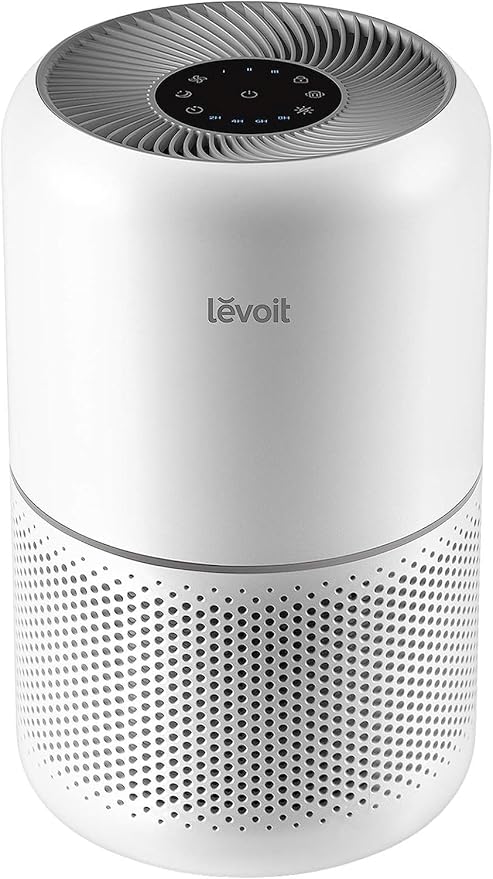 | Levoit Air Purifier | Check Price |
Our Top Picks 2  | Levoit Vital 200S-P | Check Price |
Our Top Picks 3  | Westhey H13 HEPA | Check Price |
Our Selected Top 12 Air Cleaner for Asthma for Every Budget
This selection features a range of air cleaners designed to help alleviate asthma symptoms by improving indoor air quality. Each review covers the performance, suitability for different needs, and highlights the strengths and limitations to help you find the best fit for your environment and budget.
1. Levoit Air Purifier
Levoit Air Purifier is built for large spaces and anyone needing serious air cleaning power, especially those managing asthma. Its biggest strength lies in its 3-in-1 HEPA-grade filtration combined with a high-torque motor that handles particles down to 0.3 microns, clearing dust, smoke, and allergens efficiently in rooms up to 1073 square feet.
Getting it started is simple using the touch controls, and it runs quietly at 24 dB, making it easy to keep on even while sleeping. The filter change indicator helps stay on top of maintenance, and the timer adds convenience, so it only runs when you want.
Portability lets you move it around as needed, whether day or night.
Clearing the air is where it truly shines, thanks to the 56W motor pushing fresh air through quickly. The build feels solid and reliable, with a sealed filter system effective against pollen, pet dander, odors, and VOCs.
Positive feedback highlights its quiet Sleep Mode while the one star comment often concerns the occasional filter replacement cost.
Reviews frequently praise how quiet the purifier is in Sleep Mode, making it ideal for nighttime use without disturbance. The most reported downside is the recurring cost and frequency of filter changes, which some found inconvenient or costly in the long run.
This air purifier suits people needing strong coverage for large rooms and clean air that’s gentle on asthma symptoms. Someone with smaller spaces or exacting budget constraints might look for more compact or less costly options elsewhere.
Pros
- Efficient coverage up to 1073 square feet
- Quiet operation at just 24 dB
- Touch controls with timer and filter indicators
- Captures smoke, dust, allergens, and VOCs
Cons
- Filter replacements can be pricey over time
- Power cord limits placement flexibility
| Specification | Details |
|---|---|
| Power Source | ac |
| Noise Level | 24 db |
| Floor Area | 1073 square_feet |
| Wattage | 56 watts |
| Filter Type | 3 in 1 Filtration |
| Particle Retention Size | 0.3 micron |
2. Levoit Vital 200S-P Air Purifier
Clean air can make a huge difference for asthma sufferers, and this purifier stands out for its ability to cover large spaces quietly. It suits homes needing consistent removal of dust, pet dander, smoke, and odors.
Its biggest strength is the AHAM verification, which assures trustworthy performance and safety.
Setup is straightforward with a corded electric design and button control, plus an app for easy adjustments from anywhere. The 3-stage filter is easy to replace and captures particles as small as 0.3 micrometers, which matters a lot when dealing with allergens.
Running it daily barely increases electricity use, and the noise stays at a low 27 decibels, so it won’t interrupt your routines or sleep.
It excels at cleaning the air in spaces up to 1875 square feet, making it solid for most large rooms. The build feels durable and reliable, with straightforward manual features. Users often praise the quiet operation and consistent air quality, though some mention the app can be fiddly at times.
Consistent praise goes to the purifier’s quiet operation and strong filtering in large rooms. A common issue involves the app control, which some find less intuitive or responsive than expected during daily interactions. The physical controls remain straightforward, providing an alternative for managing settings.
Those with larger living spaces who need to keep air clear of allergens and odors will find it effective. People wanting a simple, quiet machine with verified performance will be satisfied. Those needing battery-powered options or simpler app design may want to explore other models.
Pros
- AHAM certified for reliable air cleaning
- Quiet operation at just 27 decibels
- Large area coverage of 1875 square feet
- 3-stage filter removes fine particles effectively
Cons
- App control can be tricky to use
- Only corded power source available
| Specification | Details |
|---|---|
| Floor Area | 1875 square_feet |
| Noise Level | 27 db |
| Filter Type | 3-Stage Filter |
| Particle Retention Size | 0.3 micrometer |
| Power Source | Corded Electric |
| Contaminant Filtration Capability | Cigarette Smoke, Dust, Odors, Pet Dander, Pet Hair |
3. Westhey H13 HEPA Air Purifier
Great for anyone dealing with asthma, the Westhey H13 HEPA Air Purifier really shines in clearing the air in moderately sized rooms. Its standout feature is a powerful 360° air intake paired with a high-efficiency filtration system that thoroughly catches harmful particles, making breathing noticeably easier.
Setting it up is straightforward thanks to touch controls and a manageable wattage of 12 watts that keeps energy use low. Designed for spaces like bedrooms and living rooms up to 538 square feet, it stays quiet at just 15 decibels.
You just plug it in, place it centrally, and let the air circulation cover the room evenly, thanks to the surround intake design.
The purifier’s H13 grade HEPA filter captures 99.98% of particles down to 0.3 microns, which is crucial for filtering out allergens that trigger asthma. The build is compact and functional, focusing on delivering clean air silently.
Reviews tend to praise how effectively it cleans the air and notes its quiet operation. The most common complaint is that it serves best in medium-sized rooms rather than larger open areas.
The air purifier consistently delivers clean air with very low noise levels, praised for its effective filtration and quiet operation. Common feedback points to its size limitation, performing best in rooms up to about 538 square feet rather than larger areas.
Anyone needing reliable allergen reduction in a bedroom or office will appreciate this device. Those with larger living spaces or expecting advanced control options might want to explore other models better tailored to those needs.
Pros
- Captures 99.98% of fine particles
- Very quiet operation at 15 dB
- Energy-efficient with 12 watts usage
- 360° air intake for better circulation
Cons
- Best suited for medium rooms, not large spaces
- Limited control options beyond touch panel
| Specification | Details |
|---|---|
| Filter Type | HEPA |
| Power Source | ac |
| Noise Level | 15 db |
| Floor Area Coverage | 538 square feet |
| Wattage | 12 watts |
| Particle Retention Size | 0.3 micron |
4. Coway Mighty AP-1512HH Air Purifier

Plastic and metal combined make up a solid design suited for medium to large rooms, particularly beneficial for those managing asthma symptoms. Its greatest strength lies in a four-stage filtration system that efficiently removes a wide range of airborne particles and odors.
Setup involves plugging in and selecting one of the simple touch controls for operation. The auto mode automatically adjusts the fan speed based on real-time air quality readings, which you can track via a color-coded LED indicator.
Filters include a washable pre-filter, deodorization layer, and HEPA filter, all easy to maintain during regular use.
Effectiveness in filtering out 99.97% of 0.3 micron particles makes it reliable in tackling allergens common to asthma triggers. Built with components designed to cover up to 1,748 sq. ft.
, it offers solid performance paired with fairly quiet operation at 53 dB. Common praise highlights strong allergen reduction, while frequent complaints mention the noise level during higher fan speeds.
Many appreciate the consistent air quality improvements and the real-time LED feedback. At the same time, the noise generated at increased fan speeds can be distracting for some, especially in quiet rooms.
Anyone needing to clean larger rooms or wanting automatic adjustments will find this useful. Those prioritizing ultra-quiet operation might want to explore quieter alternatives.
Pros
- HEPA filtration removes nearly all airborne allergens
- Covers large areas up to 1,748 square feet
- Auto mode adjusts fan speed based on air quality
- Easy-to-read air quality LED indicator
Cons
- Fan can be noisy at higher settings
- Requires regular filter maintenance for best results
| Specification | Details |
|---|---|
| Floor Area | 1748 square_feet |
| Noise Level | 53 db |
| Filter Type | HEPA Filter, Active Carbon Filter, Pre-Filter |
| Power Source | Corded Electric |
| Wattage | 77 watts |
5. Air Purifier for Large Rooms

Air Purifier for Large Rooms quickly stands out with its triple air intake design that covers large spaces up to 2600 square feet. Ideal for anyone wanting powerful, whole-room purification, especially people with pets, its biggest strength is quickly and thoroughly filtering airborne particles like dust, smoke, and pet dander.
Setting up involves just plugging it in and using the touch controls, which are straightforward. The display constantly shows air quality through the PM2.5 sensor, so you can easily monitor pollution levels. A washable HEPA filter means maintenance is simple, cutting down on replacement costs and keeping routine cleaning easy for everyday use.
The HEPA filter captures 99.97% of fine particles as small as 0.3 microns, ensuring cleaner air throughout large rooms. At only 22 decibels during operation, it runs quietly enough for bedrooms or living spaces.
Users praise its efficiency and quietness, while the main downside is the reliance on a corded electric power source, limiting portability.
The purifier’s standout feature is its fast and effective cleaning of large rooms, quickly lowering dust, smoke, and pet dander levels. Most users like how quiet it runs while offering constant air quality feedback on the display. However, a common frustration is the need to stay near a power outlet, reducing mobility.
People with large living spaces or pets will appreciate its wide coverage and thorough filtration. Those needing a portable or battery-powered option might want to consider other models that offer greater flexibility in placement or mobility.
Pros
- Triple air intake for faster room purification
- Captures 99.97% of small airborne particles
- Real-time air quality display with PM2.5 sensor
- Washable HEPA filter for easy maintenance
Cons
- Corded power limits placement flexibility
- No information on software updates availability
| Specification | Details |
|---|---|
| Floor Area | 2600 square_feet |
| Noise Level | 22 db |
| Filter Type | HEPA |
| Particle Retention Size | 0.3 micron |
| Power Source | Corded Electric |
6. Air Purifier with True HEPA Filter

Perfect for large spaces, this air purifier stands out by cleaning the air twice every hour, covering up to 2400 square feet. Great for families dealing with asthma, it captures 99.97% of airborne particles, aiming to keep dust, smoke, and allergens out of your living areas.
Setup is straightforward, with touch controls making it easy to operate. The real-time PM 2.5 display and infrared sensor tell you how clean the air is, and the device adjusts its fan speed automatically. Quiet at 22 dB, it won’t disturb your daily routine or sleep, making it practical for constant use without hassle.
Its true HEPA filter effectively traps the tiniest particles, including pollen and pet dander, crucial for asthma relief. Built to cover a large area, it runs quietly and includes features like aromatherapy.
Most users praise its efficient filtration but some find its size bulky for smaller rooms.
People appreciate how quietly it cleans large areas while adjusting fan speed automatically based on air quality. The main drawback noted is its bulky size, which some find less suitable for small rooms.
Those with big living spaces or families sensitive to allergens will benefit greatly. Users with smaller rooms or limited space might want to explore more compact options instead.
Pros
- Purifies air twice every hour in large rooms
- Quiet operation at only 22 dB
- Auto fan speed adjustment with PM 2.5 display
- Covers up to 2400 square feet area
Cons
- Can be bulky for smaller spaces
- No clear information on filter lifespan
| Specification | Details |
|---|---|
| Filter Type | HEPA |
| Floor Area | 2400 square_feet |
| Noise Level | 22 db |
| Particle Retention Size | 0.3 |
| Power Source | dc_100-240V |
| Wattage | 24 watts |
7. Mooka Air Purifier

Dust, pet hair, and smoke can quickly worsen asthma symptoms at home. The Mooka Air Purifier is perfect for people with pets or anyone facing poor air quality, as it draws air from multiple sides to capture allergens and odors more efficiently.
It tackles large rooms and stubborn airborne irritants well.
Setting it up is straightforward, thanks to its touch control and hand controller. The purifier covers up to 2200 square feet, which suits most living spaces. A smart PM2.5 sensor automatically adjusts fan speeds and shows air quality in real-time on the display, so you always know how clean the air is.
The washable H13 HEPA filter means less frequent replacements and ongoing savings.
Performance-wise, the purifier catches particles as small as 0.3 microns, including smoke and pet dander. It runs quietly at 20 dB, barely noticeable during sleep. The build quality feels solid, designed to handle multiple air intakes for broader coverage.
The most common complaint is that it requires constant power since it’s corded, limiting placement options. It keeps indoor air fresh even in bad outdoor conditions.
The purifier’s multiple-sided air intake and precise PM2.5 sensor clearly stand out for effectiveness in removing smoke, pet hair, and allergens. Some users note that relying on a cord restricts where it can be positioned, which may be inconvenient in certain room layouts.
People with pets or living in areas with heavy smog or pollen will appreciate the coverage and filtration. Users wanting a portable or battery-powered unit might look elsewhere due to the corded design and power needs.
Pros
- Larger air intake pulls air from multiple sides
- Real-time PM2.5 air quality display
- Washable H13 HEPA filter reduces replacement costs
- Quiet operation at 20 dB for night use
Cons
- Requires corded power, limiting placement
- Filter replacement reminder can be frequent
| Specification | Details |
|---|---|
| Floor Area | 2200 square_feet |
| Noise Level | 20 db |
| Filter Type | HEPA |
| Particle Retention Size | 0.3 micron |
| Power Source | Corded Electric |
| Wattage | 26 watts |
8. Fulminare H13 HEPA Air Purifier

Capturing 99.97% of airborne particles down to 0.3 microns, this air purifier suits anyone needing clean air in rooms up to 1,086 ft². Its real strength lies in the H13 HEPA 3-stage filtration combined with activated carbon, targeting dust, smoke, pet dander, and household odors effectively.
Set up involves plugging it into AC/DC power and using the touch control to operate. The compact, portable design fits comfortably in many spaces, while dual-channel airflow and a 360° air outlet push clean air evenly.
Quiet operation at 20 dB ensures it stays unobtrusive during daily use, making it easy to keep space fresh without distraction.
Performance delivers strong filtration with multi-layered filters catching tiny particles reliably. Build quality feels sturdy and practical, focusing on portability and ease of use.
Reviews praise how quickly and quietly it refreshes the air; some mention the noise can slightly raise when running at maximum speed. The footprint fits smaller rooms well, but might be large for very tight spaces.
Many find that the purifier cleans air quickly and quietly, making breathing easier in allergy-prone environments. Noise level rises when running at full speed, which can be noticeable to some.
Those needing an air purifier for small to medium rooms will appreciate this unit’s strong filtration and portability. Anyone looking for use in very large spaces may prefer a different model designed for bigger coverage.
Pros
- Filters 99.97% of particles down to 0.3 microns
- Quiet operation at just 20 decibels
- Portable design fits multiple room layouts
- Activated carbon removes household odors
Cons
- Noise can increase on highest fan settings
- Recommended for rooms up to 225 sq ft, not larger
| Specification | Details |
|---|---|
| Power Source | AC/DC |
| Filter Type | HEPA |
| Floor Area | 225 square_feet |
| Noise Level | 20 db |
| Wattage | 24 watts |
9. Knka APH4000 Air Purifier

People dealing with asthma or allergies who want clean air in medium-sized rooms will find the Knka APH4000 useful. Its biggest strength is the high airflow design combined with fast, effective filtration certified by AHAM, meaning it quickly removes common irritants like pollen and smoke.
Setup is simple with a touch control panel and hand remote to switch modes on the fly. The air purifier quietly runs at 22 decibels, so it won’t disturb your sleep. It covers up to 350 square feet, using a washable pre-filter and dual 3-stage HEPA filters to trap particles down to 0.3 micrometers.
The visual AQI display helps you track air quality in real time.
It performs well at cleaning cigarette smoke, pet dander, dust, and VOCs, thanks to powerful 226-244 CFM airflow. The build feels solid, and the dual intake/outlet design speeds up air circulation. One praised feature is the quiet operation during sleep mode.
Some mention the unit could be bulkier than expected, which might affect placement.
The unit is highly regarded for its quiet operation, particularly during sleep mode, which makes it comfortable to keep running overnight. Common feedback notes the purifier’s size can be larger than expected, making it less convenient for tight spaces.
Anyone needing effective allergen removal in rooms up to 350 square feet will benefit from this purifier, particularly for asthma triggers like pollen and smoke. Those with very small spaces or strict placement needs might want to consider smaller alternatives.
Pros
- High CADR for pollen and smoke filtration
- Quiet operation even in sleep mode
- Washable pre-filter extends filter life
- Easy control with touch panel and remote
Cons
- Larger size limits placement flexibility
- Power cord limits placement options
| Specification | Details |
|---|---|
| Floor Area | 350 square_feet |
| Noise Level | 22 db |
| Particle Retention Size | 0.3 micrometer |
| Power Source | ac_dc |
| Wattage | 45 watts |
| Filter Type | HEPA |
10. PuroAir 240 HEPA Air Purifier

Designed to clean large rooms up to 1,000 square feet within an hour, the PuroAir 240 HEPA Air Purifier works best for those dealing with asthma and allergy triggers in bigger spaces. Its biggest strength lies in the triple-layer filtration, which effectively removes a wide range of pollutants from the air.
Setting up the purifier is straightforward with its simple push-button controls. Daily use is easy on noise levels, running quietly at 22 decibels while the automatic air quality sensor adjusts the operation based on the room’s air conditions.
The low 22-watt power consumption helps keep electricity bills manageable during continuous use.
The three-layer filtration, pre-filter, HEPA filter, and activated carbon, catches dust, pollen, smoke, pet dander, and VOCs, improving indoor air quality noticeably. Build quality supports large room coverage with effective contaminant capture at 0.1 micron size. Most users appreciate how quiet it works, though some mention it might not be ideal for smaller spaces due to its size and power.
Users praise the purifier for its quiet operation combined with strong filtration of dust, allergens, and smoke. The most common complaint points to its larger size making it less suited for small rooms or personal spaces.
This air purifier suits anyone needing cleaner air in larger rooms, especially for asthma or allergy relief. Those wanting a unit for smaller spaces or portability might want to consider a more compact model.
Pros
- Effective for large rooms up to 1,000 square feet
- Very quiet operation at 22 decibels
- Filters 99.9% of common pollutants
- Automatic air quality sensor adjusts performance
Cons
- Not ideal for small rooms or desktops
- Requires AC power, limiting portability
| Specification | Details |
|---|---|
| Floor Area | 1000 square_feet |
| Noise Level | 22 db |
| Power Source | ac |
| Wattage | 22 watts |
| Particle Retention Size | 0.1 micron |
11. Blueair 211i Max Air Purifier

Blueair 211i Max Air Purifier stands out for its ability to clean large spaces quickly, making it suitable for people with asthma living in big rooms or open floor plans. Its biggest strength lies in powerful airflow and fast purification, covering up to 674 sq ft in just 12.5 minutes.
Setting it up is straightforward, powered by a corded electric source, and controlled easily through an app compatible with Amazon Alexa, Android, and iOS devices. The washable pre-filter catches larger particles, saving the main filter.
Daily control can also be done with simple button presses on the unit. Noise stays low at 23 db, making it unobtrusive during use.
The Air Purifier filters tiny particles down to 0.1 micron, using HEPASilent dual filtration technology that targets pollen, dust, smoke, and pet dander. It feels sturdy and well-made, built to handle large spaces efficiently. Praise often highlights its strong performance and quiet operation, while some mention the need for regular pre-filter washing to maintain effectiveness.
Strong points include excellent filtration performance and quiet operation, creating comfortable air for asthma sufferers. The common downside is the need to keep the washable pre-filter clean to maintain peak efficiency over time.
Perfect for anyone needing fast purification in large spaces and who prefers app control. Those wanting a portable or battery-operated unit should consider alternatives.
Pros
- Quickly cleans large rooms up to 674 sq ft in 12.5 minutes
- Very quiet operation at 23 decibels
- App and voice control for easy adjustments
- HEPASilent filtration captures particles as small as 0.1 micron
Cons
- Requires regular washing of the pre-filter
- Only works when plugged in, no battery option
| Specification | Details |
|---|---|
| Floor Area | 3234.75 square_feet |
| Power Source | Corded Electric |
| Noise Level | 23 db |
| Controller Type | Amazon Alexa, Android, Button Control, iOS |
| Filter Type | Activated Carbon |
| Wattage | 46 watts |
12. Coway Airmega 400 Air Purifier

Breathing feels noticeably cleaner in larger rooms with this air purifier, which suits anyone needing relief from asthma triggers over spacious areas. Its biggest strength lies in handling allergens and odors efficiently thanks to a strong filtration system designed for big spaces.
Setting up involves simply plugging it in and using the touch controls, which are straightforward. The Smart Mode automatically adjusts fan speeds based on air quality, so you don’t have to fiddle with settings throughout the day. The filter life indicator helps track when replacements are needed, making maintenance simple and timely.
Performance-wise, the combination of pre-filter, active carbon, and HEPA filters reduces 99.97% of tiny particles along with odors and VOCs, cutting down on asthma triggers. The unit operates quietly at 22 decibels, offering gentle background noise. Some users find its size bulky for smaller rooms, but most praise its effectiveness and solid build materials.
The strong filtration system impresses by capturing nearly all small particles, pollen, and odors, making the air noticeably better for asthma management. It runs quietly and lets you know when it’s time to change filters. A common drawback mentioned is its bulky design, which some find too big for compact spaces.
Those dealing with asthma in expansive living areas will appreciate how well it cleans air without constant adjustments. Users in smaller rooms or those seeking ultra-compact options may want to consider other air purifiers that better fit tight spaces or use less power.
Pros
- Effective allergen and odor reduction
- Automatic fan speed adjustment
- Quiet operation at 22 decibels
- Clear filter life indicator
Cons
- Larger size might not suit small rooms
- Consumes 66 watts of power
| Specification | Details |
|---|---|
| Coverage Area | 3,120 sq. ft. |
| Noise Level | 22 db |
| Filter Type | HEPA Filter, Active Carbon Filter, Pre-Filter |
| Power Source | Corded Electric |
| Particle Retention Size | 0.3 micron |
Best Air Cleaners for Asthma Compared Side by Side
| Product | Floor Area | Filter Type | Particle Retention Size | Noise Level |
|---|---|---|---|---|
| Levoit Air Purifier | 1073 square_feet | 3 in 1 Filtration | 0.3 micron | 24 db |
| Levoit Vital 200S-P | 1875 square_feet | 3-Stage Filter | 0.3 micrometer | 27 db |
| Westhey H13 HEPA | 538 square_feet | HEPA | 0.3 micron | 15 db |
| Coway Mighty AP-1512HH | 1748 square_feet | HEPA, Carbon, Pre-Filter | 0.01 micron | 53 db |
| Large Room Air Purifier | 2600 square_feet | HEPA | 0.3 micron | 22 db |
| True HEPA Air Purifier | 2400 square_feet | HEPA | 0.3 | 22 db |
| Mooka Air Purifier | 2200 square_feet | HEPA | 0.3 micron | 20 db |
| Fulminare H13 HEPA | 225 square_feet | HEPA | 0.3 micron | 20 db |
| Knka APH4000 | 350 square_feet | HEPA | 0.3 micrometer | 22 db |
| PuroAir 240 HEPA | 1000 square_feet | HEPA | 0.1 micron | 22 db |
| Blueair 211i Max | 3234.75 square_feet | Activated Carbon | 0.1 micron | 23 db |
| Coway Airmega 400 | 3120 square_feet | HEPA, Carbon, Pre-Filter | 0.3 micron | 22 db |
- Floor Area1073 square_feet
- Filter Type3 in 1 Filtration
- Particle Retention Size0.3 micron
- Noise Level24 db
- Floor Area1875 square_feet
- Filter Type3-Stage Filter
- Particle Retention Size0.3 micrometer
- Noise Level27 db
- Floor Area538 square_feet
- Filter TypeHEPA
- Particle Retention Size0.3 micron
- Noise Level15 db
- Floor Area1748 square_feet
- Filter TypeHEPA, Carbon, Pre-Filter
- Particle Retention Size0.01 micron
- Noise Level53 db
- Floor Area2600 square_feet
- Filter TypeHEPA
- Particle Retention Size0.3 micron
- Noise Level22 db
- Floor Area2400 square_feet
- Filter TypeHEPA
- Particle Retention Size0.3
- Noise Level22 db
- Floor Area2200 square_feet
- Filter TypeHEPA
- Particle Retention Size0.3 micron
- Noise Level20 db
- Floor Area225 square_feet
- Filter TypeHEPA
- Particle Retention Size0.3 micron
- Noise Level20 db
- Floor Area350 square_feet
- Filter TypeHEPA
- Particle Retention Size0.3 micrometer
- Noise Level22 db
- Floor Area1000 square_feet
- Filter TypeHEPA
- Particle Retention Size0.1 micron
- Noise Level22 db
- Floor Area3234.75 square_feet
- Filter TypeActivated Carbon
- Particle Retention Size0.1 micron
- Noise Level23 db
- Floor Area3120 square_feet
- Filter TypeHEPA, Carbon, Pre-Filter
- Particle Retention Size0.3 micron
- Noise Level22 db
How to Choose the Best Air Cleaner for Asthma
Choosing an air cleaner for asthma involves focusing on strong filtration, especially HEPA filters, to effectively remove allergens and irritants. Considering room size and noise levels ensures comfort and efficiency, saving money by avoiding underperforming or unsuitable devices that require frequent replacement or fail to improve air quality.
Filtration Efficiency
Different filters handle airborne irritants in distinct ways. High Efficiency Particulate Air (HEPA) filters capture at least 99.97% of particles down to 0.3 microns, effectively trapping pollen, dust mites, and pet dander which are common triggers.
Activated carbon filters target odors and chemical irritants that HEPA filters cannot trap. Many air purifiers combine these two for broader coverage.
Filter lifespan typically varies between 3 to 12 months depending on usage and air quality. Neglecting timely replacement leads to reduced performance and pollutant recirculation. Good models make it clear when to replace filters and use genuine HEPA or multi-stage filtration.
Particle size capture capability matters, filters that don’t efficiently trap particles smaller than 2.5 microns fail to control the key asthma triggers.
Coverage Area and Room Size
Air cleaners are rated for square footage or room volume, and using one too small for a space leaves contaminants untreated. Units intended for bedrooms often cover 150 to 300 square feet, while larger living spaces need devices rated above 400. Paying attention to the Clean Air Delivery Rate (CADR) helps indicate effectiveness; the higher, the better.
Air changes per hour (ACH) is a crucial figure, with 4 to 5 ACH recommended to reduce symptoms. Portability also matters, compact or wheeled models make it easier to place the unit in bedrooms or move between rooms. Placement near the breathing zone improves effectiveness, but obstacles like furniture can reduce air flow.
Noise Levels
The constant hum of an air cleaner can become annoying and even disruptive. Fan speed heavily influences noise output, ranging from whisper-quiet (around 20-30 decibels) in sleep mode to louder levels (50+ decibels) on high. Persistent noise during sleep can aggravate asthma by disturbing rest.
Quiet or sleep modes with dimmed lights help reduce distractions at night. Devices that maintain reasonable sound levels on higher fan speeds offer comfort without sacrificing air cleaning power. Look for units that provide real decibel ratings rather than vague noise descriptions.
Ease of Maintenance
Replacing or cleaning filters quickly and without fuss makes upkeep manageable. Many models allow one-click access without tools, speeding up this routine task.
Filter change indicators prevent guessing, clearly notifying when it’s time to maintain the device.
Durability of outer casing and ease of wiping dust from intake areas matter as well. Internal parts should be accessible for occasional cleaning to avoid buildup that lowers efficiency. Sturdy materials withstand regular handling and cleaning without cracking or fading.
Safety and Additional Features
Ozone generated by some purifiers can worsen asthma, so low or zero ozone emission is essential. Devices should comply with UL 867 or CARB standards to confirm safety levels. Built-in child locks and auto shutoff in case of tipover make homes with kids or pets safer.
Extra features like air quality sensors adjust fan speed based on detected pollutants, preventing unnecessary noise and saving energy. Timer functions allow operation only when needed.
These controls add convenience but should be straightforward to use without complicated menus.
Effective Maintenance Practices to Prolong Your Air Cleaner’s Lifespan
Regular maintenance keeps an air cleaner running efficiently and improves indoor air quality. Most air cleaners use filters that trap dust, pollen, and other particles. These filters need to be cleaned or replaced based on the manufacturer’s recommendations, usually every three to six months.
Common maintenance tasks include:
- Vacuuming pre-filters to remove surface dust and hair
- Replacing HEPA filters when they appear discolored or clogged
- Wiping down the unit’s exterior and intake vents to prevent dust buildup
- Checking for unusual noises or smells that might indicate mechanical issues
Ignoring maintenance can reduce filtration efficiency and put extra strain on the motor, shortening the device’s lifespan. Keeping track of filter changes and setting reminders can help ensure the unit continues to support respiratory health for people with asthma.
Safety Considerations When Using Air Cleaners for Asthma Relief
Using an air cleaner can improve air quality, but certain safety points must be considered, especially for those with asthma. Some units generate ozone, which can irritate the lungs and worsen symptoms. It’s important to choose models that are certified ozone-free or produce ozone levels well below safety limits.
Additional safety tips include:
- Placing the air cleaner in a location that allows proper air circulation and is out of reach of children and pets
- Avoiding the use of air cleaners combined with other chemical-based air fresheners that could react and create irritants
- Following the manufacturer’s instructions on room size capacity to avoid overuse or underperformance
- Turning off the device during periods of sensitivity or acute asthma attacks if recommended by a healthcare professional
Monitoring indoor air quality and symptoms helps with adjusting device settings or seeking alternatives if necessary.
Comparing Air Cleaners and Alternative Allergy Management Tools for Asthma
Air cleaners target airborne particles by filtering out dust, pollen, and pet dander, which helps reduce asthma triggers. However, alternative allergy management tools also play a role in minimizing symptoms.
For example, using allergen-proof bedding covers reduces dust mite exposure directly where people sleep.
Other tools that complement or substitute air cleaners include:
- Dehumidifiers that lower indoor humidity, limiting mold growth
- Vacuum cleaners with HEPA filters to capture allergens during cleaning
- Regular washing of curtains, carpets, and upholstery to remove settled allergens
- Portable personal air purifiers for targeted use in specific areas
Combining several methods often provides better relief than relying solely on one device. Individual needs and asthma severity influence which tools work best in a given environment.
People Also Asked
How Do I Choose the Right Size Air Cleaner for Asthma?
Select an air cleaner based on the room size where it will be used, matching its capacity to the square footage. Check the Clean Air Delivery Rate (CADR) to ensure it can filter air effectively in your living space; a higher CADR is better for larger rooms.
Is It Safe to Use an Air Cleaner Around Children with Asthma?
Most modern air cleaners are safe to use around children with asthma as they do not emit harmful ozone. Still, it is better to keep any device out of reach of small children to prevent tampering or accidental damage.
How Often Should I Replace the Filters in an Air Cleaner?
Replace air filters according to the manufacturer’s instructions, commonly every 3 to 6 months. In environments with pets or smokers, filters might need to be changed more often to maintain good air quality.
Can Air Cleaners Help Reduce Asthma Symptoms in My Home?
Air cleaners can reduce airborne particles like dust, pollen, and pet dander, which often trigger asthma symptoms. They are most effective coupled with regular cleaning and proper ventilation to minimize indoor allergens.
What Common Problems Should I Watch for with Air Cleaners?
Common problems include noisy operation, clogged filters reducing airflow, and electric components failing. Regular maintenance like cleaning the pre-filters and timely filter replacement prevents many performance issues.
Conclusion
Choosing an air cleaner for asthma means focusing on strong filtration that captures tiny particles like dust and pollen. Look for models with true HEPA filters since they trap the allergens that often cause problems. Noise level and easy filter replacement also matter because you’ll want to run the unit regularly without hassle or disruption.
Consider the size of the room where you’ll use the air cleaner and pick one that fits your budget and usage habits. Running a unit meant for larger spaces in a small room can waste energy, while too small a unit won’t clean the air effectively.
Review the comparison table and product details above to find the best match for your needs and living space.