
Top 12 Best Water Filter to Remove Microplastics Fast!
Cheap or poorly designed water filters often struggle with the kind of tiny particles that make microplastics such a tricky contaminant. Finding the best water filter to remove microplastics means dealing with more than just basic filtration.
Ordinary filters can clog quickly or fail to capture the smallest plastic fragments, leading to water that still doesn’t feel truly clean or safe to drink.
The difference usually comes down to the filter’s material and pore size. High-quality filters use a combination of activated carbon and ultrafiltration membranes with pores smaller than 0.1 microns to trap microplastics effectively.
Ease of cleaning or replacing the filter also matters since microplastics can build up and reduce flow rates. Durable construction and proper fitting to your tap or pitcher ensure the filter works as intended without leaks or weak spots.
Need a Quick Check?
| Image | Product | Price |
|---|---|---|
Our Top Picks 1  | Clearly Filtered Pitcher | Check Price |
Our Top Picks 2  | LifeStraw Home Dispenser | Check Price |
Our Top Picks 3  | Brita Elite Pitcher | Check Price |
Our Selected Top 12 Water Filter to Remove Microplastics You Can Trust
This list features water filters designed to effectively remove microplastics from your drinking water. Each review covers how well the filter performs, the types of users it’s best suited for, and highlights its main advantages and limitations to help you make an informed choice.
1. Clearly Filtered Water Filter Pitcher
Great for anyone serious about clean drinking water, this pitcher nails contaminant removal beyond typical filters. It’s especially suited for households concerned about microplastics and a wide range of pollutants. The biggest strength lies in its ability to filter out more than 386 contaminants with proven NSF certification.
Setup involves simply filling the countertop pitcher and letting gravity do its work, requiring no power source or complex installation. The manual operation makes it easy to use daily, while its filter life cycle of up to 4 months means you don’t replace it too often. It’s straightforward to maintain and keeps beneficial minerals in your water.
The pitcher delivers excellent filtration performance, targeting up to 73 times more contaminants than standard options, including fluoride, lead, and microplastics. Its durable design fits well on counters, though some reviews mention that filter replacement can be a bit tricky.
The quality and contaminant removal are widely praised.
Praise centers on its ability to reduce a vast range of contaminants with high efficiency and verified NSF certifications. The most frequent complaint involves the challenge some have replacing the filter, which can be a bit fiddly compared to simpler pitcher filters.
This pitcher suits those who want thorough water purification without electricity and with a solid contaminant removal rating. It may not be ideal for people dealing with very high TDS water or those seeking extremely quick or simple filter swaps.
Pros
- Removes over 386 contaminants including microplastics
- Preserves beneficial minerals in water
- No electricity or complex installation needed
- Filter lasts up to 4 months
Cons
- Filter replacement can be somewhat difficult
- Maximum supported TDS level is 500 PPM only
| Specification | Details |
|---|---|
| Purification Method | Affinity Filtration |
| Filter Life Cycle | 4 months |
| Installation Type | Countertop |
| Supported Water TDS Level Maximum (PPM) | 500 |
| Power Source | manual |
| NSF/ANSI Standards Compliant | 42, 53, 401, 473 |
2. LifeStraw Home Water Filter Dispenser
Made from durable materials and designed as a countertop dispenser, it suits anyone wanting a straightforward way to remove microplastics from tap water while also cutting out bacteria and parasites. Its biggest strength lies in comprehensive contaminant reduction, covering a wide range of unwanted substances and keeping beneficial minerals intact.
Setup involves placing the dispenser on your countertop and filling it with tap water. The filtration process combines ion exchange and activated carbon to improve taste and reduce chemicals like chlorine, lead, and PFAS.
The filter life cycles are clear, lasting from two months up to a year depending on which part you use. Refilling and pouring water is simple and fits well in daily routines.
The system does an excellent job filtering out microplastics, bacteria, and various chemicals, significantly improving water clarity and taste. Its build feels sturdy and practical on the countertop.
Reviews consistently mention satisfaction with the filtered water quality, while a common complaint highlights the shorter filter life for the activated carbon component requiring occasional replacements.
Strong points include thorough filtration that improves taste and removes a wide range of contaminants beyond microplastics, making water safer and better to drink. The most noted drawback is the relatively short lifespan of the activated carbon and ion exchange filter, leading to more frequent replacements compared to the membrane filter.
Those looking for a countertop solution with broad contaminant removal and easy everyday use will find this dispenser fitting well. People needing a low-maintenance setup or minimal replacement costs might consider alternatives with longer-lasting filters or different installation types.
Pros
- Removes bacteria, parasites, and microplastics
- Reduces lead, mercury, PFAS, and other chemicals
- Keeps essential minerals like magnesium and potassium
- Long filter life for membrane microfilter (1 year)
Cons
- Activated carbon filter lasts only 2 months
- Requires countertop space for installation
| Specification | Details |
|---|---|
| Purification Method | Ion Exchange |
| Installation Type | Countertop |
| Filter Life Cycle | 2 months |
| Supported Water TDS Level Maximum (PPM) | 300 |
| Special Features | Chlorine Reduction |
3. Brita Elite 10-Cup Water Filter Pitcher
Easy to fill and fridge-friendly, Brita Elite 10-Cup Pitcher fits comfortably in most refrigerators and holds enough water for daily use. Best suited for those wanting a straightforward filter to improve tap water taste and quality while reducing waste. Its biggest strength lies in simplifying refill routines without bulkiness.
Setup involves inserting the activated carbon filter and filling through the easy-fill lid, which cuts down on spills and mess. The pitcher holds 10 cups, enough for three 24-ounce reusable bottles, making it practical for everyday hydration.
The clear electronic indicator removes guesswork by reminding when to change the filter, so maintenance stays on track without fuss.
The pitcher reduces contaminants like lead, chlorine, and mercury effectively, improving water flavor and safety. Made without BPA and weighing just 1.3 pounds, it feels light and durable enough for daily kitchen use.
Many appreciate the ease of use and fit in standard fridges, while some find the flow rate (0.05 gpm) slower than expected for quick fills.
Many find the electronic change filter reminder very helpful in keeping water fresh without guesswork. Common complaints relate to the slow maximum flow rate, which can make refilling take longer than expected.
Users wanting a fridge-friendly pitcher with simple maintenance will be satisfied. Those needing faster flow or handling very high total dissolved solids might look for specialized alternatives.
Pros
- Fits easily in most refrigerators
- Electronic indicator for filter changes
- Made without BPA materials
- Holds enough water for multiple bottles
Cons
- Slower water flow rate at 0.05 gpm
- Limit on maximum supported water TDS level
| Specification | Details |
|---|---|
| Purification Method | Activated Carbon |
| Filter Life Cycle | 6 months |
| Maximum Flow Rate | 0.05 gpm |
| Container Type | Other |
| Change Filter Indicator | Electronic |
| Weight | 1.3 pounds |
4. Aquagear Water Filter Pitcher

Choosing a water filter pitcher that cuts down on microplastics and other harmful contaminants without stripping out healthy minerals is key. Designed for anyone serious about clean, safe water, this pitcher removes far more contaminants than standard models, making it a solid pick for healthier hydration.
Setting up the pitcher is straightforward, with no need for installation, just fill, filter, and drink. The filter lasts up to 120 gallons, which means fewer replacements and less ongoing hassle. The pitcher operates manually with activated carbon and ion exchange inside, effectively reducing chlorine taste and odor while keeping good minerals like calcium and magnesium intact.
It filters out microplastics along with lead, PFOA, PFOS, and other chemicals efficiently. The build feels durable, and the filter media comes from the USA, adding confidence. Many appreciate how long the filter lasts compared to others, but some mention the pitcher being slightly bulky on a crowded fridge shelf.
The strongest positive is the filter’s ability to remove microplastics and a wide range of contaminants while keeping healthy minerals in the water. The most common downside noted is the pitcher’s size, which can be awkward in smaller fridge compartments.
This pitcher suits those wanting long-lasting, thorough filtration without sacrificing mineral content. People with limited fridge space or needing electronic indicators for filter life might want to consider alternatives.
Pros
- Filters 20X more contaminants than standard pitchers
- Lasts three times longer than most filters
- Retains beneficial minerals like calcium and magnesium
- Includes postage-paid filter recycling program
Cons
- Pitcher size may be bulky for small fridges
- Manual operation means no filter status indicator
| Specification | Details |
|---|---|
| Purification Method | Activated Carbon, Ion Exchange |
| Filter Life Cycle | 6 months |
| Supported Water TDS Level Maximum (PPM) | 500 |
| Container Type | Pitcher |
| Installation Type | Freestanding |
5. DREO Countertop Reverse Osmosis Water Filter
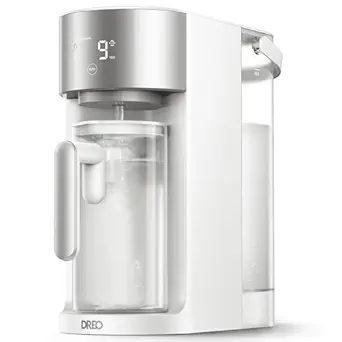
Microplastics and other contaminants in tap water can be worrying for many. A countertop reverse osmosis filter makes getting clean water easy right in your kitchen. It suits anyone wanting thorough purification, with a very fine RO membrane that removes a wide range of harmful substances.
Setting it up is fairly straightforward on your countertop, with no complicated plumbing needed. You benefit daily from the built-in TDS meter, which keeps a real-time check on water quality.
The auto-fill sensor makes refilling hands-free, and maintenance feels simple thanks to the self-cleaning system that flushes the internal tubes automatically.
Performance is solid, filtering out 99% of lead, chromium (hexavalent), chlorine, PFOS, and PFOA, plus 97% of fluoride, leaving water tasting clean and safe. The build feels sturdy and practical.
Most praise goes to its effective purification and convenient monitoring features; some find the filter replacement every 6 months a bit frequent.
The most appreciated feature is the auto-fill and self-cleaning system that keeps filtered water fresh without much effort. The most frequent drawback mentioned is the relatively short 6-month filter life, requiring regular attention to replace it on time.
Anyone wanting straightforward, highly effective microplastic removal and monitoring will find this filter helpful. Those with water sources exceeding 500 PPM TDS or looking for low-maintenance filters might want to consider alternatives with longer filter cycles or higher capacity.
Pros
- Removes 99% of heavy metals and harmful chemicals
- Real-time TDS monitoring for water quality
- Auto-fill sensor for hands-free refills
- Self-cleaning system reduces manual maintenance
Cons
- Filter replacement needed every 6 months
- Maximum TDS supported is 500 PPM only
| Specification | Details |
|---|---|
| Purification Method | Reverse Osmosis |
| Supported Water TDS Level Maximum (PPM) | 500 |
| Filter Life Cycle | 6 months |
| Special Features | Built In TDS Meter, Change Filter Indicator, Touch Control |
| Installation Type | Countertop |
6. Microplastic Bottle-Top Water Filter Pack Of 2

Featuring an SGS lab-tested 0.01-micron ultrafiltration membrane, this bottle-top filter removes micro and nano plastic particles from bottled or already potable water. Ideal for those seeking an easy way to reduce microplastics without adding chemicals or needing power sources, it’s best suited for use with water that’s safe to drink to begin with.
The setup involves simply attaching the filter to a standard bottle top, no tools or batteries required. Its tight hollow fiber membrane means water flows slowly, so squeezing the bottle firmly is needed rather than drinking straight from it.
This manual operation keeps things simple and portable, making it convenient for daily use at home or on the go.
Performance-wise, the ultrafiltration membrane reliably traps microplastics, meeting its core goal. The filter feels solid and well-constructed, giving confidence in its durability.
Some find the slow flow rate a bit inconvenient since the tight membrane restricts water speed, but that tradeoff comes with effective filtering.
The strongest praise is for its precise 0.01-micron ultrafiltration that reliably traps microplastics, while the most common complaint points to the slow water flow needing a consistent squeeze. Users appreciate the chemical-free, manual function but note patience is required to fill a glass.
Those wanting to reduce microplastics from clean, bottled water will find this filter well-matched to their needs. Individuals seeking quick, high-volume filtering or a unit for untreated outdoor water should look for a different option better suited to those situations.
Pros
- Removes micro and nano plastic particles effectively
- No batteries or chemicals needed for operation
- Compact and portable bottle-top design
- Easy attachment to most bottled water caps
Cons
- Water flow requires firm squeezing, not fast
- Not suitable for untreated or unsafe water
| Specification | Details |
|---|---|
| Purification Method | Ultra Filtration |
| Power Source | Manual Operation |
| Installation Type | Personal Container |
| Supported Water TDS Level Maximum (PPM) | 300 |
| Membrane Micron Rating | 0.01-micron |
7. Culligan ZeroWater 10-Cup Pitcher

People wanting clean drinking water with minimal contaminants will appreciate this water filter pitcher. Perfect for anyone concerned about microplastics and other dissolved solids, its standout feature is the 5-stage advanced filtration that removes 99.9% of dissolved solids, ensuring confidence in every sip.
Setting up the pitcher is straightforward since it requires no power source and sits conveniently on the countertop. The built-in TDS meter and change filter indicator help keep track of water quality and let you know when to replace the filter, which lasts about 2 months.
The pitcher holds 10 cups and is lightweight enough to handle easily during everyday refilling and cleaning.
The filtration technology effectively reduces a wide range of harmful substances, including lead and Total PFAS, certified to lower 5 times more contaminants than leading filters. The pitcher feels solidly built, though some users mention the flow rate is a bit slow at 0.18 liters per minute.
Most praise the water taste and purity, while the slow filtration speed is a noted drawback.
Water tastes cleaner and free from many contaminants thanks to the advanced 5-stage filtration, which impressively removes 99.9% of dissolved solids and harmful chemicals. The only common frustration involves the quite slow filtering speed, which requires a bit of patience to get a full pitcher of filtered water.
Anyone serious about reducing microplastics, lead, and PFAS in their drinking supply will find the pitcher meets their needs well. Those needing faster water flow or longer filter life might prefer a different filter system better suited to higher volumes or quicker use.
Pros
- Removes 99.9% of dissolved solids
- Certified to reduce lead and Total PFAS
- Built-in TDS meter for water quality check
- Change filter indicator prevents guesswork
Cons
- Slow flow rate at 0.18 liters per minute
- Filter needs replacement every 2 months
| Specification | Details |
|---|---|
| Filtration Method | Activated Carbon, Ion Exchange |
| Filter Life Cycle | 2 months |
| Maximum Flow Rate | 0.18 liters per minute |
| Container Type | Pitcher |
| Power Source | Non-powered |
| Supported Water TDS Level Maximum (PPM) | 500 |
8. Culligan MaxClear Gravity Water Filter System

Culligan MaxClear Gravity Water Filter System stands out by being the only gravity filter certified to reduce microplastics and total PFAS, making it ideal for anyone prioritizing chemical and microplastic safety in their drinking water. Its compatibility with well-known filter replacements adds flexibility to its use.
Setup involves simply placing it on your countertop, no power required since it works by gravity. The filter’s durable ceramic shell and granular activated carbon method mean less frequent changes, lasting up to six months. The unit is portable and lightweight, which makes moving or cleaning it straightforward without needing tools or expert help.
Performance in removing microplastics, lead, and total PFAS meets high NSF/ANSI 42 standards, proving effective in daily water filtration. The sturdy build combines heavy-duty materials with portability, praised for reliability but sometimes criticized for its slower flow rate compared to other systems. Replacement compatibility also adds practical value.
The filter effectively reduces microplastics and PFAS, providing clean and safer drinking water, though some find the filtration speed slower than desired. Many appreciate the long filter lifespan but note the system may need refilling more often for heavy daily use.
It suits those who value chemical-free water and ease of maintenance without electricity. People needing faster water flow or a larger capacity may want to consider a different filter system better suited for high-volume needs.
Pros
- Certified to reduce microplastics and total PFAS
- Long-lasting filter life up to 6 months
- Compatible with multiple replacement filters
- Portable and lightweight design
Cons
- Slower filtration flow rate
- May require frequent refills for larger households
| Specification | Details |
|---|---|
| Purification Method | Ceramic, Granular Activated Carbon |
| Filter Life Cycle | 6 months |
| Installation Type | Countertop |
| Supported Water TDS Level Maximum (PPM) | 1000 |
| Power Source | Gravity |
9. LifeStraw Home Essential Water Filter Pitcher

LifeStraw Home Essential Water Filter Pitcher is designed to remove microplastics and multiple other contaminants, making it ideal for anyone seeking clean and safe drinking water at home. Its biggest strength lies in powerful filtration combined with a fridge-friendly design that fits standard fridge shelves without hassle.
Setup is straightforward since the pitcher doesn’t require installation, it simply sits on your countertop or fridge shelf. Filling it is quick thanks to the easy-fill lid, and the ergonomic handle makes pouring comfortable.
Being leak-proof and built from durable materials means daily use feels reliable and mess-free. Changing the filter every two months keeps water tasting fresh and clean.
Filtration performance stands out by effectively removing microplastics, bacteria, parasites, and various chemicals like lead and chlorine. The one-piece welded construction adds durability and prevents leaks even after repeated use. Most people appreciate how quietly effective it is, but the need to replace the filter every two months is a common note to keep in mind.
Many users praise the durability and leak-proof design, appreciating how it fits well inside fridges and delivers clean water free from microplastics. The most frequent drawback mentioned is the relatively short filter life, requiring regular replacement to maintain water quality.
People who prioritize removing microplastics and a broad range of contaminants will find this pitcher suitable. Those wanting longer-lasting filters or electric options might consider different models better suited for heavy daily use or automated filtration.
Pros
- Removes microplastics, bacteria, and parasites
- Fits standard refrigerator doors and shelves
- Leak-proof one-piece welded construction
- Ergonomic handle and easy-fill lid
Cons
- Filter needs replacement every 2 months
- Manual operation, no electric filtration support
| Specification | Details |
|---|---|
| Purification Method | Activated Carbon, Ion Exchange |
| Container Type | Pitcher |
| Installation Type | Countertop |
| Filter Life Cycle | 2 months |
| Power Source | manual |
| Special Features | Leak Proof |
10. PIURIFY Compact Electric Water Filter Pitcher

Getting fresh, clean water quickly feels like a small luxury, especially with this compact electric water filter pitcher. It suits anyone wanting to cut down microplastics and nasty contaminants without waiting around. Its biggest strength is speed, 50 ounces filtered in under 2 minutes beats regular pitchers by a lot.
Setup is simple with a twist-off filter that takes only a few seconds to replace, and a handy indicator light means you’re never guessing when it’s time to change it. Daily use involves just tapping once and waiting briefly for a full pitcher, which is easy to keep on the counter since it’s freestanding and battery-powered. No complicated installation or bulky parts to worry about.
Performance is impressive, removing over 99.9% of microplastics and reducing lead, chlorine, and other metals by more than 97%, which really shows at taste and odor. The build feels solid and convenient, though some users note the filter life could be shorter when heavily used.
The indicator light and fast filtering speed stand out positively, while the main complaint involves occasionally needing to replace filters sooner in tougher water areas.
Filtering speed and ease of use get strong praise because it delivers clean water quickly with minimal fuss. The most common complaint is that filter life can be shorter than six months if your water has a lot of impurities, making replacement more frequent and slightly costlier.
People who want fast, reliable microplastic removal will appreciate this pitcher, especially in households with moderate tap water quality. Those with very hard or heavily contaminated water might want to consider a system designed for higher TDS levels or tougher filtration demands.
Pros
- Filters 50 oz in under 2 minutes
- Replaces filter in 3 seconds
- Removes >99.9% microplastics
- Indicator light for filter change
Cons
- Filter life depends on water quality
- Limited to 30 ppm TDS water
| Specification | Details |
|---|---|
| Purification Method | Ultra Filtration + Carbon Technology |
| Filter Life Cycle | 6 months |
| Maximum Flow Rate | 0.7 liters per minute |
| Container Type | Pitcher |
| Power Source | Battery Powered |
11. Aquasana Under Sink Water Filter AQ-6300M-BN

Great for anyone wanting to cut microplastics and a long list of other contaminants from their tap water, this under-sink filter stands out for how thoroughly it cleans while keeping minerals intact. Its ability to remove 99.99% of 78 contaminants makes it a reliable choice for healthy drinking water.
Setup involves installing the unit under your sink where it connects directly to your cold water line, which keeps your countertop clear. The flow rate of 0.72 gallons per minute means you don’t have to wait long for filtered water, making it convenient for daily cooking and hydration.
Changing the filter every six months helps keep performance consistent without much hassle.
Filtration uses carbon block and ultra-filtration methods that handle everything from lead and PFAS to microplastics with high effectiveness. The build is solid and made to run quietly under normal household water pressure.
A common praise is how fast water comes through; a regular critique is that the filter does not reduce total dissolved solids (TDS), which may bother those wanting very soft water.
The filter is praised for delivering fast, clean water without removing essential minerals, making it very practical for everyday use. Most common complaints focus on the fact that it won’t reduce TDS, which some find limits taste or softness preferences.
People looking for thorough contaminant removal and quick output will appreciate this model. Those seeking water softening or TDS reduction should consider alternative filtration options.
Pros
- Removes 99.99% of 78 contaminants
- Fast water flow at 0.72 gallons per minute
- Retains beneficial minerals in water
- Cost-effective at less than 10 cents per gallon
Cons
- Does not reduce total dissolved solids (TDS)
- Requires under-sink installation space
| Specification | Details |
|---|---|
| Certification | NSF 42, 53 & 401 |
| Flow Rate | 0.72 gpm |
| Filter Life Cycle | 6 months |
| Operating Pressure Range | 20 to 80 psi |
| Water Saving Percentage | 100 |
12. Culligan MaxClear Gravity Water Filter System

Ceramic and granular activated carbon make up a gravity-fed system designed for countertop use. Perfect for those who want a reliable water filter that removes microplastics and other contaminants without any electricity. Its standout feature is being the only gravity filter certified to reduce microplastics and total PFAS.
Setup is straightforward, just pour water into the top container and gravity moves it through the ceramic and carbon filter below. The heavy-duty yet lightweight design makes it portable but stable on your kitchen counter. Replacing filters every six months keeps the water clean without much hassle, and it works well with popular filter replacements including Berkey.
Performance-wise, it excels in reducing lead, microplastics, and forever chemicals thanks to its ceramic and proprietary carbon combo. The durable ceramic shell also adds to its lifespan and reliability.
Common feedback praises the long filter life and certification, while some find the gravity process slower compared to electric options.
Users find the certification to reduce microplastics and PFAS credible and appreciate the 6-month filter longevity. The most common complaint is that the gravity-fed flow can be slow, which might affect daily convenience.
Anyone needing safe, filtered water without using electricity will appreciate the system’s portability and certification. Those wanting faster water filtration might consider alternatives with powered pumps or faster flow rates.
Pros
- Certified to reduce microplastics and total PFAS
- Compatible with multiple replacement filters
- Lightweight and portable design
- Up to 6 months filter life
Cons
- Filtration process slower than electric systems
- May require careful placement to avoid spills
| Specification | Details |
|---|---|
| Filter Life Cycle | 6 months |
| Purification Method | Ceramic, Granular Activated Carbon |
| Installation Type | Countertop |
| Power Source | Gravity-fed |
| Supported Water TDS Level Maximum (PPM) | 300 |
Comparison of Top Water Filters for Microplastics Removal
| Product | Purification Method | Container Type | Installation Type | Filter Life Cycle |
|---|---|---|---|---|
| Clearly Filtered Pitcher | Affinity Filtration | Pitcher | Countertop | – |
| LifeStraw Home Dispenser | Ion Exchange | Dispenser | Countertop | 2 months |
| Brita Elite Pitcher | Activated Carbon | Other | Countertop | 6 months |
| Aquagear Filter Pitcher | Activated Carbon, Ion Exchange | Pitcher | Freestanding | 6 months |
| DREO Reverse Osmosis | Reverse Osmosis | Dispenser | Countertop | 6 months |
| Microplastic Bottle Filters | Ultra Filtration | Personal Container | Personal Container | – |
| Culligan ZeroWater Pitcher | Activated Carbon, Ion Exchange | Pitcher | Countertop | – |
| Culligan MaxClear Gravity | Ceramic, Granular Activated Carbon | Dispenser | Countertop | 6 months |
| LifeStraw Home Pitcher | Activated Carbon, Ion Exchange | Pitcher | Countertop | 2 months |
| PIURIFY Electric Pitcher | Ultra Filtration + Carbon Tech | Pitcher | Freestanding | 6 months |
| Aquasana Under Sink Filter | Carbon Block, Ultra Filtration | Box | Under Sink | – |
| Culligan MaxClear Gravity II | Ceramic, Granular Activated Carbon | Dispenser | Countertop | 6 months |
- Purification MethodAffinity Filtration
- Container TypePitcher
- Installation TypeCountertop
- Filter Life Cycle–
- Purification MethodIon Exchange
- Container TypeDispenser
- Installation TypeCountertop
- Filter Life Cycle2 months
- Purification MethodActivated Carbon
- Container TypeOther
- Installation TypeCountertop
- Filter Life Cycle6 months
- Purification MethodActivated Carbon, Ion Exchange
- Container TypePitcher
- Installation TypeFreestanding
- Filter Life Cycle6 months
- Purification MethodReverse Osmosis
- Container TypeDispenser
- Installation TypeCountertop
- Filter Life Cycle6 months
- Purification MethodUltra Filtration
- Container TypePersonal Container
- Installation TypePersonal Container
- Filter Life Cycle–
- Purification MethodActivated Carbon, Ion Exchange
- Container TypePitcher
- Installation TypeCountertop
- Filter Life Cycle–
- Purification MethodCeramic, Granular Activated Carbon
- Container TypeDispenser
- Installation TypeCountertop
- Filter Life Cycle6 months
- Purification MethodActivated Carbon, Ion Exchange
- Container TypePitcher
- Installation TypeCountertop
- Filter Life Cycle2 months
- Purification MethodUltra Filtration + Carbon Tech
- Container TypePitcher
- Installation TypeFreestanding
- Filter Life Cycle6 months
- Purification MethodCarbon Block, Ultra Filtration
- Container TypeBox
- Installation TypeUnder Sink
- Filter Life Cycle–
- Purification MethodCeramic, Granular Activated Carbon
- Container TypeDispenser
- Installation TypeCountertop
- Filter Life Cycle6 months
How to Choose the Right Microplastic Water Filter
Choosing a water filter that effectively removes microplastics depends on filtration technology, filter lifespan, and maintenance ease. Prioritizing these factors ensures cleaner water without frequent replacements or extra costs, providing long-term savings and reliable performance.
Filtration Technology
Many common water filters use activated carbon or ceramic elements, but these don’t always trap microplastics effectively. Mechanical filters with pore sizes under 1 micron tend to catch the smallest particles. I found that filters rated for microfiltration or ultrafiltration perform best at this job.
Some brands provide lab certification specifically for removing microscopic plastics, so checking for certification labels helps avoid guessing.
Filter lifespan plays a crucial role in maintaining consistent performance. Over time, clogging or wear reduces the filter’s ability to trap debris, making routine replacement necessary.
Most filters last between 3 to 6 months under typical household use, but heavy usage or poor water quality can shorten this. Watching the manufacturer’s guidelines prevents a drop in filtration effectiveness over time.
Filter Capacity and Flow Rate
Filter capacity is often overlooked until water starts flowing slowly or tastes odd. A low capacity filter might only handle a few hundred gallons before replacement, which can be inconvenient in larger households. I prefer filters that support at least 600 gallons to keep up with daily consumption without frequent changes.
The actual flow rate is equally important. Slow filtration can frustrate users who want quick access to clean water.
Flow rates around 0.5 to 2 gallons per minute work well in most kitchen setups. While faster rates can seem better, they may reduce the contact time that traps microplastics, compromising removal efficiency. Balanced flow rate ensures steady water supply without sacrificing the thoroughness of filtration.
Installation and Compatibility
Not all filters fit every home’s plumbing. I’ve faced issues trying to install under-sink systems in older pipes or on faucets with unusual mounts. Choosing models that clearly list compatible water sources and plumbing setups avoids that hassle.
Filters meant for tap water, well water, or even outdoor use differ in design and requirements.
Most household users benefit from filters that install with simple twist or clamp fittings, needing no specialized tools. Some designs work on standard faucet threads while others attach to water pitchers.
Knowing the exact dimensions and connection types upfront saves time and frustration during installation.
Maintenance and Filter Replacement
Clean water requires changing the filter frequently enough but not too often to waste money. Some brands recommend filter replacement every 2-6 months depending on usage. I value systems where swapping filters is straightforward without turning off water or disassembling complex parts.
Replacement filter cost can add up, so options that are widely available and reasonably priced are better for long-term use. A few models have built-in indicators that alert users when the filter is nearing its end or needs cleaning.
These reminders help maintain filtration without guessing or tracking manually.
Material Safety and Build Quality
Filters touching drinking water should use materials free from toxins like BPA, which can leach into the water. Durable plastics or stainless steel withstand daily use and do not crack or deform easily under normal water pressure.
I’ve seen cheaply made units corrode or harbor mold after a few months.
Resistance to mold and bacterial buildup extends both the filter’s life and water quality. Some filters have antimicrobial surfaces or smooth finishes that help prevent sludge accumulation. Corrosion-resistant parts and well-sealed housings reduce leaks over time, making the overall system more reliable in regular home use.
How to Maintain Your Water Filter for Optimal Microplastic Removal
Regular maintenance is key to keeping any water filter effective at removing microplastics. Filters that trap tiny particles tend to get clogged over time, which reduces water flow and filtration efficiency. It is important to follow the replacement schedule recommended by the manufacturer, as expired filters can allow microplastics to pass through.
Cleaning pre-filters or screens, if your system has them, prevents buildup that might otherwise degrade performance. Avoid running water at excessive pressure since it can damage the filter media or create paths for unfiltered water. Storing replacement filters in a cool, dry place helps preserve their ability to capture particles.
Tips for maintenance:
- Mark replacement dates on your calendar to ensure timely changes.
- Flush the system for a few minutes after installing a new filter to clear trapped dust.
- Inspect the system periodically for leaks or damage that might affect filtration.
Common Mistakes to Avoid When Filtering Microplastics from Tap Water
Not allowing enough contact time between water and the filter media is a common problem. Water flowing too quickly reduces the chance of microplastics being captured.
Using a filter that is not designed to handle the size of microplastic particles in your water source also undermines effectiveness.
Many users neglect to replace cartridges regularly, which compromises the filter’s ability to trap particles. Some attempt to reuse disposable filters, leading to contamination and poor performance.
Another mistake is ignoring pre-filter or sediment filter maintenance, which can cause rapid clogging of finer filters downstream.
Common pitfalls:
- Choosing a filter without verified microplastic removal capability.
- Not following manufacturer instructions on flow rates or replacement intervals.
- Neglecting system cleaning and inspection, leading to bacterial growth or leaks.
Comparing Water Filter Technologies: Which Is Most Effective Against Microplastics?
Water filters use various technologies to reduce microplastics, but their effectiveness depends on how small the particles are and the filter design. Mechanical filters with ultrafiltration membranes have very fine pores capable of physically blocking particles down to the nanometer scale. These are typically the best for microplastic removal.
Activated carbon filters can reduce chemical contaminants and improve taste but are less effective at removing solid microplastics. Reverse osmosis systems force water through a dense membrane and capture a high percentage of microplastics, but they require high water pressure and generate some wastewater.
Major filter types:
- Ultrafiltration: Physically blocks microplastics with small pore sizes.
- Reverse osmosis: Removes a wide range of contaminants including microplastics but needs pressure.
- Activated carbon: Primarily targets chemicals, less effective on solids.
People Also Asked
How Do I Know If a Water Filter Removes Microplastics?
Check the filter’s specifications to see if it mentions removing particles smaller than 10 microns, as microplastics are usually in that size range. Look for filters that specify capability against microplastics or particles in the 1-5 micron range.
What Size Water Filter Do I Need for My Household?
Choose a filter size based on your daily water consumption; for a family of four, a filter handling at least 5-10 gallons per day is typically sufficient. Make sure the filter’s flow rate matches your household’s water pressure.
Are Water Filters Safe for Removing Microplastics from Drinking Water?
Water filters designed to remove microplastics are safe for drinking water since they usually rely on physical filtration without adding chemicals. Pay attention to certifications like NSF to ensure safety and performance.
How Long Does a Microplastic Water Filter Usually Last Before Replacement?
Most filters designed to capture microplastics last about 3 to 6 months before needing replacement, depending on water quality and usage. Regularly check for reduced water flow, which signals it’s time for a new filter.
What Common Problems Occur with Water Filters Removing Microplastics?
Common problems include clogging from trapped particles, reducing water flow and filter effectiveness. Sometimes filters don’t capture all microplastics if their pore size is too large, so confirming filtration specifications is key.
Conclusion
Choosing a water filter that effectively removes microplastics comes down to the filtration method, the pore size, and how well the system fits your water source. Look for filters that use fine membranes or active carbon combined with mechanical filters. Easy maintenance and replacement filter availability also play a key role since clogged or old filters lose effectiveness quickly.
Match the filter size and capacity to your household needs and budget to avoid overspending or frequent replacements. Take another look at the comparison table and product details above to find the best fit for your setup and daily use. Prioritize filters that balance thorough microplastic removal with practical operation for your situation.