
Top 12 Best Valve Cleaner That Will Save Your Engine Fast
Over time, valve cleaner buildup can cause sluggish engine performance or even lead to costly repairs. Many people who seek the best valve cleaner have experienced the frustration of using a product that fails to dissolve stubborn deposits or leaves behind residue that affects engine components.
A low-quality cleaner might also cause damage to rubber seals or metal parts due to harsh chemicals.
The effectiveness of the best valve cleaner depends largely on its chemical formulation and compatibility with the engine materials. A strong solvent that targets carbon and varnish but avoids degrading softer parts is crucial.
Proper dosing is important too; typical concentrations range from 5% to 15% for use during an engine clean. Ease of application, such as liquid versus spray, can save time and reduce cleanup, while non-toxic or biodegradable formulas offer safer handling for the user.
Need a Quick Check?
| Image | Product | Price |
|---|---|---|
Our Top Picks 1  | CRC GDI Cleaner | Check Price |
Our Top Picks 2  | Liqui Moly Valve Clean | Check Price |
Our Top Picks 3 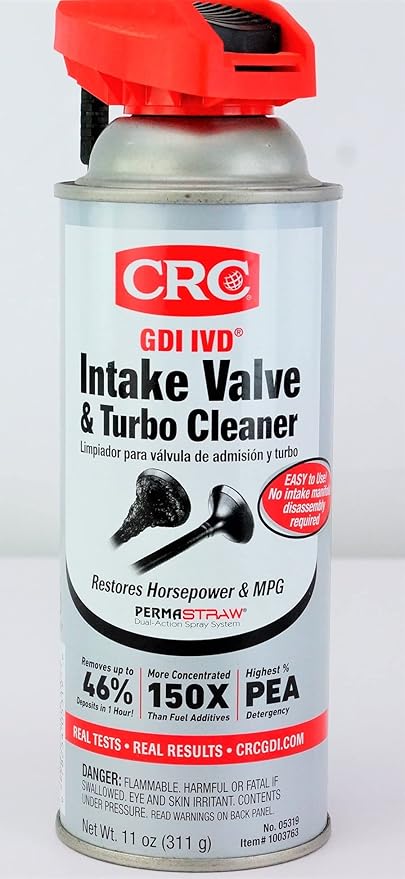 | Generic Intake Cleaner | Check Price |
Our Selected Top 12 Valve Cleaner Worth Buying
This list features a variety of valve cleaners designed to improve engine performance and maintenance. Each review explains how well the product works, who it is best suited for, and highlights its main advantages and potential drawbacks.
1. CRC GDI Intake Valve Cleaner
Designed specifically for GDI engines and turbo systems, this intake valve cleaner stands out by delivering the highest concentration of PEA detergency available. Perfect for those wanting a powerful, targeted solution to tackle valve deposits efficiently without the need for complex installation.
Installation is straightforward, as it fits directly into the air intake system, making it easy to set up before use. Its weight and size are manageable, ensuring it won’t take much space when stored.
Since it’s 150 times more concentrated than typical fuel additives, it requires less product to get effective cleaning, which simplifies regular maintenance routines.
Proven to remove up to 46% of intake valve deposits within one hour, the cleaner works quickly and effectively. It’s built with a machined exterior that feels sturdy and durable. The strongest praise highlights its powerful cleaning ability, while some note that it requires 12 volts for operation, which might limit compatibility without the right setup.
The product is most praised for its powerful cleaning action, significantly reducing intake valve deposits quickly. The common downside is the need for a 12-volt power source, which may complicate use in certain vehicles or scenarios without easy access to this power supply.
Great choice for those with GDI engines and turbo systems who want a potent and direct cleaner. Users without a compatible power setup or limited space might want to consider alternatives that fit their needs more easily.
Pros
- Highest concentration PEA detergency available
- Easy installation through air intake system
- Removes up to 46% of valve deposits in one hour
- Machined exterior ensures durability
Cons
- Requires 12 volts power source
- Larger size may be bulky for some setups
| Specification | Details |
|---|---|
| Manufacturer | CRC |
| Item Weight | 15.2 ounces |
| Voltage | 12 volts |
| Item model number | 05319 |
| Product Dimensions | 11.1 x 8.3 x 8.1 inches |
2. Liqui Moly Valve Clean
Liqui Moly Valve Clean suits anyone looking to improve engine performance by keeping valves clean and free from corrosion. Its biggest strength lies in lowering fuel consumption and pollutant emissions, making it a practical choice for those wanting a smoother, more efficient engine.
Using the product is straightforward since it’s a liquid form that fits universally across engines. Adding it follows simple instructions without fuss, and the lavender scent sets it apart from harsher-smelling cleaners. It also protects against carburetor icing, so it adds a layer of security beyond just cleaning.
Being safe on metal surfaces adds confidence during application.
The cleaner performs well by maintaining valve cleanliness and reducing corrosion, contributing to better engine behavior overall. Strong appreciation comes from its noticeable impact on fuel efficiency and engine smoothness. A common complaint involves the scent, which some find too subtle or unusual.
Its build as a liquid makes it easy to handle but requires careful dosing.
This valve cleaner is praised for its positive effect on fuel efficiency and keeping the engine running smoother. Some find its lavender scent unusual or not strong enough, which can be a minor drawback during application.
Those wanting an effective, gentle cleaner for a variety of engines will find it suitable. People sensitive to scents or looking for a stronger fragrance might want to consider alternative options.
Pros
- Improves engine performance effectively
- Reduces fuel consumption and emissions
- Protects against corrosion and icing
- Lavender scent is less harsh
Cons
- Scent may be too subtle for some
- Requires careful measurement when applying
| Specification | Details |
|---|---|
| Item Form | Liquid |
| Scent | Lavender |
| Fit Type | Universal |
| Specific Uses For Product | Dry Sanding |
| Surface Recommendation | Metal |
3. Generic Intake Valve Cleaner
Cleaning engine valves can feel like a chore, but this cleaner tackles baked-on carbon deposits effectively, making it a solid choice for anyone running GDI or standard PFI engines. It stands out most for improving fuel mileage while smoothing out rough idles, helping your engine breathe easier and run better.
Using the cleaner is straightforward, designed to work directly on intake valves through a powerful concentrate. Just follow the instructions to introduce it to your engine system, and it starts breaking down buildup without complicated tools or procedures. It fits both gas direct injection and port fuel injection engines, so it’s versatile for many setups.
It does a good job of dissolving stubborn carbon, which improves engine power and drivability noticeably in everyday driving. The bottle’s 11oz size is convenient and easy to store. The strongest point customers note is clear improvement in MPG; however, some mention that it’s not an instant fix and takes repeated use to see full benefits.
The cleaner is praised for increasing MPG and smoothing engine performance over time. Many note it is not a quick fix and needs consistent application before major changes show up.
Those wanting gradual improvement in fuel efficiency and engine smoothness will find it useful. Drivers expecting immediate results might want to look for alternatives with faster action.
Pros
- Improves fuel mileage noticeably
- Reduces rough idle effectively
- Works on GDI and PFI engines
- Compact 11oz bottle size
Cons
- Results require multiple uses
- Not an instant cleaning solution
| Specification | Details |
|---|---|
| Unit Count | 1 Count |
| Volume | 11oz |
| Suitable Engines | GDI and standard PFI engines |
| Formula | Advanced technology Cozolâ concentrate |
4. Berryman Intake Valve Cleaner

Ideal for gasoline engines, this intake valve cleaner stands out by directly targeting carbon buildup with a spray applied through the intake system during engine operation. It suits those wanting an effective way to clean intake valves and combustion chambers without complicated steps.
Setting up involves attaching the included application hose kit and spraying the cleaner while the engine runs, ensuring direct contact with intake valves and combustion areas. The aerosol form makes it easy to manage, and it works with various fuel injection systems like PFI, TBI, and the newer GDI engines, helping keep these running smoothly.
Effectiveness shines through its focused formula that tackles engine carbon buildup with noticeable results reported. The build is straightforward, a 16 oz can with an application hose for ease of use.
Some mention a desire for a scented option, since it is unscented, but most appreciate its practical design and multi-purpose function for metal engine parts.
The cleaner’s direct induction method receives praise for reaching intake valves and combustion chambers effectively, with most users noting a clear difference in engine cleanliness. The most frequent downside is the lack of fragrance, which some find less agreeable during use.
People looking for a straightforward, effective aerosol cleaner for gasoline engines with fuel injection will find it well-suited. Those preferring scent or needing a quieter, cold application might look to alternative products better fitting those preferences.
Pros
- Effective at removing carbon buildup
- Works on modern fuel injection systems
- Includes application hose for direct spraying
- Multi-purpose use on metal engine parts
Cons
- Unscented, which some may find less pleasant
- Requires engine to be running during application
| Specification | Details |
|---|---|
| Item Form | Aerosol |
| Scent | Unscented |
| Specific Uses For Product | Engine |
| Surface Recommendation | Metal |
| Special Features | Multi Purpose |
| Included Accessories | Application Hose Kit |
5. Red Line SI-1 Fuel System Cleaner

A concentrated liquid fuel system cleaner designed to clean and protect various engine parts makes for a solid choice for anyone looking to maintain engine performance. Its biggest strength lies in its powerful blend that tackles not just valves but injectors and combustion chambers as well, all in one treatment.
Using it is straightforward, just add one bottle per tank to your fuel. The formula offers a high-temp and low-temp detergent mix, meaning it works under different operating conditions. It stabilizes gasoline and slows down the formation of gum and varnish, so your engine runs cleaner over time without a complicated setup or extra steps.
It excels at cleaning deposits almost completely with just one application, and the treatment also helps prevent corrosion inside the fuel system. The liquid form makes it easy to handle and measure accurately. Some reviews mention the price point as a slight downside since it’s a concentrated product sold in limited quantity, but most agree that a single treatment does the job well.
The strongest praise lies in its ability to clean deposits across several parts of the fuel system almost completely after one treatment. The most common complaint points to the relatively small bottle size and cost, which might not be ideal for all budgets or frequent use.
Someone wanting a thorough fuel system cleaner that covers multiple engine areas will appreciate this product. Those needing larger volume or looking for a more budget-friendly option might want to explore other treatments instead.
Pros
- Concentrated formula cleans nearly 100% in one use
- Works on injectors, carburetors, and valves
- Improves the stability of gasoline
- Unscented and easy to use liquid
Cons
- Relatively small bottle size for some needs
- Price may be higher than other fuel additives
| Specification | Details |
|---|---|
| Item Form | Liquid |
| Specific Uses For Product | Automotive Interior |
| Special Features | Concentrated |
| Size | 15 Ounce (2 Pack) |
| Scent | Unscented |
6. Sea Foam Upper Engine Cleaner Spray

Sea Foam Upper Engine Cleaner Spray suits those wanting to clear out tough deposits from intake valves and combustion chambers. It shines in making engines with GDI technology run smoother by reaching areas other cleaners can’t. Its biggest strength lies in effectively cleaning while being easy to apply without special tools.
Spray application is straightforward and designed for DIY use. It can be applied through the gasoline air intake or carburetor throat.
This simplicity means no extra equipment is needed. Regular use helps keep the engine lubricated and clears out deposits that cause rough idling or hesitation, helping maintain power and smooth performance over time.
Effectiveness in cleaning upper engine parts such as valves and cylinders stands out. Its spray form allows targeted application where fuel-based cleaners miss, especially in modern GDI engines.
The build as a 12 oz spray container makes it convenient and portable. The main complaint revolves around its scent, which some find unpleasant, but many praise how noticeable the engine improvement is after use.
Many found the spray highly effective at removing harmful deposits and noticed smoother running engines afterward. The unpleasant scent is the most common downside reported. Application without tools is a big plus for those comfortable tackling basic engine care themselves.
People with GDI engines looking for upper engine cleaning will appreciate this product’s reach and ease of use. Those sensitive to strong smells or needing deeper engine cleaning beyond upper areas might want to consider alternatives.
Pros
- No special tools required for application
- Targets intake valves and combustion chambers
- Improves engine smoothness and power
- Works well for Gasoline Direct Injection engines
Cons
- Unpleasant scent noted by some users
- Limited to upper engine areas only
| Specification | Details |
|---|---|
| Item Form | Spray |
| Scent | 12 oz |
| Specific Uses For Product | Engine |
| Surface Recommendation | Stole |
7. Liqui Moly Throttle Valve Cleaner

Liqui Moly Throttle Valve Cleaner is designed for anyone looking to clean their throttle valve quickly without taking it apart. Its biggest strength is the ability to degrease and clean effectively while being simple and economical to use, perfect for gasoline engines needing regular maintenance.
Using the cleaner is straightforward since it does not require dismantling the throttle valve. Just apply the liquid as instructed, making it a convenient choice for routine engine care.
Because it’s unscented and liquid-based, it applies easily without producing strong odors, fitting well into your normal fuel system maintenance routine.
Performance-wise, the cleaning power is rapid and effective, managing to break down build-up on the throttle valve while protecting engine components. The build is typical for a liquid cleaner, focusing on easy application.
Users often praise how well it cleans without extra work, though some mention it might not tackle very heavy deposits in a single use.
Strong praise highlights how the cleaner works fast and effectively without needing to remove the throttle valve, saving time during engine maintenance. The common complaint points out it may take more than one application to remove thick deposits completely. The scent-free formulation also adds to comfort during use.
People looking for quick, routine cleaning of gasoline throttle valves will appreciate this product’s ease and efficiency. Those dealing with very stubborn or heavy grime might want to consider a stronger or more intensive cleaner instead.
Pros
- Rapid and effective cleaning and degreasing
- No need to dismantle throttle valve
- Simple to use
- Economical for regular maintenance
Cons
- May require multiple applications for heavy build-up
- Limited to gasoline engine throttle valves
| Specification | Details |
|---|---|
| Item Form | Liquid |
| Scent | Unscented |
| Specific Uses For Product | Throttle Valve |
| Surface Recommendation | Gasoline |
8. BG GDI Air Intake & Valve Cleaner

Engines often lose power and fuel efficiency due to dirty intake valves, which can be frustrating for daily drivers and performance enthusiasts alike. Designed for automotive exterior use, this cleaner targets stubborn buildup with the help of pressurized tools, focusing on restoring MPG and engine power for smoother rides.
Using it involves connecting to a pressurized tool to apply the liquid directly. This setup might sound complex, but it’s essential for getting the product where it works best, inside the intake valves.
It’s not for casual pouring into the tank; rather, it’s meant for precise cleaning during maintenance routines, which helps maintain engine performance over time.
The cleaning power stands out as it noticeably restores engine power and reduces harmful emissions, making a real difference in how the engine runs. Built as a liquid formula, its effectiveness depends heavily on the correct application method.
The strongest praise highlights clear improvements in fuel economy, while some note the need for specialized equipment as a drawback.
The cleaner is praised for clear engine performance and fuel efficiency gains, showing a visible impact on emissions as well. Common frustration arises from the need for a pressurized tool, which adds complexity and limits its use to more experienced or equipped individuals.
People who have access to the necessary equipment and want to restore engine health will find it useful. Those looking for a quick, easy fix without extra tools should consider alternative products designed for simpler application.
Pros
- Effectively restores engine power and MPG
- Reduces harmful emissions noticeably
- Liquid formula reaches engine components well
- Ideal for precision cleaning with proper tools
Cons
- Requires pressurized tool for application
- Not suitable for simple at-home use without gear
| Specification | Details |
|---|---|
| Item Form | Liquid |
| Specific Uses For Product | Automotive Exterior |
| Requires | Pressurized Tool |
| Function | Restores MPG, engine performance, power |
| Emission Impact | Reduces harmful emissions |
9. Dura Lube Valve Cleaner 8 Oz
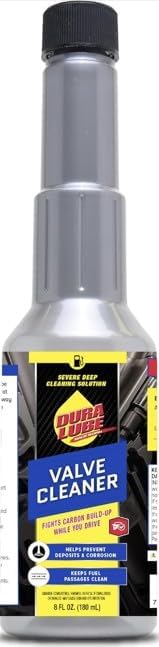
Designed to dissolve carbon and gum buildup on intake valves and combustion chambers, this 8 oz fuel additive suits gasoline engines needing better fuel atomization and engine cleanliness. Its biggest strength lies in restoring lost power and reducing engine knocking with simple, direct fuel tank application.
Using the cleaner involves pouring it directly into the fuel tank, which keeps things straightforward and quick. It works with turbocharged and direct-injection engines, so it fits a broad range of vehicles.
Its single-treatment size makes it convenient for occasional use without extra measuring or fuss.
Performance-wise, it effectively cleans fuel injectors and intake ports, supporting improved fuel economy and throttle response. The product arrives in a compact 2.25 x 2.25 x 8.75-inch bottle weighing just over 15 ounces.
Best praises highlight noticeable improvements in engine smoothness, while some concerns focus on whether a single 8 oz treatment suffices for heavy deposits.
Many appreciate how noticeably smoother the engine runs after treatment, signaling effective breakdown of carbon and gum deposits. A common concern is whether one 8 oz bottle is enough for particularly dirty or older engines requiring repeated use.
Those looking for a simple, one-step engine valve and fuel system cleaner will find it practical and reliable. Vehicles with extensive buildup or requiring repeated treatments might want to consider larger volume options or multiple treatments for best results.
Pros
- Cleans carbon and gum buildup effectively
- Safe for turbocharged and direct-injection engines
- Improves fuel economy and throttle response
- Easy to use by pouring directly into fuel tank
Cons
- Single 8 oz treatment may not suit heavy deposits
- Only compatible with gasoline engines
| Specification | Details |
|---|---|
| Brand | DURA LUBE |
| Model | Valve Cleaner | 8 oz., Single |
| Item Weight | 15.2 ounces |
| Product Dimensions | 2.25 x 2.25 x 8.75 inches |
| Manufacturer Part Number | HL-40730 |
10. Dura Lube Valve Cleaner 8 Oz 2-Pack

People looking to maintain engine performance in gasoline vehicles will appreciate this product’s focus on dissolving carbon buildup on intake valves and combustion chambers. Its biggest strength lies in helping restore power and smoothness by targeting critical engine components that affect fuel atomization. It suits turbocharged and direct-injection engines without extra fuss.
Daily use is straightforward since it only requires pouring the cleaner directly into the fuel tank. No need for complicated setups or manual cleaning of individual parts.
The 8 oz bottles come in a two-pack, giving you a good supply for routine engine maintenance. It works quietly as you drive, promoting fuel system cleanliness and better throttle response without interrupting your regular routine.
The formula successfully tackles carbon and gum deposits that cause knocking and rough idling, leading to a noticeably smoother engine performance when used consistently. The packaging is compact and easy to store, making the product simple to use. Some mention the effects take time to become obvious, highlighting patience as necessary.
There’s little concern over compatibility, as it fits gasoline engines well.
Positive feedback mentions how the cleaner genuinely improves engine smoothness and fuel efficiency by breaking down carbon buildup. The most frequent downside is that improvements are gradual, so patience is needed to fully appreciate the effects. Storage and pouring are easy, making repeated use convenient over long periods.
Those looking to maintain or regain engine power and reduce knocking in gasoline vehicles will find this product useful. People with diesel engines or requiring immediate engine performance changes may want a cleaner with a faster-acting formula or broader compatibility. Regular users who prefer filling the tank over complicated application methods will appreciate this option.
Pros
- Helps reduce engine knocking and smooth idle
- Safe on turbocharged and direct-injection engines
- Two 8 oz bottles offer double the value
- Cleans fuel injectors and intake ports effectively
Cons
- Results may take time to become noticeable
- Only compatible with gasoline engines
| Specification | Details |
|---|---|
| Brand | DURA LUBE |
| Model | Valve Cleaner | 8 oz., 2-Pack |
| Item Weight | 1 pounds |
| Product Dimensions | 3 x 5.75 x 9.75 inches |
| Manufacturer | Into Great Brands, Inc. |
| Manufacturer Part Number | HL-40730-02 |
11. GUNK GDI Intake Valve Cleaner

GUNK GDI Intake Valve Cleaner stands out for its versatility across engine types, especially turbo and supercharged setups. It suits compact cars, SUVs, and trucks and focuses on cleaning carbon deposits while being safe on emissions systems, making it a reliable choice for those wanting a thorough valve cleaning without risking their catalytic converter or oxygen sensors.
Using the cleaner involves adding it to your fuel system, where its PEA formula works on breaking down carbon buildup gradually. It fits a wide range of gasoline engines such as GDI and PFI, so it’s straightforward to apply regardless of your vehicle’s setup.
Avoid using it in diesel engines, as it’s not suitable for those. The 11-ounce bottle provides a manageable amount for regular maintenance without much hassle.
The cleaning performance effectively reduces carbon deposits, smooths idle issues, and cuts down emissions. The product’s build as a single 11-ounce item makes it easy to handle and store.
Praise often centers on its gentle effect on emissions controls, while some users wish the results were faster or more noticeable right away.
Many find the cleaner gentle on catalytic converters and sensors, making it safe for regular use. Some notice the valve cleaning results are not immediate and require repeated applications for full effect.
Those with gasoline engines, especially with GDI or turbo setups, will benefit from it. Those with diesel cars or anyone expecting instant results should seek alternatives suited to their needs or adjust expectations on timing.
Pros
- Compatible with turbo and supercharged engines
- Safe for emissions control systems
- Includes PEA formula for carbon cleaning
- Suitable for a wide range of vehicle types
Cons
- Not recommended for diesel engines
- Cleaning effects can take time to show
| Specification | Details |
|---|---|
| Unit Count | 11 Ounce |
| Number of Items | 1 |
| Item Weight | 1 pounds |
| Size | 11 Ounce (Pack of 1) |
12. Liqui Moly Valve Clean 150 Ml

Liqui Moly Valve Clean 150 ml is made to clear out deposits and protect the fuel system against rust and corrosion. Great for anyone wanting a cleaner engine and smoother fuel flow, its biggest strength lies in preventing carburettor icing while being environmentally friendly.
Adding it to your fuel is straightforward, requiring just one pack to get started. The product dissolves residue throughout the system, which helps maintain consistent engine performance daily. Its small 150 g size makes it simple to store, and using it regularly supports prevention without extra hassle.
Effectiveness at removing buildup receives high marks from people who use it, while the container’s modest volume sometimes needs multiple applications for larger engines. Packaging is solid and easy to handle, ensuring no mess during pouring.
It carries a 2-year warranty, which reflects confidence in its build quality.
The product is praised for cleaning the fuel system thoroughly and protecting it from corrosion. On the downside, the amount provided in one pack may not cover larger engines, meaning a repeat application could be needed.
Those with average-sized engines aiming to improve fuel system cleanliness and prevent icing will appreciate this cleaner. Users with larger engines might look for bigger containers or different options to meet their needs more efficiently.
Pros
- Removes and dissolves residue in fuel system
- Protects against rust and corrosion
- Prevents carburettor icing effectively
- Environmentally friendly and economical to use
Cons
- Small container might require multiple uses
- Not suitable for very large fuel systems only
| Specification | Details |
|---|---|
| Brand Name | Liqui Moly |
| Model Number | 21504 |
| Unit Count | 5.07 Fluid Ounces |
| Item Weight | 150 g |
| Manufacturer Warranty Description | 2 Years |
| Included Components | Liqui Moly 1014 valve clean |
Best Valve Cleaners Comparison Table
| Product | Form | Size | Specific Uses | Brand |
|---|---|---|---|---|
| CRC GDI Cleaner | Liquid | 15.2 ounces | Valve Cleaner | CRC |
| Liqui Moly Valve Clean | Liquid | – | Dry Sanding | – |
| Generic Intake Cleaner | – | 1 Count | – | Generic |
| Berryman Intake Cleaner | Aerosol | – | Engine | Berryman |
| Red Line Fuel Cleaner | Liquid | – | Automotive Interior | – |
| Sea Foam Engine Spray | Spray | 12 oz | Engine | – |
| Liqui Moly Throttle Cleaner | Liquid | – | Throttle Valve | Liqui Moly |
| BG GDI Cleaner | Liquid | – | Automotive Exterior | BG |
| Dura Lube Valve Cleaner | Liquid | 15.2 ounces | Valve Cleaner | DURA LUBE |
| Dura Lube Valve 2-Pack | Liquid | 8 oz (2-pack) | Valve Cleaner | DURA LUBE |
| GUNK GDI Cleaner | Liquid | 11 ounces | – | GUNK |
| Liqui Moly Valve Clean 150ml | Liquid | 5.07 fl oz | Valve Clean | Liqui Moly |
- FormLiquid
- Size15.2 ounces
- Specific UsesValve Cleaner
- BrandCRC
- FormLiquid
- Size–
- Specific UsesDry Sanding
- Brand–
- Form–
- Size1 Count
- Specific Uses–
- BrandGeneric
- FormAerosol
- Size–
- Specific UsesEngine
- BrandBerryman
- FormLiquid
- Size–
- Specific UsesAutomotive Interior
- Brand–
- FormSpray
- Size12 oz
- Specific UsesEngine
- Brand–
- FormLiquid
- Size–
- Specific UsesThrottle Valve
- BrandLiqui Moly
- FormLiquid
- Size–
- Specific UsesAutomotive Exterior
- BrandBG
- FormLiquid
- Size15.2 ounces
- Specific UsesValve Cleaner
- BrandDURA LUBE
- FormLiquid
- Size8 oz (2-pack)
- Specific UsesValve Cleaner
- BrandDURA LUBE
- FormLiquid
- Size11 ounces
- Specific Uses–
- BrandGUNK
- FormLiquid
- Size5.07 fl oz
- Specific UsesValve Clean
- BrandLiqui Moly
How to Choose the Right Valve Cleaner
Choosing a good valve cleaner depends on its compatibility with your valve material and its effectiveness in removing buildup without causing damage. Selecting the right cleaner ensures efficient maintenance, preventing costly repairs and prolonging valve life while saving time and effort in the long run.
Cleaning Effectiveness
Carbon buildup on valves can cause noticeable engine roughness and reduced fuel efficiency. A cleaner that fails to fully remove this residue often leaves behind sticky deposits that worsen over time, leading to misfires or poor throttle response. Valves made of metal and plastic react differently to harsh chemicals; metal valves demand strong but nonabrasive formulas, while plastic valves require gentler ingredients to avoid warping or deterioration.
The best products remove grime quickly without scrubbing off protective coatings. Look for formulations that dissolve carbon in minutes with minimal effort.
Some brands specify safe use on various valve materials, which is useful to confirm if your engine uses composite parts. Strong cleaning action paired with material compatibility means you avoid damage while restoring smooth engine function.
Chemical Composition and Safety
Many products contain harsh solvents that harm rubber seals or metal parts. Choosing one with noncorrosive, nontoxic ingredients can prevent damage to delicate engine components. Such formulas reduce risks of leaks or corrosion after use.
Also, biodegradable and environmentally friendly cleaners minimize impact on water systems and soil if spilled or disposed of improperly.
Some stronger chemical blends require gloves, masks, or well-ventilated areas because of fumes or skin irritation potential. Watching label warnings and handling instructions protects your health and prevents accidents. A safer chemical composition means less worry about engine harm and environmental harm.
Application Method
Application style affects how easily and precisely the cleaner reaches all valve surfaces. Spray options allow targeting hard-to-reach areas with minimal mess.
Pouring or soaking usually involves removing parts and longer setup but can provide deeper cleaning. Preparation often requires opening engine access panels or loosening components, which impacts total cleanup time.
Products compatible with various engine types simplify maintenance without requiring disassembly. Some formulas work well with tight spaces and automatic fuel injection systems. Evaluating whether a product matches your engine layout and how much work it takes to apply prevents wasted effort and cleaning missed spots.
Engine Compatibility
Different engine types handle cleaners differently. Gasoline engines often tolerate certain solvents that can damage diesel engine seals.
Hybrid engines may have special cooling or electrical parts affected by residue or moisture from cleaning. Effectiveness varies with engine size; lower doses might work fine in small motors but not in heavy-duty diesel engines with more extensive deposits.
Some products are designed for routine use during oil changes, offering steady maintenance without engine removal. Others require valves to be exposed through disassembly for thorough cleaning.
Checking compatibility avoids damage or ineffective treatment, so you choose a cleaner matching your engine type and maintenance capabilities.
Cost and Value
The amount of cleaner per container and recommended usage volume determine how many applications the product supports. Using less than needed reduces results, while overuse wastes money and may leave residues.
Frequency depends on driving habits and fuel quality; regular short trips often cause faster buildup, needing more frequent attention.
Balancing cost with cleaning effectiveness and lasting results prevents frequent repurchases. Some pricier formulas deliver longer-lasting valve cleanliness, making them cheaper over time. Comparing price per treatment and product longevity provides a clearer sense of value beyond just upfront cost.
Proper Techniques for Using Valve Cleaners to Maximize Efficiency
Applying valve cleaner correctly can make a significant difference in its effectiveness. Before using, remove any loose dirt or debris around the valve to prevent contaminants from entering during cleaning. Pour or spray the cleaner directly into the valve opening, following the product instructions on quantity and dwell time.
Some cleaners require the system to run for a short period after application to circulate the solution, while others work best when left to soak. Avoid overusing the cleaner, as excess chemicals may cause damage or leave residues.
After treatment, flush the valve with water or a recommended solvent to remove loosened deposits. Regular maintenance schedules and patience during application will result in better cleaning performance and extend valve life.
Maintaining Valve Cleaners: Storage and Longevity Tips
Storing valve cleaners properly influences their lifespan and effectiveness. Always keep the cleaner in its original container with the lid tightly sealed to prevent evaporation and contamination.
Store containers in a cool, dry place away from direct sunlight, heat sources, or moisture, as these can degrade the formula. Avoid freezing temperatures, which might alter the chemical composition. Regularly check the cleaner’s expiration date and look for signs of separation or unusual odor before use, as these indicate it may no longer perform as intended.
Use a dedicated, clearly labeled container if transferring the cleaner to avoid accidental misuse. Proper storage helps maintain the chemical strength, ensuring it works efficiently when needed.
Comparing Chemical vs. Eco-Friendly Valve Cleaning Alternatives
Chemical valve cleaners are generally designed for fast and effective removal of tough deposits like rust, scale, and carbon buildup. They often contain acids or solvents that break down contaminants quickly, but care must be taken to avoid corrosion or damage to valve materials. Eco-friendly alternatives, usually based on biodegradable and less harmful substances, work by using enzymes or mild solvents to dissolve buildup more gently.
While they may take longer to clean thoroughly, these options reduce environmental impact and health risks during use. Deciding between chemical and eco-friendly cleaners depends on the severity of the buildup, material compatibility, and the priority given to ecological safety versus cleaning speed.
People Also Asked
How Do I Use Valve Cleaner Safely on My Equipment?
Always wear protective gloves and goggles when applying valve cleaner. Work in a well-ventilated area to avoid inhaling fumes. Applying it slowly and carefully helps prevent damage to surrounding components.
What Size Valve Cleaner Do I Need for My System?
Choose a valve cleaner size based on the frequency of maintenance and the number of valves you have. Small bottles work well for occasional use on a few valves, while larger containers suit regular servicing or multiple valves.
How Long Does Valve Cleaner Typically Last After Opening?
Valve cleaner usually remains effective for several months after opening if sealed tightly and stored in a cool, dry place. Exposure to air and temperature fluctuations can reduce its potency faster.
Is Valve Cleaner Compatible with All Types of Valves?
Many valve cleaners are formulated for common metal valves but might not be suitable for plastic or specialty valves. Check the product label to verify compatibility with your valve material before use.
What Are Common Problems When Using Valve Cleaner Incorrectly?
Using too much cleaner can cause residue buildup or damage valve seals. Not allowing the product enough time to work or improper rinsing can leave debris inside the valve, affecting performance.
Conclusion
Choosing the right valve cleaner comes down to how often you use it, the type of valves you need to clean, and the cleaner’s compatibility with your tools or machinery. Durability and ease of use also play a big part in making sure it does the job without extra hassle. A cleaner that fits your specific needs will save time and reduce the need for repeat cleaning or repairs.
Consider your workspace and budget before committing to a purchase. A cleaner that matches the size and type of your equipment will work more efficiently and last longer.
Check the comparison table and detailed reviews above to find the option that fits your requirements best and will give you consistent results over time.